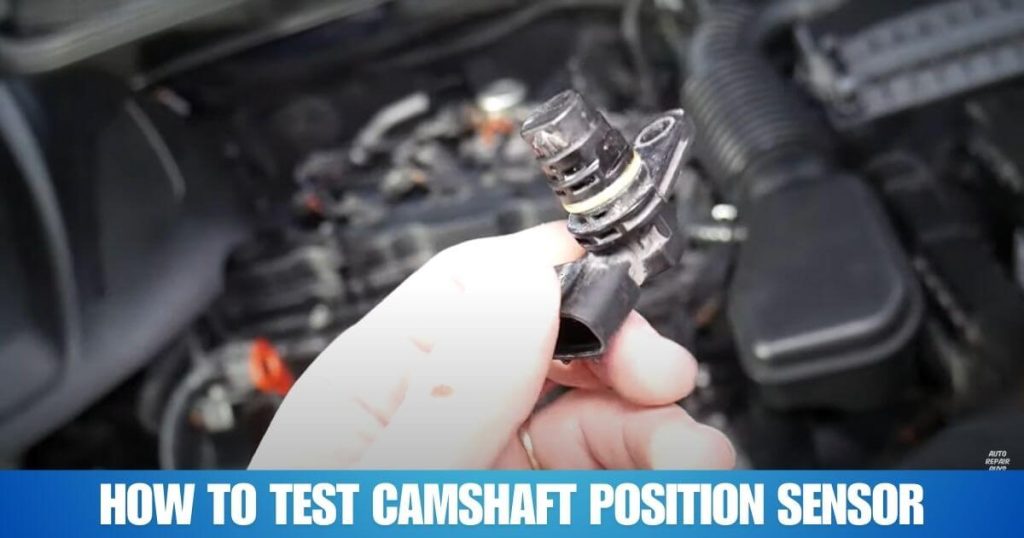
Test a BMW camshaft position sensor by checking fault codes, verifying power and ground, measuring signal output, and comparing results with BMW specifications.
BMW owners across the United States often encounter camshaft position sensor problems as vehicles age or accumulate mileage. A faulty sensor can cause hard starting, rough idle, poor acceleration, and an illuminated check engine light.
Understanding how to test BMW camshaft position sensor components correctly can help you identify whether the sensor, wiring, connector, or engine timing system is causing the problem. A structured diagnosis prevents unnecessary parts replacement and can save significant repair costs.
Source: youtube.com
What Does a BMW Camshaft Position Sensor Do?
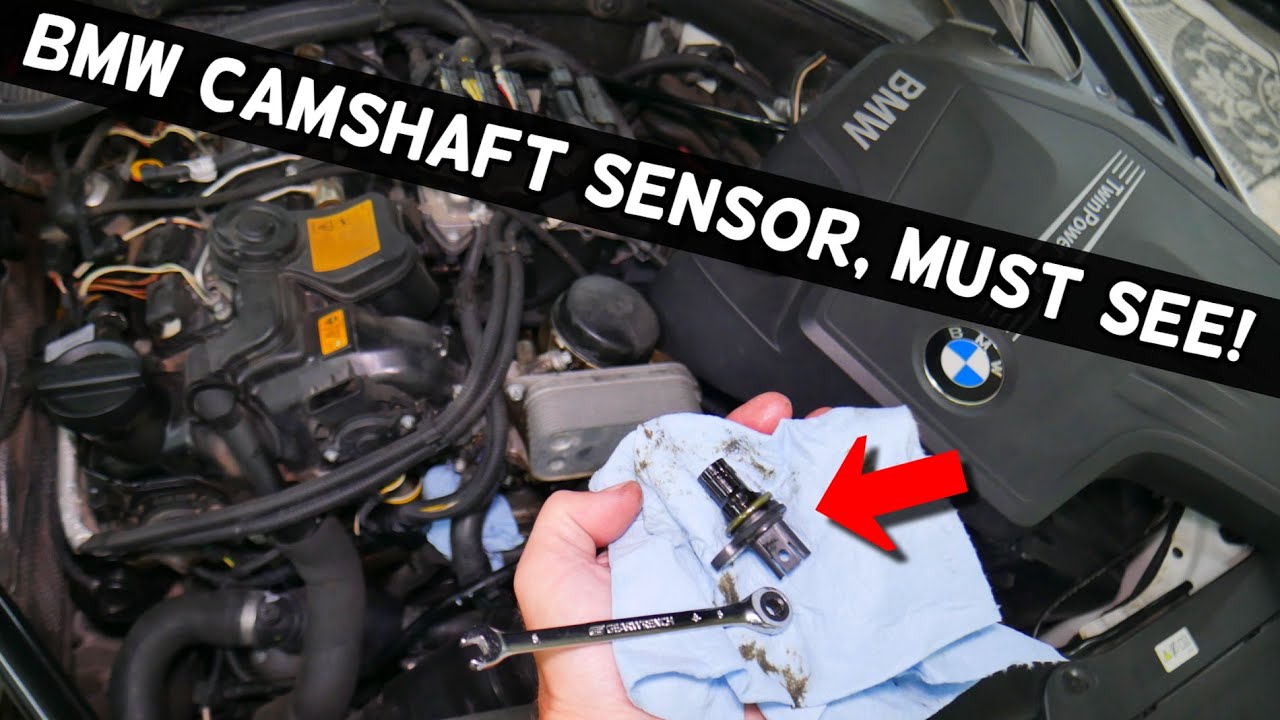
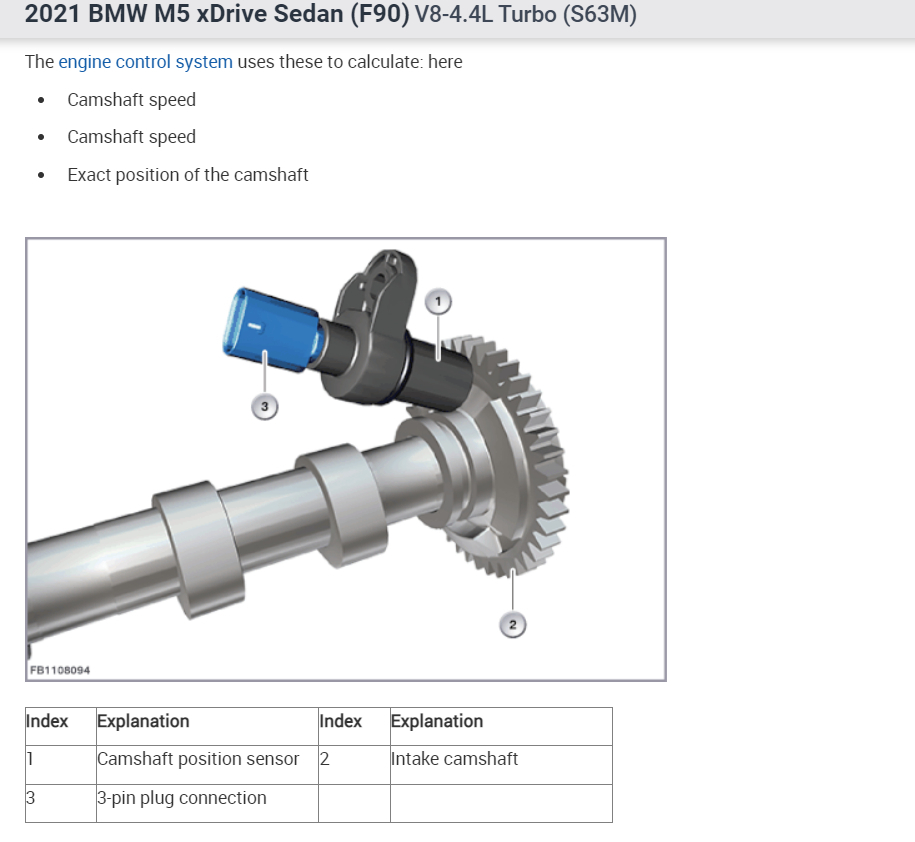
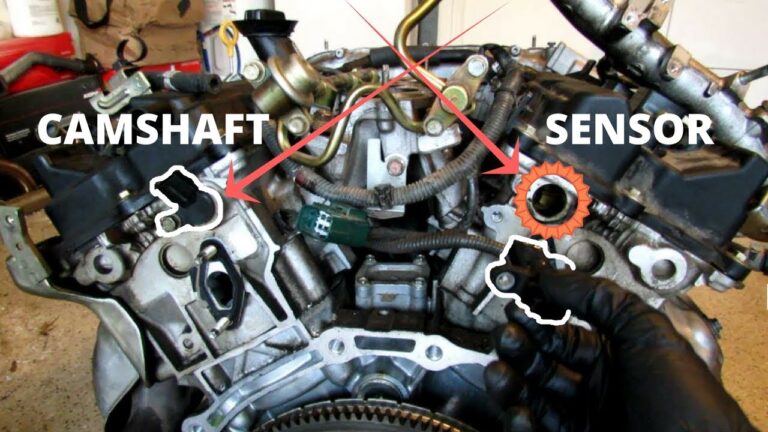
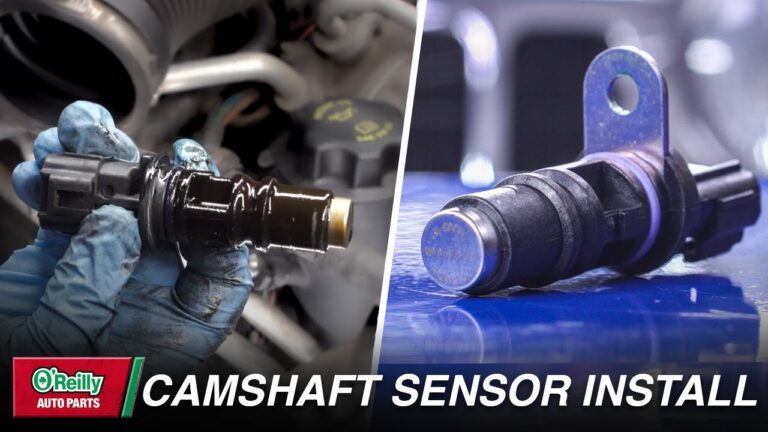
The camshaft position sensor monitors camshaft rotation and sends position data to the engine control unit. The control unit uses this information to manage ignition timing, fuel injection timing, and variable valve timing systems.
Most modern BMW engines use separate intake and exhaust camshaft sensors. If either sensor provides inaccurate information, engine performance and efficiency can suffer.
Source: youtube.com
Starting Control
Helps the engine control unit determine cylinder position during startup.
Fuel Injection Timing
Coordinates fuel delivery with engine operating conditions.
Variable Valve Timing
Supports proper operation of BMW VANOS systems.
Common Symptoms of a Bad Sensor
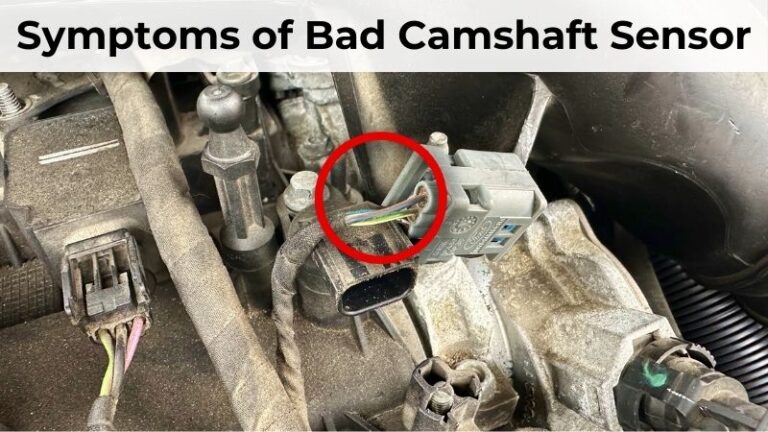
Typical symptoms include difficult starting, engine hesitation, reduced power, rough idle, stalling, and a check engine light. These symptoms can vary depending on the engine family and severity of the fault.
Hard Starting
The engine may crank longer than normal before starting.
Tools and Prerequisites Before Testing
Before beginning diagnosis, gather the necessary tools and review your BMW service information. Different BMW engines may have different connector layouts and test specifications.
Testing should be performed with the battery fully charged and all electrical connections accessible.
Source: thecarbuzz.com
OBD-II Scan Tool
Reads diagnostic trouble codes and live engine data.
Digital Multimeter
Measures voltage, resistance, and continuity.
Service Information
Provides wiring diagrams and specifications.
Safety Precautions
Keep hands, clothing, and tools away from moving engine components. Disconnect the battery when performing wiring repairs and follow manufacturer safety procedures.
Work on a Cool Engine
Avoid burns from hot engine parts.
How to Test BMW Camshaft Position Sensor Step by Step
The most effective approach is to begin with electronic diagnosis and then move to electrical testing. This process helps isolate the root cause quickly.
Follow each step in order and record your findings before moving to the next test.
Source: storage.googleapis.com
Step 1
Scan for stored and pending fault codes.
Step 2
Inspect sensor connectors and wiring for damage.
Step 3
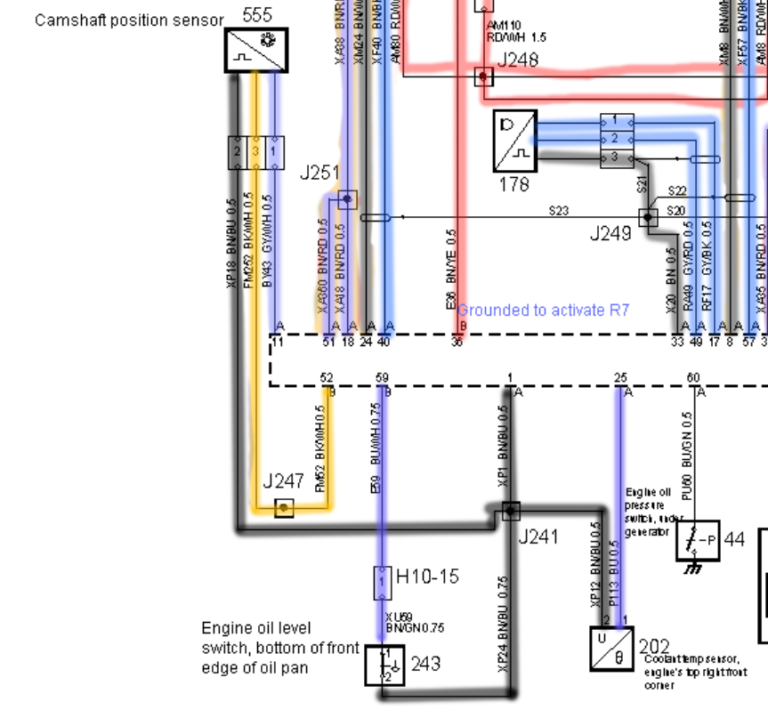
Verify sensor power supply and ground.
Step 4
Check live data values while cranking and running.
Voltage and Signal Testing
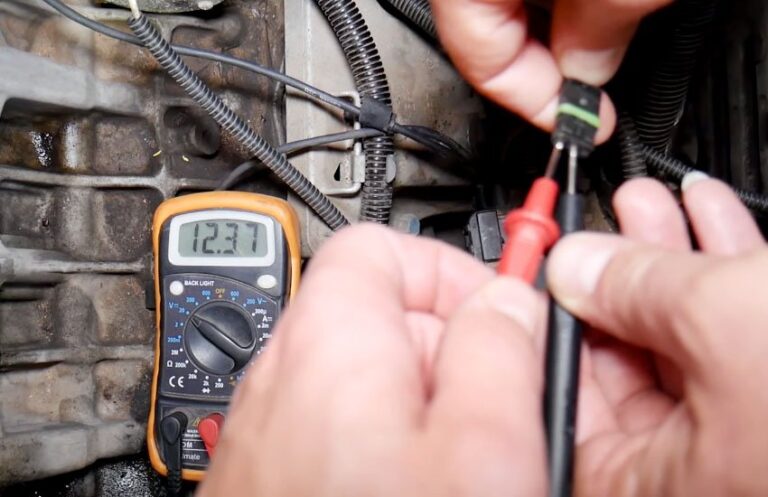
With the ignition on, verify that the sensor receives the specified reference voltage and ground. If voltage or ground is missing, inspect the wiring harness and engine control unit circuits.
Many BMW camshaft sensors generate a digital signal. An oscilloscope provides the most accurate signal analysis, but a scan tool can often confirm sensor activity through live data.
Good Result
Stable signal and realistic live data values.
Bad Result
No signal, intermittent readings, or sensor-related fault codes.
Understanding Test Results
A failed camshaft position sensor is not the only possible cause of a camshaft-related fault code. Wiring problems, timing chain wear, VANOS issues, and engine control module faults can create similar symptoms.
Interpreting the complete diagnostic picture helps prevent misdiagnosis.
Source: storage.googleapis.com
Sensor Fault
No output signal despite proper power and ground.
Wiring Fault
Missing voltage, poor ground, or damaged connector.
Mechanical Fault
Timing chain or camshaft timing problems affecting sensor readings.
Quick Diagnostic Table
Hard starting combined with camshaft sensor codes often points to a sensor or wiring issue. Camshaft correlation codes may indicate timing-related problems that require deeper inspection.
Correlation Codes
Investigate timing chain and VANOS operation.
Common Mistakes and When to Replace the Sensor
One of the most common mistakes is replacing the sensor immediately after seeing a fault code. Fault codes identify a problem area, not always a failed component.
Replace the sensor only after confirming that power, ground, wiring, and timing components are functioning correctly.
Source: youtube.com
Avoid Guesswork
Perform electrical testing before ordering parts.
Use Quality Components
Low-quality sensors can create recurring faults.
Clear Codes After Repair
Verify that the problem does not return during a road test.
Signs a Replacement Is Needed
Repeated sensor-related fault codes, failed signal testing, and confirmed wiring integrity are strong indicators that the sensor itself has failed.
Can a BMW camshaft position sensor fail without triggering a check engine light?
Yes. Some sensors can become intermittent and affect performance before a fault code is stored. Live data monitoring can help identify these cases.
Q
Can I test a BMW camshaft sensor with only a multimeter?
A multimeter can verify power, ground, and some circuit conditions. However, a scan tool or oscilloscope provides more complete diagnostic information.
Q
What fault codes are commonly associated with camshaft position sensors?
Common codes include camshaft position sensor circuit faults and camshaft correlation faults. The exact code varies by BMW model and engine.
Q
Will a bad camshaft sensor damage my BMW engine?
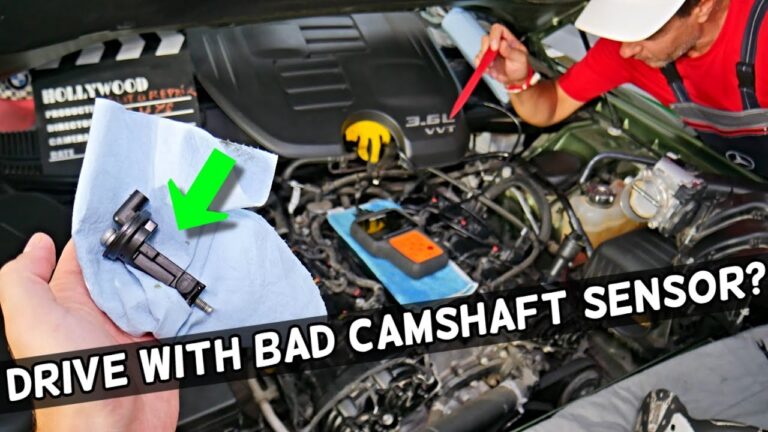
A faulty sensor usually causes drivability issues rather than direct engine damage. However, unresolved problems can lead to poor performance and increased fuel consumption.
Q
How long does it take to test a BMW camshaft position sensor?
A basic diagnostic check typically takes 30 to 60 minutes. More detailed testing may require additional time if wiring or timing issues are suspected.
✦ Wrapping Up
Conclusion
Learning how to test BMW camshaft position sensor systems correctly starts with scanning for fault codes, checking wiring, and verifying electrical signals. A systematic approach helps distinguish sensor failures from mechanical or wiring-related problems.
Accurate diagnosis reduces unnecessary parts replacement and improves repair success. If advanced signal analysis or timing verification is needed, professional diagnostic equipment may be required.
💡 Key Takeaway
Begin with a scan tool, verify power and ground circuits, review live data, and replace the sensor only after confirming it has failed testing.
Ethan Brooks is an automotive writer at Auto News 7, covering car news, vehicle maintenance, new model updates, recalls, and practical buying guides. He focuses on clear, useful information that helps drivers understand their vehicles and make better ownership decisions.
Learn how to rewire a camshaft position sensor safely. Follow step-by-step instructions, wiring checks, troubleshooting tips, and common repair mistakes.
Learn how to replace camshaft position sensor components with a detailed step-by-step guide, tools list, troubleshooting tips, safety advice, and common mistakes to avoid.