Yes, a faulty knock sensor can reduce fuel economy when it causes the engine computer to use less efficient ignition timing.
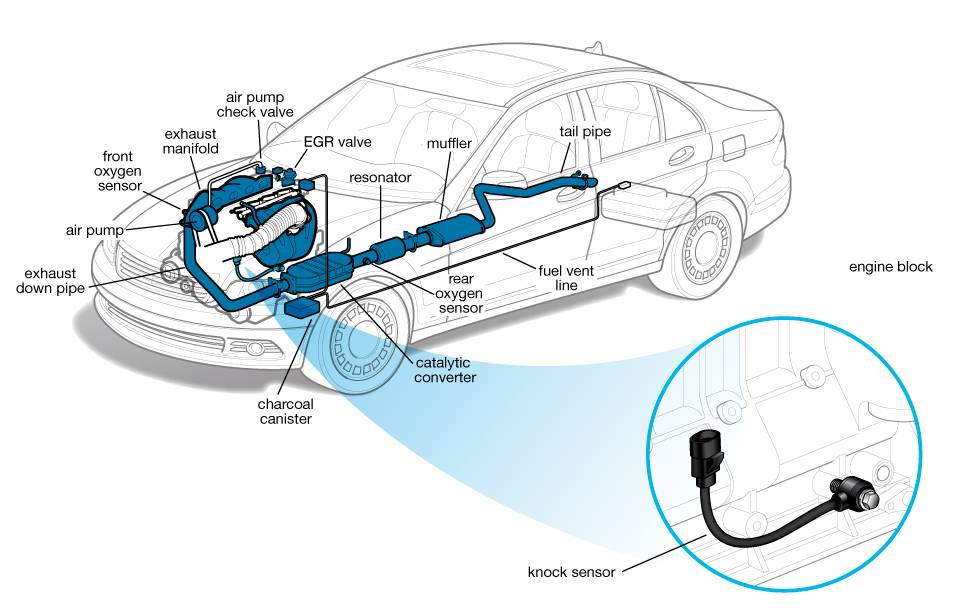
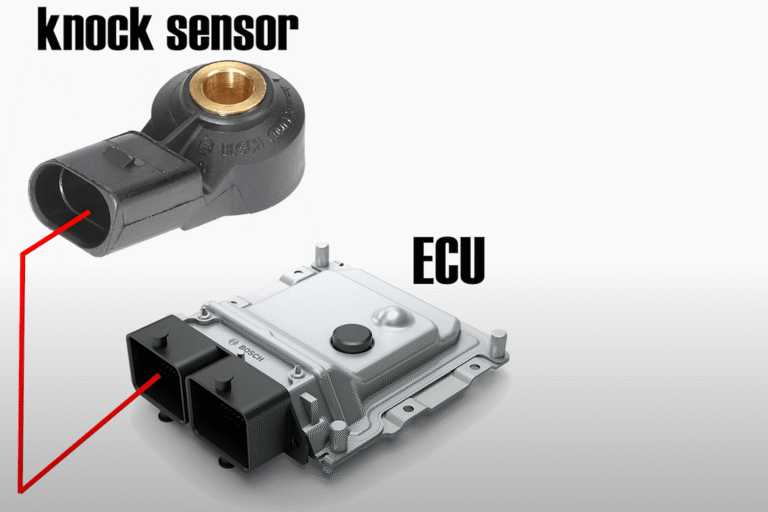
For drivers in the United States, a knock sensor is an important part of modern gasoline engine management. The sensor detects vibrations associated with combustion knock and sends that information to the engine control unit. The computer can then adjust ignition timing to protect the engine and maintain efficient combustion.
Does a knock sensor affect fuel economy? It can, especially when the sensor fails, its wiring has a problem, or the engine control system receives an incorrect knock signal. A problem does not automatically mean a large MPG loss, however. Fuel economy also depends on the engine design, driving conditions, fuel quality, ignition system, air and fuel controls, and the specific fault.
A bad knock sensor should therefore be diagnosed rather than replaced simply because fuel mileage has dropped. Other problems, including an inaccurate oxygen sensor, mass airflow sensor issue, ignition problem, vacuum leak, worn spark plugs, or low tire pressure, can also reduce MPG.
Source: hopetownlodge.com
How a Knock Sensor Works
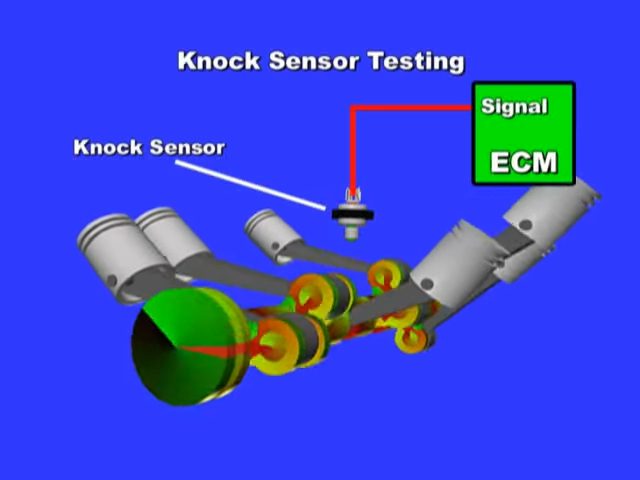
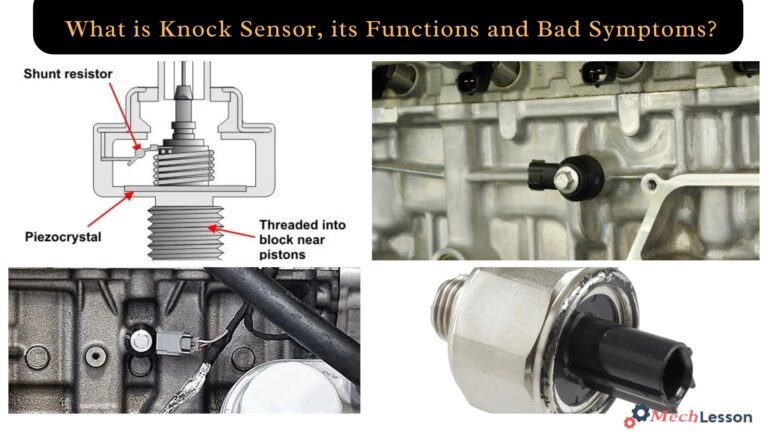
A knock sensor monitors engine vibration for frequencies associated with abnormal combustion, commonly called knock or detonation. The sensor converts these vibrations into an electrical signal that the engine control unit can evaluate.
When the control unit determines that combustion knock is occurring, it can adjust ignition timing. Retarding the spark can reduce the likelihood of continued knock and help protect the engine. The control strategy varies by vehicle, engine design, operating conditions, and software calibration.
This relationship explains why a knock sensor can influence fuel economy without directly measuring fuel consumption. The sensor provides combustion information, while the engine computer uses that information as part of its broader control strategy.
Source: images.cars.com
Knock detection
The sensor detects vibration patterns associated with abnormal combustion and sends a signal to the engine control system.
Ignition control
The engine computer can adjust ignition timing when knock is detected or when the system believes knock control is necessary.
Efficiency protection
Accurate knock feedback allows the engine to operate closer to its intended ignition strategy while still responding to combustion conditions.
What Is Engine Knock?
Engine knock is an abnormal combustion event that produces pressure waves and characteristic vibrations inside the engine. It can occur when the air-fuel mixture burns in an uncontrolled way rather than following the intended combustion process.
Repeated severe knock can damage engine components. Modern engine management systems use knock detection as one way to respond to changing conditions such as engine load, temperature, fuel characteristics, and combustion behavior.
Can a Bad Knock Sensor Lower MPG?
Yes, a bad knock sensor can contribute to lower fuel economy, but the effect is not identical on every vehicle. The engine computer may react to an implausible or missing knock signal by changing ignition timing or using a protective operating strategy.
Ignition timing affects how effectively combustion pressure pushes the piston during the power stroke. If timing is moved away from the engine’s most efficient operating point, the engine may produce less useful power from the same amount of fuel. The driver may then use more throttle to achieve the same acceleration.
A faulty sensor does not necessarily make the fuel injectors spray extra fuel directly. Fuel delivery is controlled through a much larger engine management system that considers many sensor inputs and operating conditions. The fuel-economy effect from a knock sensor fault is therefore usually indirect.
Some vehicles may show little noticeable MPG change when a knock sensor fault occurs, while others may experience reduced performance, increased fuel use, or both. The vehicle’s control strategy and the exact fault determine the result.
Source: files.easybom.com
Retarded ignition timing
If ignition timing is kept more retarded than intended, combustion may become less efficient under affected operating conditions.
Reduced engine response
Less efficient timing can reduce available power, which may encourage the driver to use more throttle and consume more fuel.
Protective engine strategy
Some vehicles may alter engine operation when the control system detects a sensor or circuit fault.
No guaranteed MPG loss
A knock sensor fault does not guarantee a measurable fuel-economy decrease because vehicle control strategies differ.
Why Ignition Timing Matters for Fuel Economy
Ignition timing determines when the spark plug ignites the air-fuel mixture relative to piston position. The goal is to produce useful cylinder pressure at the right point in the engine cycle.
If ignition occurs too early, combustion pressure can rise while the piston is still moving upward. That can increase the risk of knock. If ignition occurs too late, some of the combustion pressure arrives after the piston has moved farther down the cylinder, reducing the useful work produced by combustion.
The knock sensor helps the engine management system balance these competing concerns. The system must avoid harmful knock while maintaining an ignition strategy that supports performance, emissions control, and efficiency.
This is why a knock sensor can have a relationship with MPG even though it is not an air-fuel sensor. Its information helps the engine computer manage combustion timing.
Source: blogs.gomechanic.com
Optimal timing
The intended ignition strategy is designed to provide effective combustion under the engine’s current operating conditions.
Too much advance
Ignition that occurs too early can increase the risk of abnormal combustion and knock.
Too much retard
Ignition that occurs too late can reduce the useful work obtained from combustion and may hurt efficiency.
Does the Knock Sensor Control Fuel Directly?
No. A knock sensor primarily supplies information about combustion vibration. The engine control unit processes that information along with inputs from other sensors and then controls ignition and, depending on the vehicle’s strategy, other engine functions.
The sensor should not be confused with an oxygen sensor or air-fuel ratio sensor. Those sensors monitor exhaust oxygen content and are directly involved in maintaining the desired air-fuel mixture.
Signs a Knock Sensor Problem May Be Affecting Fuel Economy
Poor fuel economy alone is not enough to identify a knock sensor problem. Look for additional symptoms or diagnostic information that connects the MPG change with the engine control system.
A check engine light is one of the more useful clues because many modern vehicles monitor knock sensor circuits and related signals. A diagnostic trouble code can help identify whether the problem involves the sensor itself, wiring, a connector, or another engine condition.
Reduced acceleration, unusual engine behavior under load, or changes in engine response may also occur. However, these symptoms overlap with many other faults, so they should not be treated as proof of a failed sensor.
Source: toolsweek.com
Check engine light
A warning light can indicate that the engine control system has detected a problem involving the knock sensor circuit or related engine operation.
Lower fuel economy
A noticeable MPG decrease can occur when the fault causes the engine to operate with less efficient combustion control.
Reduced performance
Changes in ignition timing or a protective operating strategy may affect acceleration or throttle response.
Stored diagnostic code
A scan tool can reveal diagnostic trouble codes that provide a more useful starting point than the fuel-economy symptom alone.
Other Problems That Can Reduce MPG
Before blaming the knock sensor, consider other common causes of poor fuel economy. Low tire pressure, dragging brakes, poor maintenance, worn spark plugs, fuel-system problems, inaccurate airflow measurements, oxygen-sensor issues, vacuum leaks, and driving conditions can all affect MPG.
Frequent short trips, extended idling, cold weather, aggressive acceleration, high speeds, heavy loads, and stop-and-go traffic can also reduce fuel economy without any engine sensor failure.
How to Diagnose a Knock Sensor Before Replacing It
The best approach is to diagnose the fault before installing a new sensor. Replacing a sensor based only on poor MPG can waste money if the actual problem is wiring, another engine sensor, an ignition fault, or a mechanical issue.
Start by checking the vehicle’s diagnostic trouble codes with a suitable OBD-II scan tool. Record all relevant codes and freeze-frame information before clearing anything. The exact code and vehicle-specific service information should guide the next checks.
Next, inspect the knock sensor connector and wiring. Look for damaged insulation, corrosion, loose terminals, contamination, or wiring that has been exposed to excessive heat. A wiring fault can produce symptoms similar to a failed sensor.
If the wiring appears sound, follow the manufacturer’s testing procedure. Depending on the vehicle, diagnosis may involve checking sensor resistance or output, inspecting the mounting area, reviewing live data, and verifying the engine’s operating conditions. Do not apply a generic resistance specification to a vehicle unless the manufacturer provides that specification for the exact sensor and engine.
After the repair, clear codes only when appropriate, complete the required drive cycle, and confirm that the fault does not return. Compare fuel economy over several comparable trips rather than judging the result from one short drive.
Source: carandtruck.org
Scan for codes
Use an appropriate scan tool to identify stored or pending faults and record relevant data before clearing codes.
Inspect wiring
Check the sensor connector, terminals, harness, and mounting area for visible damage or contamination.
Follow vehicle-specific tests
Use the service information for the exact year, engine, and vehicle rather than relying on a universal sensor test.
Confirm the repair
Verify that the fault does not return and assess fuel economy over comparable driving conditions.
Should You Replace the Knock Sensor for Poor MPG Alone?
No. Poor MPG by itself does not justify replacing the knock sensor. A sensor should be replaced when testing indicates that the sensor is faulty or when the manufacturer’s diagnostic procedure identifies it as the cause.
If the vehicle has a knock sensor code, do not assume that the sensor itself has failed. The code can sometimes result from wiring, connector, mounting, signal, or underlying engine problems.
How Much Can a Bad Knock Sensor Affect Fuel Economy?
There is no single MPG loss that applies to every vehicle with a faulty knock sensor. The effect depends on the engine, control software, type of failure, operating conditions, and whether the fault causes the engine to change ignition timing or enter another protective strategy.
A small change may be difficult to notice because normal fuel economy varies from trip to trip. Weather, traffic, tire pressure, fuel formulation, vehicle load, driving style, and route can create larger differences than a minor sensor-related change.
For a useful comparison, calculate fuel economy across several fill-ups or comparable driving periods. Record miles driven and fuel added, then compare the result after the repair under similar conditions. A simple calculation is miles driven divided by gallons used.
For example, if a vehicle travels 360 miles on 12 gallons, its calculated fuel economy is 30 mpg. If it later travels 360 miles on 13 gallons under similar conditions, the calculated result is about 27.7 mpg. This calculation shows a change, but it does not identify the cause.
Source: blogs.gomechanic.com
Vehicle calibration
Different engines respond differently to knock sensor faults because their control strategies and software are not identical.
Driving conditions
Traffic, speed, temperature, terrain, vehicle load, and driving style can significantly change observed MPG.
Fault severity
A sensor with an intermittent wiring issue may behave differently from a sensor with a complete circuit failure.
Measurement method
Comparing several comparable fuel-use measurements is more useful than relying on one trip computer reading.
What to Do If Your MPG Drops After a Knock Sensor Problem
If fuel economy drops at the same time as a confirmed knock sensor fault, repair the underlying problem first and then verify engine operation. Do not assume that replacing the sensor alone will restore a specific MPG number.
If the vehicle continues to consume more fuel after the knock sensor repair, continue diagnosis. Check for other stored or pending codes and investigate ignition, air intake, fuel control, exhaust feedback, tire pressure, brakes, and maintenance conditions as appropriate.
If the engine is knocking, running poorly, overheating, or showing a flashing check engine light, avoid continued hard driving until the cause is identified. Severe combustion problems can damage the engine or emissions equipment.
Source: images.cars.com
Repair the confirmed fault
Use the vehicle-specific diagnostic procedure to correct the sensor, wiring, connector, or related problem.
Verify operation
Confirm that diagnostic faults do not return and that the engine operates normally after the repair.
Recheck fuel economy
Measure MPG under comparable driving conditions instead of expecting an immediate fixed percentage improvement.
Investigate remaining problems
If MPG remains poor, look for other causes instead of repeatedly replacing sensors.
When Professional Diagnosis Makes Sense
Professional diagnosis is appropriate when the vehicle has persistent knock, repeated sensor codes, drivability problems, wiring damage, or an unresolved check engine light. A qualified technician can use manufacturer service information and diagnostic equipment to separate a sensor fault from an underlying engine problem.
This is especially important when the sensor is mounted in a difficult location or when testing requires specialized scan data or manufacturer-specific procedures.
Frequently Asked Questions
Q
Does a knock sensor affect fuel economy?
Yes, a knock sensor can affect fuel economy indirectly because its signal helps the engine computer manage ignition timing. A faulty sensor or circuit can cause the control system to use a less efficient operating strategy on some vehicles.
The actual MPG effect varies by vehicle and fault. Poor fuel economy alone does not prove that the knock sensor is defective.
Q
Can a bad knock sensor make a car use more gas?
It can. If a knock sensor problem causes the engine computer to retard ignition timing or use another protective strategy, engine efficiency may decrease under affected conditions.
However, many other faults can also increase fuel consumption, so diagnosis is necessary before blaming the sensor.
Q
Will replacing a knock sensor improve MPG?
Replacing a faulty knock sensor can restore normal engine control when the sensor or its circuit is actually causing the problem. Fuel economy may improve if the fault was affecting ignition timing or another engine control strategy.
There is no guaranteed MPG increase because the result depends on the vehicle, the original fault, and other driving and maintenance conditions.
Q
Can a knock sensor cause a check engine light?
Yes. Many modern vehicles monitor knock sensor circuits and related signals, and a detected fault can trigger the check engine light.
The stored diagnostic code should be interpreted using the service information for the exact vehicle because the code does not always mean the sensor itself must be replaced.
Q
Can I drive with a bad knock sensor?
A vehicle may continue to run with a knock sensor fault, but continued driving can allow the engine control system to operate differently from its intended strategy. The risk depends on the exact fault and engine condition.
If the engine is actively knocking, running very poorly, overheating, or showing a flashing check engine light, avoid hard driving and have the vehicle diagnosed promptly.
Q
Does a knock sensor affect fuel mixture?
A knock sensor primarily detects combustion vibration and communicates that information to the engine control unit. It is not the primary sensor used to measure exhaust oxygen and directly control the target air-fuel mixture.
Its main relationship to engine efficiency is through knock control and ignition timing, although the complete engine management strategy can vary by vehicle.
✦ Wrapping Up
Conclusion
Does a knock sensor affect fuel economy? Yes, it can, but usually through its effect on engine control rather than by directly controlling fuel delivery. The sensor helps the engine computer recognize combustion knock and adjust ignition timing to balance engine protection, performance, emissions, and efficiency.
If your MPG has dropped and the vehicle also has a knock sensor fault, diagnose the sensor, wiring, connector, and related engine conditions before replacing parts. If fuel economy remains poor after the confirmed repair, investigate other common causes rather than assuming the knock sensor was responsible.
💡 Key Takeaway
If a knock sensor fault and lower MPG occur together, scan the vehicle, verify the sensor circuit using the manufacturer procedure, repair the confirmed cause, and then compare fuel economy over several similar driving periods.
Ethan Brooks is an automotive writer at Auto News 7, covering car news, vehicle maintenance, new model updates, recalls, and practical buying guides. He focuses on clear, useful information that helps drivers understand their vehicles and make better ownership decisions.
Learn how to replace crankshaft position sensor Ford F150 models safely, including tools, access points, removal steps, installation tips, and troubleshooting.
Learn whether a bad knock sensor can cause power loss, how it affects engine timing, common symptoms, diagnostic steps, and when replacement is necessary.
Learn how to install crankshaft position sensor correctly with step-by-step instructions, tools, safety tips, troubleshooting advice, and signs of a successful installation.
Learn what type of sensor is a knock sensor, how it works, the technology behind it, and why it is essential for modern vehicle engine protection and performance.
Learn how to test a GM knock sensor using a multimeter, scan tool, and practical diagnostic steps. Discover common symptoms, testing methods, and troubleshooting tips for Chevrolet, GMC, Cadillac, and Buick vehicles.
Learn whether a camshaft sensor needs to be programmed after replacement, when relearn procedures are required, common symptoms, troubleshooting steps, and what to expect during installation.