Yes. A faulty camshaft position sensor can affect transmission behavior on some vehicles, but the effect is usually indirect rather than a mechanical transmission failure.
For drivers in the United States, an unexpected hard shift, delayed gear change, or hesitation can quickly raise concerns about an expensive automatic transmission repair. However, modern U.S.-market cars, SUVs, and light trucks use interconnected electronic powertrain controls, so an engine sensor problem can sometimes change how the transmission behaves even when the transmission itself is mechanically sound.
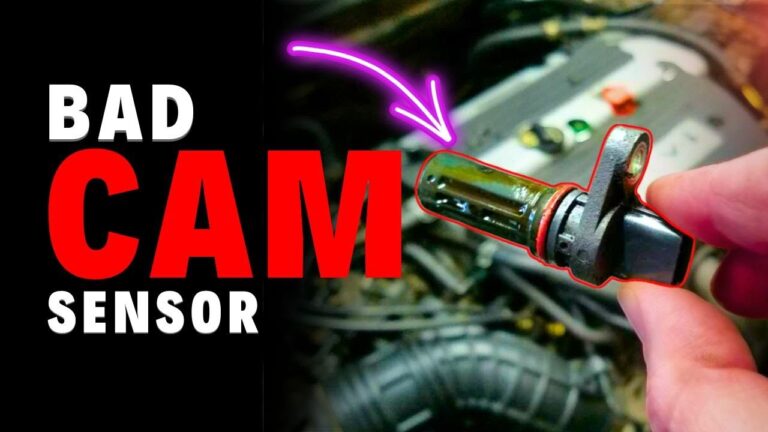
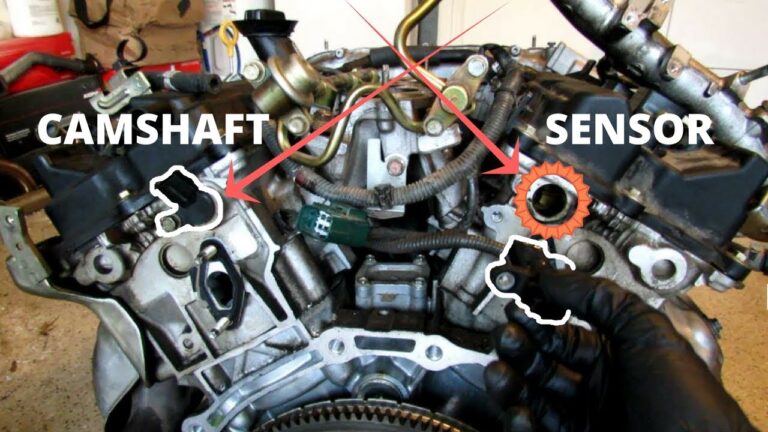
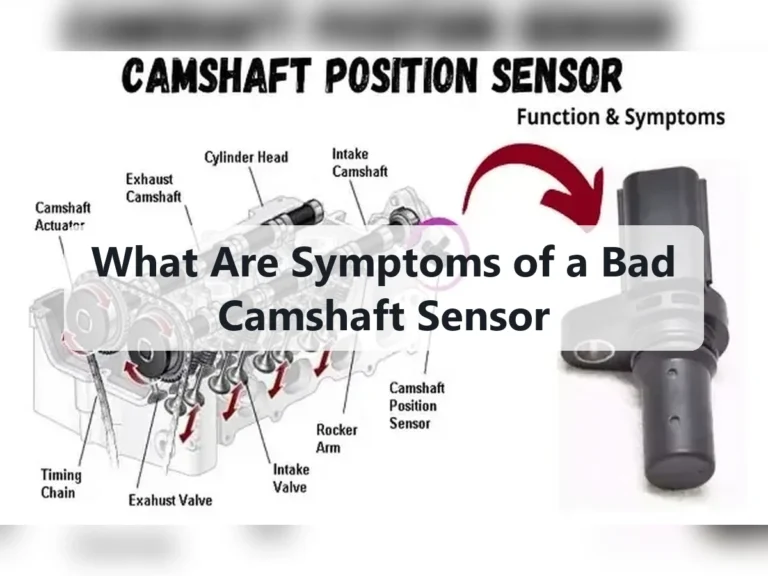
The camshaft position sensor tells the engine control module or powertrain control module where the camshaft is in its rotation. That information helps the computer manage fuel injection, ignition timing, variable valve timing, engine torque, and other operating strategies. On vehicles where the engine controller exchanges torque and operating data with the transmission control module, inaccurate camshaft information can contribute to harsh, delayed, early, late, or inconsistent shifting.
That does not mean every shifting problem is caused by the camshaft sensor. Transmission speed sensors, low or degraded fluid, solenoid faults, valve-body problems, wiring faults, range sensors, internal clutch wear, and control-module problems can produce similar symptoms. The safest approach is to scan the vehicle and diagnose the engine and transmission systems before replacing parts.
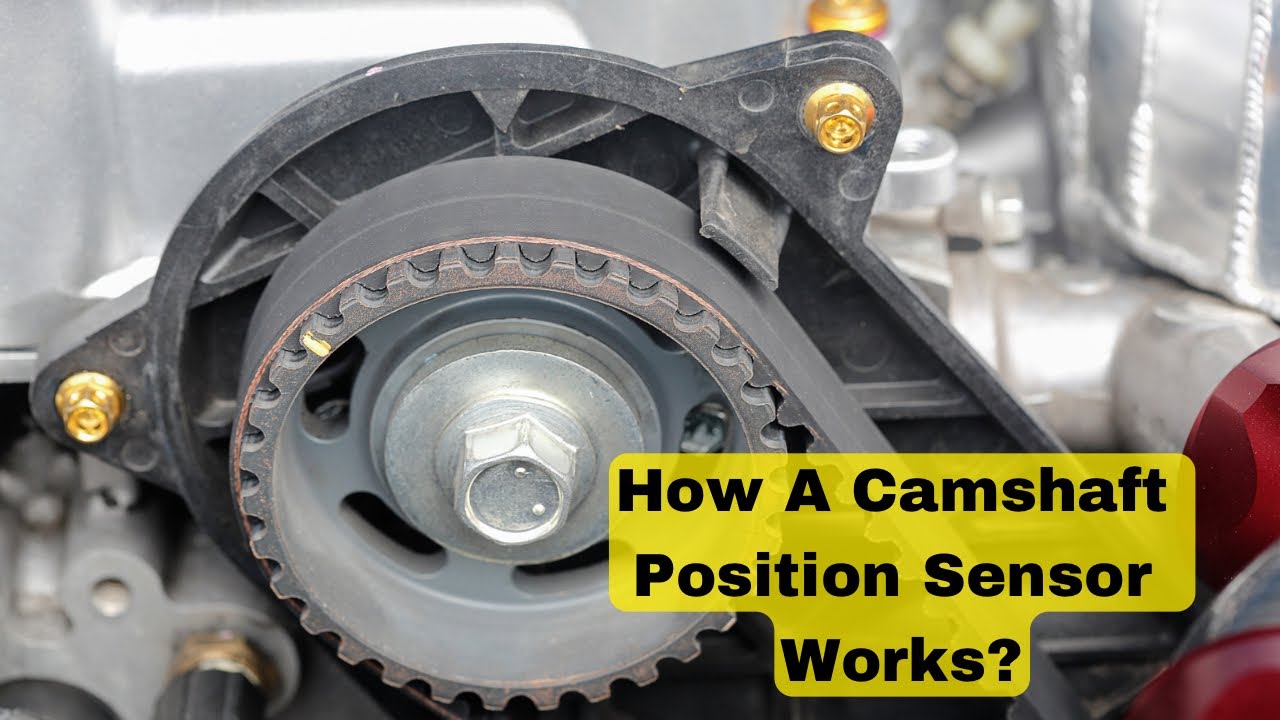
Source: storage.googleapis.com
How Does a Camshaft Sensor Affect Transmission Operation?
The camshaft position sensor does not physically shift the transmission. Its direct job is to monitor camshaft position and provide that information to the vehicle’s engine or powertrain controller. The connection to transmission behavior occurs through the electronic control system.
A modern automatic transmission needs more than vehicle speed to decide when and how firmly to shift. Depending on the vehicle, the transmission controller may consider throttle demand, calculated engine load, available engine torque, engine speed, vehicle speed, transmission input and output speeds, temperature, brake input, and other operating information.
Camshaft position information helps the engine computer determine cylinder phase and manage combustion. If that signal becomes missing, intermittent, or implausible, the engine controller may change fuel delivery, ignition strategy, variable valve timing operation, or torque calculations. The transmission controller can then receive engine information that differs from normal operation.
The practical result can be a shift that feels harder, later, earlier, or less predictable. Some vehicles may also enter a reduced-power or fail-safe strategy. The exact response depends heavily on the manufacturer, engine, transmission, software calibration, and type of sensor failure.
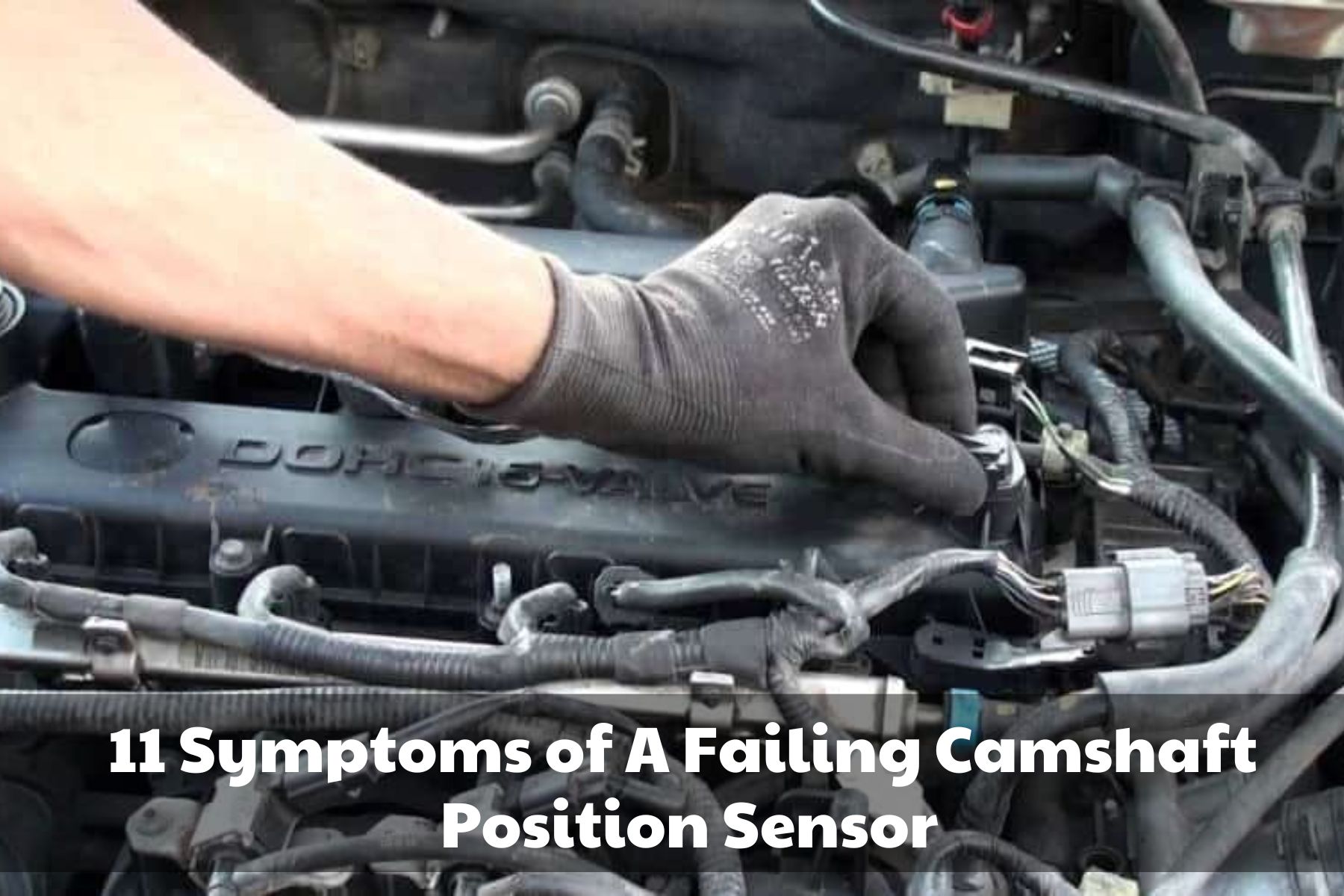
Source: youtube.com
Indirect connection
The camshaft sensor supplies engine-position information; it does not command individual transmission clutches or gears.
Shared powertrain data
Engine and transmission controllers may exchange torque, load, speed, and operating-state information.
Backup strategies
When reliable sensor information is lost, some vehicles use substitute values or protective operating modes that can change drivability.
Why Engine Torque Information Matters During a Shift
Automatic transmissions often coordinate a gear change with engine torque management. During a shift, the powertrain system may briefly alter engine torque so clutches can apply smoothly. If an engine fault causes inaccurate torque calculations or unstable engine output, the shift can feel different even though the mechanical transmission is still capable of operating normally.
This is one reason technicians generally address significant engine-performance faults before condemning an electronically controlled transmission. Correct engine operation gives the transmission controller the conditions it expects when evaluating shift quality.
Camshaft Sensor Versus Camshaft Actuator
A camshaft position sensor and a camshaft timing actuator are different parts. The sensor measures position. A variable valve timing actuator or cam phaser changes camshaft timing when commanded by the engine controller. A sticking actuator, oil-control solenoid problem, low oil pressure, incorrect oil condition, or mechanical timing problem can create symptoms that resemble a failed sensor.
This distinction matters because replacing a camshaft sensor will not repair a timing chain that has jumped, a damaged reluctor wheel, or a variable valve timing system that cannot reach the commanded position.
Symptoms When a Bad Camshaft Sensor Affects Shifting
When a camshaft position sensor influences transmission behavior, the vehicle usually shows evidence of an engine-management problem as well. A transmission symptom by itself is much less convincing evidence of a camshaft sensor failure.
For example, a vehicle may hesitate when accelerating and then shift firmly. The driver may perceive the event as a transmission problem, even though the engine first produced less or less predictable torque than the powertrain controller expected. Intermittent sensor failures can make this especially confusing because the vehicle may operate normally during another trip.
Symptoms also depend on how badly the signal has deteriorated. A completely missing signal may produce hard starting or a no-start condition on some engines, while an intermittent signal may cause occasional hesitation, stalling, or irregular shifts.
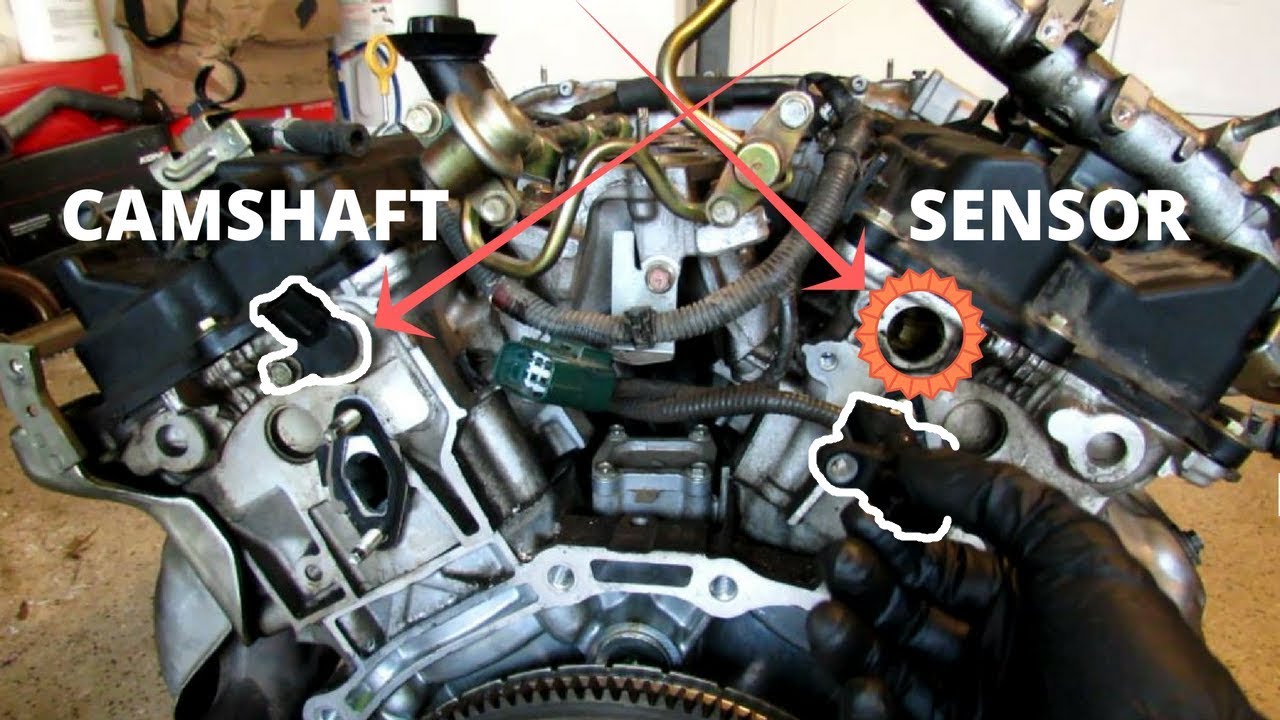
Source: storage.googleapis.com
Harsh shifting
Gear changes may feel unusually firm or abrupt when engine torque delivery or control data becomes inconsistent.
Delayed shifting
The transmission may remain in a gear longer than expected under certain fault conditions.
Erratic shift timing
Shift behavior may change from one drive to another if the sensor signal fails intermittently.
Hesitation before a shift
Poor engine response can feel like delayed transmission engagement even when the hesitation originates on the engine side.
Reduced-power operation
Some vehicles limit performance after detecting an important powertrain fault.
Check Engine light
A stored engine fault code is an important clue when unusual shifting appears with a camshaft-related problem.
Hard starting or stalling
These symptoms point more strongly toward an engine-management problem than an isolated internal transmission fault.
Weak acceleration
Incorrect camshaft information can interfere with normal engine performance and make transmission operation feel sluggish.
Can a Camshaft Sensor Cause the Transmission to Get Stuck in Gear?
It is possible for a powertrain fault to contribute to a fail-safe or limp strategy on some vehicles, but a transmission that stays in one gear should not automatically be blamed on the camshaft sensor. Transmission range sensors, speed sensors, solenoids, electrical faults, pressure problems, and internal transmission issues can also trigger protective operation.
Scan both the engine and transmission controllers whenever possible. A transmission-specific code provides very different diagnostic direction from a camshaft sensor circuit code.
How to Tell a Camshaft Sensor Problem From a Transmission Problem
The most useful distinction is whether the vehicle has an engine-performance fault, a transmission-control fault, or both. Shifting feel alone cannot reliably identify the failed component.
A camshaft-related problem becomes more plausible when unusual shifting occurs together with hard starting, rough idle, misfires, stalling, hesitation, loss of power, inconsistent acceleration, or camshaft-related diagnostic codes. A true transmission problem becomes more likely when engine operation remains stable but the vehicle shows slipping, incorrect gear ratios, delayed engagement into Drive or Reverse, transmission-specific codes, abnormal fluid condition, or speed-sensor discrepancies.
A slipping transmission also feels different from many engine-related problems. During genuine clutch or belt slip, engine rpm may rise without a matching increase in vehicle speed. By contrast, an engine sensor fault often causes stumbling, hesitation, unstable torque, or reduced power rather than a clean rpm flare.
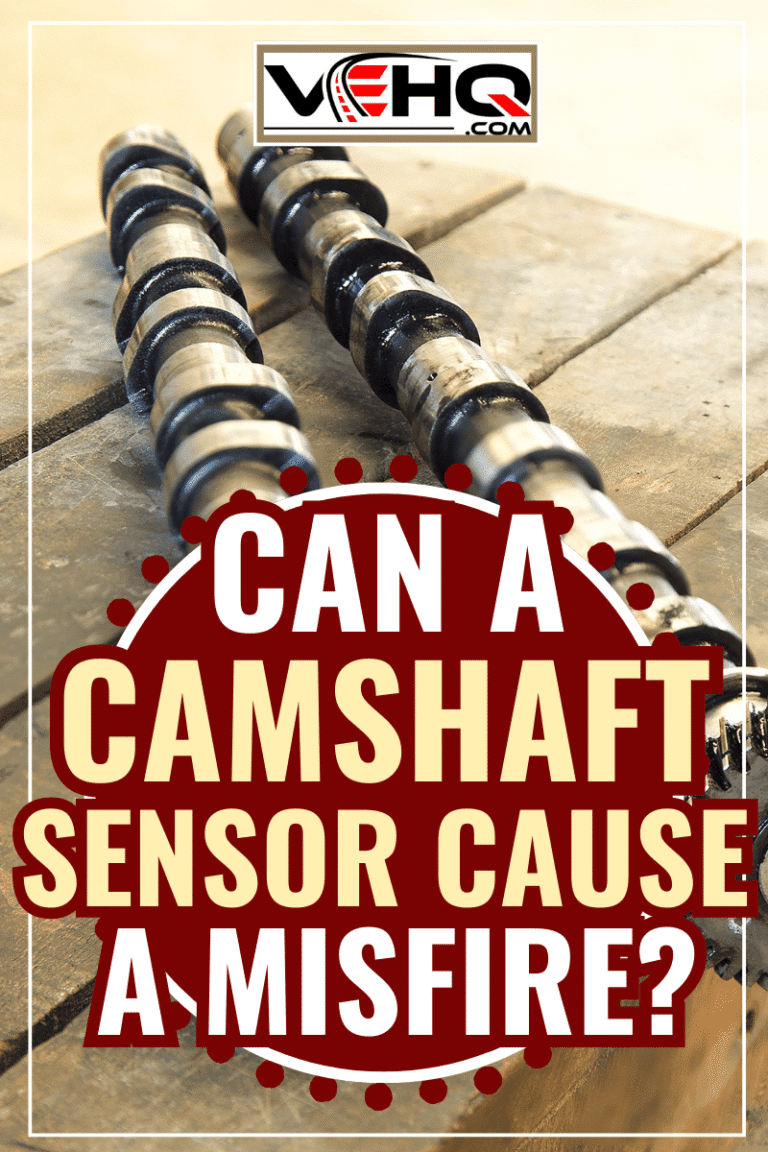
Source: ar.inspiredpencil.com
More consistent with a camshaft sensor or engine fault
Hard starting, stalling, rough running, weak acceleration, engine-related codes, and shifting complaints that appear at the same time.
More consistent with a transmission fault
Gear-ratio errors, slipping under load, delayed Drive or Reverse engagement, transmission speed-sensor codes, or abnormal transmission operation with an otherwise smooth-running engine.
Could involve either system
Harsh shifts, delayed shifts, limp mode, hesitation, and a general loss of drivability require diagnostic testing because they are not component-specific symptoms.
Do Not Confuse the Camshaft Sensor With the Transmission Range Sensor
The transmission range sensor tells the powertrain controller which selector position or transmission range has been requested, such as Park, Reverse, Neutral, or Drive. It serves a different purpose from the camshaft position sensor.
A faulty transmission range sensor can cause an incorrect gear display, starting problems related to Park or Neutral recognition, unexpected gear-selection behavior, or a transmission fault code. Those symptoms require a different diagnostic path.
Transmission Speed Sensors Are Also Different
Many automatic transmissions use input and output speed sensors to monitor shaft speeds. The controller can compare those readings with the commanded gear to evaluate shift timing and actual gear ratio. A speed-sensor fault can therefore produce harsh or improper shifting without any problem in the camshaft sensor.
How to Diagnose a Camshaft Sensor Before Replacing It
Diagnosis should begin with fault codes and basic inspection rather than replacing the sensor based on symptoms alone. Camshaft position sensor circuit codes commonly fall within the P0340 through P0349 family, although the exact code depends on the engine configuration and which sensor or bank is involved.
A code describing a camshaft sensor circuit does not prove the sensor itself has failed. Broken wires, loose terminals, corrosion, oil contamination, power or ground problems, damaged trigger wheels, incorrect sensor installation, and control-module issues can affect the signal.
Camshaft and crankshaft correlation codes can also point toward mechanical valve timing or variable valve timing problems rather than a simple electrical sensor failure. This is why reading the exact code description and vehicle-specific service information is important.
Source: storage.googleapis.com
Step 1: Scan all available modules
Read engine and transmission codes before clearing anything. Record freeze-frame data when the scan tool provides it.
Step 2: Separate engine and transmission codes
Determine whether the vehicle has camshaft circuit codes, timing correlation codes, transmission speed or range codes, gear-ratio codes, or a combination.
Step 3: Inspect the sensor and connector
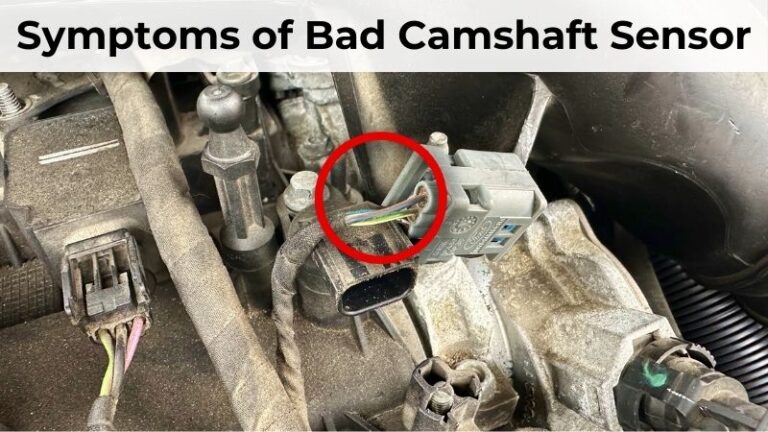
Check for damaged insulation, loose terminals, corrosion, oil intrusion, broken locking tabs, and wiring routed against hot or moving components.
Step 4: Check live data
A capable scan tool may show camshaft synchronization, commanded and actual cam angle, engine rpm, misfire data, and other values useful for identifying an intermittent fault.
Step 5: Check power, ground, and signal
Follow vehicle-specific test procedures because sensor design and expected electrical values vary between applications.
Step 6: Consider mechanical timing
If correlation faults remain or actual cam timing does not follow commanded timing, inspect the variable valve timing system and mechanical timing components as appropriate.
Step 7: Recheck transmission operation after the engine repair
If shifting returns to normal once the confirmed engine fault is corrected, additional transmission repair may not be necessary.
Why Simply Replacing the Sensor Can Waste Money
A trouble code identifies the system or circuit in which the computer detected a problem; it does not necessarily identify the failed physical part. Installing a new sensor without testing can leave the original fault untouched if the real cause is damaged wiring, a poor connector, incorrect cam timing, or a variable valve timing problem.
Parts swapping can be especially misleading when the vehicle has an intermittent fault. The car may temporarily behave normally after the repair, only for the original problem to return when the engine warms up or the wiring moves.
Can You Drive With a Bad Camshaft Sensor and Shifting Problems?
Driving should be limited when a suspected camshaft sensor fault causes stalling, severe hesitation, loss of power, unpredictable shifting, or repeated fail-safe operation. The concern is not simply the sensor itself; unpredictable engine or transmission behavior can create a traffic hazard.
A vehicle that only has a Check Engine light but still runs normally may remain drivable long enough to obtain a diagnosis, depending on the code and manufacturer guidance. However, a flashing Check Engine light, severe misfire, repeated stalling, inability to accelerate normally, or unexpected transmission behavior warrants more caution.
If the engine stalls in traffic, the vehicle cannot reliably select a gear, or shifting becomes violent or unpredictable, arranging professional diagnosis or towing is safer than continuing to drive. A scan performed before codes are cleared can also preserve valuable diagnostic information.
Source: 2carpros.com
Avoid extended driving
Do not continue normal driving for days or weeks while severe drivability or shifting symptoms are present.
Do not assume the transmission is ruined
An engine-management fault can imitate some transmission problems, so diagnosis should come before a major transmission repair decision.
Do not ignore true transmission evidence
If slipping, gear-ratio faults, abnormal noises, delayed engagement, or transmission-specific codes remain, the transmission needs its own evaluation.
Will Replacing the Camshaft Sensor Fix Transmission Shifting?
Replacing the sensor can restore normal shifting when diagnostic testing confirms that a faulty camshaft signal is disrupting engine or powertrain control. It will not correct an unrelated transmission speed sensor, solenoid, valve-body, hydraulic, clutch, fluid, wiring, or internal mechanical problem.
After a confirmed repair, clear applicable codes according to the vehicle’s service procedure, road-test the vehicle, and rescan the modules. Some vehicles may require specific relearn or adaptation procedures, but the camshaft sensor itself is not universally something that can simply be reset.
When Professional Diagnosis Makes Sense
Professional diagnosis is appropriate when the vehicle has multiple engine and transmission codes, intermittent stalling, complicated variable valve timing faults, inaccessible sensors, suspected mechanical timing problems, or shifting concerns that remain after the engine fault is repaired.
A technician with a bidirectional scan tool and vehicle-specific service information can compare commanded and actual cam timing, evaluate synchronization data, inspect transmission parameters, and test circuits before recommending parts.
Frequently Asked Questions About Does Camshaft Sensor Affect Transmission
Q
Can a bad camshaft sensor cause hard shifting?
Yes, it can contribute to hard shifting on some electronically controlled vehicles. The effect is usually indirect. A faulty camshaft signal can disrupt engine performance or engine-torque information used during transmission control, which can make a shift feel unusually firm.
Hard shifting has many other possible causes, so a camshaft sensor should not be replaced unless codes and testing support that diagnosis.
Q
Can a bad camshaft sensor cause delayed shifting?
It can on some vehicles, particularly when the sensor fault changes engine output, calculated load, torque management, or a fail-safe strategy. However, delayed shifting can also result from transmission fluid problems, solenoids, speed sensors, valve-body faults, or internal wear.
Q
Can a camshaft sensor put a transmission into limp mode?
A significant powertrain fault may cause reduced-power or protective operation, and the exact response varies by vehicle. A transmission stuck in a single gear should still be scanned for transmission-specific faults because a range sensor, speed sensor, solenoid, electrical problem, or internal transmission condition may be responsible.
Q
What codes indicate a bad camshaft position sensor?
Camshaft position sensor circuit faults commonly appear within the P0340 through P0349 family. The specific code can identify a circuit, bank, sensor, intermittent signal, or performance issue depending on the vehicle.
Related camshaft timing or correlation codes do not automatically mean the sensor is bad. They may indicate variable valve timing, oil-pressure, actuator, timing-chain, timing-belt, reluctor, wiring, or mechanical timing problems.
Q
Should I fix a camshaft sensor problem before diagnosing the transmission?
If testing confirms a significant camshaft sensor or engine-management fault, correcting that fault first is usually a sensible diagnostic sequence because the engine and automatic transmission operate as an integrated powertrain. The vehicle can then be road-tested to determine whether the shifting problem remains.
This does not mean known transmission problems should be ignored. Transmission-specific trouble codes, slipping, delayed engagement, abnormal noises, or incorrect gear ratios still require separate diagnosis.
✦ Wrapping Up
Conclusion
So, does camshaft sensor affect transmission operation? It can. A failing camshaft position sensor may indirectly change automatic transmission shifting by disrupting engine timing information, engine performance, torque calculations, or data shared within the powertrain control system. Possible results include harsh shifts, delayed shifts, hesitation, erratic shift timing, or protective operating modes.
The important limitation is that these symptoms are not unique to the camshaft sensor. Transmission speed sensors, range sensors, solenoids, fluid problems, wiring faults, variable valve timing problems, mechanical timing errors, and internal transmission wear can produce overlapping symptoms.
A diagnosis based on codes, wiring inspection, live data, vehicle-specific testing, and a road test is far more reliable than replacing parts based on shifting feel alone.
💡 Key Takeaway
Scan the engine and transmission modules before replacing parts. If camshaft-related codes appear with hard starting, stalling, hesitation, or poor engine performance, diagnose that engine fault first, then road-test and rescan the vehicle to see whether the transmission symptoms remain.
Ethan Brooks is an automotive writer at Auto News 7, covering car news, vehicle maintenance, new model updates, recalls, and practical buying guides. He focuses on clear, useful information that helps drivers understand their vehicles and make better ownership decisions.