Yes, a bad knock sensor can contribute to overheating in some cases, but it is rarely the sole cause.
Across the United States, drivers often notice a check engine light, reduced performance, and rising engine temperatures at the same time. This can lead to the question: can a bad knock sensor cause overheating? The answer is yes, but usually indirectly through changes in ignition timing and engine operation.
A knock sensor monitors engine vibrations associated with detonation or spark knock. When the sensor fails or sends incorrect information, the engine control module may adjust timing improperly. While this can increase engine stress and heat production, cooling system failures remain the most common direct causes of overheating.
Source: autovehicleparts.com
Can a Bad Knock Sensor Cause Overheating?
Yes, a bad knock sensor can cause overheating under certain conditions. The sensor helps the engine control module detect abnormal combustion events. When the sensor fails, timing adjustments may become inaccurate, increasing combustion temperatures and engine stress.
However, overheating caused solely by a faulty knock sensor is uncommon. In most cases, overheating occurs because of cooling system problems such as a failed thermostat, low coolant level, clogged radiator, damaged water pump, or cooling fan failure.
Source: i.ytimg.com
Indirect Heat Increase
Incorrect ignition timing can increase combustion temperatures and place extra thermal stress on the engine.
Not a Primary Cooling Component
The knock sensor does not control coolant flow, radiator operation, or cooling fan performance.
Why Timing Matters
Engine timing determines when the air-fuel mixture ignites. If timing is not optimized because of inaccurate knock sensor data, combustion may generate more heat than intended. Over time, this extra heat can contribute to elevated operating temperatures.
Advanced Timing Risk
Excessive advance can increase combustion pressure and heat.
What Does a Knock Sensor Do?
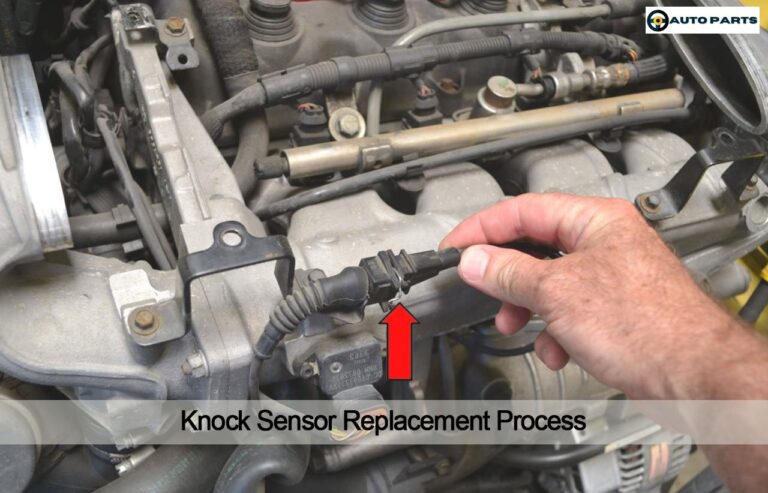
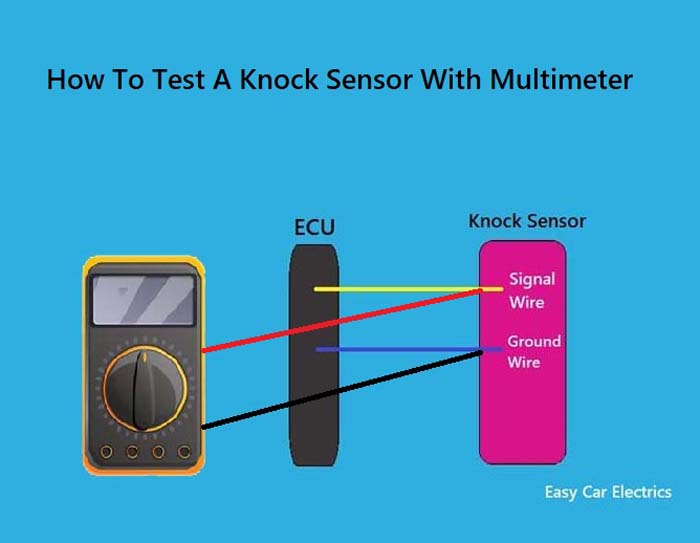
A knock sensor is an electronic device mounted on the engine block or cylinder head. Its job is to detect vibrations associated with abnormal combustion, commonly called engine knock or detonation.
When knock is detected, the engine control module adjusts ignition timing to protect the engine. This helps prevent damage to pistons, valves, bearings, and other internal components.
Source: i.ytimg.com
Detects Knock
Monitors vibration frequencies associated with detonation.
Protects the Engine
Allows the computer to modify timing and reduce harmful combustion events.
How the Sensor Communicates
The sensor converts engine vibrations into electrical signals. The engine control module interprets these signals and adjusts operating parameters accordingly.
Continuous Monitoring
The system checks for knock whenever the engine is running.
Symptoms of a Bad Knock Sensor
A failing knock sensor often creates noticeable performance issues before serious engine damage occurs. Recognizing these symptoms early can help prevent expensive repairs.
The severity of symptoms varies depending on vehicle design, engine condition, and how the engine control module responds to faulty sensor signals.
Source: i.ytimg.com
Check Engine Light
Diagnostic trouble codes related to knock sensor performance may be stored.
Reduced Power
The engine may enter a protective mode with conservative timing settings.
Poor Fuel Economy
Inefficient combustion can increase fuel consumption.
Signs That May Occur Alongside Overheating
If overheating is related to knock sensor issues, drivers may also hear engine pinging, experience sluggish acceleration, or notice unusual temperature fluctuations.
Engine Knock
A metallic pinging sound may indicate combustion problems.
How to Diagnose Overheating When a Knock Sensor Code Is Present
When both overheating and a knock sensor code appear, diagnose the cooling system first. Overheating can trigger engine knock, which may create misleading sensor-related fault codes.
A systematic inspection helps identify whether the knock sensor is contributing to the problem or if another component is responsible.
Source: i.ytimg.com
Check Coolant Level
Low coolant is one of the most common causes of overheating.
Inspect the Radiator
Look for blockages, leaks, or physical damage.
Scan for Codes
Review all diagnostic trouble codes instead of focusing only on the knock sensor.
Diagnostic Priority Table
Start with cooling system components because they are more likely to cause immediate overheating than a faulty knock sensor.
High Priority
Coolant, radiator, thermostat, cooling fans, and water pump.
Secondary Priority
Knock sensor wiring, sensor condition, and engine timing data.
When Overheating Is Probably Not Related to the Knock Sensor
Many overheating incidents have no connection to the knock sensor. If coolant is leaking, the radiator fan is not operating, or the thermostat is stuck closed, the cooling system itself is the likely cause.
Replacing the knock sensor without diagnosing the cooling system can waste time and money. Always verify the root cause before replacing parts.
Source: i.ytimg.com
Cooling Fan Failure
Can cause overheating during idling and low-speed driving.
Thermostat Problems
Restricted coolant flow can rapidly increase engine temperature.
Water Pump Issues
Insufficient coolant circulation can cause severe overheating.
Safety Considerations
If the temperature gauge enters the danger zone, stop driving as soon as it is safe. Continuing to drive an overheating vehicle can result in head gasket failure, warped cylinder heads, or major engine damage.
Avoid Continued Operation
Severe overheating can lead to expensive repairs.
Frequently Asked Questions
Q
Can a bad knock sensor directly cause overheating?
Usually no. A bad knock sensor may contribute to higher engine temperatures indirectly through timing issues, but it is rarely the direct cause of overheating.
Q
Can overheating trigger a knock sensor code?
Yes. Excessive engine heat can increase the likelihood of detonation, which may cause the engine control module to record knock-related fault codes.
Q
Will replacing a bad knock sensor fix overheating?
Only if the sensor is contributing to timing-related heat buildup. Most overheating problems require cooling system repairs instead.
Q
Can I drive with a bad knock sensor?
The vehicle may remain drivable, but performance, fuel economy, and engine protection can be affected. Long-term driving without repairs may increase the risk of engine damage.
Q
What is the most common cause of engine overheating?
Low coolant, thermostat failure, radiator issues, water pump problems, and cooling fan malfunctions are among the most common causes of overheating.
✦ Wrapping Up
Conclusion
The answer to can a bad knock sensor cause overheating is yes, but usually only indirectly. A faulty knock sensor can affect ignition timing and combustion efficiency, potentially increasing engine heat under certain conditions.
In most cases, however, overheating is caused by cooling system faults rather than the knock sensor itself. A complete diagnosis should include coolant level, radiator condition, thermostat operation, cooling fan performance, and fault-code analysis.
💡 Key Takeaway
If your vehicle is overheating and showing a knock sensor code, inspect the cooling system first, then test the knock sensor and related wiring to identify the true cause.
Ethan Brooks is an automotive writer at Auto News 7, covering car news, vehicle maintenance, new model updates, recalls, and practical buying guides. He focuses on clear, useful information that helps drivers understand their vehicles and make better ownership decisions.
Learn how to remove crankshaft position sensor safely and correctly. Follow step-by-step instructions, tools needed, troubleshooting tips, and common mistakes to avoid.
Learn whether a bad knock sensor can affect transmission performance, what symptoms to watch for, how engine and transmission systems interact, and when repairs are necessary.
Learn how to replace camshaft position sensor Nissan Pathfinder models with a clear step-by-step guide, required tools, troubleshooting tips, and common mistakes to avoid.