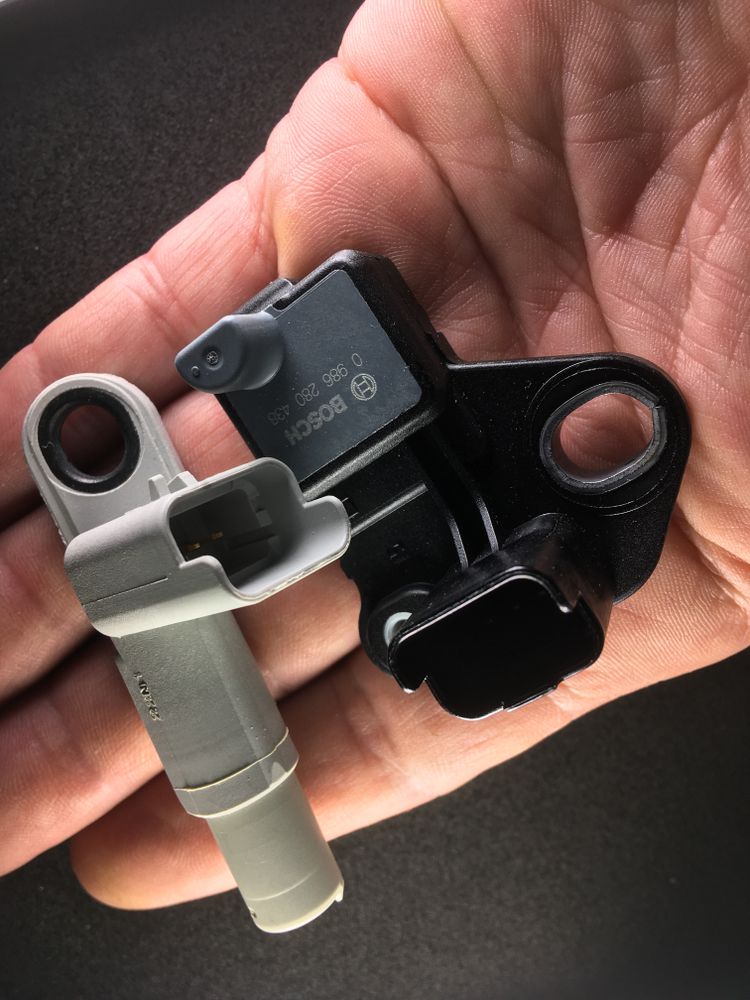
Most modern U.S. cars will crank without a crankshaft sensor, but the engine usually will not start or keep running without its signal.
If your car’s starter turns the engine over but it never fires, a failed or disconnected crankshaft position sensor can be one possible cause. In many gasoline and diesel vehicles sold in the United States, the engine control unit depends on crankshaft position and speed information to coordinate fuel injection and ignition. Without that information, the computer may prevent the engine from starting.
The important distinction is between cranking and starting. The starter motor can physically rotate the engine even when the crankshaft sensor is missing or producing no signal. Starting requires the engine control system to recognize crankshaft movement and position well enough to control combustion. Some vehicles have limited backup strategies, so the exact result depends on the vehicle, engine, and control-system design.
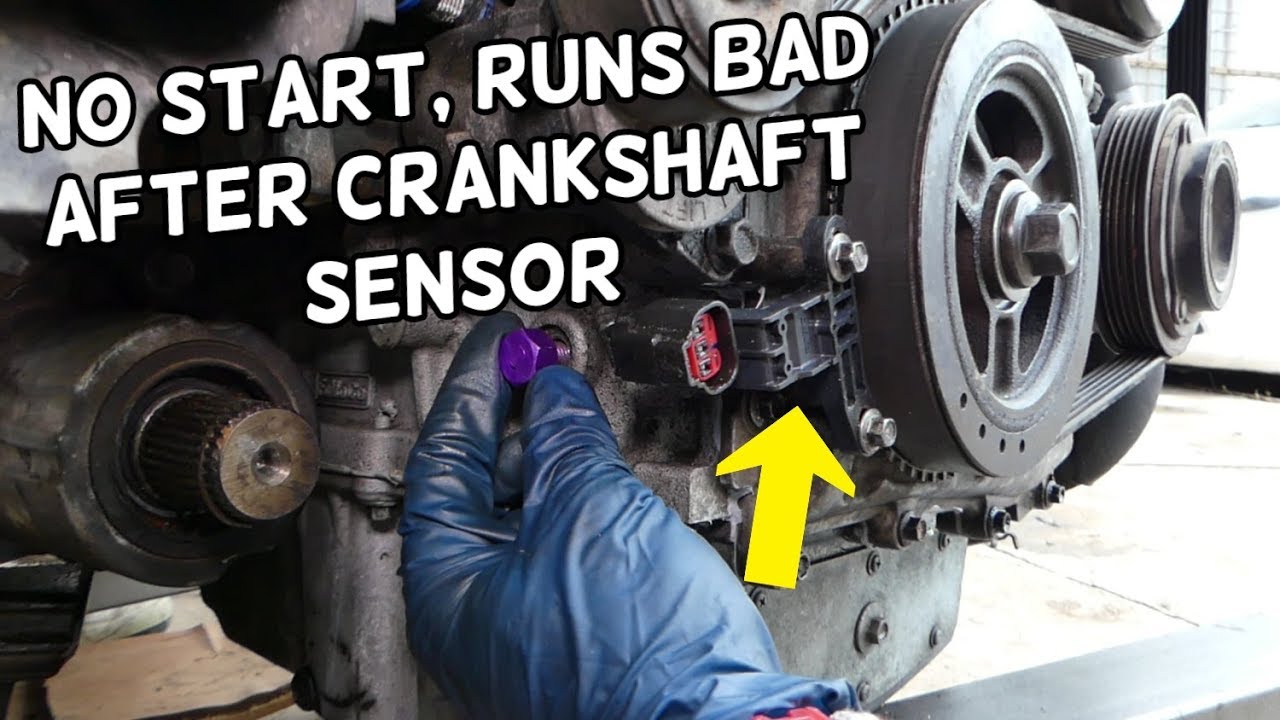
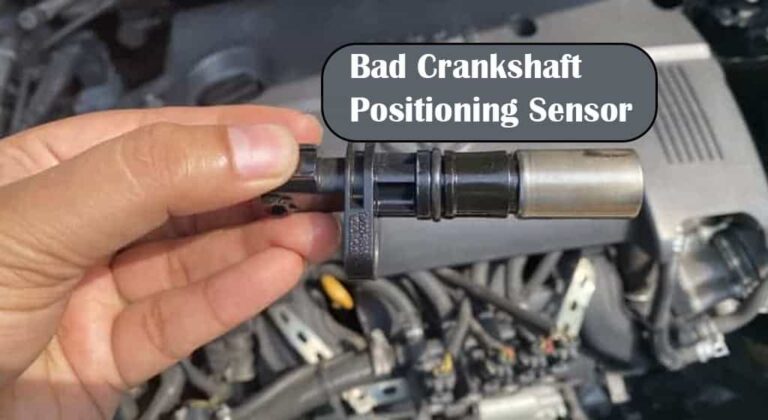
Source: automotivian.com
Can a Car Start Without a Crankshaft Sensor?
In most modern vehicles, the answer is no if the engine truly has no usable crankshaft position signal. The crankshaft position sensor tells the engine control unit how fast the crankshaft is turning and where it is in its rotation. The ECU uses this information to coordinate ignition and fuel delivery.
However, a car can often crank without a working crankshaft sensor. When you turn the key or press the start button, the starter motor engages the engine and rotates the crankshaft. That mechanical action can continue even when the ECU cannot determine crankshaft position. The engine may simply fail to produce sustained combustion.
There are exceptions. Some engine control systems can use information from other sensors or enter a backup operating strategy. Whether that strategy allows an actual start depends on the specific engine and ECU calibration. Because of that variation, there is no universal rule that every car will either start or fail to start without a crankshaft sensor.
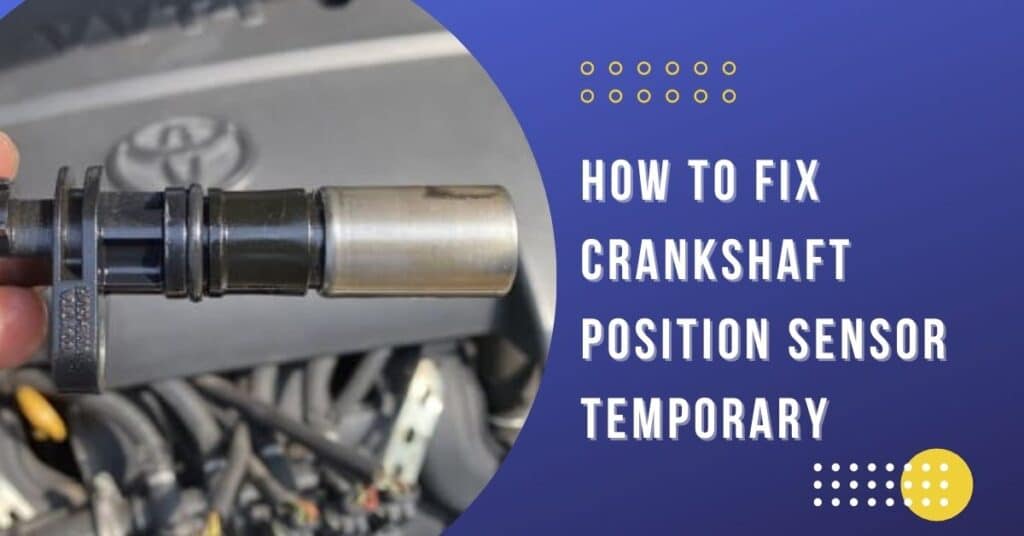
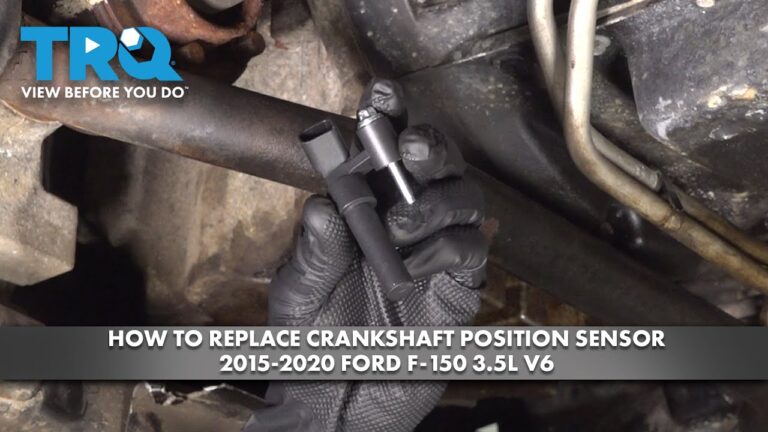
Source: drivenowautomotive.com
Cranking
The starter motor turns the engine. A missing crankshaft signal does not necessarily stop the starter from operating.
Starting
The engine begins combustion and runs under its own power. This generally requires the ECU to have sufficient position and speed information.
Running
The ECU continues to monitor engine position and speed while controlling ignition, injection, and other engine functions.
Why the Crankshaft Sensor Matters
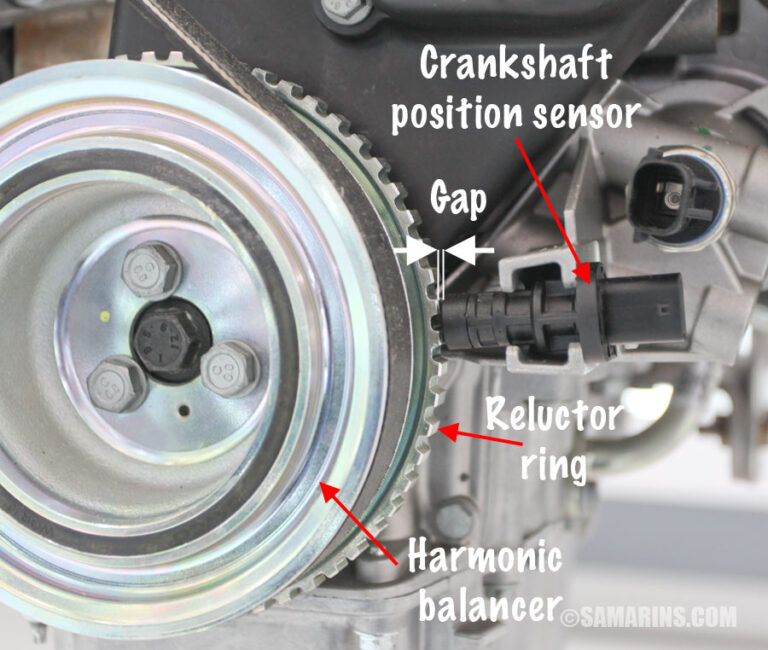
The crankshaft position sensor detects the rotation and position of the crankshaft, usually by reading a toothed wheel, reluctor, or timing target. The ECU converts that signal into information about engine speed and crankshaft position.
That information is fundamental to engine timing. If the ECU cannot establish the crankshaft position accurately, it may not know when to trigger ignition or fuel injection. Some control systems deliberately suspend these functions when the required position signal is missing.
Engine speed
The signal helps the ECU determine how quickly the crankshaft is rotating.
Crankshaft position
The signal helps establish where the crankshaft is during its rotation.
Timing control
The ECU uses crankshaft information with other engine data to control combustion timing.
What Happens When the Crankshaft Sensor Fails?
A completely failed crankshaft sensor can cause a no-start condition because the ECU may lose the engine-speed or position information needed to control ignition and injection. A partial or intermittent failure can produce a different pattern, such as hard starting, random stalling, hesitation, misfires, or an engine that starts only after several attempts.
The exact symptoms depend on the vehicle’s control strategy and the nature of the failure. A sensor can fail internally, but problems can also come from damaged wiring, corrosion at the connector, contamination, excessive heat, or damage to the reluctor or timing wheel that the sensor reads.
A diagnostic trouble code related to the crankshaft sensor can provide an important clue, but the code does not automatically prove that the sensor itself is defective. A wiring or signal problem can create similar diagnostic results.
Source: autovfix.com
No-start condition
The engine may crank normally but fail to fire when the ECU does not receive a usable crankshaft signal.
Hard starting
An intermittent or weak signal can make starting inconsistent rather than completely impossible.
Engine stalling
If the signal disappears while the engine is running, the ECU may lose critical timing information and the engine can stall.
Check engine light
A sensor or circuit problem can store a diagnostic trouble code and illuminate the malfunction indicator lamp.
Can a Bad Crankshaft Sensor Cause a Car to Crank but Not Start?
Yes. This is one of the classic symptoms of a crankshaft position sensor problem. The starter may rotate the engine normally while the ECU receives no usable crankshaft signal. Without the necessary signal, the control system may withhold spark, fuel injection, or both.
A crank-no-start condition does not prove that the crankshaft sensor is bad. Battery voltage, starter speed, fuel pressure, ignition components, immobilizer operation, wiring, timing components, and other sensors can also cause an engine to crank without starting.
Check the pattern
Determine whether the engine always fails to start or only does so when hot, cold, or intermittently.
Check diagnostic data
Look for relevant fault codes and, when supported, live engine-speed data while the engine is cranking.
Can a Car Start With a Bad Crankshaft Sensor?
Sometimes, but you should not expect it. A crankshaft sensor that is completely dead will commonly result in a no-start on modern engines. An intermittent sensor may allow the engine to start when the signal happens to work and then stall or refuse to restart when the signal disappears.
Some vehicles have control strategies that can use camshaft position information or other available data as part of a fallback strategy. That does not mean the camshaft sensor is a direct replacement for the crankshaft sensor. The two sensors provide different information, and the ECU is designed around the signals specified for that particular engine.
A car that starts despite a crankshaft sensor fault may also have a problem that is intermittent rather than completely failed. For example, a damaged wire can make electrical contact under one condition and lose contact under another.
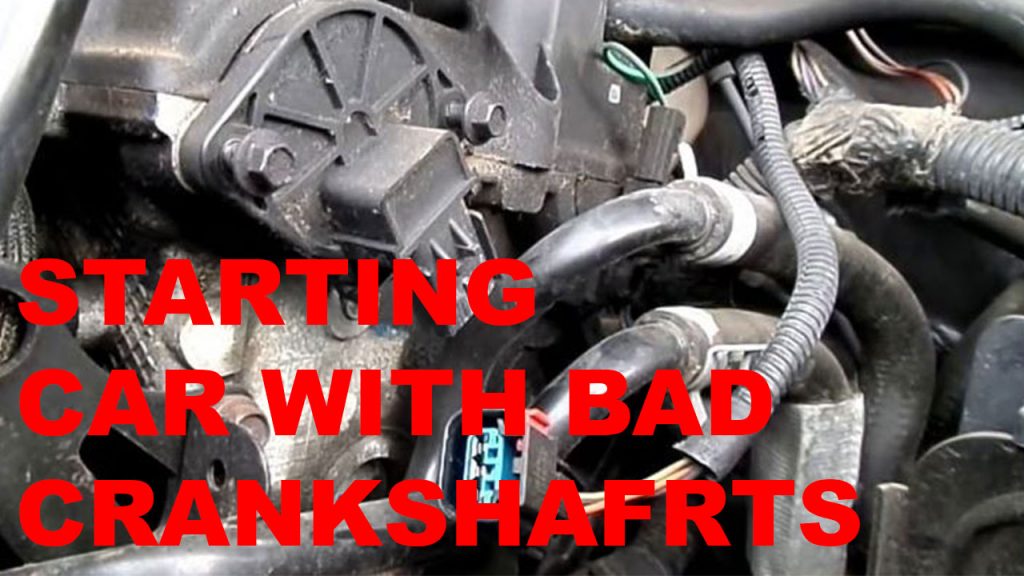
Source: youtube.com
Sensor completely failed
The engine may crank but fail to start because the ECU cannot establish the required crankshaft information.
Intermittent sensor
The engine may start normally at times and then develop hard starting, stalling, or a no-start condition.
Backup strategy
Some vehicle systems may use other position information under certain conditions, but the behavior is vehicle-specific.
Does a Camshaft Sensor Replace a Crankshaft Sensor?
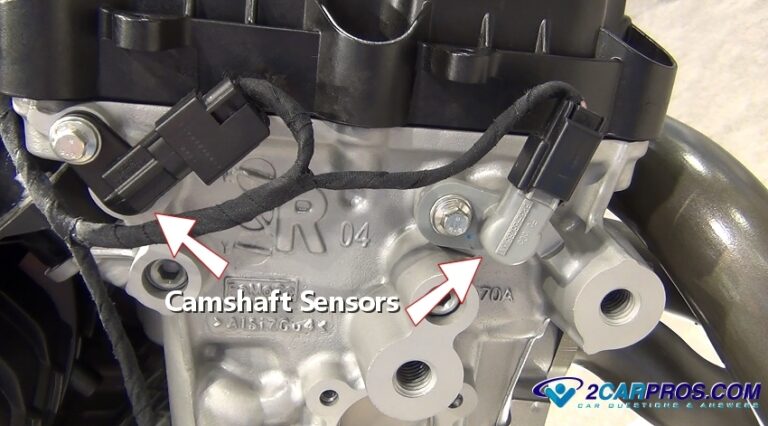
No. The crankshaft and camshaft sensors have related but distinct jobs. The crankshaft sensor primarily provides crankshaft speed and position information, while the camshaft sensor helps the ECU determine camshaft position and identify the engine’s combustion cycle.
The ECU can combine both signals to control fuel injection and ignition more precisely. Some systems may have limited fallback operation when one signal is missing, but you should not assume that a working camshaft sensor will allow the engine to start without a valid crankshaft signal.
Crankshaft sensor
Provides crankshaft speed and position information used for engine control.
Camshaft sensor
Provides camshaft position information that helps the ECU establish the engine cycle and coordinate combustion.
How to Diagnose a Car That Cranks but Will Not Start
Start with basic checks before replacing parts. A crank-no-start problem has many possible causes, so the most useful approach is to establish whether the engine is receiving a crankshaft signal and then work through the related electrical and mechanical systems.
Use a scan tool if available. Look for crankshaft-related diagnostic trouble codes and check whether the scan tool displays engine RPM while the starter is cranking the engine. The exact data available varies by vehicle, so consult the vehicle service information for the expected result.
If the vehicle stores a crankshaft sensor code, inspect the sensor connector and wiring before condemning the sensor. Look for broken wires, damaged insulation, corrosion, loose terminals, contamination, or poor connections. Also consider the reluctor or trigger wheel because damage or an incorrect air gap can affect the signal.
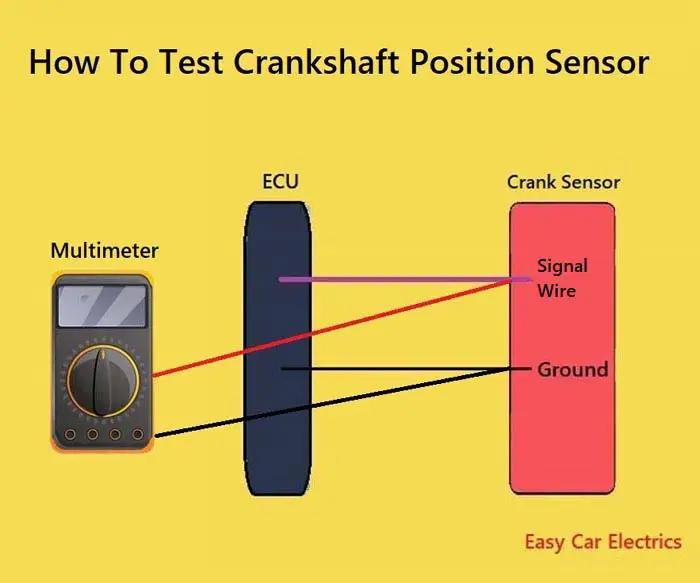
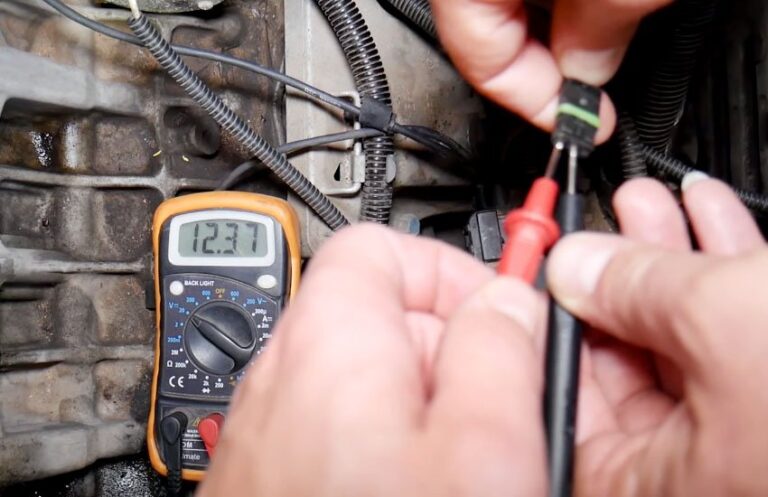
Sensor testing depends on sensor design. Inductive sensors and Hall-effect sensors do not use the same testing procedure. Do not apply a generic resistance test to an unknown sensor type, because some Hall-effect circuits can be damaged by an inappropriate test method.
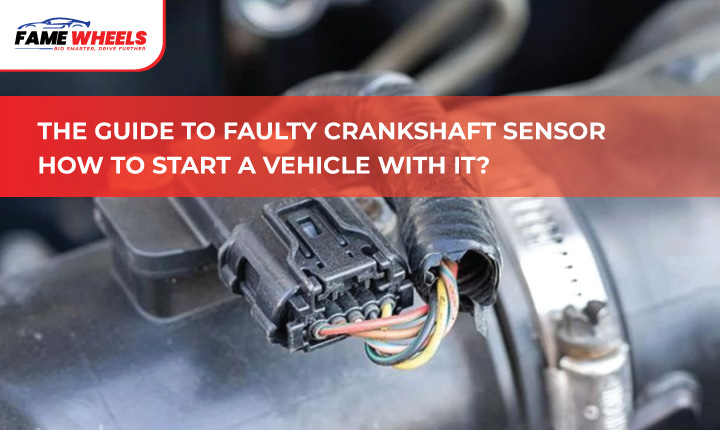
Source: blog.famewheels.com
1. Scan for codes
Use a compatible diagnostic scanner to identify stored or pending engine-control faults.
2. Watch engine RPM
Check live data during cranking when the vehicle supports it. A missing RPM reading can be a useful clue, although it does not by itself prove a sensor failure.
3. Inspect the connector
Check for corrosion, damaged terminals, loose connections, water intrusion, and other visible problems.
4. Inspect the wiring
Look for open circuits, short circuits, chafing, heat damage, and poor continuity according to the vehicle service procedure.
5. Verify the sensor signal
When required, use the manufacturer-specified test equipment and procedure to check the sensor’s supply and output waveform.
6. Check related mechanical parts
If the electrical circuit checks out, inspect the trigger or reluctor wheel and other mechanical timing components as appropriate.
What Does P0335 Mean?
P0335 is a diagnostic trouble code associated with a crankshaft position sensor circuit malfunction. The exact diagnostic meaning and test procedure can vary by vehicle, so the code should be treated as a starting point rather than a final diagnosis.
A P0335-type fault can result from a failed sensor, damaged wiring, connector problems, a missing or distorted sensor signal, or another fault affecting the crankshaft position circuit. Follow the vehicle manufacturer’s diagnostic procedure before replacing the sensor.
Do not assume the sensor is guilty
A circuit code can identify a system problem without proving which component caused it.
Use vehicle-specific information
Pin assignments, expected voltages, waveforms, sensor type, and testing procedures differ between engines.
Can You Drive or Keep Trying to Start a Car With a Bad Crankshaft Sensor?
Repeatedly trying to start a vehicle with a suspected crankshaft sensor problem is unlikely to fix the underlying fault. If the engine will not start, continued cranking can place additional load on the battery and starter system without addressing the missing sensor signal.
If the engine does start but repeatedly stalls, loses power, or develops severe misfires, avoid treating the vehicle as reliable transportation until the fault is diagnosed. A crankshaft position signal can be important to continued engine operation, and an intermittent fault can leave a vehicle unable to restart.
Do not bypass the crankshaft sensor with improvised wiring, jumpers, magnets, or other makeshift methods. The sensor is part of an electronic control system, and an incorrect signal can cause improper engine operation or damage to electrical components.
Source: autopadre.com
Stop if the engine repeatedly stalls
An intermittent sensor problem can become a complete no-start without warning.
Avoid repeated long cranking
Long or repeated cranking can drain the battery and overwork the starter.
Do not improvise a bypass
Use the manufacturer’s diagnostic and repair procedure instead of attempting to simulate a crankshaft signal.
Use professional diagnosis when needed
If electrical testing or timing-system inspection is outside your skill level, a qualified automotive technician can diagnose the circuit safely.
When Should You Replace the Crankshaft Sensor?
Replace the crankshaft sensor when testing identifies the sensor as the cause and the vehicle’s service information supports replacement. Do not replace it solely because the vehicle has a no-start condition or a crankshaft-related trouble code.
After installation, some vehicles may require a crankshaft position relearn or other ECU procedure. The required process depends on the vehicle, so follow the manufacturer-specific repair instructions.
Confirm the fault
Test the sensor, wiring, connector, and related components before replacement.
Install correctly
Use the specified sensor, mounting method, clearance, and tightening procedure.
Complete required relearn procedures
Perform any manufacturer-specified crankshaft position learning procedure after replacement.
Frequently Asked Questions
Q
Can a car crank without a crankshaft sensor?
Yes. The starter motor can often rotate the engine even when the crankshaft position sensor is disconnected or failed. Cranking only means the engine is being turned by the starter; it does not mean the engine has the information needed to begin and maintain combustion.
Q
Can a car start with a bad crankshaft position sensor?
Most modern vehicles will not reliably start with a completely failed crankshaft position sensor. An intermittent fault or a vehicle with a particular backup control strategy may behave differently, so vehicle-specific diagnosis is necessary.
Q
What happens if you unplug the crankshaft sensor?
The engine may continue to crank but fail to start, and a diagnostic trouble code may be stored. On some vehicles, unplugging the sensor can also cause an engine that is already running to stall. The exact response depends on the vehicle’s engine-control system.
Q
Will a bad crankshaft sensor always cause a check engine light?
Not necessarily. A crankshaft sensor fault can trigger the check engine light and store a diagnostic trouble code, but warning-light behavior depends on the vehicle’s monitoring strategy and the nature of the fault. An intermittent problem may be harder to capture.
Q
Can a camshaft sensor let a car start without a crankshaft sensor?
It depends on the vehicle. Some engine-control systems can use alternative position information as part of a fallback strategy, while others require a valid crankshaft signal before they will enable normal starting. A camshaft sensor is not a universal substitute for a crankshaft sensor.
Q
How can I tell if the crankshaft sensor is the reason my car will not start?
Start by scanning for diagnostic trouble codes and checking available live engine-speed data while the engine is cranking. Then inspect the sensor connector and wiring and test the sensor signal using the procedure and equipment specified for that vehicle. A no-start condition alone is not enough to prove that the sensor is faulty.
Q
Is it safe to keep driving with a failing crankshaft sensor?
A vehicle with an intermittent crankshaft sensor problem may stall or fail to restart, so continued driving can leave you stranded. If the engine is stalling, misfiring, or losing power, have the problem diagnosed rather than relying on the vehicle to keep operating normally.
✦ Wrapping Up
Conclusion
A car can often crank without a crankshaft sensor, but that is different from starting. Most modern engine-control systems need a usable crankshaft position signal to determine engine speed and position and to coordinate ignition and fuel injection. If that signal is completely absent, a no-start condition is common.
The exact behavior varies by vehicle. Some systems may have limited fallback strategies, while others will suspend ignition or fuel injection when the required crankshaft information is missing. For that reason, diagnose the specific vehicle instead of assuming that every engine responds the same way.
If your vehicle cranks but will not start, check diagnostic codes, available engine-speed data, the sensor connector and wiring, and the sensor signal before replacing parts. If testing requires specialized equipment or you are unsure about the electrical procedure, use the vehicle service information or have a qualified technician perform the diagnosis.
💡 Key Takeaway
If your car cranks but will not start and a crankshaft sensor fault is suspected, diagnose the sensor circuit and signal before replacing the sensor or attempting a bypass.
Ethan Brooks is an automotive writer at Auto News 7, covering car news, vehicle maintenance, new model updates, recalls, and practical buying guides. He focuses on clear, useful information that helps drivers understand their vehicles and make better ownership decisions.
Can a crankshaft position sensor work intermittently? Learn the warning signs, common causes, testing steps, and when replacement or professional diagnosis is needed.
Learn how to fix a camshaft position sensor with step-by-step troubleshooting, testing, replacement instructions, common symptoms, costs, and repair tips.
Learn what are symptoms of a bad crankshaft position sensor, including hard starting, stalling, misfires, poor acceleration, and check engine light warnings.
Learn how to replace crankshaft position sensor Ford F150 models safely, including tools, access points, removal steps, installation tips, and troubleshooting.