Yes, a crankshaft position sensor can work intermittently before it fails completely.
For drivers in the United States, an intermittent crankshaft position sensor can be especially confusing because the vehicle may start and drive normally one moment and then crank without starting, stall, or run poorly later. The problem can come from the sensor itself, its wiring or connector, contamination, heat-related failure, or another component affecting the crankshaft signal.
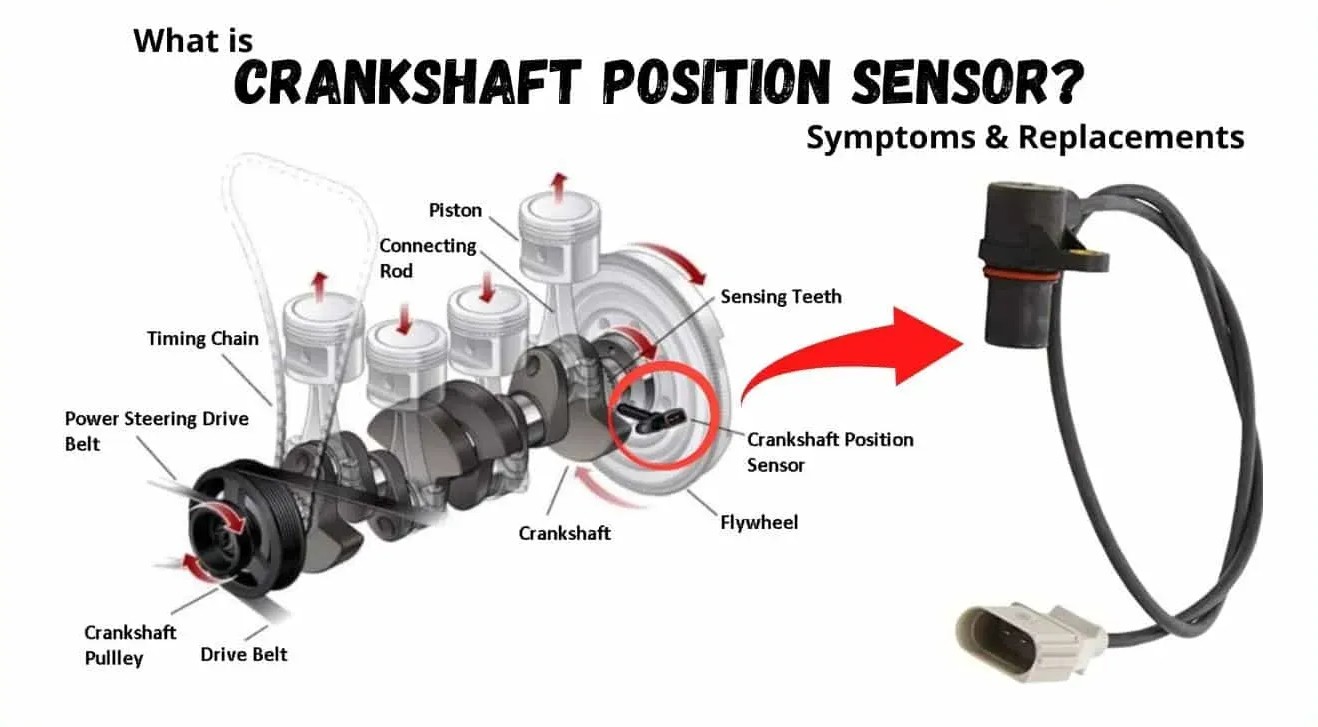
The crankshaft position sensor sends the engine control module information about crankshaft position and speed. The computer uses that information for important engine-control decisions, including ignition and fuel timing. If the signal disappears or becomes unreliable, the engine may experience hard starting, stalling, misfires, poor performance, or a no-start condition.
An intermittent problem should not automatically be treated as proof that the sensor itself is bad. A diagnostic scan, visual inspection, wiring checks, and, when appropriate, live signal testing can help separate a failing sensor from a damaged connector, wiring fault, or mechanical problem.
Source: obdtech.co.nz
Can a Crankshaft Position Sensor Work Intermittently?
Yes. A crankshaft position sensor can produce a correct signal at some times and an incorrect, weak, or missing signal at others. The vehicle may therefore behave normally for several miles or several days before the problem returns.
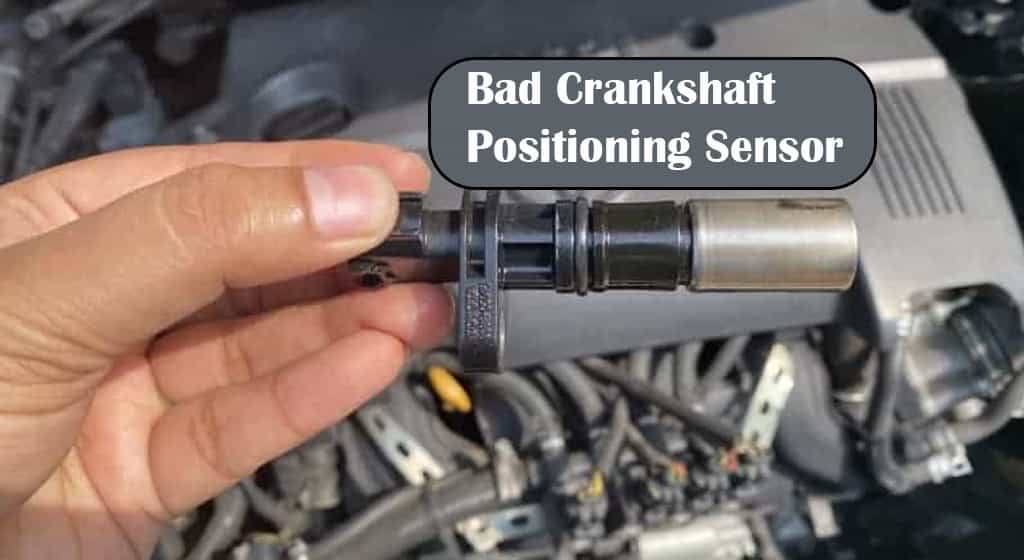
An intermittent failure can occur when an internal sensor fault appears only under certain temperatures or vibration levels. It can also happen when a connector pin loses contact, a wire opens as the harness moves, or contamination interferes with the sensor and its target.
This explains why an intermittent crankshaft position sensor can be difficult to diagnose. A basic inspection may look normal while the fault is inactive. A technician may need to capture the signal during the failure or monitor engine data while reproducing the conditions that trigger the problem.
Source: mechlesson.com
Works normally at first
The engine can start, idle, accelerate, and drive normally when the sensor signal is present.
Fails under certain conditions
The signal may become unreliable when the sensor, wiring, or connector is exposed to heat, vibration, movement, moisture, or another fault condition.
Recovers temporarily
The engine may restart or operate normally again after the vehicle cools, the wiring moves back into position, or the electrical connection is restored.
Why the Engine May Still Run
Whether the engine continues running after a crankshaft signal problem depends on the vehicle’s engine-control strategy and the nature of the signal loss. Some vehicles can continue operating when the signal is degraded or when other engine-position information remains available, while a complete loss of the crankshaft signal can prevent starting or cause the engine to stop.
The exact behavior varies by vehicle, engine, sensor design, and control system. That is why a symptom such as an intermittent stall should be investigated using information specific to the vehicle rather than a universal test value.
Partial signal problem
The engine may continue running but exhibit roughness, hesitation, misfires, or reduced performance.
Complete signal loss
The engine may stall or fail to start because the control system cannot reliably determine crankshaft speed and position.
What Does a Crankshaft Position Sensor Do?
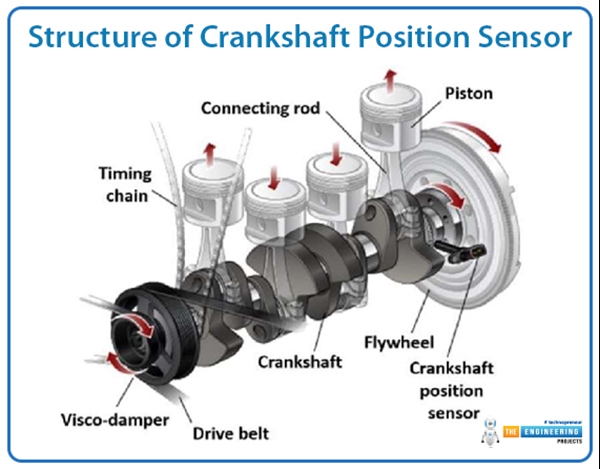
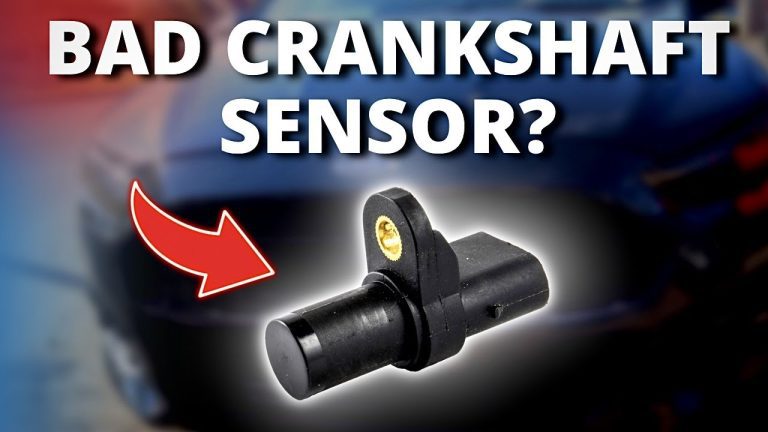
A crankshaft position sensor monitors the rotational position and speed of the crankshaft. The engine control module uses this information as a fundamental input for controlling engine operation.
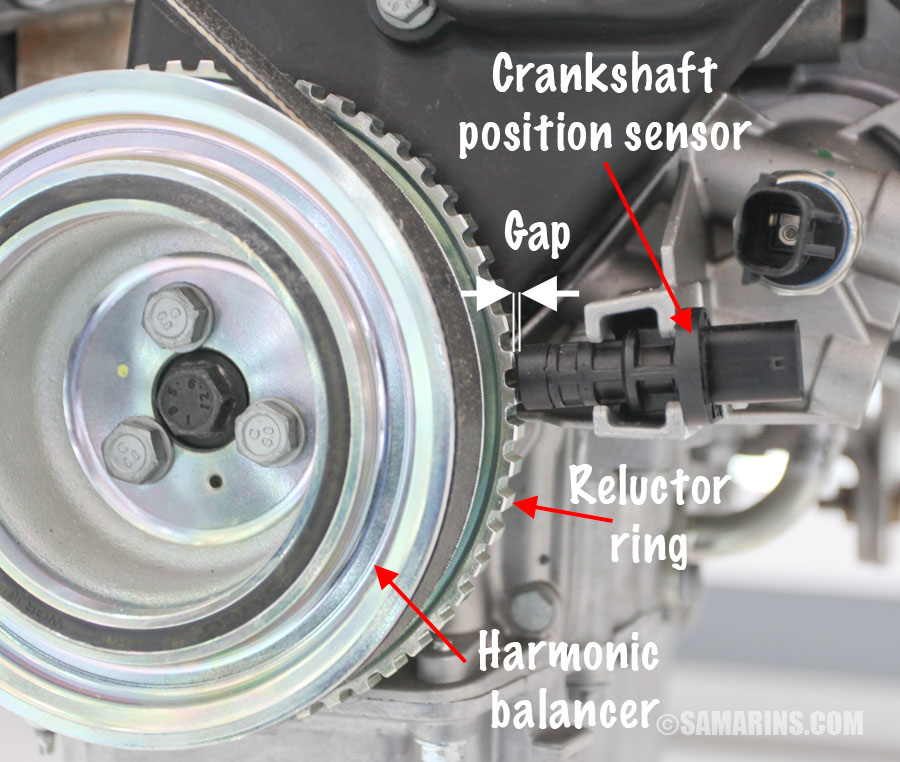
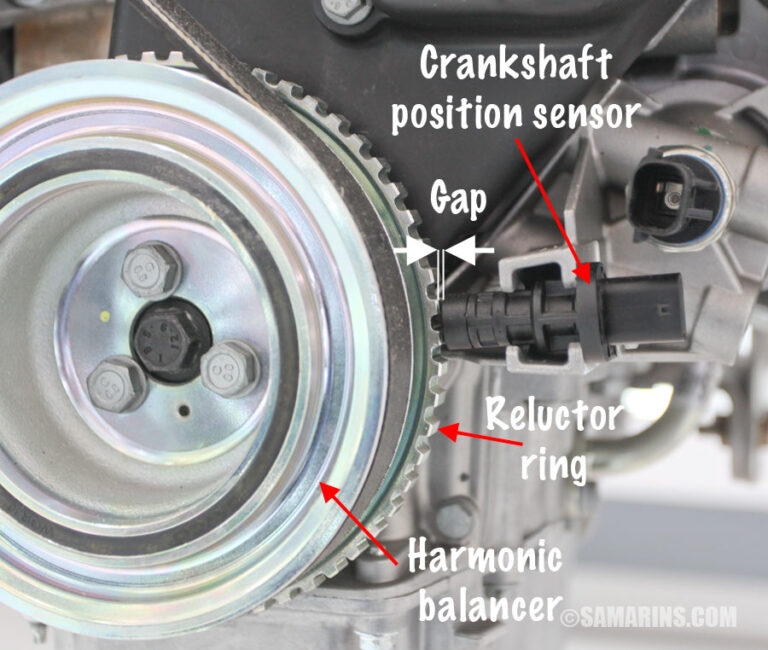
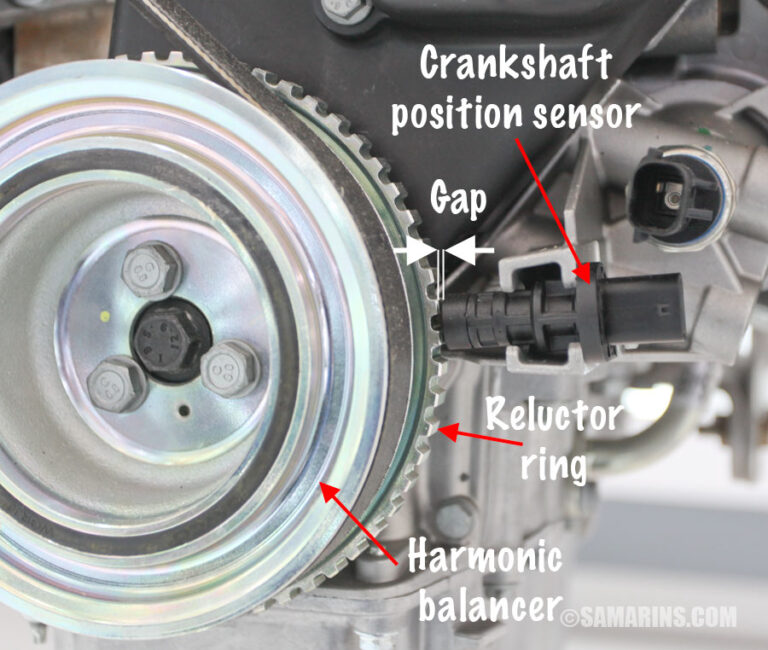
The sensor typically reads a toothed wheel, reluctor, or other timing feature associated with the crankshaft. As the crankshaft rotates, the sensor generates an electrical signal that changes with the position of the rotating target.
Two common sensor technologies are inductive and Hall-effect designs. They produce different types of electrical signals and have different testing requirements, so the correct sensor type should be identified before electrical testing.
Source: newkidscar.com
Crankshaft position
The signal tells the engine control system where the crankshaft is in its rotation.
Engine speed
The signal also provides information used to determine how quickly the crankshaft is rotating.
Engine control
Reliable crankshaft information supports accurate control of functions such as ignition and fuel delivery.
Inductive and Hall-Effect Sensors Are Not Tested the Same Way
An inductive sensor generates its own changing voltage signal as the target rotates and generally does not require an external power supply for the sensing element. A Hall-effect sensor uses an electronic circuit and requires an appropriate power supply to produce its output.
Because the designs differ, a resistance test that may be appropriate for a particular inductive sensor should not automatically be applied to a Hall-effect sensor. Always use the vehicle manufacturer’s wiring information and specified test procedure.
Inductive sensor
Typically produces an alternating waveform as the crankshaft rotates.
Hall-effect sensor
Typically produces a digital switching signal and requires electrical power.
Symptoms of an Intermittent Crankshaft Position Sensor
The most useful clue is a problem that comes and goes. The vehicle may start normally most of the time but occasionally crank longer than usual, stall unexpectedly, or refuse to start until the fault disappears.
No single symptom proves that the crankshaft position sensor is responsible. Fuel delivery, ignition, battery voltage, wiring, engine timing, and other sensors can produce overlapping symptoms. Look for a pattern and combine symptoms with diagnostic data.
Source: mechstudies.com
Intermittent no-start condition
The starter turns the engine, but the engine occasionally fails to start and later starts normally.
Unexpected stalling
The engine may shut off while driving or at idle when the crankshaft signal is interrupted.
Hard starting
The engine may require longer cranking before it starts, particularly when the sensor fault is present.
Hesitation or jerking
An unstable engine-speed signal can contribute to poor running or hesitation.
Misfires or rough running
An unreliable position signal can interfere with engine-control calculations and may coincide with misfire symptoms.
Check engine light
The engine control module may store a fault code when it detects an abnormal crankshaft position or speed signal.
When the Problem Happens Only After the Engine Gets Hot
A fault that appears after the engine reaches operating temperature can be a useful diagnostic clue, but it does not prove that the sensor is failing from heat. Electrical resistance, internal electronics, wiring, connectors, and other engine components can all behave differently as temperature changes.
If the vehicle starts normally when cold but stalls or refuses to restart after warming up, record exactly when the problem occurs. That information can help a technician reproduce the fault and monitor the crankshaft signal while the problem is active.
Record the temperature pattern
Note whether the failure happens during warm-up, at full operating temperature, or after the vehicle has been parked briefly following a drive.
Do not rely on a cold inspection
A sensor or wiring fault that appears only when hot may not be visible during a simple cold visual inspection.
What Causes an Intermittent Crankshaft Position Sensor Problem?
An intermittent crankshaft position sensor problem is not always caused by the sensor itself. The complete signal path includes the sensor, connector, wiring, power or ground circuits where applicable, the rotating target, and the engine control system.
A sensor can also appear to fail intermittently when the real problem is mechanical. A damaged reluctor or encoder wheel, excessive contamination, incorrect sensor installation, or a problem with the sensor-to-target relationship can affect the signal.
Source: testbook.com
Internal sensor failure
Electronic or magnetic components inside the sensor can develop faults that appear only under particular operating conditions.
Broken or damaged wiring
A conductor can be damaged internally and make or lose contact as the harness moves or vibrates.
Corroded connector terminals
Corrosion or contamination can increase electrical resistance or interrupt the connection between the sensor and vehicle wiring.
Loose connector
A connector that is not fully secured can cause an intermittent signal interruption.
Contamination
Metal debris or other contamination around the sensing area can interfere with sensor operation on some designs.
Damaged reluctor or encoder wheel
A damaged or incorrectly positioned target can create an abnormal crankshaft signal even when the sensor itself is functional.
Installation or air-gap problem
The required sensor position and clearance vary by design, so incorrect installation can affect signal quality.
Why Wiring Problems Can Look Like a Bad Sensor
The sensor depends on an electrical path to communicate with the engine control system. If that path is interrupted by corrosion, a broken conductor, poor terminal contact, or a short circuit, the vehicle can show symptoms that look almost identical to a failed sensor.
This is one reason replacing the sensor immediately can be the wrong first step. Inspecting the connector and wiring can sometimes identify the actual problem without replacing a functional sensor.
Inspect the connector
Look for loose terminals, corrosion, contamination, damaged locking features, and signs of water intrusion.
Inspect the harness
Look for chafing, cuts, melted insulation, stretched sections, and routing that allows the harness to contact hot or moving components.
How to Diagnose an Intermittent Crankshaft Position Sensor
The best diagnostic approach starts with stored information and a visual inspection before moving to electrical and signal testing. The goal is to prove where the signal is being lost rather than assuming the sensor is the cause.
Because crankshaft sensors differ between vehicles, there is no single resistance value, voltage value, or test procedure that applies to every vehicle. Use the service information for the specific year, make, model, engine, and sensor design.
Source: theengineeringprojects.com
1. Scan for diagnostic trouble codes
Read stored, pending, and relevant history codes before clearing anything. A crankshaft-related code can provide a useful direction for further testing.
2. Check the symptoms
Determine whether the problem occurs during starting, idling, acceleration, hot operation, cold operation, or after vibration or movement.
3. Inspect the sensor
Look for physical damage, contamination, incorrect mounting, and other visible problems.
4. Inspect the connector and wiring
Check for corrosion, loose terminals, broken wires, chafing, shorts, and damaged insulation.
5. Check live engine data
When supported by the vehicle, monitor engine speed and crankshaft-related data while cranking and during the condition that causes the fault.
6. Test the sensor signal
A suitable oscilloscope or manufacturer-approved test method can reveal signal dropouts that a simple resistance check may not detect.
7. Check related mechanical components
If the electrical circuit appears sound, inspect the crankshaft target or reluctor and other components that can affect the sensor signal.
Can a Multimeter Test Confirm a Bad Crankshaft Sensor?
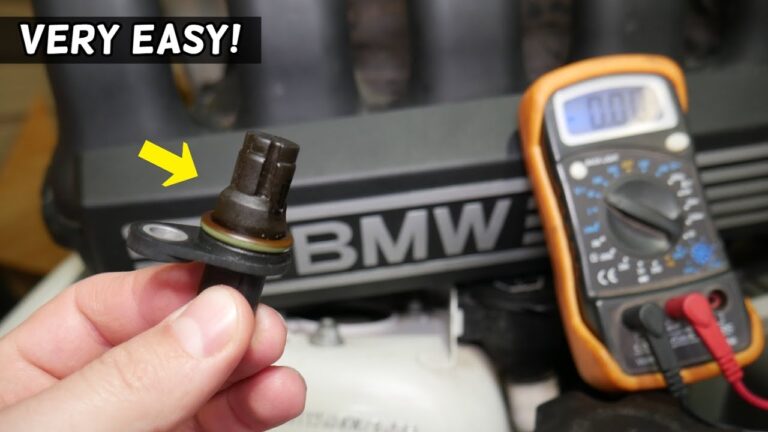
Sometimes, but not always. A multimeter can be useful for certain sensor designs and circuits, but a static resistance measurement may not reveal an intermittent fault that occurs only during operation.
More importantly, the correct test depends on the sensor type. Some inductive sensors can be checked for resistance and signal characteristics according to manufacturer specifications. Hall-effect sensors require different electrical checks, and applying an inappropriate resistance test can damage certain sensor designs.
For an intermittent problem, observing the actual signal while the engine is cranking or running can provide stronger evidence than a single static measurement.
Use manufacturer specifications
Do not substitute a generic resistance or voltage value for the specification of the exact vehicle and sensor.
Do not test blindly
Identify the sensor design and wiring before connecting a meter or other test equipment.
Look for signal dropouts
An intermittent electrical problem may pass a simple static test but fail when the sensor is hot, vibrating, or operating.
What Codes Can Point to a Crankshaft Position Sensor Problem?
Diagnostic trouble codes can provide an important clue, but a code does not always mean the sensor itself must be replaced. Depending on the vehicle, a crankshaft-related fault may indicate a circuit problem, an implausible signal, a missing signal, or another condition detected by the engine control module.
P0335 and P0336 are examples of crankshaft position sensor-related codes used in some vehicles. Exact code definitions and diagnostic procedures vary by manufacturer, so the code should be interpreted using the vehicle’s service information.
P0335
Commonly associated with a crankshaft position sensor A circuit problem, although the exact wording and diagnostic conditions depend on the vehicle.
P0336
Commonly associated with crankshaft position sensor A range or performance problems on vehicles that use this code.
Other codes
Related engine-speed, ignition, synchronization, or manufacturer-specific codes may also appear depending on the vehicle and failure.
A Code Does Not Automatically Mean the Sensor Is Bad
A diagnostic code identifies a condition detected by the vehicle’s control system. It does not necessarily identify the failed physical component. For example, a wiring interruption can produce a sensor circuit code even when the sensor itself is functioning correctly.
Use the code as a starting point for diagnosis. Confirm the sensor’s power, ground, wiring, connector condition, and signal before deciding that replacement is necessary.
Treat the code as evidence
Use the code to narrow the diagnostic path rather than treating it as automatic proof of a failed component.
Check the circuit
A circuit fault can produce symptoms and codes similar to an internally defective sensor.
Can You Keep Driving With an Intermittent Crankshaft Sensor?
Continuing to drive with an intermittent crankshaft position sensor problem can be risky because the vehicle may stall without warning or fail to restart. A vehicle that loses the crankshaft signal while moving can create an unexpected loss of engine power.
If the engine has already stalled in traffic, repeatedly loses power, or has an unpredictable no-start condition, arrange for diagnosis rather than relying on the vehicle to keep operating normally. The risk is not limited to being stranded; an unexpected stall can create a traffic hazard.
If the vehicle is running normally but a fault code has appeared, the urgency depends on the symptoms, vehicle behavior, and diagnostic findings. Avoid assuming that a temporary return to normal operation means the underlying fault has disappeared.
Source: samarins.com
Stop driving if the engine repeatedly stalls
Repeated unexpected stalling creates a safety concern, especially in traffic, at intersections, or on high-speed roads.
Do not ignore repeated no-start events
An intermittent fault can become a complete failure without giving you a convenient opportunity to repair it.
Get professional diagnosis when testing is unclear
A qualified automotive technician can use vehicle-specific service information and diagnostic equipment when the fault cannot be reproduced easily.
When Should You Replace the Crankshaft Position Sensor?
Replacement makes sense when testing provides reasonable evidence that the sensor is defective or when the manufacturer-specific diagnostic procedure identifies the sensor as the failed component. A sensor should not be replaced solely because the vehicle has a symptom that could have several causes.
If the connector or wiring is damaged, repairing the circuit may be the correct solution. If the sensor target is damaged or contaminated, replacing the sensor alone may not resolve the problem.
After replacement, some vehicles may require a crankshaft position relearn or related calibration procedure. Whether this is necessary depends on the vehicle and engine-control system.
Source: mechstudies.com
Replace when testing confirms sensor failure
A confirmed defective signal or manufacturer-directed diagnostic result provides a stronger basis for replacement.
Repair wiring when wiring is the problem
Replacing a good sensor will not correct a broken wire, poor terminal connection, or corroded connector.
Follow post-repair procedures
Check the vehicle service information for any required relearn, calibration, code clearing, or verification procedure.
Should You Replace the Sensor First and Test Later?
Usually, testing first is the better diagnostic approach when the cause is uncertain. Modern engine systems contain many components that can create similar symptoms, and an unnecessary sensor replacement can leave the actual problem unresolved.
If a sensor has a known failure pattern for a specific vehicle and the manufacturer’s diagnostic procedure supports replacement, that information can change the repair decision. The important point is to base replacement on evidence rather than on the symptom alone.
Test before replacing
Confirm the sensor, circuit, and related components as far as practical before spending money on a replacement part.
Use vehicle-specific information
The correct diagnostic procedure can differ substantially between sensor types and vehicle systems.
Common Mistakes When Diagnosing an Intermittent Crankshaft Sensor
Intermittent electrical problems are easy to misdiagnose because the vehicle may behave normally when the technician checks it. A careful diagnostic process should account for the conditions under which the fault occurs.
The most common mistake is treating a symptom or trouble code as a confirmed component failure. The sensor is only one part of the system that creates and carries the crankshaft position signal.
Replacing the sensor without checking wiring
A damaged harness or connector can produce the same basic symptoms and may remain after the sensor is replaced.
Using a generic test value
Resistance and voltage specifications vary by sensor design and vehicle.
Testing only when the fault is inactive
An intermittent sensor may appear normal when the engine is cold or stationary.
Ignoring the mechanical target
The reluctor, tone wheel, or encoder target can also cause an abnormal signal.
Clearing codes before recording them
Clearing stored information can remove useful clues about when and how the control module detected the problem.
How to Make an Intermittent Fault Easier to Find
Write down exactly what happens before, during, and after the failure. Include whether the engine is cold or hot, whether the vehicle was moving or idling, whether the engine stalled, and whether it restarted immediately.
If a scan tool is available, record relevant codes and live data before clearing them. A detailed symptom history can help a technician reproduce the same operating conditions instead of testing only a vehicle that is currently working normally.
Record the conditions
Temperature, driving conditions, engine speed, and restart behavior can help identify a pattern.
Keep diagnostic information
Save trouble codes and other relevant scan data before clearing the vehicle’s memory.
Frequently Asked Questions
Q
Can a crankshaft position sensor fail intermittently?
Yes. A crankshaft position sensor can develop an intermittent fault that causes the signal to disappear or become unreliable only under certain conditions. Heat, vibration, wiring movement, connector problems, contamination, and internal sensor faults can all contribute.
Q
What does an intermittent crankshaft sensor feel like?
The symptoms can include hard starting, an intermittent no-start condition, unexpected stalling, hesitation, jerking, rough running, or misfires. Some vehicles may also illuminate the check engine light or store a crankshaft-related diagnostic trouble code.
Q
Can a bad crankshaft sensor work again after cooling down?
It can happen when a fault is temperature-dependent, but cooling down does not prove that the sensor is the cause. Wiring, connectors, and other engine components can also behave differently as temperatures change.
Q
Can a crankshaft sensor cause intermittent stalling?
Yes. If the crankshaft signal becomes unreliable while the engine is operating, the engine control system may lose critical speed or position information. That can contribute to an unexpected stall, although other faults can cause similar symptoms.
Q
Will a bad crankshaft position sensor always set a code?
No. A fault code may be stored when the control module detects a qualifying signal or circuit problem, but an intermittent fault is not guaranteed to produce a code every time it occurs. Diagnostic procedures should consider symptoms, live data, wiring, and the actual sensor signal.
Q
Can a crankshaft position sensor cause a car not to start sometimes?
Yes. If the sensor signal is missing or unreliable during cranking, the engine control system may not receive the crankshaft information it needs for proper engine control. The vehicle may then crank without starting and later start normally when the signal returns.
Q
Can a wiring problem mimic a bad crankshaft position sensor?
Yes. A broken wire, poor terminal connection, corrosion, short circuit, or damaged harness can interrupt the sensor signal and create symptoms similar to a defective sensor. Checking the complete circuit is therefore an important part of diagnosis.
Q
Is an intermittent crankshaft sensor problem safe to ignore?
It should not be ignored, particularly if the engine stalls or loses power unexpectedly. An intermittent fault can become a complete failure and may leave the vehicle unable to restart or create a hazardous situation if the engine stops while driving.
✦ Wrapping Up
Conclusion
A crankshaft position sensor can work intermittently before failing completely. The vehicle may start and drive normally for a period and then develop hard starting, stalling, hesitation, misfires, or a no-start condition when the crankshaft signal becomes unreliable.
The sensor itself is only one possible cause. Wiring, connectors, contamination, the crankshaft signal target, installation issues, and other engine-control faults can produce similar symptoms. The most reliable approach is to read diagnostic information, inspect the complete circuit, and test the actual signal using equipment and procedures appropriate for the specific vehicle.
If your vehicle is experiencing repeated intermittent stalling or starting problems, do not assume the temporary return to normal means the problem is fixed. Diagnose the fault before it becomes a complete failure or causes an unexpected loss of engine power.
💡 Key Takeaway
If the crankshaft position sensor appears to fail intermittently, record when the symptom occurs, scan for stored and pending codes, inspect the sensor and wiring, and use vehicle-specific signal testing before replacing parts.
Ethan Brooks is an automotive writer at Auto News 7, covering car news, vehicle maintenance, new model updates, recalls, and practical buying guides. He focuses on clear, useful information that helps drivers understand their vehicles and make better ownership decisions.
Learn how to replace camshaft position sensor Ford F150 models with this step-by-step guide. Discover symptoms, tools needed, replacement steps, troubleshooting tips, and common mistakes.
Learn whether camshaft sensors are interchangeable, how to identify compatible sensors, common mistakes to avoid, and how to choose the correct replacement for your vehicle.
Does crankshaft sensor affect fuel pump operation? Learn how the CKP sensor works with the ECU, why a failure can cause a no-start, and how to diagnose it.
Learn how to diagnose a bad crankshaft position sensor with symptoms, testing methods, scan tool checks, multimeter tests, and practical troubleshooting steps.
Learn how to test a GM crankshaft position sensor with a multimeter, scan tool, and visual checks. Find bad sensors, wiring faults, and signal problems safely.