Common symptoms include hard starting, engine stalling, misfires, uneven acceleration, poor performance, and a check engine light.
For drivers in the United States, a failing crankshaft position sensor can turn a normal commute into a no-start or stalling problem. The crankshaft position sensor, often called the CKP sensor, sends the engine control module information about crankshaft position and speed. The computer uses that information to coordinate fuel injection and ignition timing.
The symptoms can vary by vehicle, engine design, and the way the sensor fails. A weak or intermittent signal may cause occasional starting problems, hesitation, or stalling, while a complete loss of the signal can prevent some engines from starting. Because several other faults can cause similar symptoms, replacing the sensor based only on symptoms is not a reliable diagnosis.
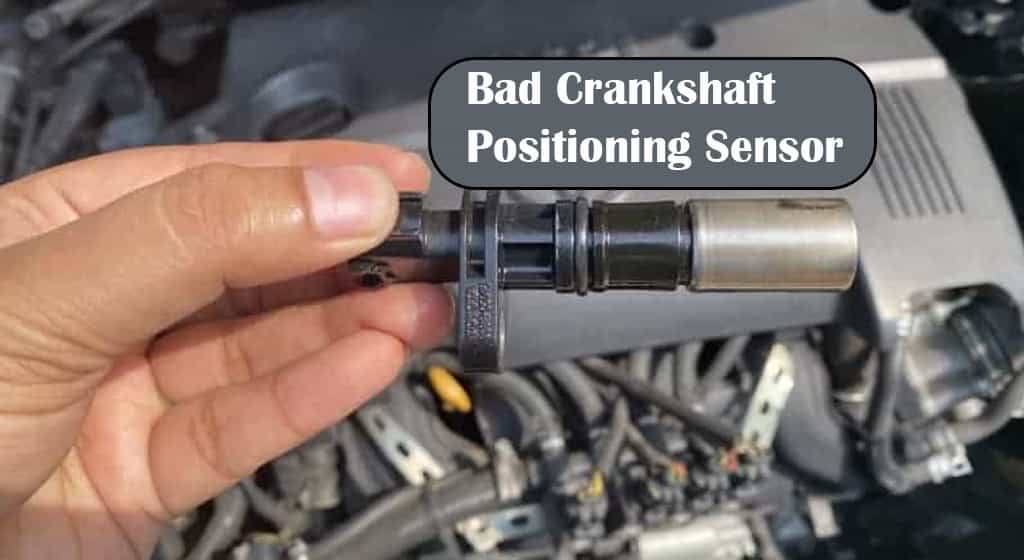
Source: hitchesguide.com
What Does a Crankshaft Position Sensor Do?
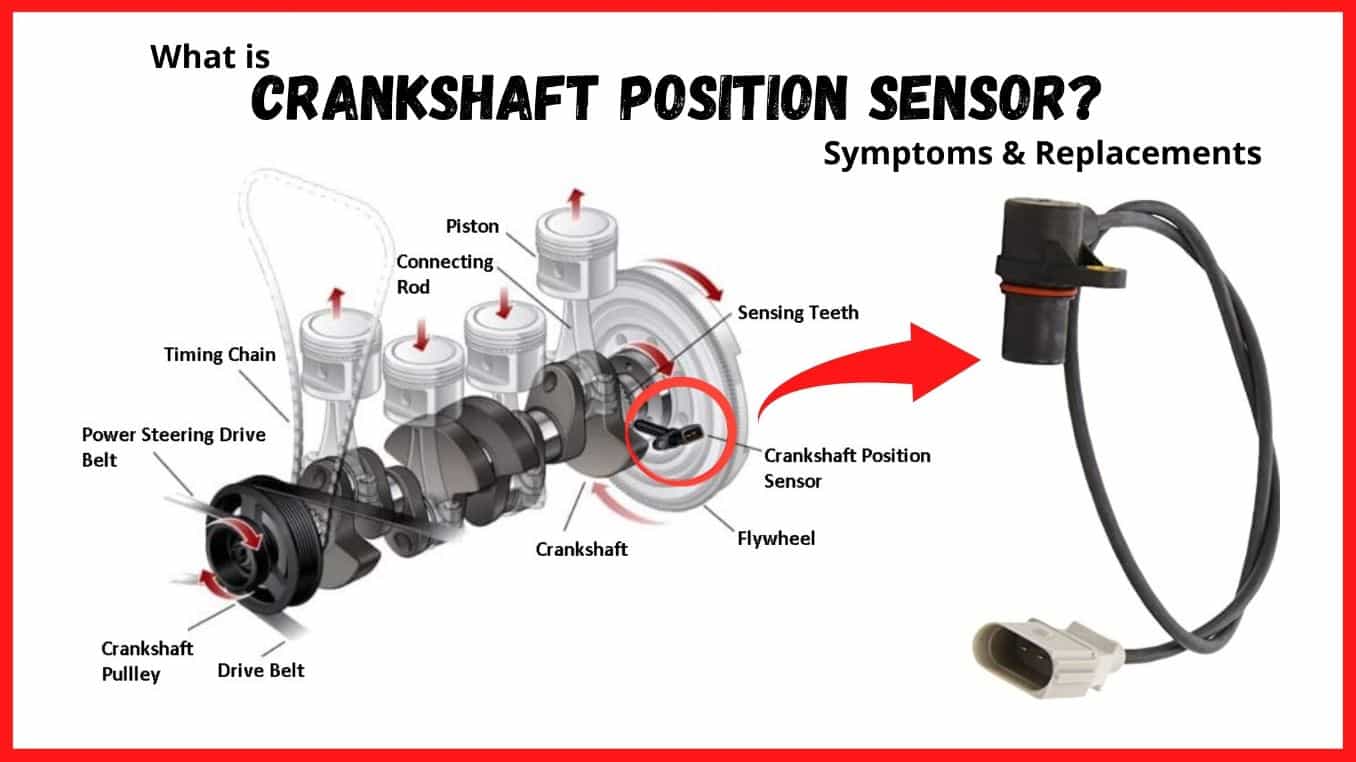
The crankshaft position sensor monitors the rotational position and speed of the crankshaft and sends that information to the engine control unit. The crankshaft converts the pistons’ up-and-down movement into rotation, so knowing its position helps the control system determine when engine events need to occur.
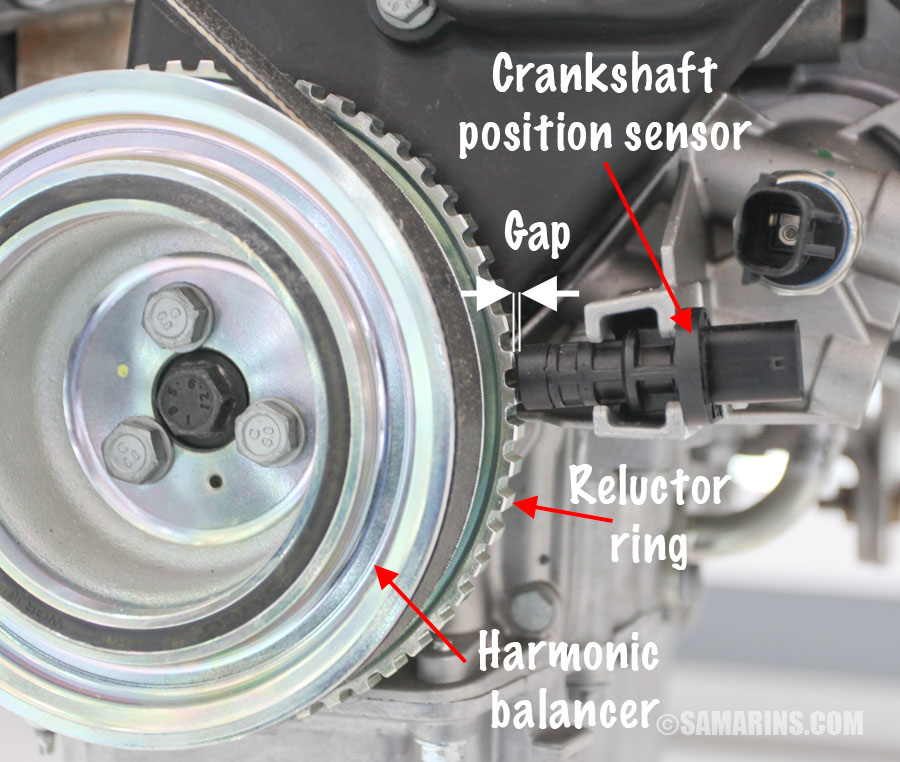
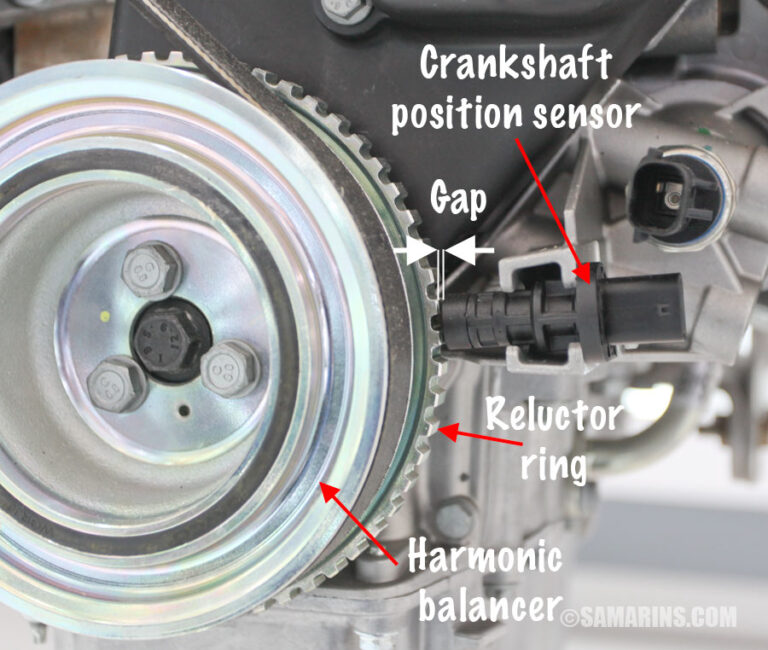
Depending on the vehicle, the sensor may read a toothed reluctor wheel, timing rotor, or similar trigger component. Common sensor designs include inductive and Hall-effect types. Their electrical signals are different, so the correct testing method depends on the vehicle and sensor design.
When the signal becomes inaccurate or disappears, the engine computer may lose an important timing reference. That can affect starting, combustion, engine speed control, and overall drivability.
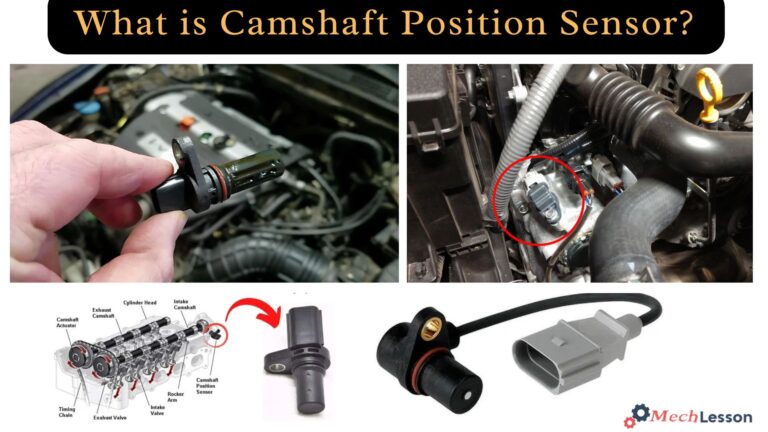
Source: theengineerspost.com
Crankshaft speed
The sensor provides information that allows the engine computer to determine how quickly the crankshaft is rotating.
Crankshaft position
The signal helps the engine computer determine where the crankshaft is during its rotation.
Engine timing
The crankshaft signal contributes to control of fuel injection and ignition timing on applicable engines.
What Are Symptoms of a Bad Crankshaft Position Sensor?
The most recognizable symptoms are starting problems, engine stalling, misfires, uneven acceleration, reduced performance, and an illuminated check engine light. Some vehicles may show only one symptom, while others develop several at the same time.
A crankshaft position sensor does not always fail completely. An intermittent electrical connection, heat-related fault, contamination, damaged wiring, or sensor deterioration can cause symptoms that appear and disappear. That intermittent behavior can make diagnosis more difficult.
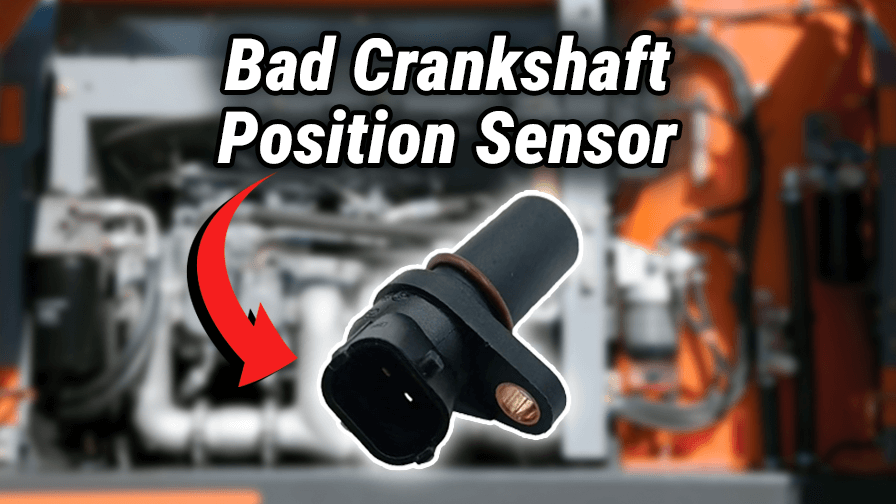
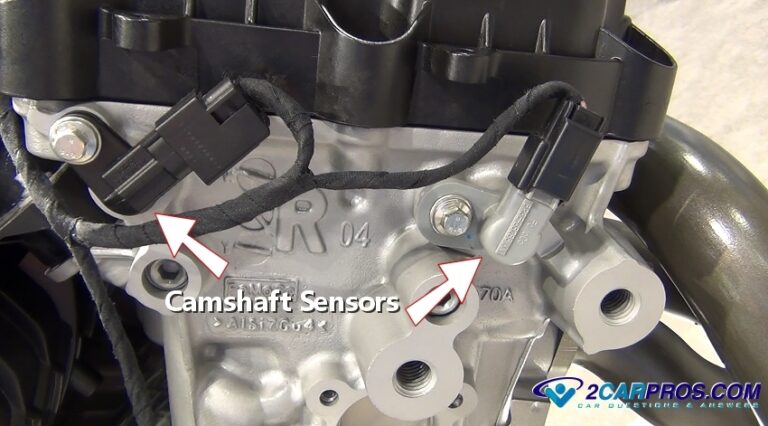
Source: youtube.com
Hard starting or no-start condition
The engine may crank normally but take longer to start, start intermittently, or fail to start when the sensor cannot provide a usable crankshaft signal.
Engine stalling
The engine can stall after starting or while driving when the control system loses a reliable crankshaft position or speed signal.
Engine misfires
Incorrect or missing position information can interfere with the timing of engine events and may contribute to misfiring.
Uneven acceleration
A faulty signal can contribute to hesitation, inconsistent acceleration, or a noticeable lack of response.
Reduced engine performance
The vehicle may feel weaker or less responsive when the engine computer cannot reliably use the sensor signal.
Check engine light
The engine warning light may illuminate when the computer detects a crankshaft position signal problem and stores a related diagnostic trouble code.
Rough running or vibration
A faulty crankshaft signal can be associated with rough engine operation, particularly when the problem affects combustion or engine timing.
1. Difficulty Starting the Engine
One of the most important warning signs is a crank-no-start condition. The starter may turn the engine over normally, but the engine does not fire because the control system may not be receiving the crankshaft information it needs.
Starting problems can also be intermittent. A vehicle may start normally in the morning and then struggle to restart after being driven. Heat, wiring faults, connector problems, or an internal sensor fault can contribute to intermittent behavior.
Possible pattern
The engine cranks but does not start, or it takes noticeably longer than usual to start.
Important limitation
A no-start condition has many possible causes, including battery, fuel, ignition, immobilizer, wiring, and other sensor problems.
2. Engine Stalling While Driving or Idling
A failing crankshaft position sensor can cause an engine to stall after starting or during vehicle operation. The problem may be especially concerning when the engine suddenly shuts off because the vehicle can lose normal engine power and may require a restart.
If the engine stalls in traffic, move to a safe location as soon as possible. Do not continue driving a vehicle that repeatedly loses power if doing so creates a safety risk.
Intermittent stalling
The engine may run normally for a period and then shut off when the sensor signal becomes unreliable.
Restart difficulty
After a stall, the engine may restart immediately, restart only after several attempts, or fail to restart.
3. Misfires, Rough Running, or Vibrations
A faulty crankshaft signal can interfere with the engine control system’s ability to synchronize engine operation. Depending on the vehicle, this may contribute to misfires, rough running, or noticeable vibration.
These symptoms are not specific to the crankshaft sensor. Ignition coils, spark plugs, injectors, vacuum leaks, fuel problems, mechanical faults, and other sensors can produce similar behavior.
Misfire
The engine may hesitate, shake, or run unevenly when combustion is not occurring normally.
Rough idle
The engine may feel less smooth while stopped or operating at low speed.
Check Engine Light and Diagnostic Trouble Codes
A check engine light is another common symptom, but it should be treated as a starting point for diagnosis rather than proof that the crankshaft sensor itself has failed. The engine computer monitors sensor signals and can store diagnostic trouble codes when it detects a problem.
Codes in the P0335 through P0349 range can be associated with crankshaft or camshaft position sensor circuits and related signal problems, depending on the vehicle and exact code. The code description and manufacturer service information should be checked before a part is replaced.
A scan tool can also provide useful live data. On some vehicles, watching engine RPM while cranking can help determine whether the computer is receiving an engine-speed signal. The exact expected reading and diagnostic procedure vary by vehicle.
Source: samarins.com
Scan the vehicle
Retrieve stored and pending diagnostic trouble codes with a compatible scan tool.
Check the code meaning
Use the vehicle-specific service information to determine what the code actually tests and which circuits or components are involved.
Do not replace parts automatically
A sensor-related code can result from wiring, connector, trigger-wheel, power-supply, or signal problems rather than a failed sensor.
Can a Bad Crankshaft Sensor Cause a Check Engine Light?
Yes. A faulty or implausible crankshaft position signal can trigger the check engine light and store a diagnostic trouble code. However, the absence of a warning light does not always rule out a sensor or related circuit problem, particularly when the fault is intermittent or vehicle-specific diagnostic conditions have not been met.
What Causes a Crankshaft Position Sensor to Go Bad?
Crankshaft position sensors can fail because of electrical, mechanical, thermal, contamination, or wiring problems. The exact failure mode depends on the sensor design and the vehicle’s engine layout.
Common causes include damaged wiring, poor electrical connections, contamination on the sensing area, internal sensor failure, excessive heat exposure, and mechanical damage. The trigger wheel or reluctor being monitored can also be damaged or contaminated, creating a signal problem that may look like a bad sensor.
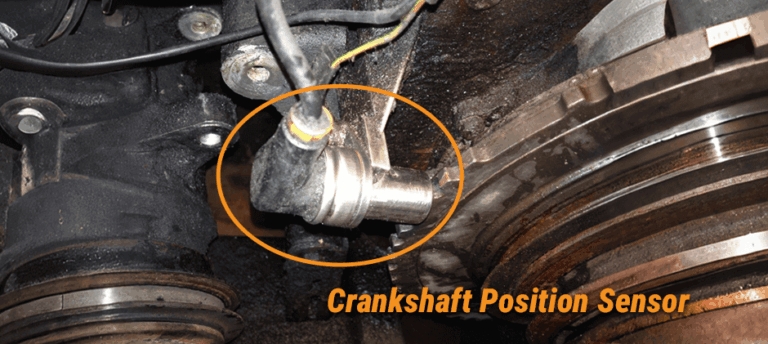
Because the sensor works close to moving and hot engine components, inspection should include the surrounding connector, wiring, and trigger components instead of focusing only on the sensor body.
Source: fridayparts.com
Damaged wiring
Broken, rubbed-through, shorted, or otherwise damaged wiring can interrupt the sensor signal.
Connector problems
Corrosion, loose terminals, contamination, or poor connections can interfere with the electrical signal.
Heat exposure
Significant engine heat can contribute to deterioration of the sensor or its wiring.
Contamination
Foreign material or metal debris can interfere with some sensor designs and their ability to detect the rotating target.
Mechanical damage
Damage to the sensor or the reluctor, trigger wheel, or related component can produce an incorrect signal.
Why Does the Sensor Sometimes Fail Only When the Engine Is Hot?
Some electrical faults become apparent only after components heat up. A sensor or wiring connection may work when cold but produce an unreliable signal after engine temperature rises. If the vehicle repeatedly stalls or develops a no-start condition after warming up, that pattern is useful diagnostic information.
How to Diagnose a Bad Crankshaft Position Sensor
The best way to diagnose a suspected crankshaft position sensor is to combine the symptoms with diagnostic codes, visual inspection, live data, and the sensor’s actual electrical signal. Avoid replacing the sensor solely because the vehicle has one or two matching symptoms.
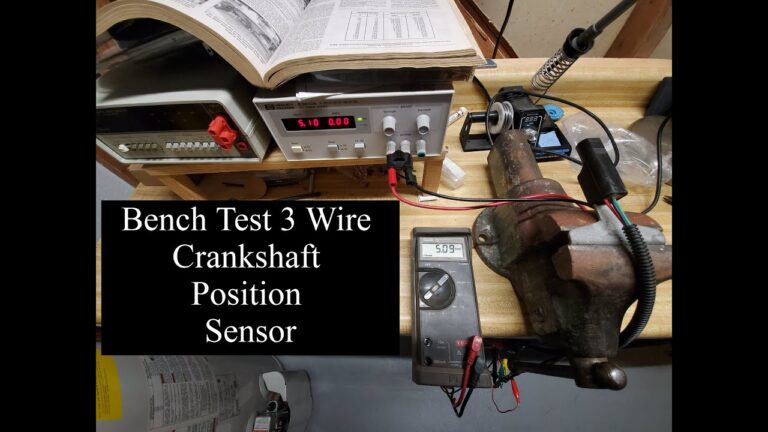
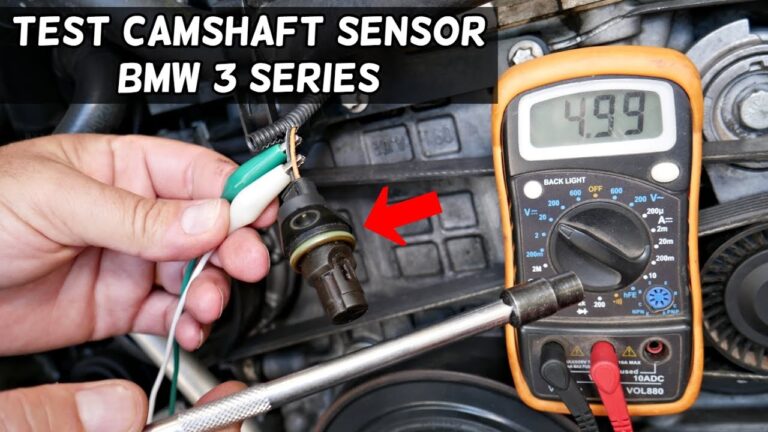
Start with the vehicle’s service information because sensor design, connector wiring, testing values, and access procedures vary between makes and models. Some sensors can be checked with a multimeter, while an oscilloscope can provide a more detailed view of the signal waveform.
If you are not comfortable testing automotive electrical circuits, have a qualified technician diagnose the vehicle. Incorrect probing, short circuits, or working around moving and hot engine components can cause damage or injury.
Source: fridayparts.com
Step 1: Record the symptoms
Note whether the vehicle has hard starting, stalling, misfires, poor acceleration, rough running, or a recurring warning light.
Step 2: Scan for codes
Use a compatible scan tool to identify stored or pending diagnostic trouble codes and review relevant live data.
Step 3: Inspect the sensor and wiring
Check the connector, terminals, wiring, sensor body, and nearby components for corrosion, damage, contamination, or signs of contact.
Step 4: Verify the signal
Use the manufacturer-specified testing method to check the sensor’s power, ground, resistance where applicable, and output signal.
Step 5: Check related components
If the sensor signal appears normal, investigate wiring, the trigger wheel, power supply, engine control unit, and other possible causes.
Why a Diagnostic Code Is Not Enough
A diagnostic trouble code identifies a monitored condition, circuit, or signal problem. It does not automatically identify which physical part must be replaced. For example, an open circuit, short circuit, damaged wiring, poor connector contact, or trigger-wheel problem can create a crankshaft sensor-related code.
Use the code as a clue
Combine the code with symptoms, visual inspection, live data, and manufacturer testing procedures.
Confirm before replacing
Testing the signal and related circuits can prevent an unnecessary sensor replacement.
Can You Drive With a Bad Crankshaft Position Sensor?
Driving with a suspected crankshaft position sensor problem can be risky if the engine is stalling, misfiring, losing power, or behaving unpredictably. A vehicle that suddenly loses engine power can create a hazard in traffic, at intersections, or during highway driving.
A mild intermittent symptom does not guarantee that the vehicle will continue operating normally. A sensor problem can worsen or become a no-start condition. If the engine is repeatedly stalling or cannot be restarted reliably, arrange for diagnosis and repair rather than depending on the vehicle to keep running.
If the check engine light is flashing, the engine is severely misfiring, or the vehicle is losing power, stop driving when it is safe to do so and seek professional assistance.
Source: motorriderz.com
Repeated stalling
Treat repeated engine shutdowns as a safety concern and avoid unnecessary driving.
No-start condition
A complete sensor failure can prevent some engines from starting, leaving the vehicle stranded.
Unpredictable performance
Hesitation, misfires, or sudden power loss can make normal driving less predictable.
Crankshaft Position Sensor Symptoms vs. Other Engine Problems
The symptoms of a bad crankshaft position sensor overlap with many other engine faults. Hard starting can come from a weak battery, fuel-delivery problem, ignition problem, immobilizer issue, or another sensor. Stalling can also result from fuel, air, ignition, electrical, or mechanical faults.
This overlap is why diagnosis should focus on the complete pattern rather than one symptom. A crankshaft sensor becomes more plausible when the symptoms occur alongside a relevant diagnostic code or a verified abnormal sensor signal.
The table below can help organize the diagnostic process, but it should not be used as a substitute for vehicle-specific testing.
Source: mechstudies.com
Hard starting
Possible causes include the crankshaft sensor, camshaft sensor, battery, fuel system, ignition system, wiring, or immobilizer.
Engine stalling
Possible causes include crankshaft sensor faults, fuel problems, ignition faults, electrical supply problems, or other engine-control issues.
Misfire
Possible causes include spark plugs, ignition coils, injectors, air leaks, compression problems, or sensor-related timing issues.
Check engine light
The light can indicate many engine or emissions-related faults, so the stored code and supporting tests matter.
When Should You Get Professional Diagnosis?
Professional diagnosis is appropriate when the vehicle repeatedly stalls, has a no-start condition, has multiple warning lights, or requires electrical testing beyond your equipment or experience. A technician can use vehicle-specific service information and diagnostic equipment to determine whether the sensor, its wiring, or another component is responsible.
Use professional help for intermittent faults
Intermittent electrical problems can require waveform testing, live-data analysis, and circuit testing that is difficult to perform without appropriate equipment.
Do not guess at replacement
Replacing parts without confirming the fault can add cost while leaving the original problem unresolved.
Frequently Asked Questions
Q
What are the most common symptoms of a bad crankshaft position sensor?
Common symptoms include difficulty starting, intermittent no-start conditions, engine stalling, misfires, uneven acceleration, reduced performance, rough running, and a check engine light. Not every vehicle will show all of these symptoms.
Q
Will a bad crankshaft position sensor prevent a car from starting?
Yes, a complete loss of the crankshaft position signal can prevent some engines from starting. However, a no-start condition has many possible causes, so the crankshaft sensor should be tested rather than assumed to be the cause.
Q
Can a bad crankshaft position sensor cause stalling?
Yes. An unreliable crankshaft signal can cause an engine to stall after starting or during operation. Intermittent sensor, wiring, connector, or trigger-wheel faults can make stalling occur only occasionally.
Q
Does a bad crankshaft position sensor always turn on the check engine light?
No. A crankshaft sensor problem may illuminate the check engine light and store a diagnostic trouble code, but the warning behavior depends on the vehicle and the conditions under which the fault occurs. A proper diagnosis should consider symptoms and sensor data as well as warning lights.
Q
Can I test a crankshaft position sensor myself?
Some vehicles allow basic checks with a multimeter or scan tool, while others require waveform testing with an oscilloscope. Because sensor types and wiring differ, follow the vehicle manufacturer’s testing procedure instead of applying one universal resistance or voltage specification.
Q
What causes a crankshaft position sensor to fail?
Potential causes include age-related deterioration, heat exposure, damaged wiring, poor electrical connections, contamination, internal sensor failure, and mechanical damage. Problems with the trigger wheel or reluctor can also create symptoms that resemble a failed sensor.
Q
Is it safe to keep driving with crankshaft sensor symptoms?
It is not advisable to ignore symptoms such as repeated stalling, severe misfires, or sudden power loss because they can create a driving hazard. If the vehicle is unreliable or loses power, stop in a safe location and arrange for diagnosis or repair.
✦ Wrapping Up
Conclusion
The clearest answer to what are symptoms of a bad crankshaft position sensor is that the problem can appear as hard starting, no-start conditions, stalling, misfires, uneven acceleration, reduced performance, rough running, and a check engine light. A complete failure can leave some vehicles unable to start.
These symptoms are not unique to the crankshaft position sensor. Wiring, connectors, the trigger wheel, ignition system, fuel system, and other engine-control components can create similar problems. The most reliable approach is to scan the vehicle, inspect the circuit, and verify the sensor signal using the procedure specified for that vehicle.
💡 Key Takeaway
If your vehicle has starting problems, stalling, misfires, or a check engine light, scan for diagnostic codes and inspect the crankshaft sensor circuit before replacing the sensor. If the engine is repeatedly stalling or losing power, avoid unnecessary driving and have the vehicle diagnosed by a qualified technician.
Ethan Brooks is an automotive writer at Auto News 7, covering car news, vehicle maintenance, new model updates, recalls, and practical buying guides. He focuses on clear, useful information that helps drivers understand their vehicles and make better ownership decisions.
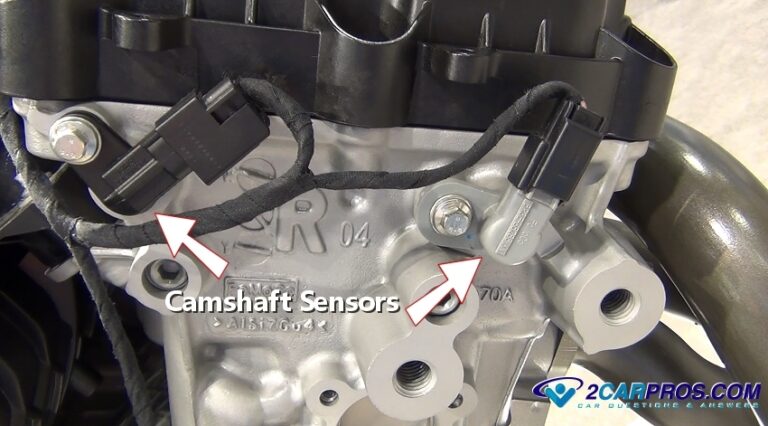
Learn what a camshaft position sensor looks like, where it is located, how to identify it, and how it differs from other engine sensors. Includes photos, features, and troubleshooting tips.
Learn when to replace a camshaft position sensor, the warning signs of failure, diagnostic tips, replacement timing, costs, and whether it is safe to keep driving.
Learn how to test a BMW camshaft position sensor using a scan tool, multimeter, and practical troubleshooting steps. Diagnose faults, symptoms, and sensor failures accurately.
Learn how to replace camshaft position sensor connector wiring safely. Follow step-by-step instructions, tools needed, troubleshooting tips, and common mistakes to avoid.