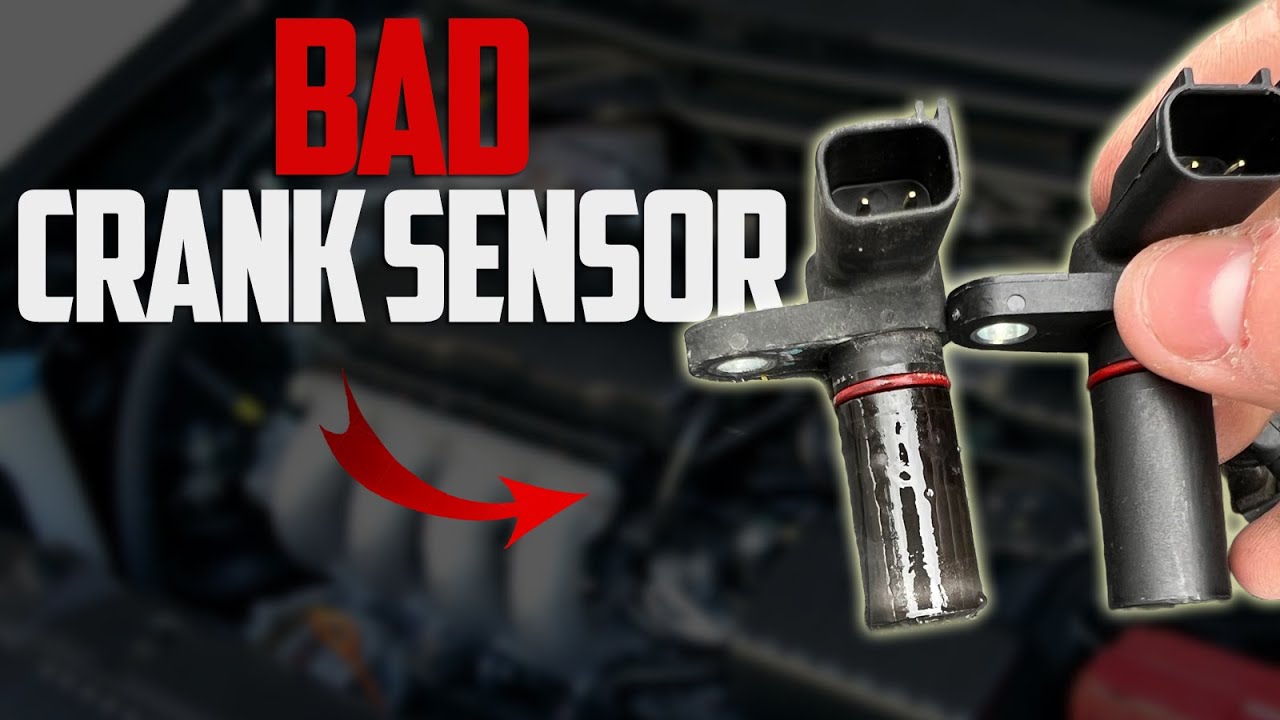
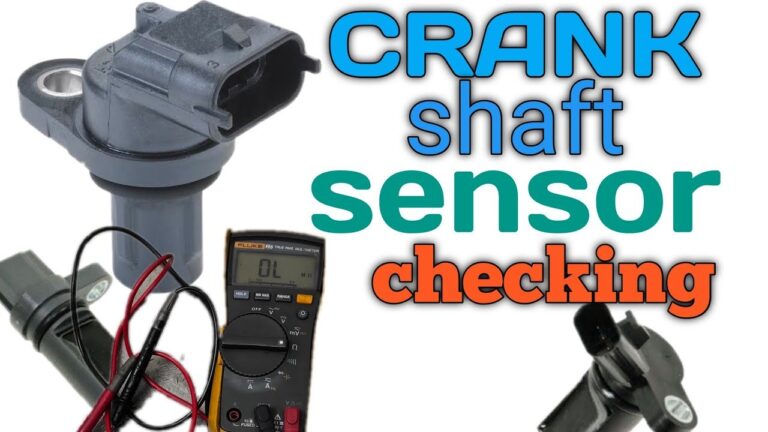
You may be able to drive a short distance, but a bad crankshaft sensor can cause sudden stalling or a no-start condition.
If you are driving a car, truck, or SUV in the United States and suspect a bad crankshaft sensor, treat the problem as a drivability and safety concern rather than a minor warning. A failing crankshaft position sensor can cause hard starting, hesitation, poor acceleration, engine misfires, stalling, or a complete no-start condition.
Whether you can safely drive depends on how the vehicle is behaving. If the engine is running normally and the check engine light is steady, a short trip to a repair shop may sometimes be possible. If the engine is stalling, losing power, misfiring badly, or refusing to restart, do not rely on the vehicle for normal driving. A tow may be the safer option.
Source: hitchesguide.com
Can You Drive With a Bad Crankshaft Sensor?
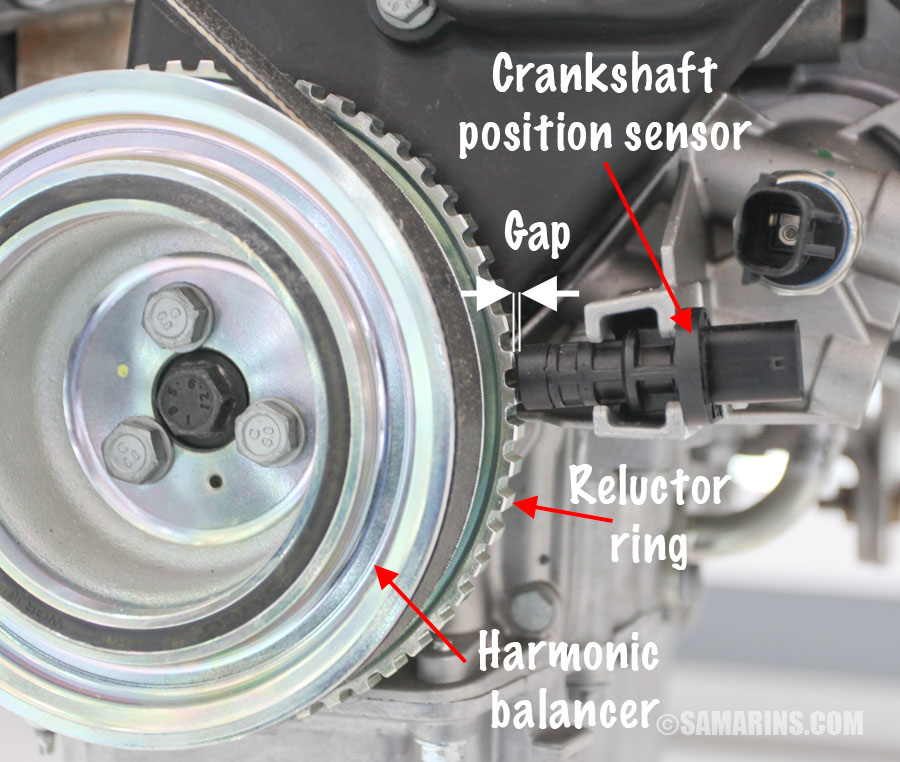
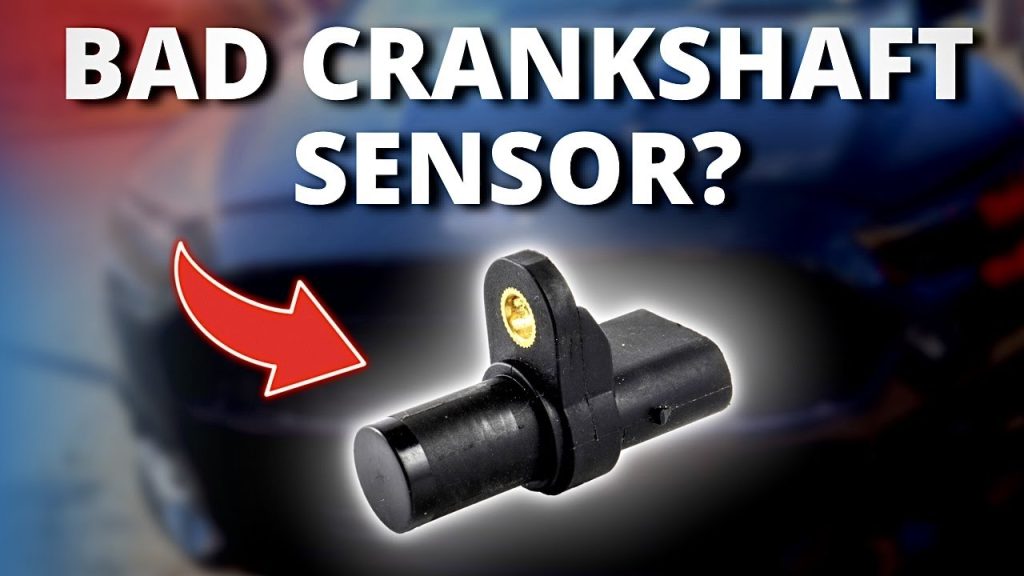
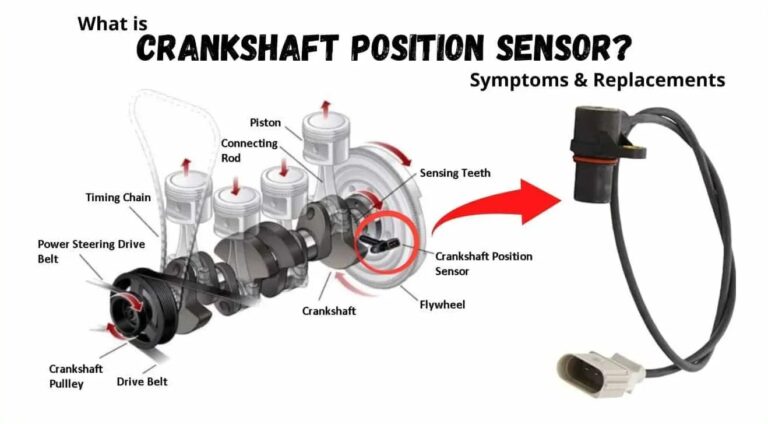
Yes, a vehicle with a failing crankshaft sensor can sometimes continue to run, but that does not mean it is safe to keep driving normally. The crankshaft position sensor supplies the engine control module with information about crankshaft position and speed. That information helps the computer coordinate ignition and fuel delivery.
If the sensor signal becomes unreliable, the engine may hesitate, run poorly, stall, or fail to start. The most serious concern while driving is an unexpected stall. Losing engine power can make it difficult to accelerate away from traffic or maintain normal vehicle operation.
For that reason, there is no reliable mileage or time limit for driving with a bad crankshaft sensor. A vehicle might continue running for a short period, while another vehicle may stall without warning. The condition and failure pattern matter more than a specific number of miles.
Source: hitchesguide.com
Short trip may be possible
If the engine starts easily, idles smoothly, accelerates normally, and the check engine light is steady, a short trip for diagnosis may be possible. Drive cautiously and avoid unnecessary trips.
Driving is not advisable
Avoid normal driving if the engine repeatedly stalls, hesitates severely, misfires, loses substantial power, or has difficulty restarting.
Tow the vehicle
A tow is the safer choice when the engine cannot be relied upon to keep running or when the vehicle loses power in traffic.
Why a Bad Crankshaft Sensor Can Stop the Engine
The crankshaft position sensor monitors the crankshaft’s rotational position and speed. The engine computer uses that information to coordinate important engine-control functions. If the signal disappears or becomes unreliable, the computer may no longer have the information it needs to control the engine correctly.
Depending on the vehicle and the exact fault, the result can range from intermittent hesitation to an engine that stalls or will not start. Some failures appear only after the engine becomes hot, which can make the problem especially difficult to predict.
Loss of synchronization
An unreliable crankshaft signal can interfere with the engine computer’s ability to determine crankshaft position and engine speed.
Intermittent operation
A sensor or circuit may work normally at one moment and fail under heat, vibration, or another changing condition.
What Happens If You Keep Driving With a Bad Crankshaft Sensor?
Continuing to drive can leave you with an unpredictable vehicle. The most immediate problem is that the engine may stall while you are moving. Even if the engine restarts, repeated stalling can turn a manageable repair into a roadside breakdown.
A faulty crankshaft sensor can also contribute to poor engine performance. Depending on the failure, you may experience hesitation, hard starting, rough running, reduced acceleration, or misfires. These symptoms can make merging, passing, climbing a hill, or entering fast-moving traffic more difficult.
The sensor itself is not necessarily causing internal engine damage simply because it has failed. The larger concern is unreliable engine operation and the possibility that the underlying problem is something other than the sensor. A damaged reluctor component, wiring fault, or another engine-control problem may require a different repair.
Source: gioodqalc.blob.core.windows.net
Unexpected stalling
The engine can shut off without much warning when the crankshaft signal becomes unavailable or unreliable.
Hard restarting
A failing sensor may cause an engine to crank for an extended period or fail to restart after stalling.
Poor acceleration
An unstable engine-control signal can produce hesitation or reduced engine performance.
Roadside breakdown
An intermittent problem can become a complete failure, potentially leaving the vehicle unable to start.
Does a Bad Crankshaft Sensor Damage the Engine?
A failed crankshaft sensor does not automatically mean the engine itself is damaged. The sensor is an electronic component that reports crankshaft information to the engine computer. However, continuing to operate a vehicle that is misfiring, stalling, or running very poorly can create additional drivability problems and may indicate another fault that needs attention.
The key point is to diagnose the underlying problem instead of assuming that every symptom is caused by the sensor. A crankshaft sensor trouble code can identify a circuit or signal problem without proving that the sensor itself needs replacement.
Do not assume the sensor is the only fault
Wiring, connectors, reluctor components, or other engine-control issues can produce similar symptoms.
Repair severe running problems promptly
Repeated stalling or serious misfiring should be investigated before normal driving continues.
Symptoms of a Bad Crankshaft Position Sensor
The most common symptoms include hard starting, intermittent stalling, a no-start condition, hesitation, poor acceleration, misfires, and a check engine light. Not every vehicle will show every symptom, and some of these problems can also come from other components.
A useful clue is whether the symptoms change with engine temperature. Some crankshaft sensors can develop intermittent faults that become more noticeable when the sensor or surrounding engine components heat up. That pattern can help a technician reproduce the problem.
Source: motorriderz.com
Check engine light
The malfunction indicator lamp may illuminate when the engine computer detects a crankshaft position signal or circuit problem.
Hard starting
The engine may take longer to start because the computer is not receiving a reliable crankshaft signal.
Engine stalling
An intermittent or lost signal can cause the engine to shut off while idling or driving.
No-start condition
A severe sensor or circuit failure can prevent the engine from starting.
Hesitation or poor acceleration
An unstable signal can interfere with engine control and produce hesitation or reduced power.
Misfiring or rough running
Incorrect crankshaft information can contribute to unstable engine operation.
Can a Bad Crankshaft Sensor Cause a Check Engine Light?
Yes. A crankshaft sensor problem can illuminate the check engine light and may store a diagnostic trouble code related to the crankshaft position sensor circuit. Common code families associated with crankshaft position circuits include P0335 through P0339, although the exact code and diagnostic procedure depend on the vehicle.
A stored code should be treated as a diagnostic clue rather than proof that the sensor itself has failed. The circuit, connector, wiring, reluctor wheel, and related components may also need inspection.
Read the code
Use an appropriate scan tool to identify the stored diagnostic trouble code.
Confirm the cause
Follow the vehicle-specific diagnostic procedure before replacing the sensor.
When Should You Stop Driving Immediately?
Stop driving as soon as it is safe if the engine is repeatedly stalling, the vehicle suddenly loses significant power, or the engine is running so poorly that you cannot maintain safe control of the vehicle. A crankshaft sensor problem can be unpredictable, so symptoms that affect acceleration or engine operation deserve more caution than a warning light alone.
If the vehicle stalls in traffic, move to a safe location when possible and follow your vehicle manufacturer’s roadside safety instructions. Do not continue a trip simply because the engine restarts. An intermittent failure can return without warning.
Source: hitchesguide.com
Repeated stalling
Do not continue normal driving when the engine repeatedly shuts off.
Severe power loss
Pull over safely if the vehicle cannot accelerate or maintain traffic speed normally.
Repeated no-start condition
If the vehicle frequently fails to restart, arrange professional diagnosis or towing.
Severe misfire or shaking
Avoid driving when the engine is running violently or producing severe drivability symptoms.
Additional warning signs
Overheating, abnormal engine noises, smoke, or other major warning indicators require separate attention and may make continued driving unsafe.
Can You Drive to a Mechanic With a Bad Crankshaft Sensor?
A short drive to a repair facility may be reasonable only when the vehicle starts reliably, runs smoothly, responds normally to the accelerator, and has no serious warning signs. Choose the shortest practical route and avoid unnecessary driving.
If the vehicle has already stalled, loses power unpredictably, or struggles to restart, towing is the safer option. There is no dependable way to predict exactly when an intermittent crankshaft sensor fault will become a complete failure.
Drive only if symptoms are mild
Normal engine operation with a steady warning light presents a different situation from repeated stalling or severe misfire.
Avoid long trips
A failing sensor can leave you stranded even when the vehicle currently appears to run normally.
Use a tow when reliability is poor
Towing removes the risk of an unexpected stall during the trip to the repair facility.
How to Diagnose a Suspected Bad Crankshaft Sensor
Diagnosis should start with the vehicle’s symptoms and stored diagnostic information rather than immediate parts replacement. A scan tool can reveal relevant trouble codes, but the code must be interpreted alongside the vehicle’s wiring, sensor signal, and mechanical condition.
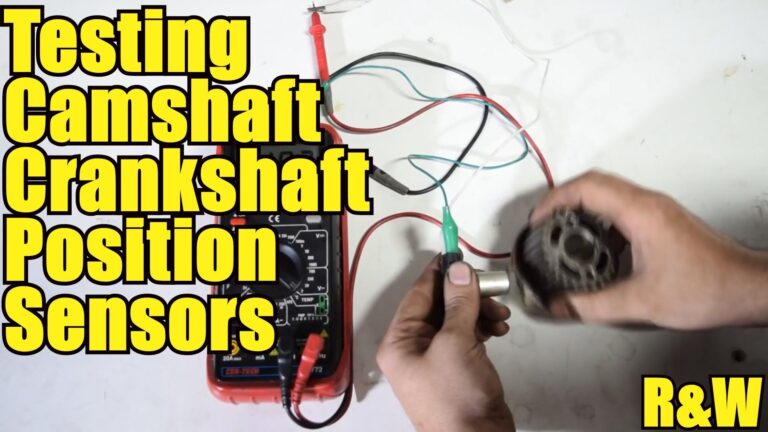
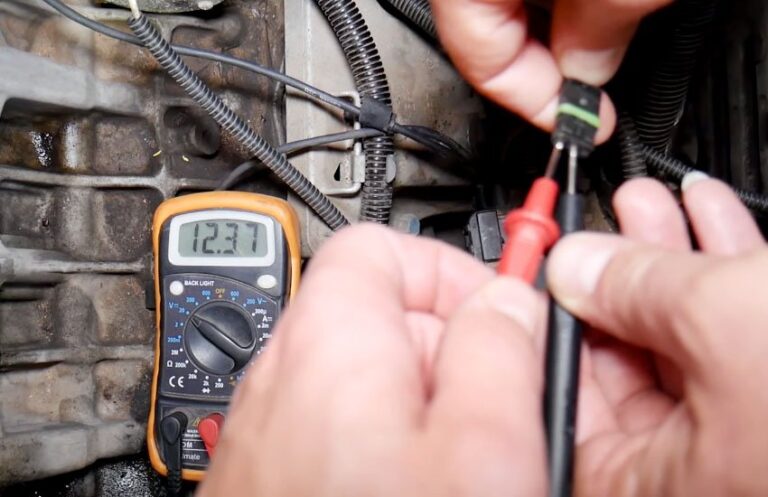
A technician may check the crankshaft sensor connector and wiring, inspect the sensor and its mounting area, monitor engine speed while cranking, and test the sensor signal using equipment appropriate for the vehicle. Some problems that look like sensor failure are actually caused by wiring damage, poor connections, or a damaged reluctor component.
If you are performing basic checks yourself, follow the manufacturer’s service information for your exact year, make, model, engine, and sensor design. Do not probe electrical circuits in a way that could damage the engine computer.
Source: hitchesguide.com
Scan for trouble codes
Read stored and pending diagnostic trouble codes and record the exact codes before clearing them.
Check the connector
Look for loose connections, corrosion, damaged terminals, or visible wiring damage.
Check live data
Where supported, observe engine RPM and relevant sensor data during cranking and operation.
Verify the sensor signal
A suitable diagnostic test can determine whether the sensor is producing the expected signal.
Inspect related components
Check the reluctor or trigger components and other parts identified by the vehicle-specific diagnostic procedure.
Why Replacing the Sensor Without Testing Can Be a Mistake
A diagnostic trouble code associated with a crankshaft position sensor does not always mean the sensor is defective. The same code can be associated with an open or shorted circuit, damaged wiring, a poor connection, or a problem with the signal-generating components.
Replacing parts without confirming the cause can waste money and leave the original problem unresolved. Proper diagnosis is especially useful when the problem is intermittent.
Code is evidence, not a final diagnosis
Use the code to guide testing rather than treating it as automatic proof that a particular part has failed.
Intermittent faults need careful testing
A problem that appears only when the engine is hot or under vibration may require more detailed testing.
Common Causes of Crankshaft Sensor Problems
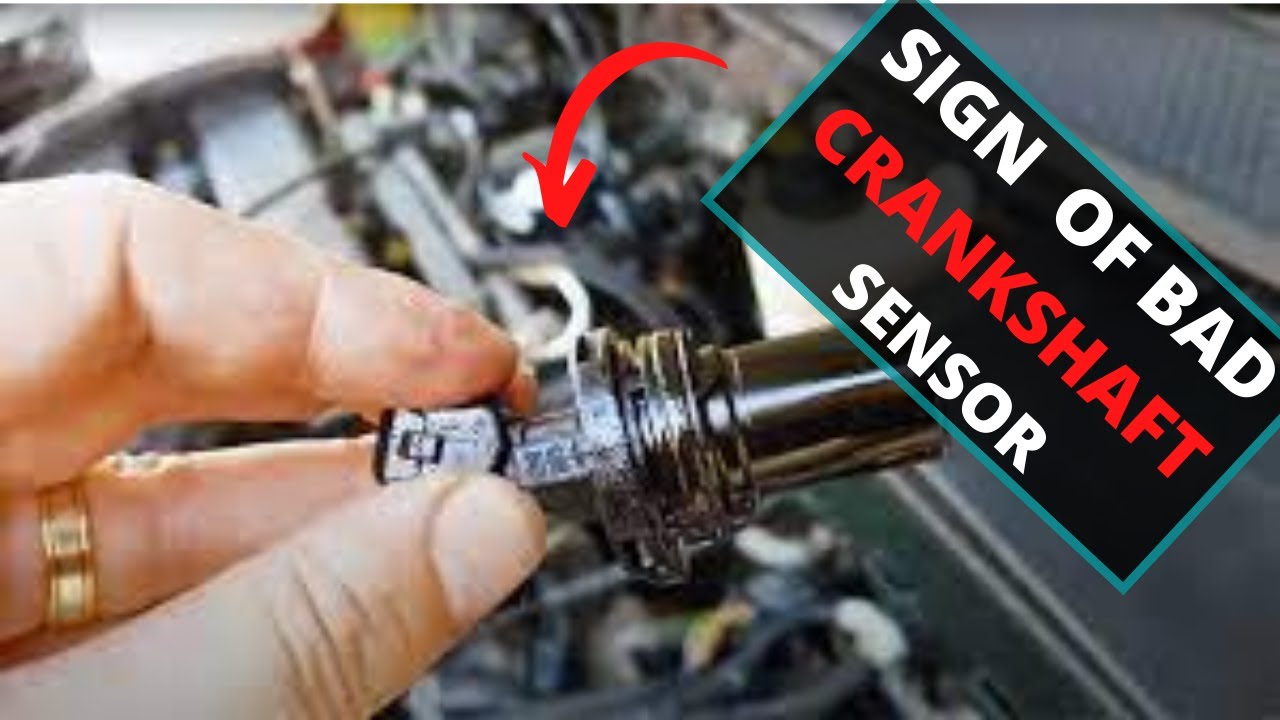
Crankshaft sensor problems can result from the sensor itself or from the components that allow it to communicate with the engine computer. Heat, vibration, contamination, damaged wiring, and connector problems can all affect the signal.
The sensor also depends on a correctly positioned signal source, such as a reluctor wheel or trigger component. If that component is damaged or its relationship to the sensor changes, the resulting signal may become unreliable even when the sensor itself is functional.
Source: hitchesguide.com
Heat and vibration
The sensor operates in a demanding engine environment where repeated heat cycles and vibration can contribute to component or wiring problems.
Damaged wiring
An open, short, rubbed-through wire, or poor connection can interrupt the crankshaft signal.
Contamination or debris
Contamination around the sensor or signal-generating components can interfere with proper signal generation on some designs.
Damaged reluctor components
Broken, worn, or otherwise damaged trigger teeth can create an incorrect or unstable signal.
Internal sensor failure
Electronic components can fail and produce intermittent or missing signals.
Can a Bad Crankshaft Sensor Be Intermittent?
Yes. A crankshaft sensor problem can be intermittent. The engine may start and run normally at one time and then develop a hard-start, stalling, or no-start condition later.
Intermittent behavior is one reason diagnosis can be more difficult than simply reading a trouble code. A technician may need to monitor the signal under the conditions that reproduce the problem.
Temperature can matter
Some faults become more apparent as the sensor and surrounding components heat up.
Symptoms may disappear temporarily
A vehicle that restarts after sitting does not necessarily have a resolved problem.
Bad Crankshaft Sensor vs. Other Engine Problems
Hard starting, stalling, hesitation, and a check engine light are not unique to a crankshaft sensor. Fuel delivery problems, ignition faults, battery or starting-system issues, camshaft sensor problems, wiring faults, and other engine-control problems can produce similar symptoms.
That overlap is why replacing a crankshaft sensor based only on one symptom can lead to an incorrect repair. The most useful diagnosis combines the vehicle’s symptoms, trouble codes, live data, electrical tests, and manufacturer-specific procedures.
Source: hitchesguide.com
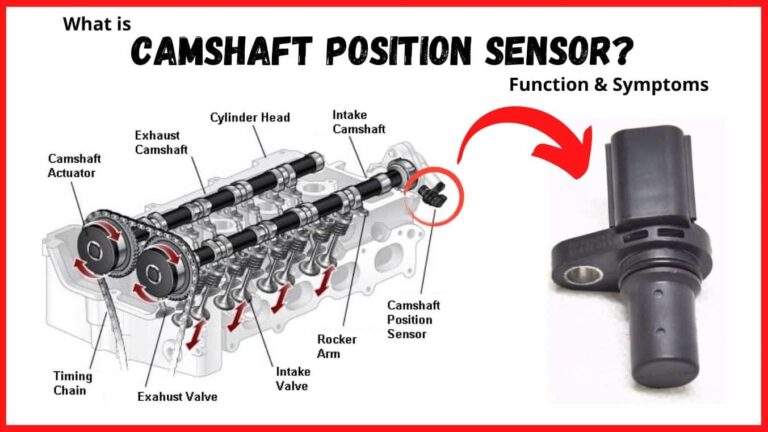
Camshaft position sensor
Problems with the camshaft position signal can also cause starting, performance, and engine-control issues.
Fuel system
A fuel pump, injector, pressure, or fuel-delivery problem can produce hard starting, hesitation, or stalling.
Ignition system
Faulty ignition components can cause misfires, rough running, hesitation, and poor acceleration.
Electrical problems
Battery, charging, wiring, ground, and connector problems can create symptoms that resemble sensor failure.
Why the Exact Vehicle Matters
Crankshaft sensor designs and diagnostic procedures vary among vehicles. Sensor location, connector design, signal type, trouble codes, and expected test values can differ by year, make, model, and engine.
For that reason, a generic internet test value should not replace the specifications and diagnostic procedure for the exact vehicle being repaired.
Use vehicle-specific information
Check the service information for the exact engine and model before performing electrical or sensor tests.
Do not rely on one symptom
Combine symptoms with diagnostic data to reduce the chance of replacing the wrong component.
What Should You Do If You Suspect a Bad Crankshaft Sensor?
Start by paying attention to how the vehicle is actually behaving. If it runs normally but the check engine light is on, arrange diagnosis soon and limit unnecessary driving. If it stalls, loses power, misfires severely, or becomes difficult to restart, stop using it for normal transportation.
Next, retrieve the diagnostic trouble codes if you have the appropriate scan tool. Record the codes and symptoms before clearing anything. If the diagnosis points toward the crankshaft position circuit, have the sensor, wiring, connector, and related signal components checked.
If you are not comfortable diagnosing automotive electrical systems, professional testing is often more efficient than replacing parts based on symptoms alone. A qualified technician can use vehicle-specific procedures and test equipment to determine whether the sensor or another component is responsible.
Source: bloom.calderleisure.co.uk
1. Record the symptoms
Note whether the vehicle stalls, hesitates, struggles to start, misfires, or behaves differently when hot.
2. Scan for codes
Read the stored and pending diagnostic trouble codes when appropriate.
3. Avoid unnecessary driving
Do not use the vehicle for long trips when the engine is unreliable.
4. Confirm the diagnosis
Test the crankshaft sensor circuit and related components before replacing parts.
5. Repair the underlying fault
Replace or repair the component identified by the diagnostic process.
What If the Car Starts After Sitting for a While?
A vehicle that starts again after sitting should not be considered fixed. Intermittent electrical or sensor faults can temporarily disappear and return later. If the vehicle previously stalled or failed to start, arrange diagnosis even if it currently seems normal.
Keep a record of when the problem occurs, including engine temperature and driving conditions. That information can help a technician reproduce an intermittent fault.
Do not assume the problem is gone
Temporary recovery can occur with intermittent sensor or circuit faults.
Document the pattern
Record whether the problem happens during cold starts, hot starts, acceleration, idling, or after a long drive.
Frequently Asked Questions
Q
How long can you drive with a bad crankshaft sensor?
There is no reliable mileage or time limit. A failing crankshaft sensor may allow the vehicle to run for a while, but it can also cause sudden stalling or a no-start condition.
If the vehicle is running normally, limit driving to what is necessary for diagnosis or repair. Do not rely on it for long trips when the sensor fault is causing unreliable engine operation.
Q
Can a bad crankshaft sensor cause a car not to start?
Yes. A severe crankshaft sensor or circuit failure can prevent the engine computer from receiving the crankshaft position information it needs for proper engine control. The result can be a crank-but-no-start condition.
However, several other faults can also cause a no-start condition, so the sensor should be diagnosed rather than assumed to be the cause.
Q
Will a bad crankshaft sensor always cause a check engine light?
No. A crankshaft sensor problem can trigger the check engine light and store a related diagnostic trouble code, but the warning light is not guaranteed in every situation. A vehicle can also have sensor-related symptoms caused by wiring or signal problems.
If the vehicle has hard starting, stalling, or other drivability problems, diagnosis should not stop just because the warning light is off.
Q
Can a bad crankshaft sensor cause stalling while driving?
Yes. An intermittent or lost crankshaft position signal can cause the engine to stall. Because an unexpected stall can happen while the vehicle is moving, repeated stalling is a reason to avoid continued normal driving.
If the engine stalls, move to a safe location when possible and arrange diagnosis rather than assuming the vehicle is safe because it restarts.
Q
Can you replace a crankshaft sensor yourself?
Replacement may be possible on some vehicles, but access, sensor design, installation procedure, and required calibration or relearn procedures vary. The exact service instructions for the vehicle should be followed.
Diagnosis should come before replacement because wiring, connectors, reluctor components, and other faults can create the same symptoms or diagnostic codes.
Q
What are the most common signs of a bad crankshaft sensor?
Common signs include hard starting, intermittent stalling, a no-start condition, hesitation, poor acceleration, misfires, rough running, and a check engine light.
These symptoms overlap with other engine and electrical problems, so they should be treated as clues rather than proof that the crankshaft sensor has failed.
✦ Wrapping Up
Conclusion
So, can you drive with a bad crankshaft sensor? Sometimes, but a vehicle that can still move is not necessarily a vehicle that is safe to keep driving. A failing crankshaft sensor can cause unpredictable stalling, hard starting, poor engine performance, or a complete no-start condition.
If the vehicle runs normally and only has a steady check engine light, a short trip for diagnosis may be possible. If it stalls, loses substantial power, misfires severely, or cannot restart reliably, avoid driving and consider towing it to a repair facility.
Most importantly, confirm the cause before replacing the sensor. The crankshaft sensor, wiring, connector, reluctor components, and other engine-control systems can produce overlapping symptoms.
💡 Key Takeaway
If your vehicle is currently stalling, losing power, or failing to restart, stop using it for normal driving and arrange a proper diagnosis or tow. If it runs normally, limit driving to the shortest necessary trip for professional inspection.
Ethan Brooks is an automotive writer at Auto News 7, covering car news, vehicle maintenance, new model updates, recalls, and practical buying guides. He focuses on clear, useful information that helps drivers understand their vehicles and make better ownership decisions.
Learn what code is camshaft position sensor, the most common OBD-II trouble codes, symptoms, causes, diagnosis steps, and repair options for U.S. drivers.
Can a crankshaft position sensor cause loss of power? Learn how a failing CKP sensor affects engine performance, common symptoms, diagnosis, and repair.
Learn how to replace camshaft position sensor bank 1 with a clear step-by-step process, required tools, troubleshooting tips, and safety advice for DIY vehicle owners in the USA.