Yes, a bad knock sensor can contribute to stalling in some vehicles, but it is rarely the only cause.
Across the United States, drivers often experience stalling, hesitation, or reduced performance when an engine management sensor fails. One component that can play a role is the knock sensor, which helps the engine control module adjust ignition timing to protect the engine from harmful detonation.
When a knock sensor sends inaccurate information or stops communicating correctly, the engine computer may use overly conservative timing settings. While a failed knock sensor does not commonly cause stalling by itself, it can contribute to poor engine operation, loss of power, rough running, and occasional stalling when combined with other mechanical or fuel-system issues.
Source: thecarbuzz.com
What Does a Knock Sensor Do?
A knock sensor monitors engine vibrations and detects abnormal combustion known as engine knock or detonation. It converts these vibrations into electrical signals that are sent to the engine control module.
The engine computer uses this information to adjust ignition timing. By making timing changes when knock is detected, the system helps prevent engine damage while maintaining performance and fuel efficiency.
Source: hitchesguide.com
Detects Engine Knock
Monitors vibration patterns associated with abnormal combustion.
Protects the Engine
Allows the computer to reduce timing advance when necessary.
Supports Performance
Helps maintain efficient engine operation under varying loads.
Why the Sensor Matters
Modern engines rely on accurate sensor data. Incorrect knock sensor readings can lead to unnecessary timing adjustments that affect drivability and efficiency.
Accurate Timing
Proper sensor data helps optimize combustion.
Can a Bad Knock Sensor Cause Stalling?
The direct answer to can a bad knock sensor cause stalling is yes, but it is generally an indirect cause. A failed sensor can cause the engine control module to make timing adjustments that reduce engine efficiency and responsiveness.
In some vehicles, severe timing changes can result in rough idling, hesitation during acceleration, and occasional stalling. However, fuel delivery problems, vacuum leaks, ignition failures, or crankshaft sensor issues are often more common causes of frequent stalling.
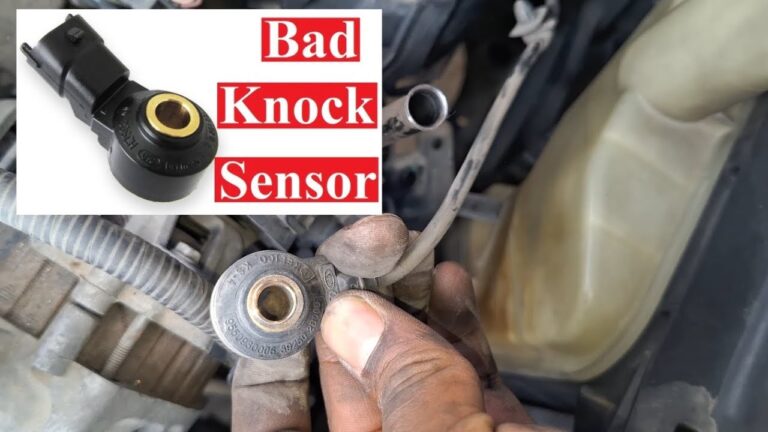
Source: www.youtube.com
Possible Cause
A bad knock sensor can contribute to stalling under certain conditions.
Not Usually the Primary Cause
Other engine management faults are often responsible for repeated stalls.
When Stalling Is Most Likely
Stalling is more likely when the vehicle already has underlying issues affecting fuel delivery, spark, air intake, or engine timing.
Multiple Faults
Combined system failures increase the likelihood of engine stalls.
Common Symptoms of a Bad Knock Sensor
A failing knock sensor often produces symptoms before stalling becomes noticeable. Drivers may experience reduced performance, poor fuel economy, or warning lights.
The severity of symptoms varies depending on the vehicle design, engine control strategy, and whether other faults are present.
Source: www.youtube.com > Car Fix
Check Engine Light
The engine computer may store diagnostic trouble codes.
Reduced Power
Conservative ignition timing can lower performance.
Poor Fuel Economy
Inefficient combustion may increase fuel consumption.
Rough Idle
The engine may run unevenly at low speeds.
Symptoms Often Mistaken for Other Problems
Many bad knock sensor symptoms overlap with ignition, fuel, and airflow problems, making proper diagnosis important.
Shared Symptoms
Misfires, hesitation, and power loss can have multiple causes.
How to Diagnose a Suspected Knock Sensor Problem
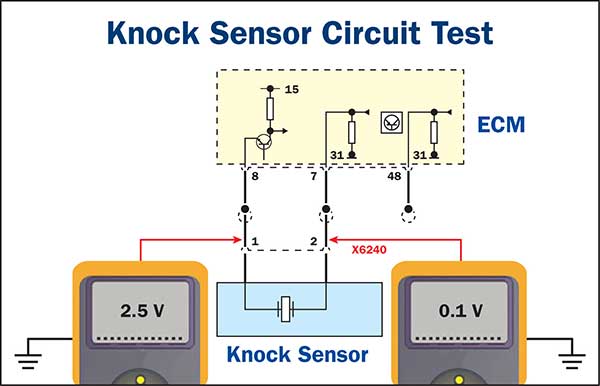
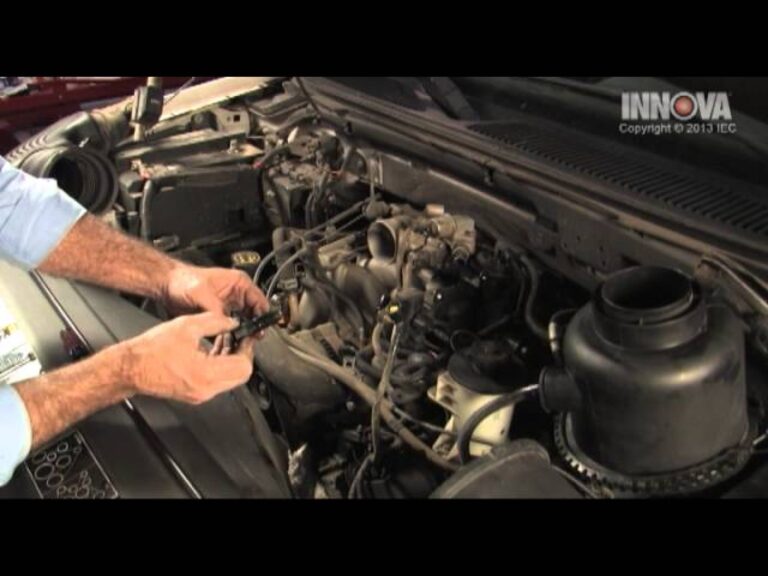
Start by scanning the vehicle for diagnostic trouble codes. Codes related to the knock sensor circuit can provide valuable direction for troubleshooting.
Inspect the sensor wiring, connectors, and mounting location. Corrosion, damaged wiring, or loose connections can create symptoms similar to a failed sensor.
Source: www.youtube.com > Your Motor Care
Scan for Codes
Use an OBD-II scanner to check for stored faults.
Inspect Wiring
Look for damaged or corroded electrical connections.
Verify Sensor Condition
Follow manufacturer procedures for testing.
Avoid Replacing Parts Too Quickly
Replacing a knock sensor without confirming the fault may not solve the stalling problem if another system is responsible.
Confirm the Cause
Diagnose related systems before purchasing replacement parts.
Other Causes of Stalling That Should Be Checked
Because stalling has many possible causes, drivers should investigate other systems before assuming the knock sensor is solely responsible.
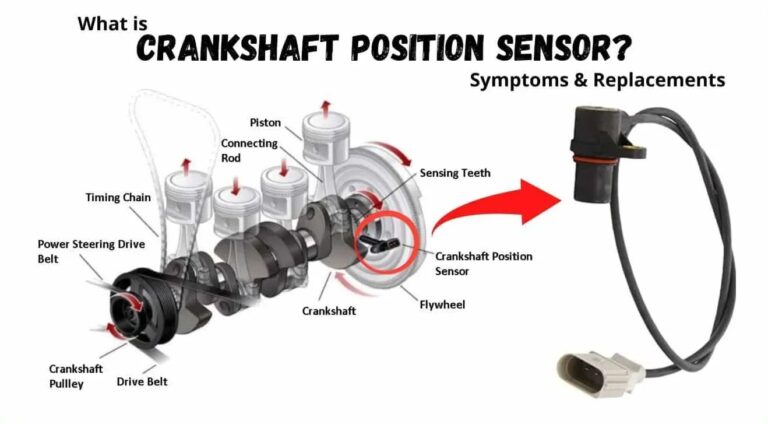
Fuel system issues, ignition component failures, vacuum leaks, dirty throttle bodies, and faulty crankshaft position sensors commonly cause stalling and may occur alongside a bad knock sensor.
Source: www.youtube.com > Fix & Cruise
Fuel Delivery Problems
Weak fuel pumps and clogged filters can starve the engine.
Ignition Faults
Bad spark plugs or coils can interrupt combustion.
Vacuum Leaks
Unmetered air can disrupt the air-fuel mixture.
Sensor Failures
Crankshaft and camshaft sensor issues can cause sudden engine shutdown.
Decision Guide
If the vehicle stalls and has knock sensor codes, diagnose the knock sensor circuit while also checking fuel pressure, ignition performance, and related sensors.
Comprehensive Testing
Multiple systems should be evaluated during diagnosis.
Frequently Asked Questions
Q
Will a bad knock sensor always trigger a check engine light?
Not always. Many vehicles will store a fault code and illuminate the check engine light, but some intermittent failures may not immediately trigger a warning.
Q
Can I drive with a bad knock sensor?
Many vehicles remain drivable with a failed knock sensor, but performance and fuel economy may suffer. Continued driving without repairs can increase the risk of engine problems if knock goes undetected.
Q
Can a bad knock sensor cause rough idle?
Yes. Incorrect timing adjustments related to faulty knock sensor signals can contribute to rough idle conditions in some vehicles.
Q
How much does it cost to replace a knock sensor?
Costs vary by vehicle make and model. Labor can be significant on engines where the sensor is located beneath intake components.
Q
What trouble codes are associated with knock sensors?
Common codes include knock sensor circuit and performance faults such as P0325 through related manufacturer-specific variations.
✦ Wrapping Up
Conclusion
The answer to can a bad knock sensor cause stalling is yes, but usually as a contributing factor rather than the primary cause. Faulty sensor signals can affect ignition timing and engine operation, creating conditions that may lead to occasional stalls.
Because stalling can result from many different problems, accurate diagnosis is essential. Evaluating the knock sensor alongside fuel, ignition, and airflow systems provides the best chance of finding the true source of the issue.
💡 Key Takeaway
If your vehicle is stalling and showing knock sensor-related symptoms or codes, perform a complete diagnostic inspection before replacing parts.
Ethan Brooks is an automotive writer at Auto News 7, covering car news, vehicle maintenance, new model updates, recalls, and practical buying guides. He focuses on clear, useful information that helps drivers understand their vehicles and make better ownership decisions.
Learn when to replace a crankshaft position sensor, how to recognize failure symptoms, diagnose the problem, and avoid replacing a good sensor unnecessarily.
Learn how to rewire a camshaft position sensor safely. Follow step-by-step instructions, wiring checks, troubleshooting tips, and common repair mistakes.
Learn how to replace camshaft position sensor Ford F150 models with this step-by-step guide. Discover symptoms, tools needed, replacement steps, troubleshooting tips, and common mistakes.