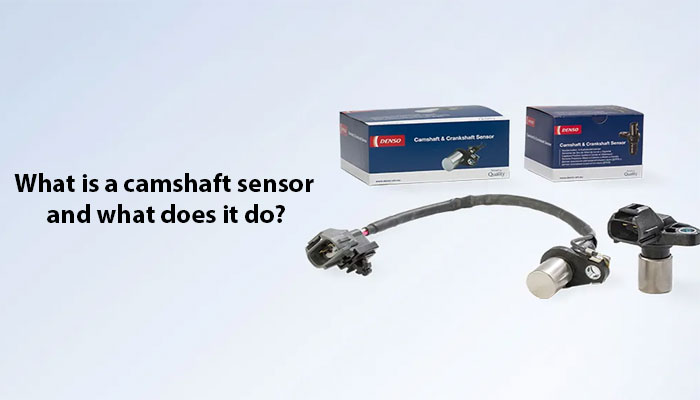
To rewire a camshaft position sensor, identify the correct wires, repair damaged conductors, match each wire to its proper terminal, and verify voltage, ground, and signal operation before starting the engine.
Across the United States, camshaft position sensor wiring problems are a common cause of check engine lights, hard starting, misfires, and engine performance issues. Rewiring the sensor can restore proper communication between the engine control module and the sensor when the connector or harness has been damaged.
The exact wire colors and pin locations vary by vehicle make, model, engine, and year. Always consult a factory wiring diagram or service manual before reconnecting wires. Incorrect wiring can prevent the engine from starting or may damage electrical components.
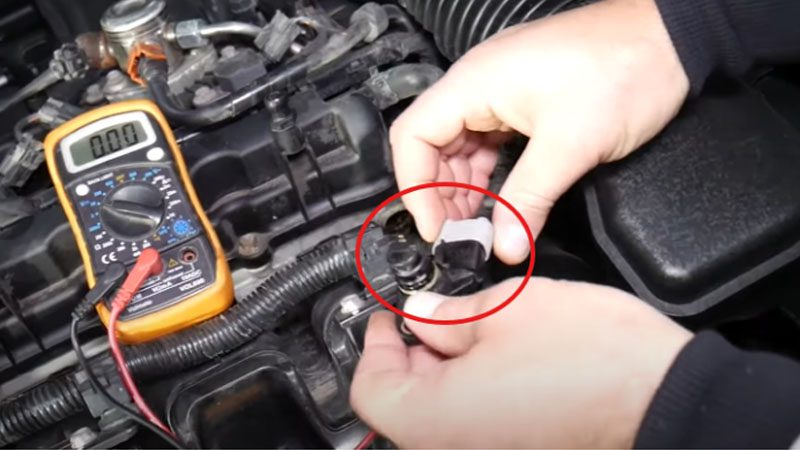
Source: 2carpros.com
What Is a Camshaft Position Sensor and Why Rewire It?
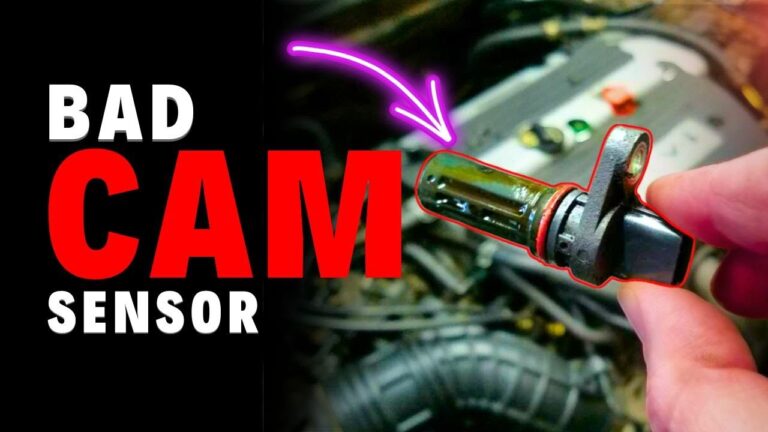
A camshaft position sensor monitors the position and speed of the camshaft. The engine computer uses this information to control fuel injection timing, ignition timing, and engine performance.
Rewiring is often necessary when wires break, insulation melts, connectors corrode, rodents damage the harness, or previous repairs fail. In many cases, repairing the wiring is less expensive than replacing the entire engine harness.
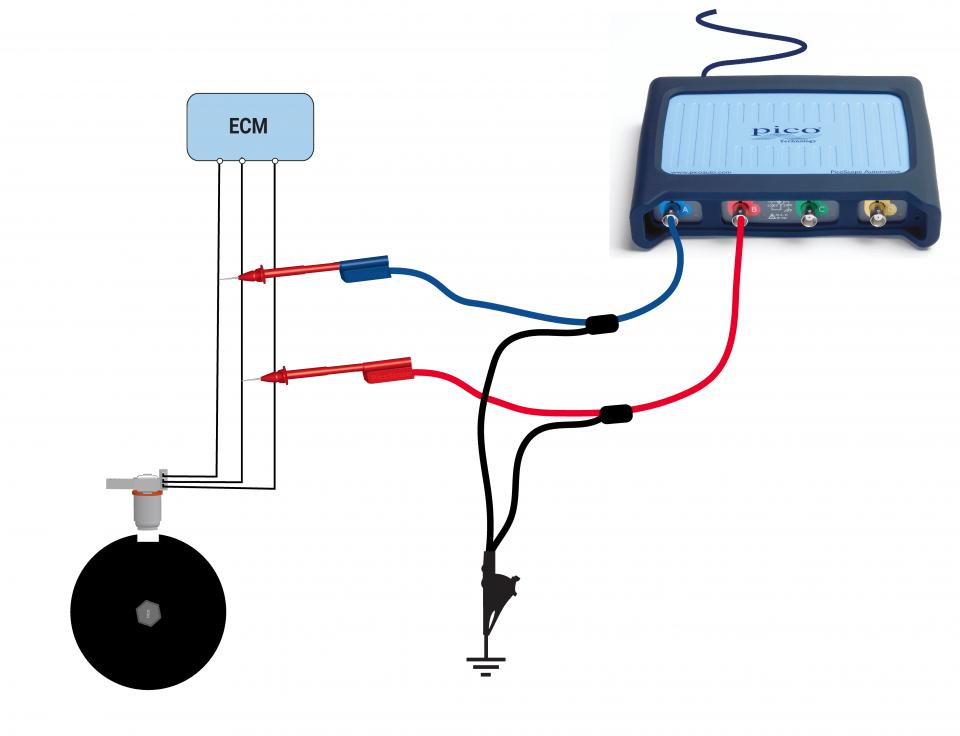
Source: autopartswd.com
Common Symptoms
Check engine light, hard starting, rough idle, misfires, reduced power, or stalling.
Common Causes
Broken wires, corroded terminals, heat damage, vibration, or moisture intrusion.
Typical Sensor Circuits
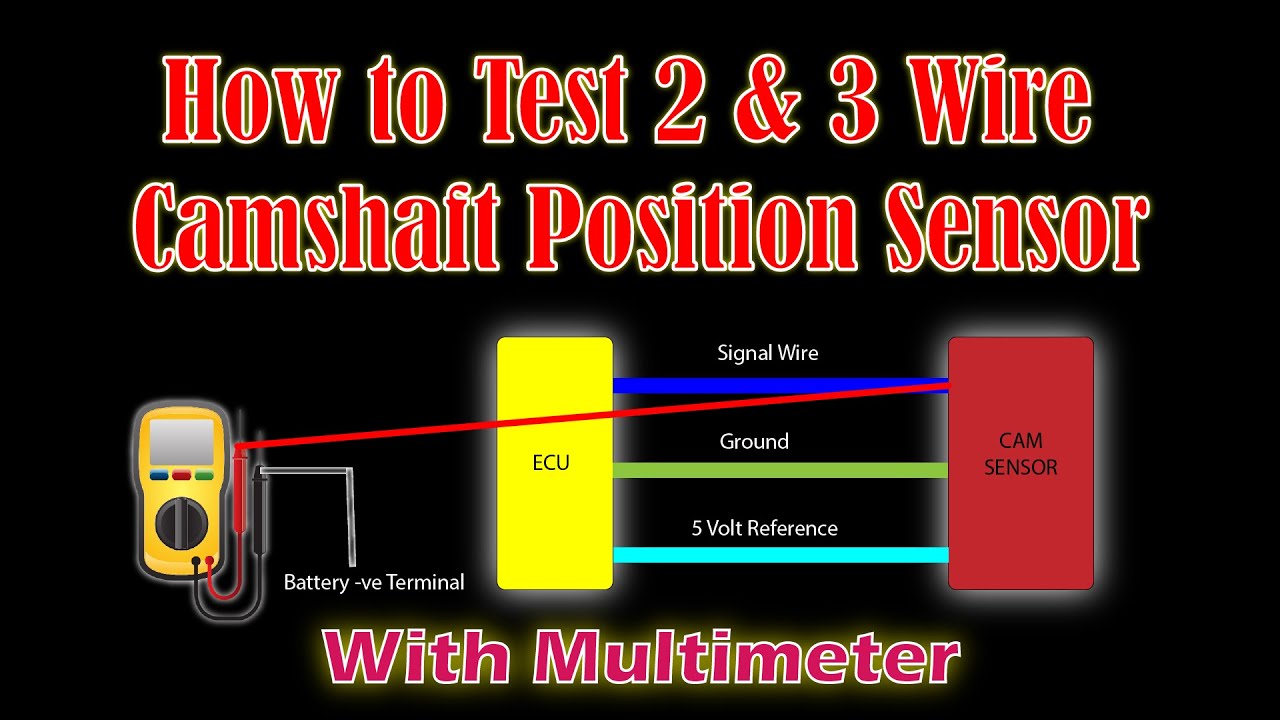
Many camshaft position sensors use three wires: a power supply, a ground circuit, and a signal wire. Some designs differ, so confirm the wiring before making repairs.
Power
Provides operating voltage to the sensor.
Ground
Completes the electrical circuit.
Signal
Sends camshaft position data to the engine computer.
Tools and Materials Needed Before Rewiring
Gather the correct tools before beginning the repair. Quality electrical repairs are more reliable and easier to diagnose later.
Disconnect the negative battery cable before cutting or reconnecting wires to reduce the risk of accidental shorts.
Source: twicea.com
Multimeter
Used to check voltage, continuity, and resistance.
Wire Repair Supplies
Automotive-grade wire, heat-shrink tubing, connectors, and electrical tape.
Terminal Tools
Helpful for removing and replacing connector pins.
Safety Precautions
Work on a cool engine, avoid exposed conductors, and keep repair materials away from moving engine parts and hot exhaust components.
Battery Safety
Disconnect power before opening the wiring harness.
How to Rewire Camshaft Position Sensor Step by Step
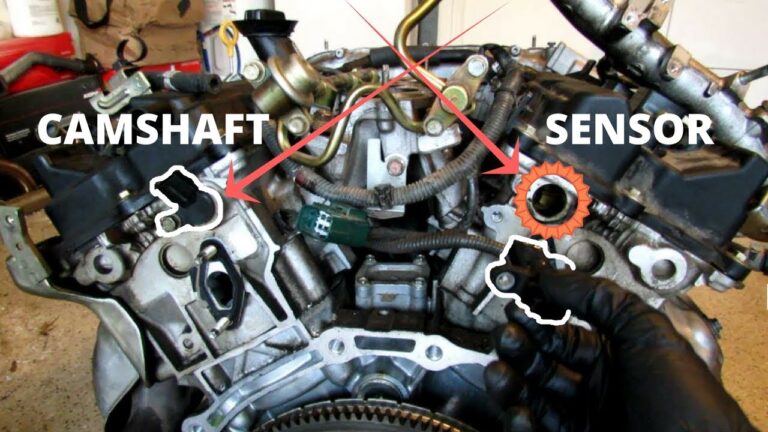
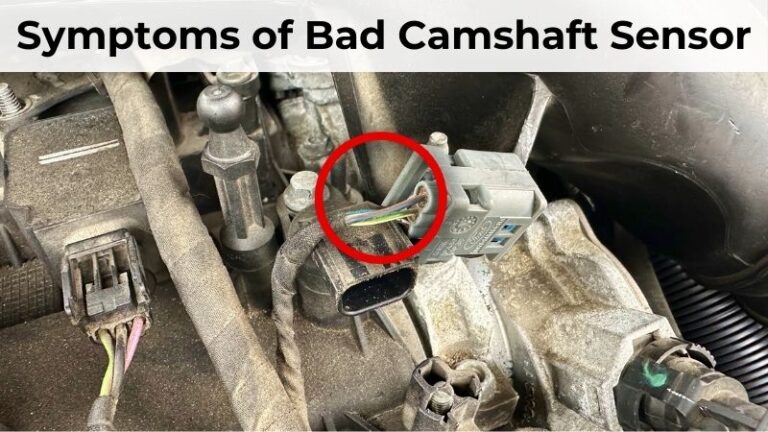
Start by locating the camshaft position sensor and inspecting the connector, terminals, and nearby harness for visible damage.
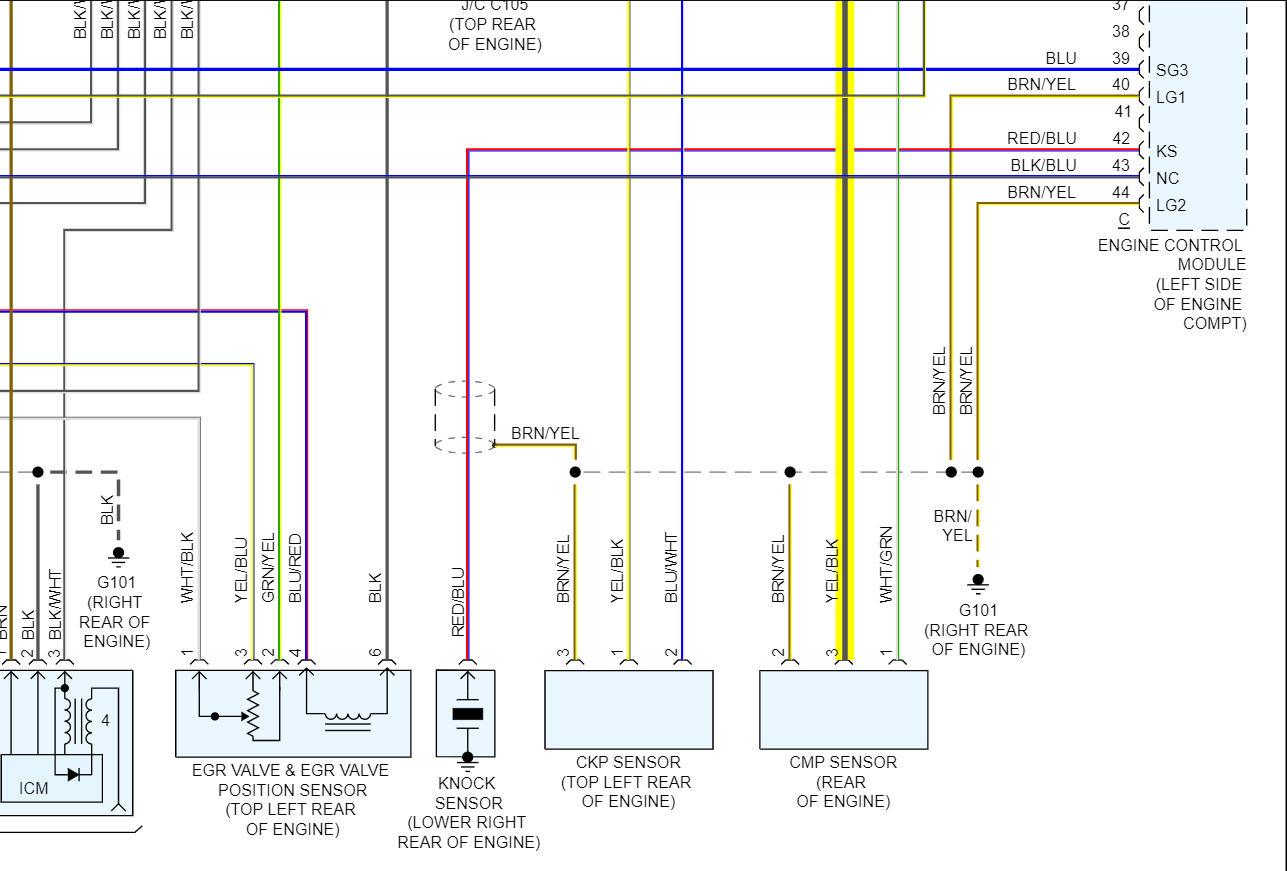
Compare the existing wiring to a verified wiring diagram. Label each wire before disconnecting anything to prevent confusion during reassembly.
Source: nissankaengine.com
Step 1
Disconnect the battery and unplug the sensor connector.
Step 2
Identify damaged wires and trace them to undamaged sections.
Step 3
Cut out damaged wire segments and strip the ends.
Step 4
Splice in matching automotive-grade wire.
Step 5
Install replacement terminals if the connector is damaged.
Step 6
Seal repairs with heat-shrink tubing and secure the harness.
Verifying Wire Placement
Match each wire to the correct terminal location according to the wiring diagram. Do not rely solely on wire colors because manufacturers sometimes change colors between model years.
Double Check
Confirm power, ground, and signal circuits before reconnecting the battery.
How to Test the Repair
After rewiring, reconnect the battery and use a multimeter to verify proper voltage and ground at the connector.
Start the engine and monitor for fault codes, rough running, or abnormal sensor readings. A scan tool can help confirm that the engine computer is receiving a valid camshaft signal.
Source: storage.googleapis.com
Voltage Test
Verify the specified reference voltage is present.
Ground Test
Check for a solid ground connection.
Signal Test
Confirm the sensor generates an appropriate signal.
Signs of a Successful Repair
The engine starts normally, fault codes stay cleared, and scan data shows a valid camshaft position signal.
Normal Operation
No misfires, stalling, or camshaft sensor codes return.
Common Rewiring Mistakes and Troubleshooting
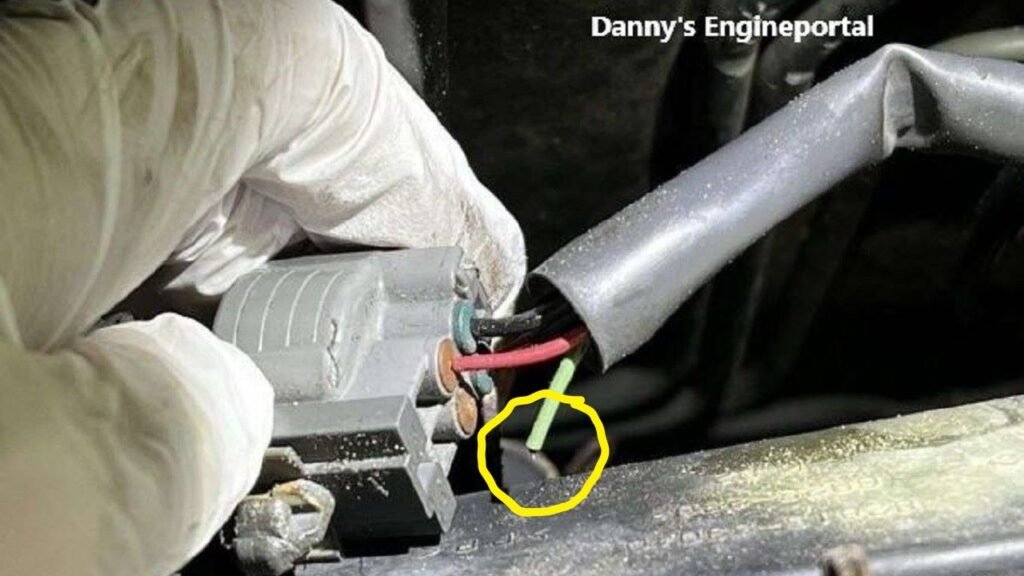
Many rewiring failures occur because the wrong wire is connected to the wrong terminal or because poor-quality splices create intermittent electrical problems.
If the vehicle still shows camshaft sensor codes after rewiring, inspect the entire circuit, including the engine control module connector and related wiring.
Source: dannysengineportal.com
Incorrect Pin Locations
Even one misplaced wire can prevent proper sensor operation.
Poor Splices
Loose connections create voltage drops and intermittent faults.
Hidden Harness Damage
Additional damaged wires may exist farther inside the harness.
When Professional Help Is Needed
Seek professional diagnostic assistance if wiring diagrams are unavailable, multiple fault codes are present, or electrical testing indicates a control module issue.
Advanced Diagnostics
Oscilloscope testing may be required for complex faults.
Frequently Asked Questions
Q
Can I drive with damaged camshaft position sensor wiring?
The vehicle may still run, but performance problems, stalling, hard starting, or engine damage risks can increase. Repair the wiring as soon as possible.
Q
How many wires does a camshaft position sensor have?
Many sensors use three wires, but some designs use two or more than three. Always verify the wiring diagram for the specific vehicle.
Q
Can I use regular household wire for the repair?
No. Automotive wiring is designed to withstand heat, vibration, moisture, and chemicals. Use automotive-grade wire with the correct gauge.
Q
Will rewiring fix a camshaft position sensor code?
It can if the fault is caused by damaged wiring or connectors. A failed sensor or other engine problem may still require additional repairs.
Q
Should I solder or crimp the wires?
Either method can work when performed correctly. Use quality automotive connectors or solder joints protected by heat-shrink tubing.
✦ Wrapping Up
Conclusion
Learning how to rewire camshaft position sensor circuits can help restore proper engine operation when wiring or connector damage is the root cause of the problem.
The key steps are identifying the correct wiring diagram, repairing damaged conductors with automotive-grade materials, testing power and ground circuits, and verifying a proper sensor signal after the repair.
💡 Key Takeaway
Obtain the correct wiring diagram for your vehicle, inspect the sensor harness carefully, and verify every connection before reconnecting the battery and starting the engine.
Ethan Brooks is an automotive writer at Auto News 7, covering car news, vehicle maintenance, new model updates, recalls, and practical buying guides. He focuses on clear, useful information that helps drivers understand their vehicles and make better ownership decisions.