Yes, a bad knock sensor can cause power loss by forcing the engine computer to reduce ignition timing.
Across the United States, modern gasoline vehicles rely on knock sensors to help protect engines from harmful detonation. When a knock sensor fails or sends incorrect signals, the engine control module may enter a protective strategy that reduces performance to prevent potential engine damage.
If you are asking can a bad knock sensor cause power loss, the answer is yes in many vehicles. Drivers may notice sluggish acceleration, reduced towing capability, poor throttle response, and lower fuel efficiency. Understanding how the sensor works can help you identify the problem before it leads to more expensive repairs.
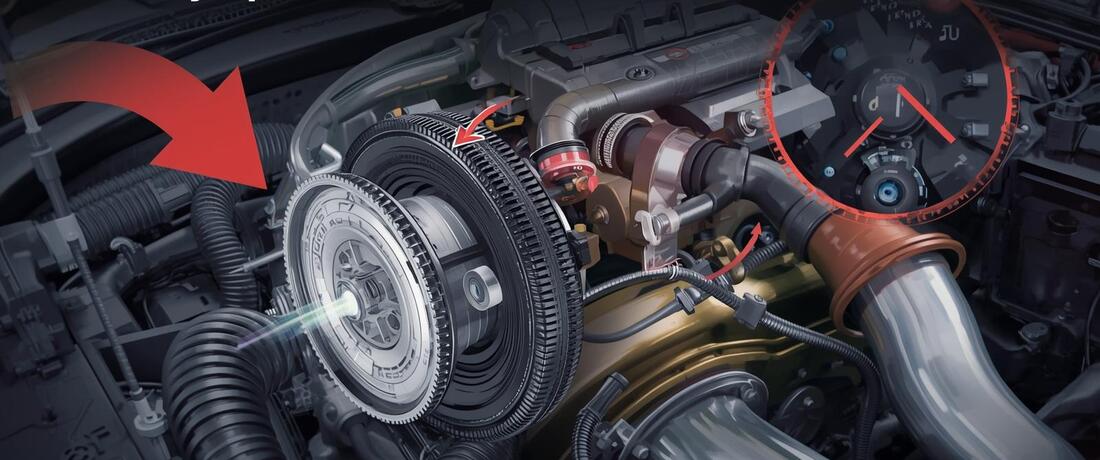
Source: hopetownlodge.com
How a Knock Sensor Affects Engine Power
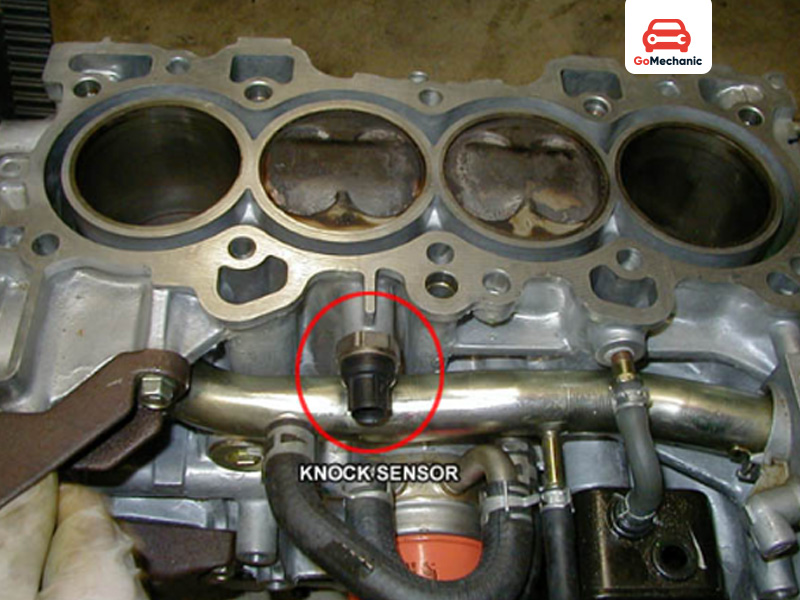
A knock sensor detects abnormal combustion vibrations known as engine knock or detonation. The sensor sends information to the engine control module, which adjusts ignition timing to keep combustion safe and efficient.
When the sensor reports excessive knock or fails entirely, the engine computer may retard ignition timing as a precaution. Retarded timing reduces combustion efficiency and lowers engine output, which drivers experience as power loss.
Source: autovehicleparts.com
Normal Operation
The sensor detects knock and allows the engine to maintain optimal timing.
Fault Condition
The computer may reduce timing aggressively to protect the engine.
Result
Acceleration and overall performance can noticeably decrease.
Why Timing Changes Reduce Performance
Ignition timing determines when the spark plug ignites the air-fuel mixture. When timing is delayed too much, combustion occurs later in the power stroke, reducing the force applied to the piston and decreasing engine output.
Less Torque
Delayed combustion reduces cylinder pressure at the optimal moment.
Slower Response
Throttle inputs may feel less immediate during acceleration.
Common Symptoms of Power Loss From a Bad Knock Sensor
Power loss caused by a faulty knock sensor often develops gradually, although some vehicles may experience a sudden reduction in performance when the engine computer detects a fault code.
Recognizing the related symptoms can help distinguish a knock sensor issue from problems involving fuel delivery, ignition components, or airflow sensors.
Source: storage.googleapis.com
Poor Acceleration
The vehicle may struggle to gain speed during normal driving.
Reduced Fuel Economy
Incorrect timing can decrease combustion efficiency.
Check Engine Light
Fault codes related to the knock sensor may be stored.
Engine Hesitation
The vehicle may hesitate during acceleration.
Symptoms That Often Appear Together
Drivers frequently notice a combination of weak acceleration, lower fuel economy, and a warning light. Some vehicles may also feel less responsive while climbing hills or towing loads.
High Load Conditions
Performance loss is often most noticeable under heavy acceleration.
Can a Bad Knock Sensor Cause Severe Power Loss?
In some vehicles, a failed knock sensor can trigger a fail-safe operating mode. During this condition, the engine control module intentionally limits performance to protect the engine from possible detonation.
The severity depends on vehicle design, engine calibration, and whether the sensor is reporting false knock events or has stopped communicating entirely.
Source: thecarbuzz.com
Mild Power Loss
Some vehicles show only slight performance reductions.
Moderate Power Loss
Acceleration may become noticeably weaker.
Severe Power Loss
Protective engine strategies can significantly limit output.
Factors That Influence Severity
Engine size, software programming, driving conditions, and the nature of the sensor fault all affect how much power the vehicle loses.
Vehicle Design
Different manufacturers respond differently to knock sensor faults.
How to Diagnose a Knock Sensor Related Power Loss Problem
Proper diagnosis is important because many engine problems can mimic knock sensor failure. A systematic approach helps prevent unnecessary parts replacement.
Begin with fault code retrieval and basic inspection before replacing components.
Source: gomechanic.in
Scan for Codes
Use an OBD-II scanner to check for knock sensor related trouble codes.
Inspect Wiring
Damaged connectors and wiring can create false sensor readings.
Check Engine Performance
Evaluate fuel, ignition, and airflow systems as well.
Common Misdiagnosis Mistakes
Replacing the knock sensor without checking wiring, fuel quality, or ignition issues can waste time and money. Always confirm the root cause before making repairs.
Skipping Diagnostics
A stored code does not automatically mean the sensor itself has failed.
When Should You Replace a Bad Knock Sensor?
A knock sensor should be replaced when testing confirms failure or when diagnostic procedures identify the sensor as the source of the fault. Ignoring a defective sensor can lead to persistent performance issues and reduced fuel efficiency.
Although many vehicles remain drivable with a faulty knock sensor, prolonged operation may result in poor engine performance and increased operating costs.
Source: SlideServe
Confirmed Failure
Testing indicates the sensor no longer functions correctly.
Persistent Fault Codes
Codes return after wiring and connector issues are eliminated.
Ongoing Power Loss
Performance problems continue despite other repairs.
Signs of a Successful Repair
After replacement and code clearing, many vehicles regain normal acceleration, improved throttle response, and proper ignition timing operation.
Improved Performance
Engine power and responsiveness return to expected levels.
Frequently Asked Questions
Q
Can a bad knock sensor cause sluggish acceleration?
Yes. A faulty knock sensor can cause the engine computer to reduce ignition timing, leading to slower acceleration and weaker overall performance.
Q
Will a bad knock sensor always trigger a check engine light?
Not always. However, many modern vehicles store diagnostic trouble codes and illuminate the check engine light when a knock sensor fault is detected.
Q
Can power loss be caused by something other than the knock sensor?
Yes. Fuel delivery issues, ignition problems, clogged air filters, sensor failures, and transmission problems can also reduce vehicle performance.
Q
Is it safe to drive with a bad knock sensor?
Many vehicles remain drivable, but performance may suffer. Continued operation without proper diagnosis can lead to reduced fuel economy and potential engine protection issues.
Q
How much power can a vehicle lose from a bad knock sensor?
The amount varies by vehicle. Some drivers notice only minor performance changes, while others experience substantial reductions due to protective timing adjustments.
✦ Wrapping Up
Conclusion
The answer to can a bad knock sensor cause power loss is yes. A faulty sensor can cause the engine control module to reduce ignition timing, resulting in weaker acceleration, reduced responsiveness, and lower overall performance.
Because other mechanical and electronic issues can create similar symptoms, proper diagnosis is essential before replacing parts. A systematic inspection can identify the true cause and restore normal engine operation.
💡 Key Takeaway
If your vehicle has power loss, poor acceleration, and a check engine light, scan for diagnostic codes and inspect the knock sensor system before replacing components.
Ethan Brooks is an automotive writer at Auto News 7, covering car news, vehicle maintenance, new model updates, recalls, and practical buying guides. He focuses on clear, useful information that helps drivers understand their vehicles and make better ownership decisions.
Learn whether camshaft sensors are interchangeable, how to identify compatible sensors, common mistakes to avoid, and how to choose the correct replacement for your vehicle.
Learn how many ohms a camshaft sensor should have, why resistance varies by sensor type, and how to test a camshaft position sensor accurately with a multimeter.
Learn what to do after replacing camshaft position sensor, including resetting codes, testing engine performance, checking wiring, and troubleshooting persistent problems.