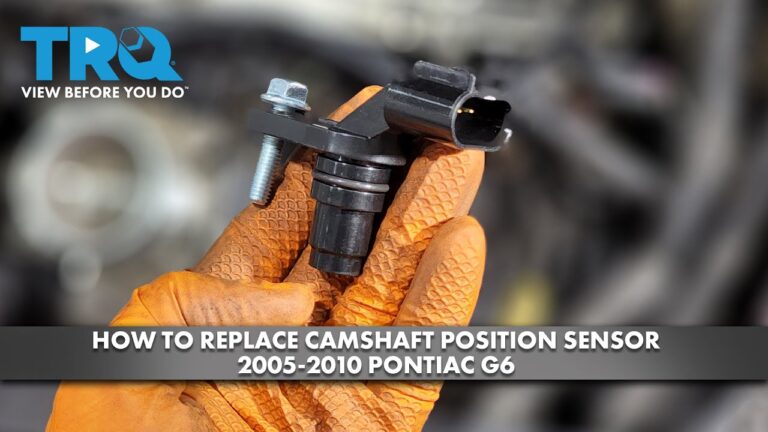
To replace a camshaft position sensor on a Ford F150, disconnect the battery, locate the sensor, unplug the connector, remove the retaining bolt, install the new sensor, and verify proper engine operation.
Ford F150 owners across the United States often face camshaft position sensor issues as mileage increases. A failing sensor can trigger a check engine light, cause hard starting, rough idling, poor acceleration, or engine misfires.
The exact sensor location varies by engine size and model year, but the replacement process is usually straightforward. With basic hand tools and careful attention to safety, many F150 owners can complete this repair in less than an hour.
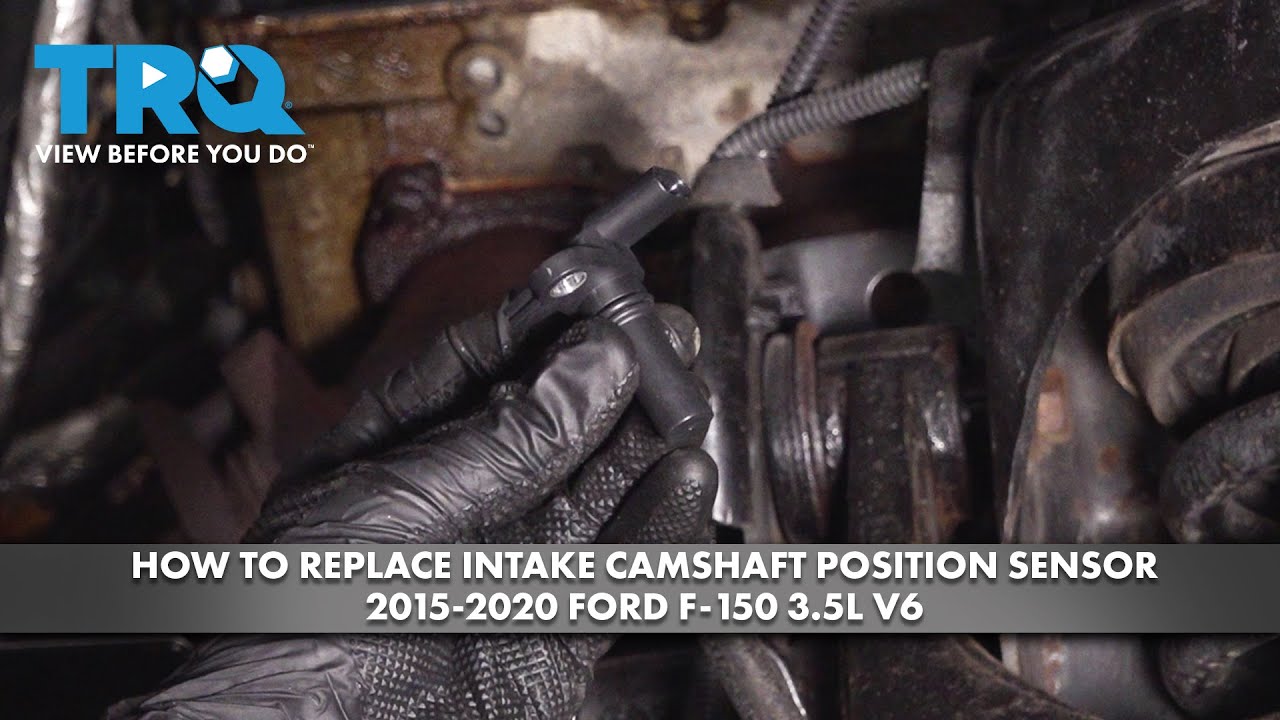
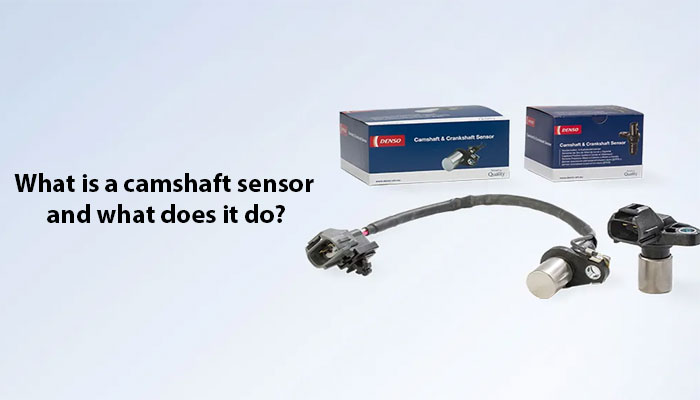
Source: 1aauto.com
What Does the Camshaft Position Sensor Do?
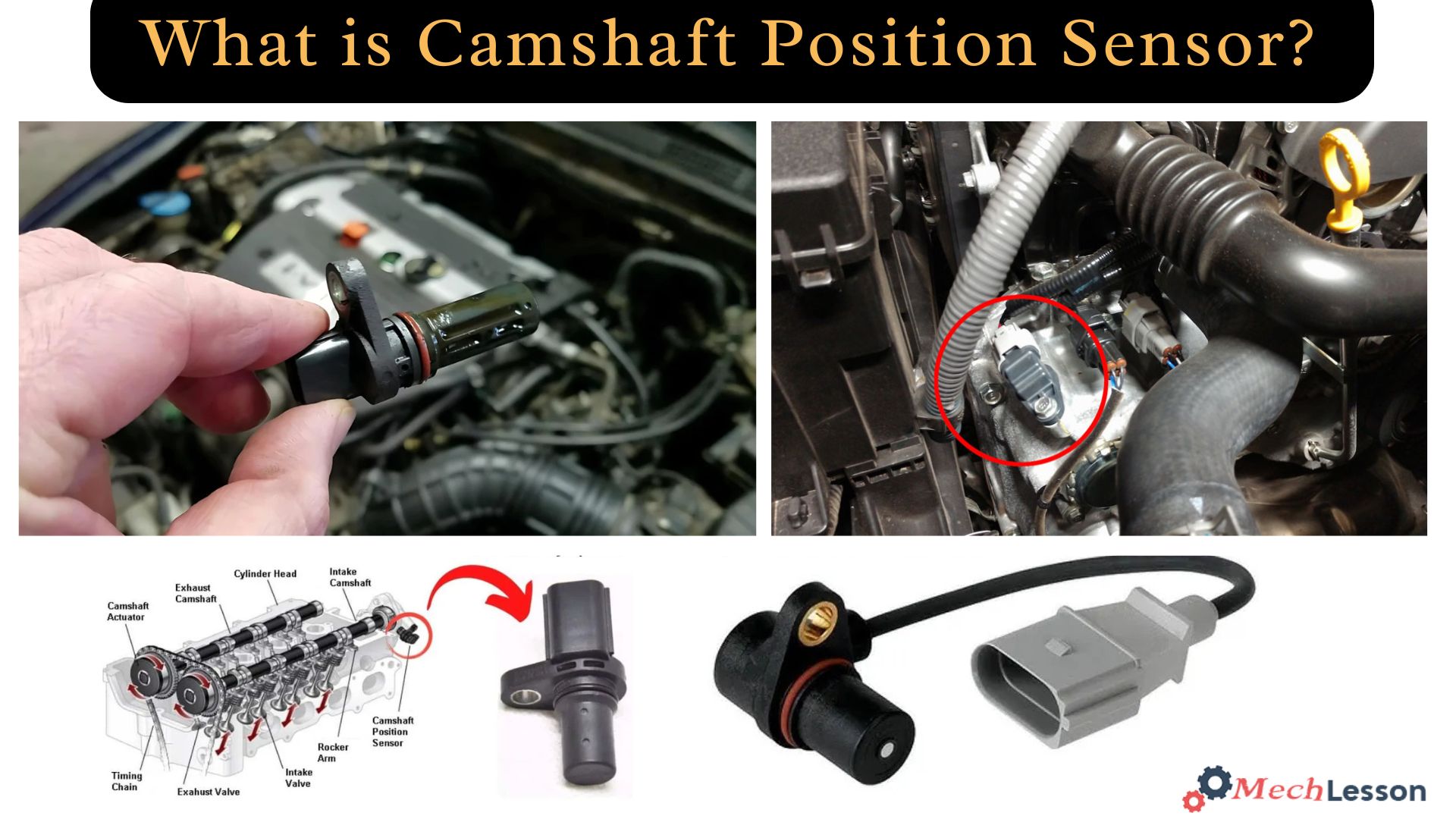
The camshaft position sensor monitors the position and speed of the camshaft. The engine control module uses this information to manage ignition timing, fuel injection timing, and variable valve timing functions.
When the sensor fails, the computer may receive inaccurate timing information. This can lead to poor engine performance, reduced fuel economy, rough operation, or a no-start condition.
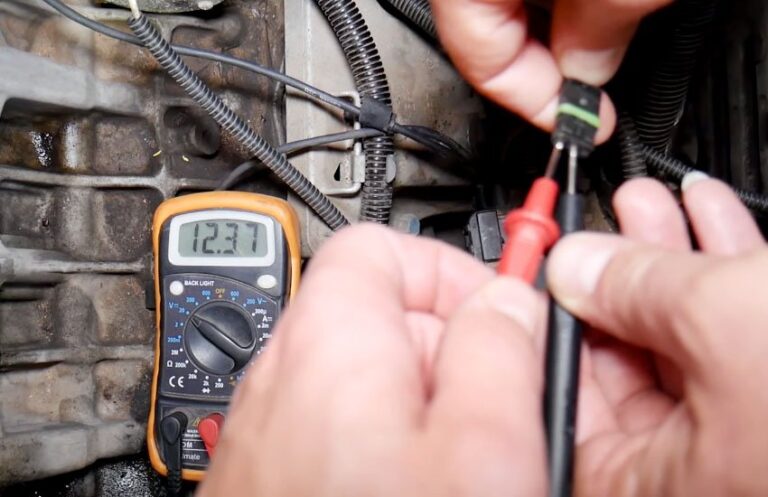
Source: mechlesson.com
Primary Function
Provides camshaft position data to the engine control module.
Engine Performance
Helps maintain proper ignition and fuel delivery timing.
Common Symptoms of a Bad Sensor
Typical warning signs include check engine codes, rough idle, stalling, hesitation during acceleration, and difficult starting.
Check Engine Light
Often accompanied by timing-related diagnostic trouble codes.
Tools and Parts Needed Before You Start
Gather all required tools before beginning the repair. This reduces downtime and helps prevent mistakes during disassembly.
Always confirm the replacement sensor matches your truck’s engine and production year.
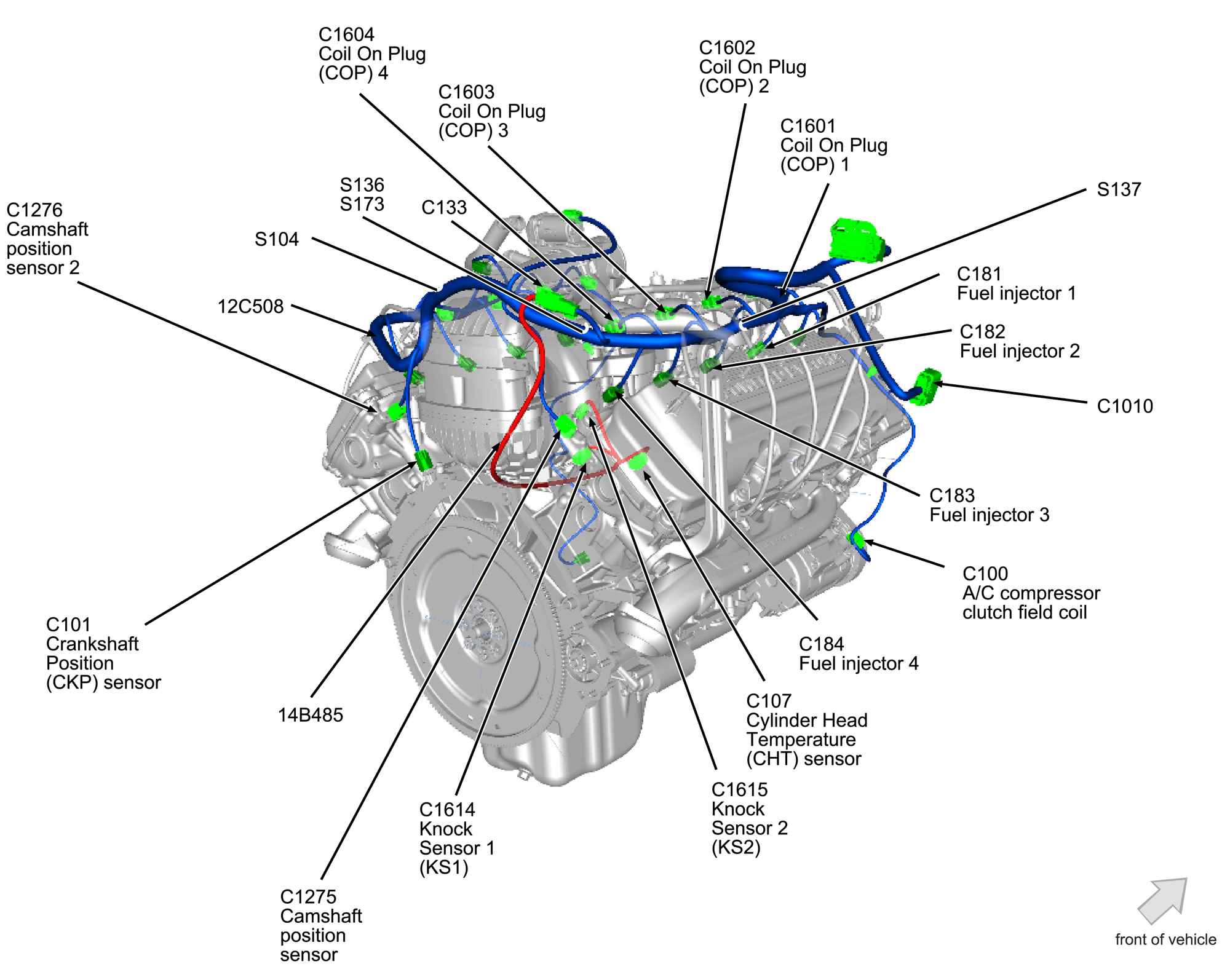
Source: marxny.com
Basic Tools
Socket set, ratchet, extension, screwdriver, and safety gloves.
Replacement Part
New camshaft position sensor and, if applicable, a new O-ring.
Safety Preparations
Park on a level surface, engage the parking brake, and disconnect the negative battery terminal before touching electrical connectors.
Battery Disconnect
Helps prevent electrical shorts and accidental fault codes.
How to Replace Camshaft Position Sensor Ford F150
The exact location depends on whether your truck has a 3.5L EcoBoost, 5.0L V8, 2.7L EcoBoost, or another engine. Consult a repair manual if access is limited.
Follow the steps below carefully to complete the replacement.
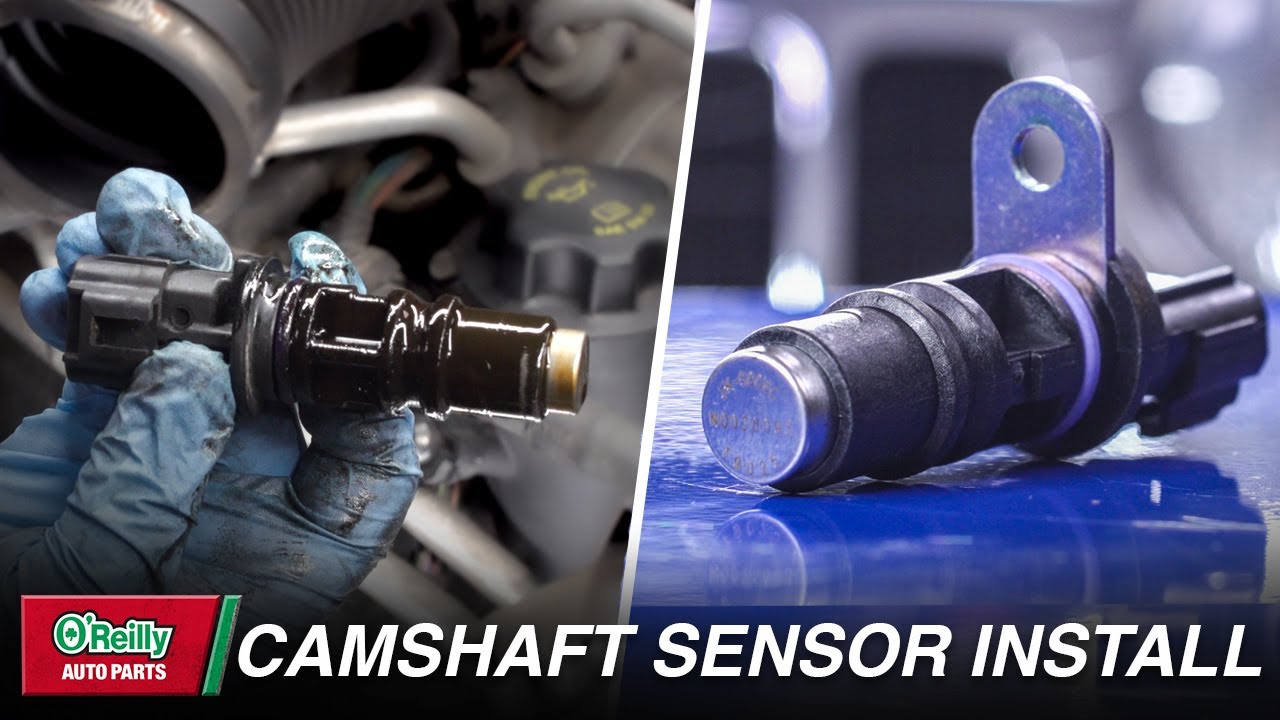
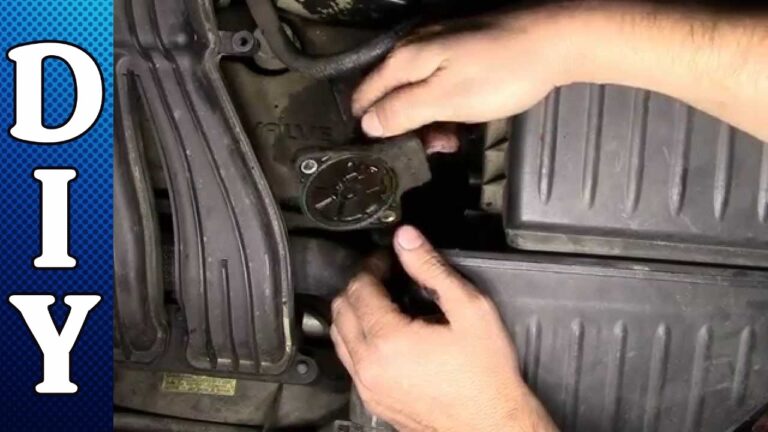
Source: youtube.com
Step 1
Disconnect the negative battery cable.
Step 2
Locate the camshaft position sensor on the engine.
Step 3
Unplug the electrical connector by releasing the locking tab.
Step 4
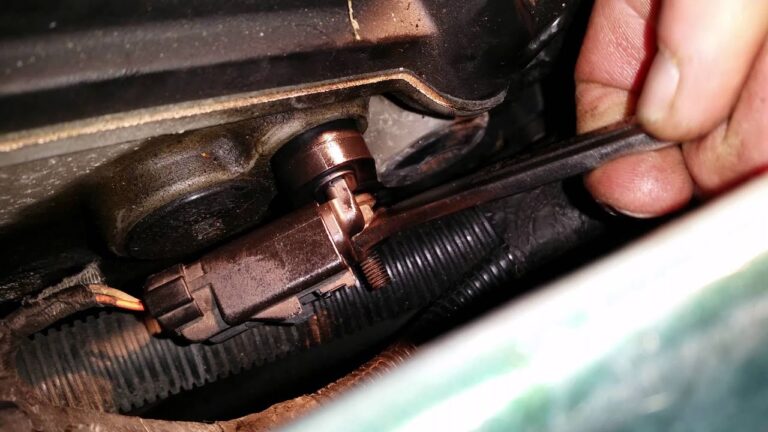
Remove the retaining bolt using the correct socket.
Step 5
Pull the old sensor straight out and inspect the mounting area.
Step 6
Install the new sensor and tighten the retaining bolt to specification.
Step 7
Reconnect the electrical connector and battery.
Signs the Installation Was Successful
The engine should start normally, idle smoothly, and operate without new warning lights. A scan tool should show no active camshaft position sensor faults after repairs.
Verification
Clear codes and perform a short road test.
Troubleshooting Problems After Replacement
If symptoms remain after installing a new sensor, the issue may involve damaged wiring, connector corrosion, timing chain wear, or another engine management component.
Do not assume the sensor is defective immediately. Verify all electrical connections and inspect related systems.
Source: youtube.com
Check Wiring
Look for damaged insulation, loose terminals, or corrosion.
Scan for Codes
Review any stored or pending diagnostic trouble codes.
When the Check Engine Light Returns
Recurring codes may indicate a deeper mechanical or electrical problem that requires professional diagnosis.
Advanced Diagnosis
Use a scan tool capable of reading live engine timing data.
Common Mistakes to Avoid
Many replacement issues occur because the wrong sensor is installed or connectors are not fully seated. Taking a few extra minutes to inspect the repair area can prevent repeat work.
Avoid overtightening mounting bolts, which can damage sensor housings or engine components.
Source: youtube.com
Wrong Part
Verify compatibility using the VIN and engine code.
Ignoring Wiring
A damaged harness can mimic a failed sensor.
Skipping Code Clearing
Stored faults may remain even after the repair is completed.
When to Seek Professional Help
If the sensor is difficult to access, timing-related faults persist, or the engine still runs poorly, a qualified technician may be needed.
Persistent Problems
Professional testing can identify mechanical timing issues.
Frequently Asked Questions
Q
How long does it take to replace a camshaft position sensor on a Ford F150?
Most replacements take between 30 and 90 minutes depending on engine configuration and accessibility.
Q
Can I drive with a bad camshaft position sensor?
Some trucks may continue running, but performance can suffer and stalling or starting problems may occur. Repairing the issue promptly is recommended.
Q
What are common fault codes related to a camshaft position sensor?
Codes such as P0340, P0341, and other camshaft timing-related codes are commonly associated with sensor or circuit problems.
Q
Do I need to reprogram the vehicle after replacing the sensor?
In most cases, no programming is required. Clearing stored fault codes and verifying operation is usually sufficient.
Q
What if replacing the sensor does not fix the problem?
Inspect the wiring harness, connectors, timing components, and related engine management systems. Additional diagnosis may be necessary.
✦ Wrapping Up
Conclusion
Learning how to replace camshaft position sensor Ford F150 models can save time and repair costs while restoring proper engine performance. The job is generally manageable for DIY owners with basic tools and attention to safety.
Always confirm the correct sensor, inspect related wiring, and verify the repair with a scan tool and road test.
💡 Key Takeaway
Replace the sensor methodically, clear diagnostic codes, and investigate wiring or timing issues if symptoms continue after installation.
Ethan Brooks is an automotive writer at Auto News 7, covering car news, vehicle maintenance, new model updates, recalls, and practical buying guides. He focuses on clear, useful information that helps drivers understand their vehicles and make better ownership decisions.
Learn how to replace camshaft position sensor Nissan Pathfinder models with a clear step-by-step guide, required tools, troubleshooting tips, and common mistakes to avoid.
Learn how to replace camshaft position sensor PT Cruiser models with this detailed step-by-step guide. Find symptoms, tools needed, replacement steps, troubleshooting tips, and common mistakes to avoid.
Learn how to remove a broken camshaft sensor safely and correctly. Follow this step-by-step guide to extract a stuck or broken camshaft position sensor without damaging the engine.
Learn how to replace camshaft position sensor Pontiac G6 models with this detailed step-by-step guide. Discover tools, symptoms, sensor location, installation tips, and troubleshooting advice.