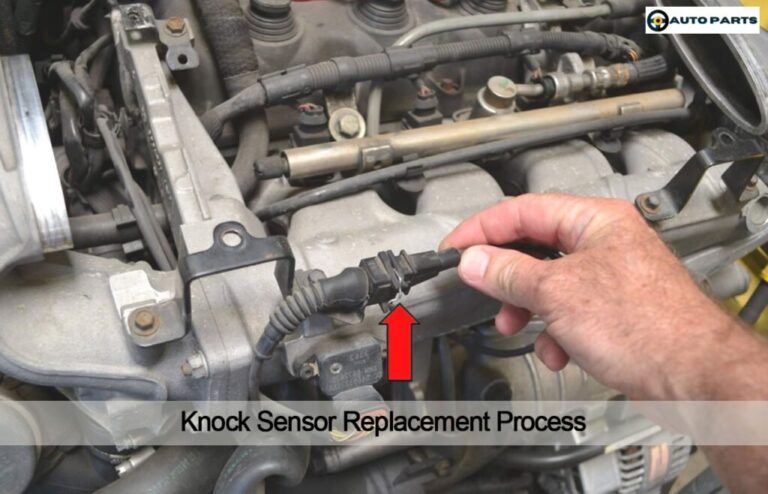
A knock sensor detects abnormal engine vibrations caused by detonation or spark knock.
In the United States, modern gasoline vehicles rely on electronic engine management systems to maximize power, fuel economy, and emissions performance. A knock sensor is a critical part of that system because it helps the engine control module identify harmful combustion events before they cause engine damage.
When drivers ask what does a knock sensor detect, the answer is engine knock, also called detonation or spark knock. The sensor monitors vibration frequencies in the engine block and sends a signal to the engine computer, which can adjust ignition timing to protect the engine.
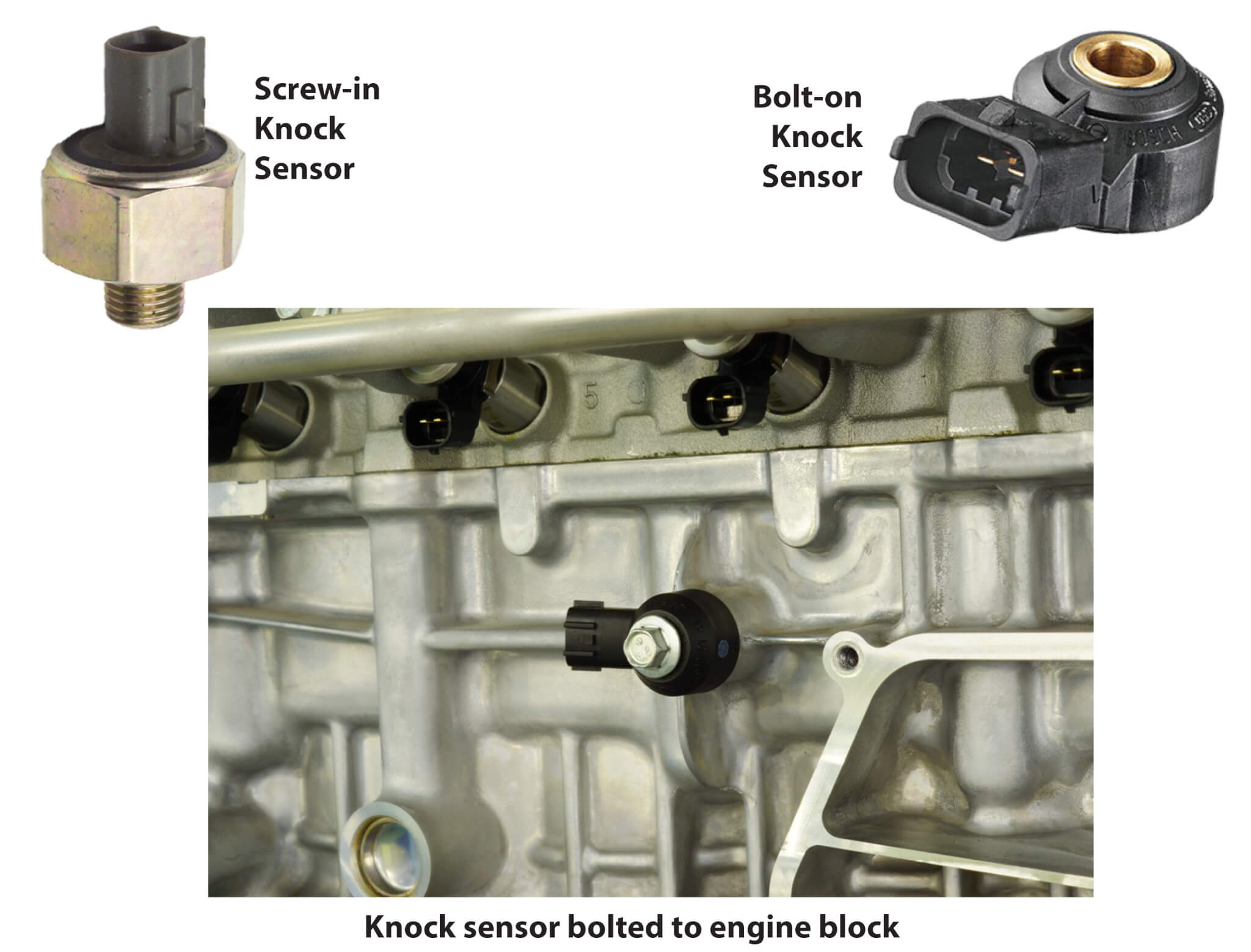
Source: ricksfreeautorepairadvice.com
What Does a Knock Sensor Detect?
A knock sensor detects high-frequency vibrations produced when the air-fuel mixture ignites incorrectly inside the engine cylinder. These vibrations are different from normal engine operating sounds and indicate combustion problems that can damage pistons, bearings, and cylinder walls.
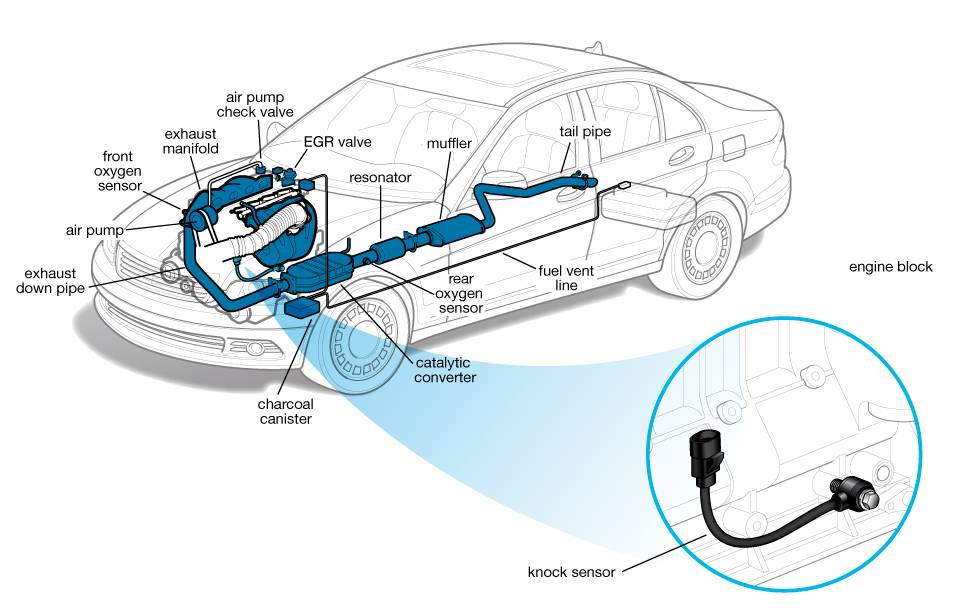
The sensor is mounted on the engine block where it can monitor vibration patterns. It converts those vibrations into electrical signals that are analyzed by the engine control module.
Source: images.cars.com
Spark Knock
Uncontrolled combustion that occurs after ignition begins.
Detonation
Abnormal pressure waves inside the combustion chamber.
Engine Vibration Changes
Specific vibration frequencies associated with damaging combustion events.
Normal Combustion vs Engine Knock
Normal combustion produces a smooth flame front that burns the air-fuel mixture in a controlled manner. Engine knock occurs when combustion becomes uncontrolled and creates shock waves that strike engine components.
Normal Operation
Controlled pressure rise and smooth power delivery.
Knocking Condition
Sudden pressure spikes that create metallic pinging vibrations.
How a Knock Sensor Works
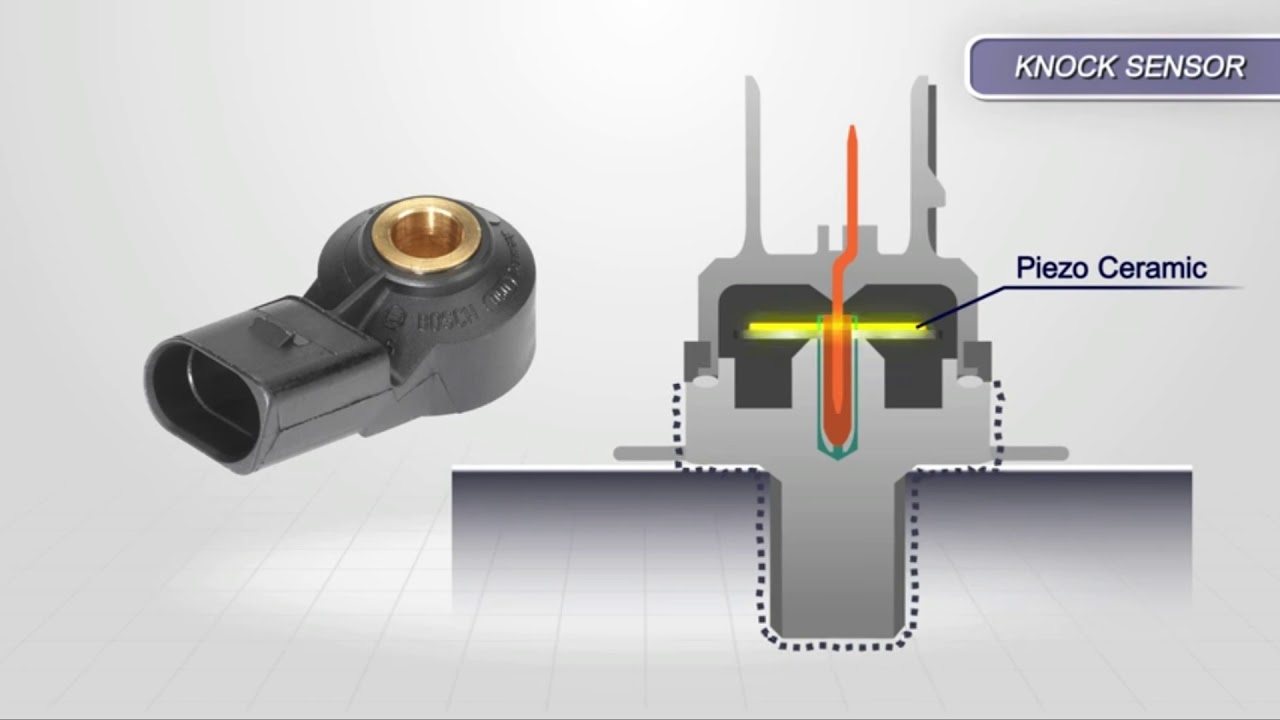
Most modern knock sensors use piezoelectric technology. The sensor contains a crystal element that generates voltage when exposed to vibration.
When engine knock occurs, the vibration intensity and frequency change. The sensor converts these changes into electrical signals and sends them to the engine computer for analysis.
Source: cf.unikeyic.com
Vibration Detection
The sensor continuously monitors engine block vibrations.
Signal Generation
Piezoelectric materials create a voltage signal from vibration.
Computer Response
The engine control module adjusts ignition timing when necessary.
Why Ignition Timing Changes
Retarding ignition timing slightly can reduce knock and protect engine components. The engine computer uses knock sensor feedback to balance performance and durability.
Protection
Reduces the risk of engine damage.
What Causes Engine Knock?
Engine knock can occur for several reasons, including low-octane fuel, excessive engine temperatures, carbon buildup, or incorrect ignition timing.
The knock sensor does not fix these issues directly. Instead, it alerts the engine computer so adjustments can be made to reduce the severity of the problem.
Source: nissankaengine.com
Low-Octane Fuel
Fuel may ignite too easily under pressure.
High Engine Load
Heavy acceleration can increase cylinder pressures.
Carbon Deposits
Deposits can create hot spots that trigger abnormal combustion.
Can Knock Damage an Engine?
Yes. Severe or prolonged detonation can damage pistons, piston rings, bearings, and other internal engine components.
Potential Damage
Piston and combustion chamber damage can occur if knock is ignored.
Signs of a Bad Knock Sensor
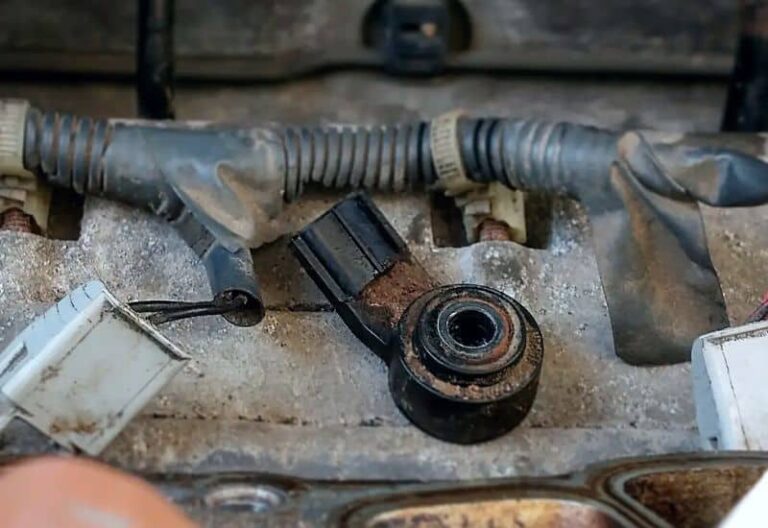
A failed knock sensor may prevent the engine computer from accurately detecting combustion problems. This can affect performance and fuel efficiency.
Many vehicles will illuminate the check engine light when a knock sensor fault is detected.
Source: i.ytimg.com
Check Engine Light
Common indicator of a sensor or circuit problem.
Reduced Performance
The engine may operate with conservative timing settings.
Poor Fuel Economy
Incorrect timing adjustments can reduce efficiency.
When to Seek Professional Diagnosis
If the check engine light is on or the vehicle exhibits drivability problems, diagnostic testing can confirm whether the knock sensor, wiring, or another system is responsible.
Diagnostic Scan
Fault codes help identify sensor-related issues.
Why Knock Sensors Matter in Modern Vehicles
Modern engines operate with precise fuel and ignition strategies. Knock sensors allow manufacturers to optimize performance while maintaining engine protection.
Without accurate knock detection, engines would require more conservative tuning, potentially reducing power and efficiency.
Source: i.ytimg.com
Performance
Allows optimized ignition timing under varying conditions.
Efficiency
Supports better fuel economy when conditions allow.
Durability
Helps prevent damage from uncontrolled combustion.
Continuous Monitoring
The sensor operates whenever the engine is running, providing constant feedback to the engine control system.
Real-Time Protection
Engine adjustments occur as operating conditions change.
Frequently Asked Questions
Q
Does a knock sensor detect engine noise?
Not all engine noise. A knock sensor is designed to detect specific vibration frequencies associated with detonation and spark knock.
Q
Can a vehicle run with a bad knock sensor?
Many vehicles can still run, but performance, fuel economy, and engine protection may be reduced.
Q
What does engine knock sound like?
Engine knock is often described as a metallic pinging, rattling, or tapping sound during acceleration or heavy engine load.
Q
Does fuel quality affect knock sensor activity?
Yes. Lower-octane fuel may increase the likelihood of knock in engines designed for higher-octane gasoline.
Q
Where is a knock sensor located?
The location varies by engine design, but it is commonly mounted on the engine block, intake valley, or cylinder block area.
✦ Wrapping Up
Conclusion
The answer to what does a knock sensor detect is straightforward: it detects the abnormal vibrations caused by engine knock, detonation, and uncontrolled combustion events.
By providing real-time feedback to the engine control module, the knock sensor helps protect the engine while supporting efficient and reliable performance.
💡 Key Takeaway
If your vehicle shows knock sensor fault codes or symptoms of engine knock, diagnose the issue promptly to help prevent costly engine damage.
Ethan Brooks is an automotive writer at Auto News 7, covering car news, vehicle maintenance, new model updates, recalls, and practical buying guides. He focuses on clear, useful information that helps drivers understand their vehicles and make better ownership decisions.
Learn what happens when a knock sensor goes bad, including common symptoms, engine performance issues, diagnostic trouble codes, and whether it is safe to keep driving.
Learn how to sync camshaft and crankshaft sensors, diagnose timing correlation issues, perform relearn procedures, and troubleshoot common engine synchronization problems.
Learn how to fix a camshaft position sensor with step-by-step troubleshooting, testing, replacement instructions, common symptoms, costs, and repair tips.