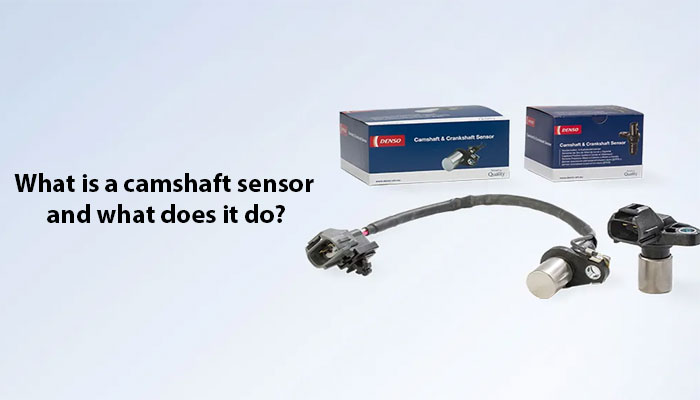
Yes. A camshaft sensor is important because it helps your engine time fuel injection and ignition correctly.
Across the United States, millions of modern gasoline and diesel vehicles rely on a camshaft position sensor to communicate critical engine timing information to the vehicle’s computer. Without accurate data from this sensor, engine performance, fuel efficiency, and drivability can suffer.
If you are asking whether a camshaft sensor is important, the short answer is yes. The sensor helps the engine control module determine the exact position of the camshaft so fuel injection and ignition events happen at the right time. A failing sensor can cause hard starts, rough running, reduced power, and even engine stalling.
Source: testbook.com
What Is a Camshaft Position Sensor?
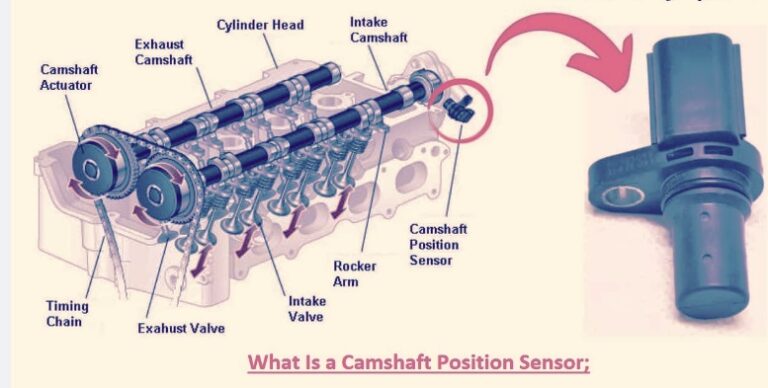
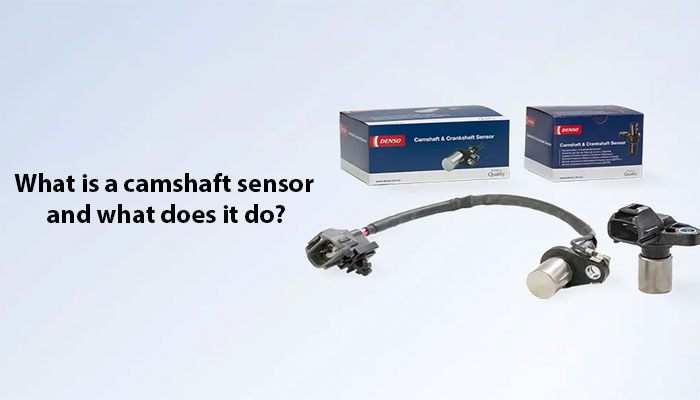
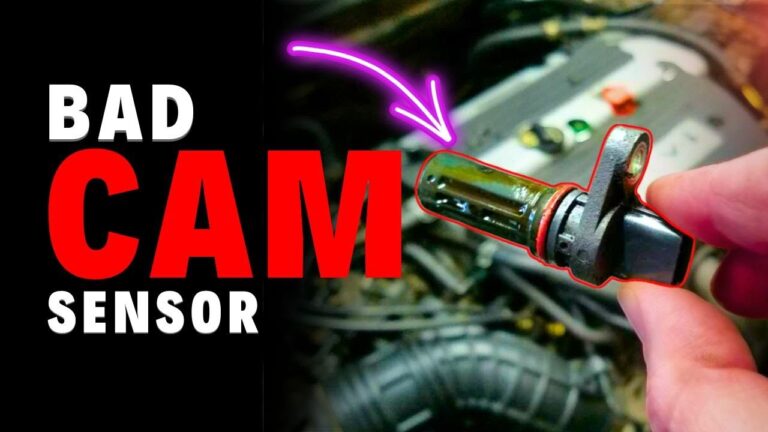
A camshaft position sensor is an electronic device that monitors the position and rotational speed of the camshaft. It sends this information to the engine control module so the engine can coordinate fuel injection and ignition timing.
Modern engines depend on precise timing. The camshaft sensor works alongside the crankshaft sensor to ensure valves, spark plugs, and fuel injectors operate at the correct moments during the combustion cycle.
Source: theengineeringtools.com
Primary Function
Measures camshaft position and rotation.
Data Transfer
Sends timing signals to the engine computer.
Engine Control
Helps manage fuel delivery and ignition timing.
Where Is the Sensor Located?
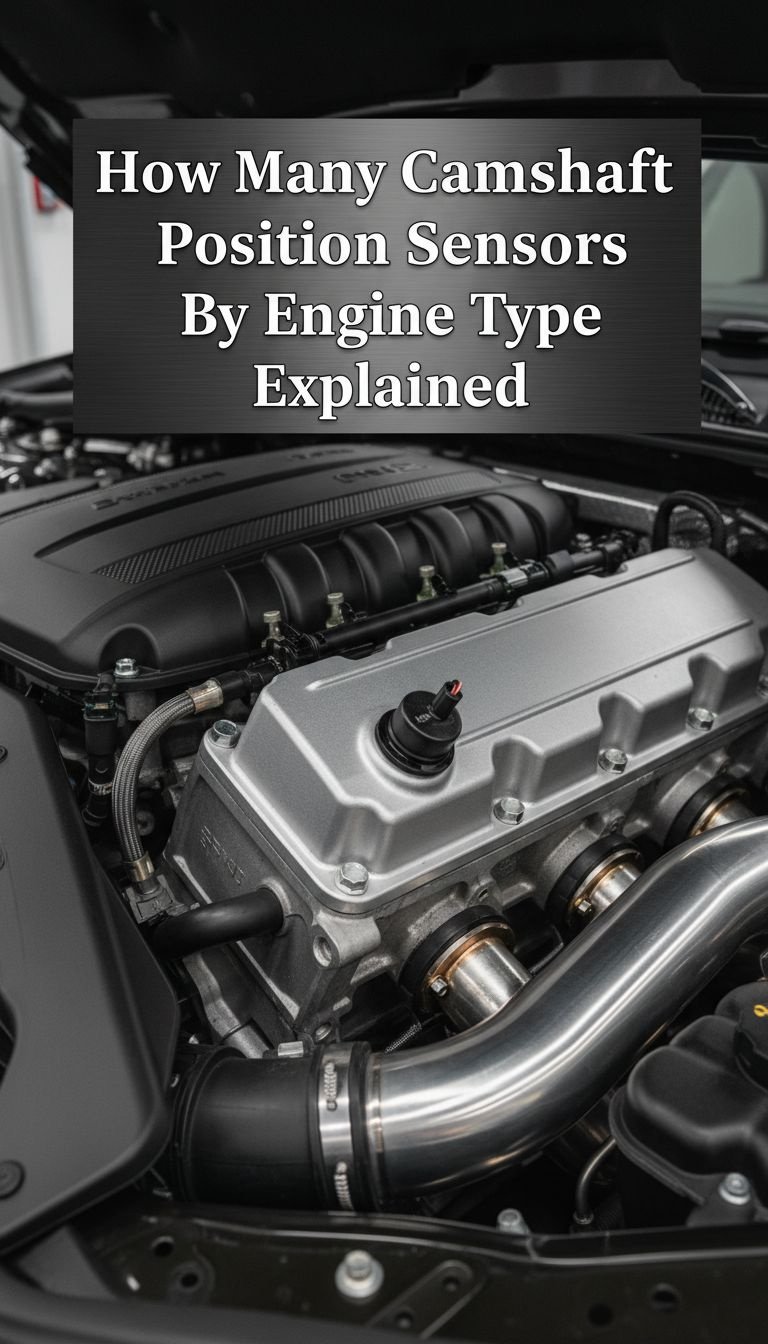
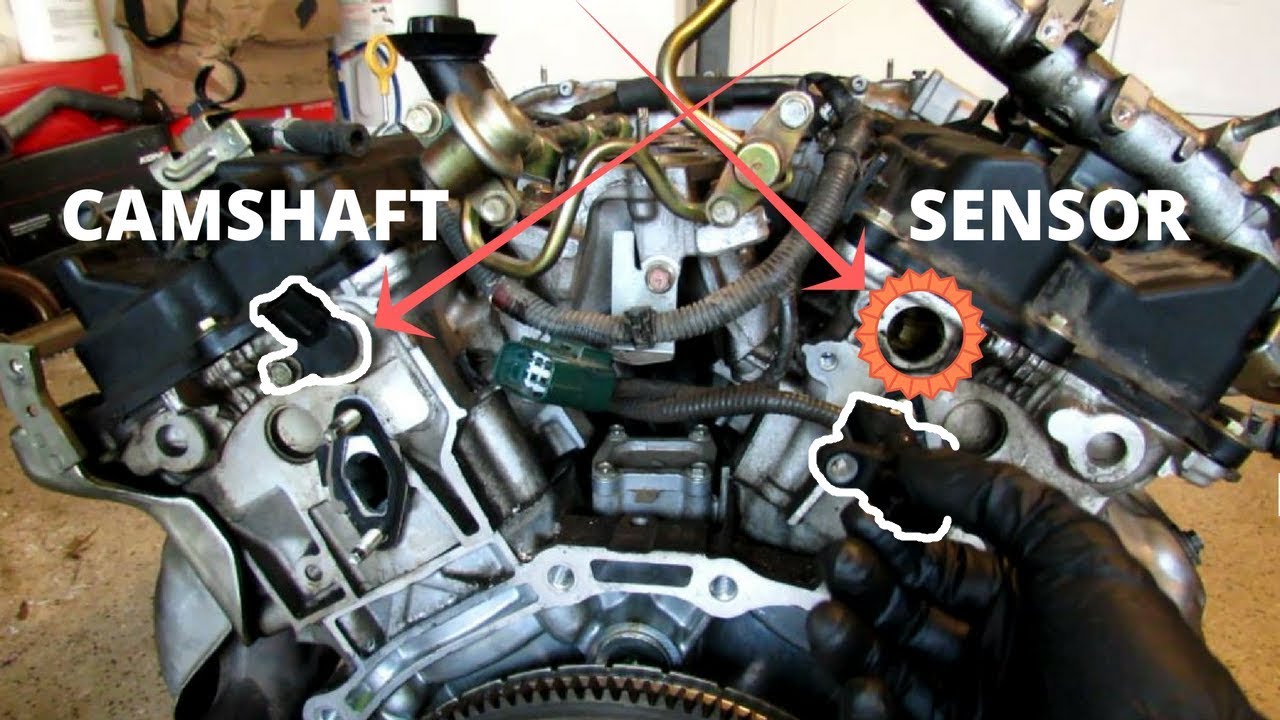
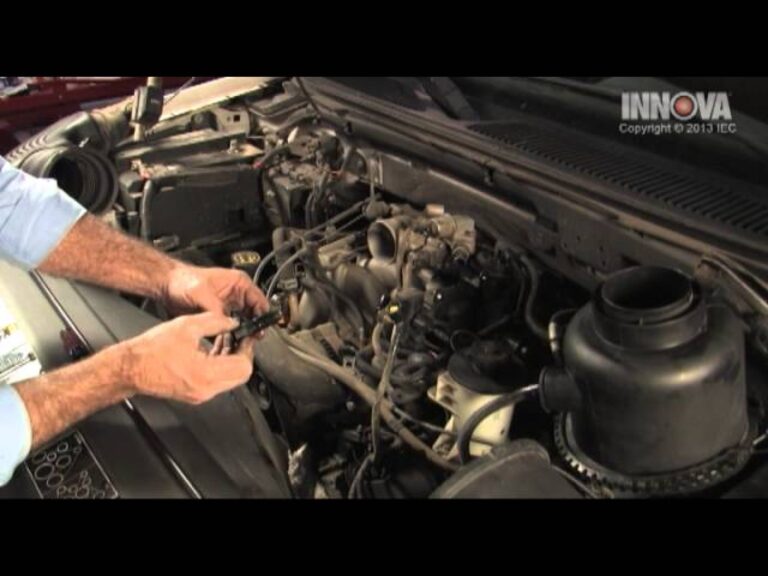
The sensor is usually mounted near the camshaft, cylinder head, timing cover, or valve cover. The exact location varies by engine design and vehicle manufacturer.
Common Locations
Cylinder head, timing cover, or near the camshaft gear.
Why Is a Camshaft Sensor Important?
The answer to the question is a camshaft sensor important is straightforward: it is a key part of engine management. The engine computer uses camshaft position information to determine when fuel should be injected and when ignition events should occur.
Without reliable camshaft data, the engine may struggle to maintain proper timing. This can affect performance, fuel economy, emissions, and overall reliability.
Source: carxplorer.com
Fuel Injection Control
Helps inject fuel at the correct time.
Ignition Timing
Supports accurate spark timing.
Engine Efficiency
Contributes to smooth and efficient operation.
What Happens When Timing Is Incorrect?
Incorrect timing can lead to rough idling, hesitation during acceleration, reduced fuel economy, increased emissions, and possible engine stalling.
Driver Impact
Reduced performance and reliability.
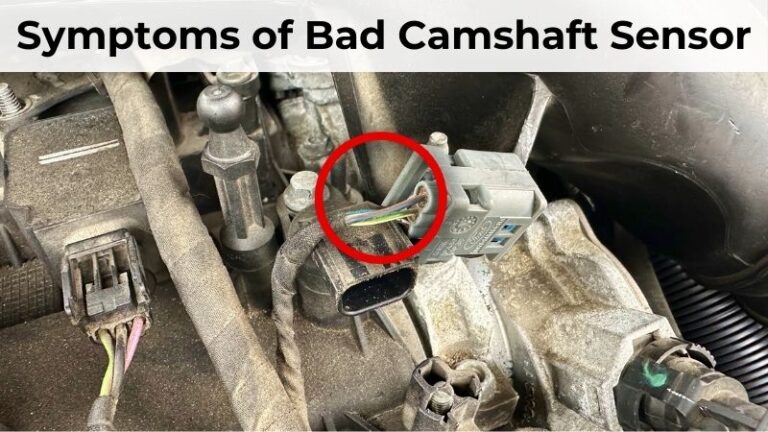
Symptoms of a Bad Camshaft Sensor
A failing camshaft position sensor can create a range of noticeable problems. The severity often depends on the vehicle and how much the sensor’s signal has degraded.
Many symptoms overlap with other engine issues, which is why proper diagnosis is important before replacing parts.
Source: infoik.com
Check Engine Light
A warning light may appear when the computer detects timing signal problems.
Hard Starting
The engine may crank longer than normal before starting.
Engine Stalling
A failing sensor can cause unexpected engine shutdowns.
Poor Fuel Economy
Incorrect timing can increase fuel consumption.
Can the Vehicle Still Run?
Some vehicles may continue operating with a faulty sensor by using backup strategies. However, performance is often reduced and reliability may be compromised.
Temporary Operation
Some engines enter a limited operating mode.
Can You Drive with a Bad Camshaft Sensor?
Driving with a bad camshaft sensor is sometimes possible, but it is generally not recommended. A failing sensor can leave you stranded if the engine suddenly refuses to start or stalls unexpectedly.
The longer the problem continues, the greater the risk of poor engine operation, higher fuel costs, and additional diagnostic challenges.
Source: hitchesguide.com
Short-Term Driving
May be possible if symptoms are minor.
Long-Term Risk
Can lead to worsening drivability issues.
Safety Concern
Unexpected stalling can create hazardous situations.
When Should You Stop Driving?
If the engine stalls repeatedly, struggles to start, or enters a severe reduced-power mode, professional diagnosis should be scheduled as soon as possible.
Immediate Attention
Persistent stalling or no-start conditions.
Diagnosing and Replacing a Camshaft Sensor
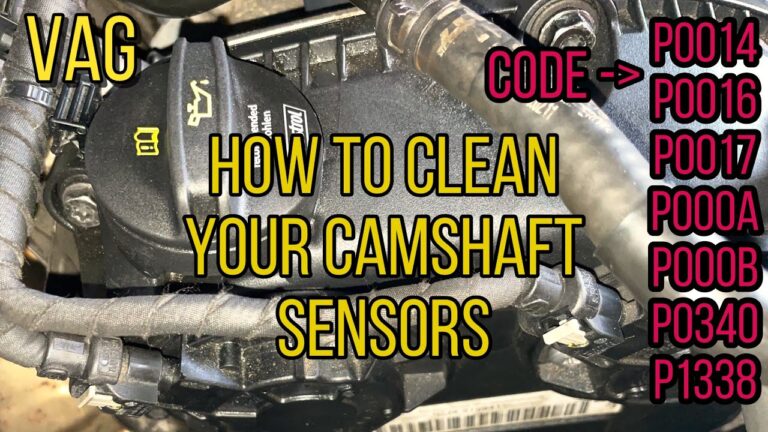
Diagnosis usually begins with a scan tool that reads fault codes stored by the engine computer. Technicians may also inspect wiring, connectors, sensor signals, and related components.
Replacing a camshaft position sensor is often a straightforward repair, although accessibility varies by vehicle. The correct replacement part and proper installation procedures are important for reliable operation.
Source: ar.inspiredpencil.com
Scan for Codes
Check for diagnostic trouble codes related to timing signals.
Inspect Wiring
Look for corrosion, damage, or loose connections.
Verify Repair
Clear codes and confirm proper engine operation.
Signs the Repair Was Successful
Successful repairs typically restore smooth starting, stable idling, normal acceleration, and the absence of related warning lights.
Normal Operation
Consistent starting and smooth engine performance.
Frequently Asked Questions
Q
Can a bad camshaft sensor prevent a car from starting?
Yes. In some vehicles, a failed camshaft position sensor can prevent the engine computer from determining proper timing, resulting in a no-start condition.
Q
Will a bad camshaft sensor trigger a check engine light?
Yes. Many vehicles illuminate the check engine light when the engine computer detects an abnormal or missing camshaft sensor signal.
Q
How long does a camshaft position sensor last?
There is no universal lifespan. Many sensors last for years, but heat, vibration, contamination, and electrical issues can shorten service life.
Q
Is a camshaft sensor the same as a crankshaft sensor?
No. They are separate components. The camshaft sensor tracks camshaft position, while the crankshaft sensor monitors crankshaft rotation. Both are important for engine timing.
Q
How much does it cost to replace a camshaft sensor?
Costs vary by vehicle make, model, sensor location, labor rates, and replacement part quality. Simple replacements are generally less expensive than repairs requiring significant disassembly.
✦ Wrapping Up
Conclusion
The answer to is a camshaft sensor important is an unequivocal yes. The sensor plays a critical role in engine timing, fuel injection control, ignition management, and overall vehicle performance.
Ignoring a failing camshaft position sensor can lead to drivability problems, poor fuel economy, and potential no-start situations. Early diagnosis and repair help maintain reliable engine operation.
💡 Key Takeaway
If you notice hard starting, stalling, rough running, or a check engine light, have the camshaft position sensor and related systems inspected promptly.
Ethan Brooks is an automotive writer at Auto News 7, covering car news, vehicle maintenance, new model updates, recalls, and practical buying guides. He focuses on clear, useful information that helps drivers understand their vehicles and make better ownership decisions.
Learn how to clean camshaft position sensor components safely with a simple step-by-step process, tools list, troubleshooting tips, and common mistakes to avoid.
Learn how to replace camshaft position sensor Ford F150 models with this step-by-step guide. Discover symptoms, tools needed, replacement steps, troubleshooting tips, and common mistakes.