When a knock sensor goes bad, the engine may lose power, use more fuel, trigger the check engine light, and become vulnerable to harmful engine knock.
Across the United States, millions of vehicles rely on knock sensors to help the engine computer adjust ignition timing and protect the engine from damaging combustion events. When this sensor fails, the engine control module may no longer receive accurate information about knock activity.
Understanding what happens when a knock sensor goes bad is important because the problem can affect performance, fuel economy, emissions, and long-term engine durability. In some vehicles, a failed knock sensor causes the computer to enter a protective mode that reduces power to prevent engine damage.
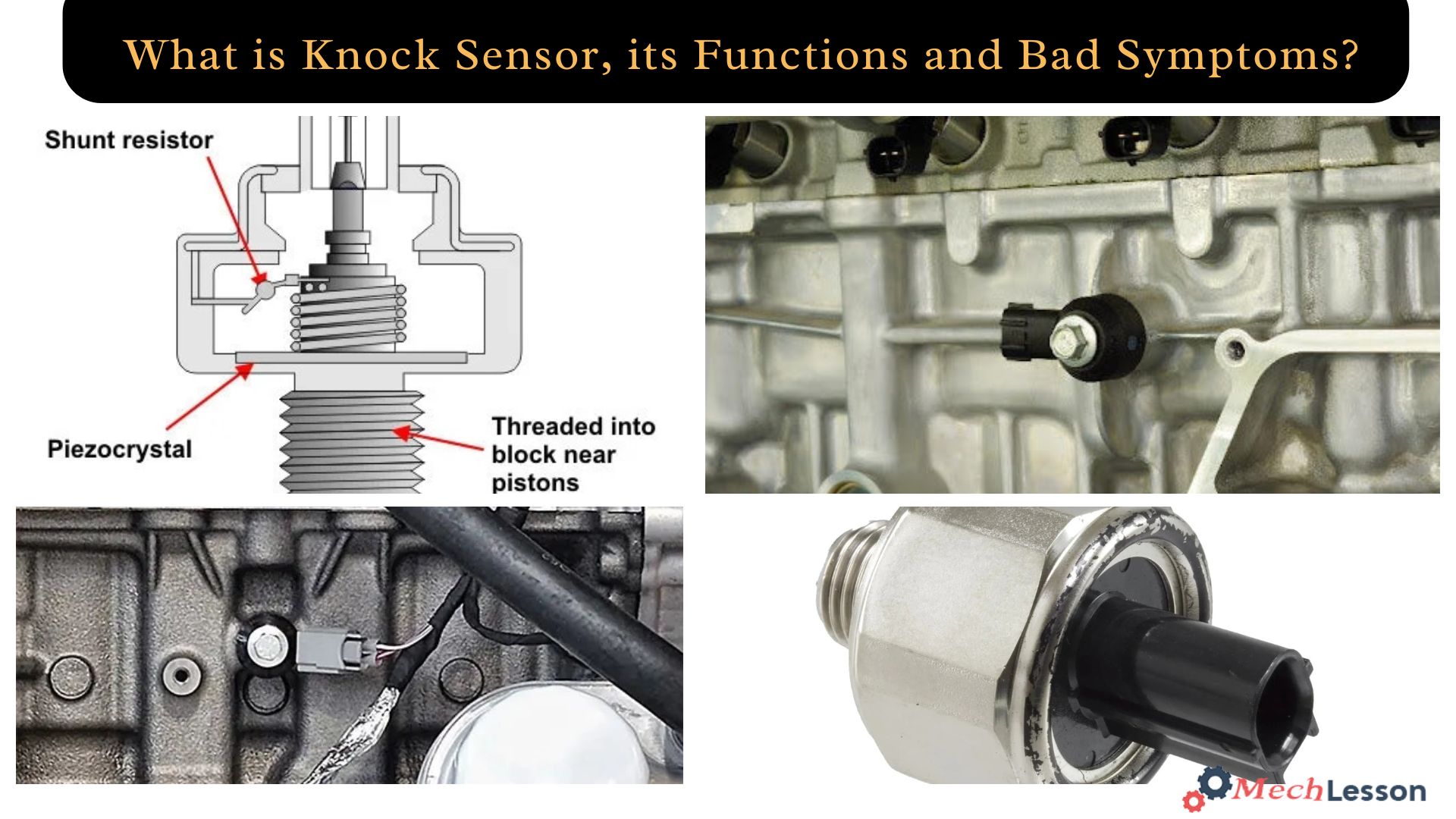
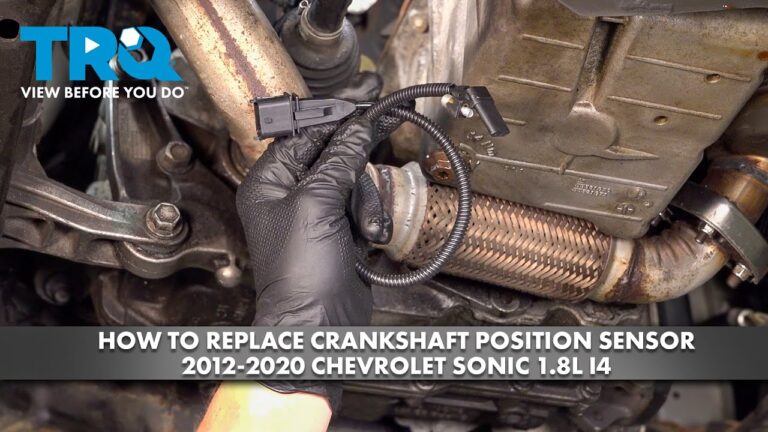
Source: mechlesson.com
What Happens When a Knock Sensor Goes Bad?
The primary job of a knock sensor is to detect abnormal engine vibrations caused by detonation or spark knock. It sends this information to the engine control module, which adjusts ignition timing to keep combustion safe and efficient.
When a knock sensor goes bad, the engine computer may stop receiving reliable data. As a result, the computer often retards ignition timing as a precaution. This safety strategy protects the engine but can reduce power, fuel efficiency, and overall performance.
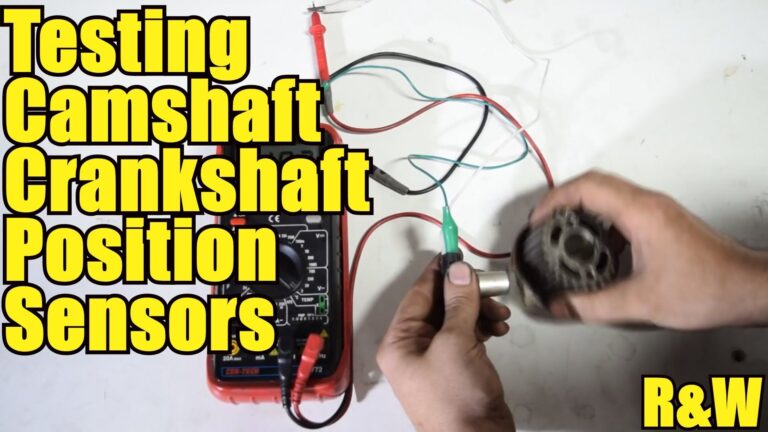
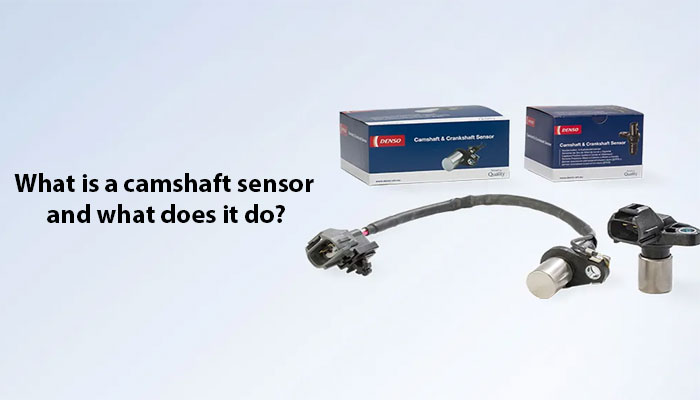
Source: www.youtube.com
Reduced Performance
The engine may feel sluggish during acceleration.
Lower Fuel Economy
Conservative ignition timing can increase fuel consumption.
Check Engine Light
Diagnostic trouble codes are commonly stored.
Why the Knock Sensor Matters
Modern engines operate close to their optimal performance limits. The knock sensor allows the engine computer to advance timing when conditions are safe and reduce timing when knock is detected. Without accurate feedback, the computer cannot make these adjustments effectively.
Engine Protection
Helps prevent harmful detonation.
Performance Optimization
Supports efficient ignition timing.
Common Symptoms of a Bad Knock Sensor
The symptoms of a failed knock sensor vary by vehicle, but several warning signs appear frequently. Many drivers first notice a check engine light or reduced responsiveness.
Some symptoms develop gradually, while others appear immediately after the sensor or its wiring fails.
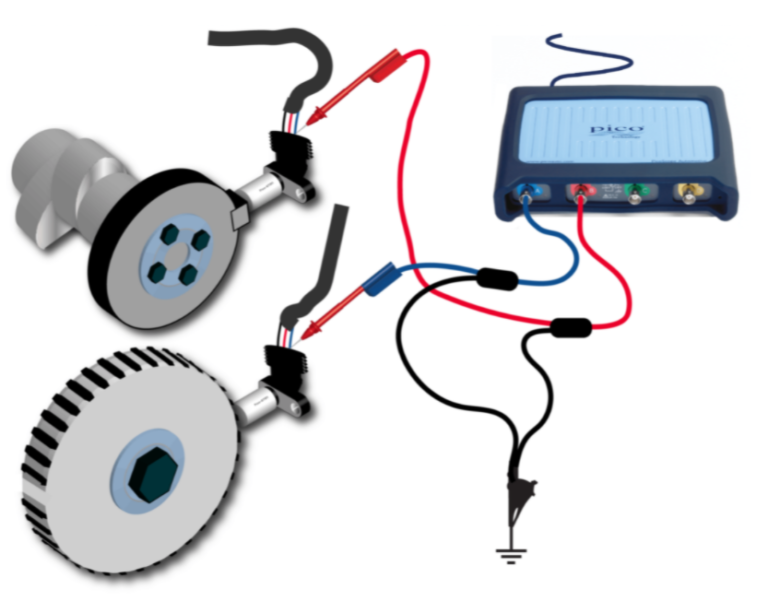
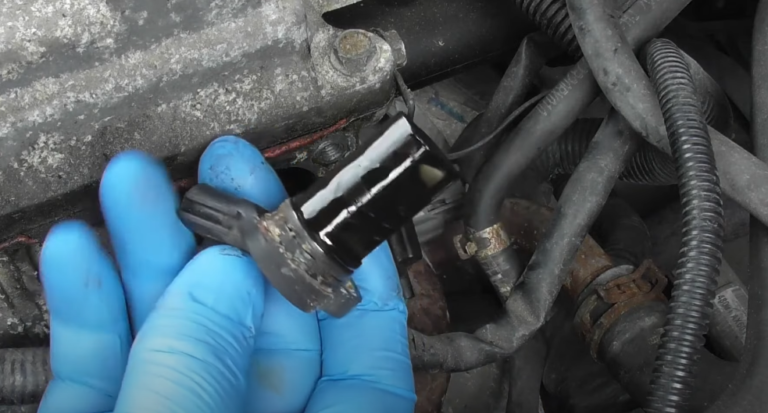
Source: www.youtube.com
Check Engine Light
One of the most common indicators of a sensor problem.
Poor Acceleration
The vehicle may feel less responsive.
Reduced Fuel Economy
The engine may burn more fuel than normal.
Engine Hesitation
The engine may stumble during acceleration.
Diagnostic Trouble Codes
Fault codes such as P0325 through P0334 may indicate knock sensor or knock sensor circuit problems. Reading stored codes with a scan tool can help narrow down the cause.
Stored Fault Codes
Provide valuable diagnostic direction.
Can a Bad Knock Sensor Cause Engine Damage?
A bad knock sensor does not automatically cause engine damage, but it can increase risk under certain conditions. If actual engine knock occurs and the engine computer cannot detect it properly, damaging combustion pressures may develop.
Repeated detonation can stress pistons, piston rings, cylinder walls, and bearings. The severity depends on engine design, driving conditions, and how long the issue remains unresolved.
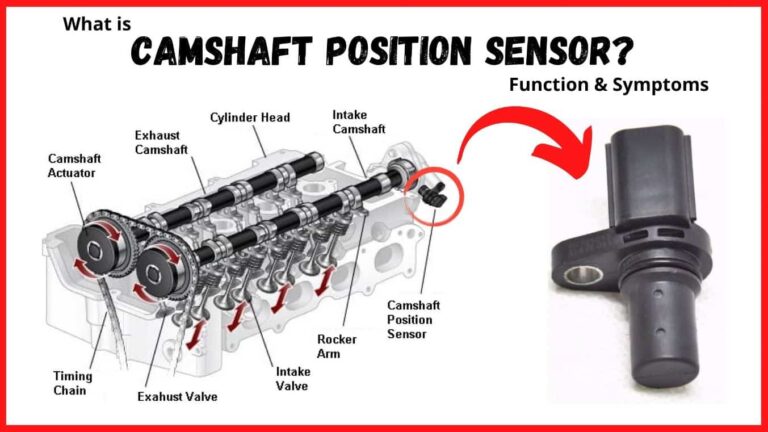
Source: hitchesguide.com
Potential Detonation Risk
Uncontrolled knock can damage engine components.
Long-Term Wear
Extended operation may increase engine stress.
When Damage Is Most Likely
Heavy acceleration, towing, high temperatures, and low-octane fuel can increase the chance of damaging knock when sensor feedback is unavailable.
High Load Conditions
Place greater stress on the engine.
Is It Safe to Drive With a Bad Knock Sensor?
Many vehicles remain drivable with a failed knock sensor, but continued driving is not ideal. Performance may be reduced, fuel costs may increase, and the risk of engine-related issues can grow over time.
If the check engine light is flashing, the vehicle should be inspected immediately because severe engine misfire or other serious problems may be present.
Source: hitchesguide.com
Short-Term Driving
Usually possible in many vehicles.
Prompt Repair Recommended
Helps prevent additional issues and restore performance.
When to Seek Professional Help
Seek professional diagnosis if you hear pinging noises, experience major power loss, or see persistent warning lights.
Persistent Symptoms
Require proper testing and repair.
How to Diagnose a Bad Knock Sensor
Diagnosis typically starts with a scan tool. Technicians look for stored fault codes, inspect live sensor data, and check wiring connections.
Because wiring faults can mimic sensor failure, inspecting connectors and harnesses is an important step before replacing components.
Source: YouTube > Backyard Chevy
Scan for Codes
Identify relevant knock sensor faults.
Inspect Wiring
Look for corrosion, damage, or loose connections.
Test Sensor Operation
Verify proper signal output when applicable.
Common Causes Besides Sensor Failure
Damaged wiring, corroded connectors, poor grounding, and engine mechanical issues can sometimes trigger knock sensor-related codes.
Circuit Problems
May create false sensor fault codes.
Repair Options and Expected Results
Repairing a bad knock sensor usually involves replacing the sensor, repairing damaged wiring, or correcting connector issues. The exact repair depends on the root cause identified during diagnosis.
After successful repair, drivers often notice restored engine performance, improved throttle response, and the elimination of related diagnostic trouble codes.
Source: www.youtube.com
Sensor Replacement
The most common repair when the sensor fails internally.
Wiring Repair
Necessary when the circuit is damaged.
Code Verification
Ensures the problem is fully resolved.
Signs the Repair Worked
The check engine light remains off, acceleration improves, and no knock sensor codes return after a drive cycle.
Normal Performance
Indicates proper system operation.
Frequently Asked Questions
Q
Will a bad knock sensor always trigger a check engine light?
In many vehicles, yes. However, some sensor issues may be intermittent and not immediately trigger a warning light.
Q
Can a bad knock sensor reduce fuel economy?
Yes. The engine computer may use conservative ignition timing settings that reduce efficiency and increase fuel consumption.
Q
What does a knock sensor actually do?
A knock sensor detects abnormal combustion vibrations and helps the engine computer adjust ignition timing to protect the engine.
Q
Can I replace a knock sensor myself?
Some vehicles allow relatively easy access, while others require significant disassembly. Consult the vehicle service manual before attempting the repair.
Q
How long can I drive with a bad knock sensor?
Short-term driving is often possible, but delaying repairs can increase the risk of reduced performance, lower fuel economy, and potential engine-related issues.
✦ Wrapping Up
Conclusion
Understanding what happens when a knock sensor goes bad can help drivers respond before minor performance issues become larger repair concerns. Common effects include reduced power, lower fuel economy, diagnostic trouble codes, and increased engine knock risk.
Although many vehicles remain drivable, diagnosing and repairing the problem promptly helps restore normal engine operation and protects long-term engine health.
💡 Key Takeaway
If you suspect a bad knock sensor, scan for diagnostic codes, inspect wiring, and schedule a proper diagnosis to prevent unnecessary engine stress and performance loss.
Ethan Brooks is an automotive writer at Auto News 7, covering car news, vehicle maintenance, new model updates, recalls, and practical buying guides. He focuses on clear, useful information that helps drivers understand their vehicles and make better ownership decisions.
Learn how to sync camshaft and crankshaft sensors, diagnose timing correlation issues, perform relearn procedures, and troubleshoot common engine synchronization problems.
Learn how long to replace a crankshaft position sensor, what affects repair time, the typical replacement steps, and when professional service is needed.
Can a bad crankshaft sensor cause misfire? Learn how a faulty crankshaft position sensor can disrupt engine timing, trigger misfires, and cause stalling.