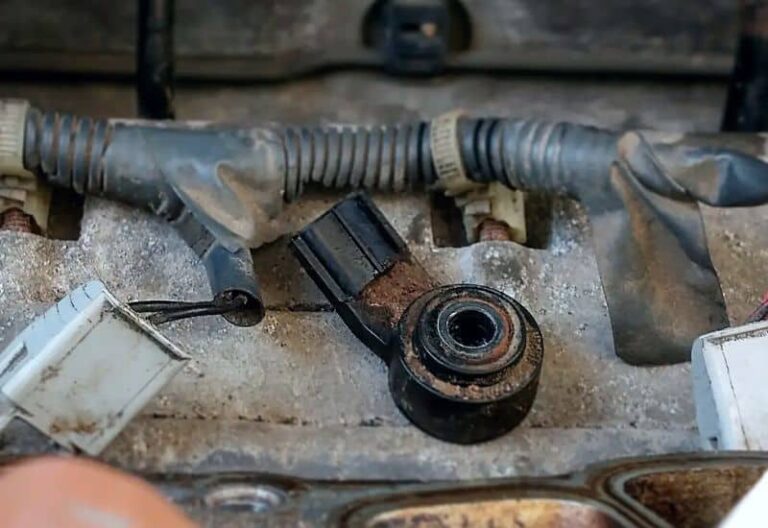
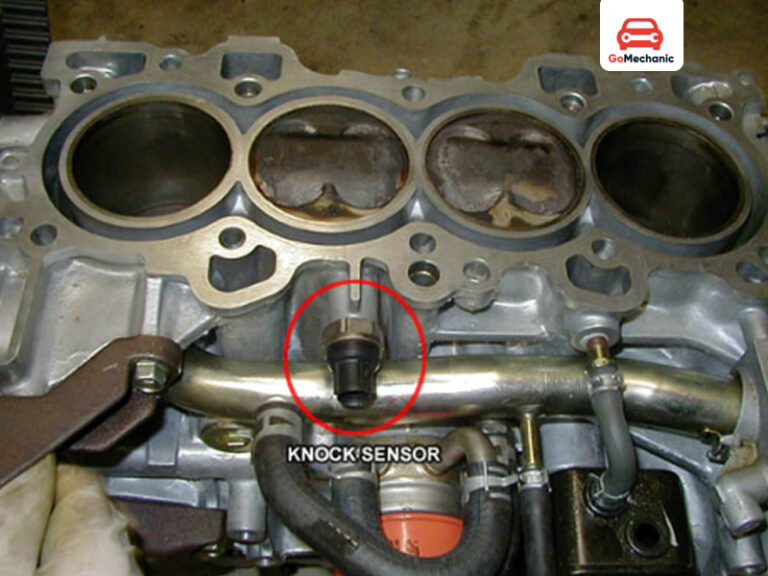
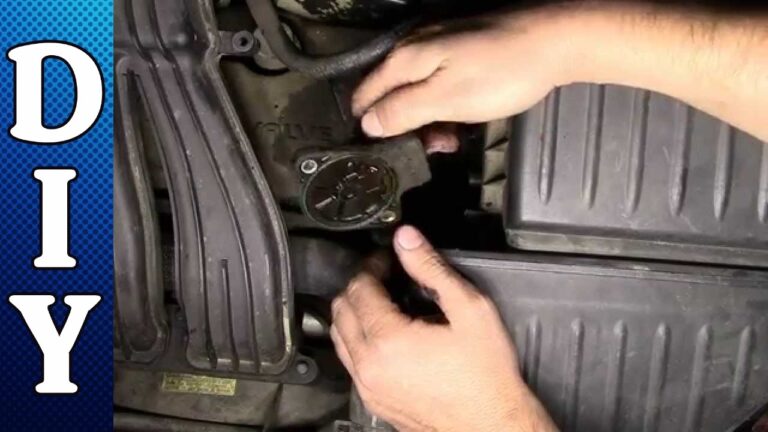
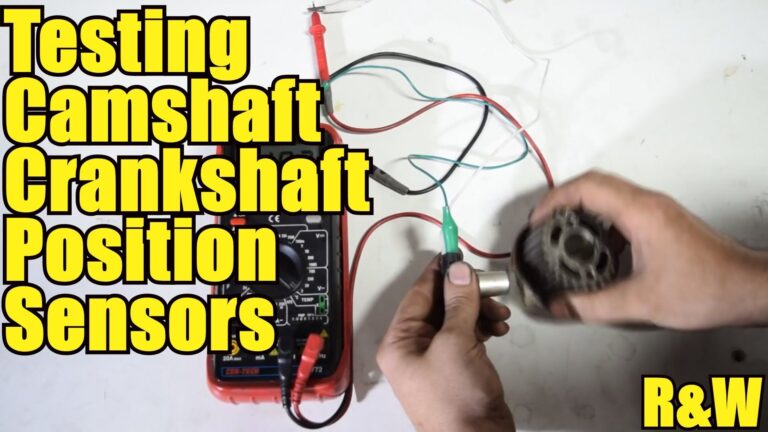
A bad knock sensor usually allows engine knocking, pinging, rattling, or metallic tapping sounds to become more noticeable during acceleration.
Across the United States, drivers often notice unusual engine noises when a knock sensor stops working correctly. While the sensor itself does not normally make noise, its failure can prevent the engine computer from detecting and responding to abnormal combustion events.
When people ask what does a bad knock sensor sound like, they are usually hearing spark knock, detonation, pinging, or rattling coming from the engine. These sounds often become more noticeable when climbing hills, towing, accelerating hard, or driving in hot weather.
Source: hitchesguide.com
What Does a Bad Knock Sensor Sound Like?
The most common sound linked to a bad knock sensor is a metallic pinging or knocking noise from the engine. Many drivers describe it as marbles shaking inside a metal can or a rapid tapping sound during acceleration.
Because the knock sensor helps the engine control module detect abnormal combustion, a failed sensor can prevent timing adjustments that normally reduce knock. As a result, combustion noise may become more pronounced.
Source: www.youtube.com
Pinging
A light metallic ticking or pinging sound during acceleration.
Knocking
A deeper repetitive knocking noise from engine combustion.
Rattling
A rattling sound that becomes noticeable under load.
Why the Sound Happens
Engine knock occurs when the air-fuel mixture ignites at the wrong time or in multiple flame fronts. The knock sensor normally detects these vibrations and signals the engine computer to adjust ignition timing.
Combustion Issue
Abnormal combustion creates pressure waves that produce noise.
Common Symptoms That Accompany Knock Sensor Failure
Noise is only one sign of a knock sensor problem. Many vehicles also experience performance issues because the engine computer cannot accurately monitor combustion conditions.
Some symptoms can resemble other ignition, fuel, or engine management faults, so diagnosis is important before replacing parts.
Source: hitchesguide.com
Check Engine Light
Diagnostic trouble codes may be stored in the vehicle computer.
Reduced Power
Engine performance may decrease due to protective timing adjustments.
Poor Fuel Economy
Inefficient ignition timing can increase fuel consumption.
Symptoms Versus Sounds
Not every failed knock sensor causes audible knocking. Some vehicles illuminate a warning light before noticeable sounds develop.
Early Detection
Electronic faults may appear before engine noise becomes obvious.
When Are Knocking Sounds Most Noticeable?
Drivers typically hear knock-related sounds during heavy acceleration, hill climbing, towing, or when carrying extra vehicle weight. These situations increase cylinder pressure and make abnormal combustion easier to hear.
Hot weather and low-octane fuel can also contribute to audible knocking in some engines.
Source: www.youtube.com > 8020 Automotive
Acceleration
Noise often increases when pressing the accelerator.
Engine Load
Higher loads place more stress on combustion chambers.
Cold Versus Warm Engine
Some vehicles show more noticeable knock when fully warmed up because combustion temperatures increase during extended driving.
Operating Temperature
Engine temperature can influence combustion behavior.
Other Problems That Can Sound Like a Bad Knock Sensor
Engine knocking does not automatically mean the knock sensor has failed. Several mechanical and fuel-related issues can create similar noises.
A proper diagnosis should consider all possible causes before replacing the sensor.
Source: with-n.org
Low Octane Fuel
Fuel with insufficient octane can contribute to detonation.
Carbon Deposits
Combustion chamber deposits can increase knock tendency.
Ignition Problems
Incorrect timing or misfires can create unusual engine sounds.
Mechanical Noise Differences
Rod knock, lifter noise, and timing chain issues often sound different from combustion knock and may require professional inspection.
Professional Diagnosis
Persistent engine noise should be evaluated promptly.
How to Diagnose a Suspected Bad Knock Sensor
Start by scanning the vehicle for diagnostic trouble codes. Many knock sensor faults trigger specific codes that can guide troubleshooting.
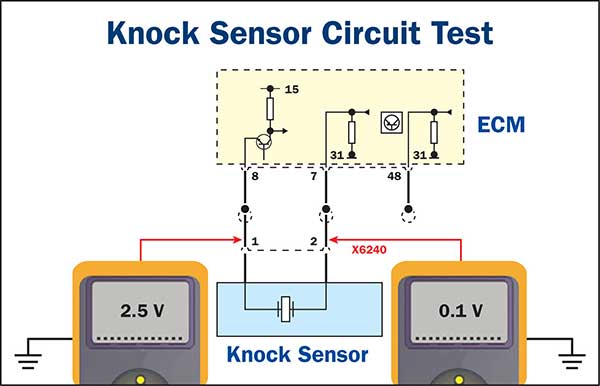
A technician may inspect sensor wiring, connector condition, engine data, and sensor output before recommending replacement.
Source: YouTube > Backyard Chevy
Scan for Codes
Use an OBD-II scanner to check for stored faults.
Inspect Wiring
Damaged wiring can mimic sensor failure.
Verify Engine Condition
Confirm that engine knock is not caused by another problem.
When to Seek Professional Help
If knocking is severe, continuous, or accompanied by major performance loss, professional diagnosis is recommended to reduce the risk of engine damage.
Safety First
Persistent detonation can damage internal engine components.
Can You Drive With a Bad Knock Sensor?
Many vehicles remain drivable with a faulty knock sensor, but continued operation may reduce performance and fuel economy. In some cases, unresolved detonation can contribute to engine wear.
The risk depends on vehicle design, operating conditions, and whether actual engine knock is occurring.
Source: hitchesguide.com
Short-Term Driving
The vehicle may continue operating normally for a limited period.
Long-Term Risk
Ignoring persistent knock can increase the chance of engine damage.
Best Next Step
Schedule diagnosis as soon as practical if warning lights or knocking sounds appear.
Timely Repair
Early repairs often prevent more expensive problems.
Frequently Asked Questions
Q
Does a bad knock sensor make noise by itself?
No. The sensor itself generally does not create audible noise. The sounds people hear are usually caused by engine knock or detonation that the sensor fails to manage properly.
Q
What is the difference between engine knock and rod knock?
Engine knock is a combustion-related sound, while rod knock is a mechanical problem involving internal engine components. Rod knock is typically deeper and more serious.
Q
Will a check engine light come on for a bad knock sensor?
Many vehicles illuminate the check engine light and store diagnostic trouble codes when the knock sensor or its circuit malfunctions.
Q
Can low-quality fuel cause sounds similar to a bad knock sensor?
Yes. Fuel with insufficient octane can increase the likelihood of engine pinging and detonation, creating symptoms similar to those associated with knock sensor problems.
Q
How much does knock sensor replacement usually cost?
Costs vary widely depending on vehicle design, labor requirements, and part quality. Some sensors are easy to access, while others require significant engine disassembly.
✦ Wrapping Up
Conclusion
When asking what does a bad knock sensor sound like, the answer usually involves engine pinging, knocking, rattling, or metallic tapping rather than noise produced directly by the sensor itself.
Because these sounds can also result from fuel, ignition, or mechanical issues, proper diagnosis is essential before replacing parts. Addressing the problem early can help protect engine performance and reliability.
💡 Key Takeaway
If you hear pinging or knocking during acceleration and notice a check engine light, scan for diagnostic codes and inspect the knock sensor system as soon as possible.
Ethan Brooks is an automotive writer at Auto News 7, covering car news, vehicle maintenance, new model updates, recalls, and practical buying guides. He focuses on clear, useful information that helps drivers understand their vehicles and make better ownership decisions.
Learn what happens when a knock sensor goes bad, including common symptoms, engine performance issues, diagnostic trouble codes, and whether it is safe to keep driving.
Learn why your knock sensor keeps going bad, the most common causes of repeated failures, how to diagnose the problem, and what repairs can prevent future issues.
Learn what are symptoms of a bad crankshaft position sensor, including hard starting, stalling, misfires, poor acceleration, and check engine light warnings.
Learn how to replace camshaft position sensor PT Cruiser models with this detailed step-by-step guide. Find symptoms, tools needed, replacement steps, troubleshooting tips, and common mistakes to avoid.