Yes, a faulty crankshaft sensor can affect acceleration by disrupting engine timing, fuel delivery, and engine speed information.
For drivers in the United States, a crankshaft position sensor can have a direct effect on how smoothly and consistently a vehicle accelerates. The sensor, often called the CKP sensor, monitors crankshaft position and rotational speed and sends that information to the engine control module. The computer uses this information as part of its control of fuel injection and ignition timing.
When the signal becomes weak, erratic, or disappears, the engine computer may not have reliable information about where the crankshaft is in its rotation. Depending on the vehicle and the type of failure, this can cause hesitation, uneven acceleration, reduced engine performance, misfires, stalling, or difficulty starting. However, poor acceleration does not prove that the crankshaft sensor is faulty because several other engine, fuel, ignition, air, and transmission problems can produce similar symptoms.
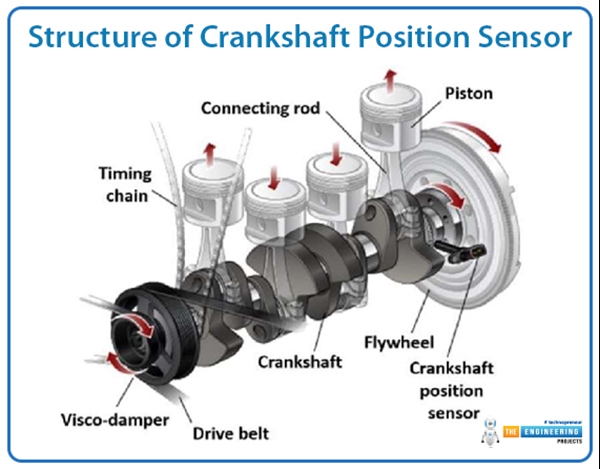
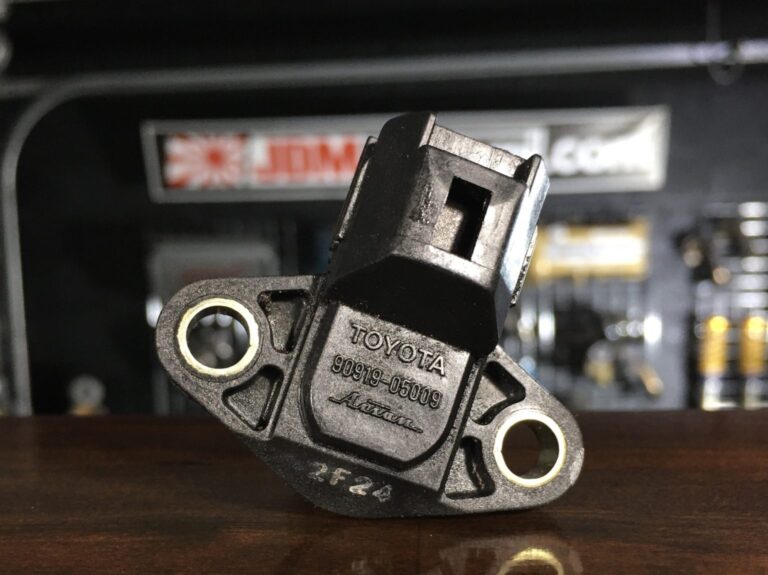
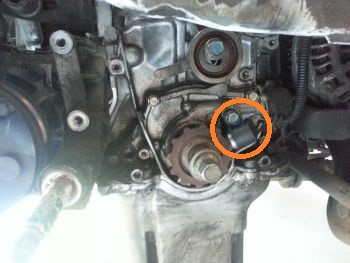
Source: mechlesson.com
How the Crankshaft Position Sensor Affects Acceleration
The crankshaft position sensor affects acceleration indirectly but significantly because it supplies the engine computer with information about crankshaft position and rotational speed. The engine control module uses that information to coordinate engine operation, including fuel injection and ignition timing on many vehicles.
Acceleration requires the engine to increase power in a controlled way as engine speed and load change. If the crankshaft signal is inaccurate or intermittent, the computer may receive an unreliable picture of engine speed or position. The result can be delayed response, uneven power delivery, misfires, or reduced performance.
The exact behavior depends on the vehicle’s engine-management design. Some vehicles may continue running with a degraded sensor signal, while others may stall or fail to restart when the signal is lost.
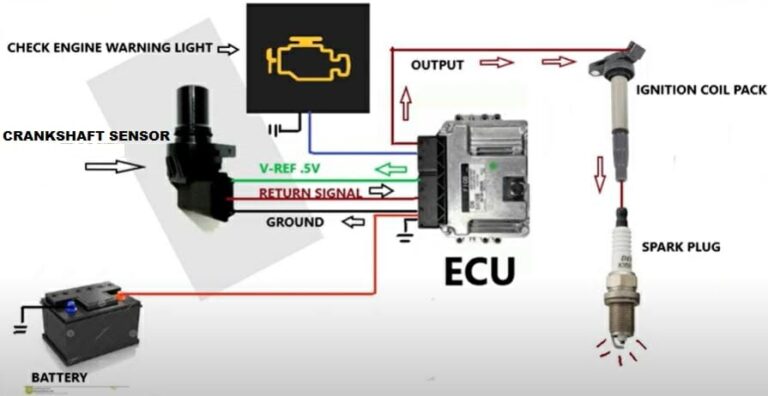
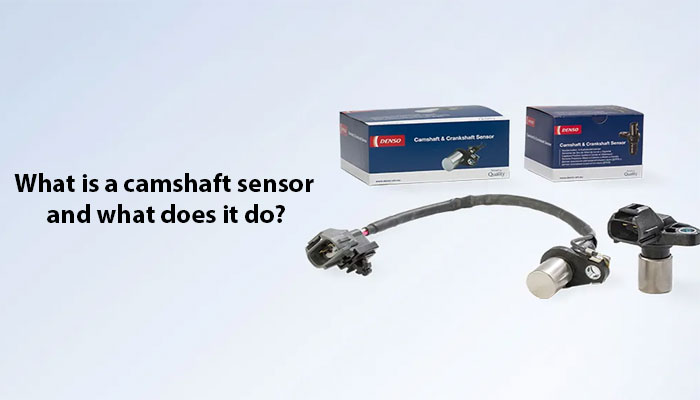
Source: ar.inspiredpencil.com
Crankshaft position
The sensor detects the crankshaft’s rotational position so the engine computer can determine where the engine is in its operating cycle.
Engine speed
The sensor provides information about crankshaft speed, which helps the control system manage engine operation as RPM changes.
Fuel and ignition control
Crankshaft information contributes to decisions involving fuel injection and ignition timing, both of which affect engine response.
Acceleration response
If the signal is unreliable, the engine may hesitate, misfire, lose power, or respond unevenly when the driver presses the accelerator.
Why Timing Matters During Acceleration
When you press the accelerator, the engine must adjust its operation as airflow, fuel demand, engine load, and RPM change. The control system needs accurate engine-position information to coordinate these changes.
A faulty crankshaft signal can interfere with that coordination. That does not mean every acceleration problem comes from the crankshaft sensor. It means the sensor is one of the components that should be considered when poor acceleration occurs together with other compatible symptoms.
Normal signal
A consistent signal gives the engine control system dependable information about crankshaft movement.
Erratic signal
An intermittent or distorted signal can contribute to hesitation, misfires, unstable engine operation, or reduced power.
Signs a Bad Crankshaft Sensor May Be Affecting Acceleration
Poor acceleration becomes more suspicious when it appears alongside other crankshaft sensor symptoms. A vehicle with a failing sensor may hesitate when accelerating, lose power, misfire, stall, become difficult to start, or illuminate the Check Engine Light.
Intermittent problems can be particularly difficult to diagnose. A sensor may work normally at one moment and produce an unreliable signal under certain operating conditions. Heat, wiring faults, connector problems, sensor damage, or problems with the crankshaft’s reluctor or trigger wheel can contribute to an intermittent signal.
The presence of one symptom does not establish the cause. For example, hesitation can also result from a throttle position sensor problem, ignition fault, fuel-delivery problem, restricted air intake, mass airflow sensor issue, or transmission problem.
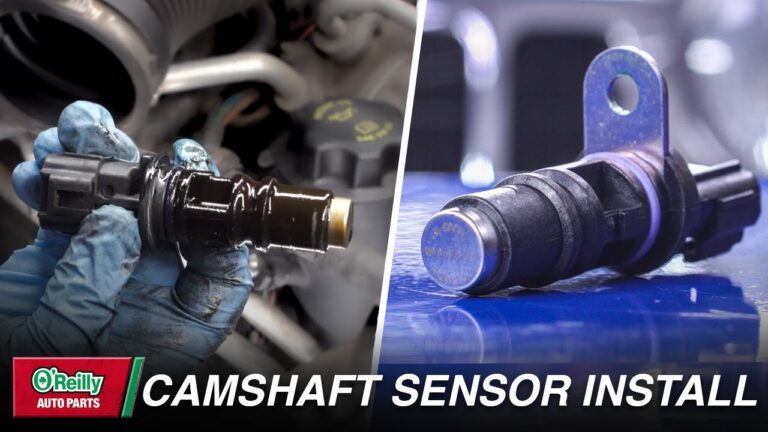
Source: theengineeringprojects.com
Hesitation during acceleration
The engine may pause, stumble, or respond unevenly when you press the accelerator.
Reduced engine power
The vehicle may feel less responsive than normal, particularly when accelerating from low speed or under load.
Misfiring or rough running
Incorrect crankshaft information can contribute to poor combustion control, which may feel like shaking, stumbling, or intermittent loss of power.
Stalling
A severe or intermittent crankshaft signal problem can cause the engine to stall in some vehicles.
Hard starting
If the engine computer cannot reliably determine crankshaft position during starting, the engine may crank for longer than normal or fail to start.
Check Engine Light
A fault in the crankshaft sensor circuit or signal can trigger a diagnostic trouble code and illuminate the Check Engine Light.
Acceleration Symptoms That Point to Other Problems
A car that accelerates poorly does not automatically have a crankshaft sensor problem. A throttle position sensor, mass airflow sensor, fuel pump, clogged fuel filter, ignition coil, spark plug, restricted exhaust, intake leak, or transmission issue can also cause weak or delayed acceleration.
This is why replacing the crankshaft sensor based only on an acceleration complaint can waste money and leave the original problem unresolved. Diagnosis should consider the complete set of symptoms and the vehicle’s stored fault information.
Hesitation with throttle-related symptoms
A throttle position sensor or throttle-system problem can cause hesitation, surging, or poor throttle response.
High-RPM power loss
Fuel delivery, ignition, air intake, exhaust restriction, or engine-management problems may become more noticeable as engine demand increases.
Acceleration with transmission symptoms
Slipping, delayed engagement, or abnormal shifting can make a vehicle feel weak even when the engine is producing power.
What Causes a Crankshaft Sensor to Affect Acceleration?
A crankshaft sensor can affect acceleration when its electrical signal becomes inaccurate, intermittent, or unavailable. The problem may originate inside the sensor, in its wiring or connector, or in the mechanical components that the sensor reads.
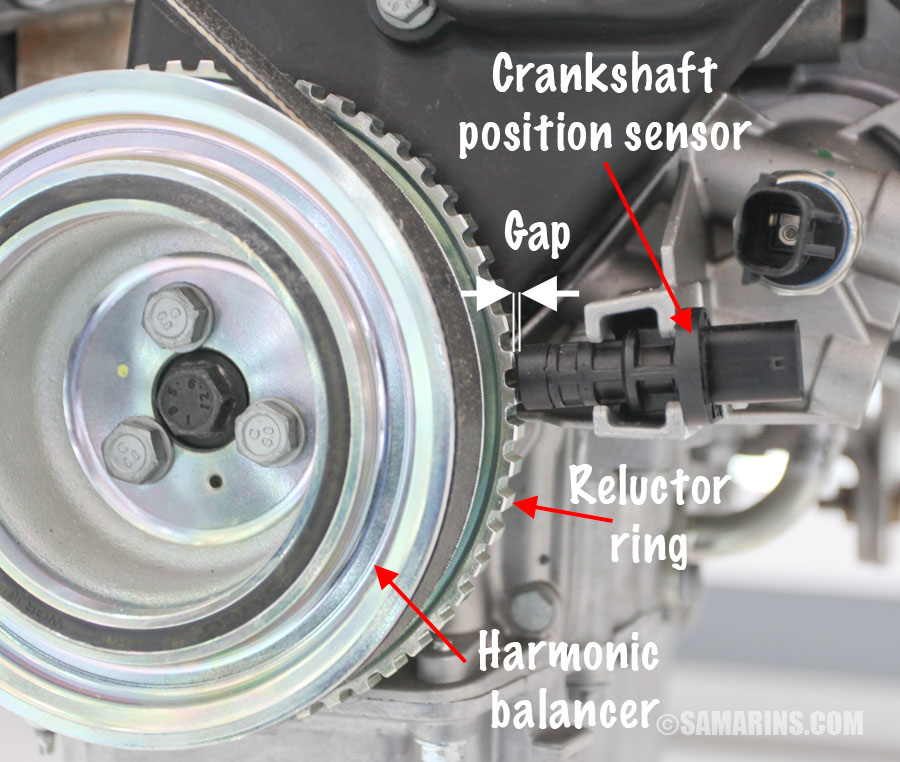
The sensor itself can fail from age, heat, vibration, contamination, or internal electrical damage. A damaged connector or broken wire can create similar symptoms. On some engines, the sensor reads a toothed reluctor or trigger wheel, so damage or timing-related problems involving that component can also affect the signal.
Because the sensor is part of a larger system, diagnosis should check the complete circuit and related components instead of assuming that the sensor is automatically at fault.
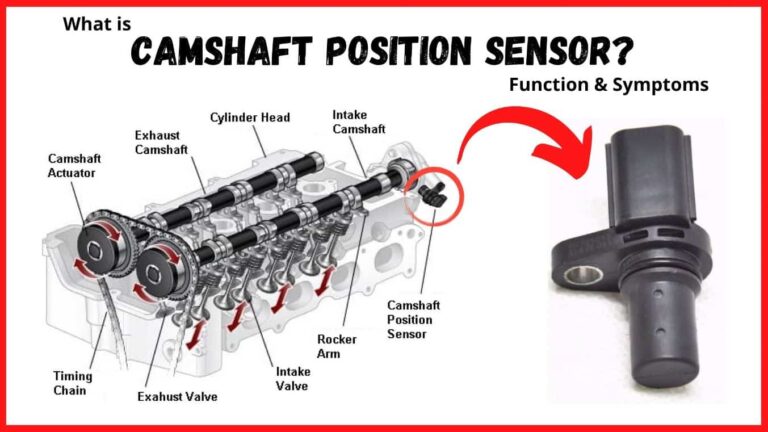
Source: samarins.com
Internal sensor failure
The sensor may produce an incorrect or intermittent signal because of internal electrical or electronic failure.
Damaged wiring
Broken, chafed, shorted, or heat-damaged wiring can interrupt the signal between the sensor and engine control module.
Connector problems
Loose, damaged, contaminated, or corroded electrical connections can create intermittent sensor faults.
Trigger or reluctor problems
The sensor depends on a mechanical target or trigger pattern on many engines, so damage or abnormal movement can distort the signal.
Mechanical timing problems
Timing-chain or timing-belt problems can produce crankshaft and camshaft correlation faults that resemble or accompany sensor-related symptoms.
How to Diagnose a Crankshaft Sensor Problem
The most useful diagnostic approach is to confirm the sensor problem before replacing the part. Start with the vehicle’s symptoms and diagnostic trouble codes, then inspect the sensor, wiring, connector, and related engine-management components.
An OBD-II scanner can identify stored and pending diagnostic trouble codes on vehicles equipped with the standard system used in the United States. Codes related to the crankshaft position sensor can provide an important clue, but they should be interpreted in the context of the vehicle’s service information and other findings.
A professional diagnosis may include monitoring engine RPM during cranking, checking electrical signals, testing wiring continuity and power supplies, and using an oscilloscope to examine the crankshaft sensor waveform. The correct test depends on the vehicle and sensor design.
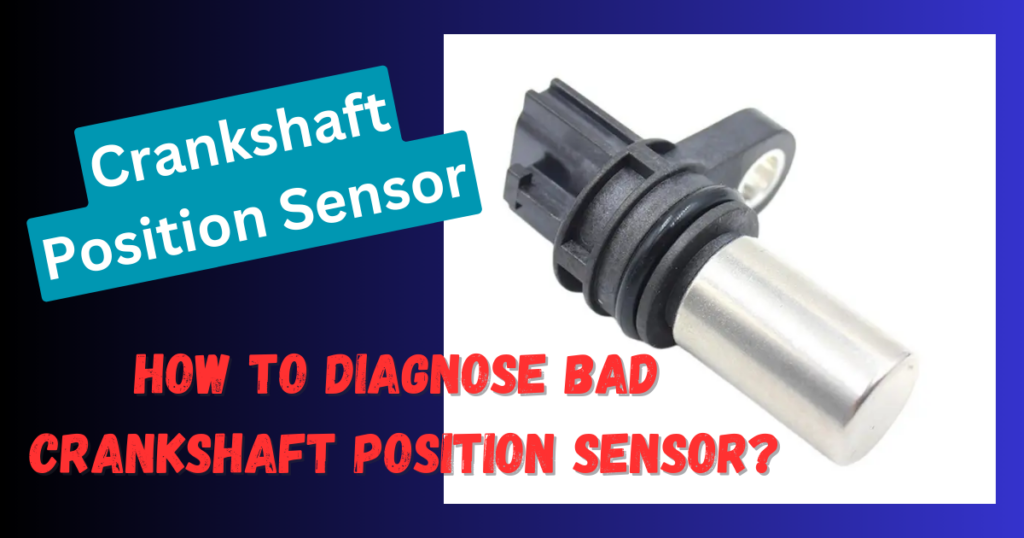
Source: storage.googleapis.com
1. Scan for diagnostic trouble codes
Connect an appropriate OBD-II scanner and record all relevant codes before clearing anything. Crankshaft-related codes can help narrow the diagnostic path.
2. Check the symptoms together
Look for a combination of poor acceleration, hard starting, stalling, misfires, rough running, or a Check Engine Light rather than relying on one symptom.
3. Inspect the sensor and connector
Look for physical damage, contamination, loose connections, damaged terminals, or wiring that has been exposed to heat or moving components.
4. Check the engine-speed signal
During cranking, scan-tool RPM data can help determine whether the control module is receiving an engine-speed signal.
5. Test the electrical signal
Depending on the sensor design, testing may require a multimeter or oscilloscope and the manufacturer’s specified procedures.
6. Check related components
If the sensor tests normally, investigate wiring, camshaft position information, mechanical timing, ignition, fuel delivery, throttle control, and other potential causes.
Why an OBD-II Code Does Not Always Mean the Sensor Is Bad
A diagnostic trouble code identifies a condition detected by the vehicle’s control system. It does not necessarily identify the failed part. For example, a crankshaft sensor circuit code may be caused by the sensor, wiring, connector, power supply, signal circuit, or a related mechanical problem.
The exact meaning of a code also depends on the vehicle. Use the manufacturer’s service information for the specific year, make, model, engine, and sensor system when performing detailed diagnosis.
Code is a clue
Use the code to guide testing rather than treating it as automatic proof that a component needs replacement.
Vehicle-specific procedures matter
Sensor type, wiring, expected voltage, resistance, waveform, and access can vary substantially between vehicles.
Can You Drive With a Bad Crankshaft Sensor?
Driving with a suspected bad crankshaft sensor is not a problem to ignore because the vehicle may stall, lose power, misfire, or fail to restart. The risk depends on the nature of the fault and how the vehicle responds.
A vehicle that repeatedly loses power or stalls during traffic can create a safety problem. If acceleration suddenly becomes unreliable, the engine stalls, or the Check Engine Light flashes while the engine is misfiring, stop driving when it is safe to do so and arrange for diagnosis.
If the vehicle still runs normally but has a stored sensor-related fault, prompt diagnosis is still appropriate. Continued operation may become more difficult if an intermittent problem develops into a complete signal loss.
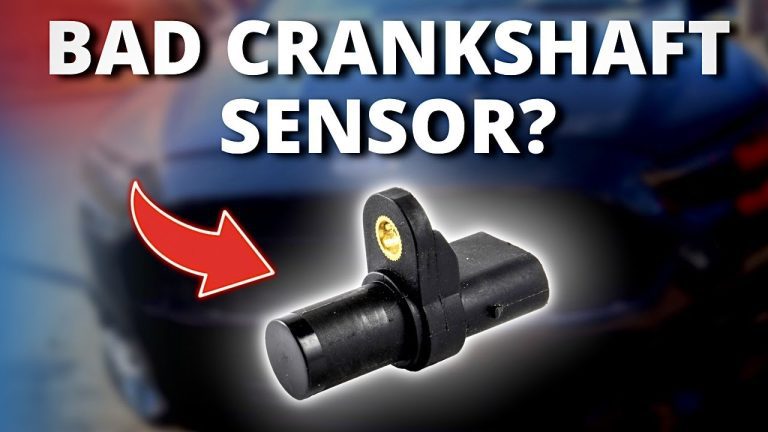
Source: deinfa.com
Avoid unnecessary driving
Do not continue normal driving if the engine repeatedly stalls, loses substantial power, or develops severe misfires.
Use caution after a stall
A stalled engine can affect normal vehicle operation, so move to a safe location and arrange assistance if the vehicle cannot operate reliably.
Get the fault confirmed
Have the sensor circuit and related systems tested before replacing parts or returning the vehicle to normal use.
Crankshaft Sensor vs. Other Causes of Poor Acceleration
A useful way to troubleshoot acceleration problems is to compare the acceleration complaint with the other symptoms present. A crankshaft sensor problem becomes more plausible when poor acceleration occurs with hard starting, intermittent stalling, misfires, or crankshaft-related diagnostic codes.
If the engine starts and idles normally but lacks power only under heavy load, other causes may deserve attention as well. Fuel pressure, ignition performance, airflow, exhaust restriction, turbocharger operation on equipped vehicles, and transmission behavior can all influence acceleration.
The goal is not to identify the most common part to replace. The goal is to identify which system is failing and confirm it with appropriate testing.
Source: engineerine.com
Crankshaft position sensor
More consistent with poor acceleration accompanied by hard starting, stalling, misfires, engine-speed signal problems, or relevant crankshaft sensor faults.
Throttle position sensor
Can cause hesitation, poor throttle response, surging, and reduced power because it provides information about throttle position.
Mass airflow sensor
Problems with airflow measurement can contribute to poor engine response, incorrect fueling, and reduced performance.
Fuel system
Low fuel pressure, restricted fuel delivery, or injector problems can cause power loss, especially when engine demand increases.
Ignition system
Worn spark plugs, failing ignition coils, or other ignition faults can cause misfires and weak acceleration.
Transmission
Transmission slipping or abnormal shifting can feel like an acceleration problem even when engine operation is normal.
What to Do If Your Car Has Poor Acceleration
If your vehicle has weak or uneven acceleration and you suspect the crankshaft sensor, begin with diagnosis rather than immediate replacement. Record when the problem occurs, such as during cold starts, hot operation, low RPM, high RPM, or hard acceleration. These details can help narrow the possible causes.
Next, scan the vehicle for diagnostic trouble codes and inspect the crankshaft sensor wiring and connector if they are safely accessible. Do not use a generic resistance specification unless it is correct for your exact sensor because different sensor designs require different tests.
If the vehicle stalls, has severe misfires, repeatedly loses power, or will not restart, professional diagnosis is the safer choice. A technician can test the sensor signal and related systems using vehicle-specific specifications and equipment.
Source: motorriderz.com
Record the pattern
Note whether the acceleration problem happens when the engine is cold, hot, under load, or at a particular RPM.
Scan before replacing
Read diagnostic trouble codes and document them before clearing the vehicle’s memory.
Inspect accessible wiring
Check for obvious damage, loose connectors, contamination, or wiring routed too close to heat or moving parts.
Use vehicle-specific specifications
Follow the service information for the exact vehicle instead of applying a generic sensor test to every engine.
Confirm the repair
After a verified repair, confirm that the original symptoms have resolved and check whether relevant diagnostic faults return.
When Professional Diagnosis Makes Sense
Professional diagnosis is especially useful when the fault is intermittent, the vehicle stalls unexpectedly, or the sensor is difficult to access. A technician can compare live engine data with manufacturer specifications and use waveform testing when needed.
Professional help is also appropriate when a crankshaft sensor code is accompanied by camshaft correlation codes or evidence of a timing problem. Replacing a sensor without checking the larger system can leave a mechanical or wiring fault unresolved.
Intermittent stalling
An intermittent loss of the crankshaft signal can be difficult to reproduce without proper diagnostic equipment.
Multiple related codes
Several timing or sensor codes may require a broader electrical and mechanical diagnosis.
No-start condition
A vehicle that cranks but does not start may require testing of crankshaft and camshaft signals, fuel, ignition, and mechanical timing.
Frequently Asked Questions
Q
Does a crankshaft sensor affect acceleration?
Yes. A faulty crankshaft position sensor can contribute to hesitation, uneven acceleration, reduced engine performance, and misfires because the engine control system depends on crankshaft position and speed information.
However, acceleration problems can have many causes, so the sensor should be tested rather than replaced based on acceleration symptoms alone.
Q
Can a bad crankshaft sensor cause loss of power?
It can. An unreliable crankshaft signal may interfere with engine-management decisions and can result in reduced performance, hesitation, misfires, or limp-mode operation on some vehicles.
The severity varies by vehicle and by whether the sensor signal is intermittent or completely lost.
Q
Can a crankshaft sensor cause hesitation when accelerating?
Yes. An inconsistent crankshaft position signal can contribute to hesitation or uneven acceleration. The problem may be more noticeable when engine speed or load changes.
Throttle, fuel, ignition, airflow, and transmission problems can cause similar hesitation, so additional diagnosis is needed.
Q
Will a bad crankshaft sensor always trigger the Check Engine Light?
No. A crankshaft sensor problem can trigger a Check Engine Light, but the warning behavior depends on the vehicle’s control strategy and the specific fault.
A missing warning light does not prove that the sensor is working correctly. Symptoms and live diagnostic data may still need to be evaluated.
Q
Can a bad crankshaft sensor cause a car to stall?
Yes. A severe or intermittent crankshaft sensor fault can cause engine stalling on some vehicles because the engine control system may lose reliable information about crankshaft position and speed.
Stalling is a safety concern, particularly if it occurs in traffic, so a vehicle with repeated unexplained stalls should be inspected promptly.
Q
Can you drive with a faulty crankshaft position sensor?
It may be possible for a vehicle to continue running with a degraded sensor signal, but continued driving is not advisable when the engine is stalling, losing substantial power, or misfiring.
Because the vehicle may become difficult to restart or lose power unexpectedly, the fault should be diagnosed as soon as practical.
Q
How do you know if the crankshaft sensor is causing poor acceleration?
Look for a combination of symptoms such as poor acceleration, hard starting, stalling, misfires, rough running, and relevant diagnostic trouble codes. Then test the sensor circuit and signal according to the vehicle manufacturer’s procedure.
An OBD-II code alone does not necessarily prove that the sensor itself has failed because wiring, connectors, mechanical timing, and related components can create similar faults.
✦ Wrapping Up
Conclusion
A crankshaft position sensor can affect acceleration when its signal becomes inaccurate or intermittent. Because the sensor helps the engine control system determine crankshaft position and speed, a fault can contribute to hesitation, reduced power, misfires, stalling, and difficult starting.
Still, poor acceleration is not enough to diagnose a bad crankshaft sensor. Other sensors, ignition components, fuel-system faults, intake problems, mechanical timing issues, and transmission faults can produce similar symptoms. The most reliable approach is to scan the vehicle, inspect the sensor circuit, and perform vehicle-specific testing before replacing the part.
💡 Key Takeaway
If your vehicle has poor acceleration along with stalling, hard starting, misfires, or a Check Engine Light, scan the vehicle and have the crankshaft sensor signal and related systems tested before replacing the sensor.
Ethan Brooks is an automotive writer at Auto News 7, covering car news, vehicle maintenance, new model updates, recalls, and practical buying guides. He focuses on clear, useful information that helps drivers understand their vehicles and make better ownership decisions.
Learn whether a camshaft sensor is covered under a powertrain warranty, what affects coverage, common exceptions, and how to file a warranty claim in the United States.
Learn how to wire a crankshaft position sensor safely, identify sensor wires, connect 2-wire and 3-wire sensors, test circuits, and fix common wiring faults.
Learn how to replace camshaft position sensor components with a detailed step-by-step guide, tools list, troubleshooting tips, safety advice, and common mistakes to avoid.
Learn whether both camshaft position sensors are the same, how intake and exhaust sensors differ, when they can be swapped, and how to identify the correct replacement.