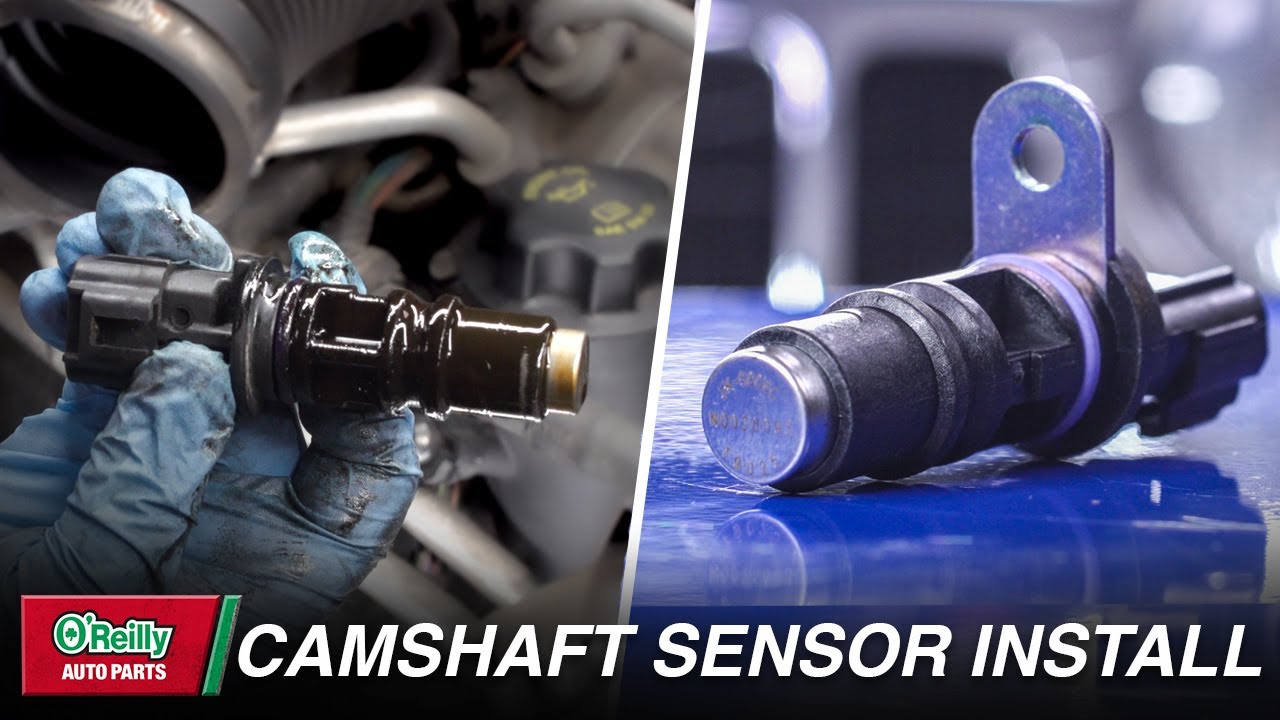
Most camshaft position sensor replacements take 30 minutes to 2 hours, depending on vehicle design and sensor accessibility.
For drivers across the United States, one of the most common questions after a check engine light appears is how long to replace camshaft position sensor components. In many vehicles, the repair is straightforward and can be completed in less than an hour. However, some engines require additional disassembly, which increases labor time.
The actual replacement time depends on the sensor location, engine layout, corrosion, and whether diagnostic testing is needed before installation. Understanding these factors helps you estimate repair costs, downtime, and whether a DIY repair is realistic.
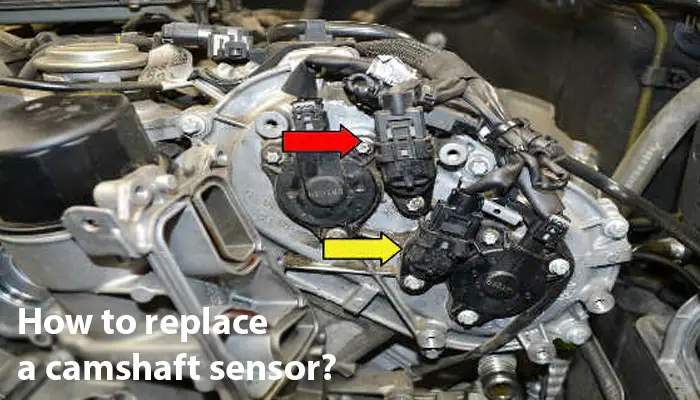
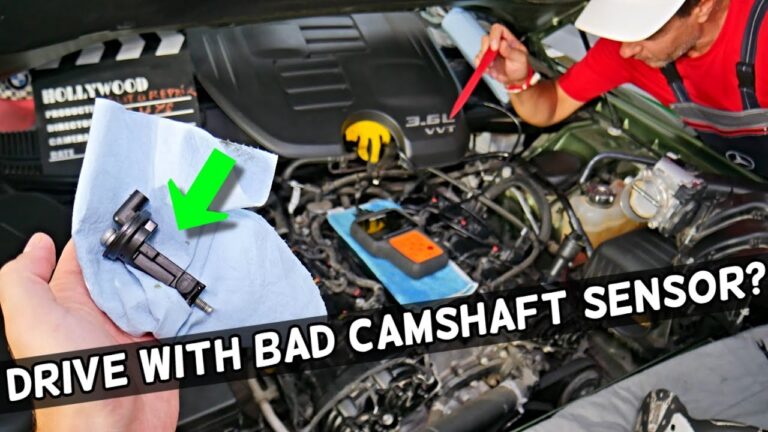
Source: hitchesguide.com
How Long Does It Take to Replace a Camshaft Position Sensor?
The average repair takes between 30 minutes and 2 hours. Many modern vehicles place the sensor near the cylinder head or timing cover, making access relatively easy.
Some vehicles require removal of engine covers, intake components, or other accessories before the sensor can be reached. These extra steps increase labor time significantly.
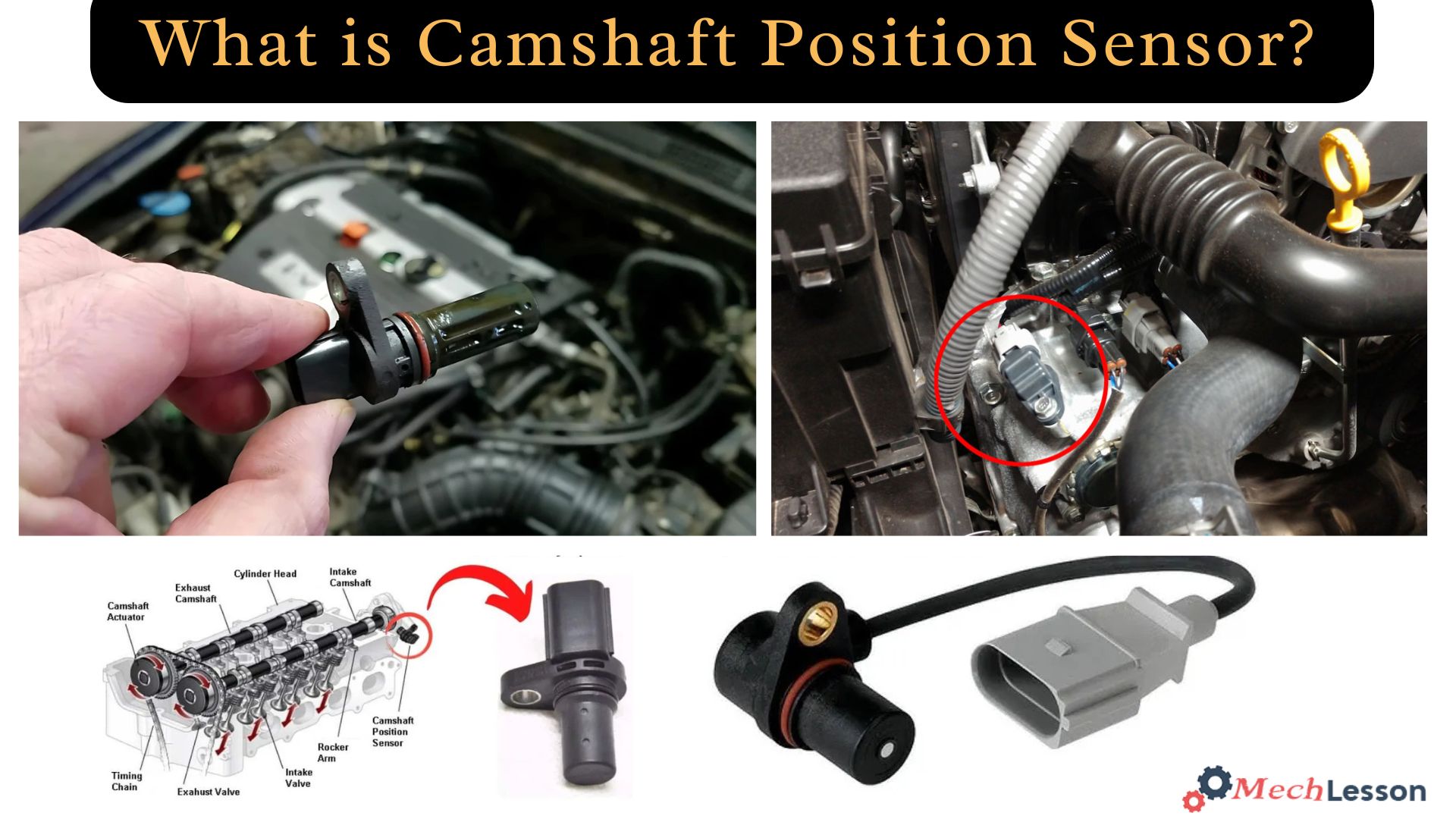
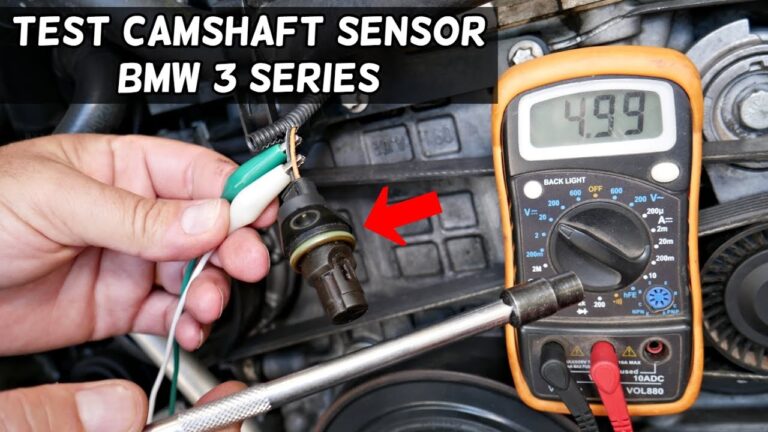
Source: mechlesson.com
Easy access
Approximately 30 to 45 minutes.
Moderate access
Typically 1 to 1.5 hours.
Difficult access
Can take 2 hours or more.
Why Repair Times Vary
Vehicle manufacturers position sensors differently. A sensor mounted on top of the engine is much faster to replace than one hidden behind multiple components.
Vehicle model
Different engine designs require different levels of disassembly.
What Does a Camshaft Position Sensor Do?
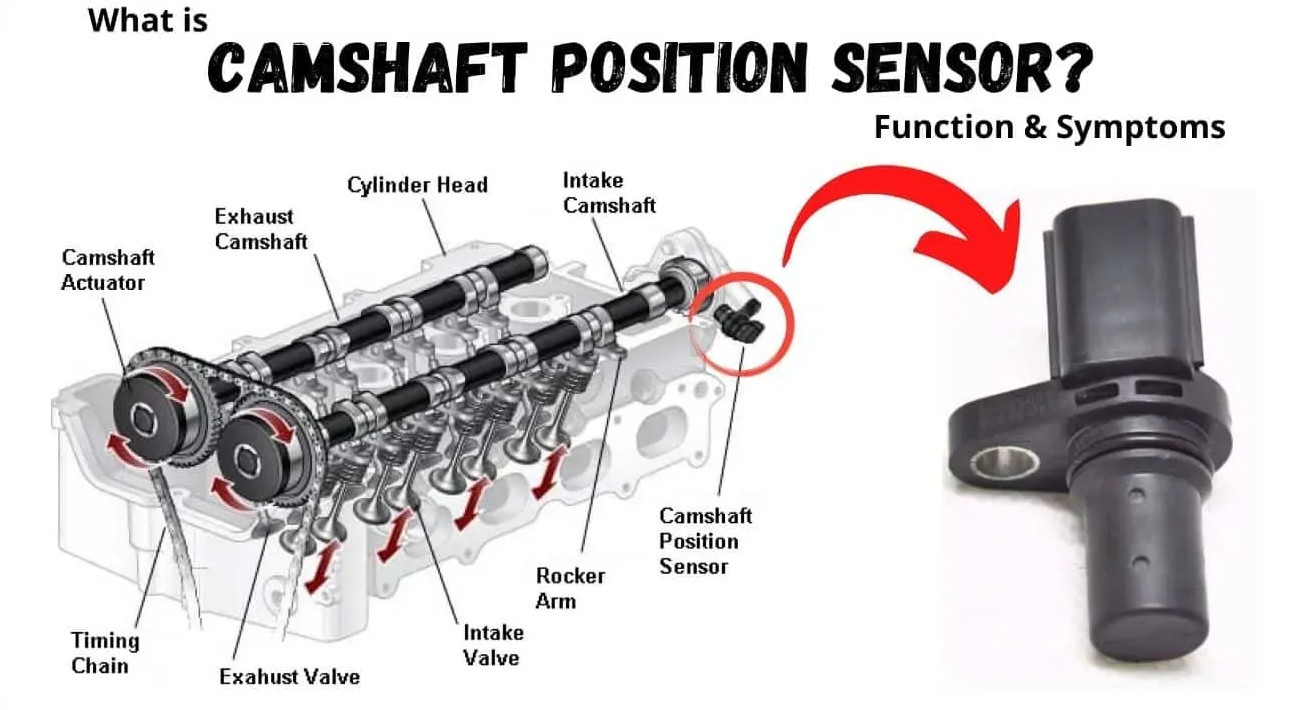
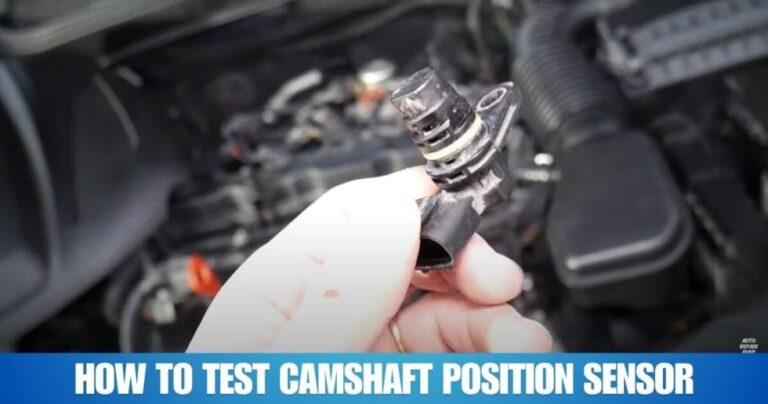
The camshaft position sensor monitors the rotational position of the camshaft and sends data to the engine control module. The computer uses this information to manage fuel injection and ignition timing.
When the sensor fails, the engine may struggle to start, run roughly, or trigger a check engine light.
Source: obdtech.co.nz
Tracks camshaft position
Provides timing information to the engine computer.
Supports fuel delivery
Helps optimize injector operation.
Supports ignition timing
Allows efficient engine performance.
Common Symptoms of Failure
A faulty sensor often causes drivability issues before complete failure occurs.
Check engine light
One of the most common warning signs.
Hard starting
The engine may crank longer than normal.
Factors That Affect Replacement Time
Several variables determine how long to replace camshaft position sensor components. The sensor location is usually the biggest factor.
Technicians may also spend additional time confirming the diagnosis because wiring problems and timing issues can produce similar symptoms.
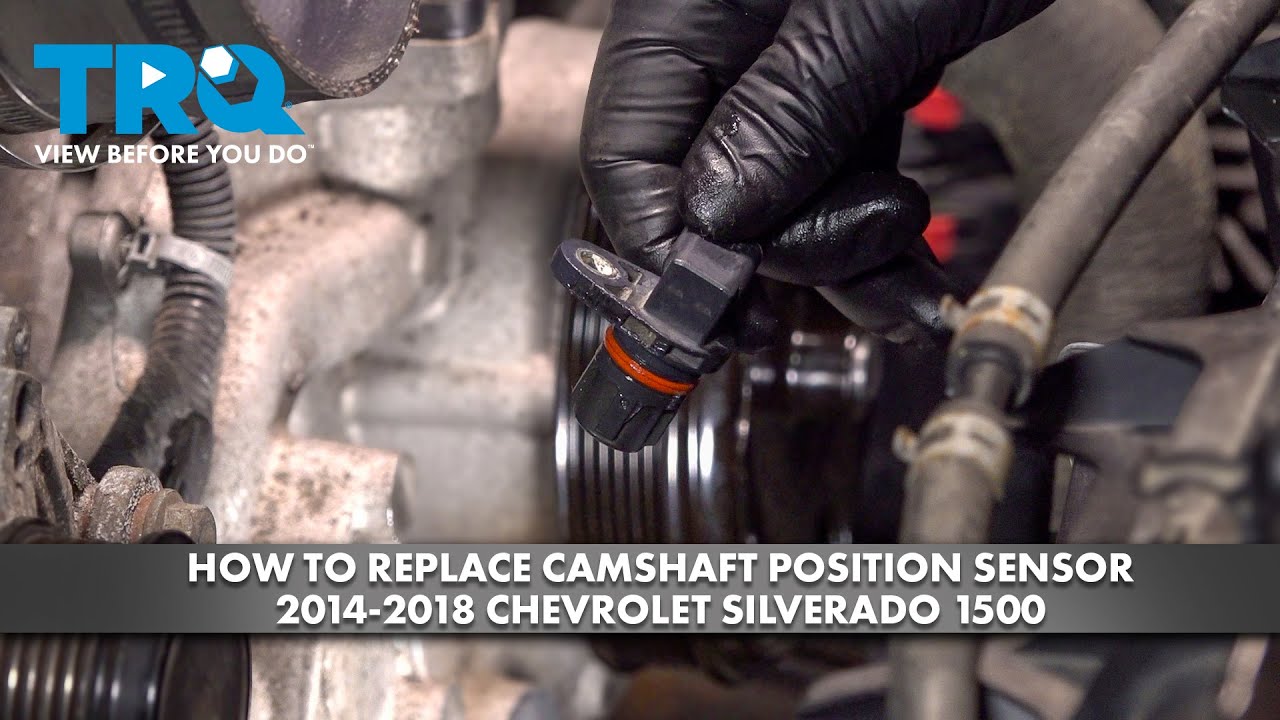
Source: 1aauto.com
Sensor location
Hidden sensors require more labor.
Rust and corrosion
Stuck fasteners slow the repair.
Diagnostic testing
Verifying the fault may add time.
Vehicles That Take Longer
Some V6, V8, and tightly packed transverse engines may require removal of surrounding parts before the sensor becomes accessible.
Complex engine bays
Additional disassembly increases labor hours.
Can You Replace the Sensor Yourself?
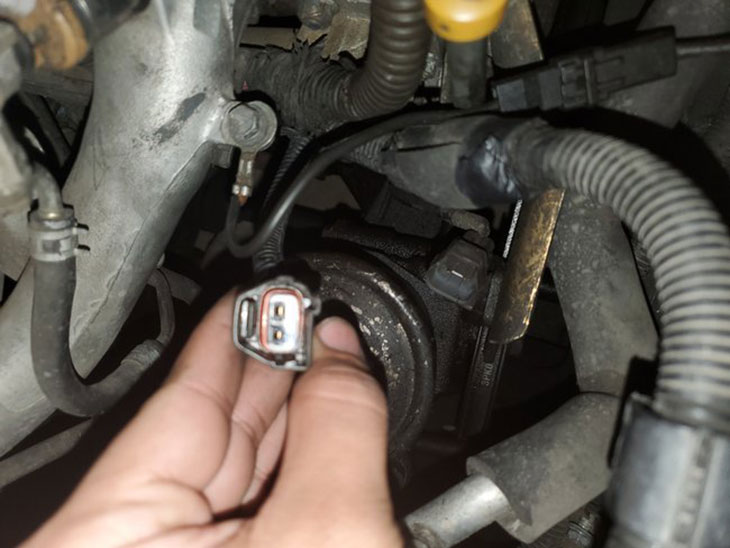
Many DIY mechanics can replace a camshaft position sensor using basic hand tools. The task is generally easier than many engine repairs because it usually involves a single electrical connector and retaining bolt.
Always disconnect the battery when recommended by the manufacturer and verify the exact sensor location before beginning work.
Source: hitchesguide.com
Basic tools
Socket set and screwdriver are often sufficient.
Moderate skill level
Suitable for many home mechanics.
Signs of a Successful Replacement
The engine starts normally, warning codes clear, and performance issues improve after installation.
No warning lights
Diagnostic trouble codes remain cleared.
Estimated Labor Cost and Repair Expectations
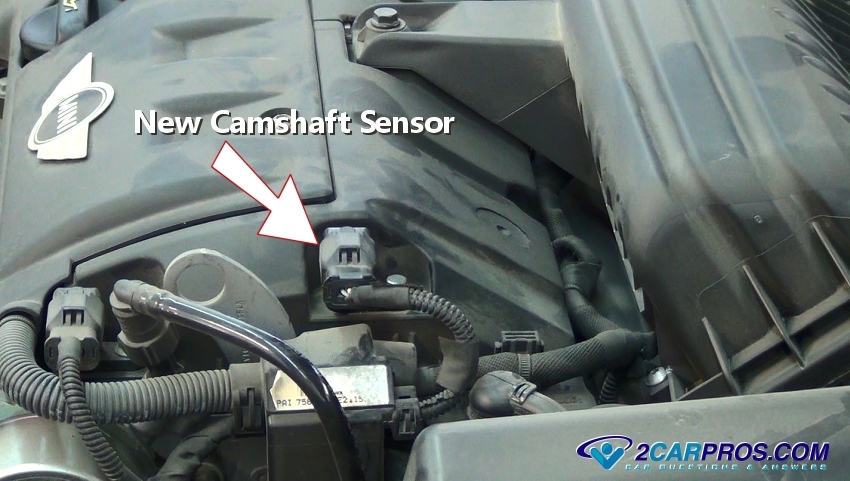
Labor charges depend on local shop rates and repair complexity. Since the sensor itself is usually inexpensive, labor often represents a large portion of the final bill.
A simple replacement may be completed during a routine service visit, while difficult-access engines may require a longer appointment.
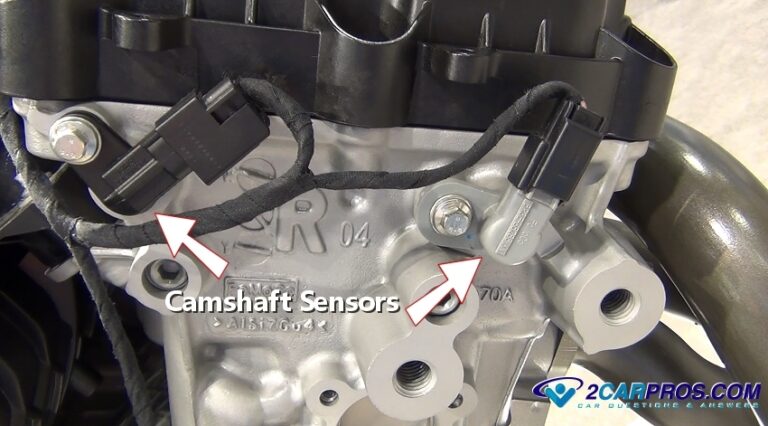
Source: 2carpros.com
Quick repair
Lower labor cost due to minimal disassembly.
Complex repair
Higher labor charges because of additional work.
When Professional Help Is Best
Seek professional diagnosis if symptoms remain after replacement or if engine timing-related faults are present.
Persistent codes
Additional testing may be required.
Frequently Asked Questions
Q
Can I drive with a bad camshaft position sensor?
Some vehicles can still run with a failing sensor, but performance may be reduced. Continuing to drive can increase the risk of stalling or hard starting.
Q
How much does it cost to replace a camshaft position sensor?
Costs vary by vehicle and labor rates. The sensor itself is often relatively affordable, while labor charges depend on accessibility.
Q
Do I need special tools to replace the sensor?
Most replacements require only basic hand tools. Some vehicles may need specialty sockets or additional tools for access.
Q
Will replacing the sensor turn off the check engine light?
If the sensor was the cause of the fault, the light may turn off after repairs and code clearing. Some vehicles require a drive cycle before the light resets.
Q
What happens if the new sensor does not fix the problem?
The issue may involve wiring, connectors, engine timing, or another sensor. Additional diagnostics are usually required.
✦ Wrapping Up
Conclusion
Understanding how long to replace camshaft position sensor components helps set realistic expectations for both repair time and cost. In most cases, the job takes between 30 minutes and 2 hours, with accessibility being the biggest factor.
Prompt replacement can restore proper engine performance, improve reliability, and prevent further drivability issues.
💡 Key Takeaway
Check your vehicle’s sensor location, obtain the correct replacement part, and plan for 30 minutes to 2 hours of repair time depending on access and diagnostic needs.
Ethan Brooks is an automotive writer at Auto News 7, covering car news, vehicle maintenance, new model updates, recalls, and practical buying guides. He focuses on clear, useful information that helps drivers understand their vehicles and make better ownership decisions.
Learn how to test camshaft position sensor wiring with a multimeter. Follow a safe step-by-step process to check power, ground, signal circuits, and common wiring faults.
Learn how to reset camshaft position sensor Ford vehicles after replacement or repairs. Follow safe troubleshooting steps, relearn procedures, and common fixes.
Learn how to replace camshaft position sensor connector wiring safely. Follow step-by-step instructions, tools needed, troubleshooting tips, and common mistakes to avoid.
Learn how to replace camshaft position sensor Nissan Pathfinder models with a clear step-by-step guide, required tools, troubleshooting tips, and common mistakes to avoid.
Learn how to test a BMW camshaft position sensor using a scan tool, multimeter, and practical troubleshooting steps. Diagnose faults, symptoms, and sensor failures accurately.