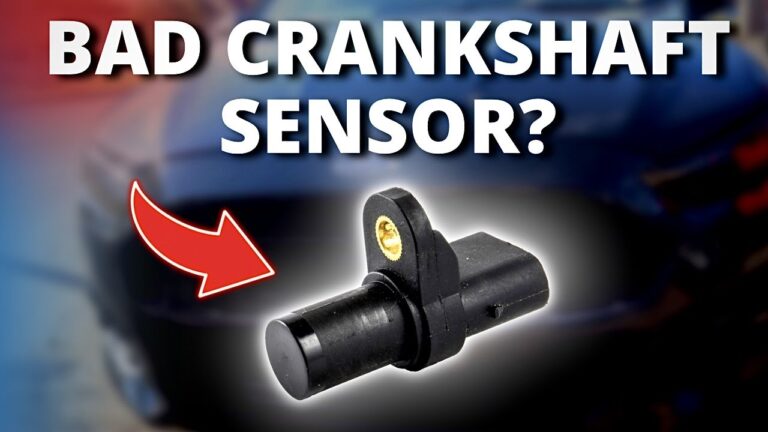
A bad crankshaft sensor can affect fuel delivery, but it does not usually power the fuel pump directly.
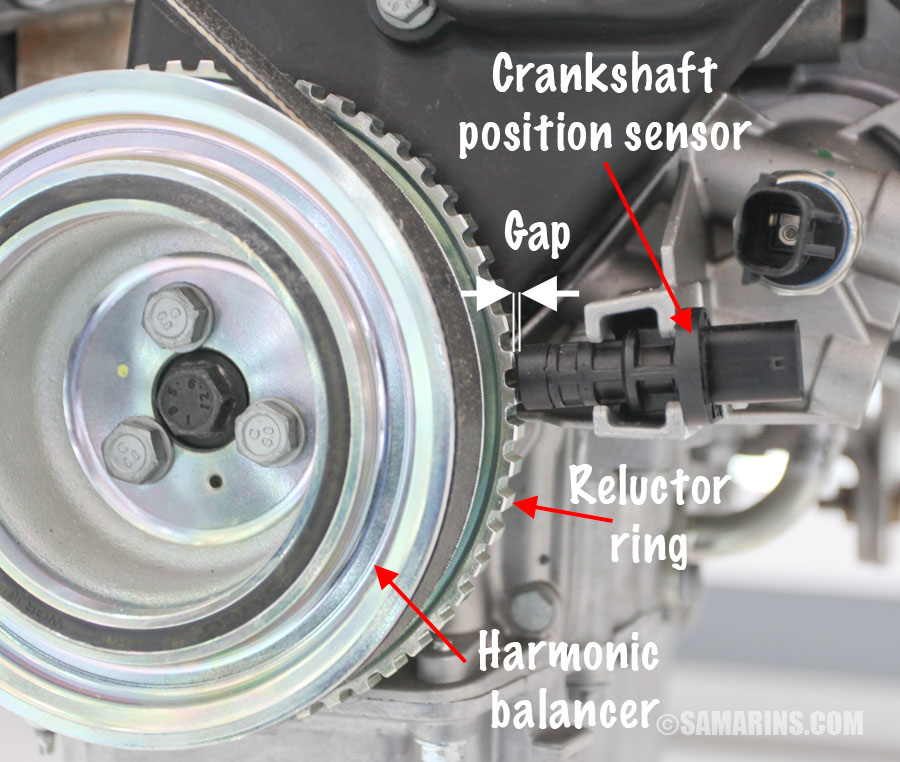
For drivers in the United States, the short answer to does crankshaft sensor affect fuel pump is yes, but usually through the engine computer rather than through a direct electrical connection. The crankshaft position sensor, often called the CKP sensor, reports crankshaft speed and position to the engine control module. The computer uses that information to manage engine timing and fuel delivery.
If the CKP sensor stops producing a usable signal, some vehicles may prevent normal fuel injection or change how the fuel system is controlled. On certain vehicles, the engine computer may also use the crankshaft signal as part of a safety strategy for controlling fuel-pump operation. However, the exact behavior varies by vehicle, engine, model year, and control-system design.
This distinction matters during diagnosis. A car that will not start does not automatically have a bad crankshaft sensor or a bad fuel pump. A failed pump, blown fuse, faulty relay, wiring problem, power or ground issue, immobilizer problem, or another sensor fault can produce similar symptoms.
Source: samarins.com
Does a Crankshaft Sensor Affect the Fuel Pump?
Yes, a crankshaft sensor can affect fuel-pump operation on some vehicles, but the relationship is normally indirect. The CKP sensor measures crankshaft position and rotational speed and sends that information to the engine control module. The control module then uses engine-speed information to manage fuel injection and other engine functions.
The fuel pump and crankshaft sensor are separate components. The pump moves fuel from the tank toward the engine, while the CKP sensor tells the computer how the engine is rotating. Because the engine computer controls many parts of the fuel and ignition systems, a missing CKP signal can produce symptoms that look like a fuel-system failure.
Vehicle designs differ. Some systems may operate the fuel pump briefly when the ignition is switched on and then continue pump operation when the computer detects engine rotation. Other systems use different strategies. That is why the wiring diagram and service information for the specific vehicle are more reliable than a universal rule.
Source: partsofacarengine.com
Direct pump control
The crankshaft sensor is not normally the component that supplies power to the fuel-pump motor. Fuel-pump power is typically controlled through electrical circuits involving a fuse, relay, fuel-pump module, or engine control module.
Indirect control
The CKP sensor can influence fuel-system behavior by providing the engine-speed and position information that the control module needs to manage engine operation.
Vehicle-specific behavior
The exact relationship between the CKP signal and fuel-pump control depends on the vehicle’s engine-management design, so diagnosis should follow the manufacturer’s circuit and test procedures.
Why the CKP Signal Matters
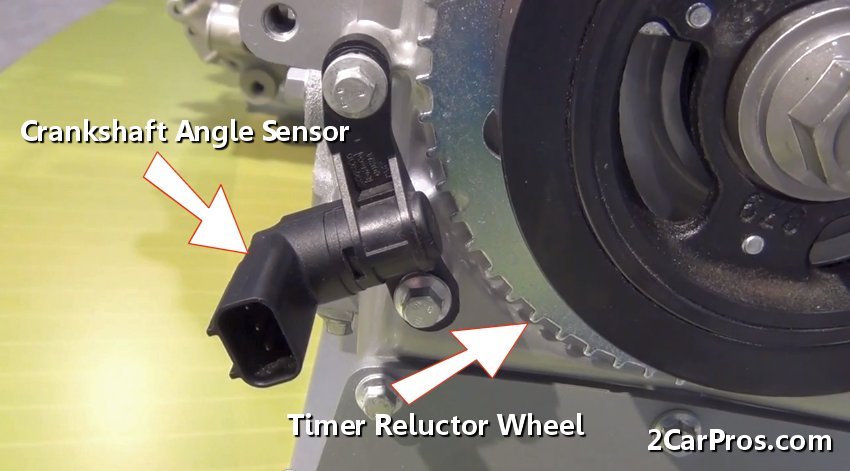
The engine computer needs to know whether and how quickly the crankshaft is turning. The CKP sensor provides that information. It also provides a reference for crankshaft position, which helps the computer coordinate fuel injection and ignition timing.
If the signal disappears while the engine is cranking, the computer may not know when to command fuel injection or ignition events correctly. A complete sensor failure can therefore result in an engine that cranks normally but does not start.
Engine speed
The sensor provides information about crankshaft rotation while the engine is being cranked or running.
Crankshaft position
The signal gives the control system a reference for the crankshaft’s position during the engine cycle.
Fuel and ignition control
The engine computer uses crankshaft information when determining fuel-injection and ignition timing.
How the Crankshaft Sensor and Fuel Pump Work Together
The crankshaft sensor and fuel pump perform different jobs, but both are part of the larger engine-management system. When you turn the key or press the start button, the vehicle’s control modules begin a sequence of checks and commands. Depending on the design, the fuel pump may run briefly to build fuel pressure before or during engine cranking.
Once the starter turns the engine, the CKP sensor detects crankshaft movement. The engine computer uses that signal to determine that the engine is rotating and to synchronize fuel injection and ignition with crankshaft position.
If the CKP signal is missing or implausible, the computer may not be able to control the engine normally. This can create a no-start condition even when the fuel pump itself is capable of producing pressure.
This is why two vehicles with the same symptom can have different faults. One vehicle may have a failed fuel pump, while another may have a CKP sensor problem that prevents the engine from operating even though the pump works.
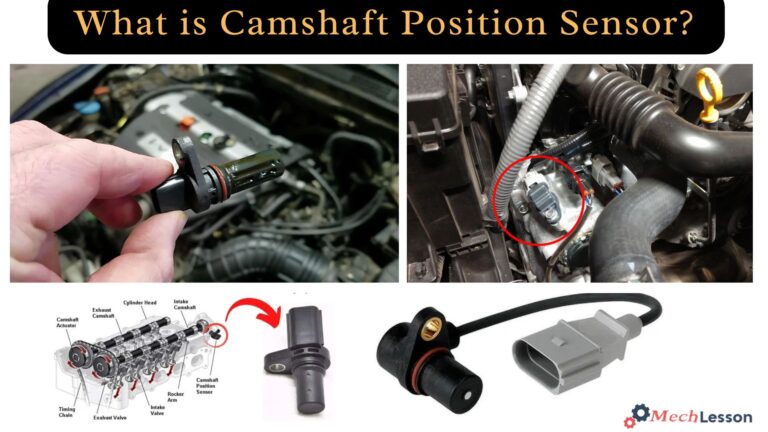
Source: mechlesson.com
Key on
The vehicle’s control system powers up and may command a short fuel-pump prime depending on the vehicle design.
Engine cranking
The starter turns the crankshaft, and the CKP sensor detects its movement and position.
Computer receives the signal
The engine control module uses CKP information as part of its engine-speed and timing calculations.
Fuel and spark are coordinated
The control system uses available engine-position information to coordinate fuel injection and ignition events.
Why a Bad CKP Sensor Can Look Like a Fuel Problem
A failed crankshaft sensor can cause a vehicle to crank without starting, which many drivers naturally associate with a lack of fuel. The same problem can also cause stalling, misfiring, uneven acceleration, or poor engine performance.
The important diagnostic question is not simply whether the fuel pump can be heard. The better question is whether the vehicle has the required crankshaft signal, fuel pressure, injector operation, and ignition signal during the starting attempt.
Crank but no start
The starter may turn the engine normally while the engine fails to run because the control system is missing a required position or speed signal.
Intermittent stalling
A CKP sensor or its wiring can sometimes fail intermittently, causing the engine to stop unexpectedly and then restart later.
Symptoms of a Bad Crankshaft Sensor That Can Be Mistaken for Fuel Pump Failure
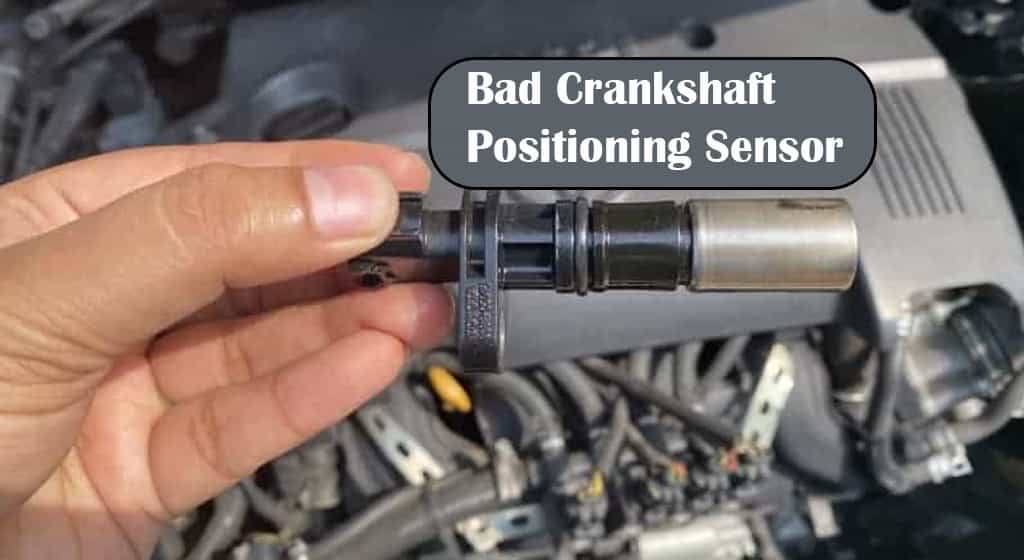
A faulty CKP sensor can create several symptoms that overlap with fuel-system problems. Difficulty starting, engine stalling, misfires, reduced performance, and an illuminated check engine light are all possible signs.
A particularly useful clue is a crank-no-start condition combined with an abnormal or missing engine-speed reading on a scan tool while the starter is turning the engine. However, scan-tool behavior varies by vehicle, and the absence of a displayed RPM value should be confirmed against the manufacturer’s diagnostic procedure.
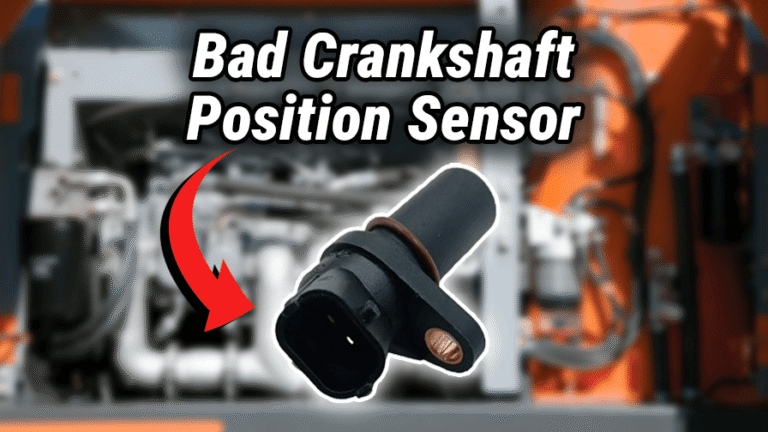
Do not replace the crankshaft sensor based on symptoms alone. A damaged connector, broken wire, poor ground, reluctor-wheel problem, incorrect sensor installation, or another engine-management fault can produce similar results.
Source: mechstudies.com
Hard starting
The engine may take longer to start or may crank without starting when the CKP signal is missing or unreliable.
Unexpected stalling
An intermittent loss of the crankshaft signal can cause the engine to stop running.
Misfires or rough operation
Incorrect or unstable crankshaft information can interfere with normal engine timing and operation.
Check engine light
The engine computer may store a diagnostic trouble code when it detects a crankshaft-position or engine-speed signal problem.
Poor performance
An unreliable crankshaft signal can affect engine control and may result in reduced performance or fuel economy.
Symptoms That Point More Directly to a Fuel Pump Problem
Fuel-pressure testing is more useful than sound alone when determining whether the fuel pump is working correctly. A weak pump may run but fail to produce the pressure required by the engine. A completely failed pump may produce no pressure at all.
Other fuel-system faults can create the same low-pressure symptom. A clogged filter or strainer, restricted fuel line, faulty fuel-pump module, wiring problem, or inadequate power and ground can all interfere with fuel delivery.
Low fuel pressure
A pressure test that is below the manufacturer’s specification can indicate a fuel-delivery problem, but the entire fuel circuit should be checked.
No pump power
If the pump is not receiving the required voltage and ground, replacing the pump may not solve the problem.
Pump operates but pressure is low
A running pump can still be weak, restricted, or unable to meet the specified fuel-pressure requirement.
How to Diagnose a Crankshaft Sensor or Fuel Pump Problem
Start with basic checks before replacing either component. Confirm the exact symptom, scan the vehicle for diagnostic trouble codes, and inspect the related wiring and connectors. Then determine whether the engine computer is receiving a usable crankshaft signal during cranking.
If the engine cranks but does not start, check whether the scan tool shows engine RPM while the starter is operating. On many vehicles, a missing RPM signal can provide an important clue toward a CKP circuit problem, although it is not by itself proof of a failed sensor.
Next, test the fuel system according to the vehicle manufacturer’s procedure. Determine whether the fuel pump receives the correct electrical supply and whether fuel pressure reaches the required specification. A pressure test is more informative than assuming the pump has failed because it is quiet or because the engine will not start.
For difficult or intermittent faults, an oscilloscope can show the CKP sensor waveform while the engine is cranking or running. This can help identify signal problems that a basic resistance or voltage check may miss.
Source: carsescort.com
1. Scan for trouble codes
Use a compatible scan tool to check for stored or pending codes and review available engine-speed data.
2. Check the CKP circuit
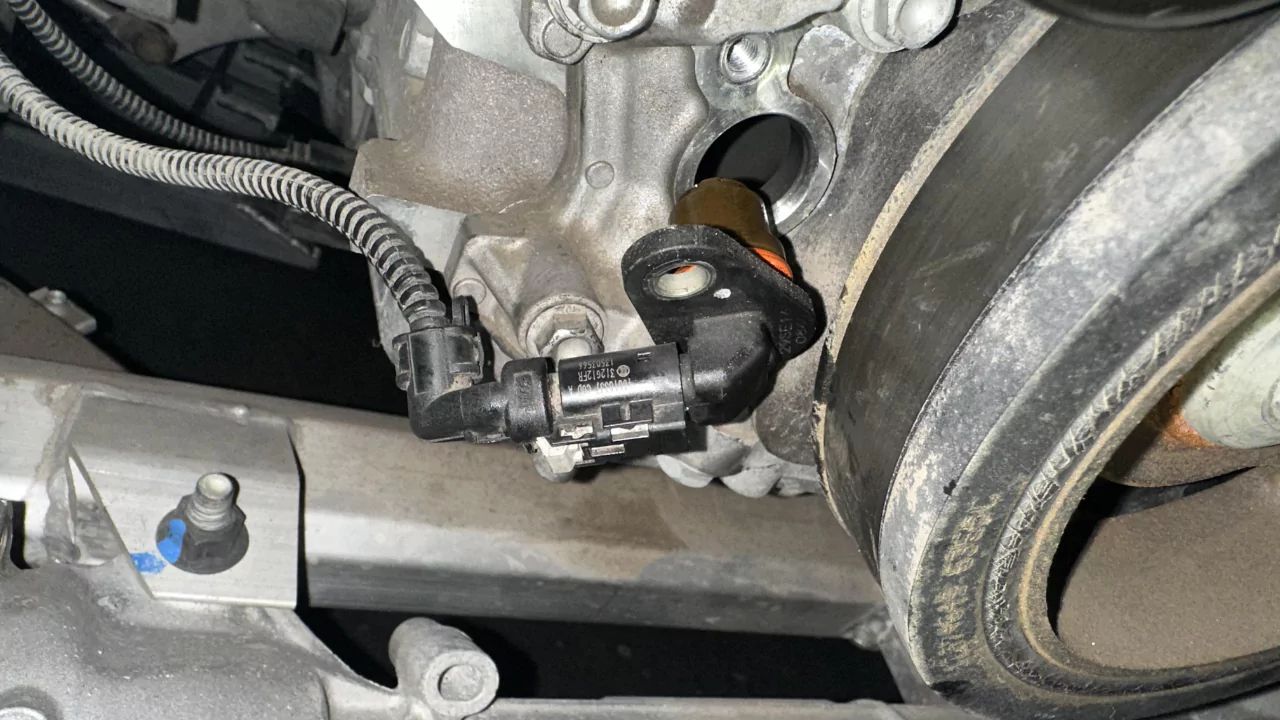
Inspect the sensor connector, wiring, power supply where applicable, ground circuits, and sensor installation for damage or contamination.
3. Watch engine RPM during cranking
Compare scan-tool RPM data with the manufacturer’s expected behavior while the starter turns the engine.
4. Test fuel-pump power
Check the relevant fuse, relay, wiring, ground, and pump-module circuits rather than assuming a silent pump is defective.
5. Measure fuel pressure
Use the correct fuel-pressure testing procedure and compare the result with the vehicle manufacturer’s specification.
6. Test the CKP signal
When required, use a multimeter or oscilloscope according to the sensor type and service procedure.
What Not to Do During Diagnosis
Do not repeatedly replace parts based only on symptoms. A crankshaft sensor code does not always mean the sensor itself has failed. The code can result from wiring, connector, mechanical timing, signal-wheel, or other circuit problems.
Do not assume that hearing the fuel pump proves that the fuel system is healthy. The pump can run while fuel pressure remains too low for the engine to start or operate correctly.
Use caution around gasoline. Fuel-system testing can expose you to pressurized fuel and flammable vapors. Follow the vehicle service manual and appropriate shop-safety procedures, and have a qualified technician perform tests that require specialized equipment or create significant fire or injury risks.
Avoid parts swapping
Test the suspected circuit and component before purchasing replacement parts.
Use vehicle-specific specifications
Fuel pressure, electrical values, sensor tests, and relearn procedures can differ substantially between vehicles.
Consider professional diagnosis
If the vehicle has an intermittent no-start, difficult-to-access fuel components, or complex electrical faults, professional diagnostic equipment can save time and prevent unnecessary repairs.
Can a Bad Crankshaft Sensor Stop the Fuel Pump From Running?
It can on some vehicles, but there is no universal rule that a bad crankshaft sensor will stop every fuel pump from running. The fuel-pump control strategy depends on the vehicle’s engine computer, fuel-pump relay or module, wiring, and safety logic.
Many vehicles perform an initial fuel-pump prime when the ignition is switched on. During cranking and running, the control system can use engine-speed information to determine how the pump should operate. If the CKP signal is missing, the computer may not permit continued fuel-pump operation on a vehicle designed that way.
Other vehicles may continue to command the pump under conditions that differ from this general pattern. Therefore, the correct answer for a specific car comes from its wiring diagram and factory service information rather than from a generic statement about crankshaft sensors.
Source: 2carpros.com
Pump does not run at key-on
Check the vehicle’s normal prime strategy first. Some systems may not produce an audible prime under every operating condition.
Pump runs briefly
A brief pump operation can be normal and does not by itself prove that the CKP sensor or fuel pump is defective.
Pump stops during cranking
Check the CKP signal, fuel-pump control circuit, relay or module, power supply, ground, and relevant security or control-system inputs.
Pump runs but engine does not start
Check fuel pressure, injector operation, ignition, engine-speed data, and other starting requirements instead of focusing on the pump alone.
Why Vehicle Model and Year Matter
Fuel-pump control systems have changed across vehicle generations. Some use conventional relays, while newer vehicles may use dedicated fuel-pump control modules or pulse-width-controlled systems. The engine computer may also communicate with other modules before allowing normal fuel-system operation.
For that reason, a diagnostic procedure that is correct for one American-market vehicle may be incorrect for another. Always identify the exact year, make, model, engine, and drivetrain before interpreting a wiring diagram or electrical measurement.
Engine configuration
Different engines can use different sensor locations, signal patterns, and control strategies.
Model year
Electrical architecture can change between model years even when the vehicle name remains the same.
Factory procedure
Manufacturer service information provides the correct test sequence and specifications for the particular vehicle.
Crankshaft Sensor vs. Fuel Pump: Which Part Is More Likely to Be Faulty?
Neither component can be identified as the cause from a no-start symptom alone. A crankshaft sensor problem often produces a missing or unreliable engine-speed signal, while a fuel-pump problem is more directly associated with inadequate fuel pressure or a failure in the pump’s electrical circuit.
The most useful distinction is what the tests show. If the engine computer does not receive a valid CKP signal during cranking, investigate the sensor and its circuit. If the CKP signal is present but fuel pressure is below specification, investigate the fuel-delivery system.
It is also possible for two faults to exist at the same time. For example, a vehicle could have a weak fuel pump and a damaged crankshaft-sensor connector. Testing each system prevents one problem from hiding another.
Source: mechstudies.com
Evidence for a CKP problem
A missing or abnormal crankshaft signal, related diagnostic codes, wiring faults, or a sensor waveform outside the manufacturer’s specification can support a CKP diagnosis.
Evidence for a fuel-pump problem
Incorrect fuel pressure combined with verified pump power, ground, and control signals can point toward the pump or another fuel-delivery component.
Evidence for another fault
Normal CKP data and normal fuel pressure mean the diagnosis should expand to ignition, injector control, immobilizer, mechanical timing, air supply, or other starting requirements.
A Simple Diagnostic Decision Path
For a crank-no-start complaint, begin by confirming that the engine actually turns at normal cranking speed. Then check scan data and diagnostic codes, followed by CKP signal verification and fuel-pressure testing. This approach separates the engine-position problem from the fuel-delivery problem instead of treating them as the same fault.
If the engine starts and then stalls intermittently, capture data while the problem occurs whenever possible. Intermittent CKP failures can be difficult to prove after the engine has cooled or the electrical connection has temporarily recovered.
Engine does not crank
Investigate the battery, starter, starting circuit, and related electrical systems before diagnosing the CKP sensor or fuel pump.
Engine cranks with no start
Check engine-speed data, CKP signal, fuel pressure, ignition, injector control, and other required starting conditions.
Engine starts and stalls
Check for intermittent CKP or fuel-pressure loss while the fault is actually occurring.
Low fuel pressure with valid CKP data
Focus on the fuel-pump circuit and fuel-delivery components.
Frequently Asked Questions
Q
Can a bad crankshaft sensor cause a fuel pump not to work?
Yes, a bad crankshaft sensor can contribute to fuel-pump control problems on some vehicles because the engine computer may use the crankshaft signal when deciding how to operate the fuel system. However, the CKP sensor does not normally provide direct electrical power to the pump.
The exact behavior depends on the vehicle. Check the factory wiring diagram and diagnostic procedure before concluding that a missing pump command is caused by the CKP sensor.
Q
Will a car start with a bad crankshaft sensor?
A completely failed crankshaft sensor can prevent an engine from starting because the engine computer may lose the speed and position information required for normal engine control. Some intermittent sensor faults can allow the vehicle to start and run before causing stalling or a later no-start.
The starting behavior depends on the vehicle’s engine-management system and the type of sensor failure.
Q
Can a bad crankshaft sensor cause low fuel pressure?
A bad CKP sensor does not normally create low fuel pressure mechanically. Low pressure is more directly associated with the fuel pump, fuel filter or strainer, fuel lines, pressure regulator, fuel-pump module, or related electrical problems.
A CKP problem can prevent the engine from running or can affect fuel-system control, which may make the situation look like a fuel-pressure problem. Actual fuel pressure should be measured before replacing parts.
Q
How can I tell if the crankshaft sensor or fuel pump is bad?
Test both systems instead of relying on symptoms. A scan tool can help determine whether the engine computer sees crankshaft speed during cranking, while a fuel-pressure test can determine whether the fuel system reaches the required pressure.
Also check the fuel-pump fuse, relay or control module, power supply, ground, wiring, CKP connector, and sensor signal. These tests help distinguish a failed component from a circuit or control problem.
Q
Does a crankshaft sensor control the fuel pump?
The crankshaft sensor itself does not normally switch the fuel-pump motor on and off. It sends crankshaft speed and position information to the engine computer.
The computer may use that information as part of the fuel-pump control strategy, depending on the vehicle. That is why the sensor can affect fuel-pump operation without directly controlling the pump electrically.
Q
Should I replace the fuel pump if my car cranks but will not start?
Not without testing first. A crank-no-start can result from a failed CKP sensor, fuel-pressure problem, ignition fault, injector-control problem, immobilizer issue, mechanical timing problem, or another engine-management fault.
Checking diagnostic codes, engine RPM during cranking, CKP signal, fuel pressure, and pump-circuit power can prevent an unnecessary fuel-pump replacement.
✦ Wrapping Up
Conclusion
The answer to does crankshaft sensor affect fuel pump is yes in some vehicle systems, but usually indirectly. The CKP sensor tells the engine computer how fast and where the crankshaft is turning, and the computer uses that information for fuel injection, ignition timing, and, on some vehicles, fuel-pump control.
A no-start or silent fuel pump does not prove that the crankshaft sensor has failed. The correct diagnosis requires checking the CKP signal, fuel-pump circuit, fuel pressure, wiring, power, grounds, and applicable diagnostic codes according to the vehicle’s service information.
If you are diagnosing a U.S.-market vehicle, identify the exact year, make, model, and engine before testing. Vehicle-specific wiring diagrams and specifications are essential because fuel-pump control strategies vary.
💡 Key Takeaway
If the engine cranks but will not start, check for a valid crankshaft signal and measure fuel pressure before replacing the crankshaft sensor or fuel pump.
Ethan Brooks is an automotive writer at Auto News 7, covering car news, vehicle maintenance, new model updates, recalls, and practical buying guides. He focuses on clear, useful information that helps drivers understand their vehicles and make better ownership decisions.
Learn what a camshaft position sensor looks like, where it is located, how to identify it, and how it differs from other engine sensors. Includes photos, features, and troubleshooting tips.
Learn whether a camshaft sensor is covered under a powertrain warranty, what affects coverage, common exceptions, and how to file a warranty claim in the United States.