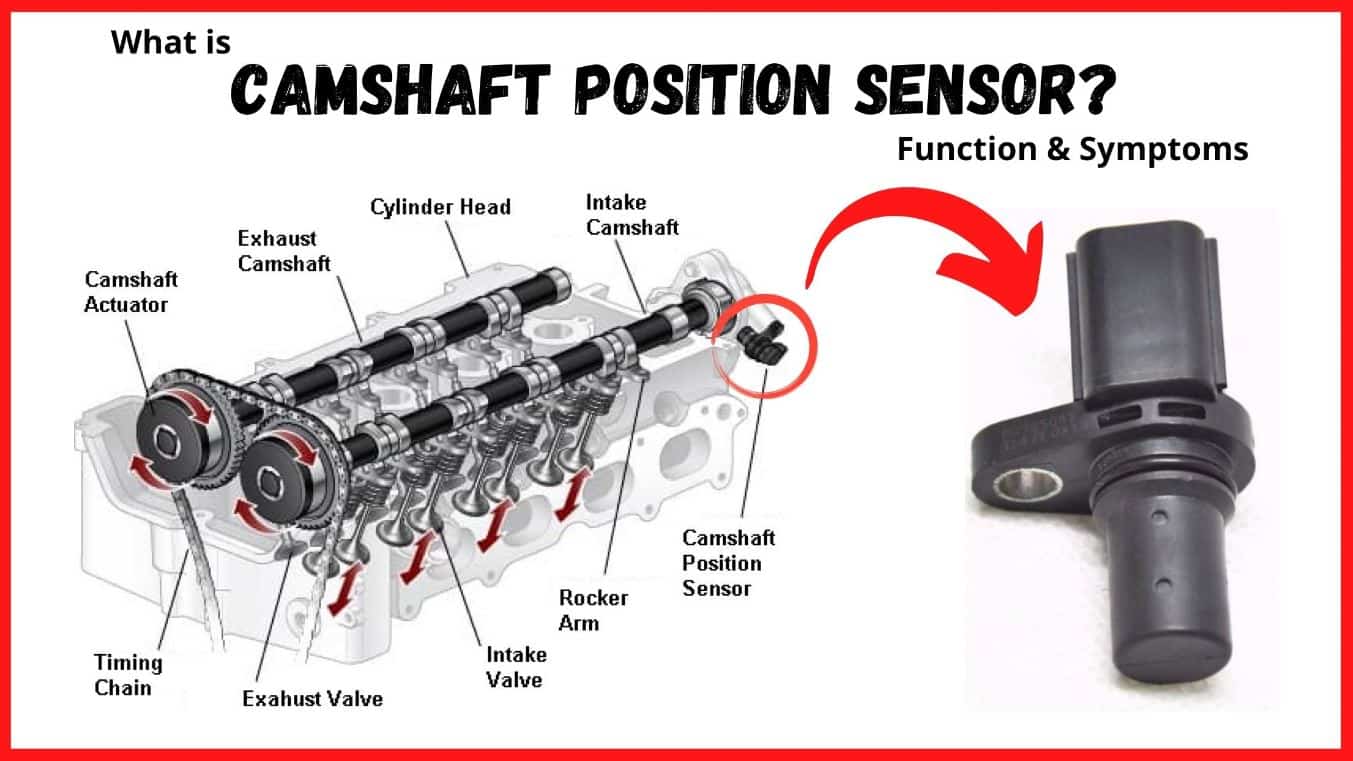
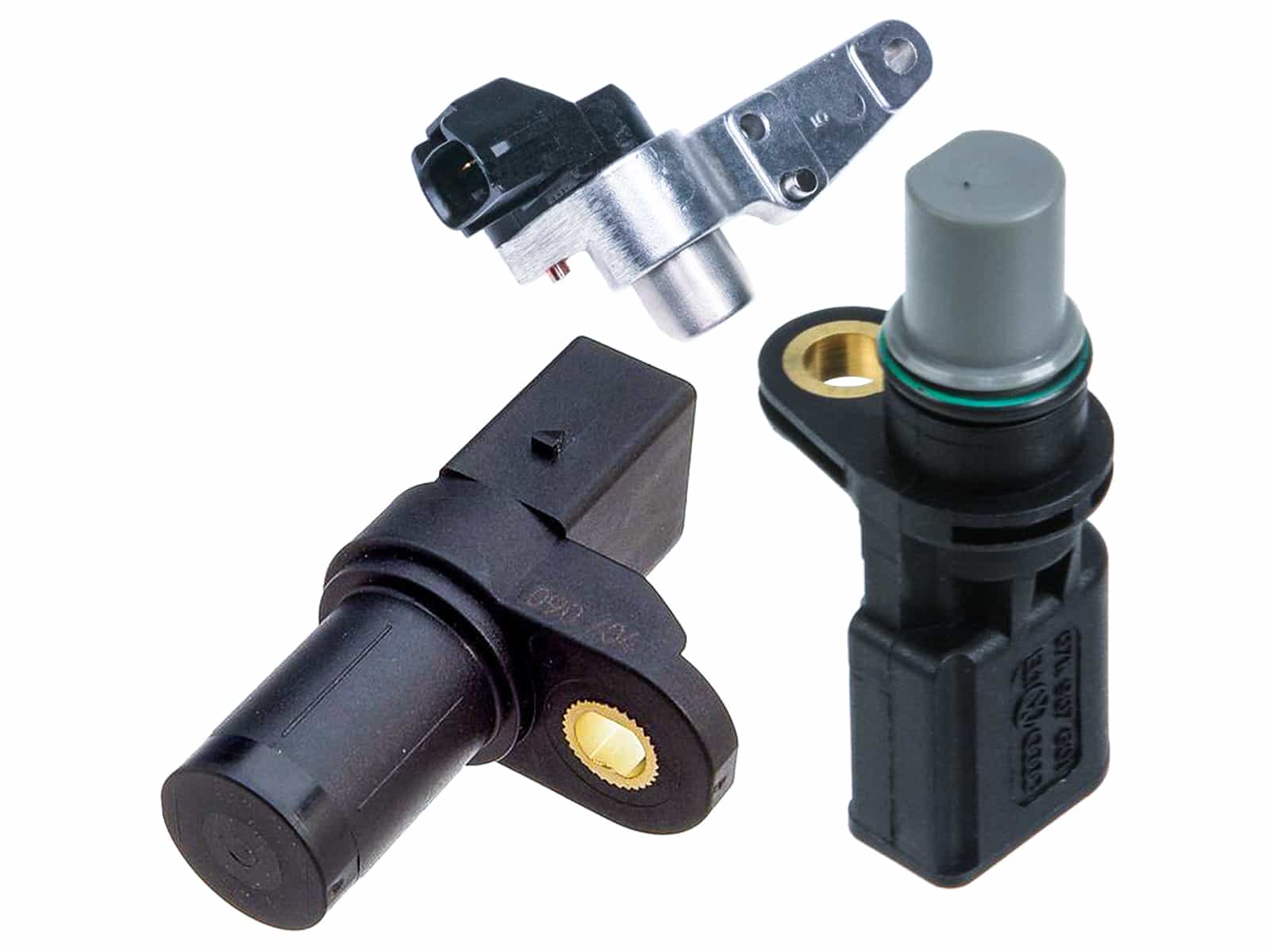
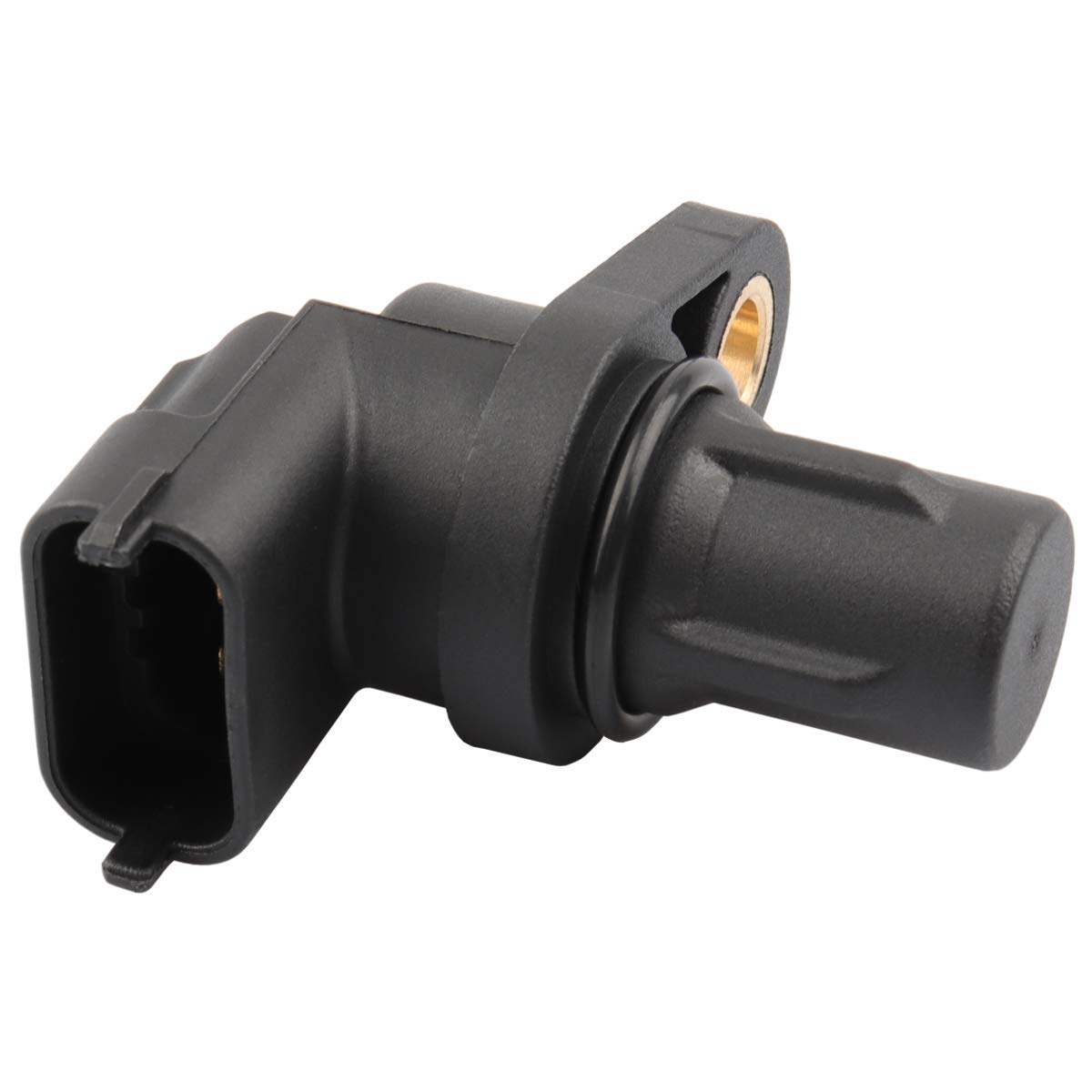
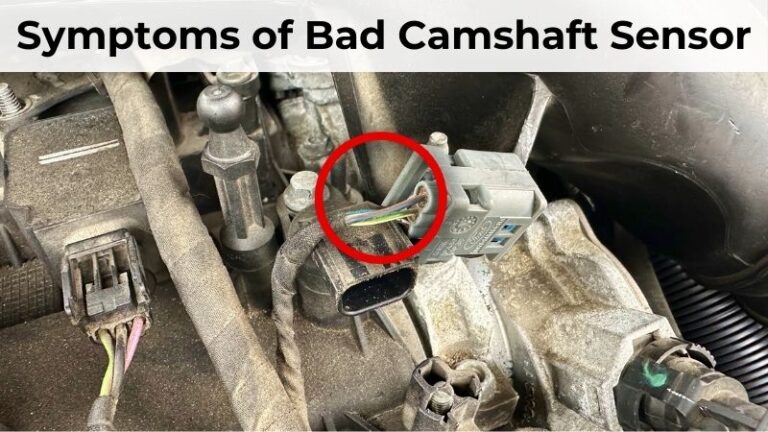
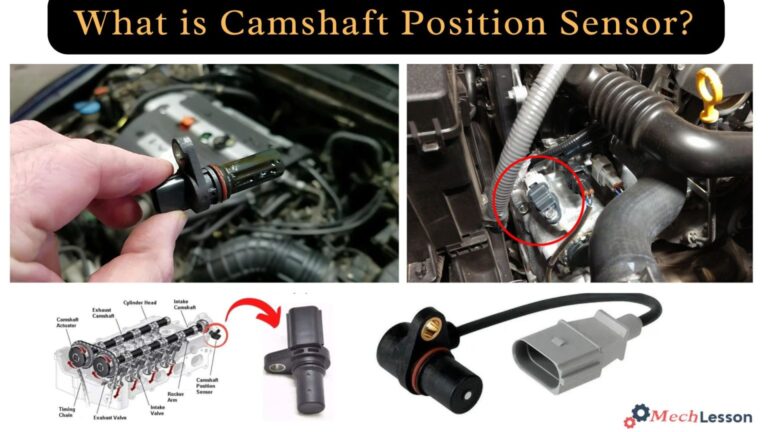
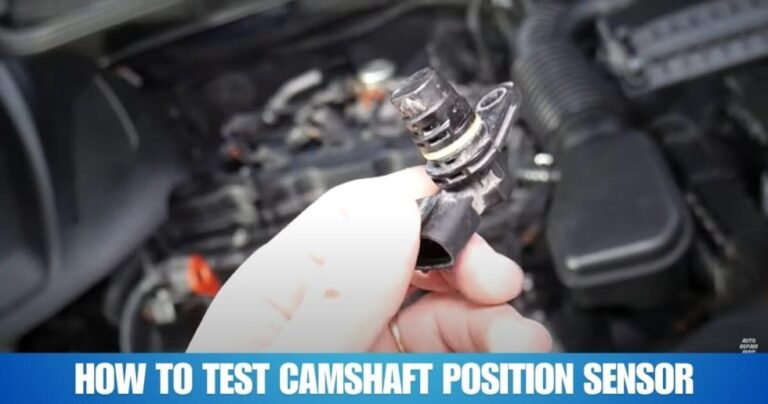
A camshaft position sensor is usually a small plastic electronic sensor with a wiring connector and a mounting tab that bolts to the engine.
Across the United States, millions of gasoline-powered vehicles use a camshaft position sensor to help the engine control module monitor camshaft rotation and timing. If you are trying to identify one under the hood, it is typically a compact black or gray component attached near the cylinder head, timing cover, or camshaft area.
The exact shape varies by manufacturer, but most camshaft position sensors share common features. They usually have an electrical connector with two to four wires, a plastic sensor body, and one mounting hole or bracket. Understanding these visual clues makes it easier to locate, inspect, or replace the sensor.
Source: detroitchinatown.org
What Does a Camshaft Position Sensor Look Like?
If you are asking what does a camshaft position sensor look like, the simplest answer is that it resembles a small electronic probe attached to the engine. Most versions are between 2 and 5 inches long and are made from heat-resistant plastic.
One end contains the sensing element that reads the camshaft position. The other end includes an electrical connector that links the sensor to the vehicle’s computer. Some models are cylindrical, while others have a rectangular or angled housing.
Manufacturers design sensors differently, but they generally remain easy to recognize because they have a wiring harness connection and are secured directly to an engine component.
Source: hitchesguide.com
Plastic housing
Protects the electronic sensing components.
Electrical connector
Allows communication with the engine control module.
Mounting tab
Secures the sensor with one or more bolts.
Common colors and materials
Most camshaft position sensors are black, gray, or dark brown. Manufacturers typically use durable plastics and metal inserts designed to withstand engine heat and vibration.
Black plastic
Most common appearance on modern vehicles.
Metal tip
Found on some designs near the sensing element.
Where Is the Camshaft Position Sensor Located?
The sensor is usually mounted close to the camshaft so it can accurately monitor camshaft position and rotation speed. Its location varies depending on engine design.
On many vehicles, you can find it near the cylinder head, timing cover, valve cover area, or at the front or rear of the engine. Some engines use more than one camshaft position sensor.
Checking a repair manual for your specific make and model is the fastest way to locate the exact sensor.
Source: vehiclesdetail.com
Front-mounted engines
Often place the sensor near the timing cover.
Dual overhead cam engines
May use separate sensors for intake and exhaust camshafts.
V-type engines
Can have sensors on each cylinder bank.
Why location matters
The sensor must sit close enough to a trigger wheel or camshaft target to detect rotational position accurately. Even a small alignment issue can affect engine performance.
Accurate timing
Helps coordinate fuel injection and ignition events.
How to Identify a Camshaft Position Sensor Under the Hood
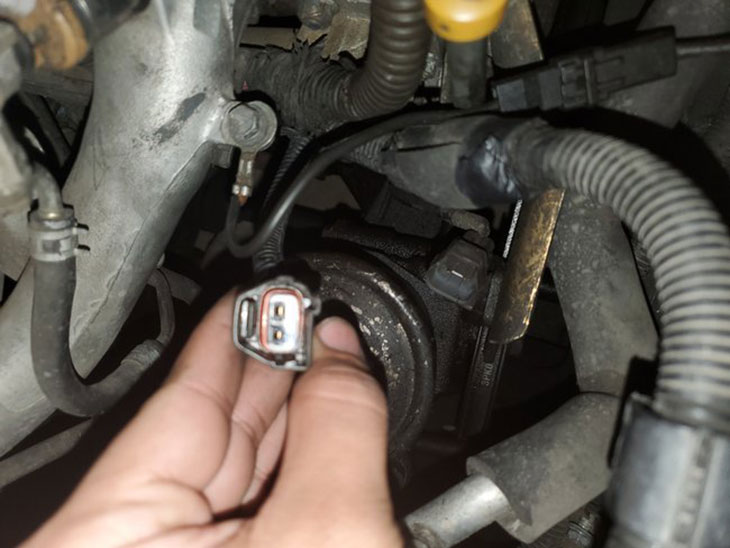
Many vehicle owners confuse the camshaft position sensor with other engine sensors. The easiest way to identify it is by following the wiring harness near the camshaft area.
Look for a compact sensor attached with a bolt and connected to a small electrical plug. It is generally positioned close to rotating engine components rather than mounted on intake tubing or exhaust parts.
If you are unsure, compare the sensor shape with your vehicle’s service information before removing any components.
Source: godigit.com
Check the connector
Most units have a dedicated plug with multiple wires.
Look near the camshaft
The sensor must be mounted close to the component it monitors.
Verify part numbers
Manufacturer markings can confirm identification.
Tools that can help
A flashlight, inspection mirror, and repair guide can make identification much easier, especially on crowded engine bays.
Flashlight
Improves visibility around engine components.
Camshaft Position Sensor vs Other Engine Sensors
Several sensors under the hood may look similar. The crankshaft position sensor is often confused with the camshaft position sensor because both are small electronic devices connected to the engine computer.
However, the camshaft position sensor specifically monitors camshaft rotation. Oxygen sensors, temperature sensors, and pressure sensors are usually located in different areas and often have different connector styles.
Location and function are the most reliable ways to distinguish these components.
Source: bestgearreviews.org
Camshaft position sensor
Tracks camshaft position and timing.
Crankshaft position sensor
Tracks crankshaft rotation and engine speed.
Oxygen sensor
Monitors exhaust gases.
Visual comparison tips
Sensor location is often more useful than shape alone because many automotive sensors use similar housings.
Use location
Determine which engine component the sensor monitors.
Signs the Camshaft Position Sensor May Be Failing
Knowing what the sensor looks like can help you inspect it when diagnosing engine problems. A damaged housing, broken connector, or oil contamination may indicate trouble.
A failing sensor can affect ignition timing and fuel delivery. Drivers may notice difficult starting, engine hesitation, rough idling, reduced fuel economy, or a check engine light.
Visual inspection is helpful, but proper diagnosis often requires a scan tool and electrical testing.
Source: 2carpros.com
Check engine light
Common symptom of sensor-related faults.
Hard starting
The engine may struggle to determine correct timing.
Poor performance
Engine operation may become inconsistent.
When to seek professional help
If diagnostic trouble codes persist or the vehicle stalls unexpectedly, a qualified technician should perform further testing to identify the exact cause.
Persistent fault codes
May indicate wiring or computer-related issues.
Frequently Asked Questions
Q
Is a camshaft position sensor easy to recognize?
Yes. Most are small plastic sensors with an electrical connector and a mounting point attached to the engine near the camshaft.
Q
Can a vehicle have more than one camshaft position sensor?
Yes. Many modern engines use multiple camshaft position sensors, especially dual overhead cam and V-type engine designs.
Q
What color is a camshaft position sensor?
Most sensors are black or gray, although color can vary by manufacturer and vehicle model.
Q
Can I drive with a bad camshaft position sensor?
Some vehicles may continue running, but performance problems, stalling, or hard starting can occur. Diagnosis and repair should not be delayed.
Q
How do I confirm I found the correct sensor?
Check the vehicle repair manual, wiring diagrams, or manufacturer service information to verify the sensor’s location and part number.
✦ Wrapping Up
Conclusion
If you have been wondering what does a camshaft position sensor look like, it is typically a small plastic electronic device with a wiring connector and mounting tab installed near the camshaft area of the engine.
While designs vary between manufacturers, the sensor’s compact size, electrical connection, and location near timing components make it easier to identify. Understanding its appearance can help with inspections, diagnostics, and maintenance decisions.
💡 Key Takeaway
Locate the sensor using your vehicle’s service information, compare its appearance with known examples, and inspect it carefully if you experience engine performance problems.
Ethan Brooks is an automotive writer at Auto News 7, covering car news, vehicle maintenance, new model updates, recalls, and practical buying guides. He focuses on clear, useful information that helps drivers understand their vehicles and make better ownership decisions.
Learn how to replace camshaft position sensor bank 1 with a clear step-by-step process, required tools, troubleshooting tips, and safety advice for DIY vehicle owners in the USA.
Learn how to reset camshaft position sensor Ford vehicles after replacement or repairs. Follow safe troubleshooting steps, relearn procedures, and common fixes.
Learn whether there is a fuse for a camshaft position sensor, where to find it, how to diagnose related electrical problems, and what to check before replacing the sensor.
Learn how many ohms a camshaft sensor should have, why resistance varies by sensor type, and how to test a camshaft position sensor accurately with a multimeter.