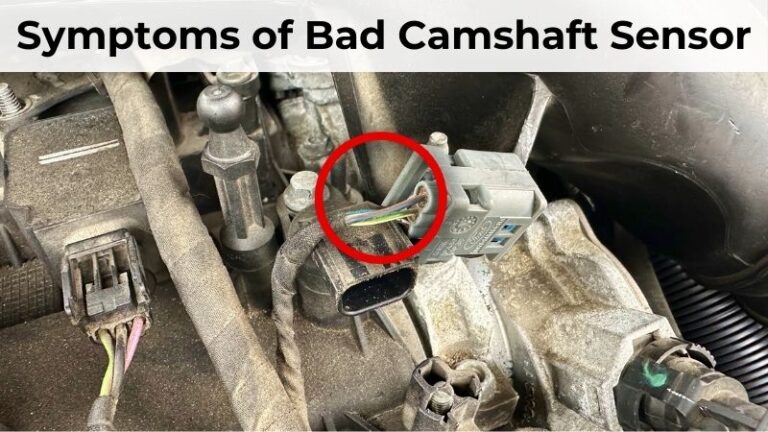
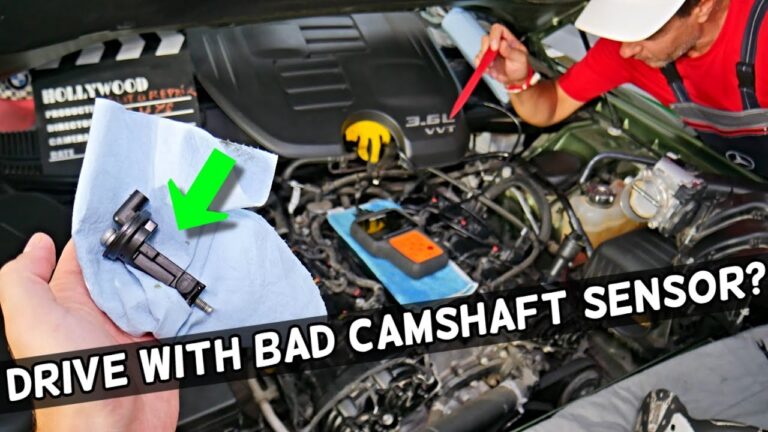
The most common camshaft position sensor code is P0340, but several related codes can indicate sensor, wiring, timing, or signal problems.
Across the United States, one of the most common reasons a check engine light appears is a fault involving the camshaft position sensor. Drivers often search for what code is camshaft position sensor when an OBD-II scanner displays a diagnostic trouble code.
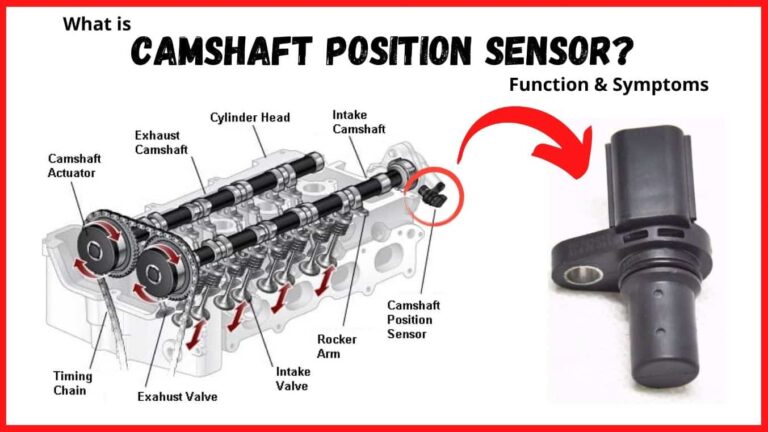
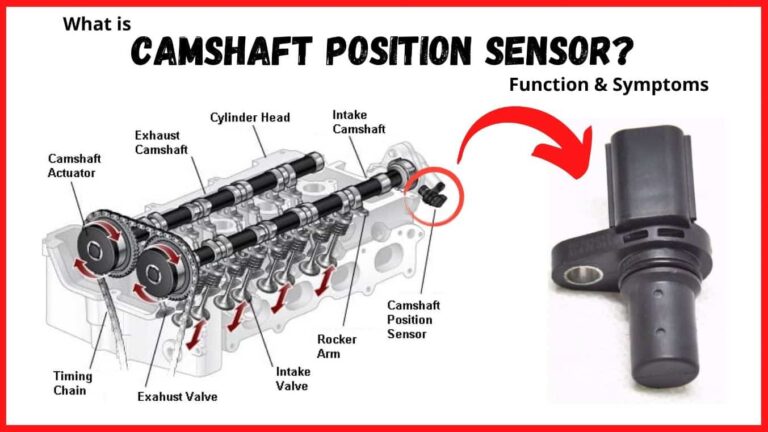
A camshaft position sensor helps the engine control module determine camshaft position and valve timing. When the signal becomes incorrect, intermittent, or disappears entirely, the computer stores a fault code and may trigger drivability issues such as hard starting, rough idle, reduced power, or stalling.
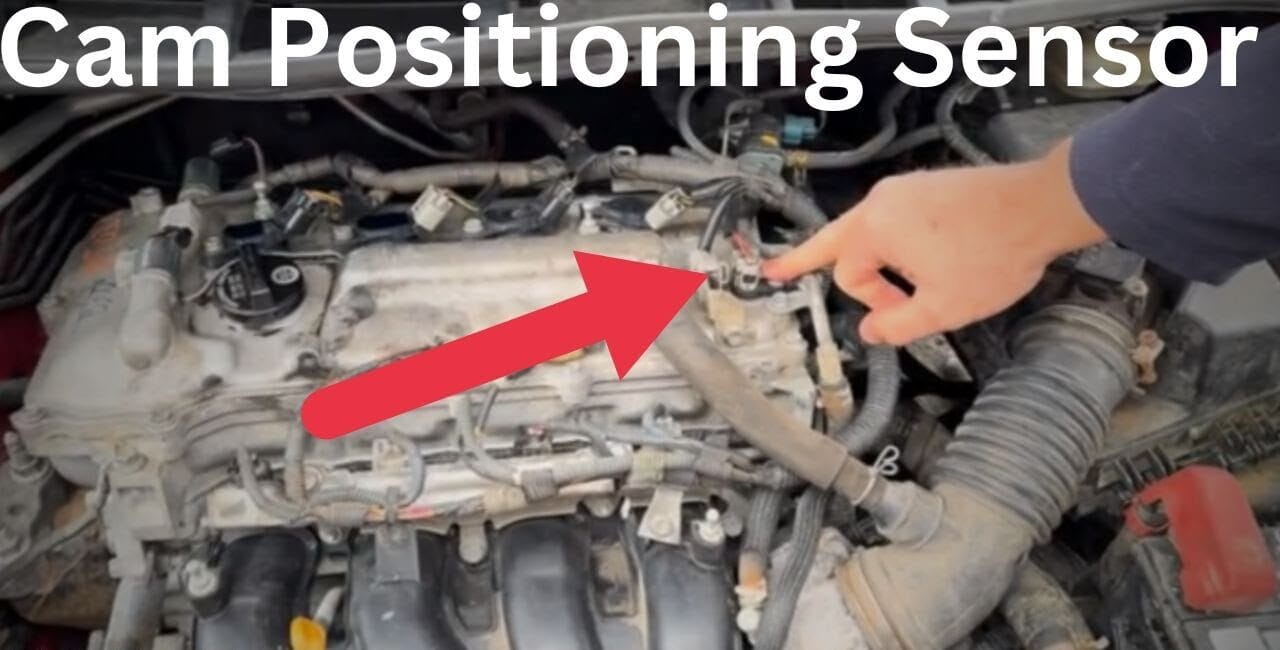
Source: obdcode.org
What Code Is Camshaft Position Sensor?
When people ask what code is camshaft position sensor, they are usually referring to OBD-II code P0340. This code means the engine computer has detected a problem in the camshaft position sensor circuit.
However, there is no single code for every camshaft sensor issue. Different fault conditions generate different diagnostic trouble codes depending on the vehicle manufacturer and the specific problem detected.
Source: storage.googleapis.com
P0340
Camshaft position sensor circuit malfunction.
P0341
Camshaft position sensor range or performance problem.
P0342
Camshaft position sensor circuit low input.
P0343
Camshaft position sensor circuit high input.
Why Multiple Codes Exist
The engine computer monitors signal quality, voltage, timing correlation, and circuit integrity. Different failures create different codes, helping technicians narrow down the root cause.
Signal Problems
Missing, weak, erratic, or incorrect sensor signals create different faults.
Common Camshaft Position Sensor Codes and Meanings
The table below summarizes the most common codes associated with camshaft position sensor problems.
Although these codes point toward the camshaft sensor system, additional testing is often required before replacing parts.
Source: storage.googleapis.com
P0340
Circuit malfunction.
P0341
Signal performance issue.
P0342
Low voltage signal.
P0343
High voltage signal.
P0016
Crankshaft and camshaft timing correlation problem.
Correlation Codes
Codes such as P0016 may appear even when the sensor itself is functional. These codes often indicate timing chain wear, stretched timing components, or mechanical timing issues.
Mechanical Causes
Timing chain and camshaft timing faults can trigger sensor-related codes.
Symptoms of a Camshaft Position Sensor Fault
A faulty camshaft position sensor can affect ignition timing and fuel injection control. Symptoms vary depending on vehicle design and the severity of the fault.
Some vehicles continue to run with reduced performance, while others may become difficult to start.
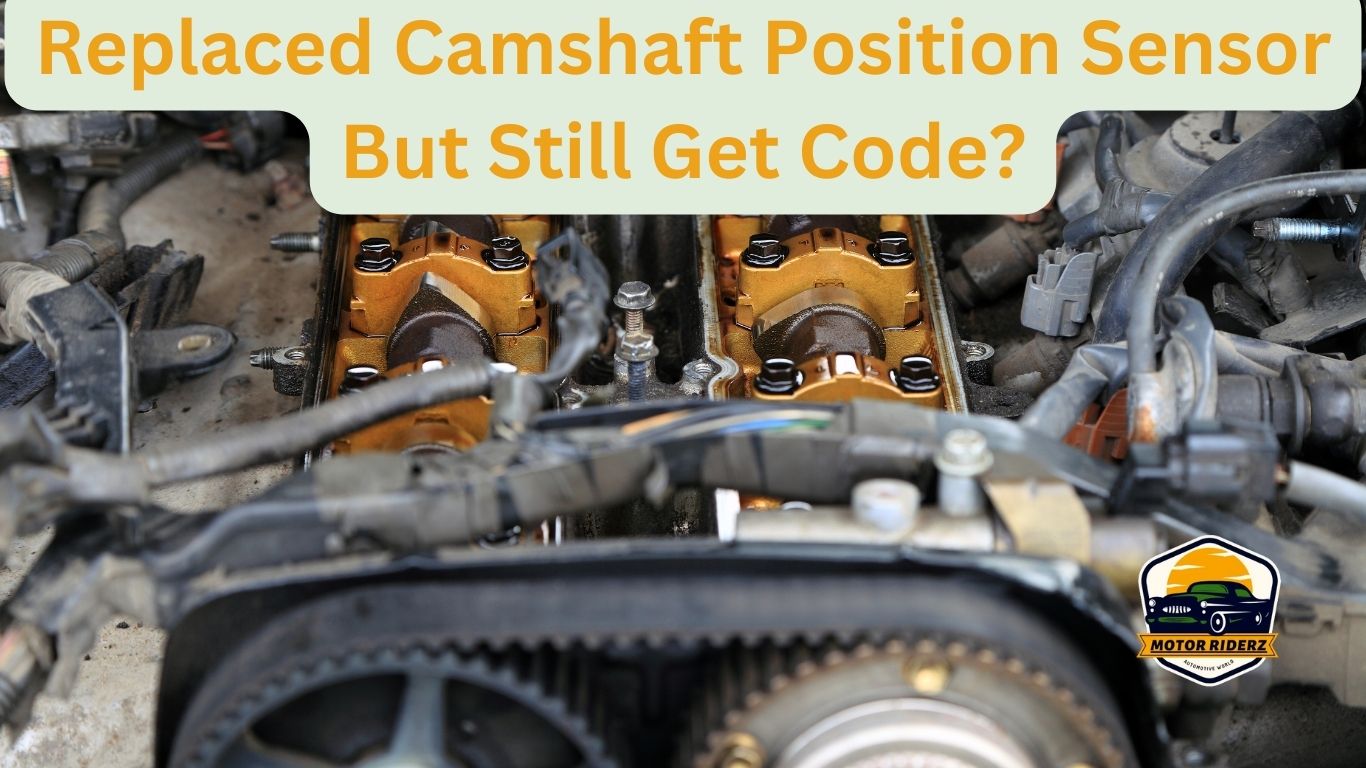
Source: motorriderz.com
Check Engine Light
Most common warning sign.
Hard Starting
Engine may crank longer than normal.
Rough Idle
Engine may shake or run unevenly.
Poor Acceleration
Reduced power and sluggish response.
Stalling
Engine may shut off unexpectedly.
Can You Drive With the Code?
Some vehicles remain drivable for a short period, but continued operation can lead to worsening performance and additional engine management issues. Diagnosis should not be delayed.
Best Practice
Scan and diagnose the vehicle as soon as possible.
What Causes Camshaft Position Sensor Codes?
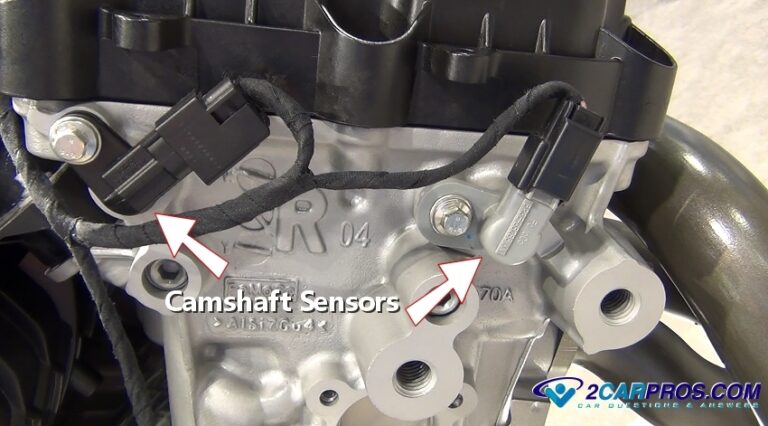
The sensor itself is only one possible cause. Electrical and mechanical faults frequently trigger the same diagnostic codes.
Replacing the sensor without testing can waste time and money if the real problem is elsewhere.
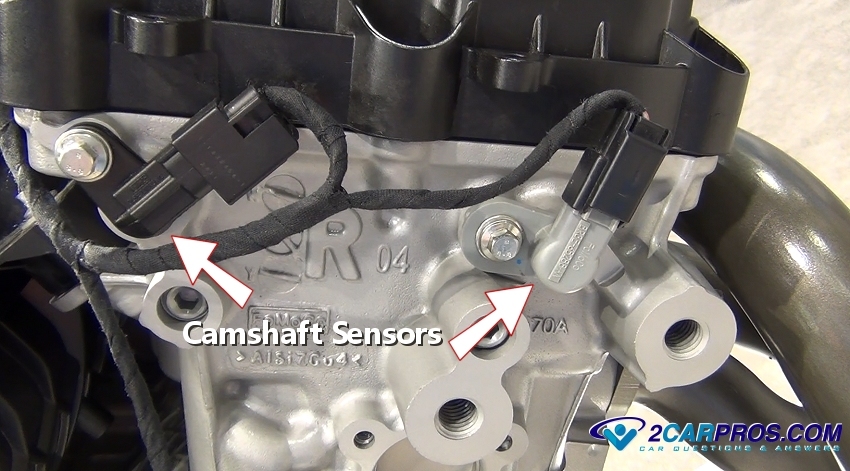
Source: 2carpros.com
Failed Sensor
Internal sensor failure.
Damaged Wiring
Broken, corroded, or shorted wires.
Loose Connector
Poor electrical contact.
Timing Issues
Worn timing chain or incorrect timing.
ECM Problems
Less common computer-related faults.
Why a New Sensor May Not Fix the Problem
A replacement sensor cannot correct damaged wiring, poor grounds, timing chain wear, or incorrect installation. Comprehensive testing is essential.
Verify First
Inspect circuits and timing before replacing parts.
How to Diagnose a Camshaft Position Sensor Code
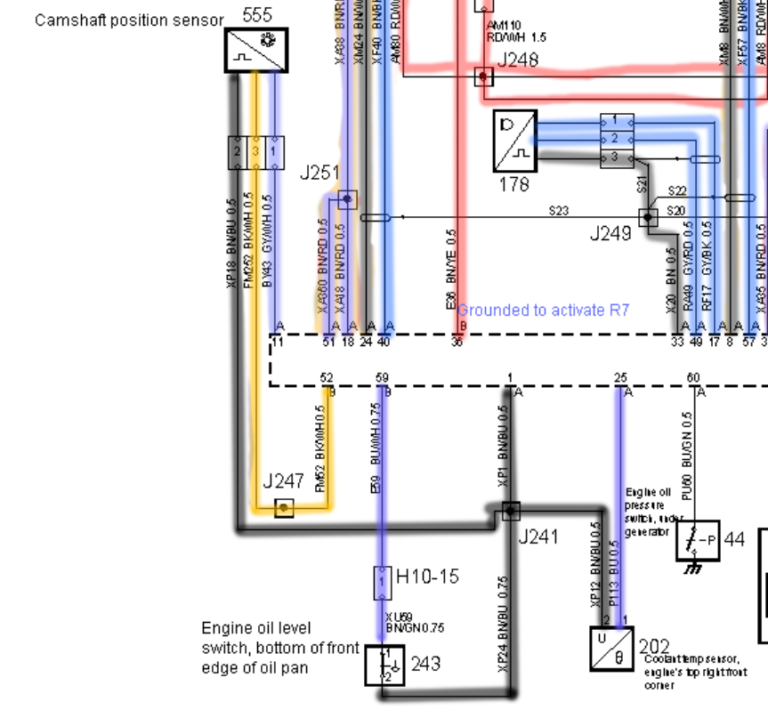
Diagnosis should begin with a scan tool and a visual inspection. Reading freeze-frame data and checking related codes can help identify the root cause.
Many professional technicians follow a structured process to avoid unnecessary part replacement.
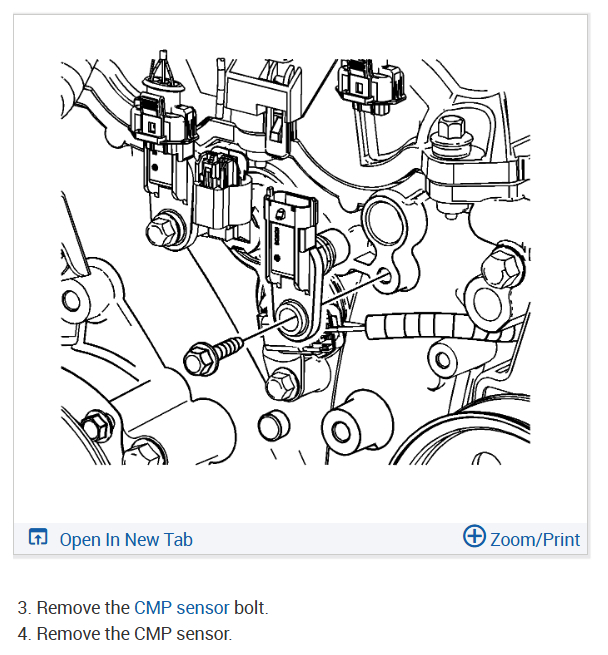
Source: 2carpros.com
Scan Codes
Record all stored and pending codes.
Inspect Wiring
Look for damage or corrosion.
Check Voltage
Verify power and ground circuits.
Review Timing
Inspect timing chain or belt condition.
Test Sensor Signal
Confirm proper operation with diagnostic equipment.
When Professional Help Is Needed
If correlation codes, timing faults, or intermittent electrical issues are present, advanced diagnostic equipment may be required. Professional diagnosis can prevent misdiagnosis.
Advanced Testing
Oscilloscope testing may be necessary for accurate results.
Frequently Asked Questions
Q
Is P0340 always caused by a bad camshaft position sensor?
No. Wiring faults, connector problems, timing issues, and engine control module faults can also trigger P0340.
Q
What is the most common camshaft position sensor code?
P0340 is generally the most recognized and frequently reported camshaft position sensor code.
Q
Can a camshaft sensor code clear itself?
Some intermittent faults may stop appearing, but the underlying issue often remains. Proper diagnosis is recommended.
Q
How much does it cost to fix a camshaft position sensor problem?
Costs vary by vehicle and cause. A simple sensor replacement is usually less expensive than timing chain or wiring repairs.
Q
Can a bad camshaft sensor prevent a car from starting?
Yes. Many vehicles rely on camshaft position data for proper fuel injection and ignition timing during startup.
✦ Wrapping Up
Conclusion
If you are asking what code is camshaft position sensor, the most common answer is P0340. However, several related codes can indicate different electrical, signal, or timing problems within the camshaft sensor system.
The best approach is to read all stored trouble codes, inspect the wiring and connectors, and confirm whether the sensor itself has failed before replacing parts.
💡 Key Takeaway
Use an OBD-II scanner to identify the exact code, then diagnose the entire camshaft sensor circuit and timing system before making repairs.
Ethan Brooks is an automotive writer at Auto News 7, covering car news, vehicle maintenance, new model updates, recalls, and practical buying guides. He focuses on clear, useful information that helps drivers understand their vehicles and make better ownership decisions.
Learn whether a camshaft sensor needs to be programmed after replacement, when relearn procedures are required, common symptoms, troubleshooting steps, and what to expect during installation.
Learn what the camshaft sensor controls, how it works with the engine computer, common failure symptoms, and why it is essential for fuel injection, ignition timing, and engine performance.
Learn how to rewire a camshaft position sensor safely. Follow step-by-step instructions, wiring checks, troubleshooting tips, and common repair mistakes.
Learn when to replace a camshaft position sensor, the warning signs of failure, diagnostic tips, replacement timing, costs, and whether it is safe to keep driving.