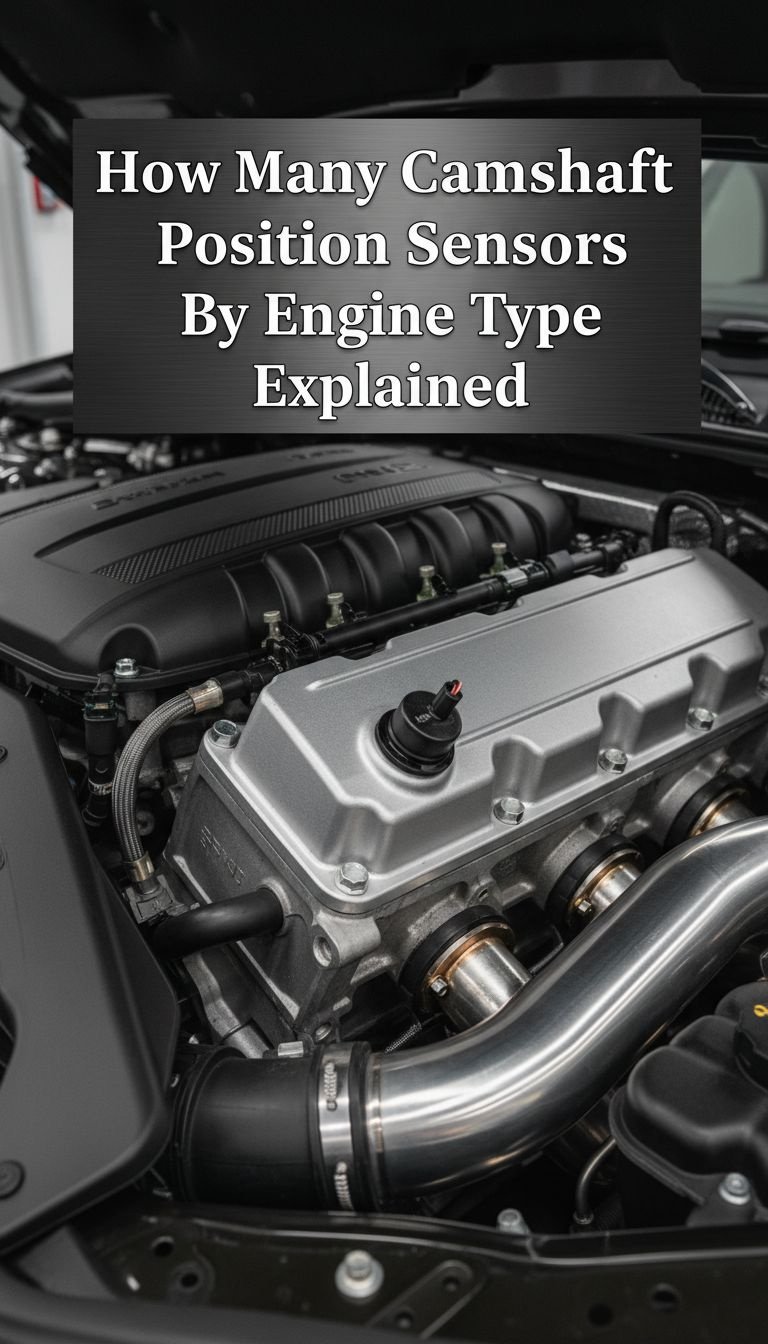
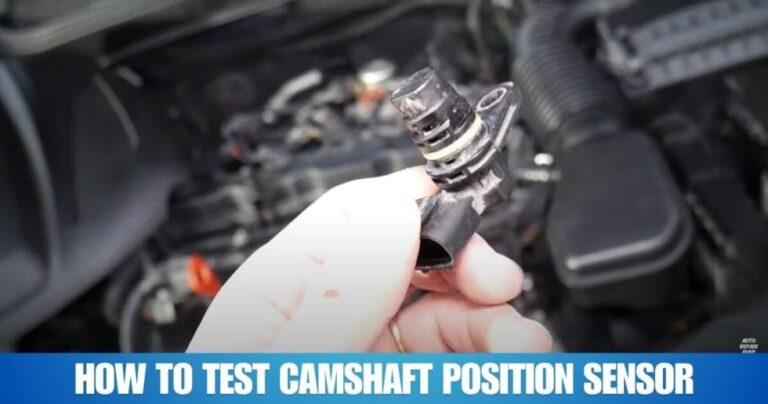
The camshaft sensor helps the engine computer control fuel injection, ignition timing, and engine synchronization.
Across the United States, modern gasoline and diesel vehicles rely on electronic sensors to keep engines running efficiently. One of the most important is the camshaft position sensor, often called the camshaft sensor. Drivers searching for what does the camshaft sensor control usually want to know why this small component can have such a large effect on performance, fuel economy, and starting reliability.
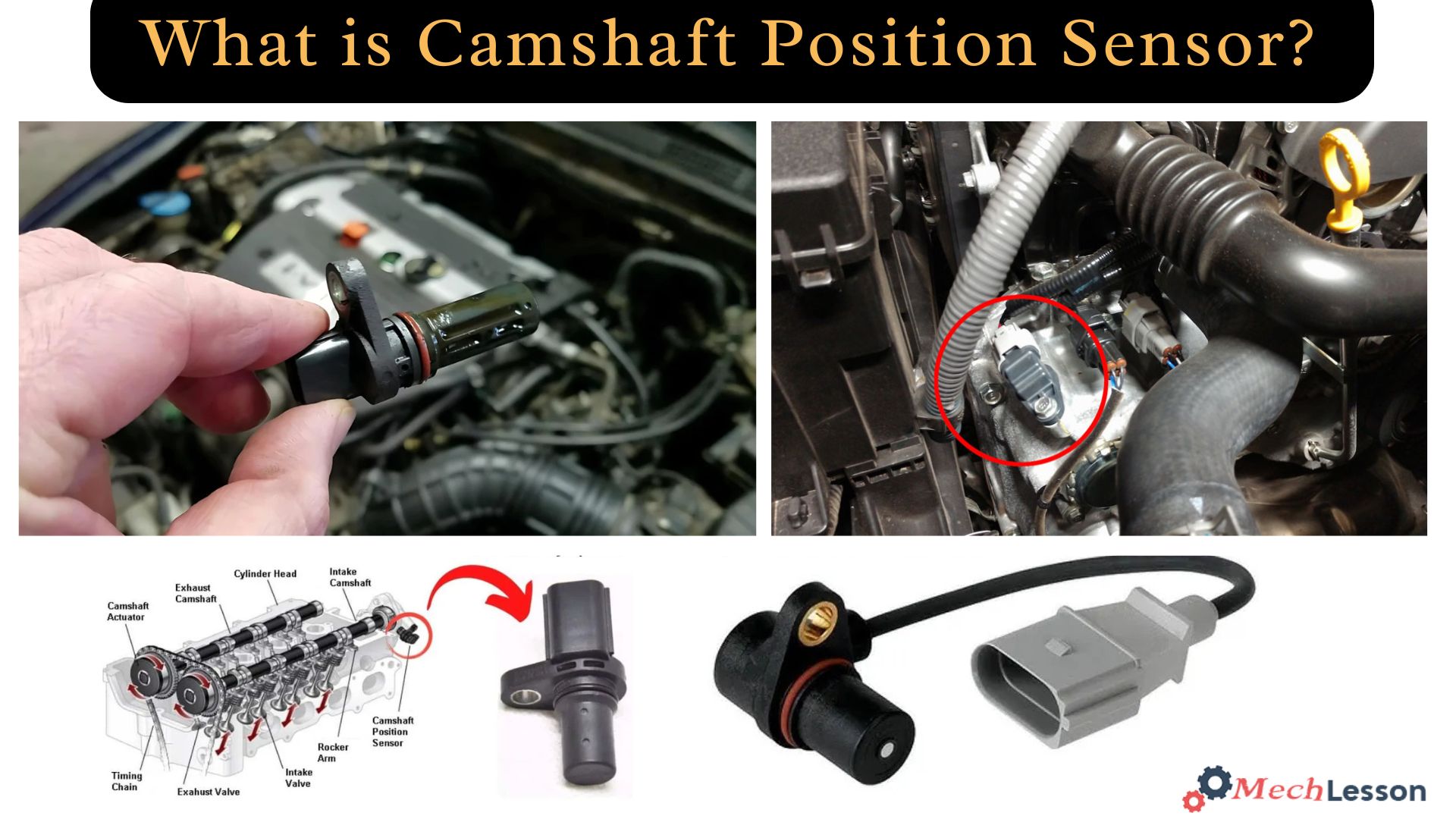
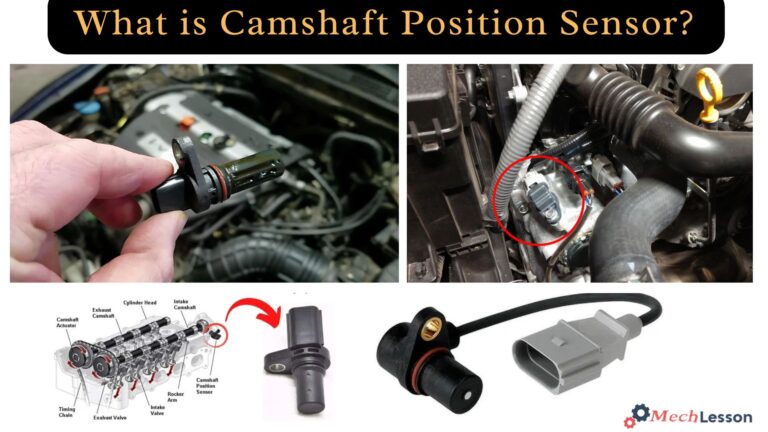
The camshaft sensor does not directly move engine parts. Instead, it monitors the camshaft’s position and sends that information to the engine control module. The computer uses this data to determine when fuel injectors should operate, when ignition events should occur, and how to coordinate engine timing for smooth operation.
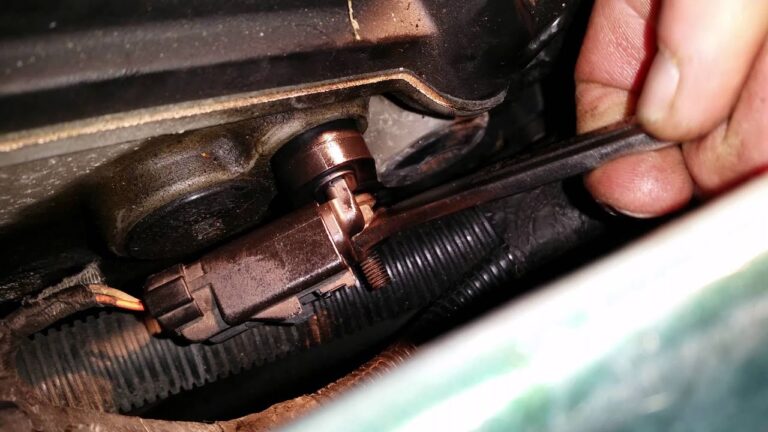
Source: storage.googleapis.com
What Does the Camshaft Sensor Control?
The direct answer to what does the camshaft sensor control is that it helps the engine computer control fuel delivery, ignition timing decisions, variable valve timing systems, and engine synchronization. The sensor constantly reports the camshaft’s position relative to the crankshaft.
The engine control module uses this information to identify which cylinder is on its compression stroke. That allows precise fuel injection and spark timing. Without accurate camshaft data, the computer may struggle to determine the correct operating sequence.
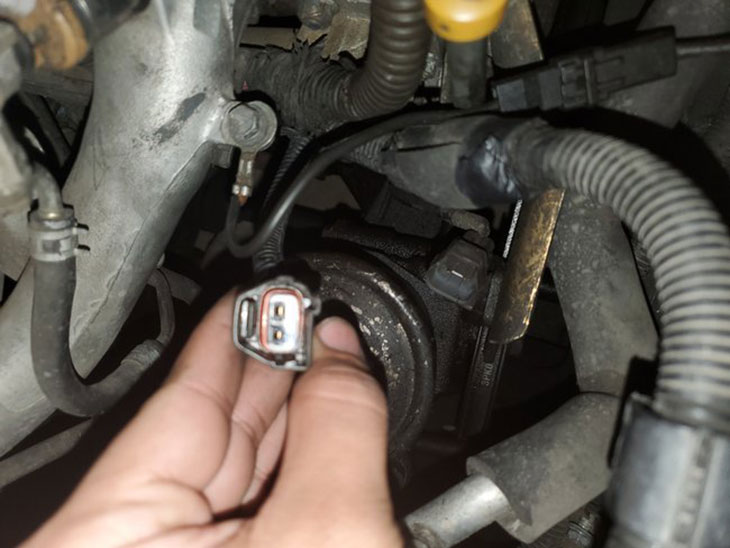
Source: mechlesson.com
Fuel Injection Control
Helps determine when each injector should deliver fuel.
Ignition Coordination
Supports proper spark timing for efficient combustion.
Engine Synchronization
Keeps camshaft and crankshaft signals aligned.
What the Sensor Does Not Control
The camshaft sensor does not physically open valves, move pistons, or create spark. It provides information that allows the engine computer to make accurate control decisions.
Information Source
Provides position data rather than mechanical movement.
How the Camshaft Sensor Works with the Engine Computer
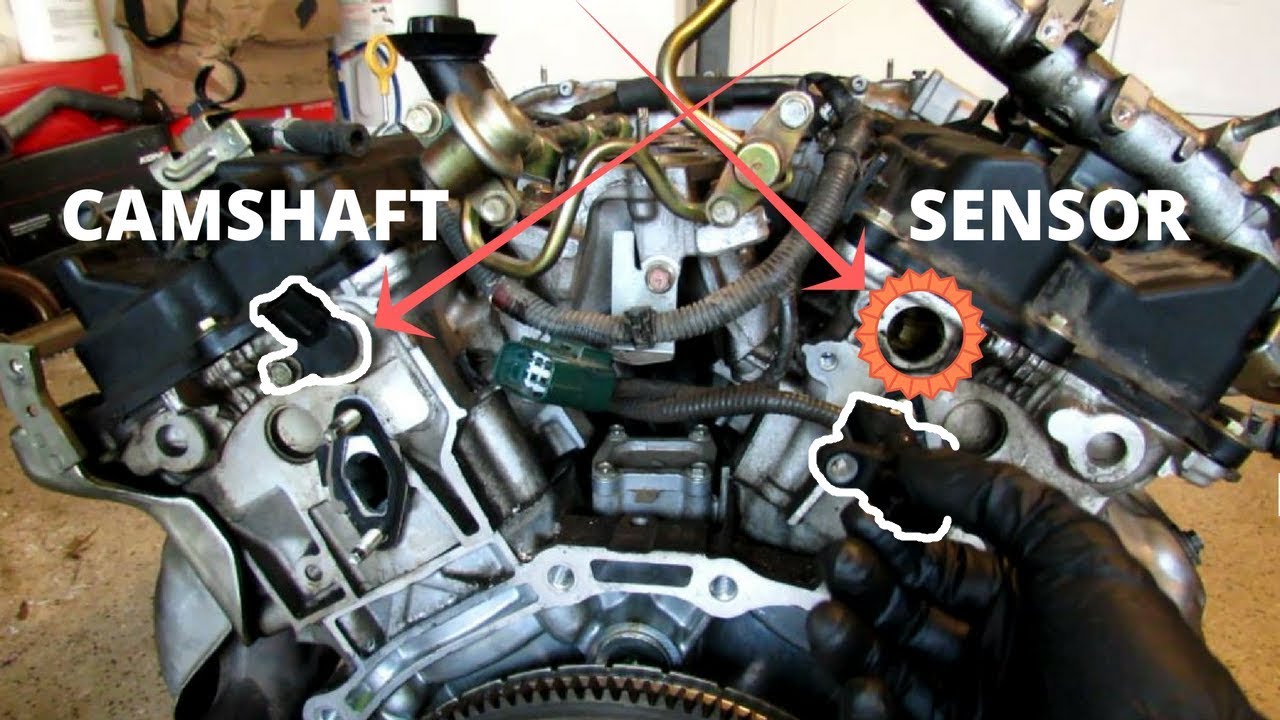
The camshaft position sensor reads a trigger wheel or reluctor attached to the camshaft. As the camshaft rotates, the sensor generates electrical signals that indicate position and speed.
The engine control module compares the camshaft signal with the crankshaft position sensor signal. Together, these sensors allow the computer to know exactly where internal engine components are during every stage of the combustion cycle.
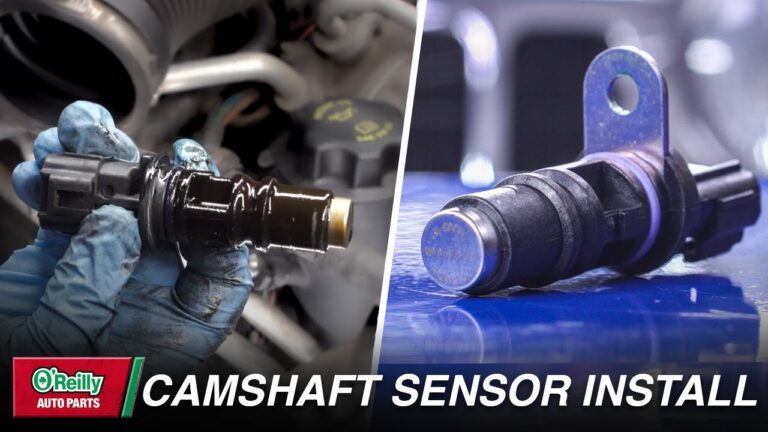
Source: storage.googleapis.com
Position Monitoring
Tracks camshaft rotation throughout engine operation.
Signal Processing
Converts movement into electrical data for the computer.
Timing Reference
Helps identify cylinder position for accurate control.
Relationship with the Crankshaft Sensor
The crankshaft sensor provides information about crankshaft speed and position, while the camshaft sensor identifies valve timing and cylinder sequence. The engine computer relies on both signals for precise engine management.
Combined Operation
Both sensors work together to support reliable engine operation.
Systems Affected by the Camshaft Sensor
Several important engine systems depend on accurate camshaft sensor data. When the signal is correct, the vehicle can maintain efficient performance, emissions control, and smooth drivability.
Modern engines use advanced electronic controls that require constant feedback. Even a brief interruption in camshaft sensor communication can affect engine behavior.
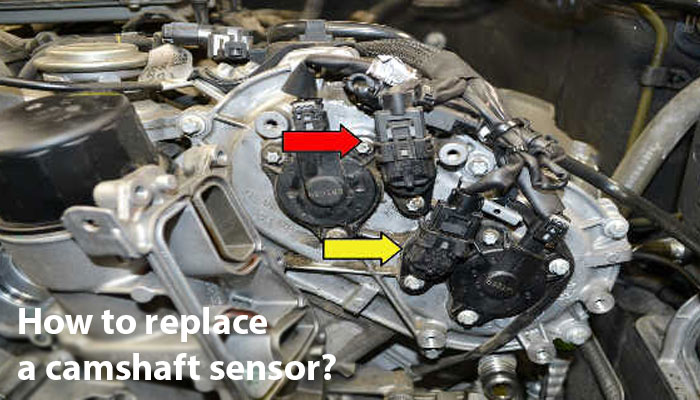
Source: 2carpros.com
Sequential Fuel Injection
Allows fuel to be delivered to the correct cylinder at the correct time.
Variable Valve Timing
Supports systems that adjust valve timing for efficiency and power.
Emissions Control
Helps maintain cleaner combustion and reduced emissions.
Impact on Performance
Accurate sensor information improves throttle response, fuel economy, starting performance, and overall engine smoothness.
Efficiency
Improves combustion accuracy and fuel usage.
Symptoms of a Bad Camshaft Sensor
When a camshaft sensor begins to fail, the engine computer may receive inaccurate or intermittent data. This can create a wide range of drivability issues.
Symptoms vary by vehicle make and model, but most failures affect starting, performance, and engine timing calculations.
Source: manyautos.weebly.com
Check Engine Light
Diagnostic trouble codes often appear when sensor signals become unreliable.
Hard Starting
The engine may take longer to start or fail to start.
Engine Misfires
Incorrect timing calculations can disrupt combustion.
Reduced Power
The vehicle may accelerate poorly or feel sluggish.
When to Seek Professional Diagnosis
A check engine light combined with stalling, severe misfires, or repeated starting problems should be diagnosed promptly. Similar symptoms can also be caused by wiring faults, crankshaft sensor problems, or ignition system issues.
Diagnostic Testing
A scan tool and electrical testing help identify the root cause.
Can You Drive with a Faulty Camshaft Sensor?
Some vehicles can continue operating with a failing camshaft sensor, but performance is often reduced. The engine computer may switch to backup operating strategies when reliable camshaft data is unavailable.
Continuing to drive with a faulty sensor can increase fuel consumption, worsen drivability problems, and potentially leave you stranded if the sensor fails completely.
Source: carxplorer.com
Possible Temporary Operation
Some engines can run in a limited mode using alternative data.
Performance Risks
Power, efficiency, and starting reliability may decline.
Repair Importance
Prompt diagnosis helps prevent more severe operating issues.
Signs of Successful Repair
After repair, the engine should start normally, idle smoothly, accelerate consistently, and operate without recurring fault codes related to camshaft position monitoring.
Normal Operation
Stable performance and no warning lights indicate successful repair.
Frequently Asked Questions
Q
Does the camshaft sensor control fuel injectors?
The sensor does not directly operate injectors. It provides position data that the engine control module uses to determine injector timing.
Q
Can a bad camshaft sensor cause a car not to start?
Yes. A failed sensor can prevent the engine computer from accurately identifying cylinder position, leading to difficult starting or a no-start condition.
Q
What is the difference between a camshaft sensor and a crankshaft sensor?
The camshaft sensor tracks camshaft position and cylinder identification, while the crankshaft sensor tracks crankshaft speed and position. Both are required for precise engine management.
Q
Will a check engine light come on for a bad camshaft sensor?
In many vehicles, the engine control module stores diagnostic trouble codes and illuminates the check engine light when camshaft sensor signals become unreliable.
Q
How long does a camshaft sensor usually last?
There is no universal replacement interval. Many sensors last for years, but heat, vibration, contamination, and electrical issues can shorten their lifespan.
✦ Wrapping Up
Conclusion
For anyone asking what does the camshaft sensor control, the key point is that it supplies critical timing information to the engine computer. That information helps manage fuel injection, ignition events, engine synchronization, and variable valve timing systems.
Although the sensor is small, its role is essential. Accurate camshaft position data allows modern engines to start reliably, run efficiently, and deliver smooth performance.
💡 Key Takeaway
If you notice hard starting, misfires, stalling, or a check engine light, have the camshaft sensor and related engine timing systems inspected as part of a professional diagnostic process.
Ethan Brooks is an automotive writer at Auto News 7, covering car news, vehicle maintenance, new model updates, recalls, and practical buying guides. He focuses on clear, useful information that helps drivers understand their vehicles and make better ownership decisions.
Learn what a camshaft position sensor looks like, where it is located, how to identify it, and how it differs from other engine sensors. Includes photos, features, and troubleshooting tips.
Learn how to remove a broken camshaft sensor safely and correctly. Follow this step-by-step guide to extract a stuck or broken camshaft position sensor without damaging the engine.
Learn how to reset camshaft position sensor Ford vehicles after replacement or repairs. Follow safe troubleshooting steps, relearn procedures, and common fixes.
Learn how to replace camshaft position sensor components with a detailed step-by-step guide, tools list, troubleshooting tips, safety advice, and common mistakes to avoid.
Learn whether camshaft sensors are interchangeable, how to identify compatible sensors, common mistakes to avoid, and how to choose the correct replacement for your vehicle.
Learn how to test camshaft position sensor wiring with a multimeter. Follow a safe step-by-step process to check power, ground, signal circuits, and common wiring faults.