Yes, a knock sensor can affect engine performance by helping the engine computer optimize ignition timing and prevent damaging detonation.
Across the United States, modern gasoline vehicles rely on electronic engine management systems to balance power, fuel economy, and engine protection. One of the key components in that system is the knock sensor, which listens for abnormal combustion events known as engine knock or detonation.
If you are wondering whether does a knock sensor affect performance, the answer is yes. A properly functioning knock sensor allows the engine control module to advance or retard ignition timing as needed. When the sensor fails or reports incorrect information, the engine may lose power, consume more fuel, hesitate during acceleration, or trigger a check engine light.
Source: hitchesguide.com
What Does a Knock Sensor Do?
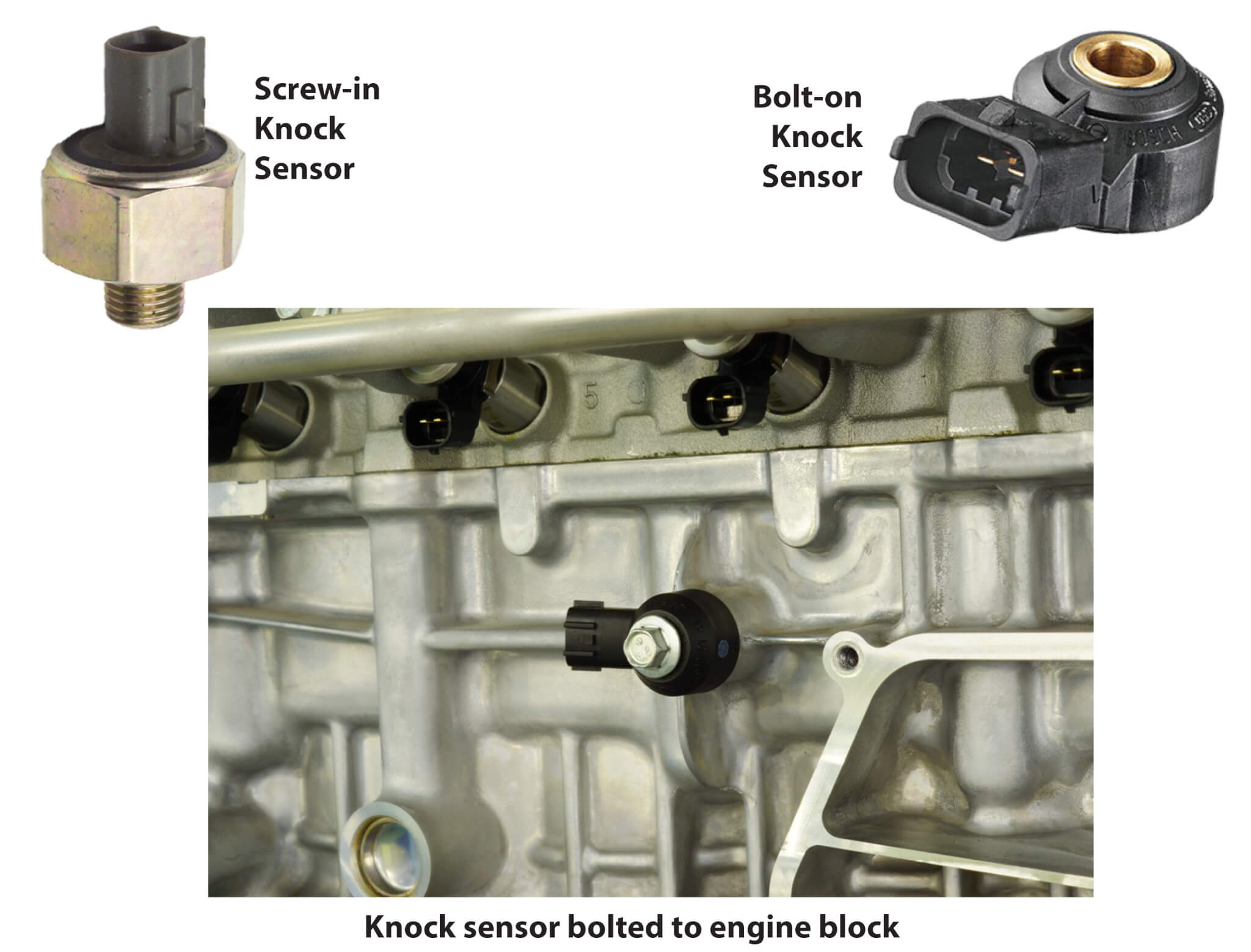
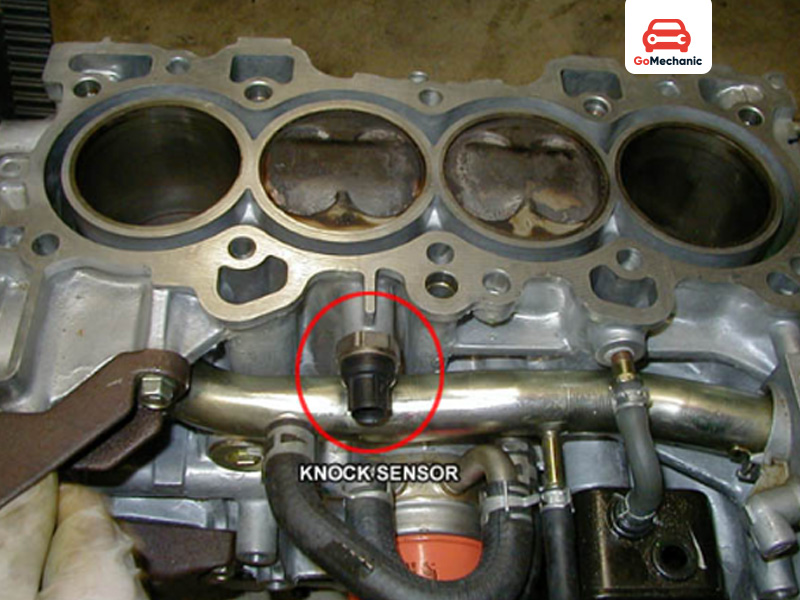
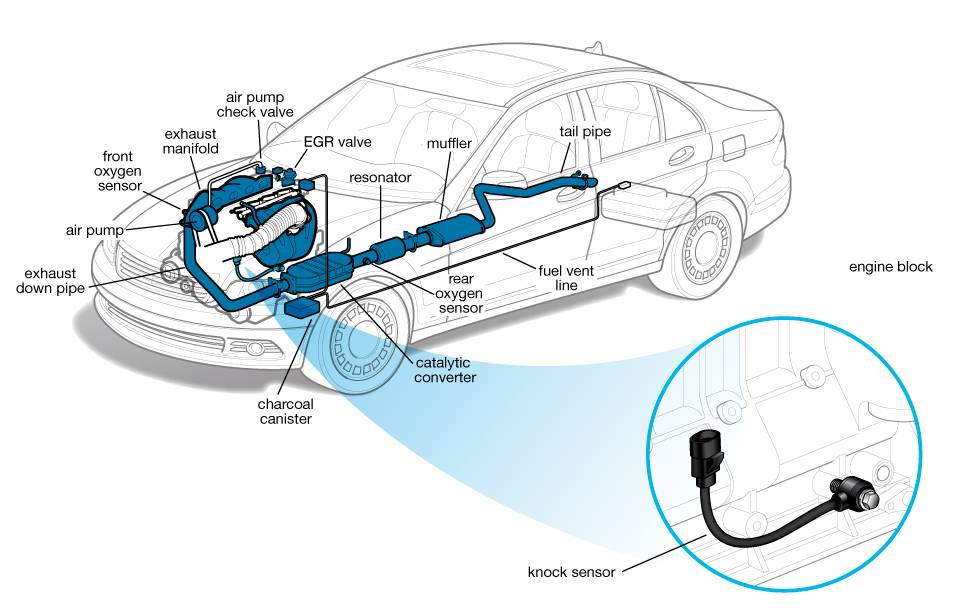
A knock sensor is an electronic device mounted on the engine block or cylinder head. Its job is to detect vibrations associated with abnormal combustion and send that information to the engine control module.
When knock is detected, the control module adjusts ignition timing to protect the engine. This allows the vehicle to operate safely under different loads, temperatures, fuel qualities, and driving conditions.
Source: unikeyic.com
Detects Detonation
Identifies abnormal combustion before it causes damage.
Communicates with ECU
Provides real-time data to the engine control system.
Protects the Engine
Helps prevent piston, valve, and cylinder damage.
Why Modern Engines Need Knock Sensors
Modern engines are designed with higher compression ratios and precise timing control. Knock sensors allow manufacturers to maximize performance while maintaining reliability and emissions compliance.
Performance Optimization
Supports efficient timing adjustments under varying conditions.
Does a Knock Sensor Affect Performance?
Yes, a knock sensor affects performance because it helps the engine run with the most efficient ignition timing possible. When the sensor works correctly, the engine can produce strong power while avoiding harmful knock.
If the sensor fails, the engine control module may switch to a conservative timing strategy. This protective mode often reduces horsepower, slows acceleration, and decreases overall responsiveness.
Source: qaqooking.wiki
Power Output
Incorrect timing can reduce available engine power.
Acceleration
Drivers may notice slower response during acceleration.
Fuel Efficiency
Retarded timing can increase fuel consumption.
Performance Changes You May Notice
Common symptoms include sluggish acceleration, reduced passing power, rough operation under load, and occasional hesitation during throttle input.
Reduced Responsiveness
The vehicle may feel less energetic during everyday driving.
How a Bad Knock Sensor Impacts Engine Operation
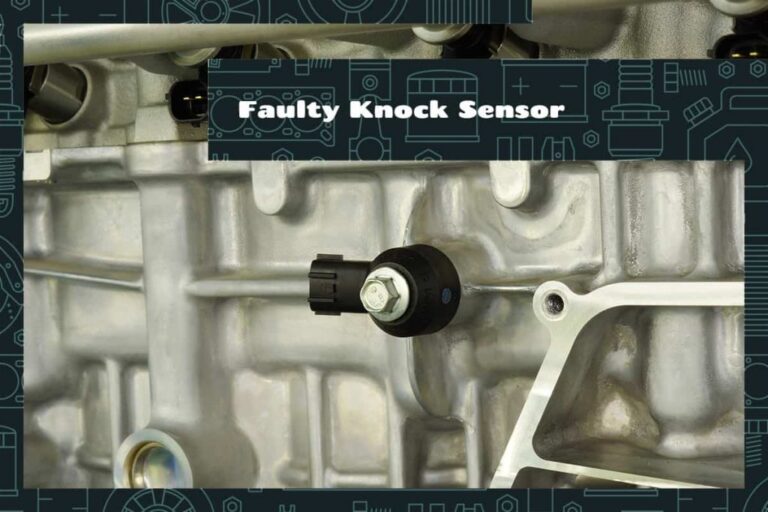
A bad knock sensor can send inaccurate information or stop communicating with the engine control module altogether. When this happens, timing adjustments may no longer match actual engine conditions.
The result can range from reduced performance to an increased risk of detonation if genuine knock occurs and the system cannot respond appropriately.
Source: storage.googleapis.com
Check Engine Light
Fault codes related to knock sensor circuits may appear.
Timing Retard
The ECU may reduce timing as a precaution.
Engine Stress
Uncontrolled knock can contribute to internal wear.
Common Causes of Failure
Knock sensors can fail due to age, heat exposure, wiring damage, moisture intrusion, or connector corrosion.
Electrical Issues
Damaged wiring can interrupt sensor communication.
Performance Comparison Table
The table below summarizes typical differences between a properly functioning knock sensor and a faulty one.
Source: automotivesync.com
Normal Sensor
Supports optimal timing and engine efficiency.
Faulty Sensor
Can reduce performance and increase fuel use.
Typical Effects
A functioning sensor generally allows better drivability, while a failed sensor often causes conservative engine operation.
Driver Experience
Vehicles usually feel smoother and more responsive with a healthy sensor.
Can You Drive with a Faulty Knock Sensor?
Many vehicles will continue running with a faulty knock sensor, but performance may suffer. In some cases, the engine control module limits timing advance to reduce the chance of damage.
Long-term driving with a failed knock sensor is not recommended. If actual detonation occurs and the system cannot respond correctly, engine components may experience increased stress.
Source: gomechanic.in
Short-Term Driving
The vehicle may remain operable but less efficient.
Long-Term Risk
Ignoring the problem can contribute to costly repairs.
When to Seek Diagnosis
A professional inspection is advisable if the check engine light appears, performance drops noticeably, or diagnostic trouble codes identify a knock sensor issue.
Early Repair
Prompt diagnosis often prevents larger problems.
Frequently Asked Questions
Q
Can a bad knock sensor reduce horsepower?
Yes. A bad knock sensor can cause the engine control module to reduce ignition timing, which often lowers horsepower and acceleration performance.
Q
Will a bad knock sensor affect fuel economy?
It can. Conservative timing strategies used to protect the engine may reduce combustion efficiency and increase fuel consumption.
Q
Does every vehicle have a knock sensor?
Most modern gasoline-powered vehicles use one or more knock sensors. The exact design depends on the engine and manufacturer.
Q
Can a knock sensor cause rough acceleration?
Yes. Incorrect timing adjustments related to a faulty sensor can contribute to hesitation, sluggish response, or uneven acceleration.
Q
How do you know if a knock sensor is failing?
Common signs include a check engine light, reduced performance, lower fuel economy, engine hesitation, and stored diagnostic trouble codes.
✦ Wrapping Up
Conclusion
The answer to does a knock sensor affect performance is clearly yes. This small sensor plays a major role in helping the engine control module balance power, efficiency, and engine protection.
When the knock sensor works correctly, the engine can operate closer to its optimal timing settings. When it fails, drivers may experience reduced power, poorer fuel economy, and an increased risk of engine-related problems.
💡 Key Takeaway
If you notice a check engine light, loss of power, or knock sensor fault codes, have the system diagnosed promptly to maintain performance and protect your engine.
Ethan Brooks is an automotive writer at Auto News 7, covering car news, vehicle maintenance, new model updates, recalls, and practical buying guides. He focuses on clear, useful information that helps drivers understand their vehicles and make better ownership decisions.
Learn whether both camshaft position sensors are the same, how intake and exhaust sensors differ, when they can be swapped, and how to identify the correct replacement.
Learn whether a bad knock sensor can cause overheating, how the sensor affects engine timing, common symptoms, diagnostic steps, and when overheating points to a different problem.
Learn how to test camshaft position sensor wiring with a multimeter. Follow a safe step-by-step process to check power, ground, signal circuits, and common wiring faults.