Yes, you can often drive with a bad knock sensor for a short time, but it increases the risk of poor performance, lower fuel economy, and possible engine damage if the underlying knocking problem is ignored.
Across the United States, millions of drivers rely on modern engine management systems to keep their vehicles running efficiently. One important component in that system is the knock sensor, which helps the engine computer detect abnormal combustion and adjust ignition timing to protect the engine.
If the knock sensor fails, many vehicles remain drivable, but the engine may no longer respond correctly to knocking or detonation. The result can be reduced power, worse fuel economy, and, in some cases, increased stress on engine components. Understanding the risks can help you decide whether to continue driving or schedule repairs immediately.
Source: hitchesguide.com
What Does a Knock Sensor Do?
A knock sensor is an electronic device mounted on the engine block or cylinder head. Its job is to detect vibrations caused by abnormal combustion, often called engine knock, spark knock, or detonation.
When the sensor detects knocking, it sends a signal to the engine control module. The computer then adjusts ignition timing to reduce or eliminate the harmful combustion event. This process helps protect pistons, valves, and other internal engine parts.
Source: hitchesguide.com
Detects Engine Knock
Monitors vibrations caused by abnormal combustion.
Protects Engine Components
Allows the computer to reduce timing when knocking is detected.
Supports Efficiency
Helps the engine run at optimal timing for power and fuel economy.
Why Modern Engines Depend on Knock Sensors
Modern engines operate with tighter tolerances and advanced ignition strategies. A functioning knock sensor allows manufacturers to maximize power and efficiency while maintaining engine safety under varying driving conditions.
Performance
Supports optimal ignition timing.
Can You Drive With a Bad Knock Sensor?
Yes, in many cases you can drive with a bad knock sensor. Most vehicles will continue to run because the engine control module can use default settings when sensor data is unavailable.
However, continuing to drive is not ideal. The engine may enter a protective mode that retards ignition timing. This helps prevent damage but often results in sluggish acceleration and lower fuel economy.
The greatest concern is that a failed sensor may not accurately detect real engine knock. If detonation develops and remains uncorrected, internal engine components can experience excessive heat and pressure.
Source: YouTube > Auto Repair Guys
Short-Term Driving
Usually possible if the vehicle runs normally.
Long-Term Driving
Not recommended because engine protection may be reduced.
Repair Priority
Schedule diagnosis and repair as soon as practical.
When Driving Becomes Risky
Driving becomes riskier if you hear pinging noises, experience severe power loss, notice overheating, or see additional engine-related trouble codes. These symptoms may indicate more than just a sensor failure.
Warning Signs
Knocking sounds, overheating, and poor performance require immediate attention.
Common Symptoms of a Bad Knock Sensor
A faulty knock sensor often triggers noticeable changes in vehicle behavior. Symptoms vary by vehicle make, engine design, and the severity of the failure.
Many drivers first notice a check engine light, but performance-related symptoms are also common.
Source: www.youtube.com > 8020 Automotive
Check Engine Light
One of the most common indicators.
Poor Acceleration
The engine may feel less responsive.
Reduced Fuel Economy
Protective timing adjustments can increase fuel consumption.
Engine Pinging
Knocking sounds may occur under load.
Diagnostic Trouble Codes
Mechanics often find codes related to knock sensor circuits, performance issues, or communication faults during a diagnostic scan. Reading these codes helps confirm the source of the problem.
Scan Tool Verification
Helps distinguish sensor faults from other engine problems.
Risks of Ignoring a Bad Knock Sensor
Ignoring a failed knock sensor can lead to more than a warning light. The exact risk depends on whether actual engine knock is occurring and how the engine management system responds.
Some vehicles run conservatively after a sensor failure, while others may be more vulnerable to performance and combustion-related issues.
Source: www.youtube.com
Possible Engine Damage
Undetected detonation can damage pistons and bearings.
Higher Fuel Costs
Retarded timing can reduce efficiency.
Reduced Performance
Acceleration and power may decline.
Decision Table
If the vehicle only has a check engine light and drives normally, a short trip to a repair facility is generally reasonable. If knocking noises, overheating, or severe drivability issues are present, stop driving and seek professional assistance.
Safe Scenario
Check engine light with no additional symptoms.
Unsafe Scenario
Active knocking, overheating, or major power loss.
How to Fix a Bad Knock Sensor
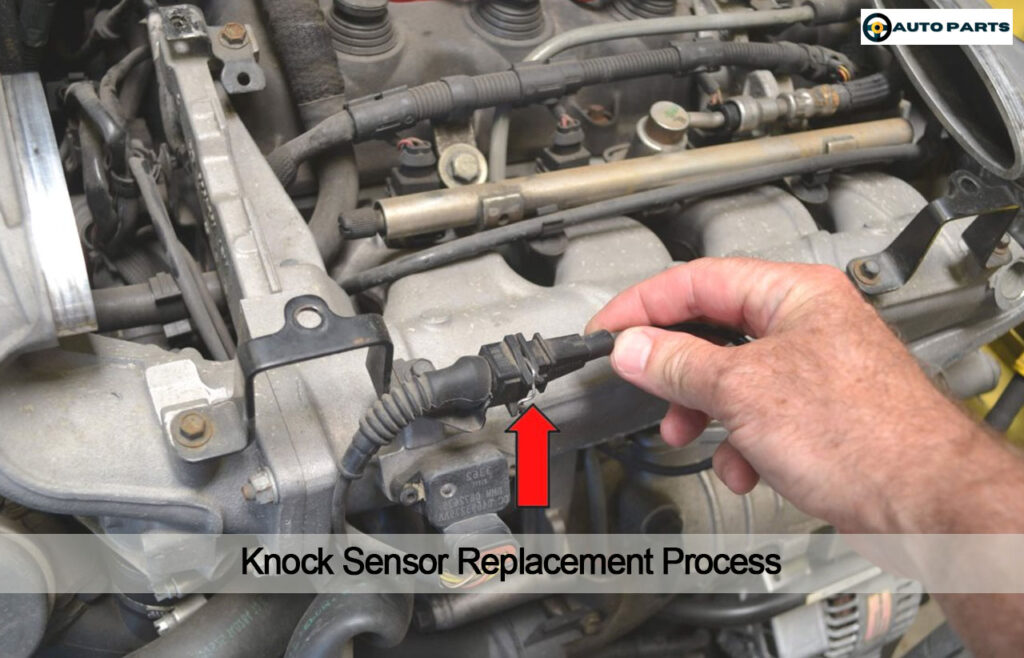
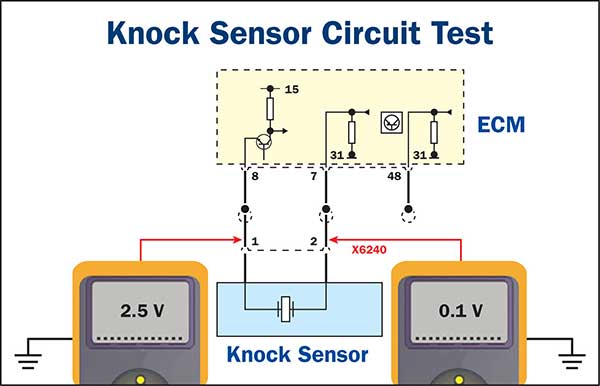
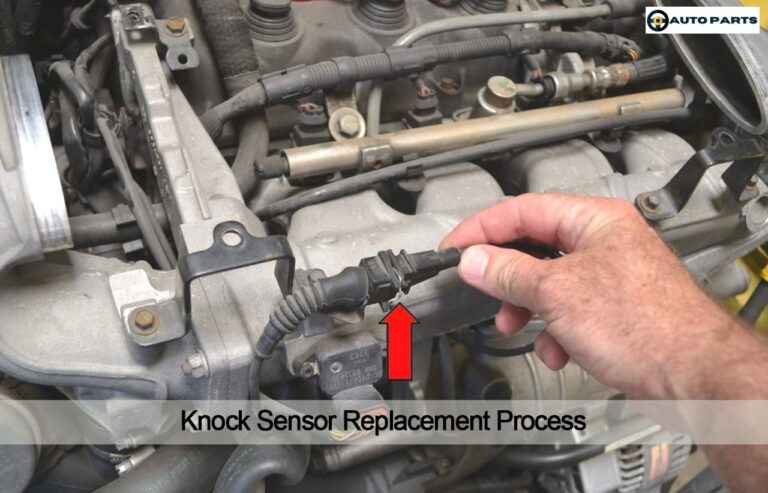
Repair begins with proper diagnosis. A technician typically scans for trouble codes, inspects wiring, and tests sensor operation before recommending replacement.
In some vehicles, replacing the sensor is straightforward. In others, intake manifold removal may be necessary, increasing labor costs.
Source: hitchesguide.com
Scan for Codes
Identify stored fault information.
Inspect Wiring
Check connectors and harnesses for damage.
Replace Faulty Components
Install a new sensor if testing confirms failure.
Signs the Repair Worked
After repairs, the check engine light should remain off, performance should improve, and diagnostic codes should not return during normal driving.
Verification
Complete a test drive and rescan for codes.
When You Should Stop Driving Immediately
Not every knock sensor problem requires immediate towing, but some situations demand urgent action. Continuing to drive with severe symptoms can significantly increase repair costs.
Listen for persistent knocking sounds and monitor engine temperature, power delivery, and warning lights.
Source: hitchesguide.com
Loud Knocking
May indicate harmful detonation or internal damage.
Overheating
Can quickly damage engine components.
Flashing Warning Lights
May indicate a serious engine issue requiring immediate attention.
Professional Diagnosis Matters
Because several engine problems can mimic knock sensor failure, professional testing is often the fastest way to identify the root cause and prevent unnecessary parts replacement.
Accurate Repairs
Reduces wasted time and expense.
Frequently Asked Questions
Q
How long can I drive with a bad knock sensor?
Many vehicles can continue operating for days or weeks with a failed knock sensor, but delaying repairs increases the risk of performance issues and potential engine damage if detonation occurs.
Q
Will a bad knock sensor cause a check engine light?
Yes. A faulty knock sensor commonly triggers a check engine light and stores diagnostic trouble codes related to sensor performance or circuit faults.
Q
Can a bad knock sensor reduce fuel economy?
Yes. The engine computer may retard ignition timing as a precaution, which can reduce efficiency and increase fuel consumption.
Q
Can a bad knock sensor damage the engine?
The sensor itself does not damage the engine. However, if engine knock occurs and is not detected correctly, prolonged detonation can damage internal components.
Q
Is replacing a knock sensor expensive?
Costs vary widely by vehicle. Some sensors are easy to access, while others require significant disassembly, increasing labor charges.
✦ Wrapping Up
Conclusion
The answer to can you drive with a bad knock sensor is usually yes, but only as a temporary measure. Most vehicles remain operational, yet performance, fuel economy, and engine protection may be compromised.
The safest approach is to diagnose and repair the issue promptly. Addressing the problem early helps prevent additional engine stress and ensures the vehicle continues operating efficiently.
💡 Key Takeaway
If your check engine light indicates a knock sensor fault, schedule a diagnostic inspection soon and avoid ignoring any signs of engine knocking or overheating.
Ethan Brooks is an automotive writer at Auto News 7, covering car news, vehicle maintenance, new model updates, recalls, and practical buying guides. He focuses on clear, useful information that helps drivers understand their vehicles and make better ownership decisions.
Learn how to replace knock sensor components safely with this step-by-step guide. Discover required tools, replacement procedures, common mistakes, troubleshooting tips, and signs of a successful repair.
Learn how often to replace camshaft position sensor components, expected lifespan, warning signs, replacement costs, and when replacement is necessary.
Learn how to fix a camshaft position sensor with step-by-step troubleshooting, testing, replacement instructions, common symptoms, costs, and repair tips.