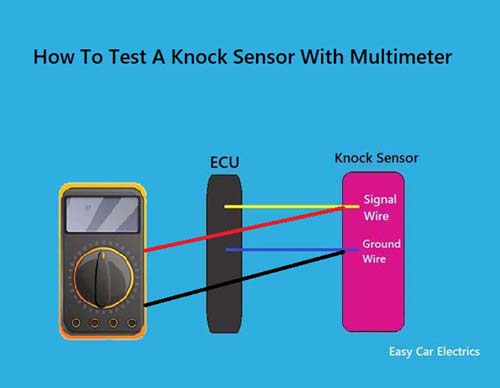
Yes, a car can often run without a knock sensor, but it may suffer reduced performance and increased engine risk.
Across the United States, millions of vehicles rely on knock sensors to help the engine control module adjust ignition timing and protect the engine from harmful detonation. When a knock sensor fails or becomes disconnected, many vehicles can still start and drive, but they usually enter a protective operating strategy.
The answer to can a car run without a knock sensor depends on the vehicle design, engine management system, and driving conditions. While the engine may continue running, fuel economy, power output, and long-term engine durability can be affected. Understanding the sensor’s role helps drivers make informed repair decisions before a small problem becomes an expensive one.
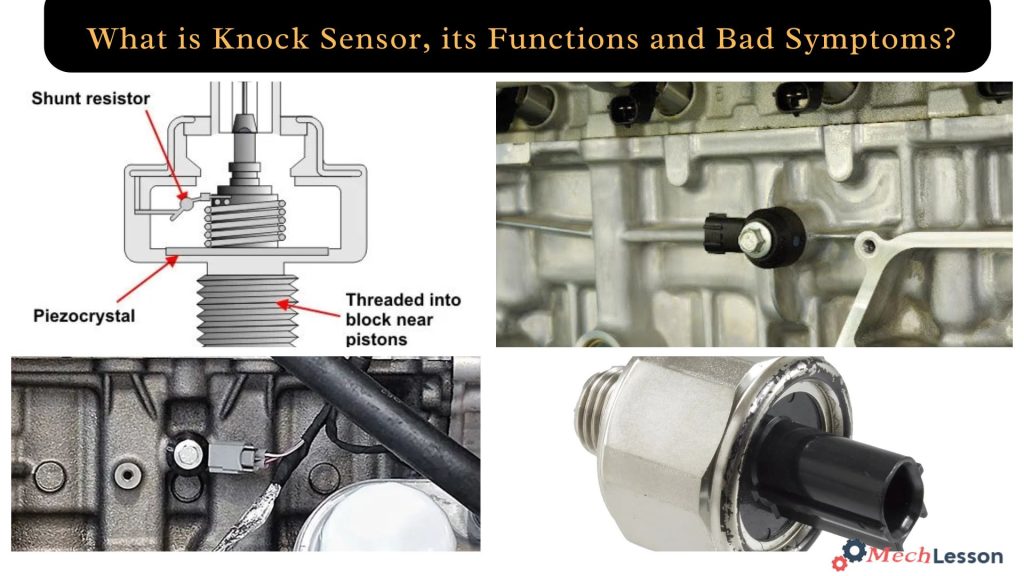
Source: mechlesson.com
What Does a Knock Sensor Do?
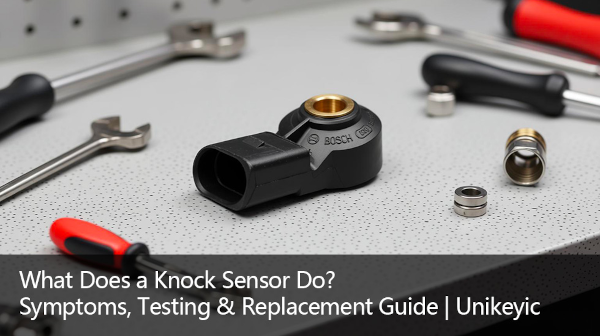
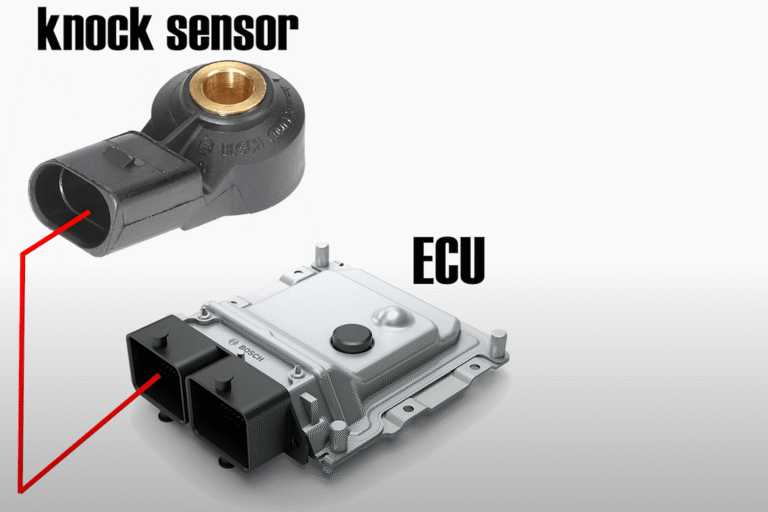
A knock sensor detects abnormal combustion events commonly known as engine knock or detonation. It converts engine vibrations into electrical signals that the engine control module can analyze.
When knocking is detected, the engine computer adjusts ignition timing to reduce combustion pressure spikes. This helps protect pistons, valves, bearings, and other internal engine components from damage.
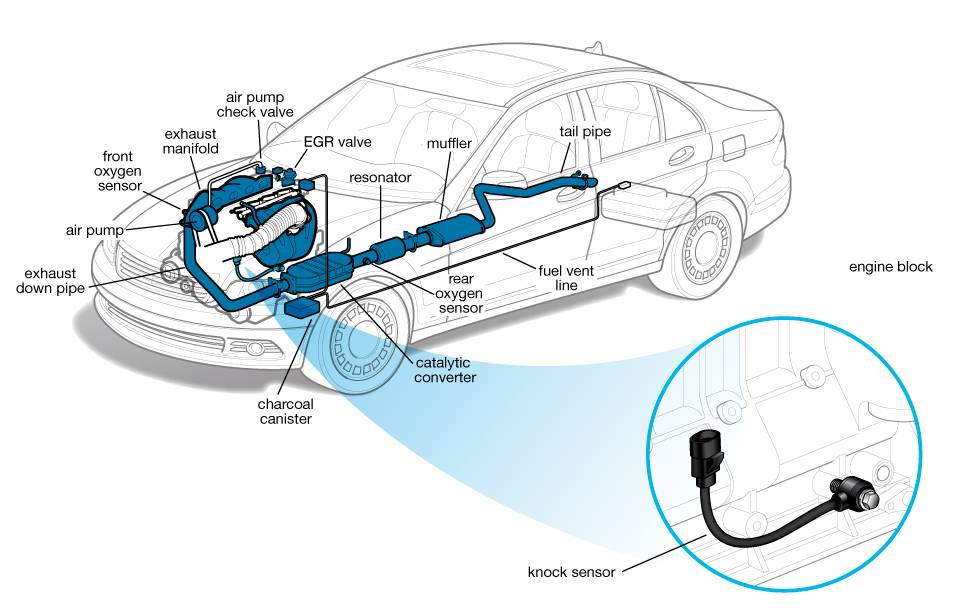
Source: www.cars.com
Detects Engine Knock
Monitors vibrations associated with abnormal combustion.
Protects Engine Components
Allows the computer to reduce timing advance when needed.
Supports Performance
Helps maintain efficient ignition timing under varying conditions.
Why Modern Engines Depend on Knock Sensors
Modern engines often operate with higher compression ratios and advanced ignition strategies. These designs improve efficiency but make accurate knock detection more important. Without reliable sensor feedback, the engine computer may use conservative settings that reduce performance.
Higher Compression
Requires precise control of combustion timing.
Can a Car Run Without a Knock Sensor?
Yes, in many cases a car can run without a knock sensor. The engine will often start, idle, and drive normally enough to reach a repair facility. However, the computer may store fault codes and activate the check engine light.
Many modern vehicles switch to a default timing strategy when knock sensor data is unavailable. This protective mode reduces the likelihood of engine damage but often results in slower acceleration, reduced fuel efficiency, and less responsive performance.
Source: flyingmachinearena.org
Engine May Still Run
Most vehicles remain operational despite sensor failure.
Performance Can Drop
Timing adjustments may reduce horsepower and responsiveness.
Warning Lights Appear
Diagnostic codes are commonly stored in memory.
Situations Where the Engine Runs Poorly
Some engines are more sensitive to missing knock sensor data than others. Turbocharged and high-performance engines may show more noticeable power loss because they rely heavily on accurate knock control.
Turbocharged Engines
Often experience larger reductions in power output.
What Happens When the Knock Sensor Is Missing or Fails?
A failed, disconnected, or missing knock sensor prevents the engine computer from accurately detecting detonation. To compensate, the computer may reduce ignition timing as a safety measure.
Drivers may notice decreased fuel economy, sluggish acceleration, rough performance under load, or a check engine light. In some cases, no obvious symptoms appear beyond stored diagnostic trouble codes.
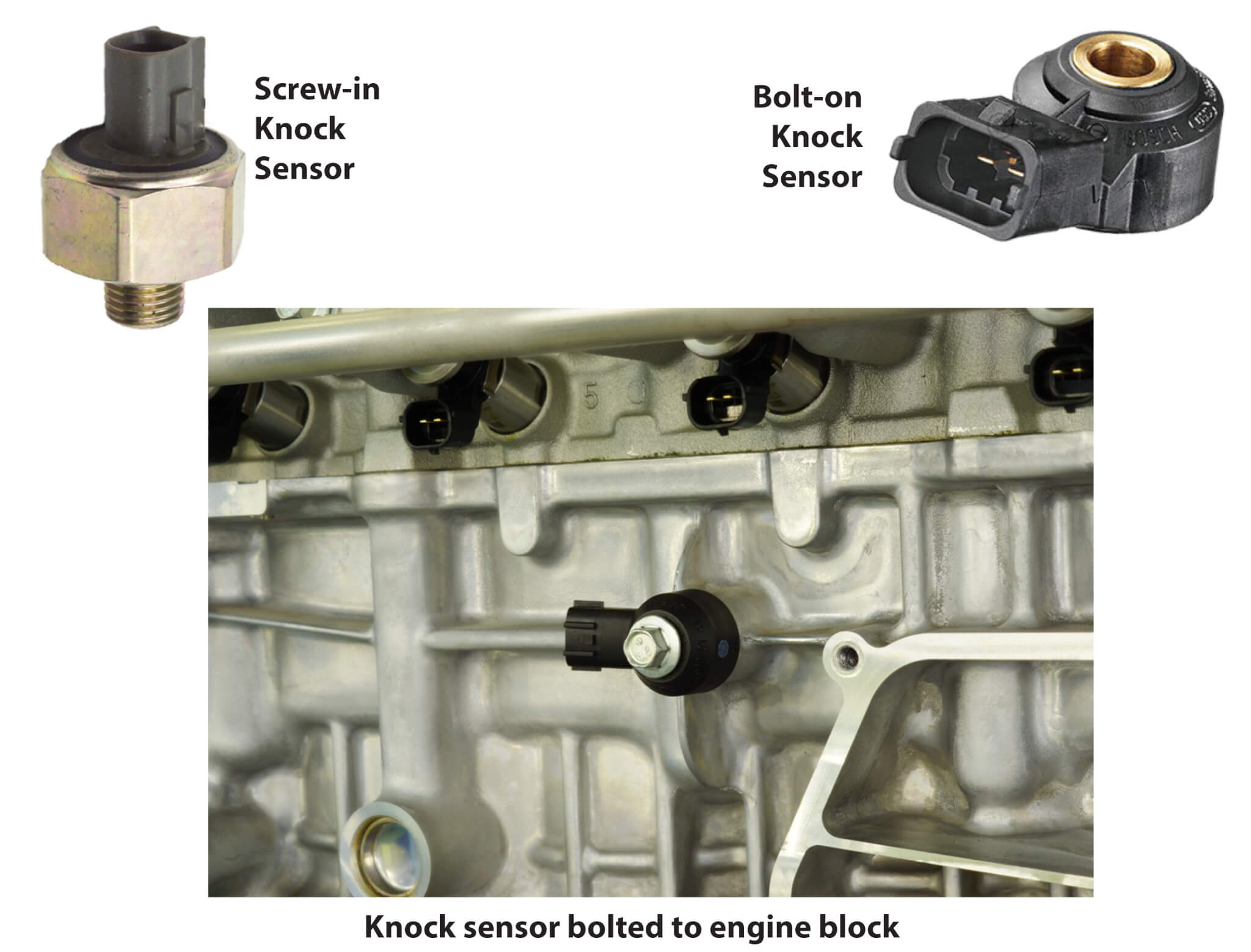
Source: xahedtech.com
Check Engine Light
Fault codes related to the knock sensor may be recorded.
Reduced Fuel Economy
Conservative timing settings can lower efficiency.
Less Engine Power
Protective timing adjustments may reduce output.
Common Diagnostic Trouble Codes
Codes such as P0325 through P0334 are commonly associated with knock sensor circuit or performance issues. Exact codes vary by manufacturer and vehicle model.
Scan the Vehicle
Use an OBD-II scanner to identify stored codes.
Can Driving Without a Knock Sensor Damage the Engine?
The risk depends on the engine design and operating conditions. If the computer successfully uses a conservative timing map, severe damage may be avoided. However, the engine loses an important layer of protection against detonation.
Persistent engine knock can damage pistons, piston rings, bearings, cylinder walls, and valves. Continuing to drive with a known knock sensor problem for an extended period increases uncertainty and risk.
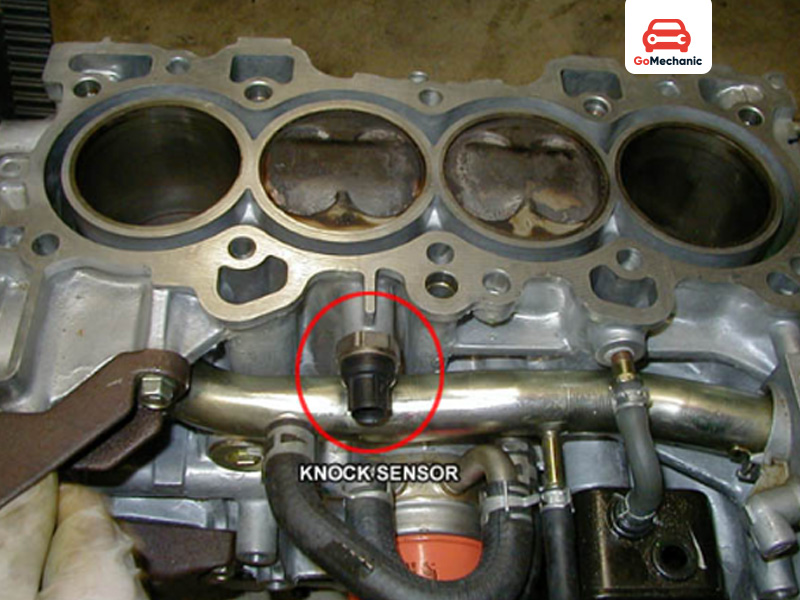
Source: gomechanic.in
Short-Term Driving
Often possible when no severe symptoms are present.
Long-Term Operation
Can expose the engine to unnecessary risk.
Heavy Loads
Towing or hard acceleration may increase concerns.
Warning Signs That Need Immediate Attention
Audible pinging, severe power loss, overheating, or persistent check engine lights should be investigated quickly. These symptoms can indicate conditions that may harm the engine if ignored.
Engine Pinging
May indicate uncontrolled combustion.
Should You Replace a Bad Knock Sensor?
Yes, replacing a faulty knock sensor is generally recommended. A functioning sensor helps the engine operate efficiently while reducing the risk of harmful detonation.
Before replacing the sensor, technicians often inspect wiring, connectors, and related circuits. In some cases, corrosion, damaged wiring, or connector issues are responsible for the fault rather than the sensor itself.
Source: hitchesguide.com
Restore Engine Performance
Proper timing control can improve drivability.
Improve Fuel Economy
Accurate knock detection supports efficient operation.
Prevent Future Problems
Reduces the chance of unnoticed detonation.
Basic Troubleshooting Sequence
Start by scanning for trouble codes, inspecting wiring, checking connector condition, and verifying sensor operation according to manufacturer procedures. Replace components only after confirming the cause.
Verify Before Replacing
Testing helps avoid unnecessary parts replacement.
Frequently Asked Questions
Q
Can I unplug a knock sensor and keep driving?
Many vehicles will continue to run if the knock sensor is unplugged. However, the check engine light will usually illuminate, and performance may decrease due to protective timing adjustments.
Q
Will a bad knock sensor cause a no-start condition?
In most cases, a bad knock sensor does not prevent the engine from starting. Other issues are usually responsible if the vehicle will not start.
Q
How long can I drive with a bad knock sensor?
Short trips are often possible, but extended driving is not recommended. Repairing the issue promptly helps maintain engine performance and protection.
Q
Does a bad knock sensor reduce fuel economy?
Yes, fuel economy can decrease because the engine computer may use more conservative ignition timing when knock sensor data is unavailable.
Q
Can a knock sensor cause rough acceleration?
Yes, reduced power and slower acceleration are common symptoms. The engine control module may limit timing advance to protect the engine.
✦ Wrapping Up
Conclusion
The answer to can a car run without a knock sensor is generally yes, but doing so is not ideal. Most vehicles can continue operating after a sensor failure, yet they often sacrifice power, efficiency, and optimal engine protection.
Because the knock sensor plays a critical role in detecting harmful combustion, repairing a faulty sensor should be considered an important maintenance task. Prompt diagnosis helps prevent performance issues and reduces the risk of long-term engine damage.
💡 Key Takeaway
If your vehicle has a knock sensor fault code or check engine light, scan the system, inspect related wiring, and schedule repairs as soon as practical to restore safe and efficient engine operation.
Ethan Brooks is an automotive writer at Auto News 7, covering car news, vehicle maintenance, new model updates, recalls, and practical buying guides. He focuses on clear, useful information that helps drivers understand their vehicles and make better ownership decisions.
Learn what a knock sensor detects, how it works, why engine knock matters, common symptoms of failure, and how the sensor helps protect engine performance.
Learn what type of sensor is a knock sensor, how it works, the technology behind it, and why it is essential for modern vehicle engine protection and performance.
Learn how many ohms a camshaft sensor should have, why resistance varies by sensor type, and how to test a camshaft position sensor accurately with a multimeter.
Learn how to test a single wire knock sensor with a multimeter, check its wiring and ground path, interpret resistance readings, and avoid common testing mistakes.
Learn how to replace camshaft position sensor PT Cruiser models with this detailed step-by-step guide. Find symptoms, tools needed, replacement steps, troubleshooting tips, and common mistakes to avoid.