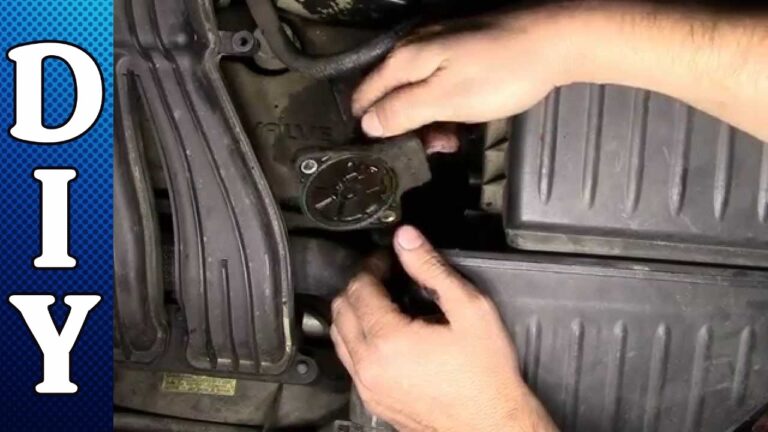
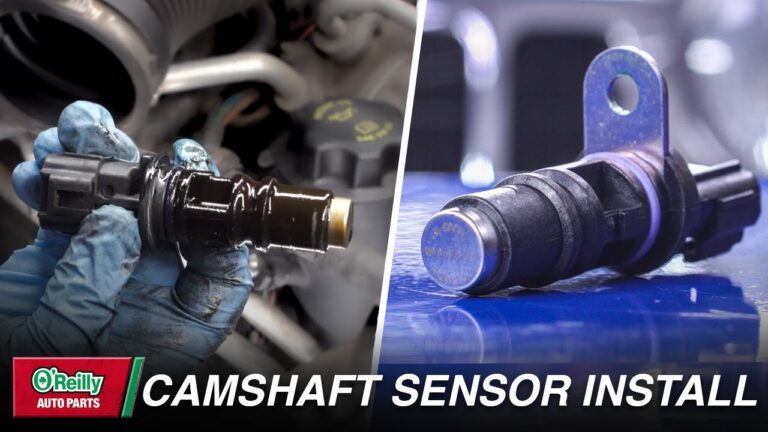
Most camshaft position sensors do not have a fixed replacement interval and are typically replaced only when they fail or show clear symptoms.
For drivers in the United States, the answer to how often to replace camshaft position sensor components is usually based on condition rather than mileage. Many original sensors can last well beyond 100,000 miles, while others may fail earlier due to heat, vibration, oil contamination, wiring issues, or manufacturing defects.
A camshaft position sensor helps the engine control module track camshaft position and timing. When the sensor starts failing, it can affect engine performance, fuel delivery, ignition timing, and vehicle reliability. Understanding the warning signs can help you replace the sensor before it causes starting problems or engine stalling.
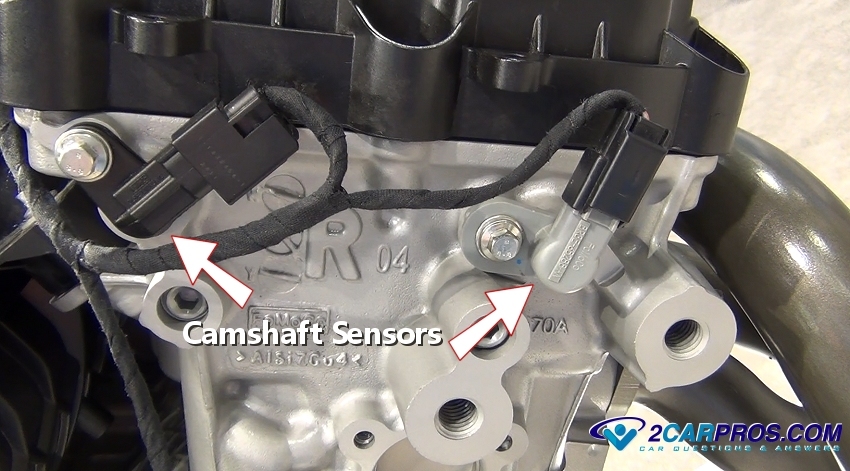
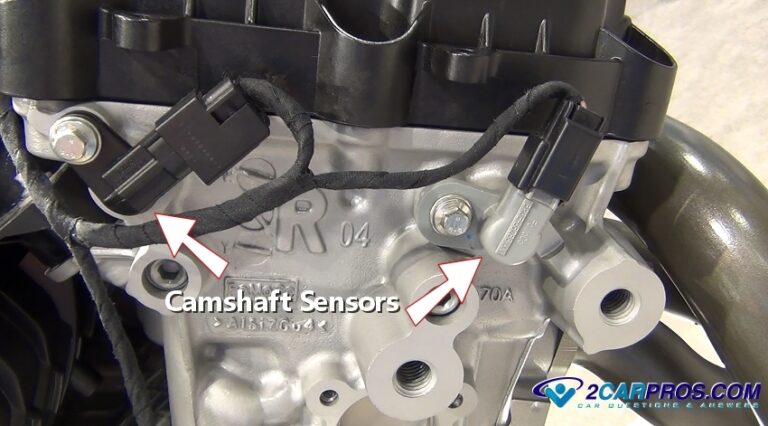
Source: 2carpros.com
How Often Should a Camshaft Position Sensor Be Replaced?
There is no universal mileage or time-based replacement schedule for a camshaft position sensor. Unlike filters, fluids, or spark plugs, the sensor is generally replaced only when it fails, produces inaccurate readings, or triggers diagnostic trouble codes.
In many vehicles, a camshaft position sensor may last the life of the vehicle. However, sensors exposed to extreme engine heat, oil leaks, moisture, or electrical issues may fail sooner. If your vehicle shows symptoms of sensor failure, testing is more important than mileage alone.
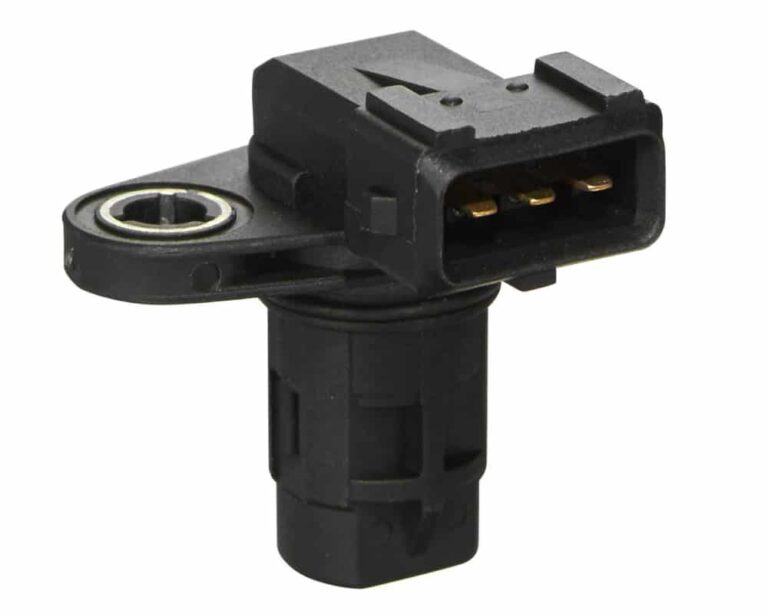
Source: obdtech.co.nz
No Fixed Interval
Most manufacturers do not list routine replacement intervals for the sensor.
Condition-Based Maintenance
Replacement is typically recommended only after confirmed failure.
Mileage Varies
Some sensors fail before 100,000 miles while others last much longer.
Typical Sensor Lifespan
A well-protected sensor operating under normal conditions often lasts 100,000 to 150,000 miles or more. Vehicle design, engine temperature, and maintenance quality can significantly affect lifespan.
Heat Exposure
High temperatures can accelerate electronic component wear.
What Does a Camshaft Position Sensor Do?
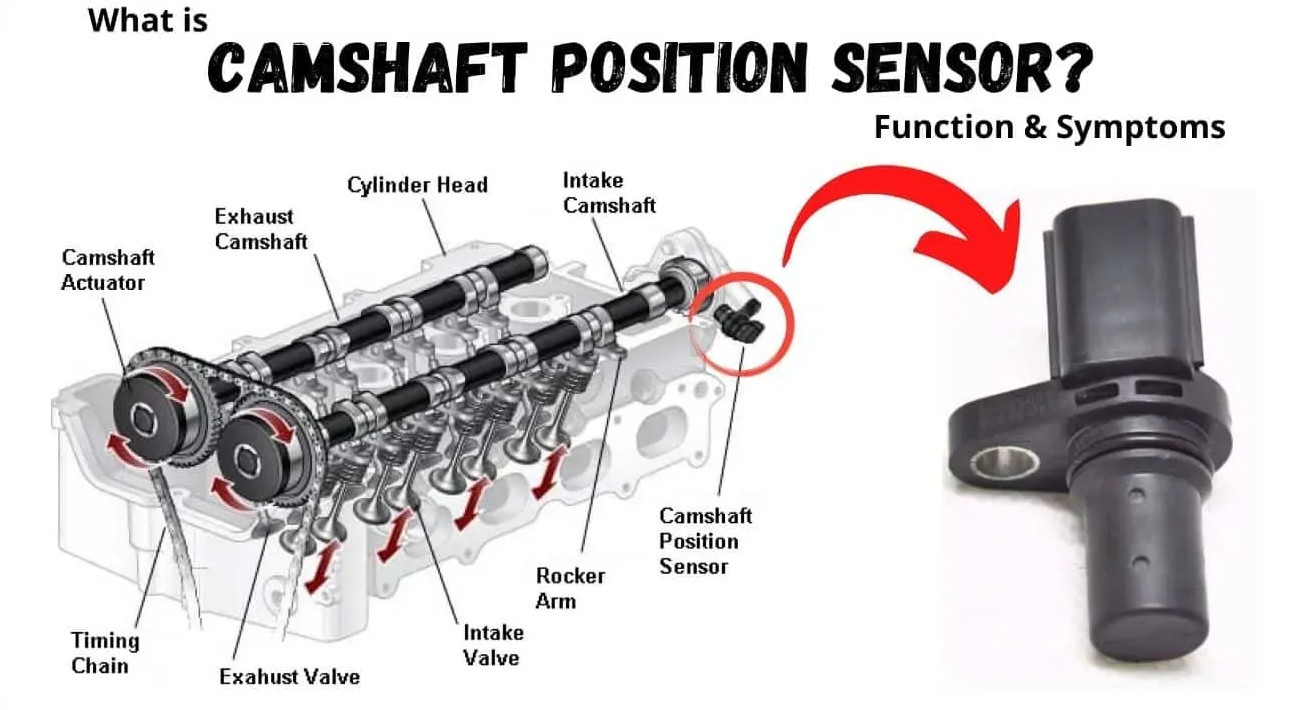
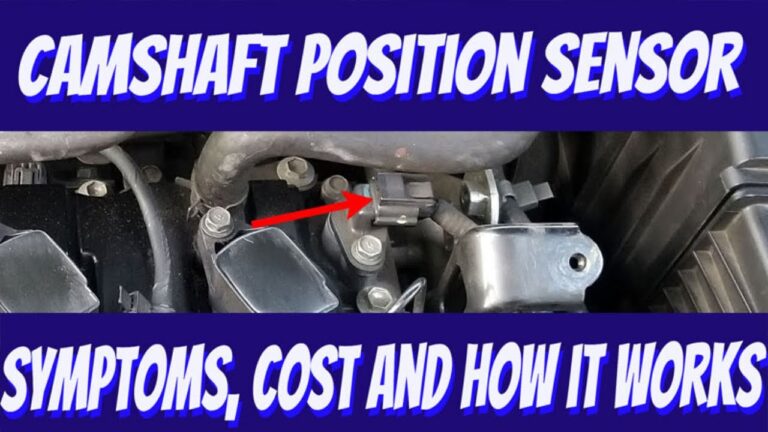
The camshaft position sensor monitors the rotation and position of the camshaft. It sends data to the engine control module, allowing the computer to determine proper fuel injection timing and ignition events.
Without accurate sensor information, the engine may struggle to start, run inefficiently, or trigger warning lights. Modern engines depend heavily on precise sensor input for performance and emissions control.
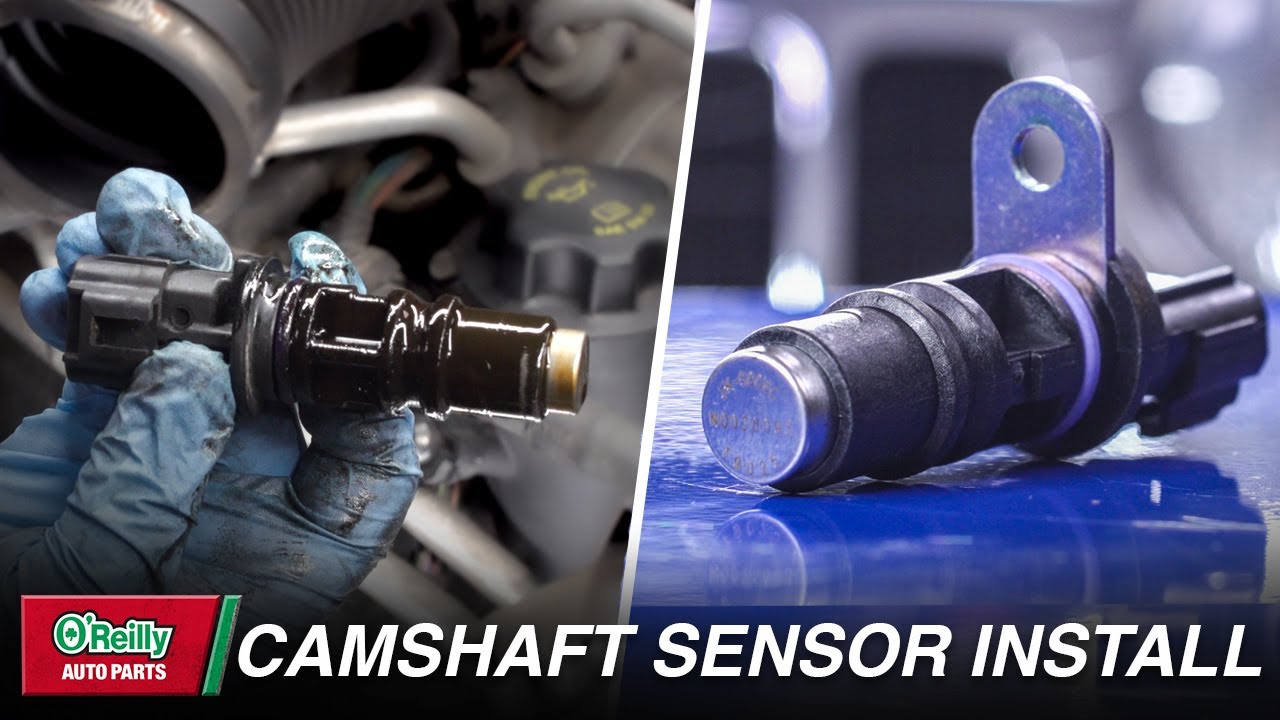
Source: youtube.com
Fuel Injection Control
Helps coordinate injector timing.
Ignition Timing
Supports accurate spark delivery.
Engine Management
Provides critical operating data to the computer.
Why Sensor Accuracy Matters
Even intermittent sensor errors can cause noticeable drivability problems because the engine computer relies on accurate position data.
Performance Impact
Incorrect readings can affect acceleration and fuel economy.
Signs That a Camshaft Position Sensor Needs Replacement
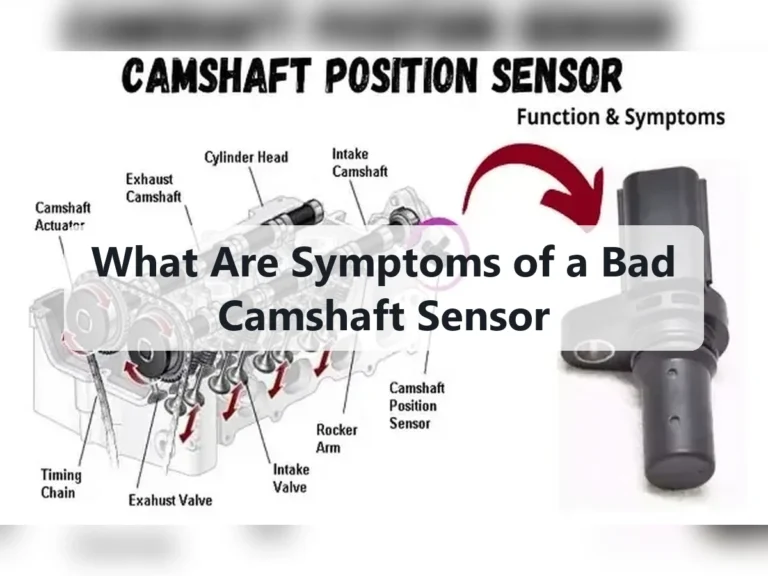
Several symptoms may indicate a failing camshaft position sensor. These symptoms can also be caused by wiring faults, timing issues, or other engine problems, so proper diagnosis is important.
If multiple symptoms appear together, testing the sensor and related circuits should be one of the first diagnostic steps.
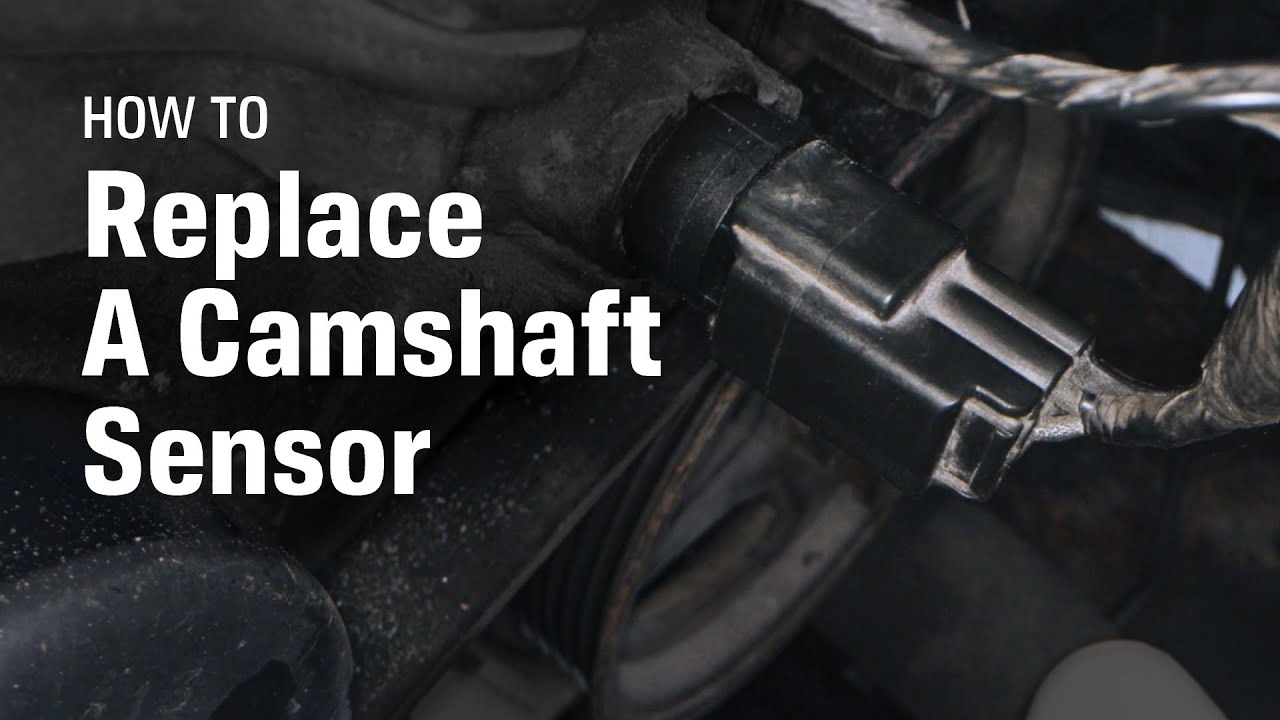
Source: hitchesguide.com
Check Engine Light
Diagnostic trouble codes related to camshaft position may appear.
Hard Starting
The engine may crank longer than normal before starting.
Engine Stalling
Intermittent sensor signals can cause sudden stalls.
Poor Acceleration
Incorrect timing information may reduce engine performance.
Symptoms That Should Not Be Ignored
Repeated stalling, misfires, and starting failures can leave a vehicle stranded and should be inspected promptly.
Safety Concern
Unexpected stalling can create hazardous driving situations.
Factors That Affect Camshaft Position Sensor Lifespan
Sensor lifespan depends on operating conditions and vehicle health. A sensor located near high-heat engine components may experience greater stress than one positioned in a cooler location.
Electrical system issues, damaged wiring, oil contamination, and moisture intrusion can also shorten service life.
Source: cleanestor.com
Engine Heat
Continuous exposure can degrade electronic components.
Oil Leaks
Contamination can damage sensor connectors and wiring.
Electrical Problems
Voltage fluctuations may affect sensor reliability.
Environmental Conditions
Vehicles operating in extreme climates may experience faster component wear compared with vehicles driven under moderate conditions.
Moisture Exposure
Water intrusion can corrode electrical contacts.
Should You Replace the Sensor Preventively?
Preventive replacement is usually unnecessary unless the sensor is known to be a common failure point on a specific vehicle model or the sensor is difficult to access during future repairs.
Most vehicle owners save money by replacing the sensor only after testing confirms a problem. If related engine work already exposes the sensor, replacement may be worth considering depending on age and mileage.
Source: 1aauto.com
Test Before Replacing
Confirm failure using diagnostic procedures.
Consider Accessibility
Replacement may make sense when major engine components are already removed.
Avoid Guesswork
Many symptoms can have causes other than the sensor itself.
When Professional Diagnosis Is Best
If diagnostic trouble codes persist after replacement or multiple engine issues exist, a qualified technician can perform advanced electrical testing.
Complex Electrical Faults
Wiring and computer issues can mimic sensor failure.
Frequently Asked Questions
Q
Can a camshaft position sensor last the life of a vehicle?
Yes. Many camshaft position sensors remain functional for the entire life of the vehicle. Actual lifespan depends on operating conditions, vehicle design, and component quality.
Q
What mileage do camshaft position sensors usually fail?
There is no standard failure mileage. Many sensors last beyond 100,000 miles, while some may fail earlier due to heat, contamination, or electrical issues.
Q
Can I drive with a bad camshaft position sensor?
Some vehicles may continue to operate temporarily, but drivability problems can worsen. Stalling, poor performance, and starting issues can make continued driving risky.
Q
Will a bad camshaft position sensor trigger a check engine light?
Yes. A failing sensor commonly triggers the check engine light and may store diagnostic trouble codes related to camshaft timing or sensor performance.
Q
How much does camshaft position sensor replacement cost?
Costs vary by vehicle. The total expense depends on the sensor price, labor time, sensor location, and whether additional diagnostic work is required.
✦ Wrapping Up
Conclusion
The answer to how often to replace camshaft position sensor components is simple: most vehicles do not require replacement on a fixed schedule. The sensor is usually replaced only after testing confirms failure or performance problems.
Monitoring symptoms, responding to check engine lights, and addressing wiring or contamination issues promptly can help maintain reliable engine operation and prevent unexpected breakdowns.
💡 Key Takeaway
If your vehicle shows starting problems, stalling, or camshaft-related fault codes, schedule diagnostic testing before replacing parts.
Ethan Brooks is an automotive writer at Auto News 7, covering car news, vehicle maintenance, new model updates, recalls, and practical buying guides. He focuses on clear, useful information that helps drivers understand their vehicles and make better ownership decisions.
Learn how to replace intake camshaft position sensor with a detailed step-by-step guide, tools list, troubleshooting tips, safety advice, and common mistakes to avoid.
Learn how much a camshaft position sensor costs, typical replacement prices in the USA, labor charges, symptoms of failure, and when replacement makes sense.
Learn how much to replace a camshaft position sensor in the United States, including parts, labor, DIY costs, symptoms, and factors that affect repair pricing.
Learn how to replace camshaft position sensor PT Cruiser models with this detailed step-by-step guide. Find symptoms, tools needed, replacement steps, troubleshooting tips, and common mistakes to avoid.
Learn how to replace camshaft position sensor components with a detailed step-by-step guide, tools list, troubleshooting tips, safety advice, and common mistakes to avoid.