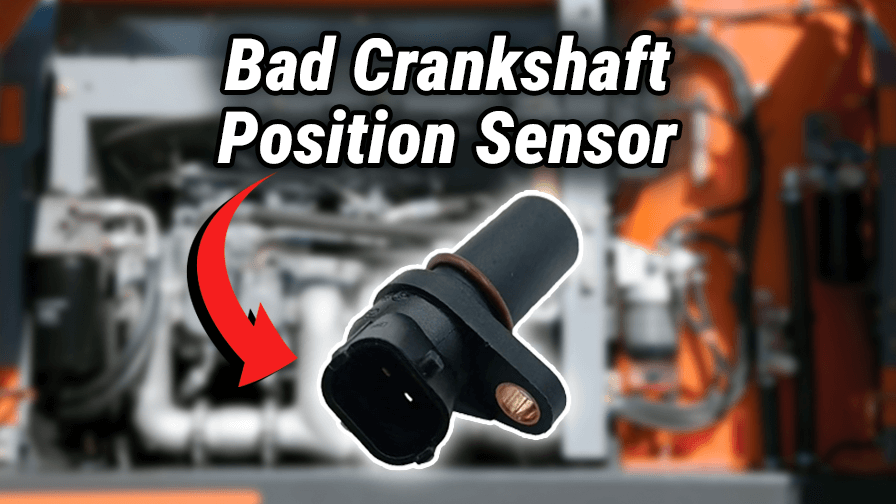
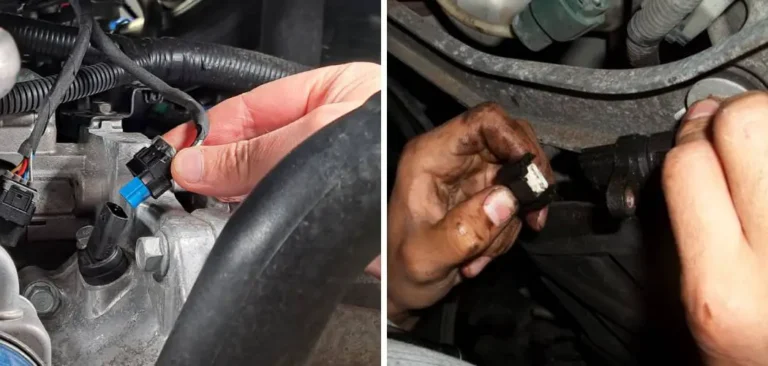
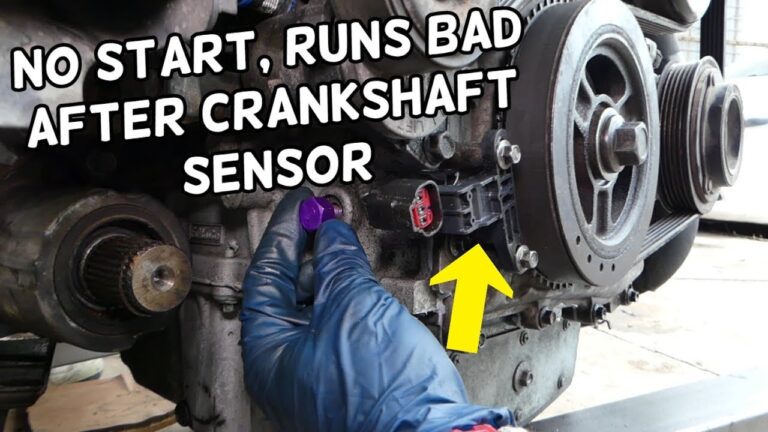
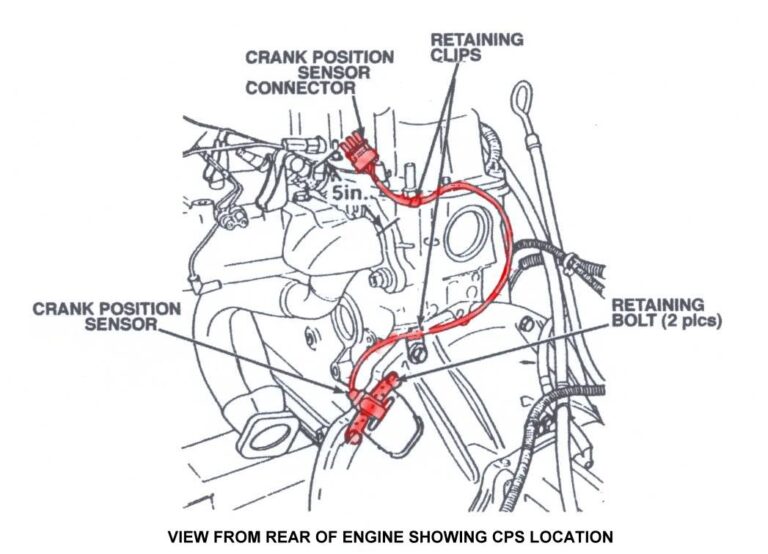
Yes, a failing crankshaft position sensor can cause loss of power, poor acceleration, misfires, stalling, or limp mode.
For drivers in the United States, a sudden loss of engine power can make highway merging, passing, and normal city driving stressful. A faulty crankshaft position sensor, often called a CKP sensor or crank sensor, is one possible cause. The sensor tells the engine control module about crankshaft position and speed, information the computer uses to manage fuel injection and ignition timing.
When the CKP signal becomes weak, erratic, or disappears, the engine computer may not be able to control the engine correctly. Depending on the vehicle and the nature of the fault, the result can range from reduced acceleration and rough running to stalling or a complete no-start condition. However, loss of power alone does not prove that the crankshaft position sensor is defective.
Other problems can produce similar symptoms, including fuel delivery faults, ignition problems, a failing camshaft position sensor, restricted airflow, exhaust restrictions, and transmission issues. A proper diagnosis should therefore check the sensor signal, wiring, related components, and stored diagnostic information before replacing the part.
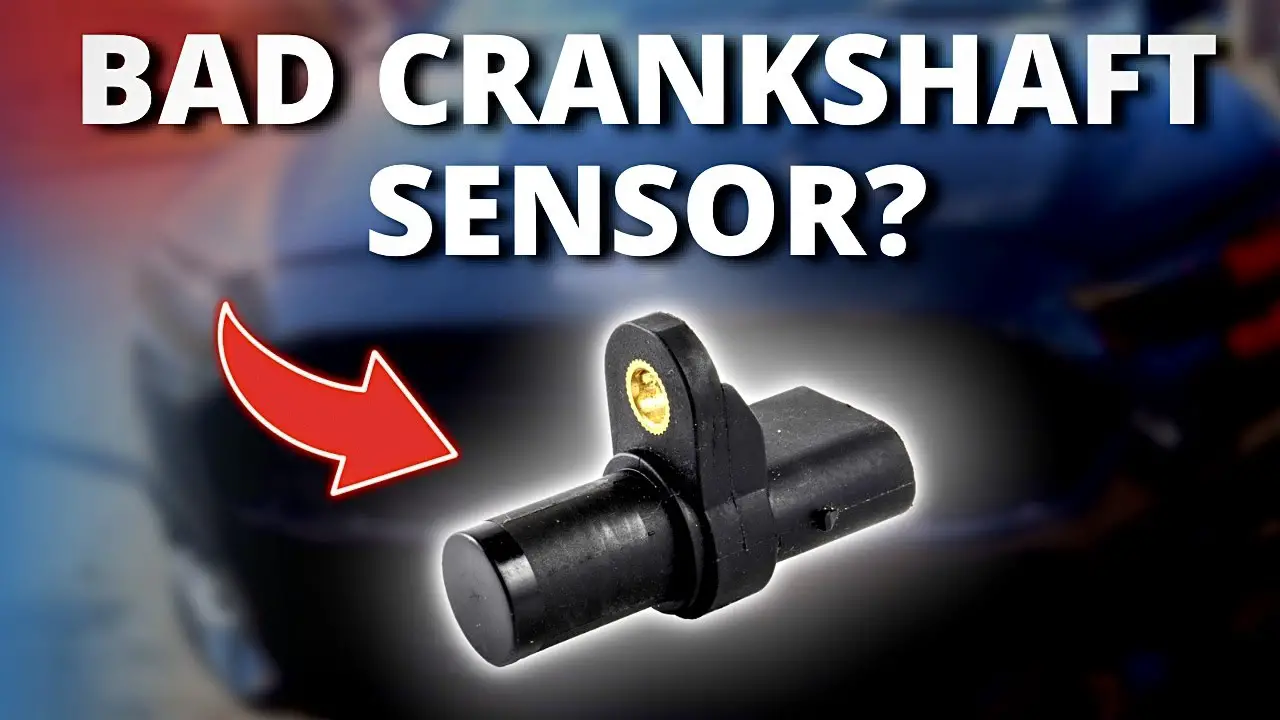
Source: mechlesson.com
How a Crankshaft Position Sensor Can Cause Loss of Power
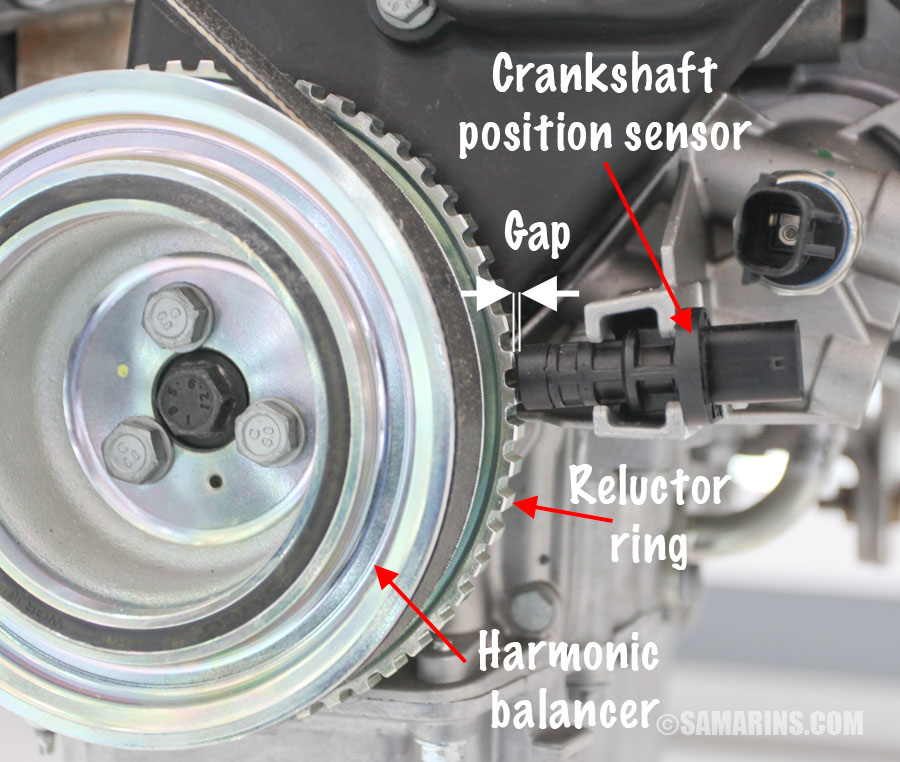
The crankshaft position sensor monitors the crankshaft’s rotational position and speed and sends that information to the engine control module. The computer uses this information as part of its control of fuel injection and ignition timing. If the signal is inaccurate or intermittent, engine operation can become unstable.
A healthy sensor gives the engine computer a reliable reference for what the crankshaft is doing. A failing sensor may produce a signal that drops out, becomes distorted, or changes unexpectedly. The computer can then have difficulty coordinating combustion at the correct time.
This can show up as hesitation, weak acceleration, misfires, rough running, or reduced engine output. Some vehicles may also enter a reduced-power or limp-home strategy when the computer detects a serious engine-management fault.
In severe cases, the engine can stall or refuse to start. That is why the answer to can crankshaft position sensor cause loss of power is yes, but the exact symptom depends on the vehicle’s engine-control strategy and how the sensor is failing.
Source: samarins.com
Incorrect engine timing information
An unreliable CKP signal can interfere with the engine computer’s ability to coordinate ignition and fuel delivery.
Intermittent signal loss
A sensor or wiring fault that appears only at certain engine speeds or temperatures can cause sudden hesitation or power loss.
Reduced-power operation
Some vehicles may limit engine operation when a significant sensor or engine-control problem is detected.
Complete signal failure
If the computer cannot obtain the required crankshaft signal, the engine may stall or fail to start.
Why the CKP Signal Matters
The crankshaft converts piston movement into rotation. The crankshaft position sensor tracks that rotation so the engine control system knows where the crankshaft is and how quickly it is turning. That information is fundamental to controlling combustion in a modern electronically managed engine.
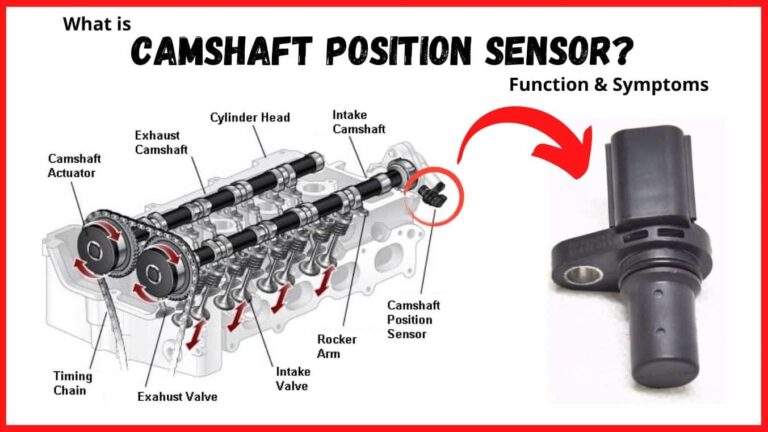
The crankshaft sensor works with other engine-management inputs, including the camshaft position sensor. The exact control strategy differs by engine, so a sensor fault can produce different symptoms from one vehicle to another.
Symptoms of a Bad Crankshaft Position Sensor
A failing crankshaft position sensor can cause several drivability symptoms, but no single symptom confirms the diagnosis. The most useful clue is a combination of symptoms that occurs alongside relevant diagnostic information.
Power loss may be more noticeable during acceleration because the engine needs accurate speed and position information as engine speed and load change. A sensor that works intermittently at idle may produce more obvious problems when the vehicle is accelerating.
Some faults appear only after the engine becomes hot. Others may be affected by vibration, wiring movement, moisture, contamination, or damage near the sensor or its trigger wheel.
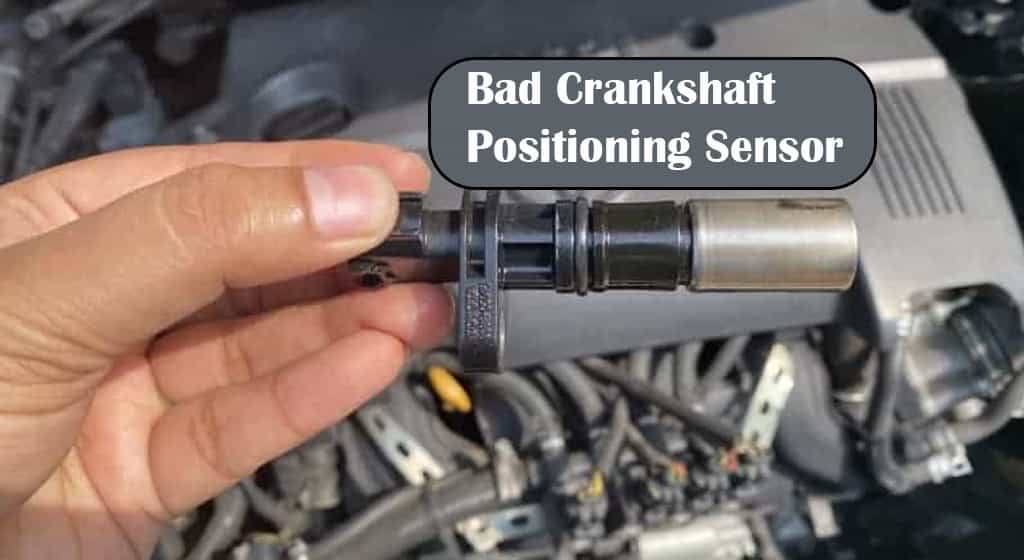
Source: motorriderz.com
Weak acceleration
The engine may feel slow to respond when you press the accelerator, particularly if the sensor signal becomes unreliable under changing engine speed.
Intermittent stalling
A CKP signal that suddenly drops out can cause the engine to stop running.
Hard starting or no-start
The engine may crank normally but fail to start if the control module cannot obtain the crankshaft information it needs.
Engine misfires
Incorrect or missing position information can interfere with combustion control and contribute to misfiring.
Rough or unstable idle
An inconsistent sensor signal can contribute to rough running or unstable engine operation.
Check engine light
The vehicle may store a diagnostic trouble code when the engine computer detects an abnormal crankshaft position sensor circuit or signal.
Reduced fuel economy
Poor engine control can affect combustion and fuel delivery, potentially increasing fuel consumption.
Loss of Power With No Check Engine Light
A crankshaft position sensor problem can sometimes exist without an obvious warning light. An intermittent fault may not remain active long enough to trigger a warning, or another sensor and engine-control strategy may affect how the fault is detected.
The absence of a check engine light does not prove that the CKP sensor is healthy. If power loss occurs with stalling, hard starting, misfires, or a changing engine RPM signal, further diagnosis may still be appropriate.
What Causes a Crankshaft Position Sensor to Fail?
The sensor itself can fail, but a crankshaft position sensor problem is not always caused by the sensor element. Wiring, connectors, contamination, mechanical damage, and the component that the sensor reads can also create a similar fault.
A diagnostic process should therefore treat the CKP system as a group of related components rather than automatically replacing the sensor. This approach can prevent an unnecessary replacement when the real problem is a damaged wire, poor connection, or damaged trigger wheel.
Source: exoarmnow.blob.core.windows.net
Internal sensor failure
Age, heat, vibration, or electrical damage can cause the sensor to produce an incorrect or intermittent signal.
Damaged wiring
Broken, shorted, chafed, or heat-damaged wiring can interrupt the signal between the sensor and engine computer.
Poor electrical connection
Corrosion, loose terminals, or connector damage can prevent a reliable electrical connection.
Contamination
Dirt or metal debris can interfere with some sensor designs, particularly when the sensing area becomes contaminated.
Mechanical damage
Impact from debris or nearby engine components can damage the sensor or alter its position.
Damaged trigger or reluctor wheel
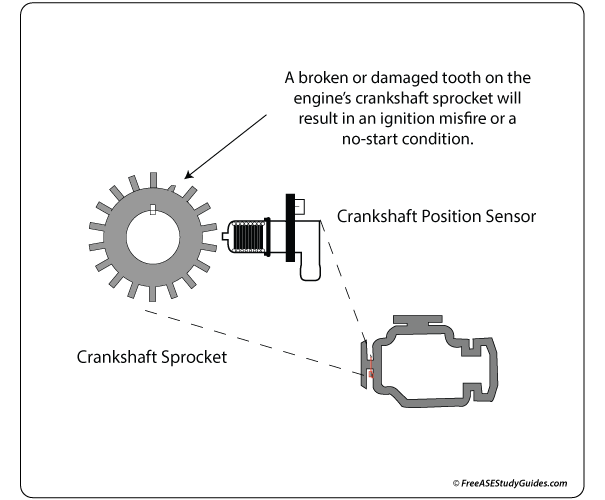
The sensor reads a rotating target or reluctor pattern. Damage to that component can produce an abnormal signal even when the sensor itself is functional.
Sensor Failure Versus Wiring Failure
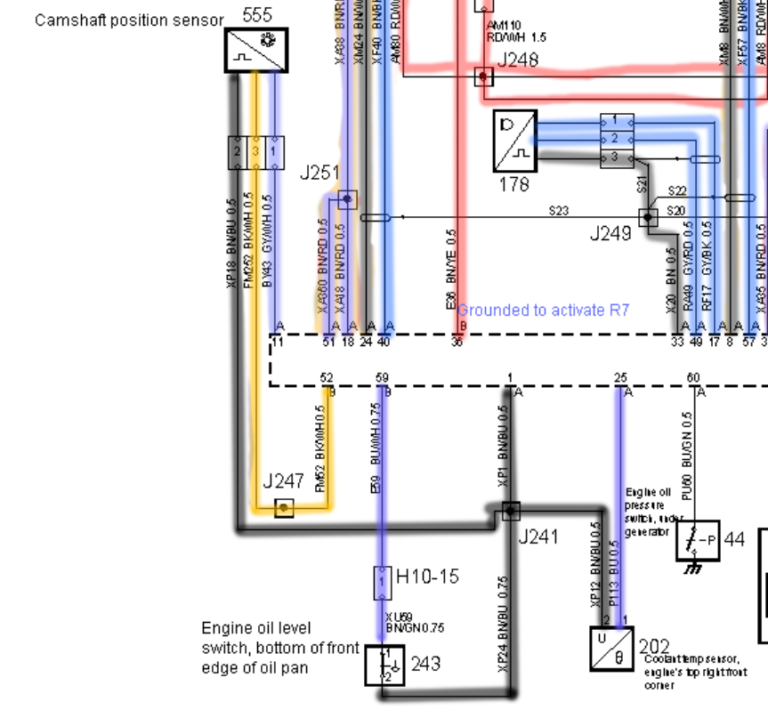
A diagnostic trouble code that points to the crankshaft position sensor circuit does not necessarily mean the sensor itself needs replacement. The code can identify an electrical circuit or signal problem while the actual cause is a connector, wire, power supply, ground, or mechanical target.
This distinction matters because replacing a sensor will not repair a broken wire or damaged reluctor. A visual inspection and appropriate electrical or signal testing should be performed before installing a replacement part.
How to Diagnose Loss of Power From a Crankshaft Position Sensor
The most reliable way to determine whether the crankshaft position sensor is causing power loss is to test the vehicle’s actual fault rather than replacing parts based only on symptoms. Start with diagnostic information and then inspect the sensor system.
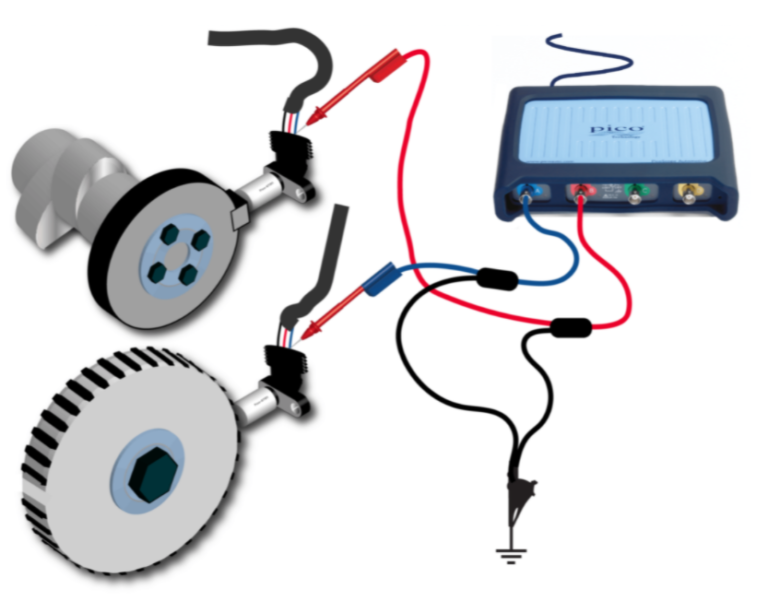
The exact test procedure depends on the vehicle, sensor design, and manufacturer specifications. Crankshaft sensors can use different operating principles, including inductive and Hall-effect designs, so a test method that is correct for one sensor may be inappropriate for another.
Source: mechstudies.com
1. Scan for diagnostic trouble codes
Use a compatible scan tool to check stored and pending codes. Codes associated with crankshaft position sensor circuits can provide a useful direction, but they should not be treated as automatic proof that the sensor itself has failed.
2. Check live engine RPM
Watch engine RPM while cranking when supported by the scan tool. An absent or implausible RPM signal can provide an important clue when investigating a crankshaft position signal problem.
3. Inspect the connector and wiring
Look for loose connections, corrosion, damaged insulation, broken wires, or wiring that has been rubbing against another component.
4. Inspect the sensor and trigger area
Check for physical damage, contamination, incorrect installation, and problems with the reluctor or trigger wheel when accessible.
5. Test the sensor signal
Use the testing procedure specified for the vehicle and sensor type. Depending on the design, testing may involve voltage, resistance, waveform, or scan-tool data.
6. Compare the result with manufacturer specifications
A measured value should be judged against the correct specification for the exact vehicle and sensor. Generic resistance values are not suitable for every sensor design.
Be Careful With Multimeter Testing
Do not assume every crankshaft position sensor should be tested with an ohmmeter. Some sensors are Hall-effect designs and require a different diagnostic approach. Applying an inappropriate test method can produce misleading results or, in some circumstances, damage an electronic sensor.
For difficult or intermittent faults, an oscilloscope can show the sensor waveform and reveal signal dropouts or abnormal patterns that may not be obvious from a simple resistance measurement. A professional technician may use scan data, wiring tests, and waveform analysis together.
Use vehicle-specific information
Follow the service information for the exact year, engine, sensor type, and wiring configuration.
Do not diagnose from a code alone
A sensor-related code can indicate a circuit or signal problem rather than a failed sensor.
Other Problems That Can Cause Similar Power Loss
A vehicle that loses power does not automatically have a crankshaft position sensor problem. Several other systems can produce weak acceleration, hesitation, rough running, or stalling. Checking these alternatives is especially important when the CKP signal tests normally.
The symptoms should be considered together. For example, power loss with low fuel pressure points toward a different diagnostic path than power loss accompanied by an intermittent RPM signal and a crankshaft sensor circuit code.
Source: youtube.com
Fuel delivery problems
A weak fuel pump, restricted filter where applicable, injector problem, or fuel-pressure fault can limit engine output.
Ignition problems
Worn spark plugs, failed ignition coils, or related faults can cause misfires and noticeable power loss.
Camshaft position sensor faults
The camshaft sensor works with the engine’s position information and can cause starting or drivability problems when its signal is incorrect.
Airflow or intake problems
A malfunctioning airflow sensor, intake restriction, vacuum leak, or throttle-related problem can affect engine performance.
Exhaust restriction
A restricted catalytic converter or other exhaust problem can make the engine struggle to produce power, particularly as engine speed and load increase.
Transmission problems
A transmission fault or incorrect shift behavior can feel like engine power loss even when the engine itself is producing normal output.
When Power Loss Points Away From the CKP Sensor
If the engine RPM signal remains normal, there are no relevant CKP-related faults, and the sensor waveform meets specifications, investigate other systems rather than replacing the sensor. Fuel pressure, ignition performance, intake airflow, exhaust restriction, and transmission operation may need separate testing.
A complete diagnosis is especially important when the vehicle has only one symptom, such as gradual loss of acceleration without hard starting, stalling, misfires, or other engine-management signs.
Can You Drive With a Bad Crankshaft Position Sensor?
Driving with a suspected crankshaft position sensor problem can be risky because the fault may worsen without much warning. A vehicle that currently has only intermittent hesitation could later stall, and a stalled engine can make it harder to control the vehicle safely in traffic.
If the engine is repeatedly stalling, losing substantial power, or failing to restart, continued driving should be avoided. Arrange for diagnosis or towing instead of assuming the vehicle will continue operating normally.
If the vehicle remains drivable and the problem is mild, the safest decision depends on the exact symptoms, location, traffic conditions, and vehicle behavior. A technician can determine whether the sensor, its circuit, or another component is responsible.
Source: fridayparts.com
Repeated stalling
Stop treating the vehicle as normally reliable and arrange diagnosis because another stall may occur unexpectedly.
Severe power loss
Avoid situations that require strong acceleration, such as highway merging, if the vehicle cannot produce normal power.
No-start condition
If the engine cranks but will not start and a CKP fault is suspected, professional diagnosis may be needed before the vehicle can be driven.
Burning smell or damaged wiring
Do not continue driving until the electrical problem is inspected because wiring damage can involve additional vehicle systems.
What Happens After Replacing the Crankshaft Position Sensor?
If testing confirms that the crankshaft position sensor has failed, replacement may restore normal engine operation. However, the repair should use the correct sensor for the vehicle and follow the manufacturer’s installation procedure.
After replacement, the vehicle may need additional checks or procedures depending on its design. Some vehicles can operate immediately after the repair, while others may require a relearn procedure or clearing and rechecking diagnostic information.
The original cause should also be considered. If wiring damage, contamination, or a damaged trigger wheel caused the problem, installing a new sensor alone may not solve the fault.
Source: exoarmnow.blob.core.windows.net
Confirm the correct part
Use the vehicle’s exact year, engine, and application information when selecting a replacement sensor.
Inspect the connector
A new sensor cannot compensate for a damaged connector or wiring fault.
Follow installation requirements
Sensor position, mounting, air gap, routing, and fastener requirements can vary by vehicle.
Verify the repair
Clear or document relevant diagnostic information as appropriate, start the engine, check live data, and confirm that the original symptoms have been resolved.
When Replacing the Sensor Does Not Fix the Power Loss
If the engine still loses power after a new CKP sensor is installed, do not keep replacing sensors. Recheck the wiring, connector, trigger wheel, sensor installation, diagnostic codes, and live data. Then expand the diagnosis to fuel, ignition, airflow, exhaust, and transmission systems.
A replacement part can also be the wrong application or can fail to correct the actual circuit fault. The diagnostic evidence should determine the next step.
Frequently Asked Questions
Q
Can a bad crankshaft position sensor cause loss of power?
Yes. A faulty crankshaft position sensor can cause weak acceleration, hesitation, misfires, rough running, stalling, or reduced-power operation because the engine computer depends on crankshaft speed and position information.
However, power loss alone does not prove that the crankshaft position sensor is the cause. Other engine, fuel, ignition, airflow, exhaust, and transmission problems can create similar symptoms.
Q
Can a crankshaft sensor cause poor acceleration?
Yes. An intermittent or inaccurate CKP signal can interfere with engine-control decisions and may produce weak or uneven acceleration.
The problem can be especially noticeable when engine speed changes quickly, although the exact behavior varies by vehicle and sensor design.
Q
Will a bad crankshaft sensor make a car go into limp mode?
It can. Some vehicles may enter a reduced-power or limp-home strategy when an important engine-management signal becomes unreliable.
Not every vehicle reacts the same way, so limp mode should not be treated as a universal symptom of a bad CKP sensor.
Q
Can a bad crankshaft position sensor cause stalling?
Yes. If the engine control module loses a required crankshaft speed or position signal, the engine can stall. A sensor with an intermittent fault may cause stalling that appears only under certain temperatures, engine speeds, or operating conditions.
Because unexpected stalling can create a traffic hazard, repeated stalling should be diagnosed promptly.
Q
Can a bad crankshaft sensor cause a car not to start?
Yes. The engine may crank normally but fail to start when the control system cannot obtain the crankshaft information required for proper engine management.
A no-start condition can have many causes, so testing the CKP signal and related wiring is necessary before replacing the sensor.
Q
What code indicates a bad crankshaft position sensor?
Codes such as P0335 and P0336 can be associated with crankshaft position sensor circuit or signal problems on vehicles that use those diagnostic definitions.
A code identifies a detected condition in a circuit or system; it does not automatically prove that the sensor itself is defective. Always use the diagnostic information for the specific vehicle.
Q
Can a crankshaft position sensor cause rough idle?
It can. An unstable crankshaft signal can contribute to rough or irregular engine operation, although rough idle also has many other possible causes.
Checking the CKP signal alongside ignition, fuel, airflow, and other engine-management data helps determine the actual source.
Q
Should I replace the crankshaft sensor if my car loses power?
Not based on power loss alone. The sensor, wiring, connector, trigger wheel, and related engine-management systems should be checked first.
Replacing the sensor makes sense when testing provides evidence that the sensor has failed or that the sensor is the confirmed source of the problem.
✦ Wrapping Up
Conclusion
A crankshaft position sensor can cause loss of power when its signal becomes inaccurate or intermittent. Because the sensor supplies the engine computer with critical crankshaft speed and position information, a fault can affect acceleration, combustion control, starting, and overall drivability.
The important distinction is that power loss is a symptom, not a diagnosis. A proper check should consider diagnostic codes, engine RPM data, wiring, connectors, the sensor signal, and the mechanical components that the sensor reads. If those checks confirm a CKP fault, replacing the correct sensor and verifying the repair can restore normal operation.
If the vehicle is stalling, losing significant power, or failing to restart, treat the problem as a drivability and safety issue rather than continuing to drive normally.
💡 Key Takeaway
If your vehicle is losing power and you suspect the crankshaft position sensor, scan for codes, check the CKP signal and wiring, and confirm the fault before replacing the sensor.
Ethan Brooks is an automotive writer at Auto News 7, covering car news, vehicle maintenance, new model updates, recalls, and practical buying guides. He focuses on clear, useful information that helps drivers understand their vehicles and make better ownership decisions.
Learn how to sync camshaft and crankshaft sensors, diagnose timing correlation issues, perform relearn procedures, and troubleshoot common engine synchronization problems.
Learn how to rewire a camshaft position sensor safely. Follow step-by-step instructions, wiring checks, troubleshooting tips, and common repair mistakes.
Learn what code is camshaft position sensor, the most common OBD-II trouble codes, symptoms, causes, diagnosis steps, and repair options for U.S. drivers.
Learn how to remove crankshaft position sensor safely and correctly. Follow step-by-step instructions, tools needed, troubleshooting tips, and common mistakes to avoid.