A bad oil pressure sensor usually does not cause an engine misfire directly. However, low engine oil pressure, lubrication problems, or a fault involving a related engine control system can contribute to misfires. Diagnose the misfire and verify actual oil pressure rather than assuming the sensor is responsible.
For drivers in the United States, an oil pressure warning light and an engine misfire are two different problems that can appear at the same time. The oil pressure sensor monitors pressure in the engine lubrication system and sends a signal to the dashboard or engine control module, depending on the vehicle. The sensor itself generally does not control the fuel injectors or ignition system, so a faulty reading alone is not a typical cause of a misfire.
The distinction matters because replacing an oil pressure sensor will not repair worn engine bearings, a failing ignition coil, a damaged spark plug, or a fuel delivery problem. If the engine is running roughly and the oil pressure warning light is on, stop the engine as soon as it is safe. Confirm the oil level and have actual oil pressure checked before continuing to drive, because inadequate lubrication can cause severe engine damage.
Source: carsensorhub.com
Can a Bad Oil Pressure Sensor Cause a Misfire?
In most vehicles, a bad oil pressure sensor does not directly cause an engine misfire. The sensor measures or reports oil pressure, while a misfire occurs when a cylinder fails to burn its air-fuel mixture properly or does not produce its expected share of engine power.
A faulty sensor can send an incorrect pressure signal, trigger a warning light, or store a diagnostic code. Those effects do not automatically mean the engine is misfiring or that the sensor caused another engine problem.
There are important exceptions to consider. Some engines use oil pressure or oil flow to operate variable valve timing systems and other hydraulic components. If actual oil pressure is too low, those systems may not work correctly, potentially contributing to poor running or misfire-like symptoms. The exact relationship depends on the engine design and the underlying fault.
Source: hitchesguide.com
Faulty sensor with normal oil pressure
The dashboard may show a false warning, or the pressure reading may be implausible. The sensor alone generally will not interrupt combustion in an otherwise healthy engine.
Low actual oil pressure
Insufficient lubrication can affect hydraulic engine components and may indicate a serious mechanical problem. Rough running can occur in some circumstances, but a misfire still requires proper diagnosis.
Separate sensor and misfire faults
A vehicle can have a defective oil pressure sensor and a separate ignition, fuel, or mechanical problem at the same time.
How an Oil Pressure Sensor Works
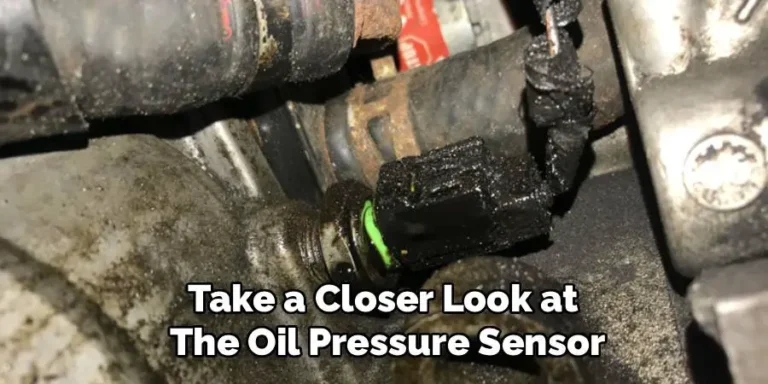
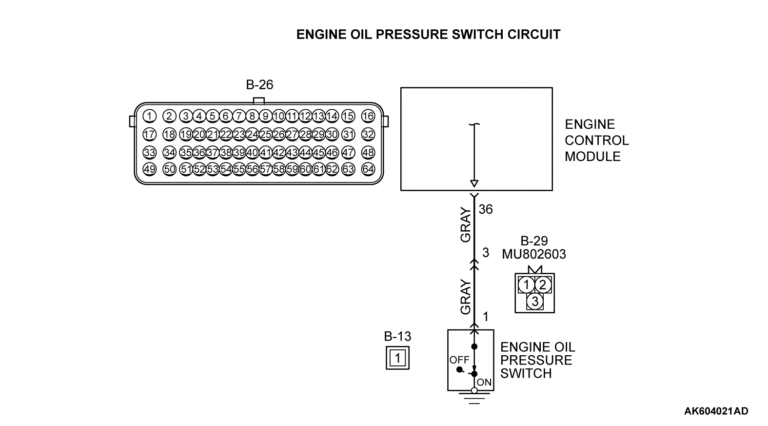
An oil pressure sensor or switch monitors pressure in the engine’s lubrication system. Depending on the design, it may provide a variable electrical signal to a control module or operate a simple warning circuit. The instrument cluster or engine control module uses the signal for monitoring and warning functions.
The sensor does not create oil pressure. The oil pump, oil passages, oil filter, engine clearances, and oil condition all affect the actual pressure. A defective sensor can misrepresent that pressure, which is why a mechanical pressure test may be necessary to distinguish an electrical fault from a lubrication problem.
Sensor or switch
Reports pressure or activates a warning circuit.
Oil pump and lubrication passages
Move oil through the engine to lubricate and protect internal components.
Engine control module
Uses available sensor inputs to manage engine functions, with oil-pressure-related strategies varying by vehicle.
What an Engine Misfire Means
An engine misfire occurs when combustion in a cylinder is incomplete, irregular, or absent. Drivers may notice shaking, hesitation, reduced acceleration, rough idling, or an illuminated check engine light. A flashing check engine light can indicate a misfire severe enough to damage the catalytic converter.
Misfire diagnostic codes such as P0300, which indicates random or multiple-cylinder misfires, and P0301, which indicates a misfire detected in cylinder 1, help narrow the investigation. These codes identify the detected condition, not necessarily the failed part.
Ignition problems
Worn spark plugs, damaged ignition coils, or faulty ignition wiring can prevent reliable combustion.
Fuel or air problems
A clogged injector, inadequate fuel delivery, or an intake vacuum leak can disturb the air-fuel mixture.
Mechanical problems
Low compression, valve-train faults, or incorrect valve timing can prevent a cylinder from producing normal power.
When Low Oil Pressure Can Contribute to Misfires
Low actual oil pressure can affect engine operation, but it does not cause every type of misfire. The connection is strongest when inadequate oil pressure disrupts components that depend on engine oil to operate correctly or when the pressure problem reflects serious internal engine wear.
Some engines use oil pressure to control variable valve timing, which changes when intake or exhaust valves open and close. If oil supply or pressure is inadequate, a camshaft timing actuator may not respond as intended. Depending on the engine, this can produce timing-related fault codes, poor performance, rough running, or conditions that contribute to misfire symptoms.
Severe lubrication problems may also damage bearings or other internal components. Such damage can cause mechanical noise, reduced compression, abnormal valve operation, or other engine faults. A failing oil pump, a restricted oil pickup, an incorrect oil filter, or excessive internal clearances may be more significant than the sensor itself.
A low reading on the dashboard does not prove that the pressure is genuinely low. Likewise, a normal-looking reading does not guarantee that the engine has adequate pressure. The reading should be compared with the manufacturer’s specifications using an appropriate test procedure.
Source: hitchesguide.com
Variable valve timing malfunction
Oil-dependent timing components may respond incorrectly when oil pressure or flow is inadequate, depending on the engine design.
Internal engine wear
Excessive bearing clearances or other mechanical damage can lower oil pressure and impair engine operation.
Oil level or oil supply problem
Insufficient oil, a leak, a pickup restriction, or a lubrication-system fault can reduce oil delivery and requires investigation.
Can a Faulty Oil Pressure Sensor Affect Variable Valve Timing?
A faulty oil pressure sensor can complicate diagnosis of an engine that uses oil pressure for variable valve timing, but it does not necessarily cause the timing system to malfunction. The actual effect depends on whether the engine control module uses that sensor signal to control or protect the relevant system.
If the engine has rough idle, poor acceleration, camshaft timing codes, and an oil pressure warning, check both the lubrication system and the timing system. Do not assume that replacing the sensor will restore normal valve timing without confirming the cause.
Review manufacturer service information
Confirm whether the specific engine uses oil pressure feedback in its valve-timing control strategy.
Check oil condition and level
Verify that the oil level, specified viscosity, and service condition meet the vehicle’s requirements.
Test actual pressure
Use the vehicle manufacturer’s procedure and pressure specifications before condemning hydraulic engine components.
Symptoms of a Bad Oil Pressure Sensor Versus an Engine Misfire
The most useful way to separate these problems is to compare the symptoms and diagnostic evidence. An oil pressure sensor fault usually affects pressure reporting, while a misfire affects engine smoothness and combustion. Some symptoms overlap, so no single symptom reliably identifies the failed part.
An oil pressure warning light that flickers while the engine runs may result from a defective switch, damaged wiring, a loose connector, or genuinely low pressure. If the engine also shakes or loses power, treat the combination as potentially serious until actual oil pressure has been checked.
Source: hitchesguide.com
Oil pressure warning light
May indicate a sensor or wiring fault, but it can also indicate dangerously low actual pressure. Stop safely and investigate rather than assuming the warning is false.
Rough idle or engine shaking
More characteristic of a misfire or another engine-running problem than an isolated oil pressure sensor failure.
Check engine light
Can appear for many engine-management faults. Retrieve the stored codes and any available freeze-frame data to guide diagnosis.
Engine knocking or ticking
May indicate a lubrication or mechanical problem. New or severe engine noise with an oil pressure warning warrants shutting the engine off.
Reduced power or hesitation
Can result from a misfire, valve-timing fault, fuel problem, or an engine protection strategy. Further testing is necessary.
Diagnostic Codes That Can Help
An OBD-II scan tool can reveal whether the vehicle has detected a misfire, an oil pressure circuit fault, or a camshaft timing problem. The precise code definitions and monitoring capabilities vary by manufacturer, model, and engine.
P0300 and P0301 through P0308 are common examples of random or cylinder-specific misfire codes on many vehicles. Oil pressure circuit codes may use a different code family, while camshaft timing faults may generate codes related to camshaft position or timing performance. A code alone does not prove that the named sensor or component has failed.
Misfire codes
Use cylinder-specific information, if available, to help investigate ignition, fuel delivery, compression, or other causes.
Oil pressure circuit codes
Inspect the sensor, connector, wiring, circuit integrity, and actual pressure as directed by service information.
Camshaft timing codes
Investigate oil level, oil condition, pressure, timing actuators, and mechanical timing where applicable.
How to Diagnose a Misfire When the Oil Pressure Sensor May Be Bad
Start by ruling out a dangerous lubrication problem, then diagnose the misfire using the vehicle’s fault codes and appropriate tests. Replacing parts based only on symptoms can waste money and leave the real problem unresolved.
Before working on the vehicle, park on level ground, apply the parking brake, and follow the owner’s manual. Keep clear of moving belts and fans, allow hot components to cool, and never loosen an oil pressure sensor while the engine is running unless a specific professional test procedure requires it.
Source: www.youtube.com > Mechanic Base
Step 1: Check the oil level
Turn the engine off and follow the owner’s manual for checking the dipstick or electronic oil-level system. If the level is low, inspect for leaks and add the specified oil as appropriate. Correcting the level does not establish that pressure is safe.
Step 2: Respond to the warning light
If the oil pressure warning remains on while the engine runs, or the engine makes abnormal knocking noises, shut it off and arrange professional inspection or towing. Do not keep restarting it to see whether the light disappears.
Step 3: Scan for diagnostic trouble codes
If no urgent oil pressure warning or dangerous noise is present, use an OBD-II scanner to retrieve stored and pending codes. Record freeze-frame data before clearing codes, because it can help identify the operating conditions when the fault occurred.
Step 4: Inspect the sensor circuit
With the engine off, inspect the oil pressure sensor connector and accessible wiring for loose connections, corrosion, oil contamination, damaged insulation, or chafing. Use the vehicle’s wiring diagram and diagnostic procedure for electrical testing.
Step 5: Verify actual oil pressure
If the reading is suspicious or the warning persists, have actual pressure measured with a suitable mechanical gauge using the correct adapter and manufacturer-specified test conditions. Compare the result with the specification for the exact engine and temperature.
Step 6: Diagnose the misfire separately
If oil pressure is confirmed safe, investigate the misfire using ignition, fuel, air-intake, compression, and valve-timing tests as indicated by the codes and symptoms. Avoid replacing the oil pressure sensor as a substitute for this diagnosis.
How to Interpret the Test Results
If mechanical pressure meets the manufacturer’s specification but the dashboard or scan-tool reading is implausible, the sensor, its circuit, or the instrument display may be faulty. Electrical diagnosis is still needed to identify the exact cause.
If mechanical pressure is below specification, investigate the lubrication system before driving the vehicle. Possible causes include low oil level, incorrect oil viscosity, a restricted pickup, a failing oil pump, a clogged filter, or excessive internal engine clearances. The appropriate checks depend on the engine design.
If oil pressure is normal and the sensor circuit checks out, follow the evidence from the misfire diagnosis. A failed ignition coil, worn spark plug, injector fault, vacuum leak, or mechanical problem may explain the rough running more directly.
Pressure normal, signal incorrect
Focus on the sensor, wiring, connector, circuit, and display or control-module interpretation.
Pressure below specification
Address the lubrication-system fault before returning the engine to service.
Pressure and sensor circuit normal
Continue with evidence-based misfire diagnosis rather than assuming the oil pressure sensor is responsible.
Common Causes of Misfires Unrelated to the Oil Pressure Sensor
When a vehicle misfires but actual oil pressure is normal, investigate common ignition, fuel, air, and mechanical causes. The best starting point depends on whether the misfire affects one cylinder, multiple cylinders, or occurs only under certain driving conditions.
A cylinder-specific code can narrow the investigation, but it does not automatically identify the failed component. For example, a P0302 code means the engine control system detected a misfire in cylinder 2; it does not prove that the cylinder’s spark plug or ignition coil is defective.
Source: namibian.com.na
Spark plugs
Worn, fouled, incorrectly gapped, or damaged spark plugs can cause incomplete combustion, especially under load.
Ignition coils and wiring
A weak coil, damaged boot, or wiring fault can interrupt the spark needed for combustion.
Fuel injectors and fuel pressure
A restricted injector, electrical injector fault, or inadequate fuel delivery can produce a lean mixture or cylinder-specific misfire.
Vacuum and intake leaks
Unmetered air entering the engine can disturb the air-fuel mixture and cause rough idle or multiple-cylinder misfires.
Compression and valve timing
A leaking valve, worn cylinder, head-gasket problem, or incorrect mechanical timing may require specialized testing.
Why Replacing the Sensor May Not Fix the Misfire
Replacing an oil pressure sensor can correct a false pressure reading if the sensor is confirmed faulty. It will not repair an unrelated ignition or fuel problem, and it will not restore pressure lost because of a failing oil pump or excessive engine wear.
After repairs, verify the result rather than relying only on the warning light. Check whether the original codes return, whether the engine runs smoothly, and whether measured oil pressure remains within the manufacturer’s specified range under the required test conditions.
Avoid parts swapping
Test the suspected component and its circuit before buying a replacement.
Confirm the repair
Recheck relevant codes and symptoms after the repair, following the manufacturer’s procedure.
Can You Drive With a Bad Oil Pressure Sensor and a Misfire?
Whether you can continue driving depends on the warning signs and the actual engine condition. A confirmed sensor circuit fault with normal mechanical oil pressure may allow the vehicle to be moved for repair under appropriate circumstances. An unverified oil pressure warning combined with rough running should be treated much more cautiously.
If the red oil pressure warning light stays on while the engine is running, shut the engine off as soon as it is safe. Do not continue driving merely because the oil level is correct; the engine may still have inadequate pressure. Arrange towing if the warning persists or the engine produces abnormal mechanical noise.
If the check engine light flashes, reduce risk by stopping in a safe location and switching off the engine when safe to do so. A severe misfire can overheat and damage the catalytic converter. Avoid hard acceleration and do not assume that the oil pressure sensor explains the flashing light.
Source: detroitchinatown.org
Stop the engine
Do so when the oil pressure warning remains on, the engine knocks, or there is another sign of potentially serious lubrication failure.
Arrange professional diagnosis
Have the oil pressure and misfire checked before continued use if either problem remains unresolved.
Do not ignore a flashing check engine light
A flashing light commonly indicates a potentially catalyst-damaging misfire and requires prompt attention.
Frequently Asked Questions
Q
Can a bad oil pressure sensor cause a P0300 misfire code?
A bad oil pressure sensor is not a typical direct cause of P0300, which indicates a random or multiple-cylinder misfire. If the code appears alongside an oil pressure warning, verify actual oil pressure and diagnose the misfire independently. An oil-related valve-timing problem or mechanical fault may connect the symptoms on some engines.
Q
Can low engine oil cause a misfire?
Low engine oil does not usually cause an immediate misfire simply because the level is low. However, if the oil level becomes low enough to reduce oil pressure or disrupt oil-dependent engine components, poor running or mechanical damage may result. Check the oil level promptly and stop the engine if the oil pressure warning remains on.
Q
Can a bad oil pressure sensor make an engine run rough?
An isolated faulty oil pressure sensor generally does not make an engine run rough. Rough running more often points to ignition, fuel, intake, timing, or mechanical problems. Some vehicles may use oil-pressure-related inputs in engine control or protection strategies, so the exact design and diagnostic codes matter.
Q
Will replacing the oil pressure sensor fix the check engine light?
Replacing the sensor may resolve a warning or diagnostic code caused by a confirmed sensor fault. It will not necessarily clear a separate misfire code or repair an underlying oil pressure problem. Diagnose the circuit and verify actual pressure before replacing the sensor, then confirm whether the original fault returns.
Q
Can low oil pressure cause a cylinder misfire?
Yes, low oil pressure can contribute to misfire symptoms in certain engines, particularly when it interferes with oil-dependent valve timing or reflects serious mechanical damage. However, low pressure is not a universal explanation for cylinder misfires. Confirm the pressure against the manufacturer’s specifications and test the affected cylinder for ignition, fuel, and mechanical faults.
Q
What should I check first if the oil pressure light and check engine light are both on?
If the oil pressure warning is illuminated while the engine is running, prioritize protecting the engine: stop safely, shut it off, and check the oil level according to the owner’s manual. If the warning persists or the engine makes abnormal noises, arrange towing and have actual oil pressure verified. Once lubrication safety is established, retrieve diagnostic codes and investigate the check engine light and any misfire.
✦ Wrapping Up
Conclusion
A bad oil pressure sensor usually does not cause an engine misfire directly. Its main role is to report oil pressure or activate a warning, while misfires commonly result from ignition, fuel, air-intake, valve-timing, or mechanical problems. Low actual oil pressure can contribute to poor engine operation in certain circumstances, especially when oil-dependent components are affected.
The safest diagnostic approach is to check the oil level, respond appropriately to any oil pressure warning, retrieve engine codes, and verify actual oil pressure when necessary. If pressure is normal, continue testing the misfire system rather than replacing parts based on symptoms alone.
💡 Key Takeaway
If your engine misfires and the oil pressure warning light is on, shut the engine off when safe and verify actual oil pressure before driving again. If pressure is normal, use the diagnostic codes and targeted tests to identify the true cause of the misfire.
Ethan Brooks is an automotive writer at Auto News 7, covering car news, vehicle maintenance, new model updates, recalls, and practical buying guides. He focuses on clear, useful information that helps drivers understand their vehicles and make better ownership decisions.
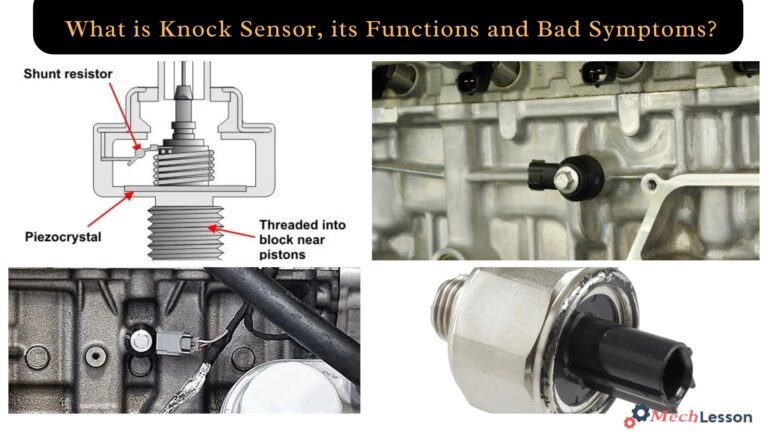
Learn whether a bad knock sensor can cause power loss, how it affects engine timing, common symptoms, diagnostic steps, and when replacement is necessary.
Learn how to reset oil pressure sensor warnings safely, distinguish pressure faults from oil-life reminders, and know when diagnosis or repair is required.
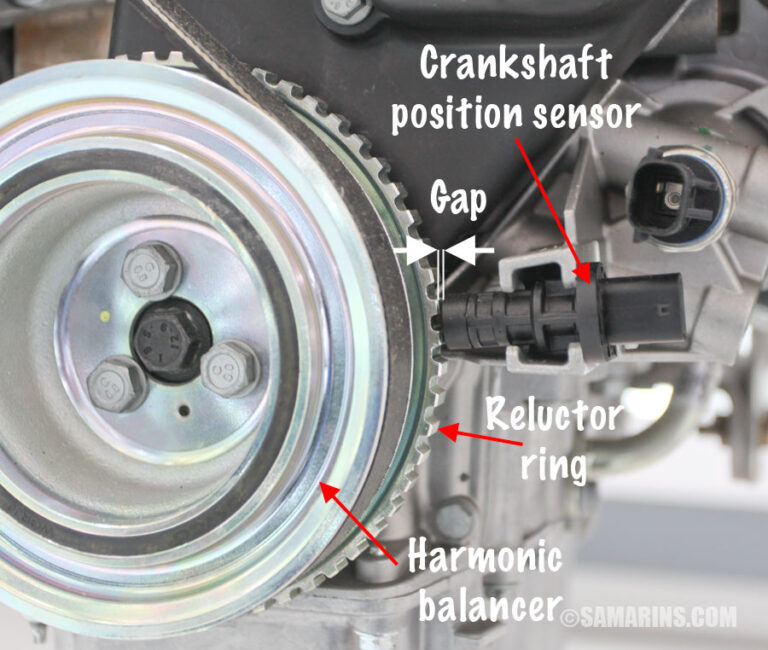
Can a crankshaft position sensor work intermittently? Learn the warning signs, common causes, testing steps, and when replacement or professional diagnosis is needed.
Learn how many camshaft sensors a car has, why the number varies by engine design, where they are located, and how to identify the correct sensor on your vehicle.