Yes, an oil pressure sensor or switch can contribute to an engine shutting off, but this depends on the vehicle’s design. Most passenger cars do not automatically stop the engine because the oil pressure sensor detects low pressure. Some vehicles have protective shutdown strategies, and certain faults can indirectly cause stalling. Low oil pressure itself can seriously damage an engine, so never assume the sensor is responsible without checking the actual oil pressure.
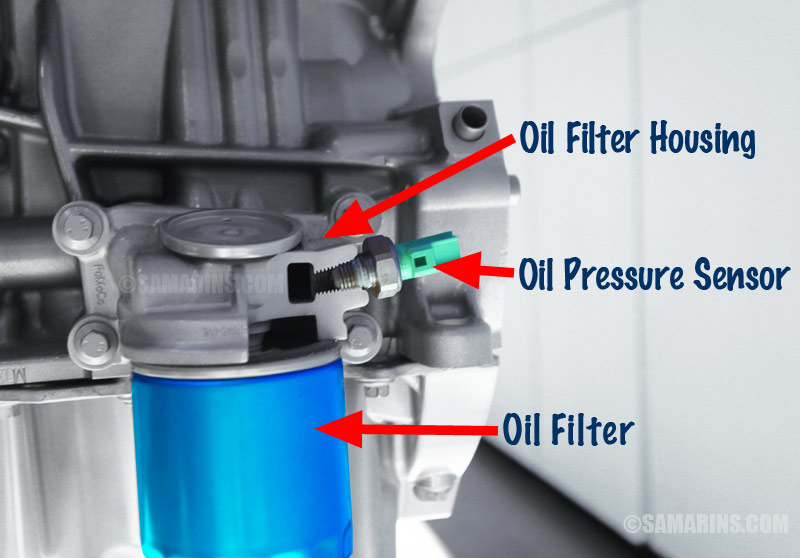
In the United States, drivers may notice an oil pressure warning light, a sudden stall, or a message such as Low Oil Pressure or Stop Engine. These symptoms can appear together, but they do not necessarily share the same cause. An oil pressure sensor measures pressure in the engine’s lubrication system and sends information to the vehicle’s instrument cluster or engine control module, depending on the design.
The distinction between a faulty sensor and genuinely low oil pressure is critical. A defective sensor or damaged wire may trigger a false warning, while low oil, a failing oil pump, an obstructed pickup screen, or excessive internal engine wear can reduce lubrication. If the engine stalls and the oil pressure warning appears, stop safely, switch off the engine, and arrange an inspection before restarting if low pressure is suspected.
Source: namibian.com.na
Can an Oil Pressure Sensor Actually Shut Off an Engine?
An oil pressure sensor can be involved in an engine shutdown, but it does not normally act as a universal engine-stop switch. On many gasoline-powered passenger cars, the sensor primarily reports oil pressure or operates a warning circuit. The engine control module generally does not shut the engine down solely because a conventional oil pressure sensor reports low pressure.
The outcome depends on whether the vehicle uses a simple pressure switch, an electronic pressure transducer, or an integrated engine-protection system. Some engines and specialized vehicles can reduce power or stop running under certain low-pressure conditions. The owner’s manual and vehicle-specific service information are the best sources for confirming whether that protection is installed.
A sensor fault may also create symptoms that appear related to a shutdown without causing it. For example, an engine may stall because of a failing crankshaft position sensor, fuel delivery problem, or electrical fault, and the oil pressure warning may illuminate as the engine slows or stops.
Source: storage.googleapis.com
Conventional oil pressure switch
Usually operates a warning light or provides a basic pressure-status signal. It generally does not directly interrupt engine operation.
Electronic oil pressure sensor
Sends pressure information to a control module or display. A faulty signal can cause an incorrect warning, but shutdown behavior depends on the vehicle’s programmed logic.
Engine protection system
May limit power or shut down the engine if specified operating conditions indicate a risk of damage. Not every vehicle has this feature.
Why the Engine May Stop Even When the Sensor Is Faulty
A defective sensor can confuse diagnosis because its warning may appear at the same time as a stall. However, the sensor’s normal role is to measure or report pressure, not control fuel injection or ignition directly. Unless the vehicle’s control strategy specifically uses that signal to alter engine operation, a sensor-only fault is unlikely to explain a complete shutdown.
If the engine starts again after cooling down, stalls intermittently, or runs roughly before stopping, investigate the fuel system, ignition system, engine speed signals, charging system, and wiring alongside the oil pressure circuit. Do not replace the oil pressure sensor solely because its warning appeared.
Warning appears but the engine runs normally
The sensor, connector, wiring, or actual oil pressure could be responsible. Verify pressure rather than assuming the warning is false.
Engine stalls and will not restart
Check for genuine lubrication problems and other engine-management faults. Avoid repeated starting attempts until an oil pressure problem has been ruled out.
How Low Oil Pressure Can Lead to Engine Shutdown
Genuinely low oil pressure is more serious than a faulty warning signal. Engine oil forms a lubricating film between moving components, including crankshaft bearings, connecting rod bearings, and other surfaces that experience friction. When pressure or oil supply becomes inadequate, that protective film may fail, allowing excessive friction, heat, and metal-to-metal contact.
If lubrication deteriorates severely, internal components can become damaged or seize. An engine that is beginning to seize may lose power, make abnormal mechanical noises, or stop turning. This is not a normal protective function of the sensor; it is a possible consequence of a serious mechanical failure.
Some modern engines and certain commercial or specialized vehicles use protection strategies that respond to detected low oil pressure. Depending on the system, the vehicle may display a warning, limit torque, enter a reduced-power mode, or shut down. A warning alone does not establish which response is available or whether the sensor reading is accurate.
Source: storage.googleapis.com
Low engine oil level
A leak, excessive oil consumption, or an overdue maintenance issue can leave the oil pump unable to maintain a reliable supply.
Failing oil pump or restricted pickup
A damaged pump, clogged pickup screen, or other oil-flow restriction can reduce pressure even when the dipstick shows an acceptable oil level.
Internal engine wear
Excessive bearing clearances can contribute to low oil pressure, especially when the engine is hot.
Engine protection activation
A vehicle equipped with a suitable protection strategy may limit operation when its control system detects a qualifying condition.
Can Low Oil Pressure Cause an Engine to Seize?
Yes. Severe or prolonged oil starvation can damage bearings and other lubricated components until the engine becomes difficult or impossible to turn. A seized engine may stall suddenly and fail to restart, but a sudden stall has many other possible causes. Do not assume seizure without proper diagnosis.
If you hear heavy knocking, grinding, or scraping while the oil pressure warning is on, shut the engine off immediately when safe. Do not continue driving to a repair shop. Have the vehicle towed for inspection.
Do not keep cranking
Repeated starting attempts can worsen damage if the engine has lost lubrication or suffered internal mechanical failure.
Symptoms of a Bad Oil Pressure Sensor Versus Real Low Oil Pressure
The symptoms can overlap, so no single warning or noise reliably identifies a failed sensor. A sensor or circuit fault may produce an intermittent warning, an implausible gauge reading, or a diagnostic trouble code. Genuine low oil pressure can produce the same warning and may also cause abnormal engine noises or mechanical damage.
A warning light that flickers at idle and disappears as engine speed rises may result from a faulty switch, low oil level, oil that is not suitable for the engine, excessive bearing clearance, or another lubrication issue. It is not safe to dismiss the light because it goes away when the engine revs.
An engine that stalls without any abnormal oil pressure indication may have a separate problem. Fuel delivery, ignition, crankshaft position signals, wiring, and charging-system faults can all cause stalling. Diagnostic trouble codes can help narrow the possibilities, but they do not replace an actual pressure check.
Source: hitchesguide.com
Possible sensor or wiring problem
An intermittent warning, an implausible reading, visible connector damage, oil contamination at the connector, or a circuit-related trouble code may indicate an electrical fault.
Possible genuine lubrication problem
A persistent oil pressure warning, low dipstick reading, oil leak, or abnormal mechanical noise requires immediate attention.
Possible unrelated stalling problem
Stalling, hesitation, or failure to restart without confirmed low oil pressure warrants diagnosis of fuel, ignition, electrical, and engine-management systems.
What an Oil Pressure Warning Light Means
The oil pressure warning light generally indicates that the system has detected a pressure condition below its specified threshold or that the warning circuit has identified a problem. It does not measure the remaining oil level directly, and it does not prove the sensor is defective.
If the red oil pressure warning illuminates while the engine is running, pull over as soon as safely possible and switch the engine off. Check the oil level only after parking on level ground and following the owner’s manual procedure. If the level is normal but the warning remains, do not assume it is safe to drive.
Red oil pressure warning
Treat it as a potentially serious lubrication problem until actual pressure has been checked.
Check engine light with stalling
Retrieve diagnostic codes and examine related systems. A code associated with an oil pressure circuit does not automatically prove mechanical oil pressure is low or that the sensor alone is faulty.
What to Do If Your Engine Shuts Off and the Oil Pressure Light Comes On
If your engine stalls and the oil pressure warning appears, prioritize roadside safety and preventing further engine damage. The warning may occur because the engine has stopped turning, but it can also indicate a genuine lubrication problem that contributed to the stall. The order of events matters, although it does not provide a definitive diagnosis.
Move out of traffic if you can do so safely. Once stopped, switch off the engine and avoid repeated attempts to restart it until you have checked for obvious oil loss and considered whether mechanical damage is possible. If the vehicle is in a dangerous location, focus on getting yourself and passengers to a safe place and request roadside assistance.
Source: mechlesson.com
Step 1: Record the symptoms
Note whether the warning appeared before the stall, at the moment the engine stopped, or only after the engine was no longer running. Record any knocking noises, overheating messages, or other warning lights.
Step 2: Inspect the oil level
Park on level ground and follow the manufacturer’s dipstick or electronic oil-level checking procedure. Look for visible leaks or signs of oil loss without reaching near hot or moving components.
Step 3: Do not restart if a serious problem is suspected
A very low oil level, substantial leak, heavy engine noise, or persistent oil pressure warning warrants towing rather than further starting attempts.
Step 4: Scan for diagnostic trouble codes
A compatible scan tool can reveal stored or pending codes related to oil pressure circuits, engine speed signals, ignition, fuel delivery, or other systems. Codes guide testing but do not confirm a failed part by themselves.
Step 5: Verify actual oil pressure
A qualified technician can compare the vehicle’s reported pressure with a mechanical gauge and the manufacturer’s pressure specifications under the required test conditions.
When Is It Safe to Restart the Engine?
Restarting may be reasonable only when the cause of the shutdown is understood, the oil level is correct, there is no evidence of a serious leak or mechanical noise, and the manufacturer’s instructions do not prohibit restarting. A correct oil level alone does not guarantee adequate pressure.
If the engine stopped while the oil pressure warning was illuminated, the cause is uncertain, or the warning returns after a restart, switch it off and arrange professional diagnosis. Never repeatedly rev the engine to see whether the light disappears.
Tow the vehicle
Choose towing when the warning persists, the engine makes abnormal mechanical noises, oil is leaking heavily, or the engine will not turn normally.
How a Mechanic Determines Whether the Sensor Caused the Problem
The most reliable diagnosis separates the electrical signal from the engine’s actual oil pressure. Replacing the sensor before confirming pressure can waste money and leave a dangerous mechanical fault unresolved.
A technician generally begins by checking the oil level, oil condition, leaks, warning history, and diagnostic trouble codes. The technician then inspects the sensor connector and wiring and checks whether the reported signal matches the system’s expected behavior.
When mechanical low oil pressure is suspected, the technician may remove the sensor and install a suitable mechanical pressure gauge using the correct adapter. The engine is operated only under safe, manufacturer-specified test conditions. The measured pressure is compared with the exact engine’s service specifications, which may vary by engine temperature, speed, and design.
Source: storage.googleapis.com
Electrical inspection
Check the connector, wiring, power supply or reference voltage where applicable, ground circuit, and signal according to the vehicle’s wiring diagram.
Diagnostic scan
Review relevant codes and live data when the vehicle supports electronic oil pressure reporting. Confirm the code definition for the specific make, model, engine, and year.
Mechanical pressure test
Use a calibrated gauge and the specified procedure to determine whether the engine is actually maintaining adequate oil pressure.
Further mechanical checks
If pressure is below specification, inspect possible causes such as oil level, oil viscosity, filter restriction, pickup blockage, pump condition, pressure-relief valve operation, and internal wear.
What the Test Results Mean
If measured oil pressure meets the manufacturer’s specifications while the dashboard or scan tool reports an implausible value, the sensor, wiring, connector, or reporting circuit becomes a stronger suspect. The circuit still needs testing before the sensor is replaced.
If measured pressure is below specification, the priority is diagnosing the lubrication system. A new sensor will not correct a worn oil pump, a blocked pickup, an incorrect oil supply, or excessive internal clearances.
If actual pressure is normal and the sensor circuit works correctly, the engine stall requires a separate diagnostic path. Check the systems capable of interrupting combustion or engine control rather than attributing every symptom to the oil pressure sensor.
Pressure normal, signal incorrect
Investigate the sensor and its electrical circuit.
Pressure below specification
Investigate the oil supply, pump, restrictions, and internal engine condition before returning the vehicle to service.
Pressure and signal normal
Continue diagnosing the stalling complaint, including fuel, ignition, engine speed sensors, and electrical power supply.
Can You Drive With a Faulty Oil Pressure Sensor?
Driving with a suspected faulty oil pressure sensor is risky when you cannot confirm that the engine has adequate oil pressure. A false warning can be inconvenient, but treating a genuine warning as an electrical fault can lead to severe engine damage.
If a warning appears while driving, stop as soon as it is safe and turn the engine off. Check the oil level using the recommended procedure, but remember that a normal level does not confirm that the pump is delivering sufficient pressure. If the warning persists, have the vehicle towed and tested.
If a technician has verified normal mechanical oil pressure and identified a faulty sensor or circuit, the repair decision can be based on the manufacturer’s instructions and the vehicle’s remaining warning and protection functions. Do not assume it is safe to drive with an inoperative warning system simply because the engine sounds normal.
Source: automotivian.com
Stop driving immediately
Do so when the red oil pressure warning persists, a major oil leak is present, or knocking and other signs of mechanical distress occur.
Arrange a prompt repair
A confirmed sensor or wiring fault should be repaired so that the driver receives reliable oil pressure information.
Follow vehicle-specific guidance
Use the owner’s manual and service information for the exact vehicle, especially if it has an oil pressure-based engine protection system.
Common Mistakes When Diagnosing an Oil Pressure-Related Shutdown
The most common mistake is replacing the oil pressure sensor immediately after a warning appears. A warning identifies a condition or circuit problem, not necessarily the component that needs replacement. Confirming actual pressure first is especially important when the engine has stalled or made unusual noises.
Another mistake is assuming that an oil pressure warning after a stall proves the sensor shut off the engine. On many vehicles, oil pressure drops when the engine stops rotating, so the warning can appear as a consequence of the stall rather than its cause.
Avoid using engine revving as a diagnostic shortcut, bypassing the sensor without an approved test procedure, or continuing to drive because the warning disappears at higher engine speed. Each action can hide a real problem or increase the risk of damage.
Source: storage.googleapis.com
Mistake: assuming the warning proves sensor failure
Correction: compare the reported reading with actual pressure and test the electrical circuit.
Mistake: assuming the warning caused the stall
Correction: establish whether the warning preceded the shutdown or appeared after engine speed dropped.
Mistake: checking only the oil level
Correction: arrange a pressure test if the warning persists, because adequate oil quantity does not guarantee adequate oil pressure.
Mistake: repeatedly restarting the engine
Correction: stop starting attempts when low pressure, mechanical noise, or internal damage is possible.
Frequently Asked Questions
Q
Can a bad oil pressure sensor cause a car to stall while driving?
It can contribute to a stall on a vehicle whose control strategy uses oil pressure information to limit or stop engine operation, but this is not the usual behavior of a conventional oil pressure sensor. On most passenger cars, a bad sensor more commonly causes an incorrect warning or gauge reading. A stall should also prompt checks of fuel delivery, ignition, engine speed sensors, and electrical systems.
Q
Will a car shut off if the oil pressure is too low?
Some vehicles have an engine protection strategy that can reduce power or shut down the engine under specified conditions, while many passenger cars do not automatically shut off for low oil pressure. Regardless of the vehicle’s design, genuine low pressure can damage the engine even if the engine continues running. Check the owner’s manual for the exact protection features.
Q
Why does the oil pressure light come on after the engine stalls?
When the engine stops rotating, the oil pump normally stops delivering pressure. The oil pressure warning may therefore illuminate after a stall even when the original cause was a fuel, ignition, electrical, or engine-management fault. If the warning appeared before the stall or remains a concern, actual oil pressure should be checked before the engine is operated again.
Q
Can a faulty oil pressure sensor prevent a car from starting?
A faulty sensor does not normally prevent a conventional passenger car from starting. Exceptions depend on the vehicle’s design and control strategy. If the engine cranks but does not start, check diagnostic trouble codes and investigate fuel, ignition, crankshaft position signals, battery voltage, and relevant wiring while also ruling out a serious lubrication problem.
Q
How can I tell if the oil pressure sensor is bad or the oil pressure is genuinely low?
The most dependable method is to compare the vehicle’s pressure signal with a mechanical gauge reading obtained under the manufacturer’s specified test conditions. Inspect the oil level, look for leaks, scan for trouble codes, and examine the sensor circuit. Normal measured pressure with an incorrect signal points toward an electrical or sensor fault; low measured pressure requires lubrication-system diagnosis.
Q
Should I disconnect the oil pressure sensor to stop the engine from shutting off?
No. Disconnecting the sensor can disable or distort warnings and may trigger fault codes or affect engine operation on some vehicles. It does not correct low oil pressure, and it can make the vehicle more dangerous to operate. Diagnose the circuit and the actual pressure using the correct service procedure instead.
✦ Wrapping Up
Conclusion
An oil pressure sensor can be involved in an engine shutdown on certain vehicles, but a faulty sensor alone does not usually shut off the engine in a conventional passenger car. More commonly, the sensor triggers a warning, while a separate problem causes the stall. A genuine loss of oil pressure can also damage the engine or cause it to seize.
The safest diagnostic approach is to stop the engine when a serious oil pressure warning appears, check the oil level, inspect for obvious leaks, and avoid restarting when mechanical damage is possible. A technician should verify actual oil pressure and test the sensor circuit before replacing parts. If pressure is normal, investigate other causes of stalling.
💡 Key Takeaway
If your engine shuts off and the oil pressure warning appears, do not assume the sensor is responsible. Record when the warning occurred, check the oil level safely, and arrange an actual oil pressure test before driving or restarting the engine when low pressure is suspected.
Ethan Brooks is an automotive writer at Auto News 7, covering car news, vehicle maintenance, new model updates, recalls, and practical buying guides. He focuses on clear, useful information that helps drivers understand their vehicles and make better ownership decisions.
Learn how to replace intake camshaft position sensor with a detailed step-by-step guide, tools list, troubleshooting tips, safety advice, and common mistakes to avoid.
Learn how to replace camshaft position sensor bank 1 with a clear step-by-step process, required tools, troubleshooting tips, and safety advice for DIY vehicle owners in the USA.
Learn how to unplug an oil pressure sensor safely, identify the electrical connector, release its locking tab, inspect the wiring, and avoid common mistakes.
Learn how to test a Nissan knock sensor using a multimeter, scan tool, and visual inspection. Follow this step-by-step guide to diagnose knock sensor problems on Nissan vehicles.