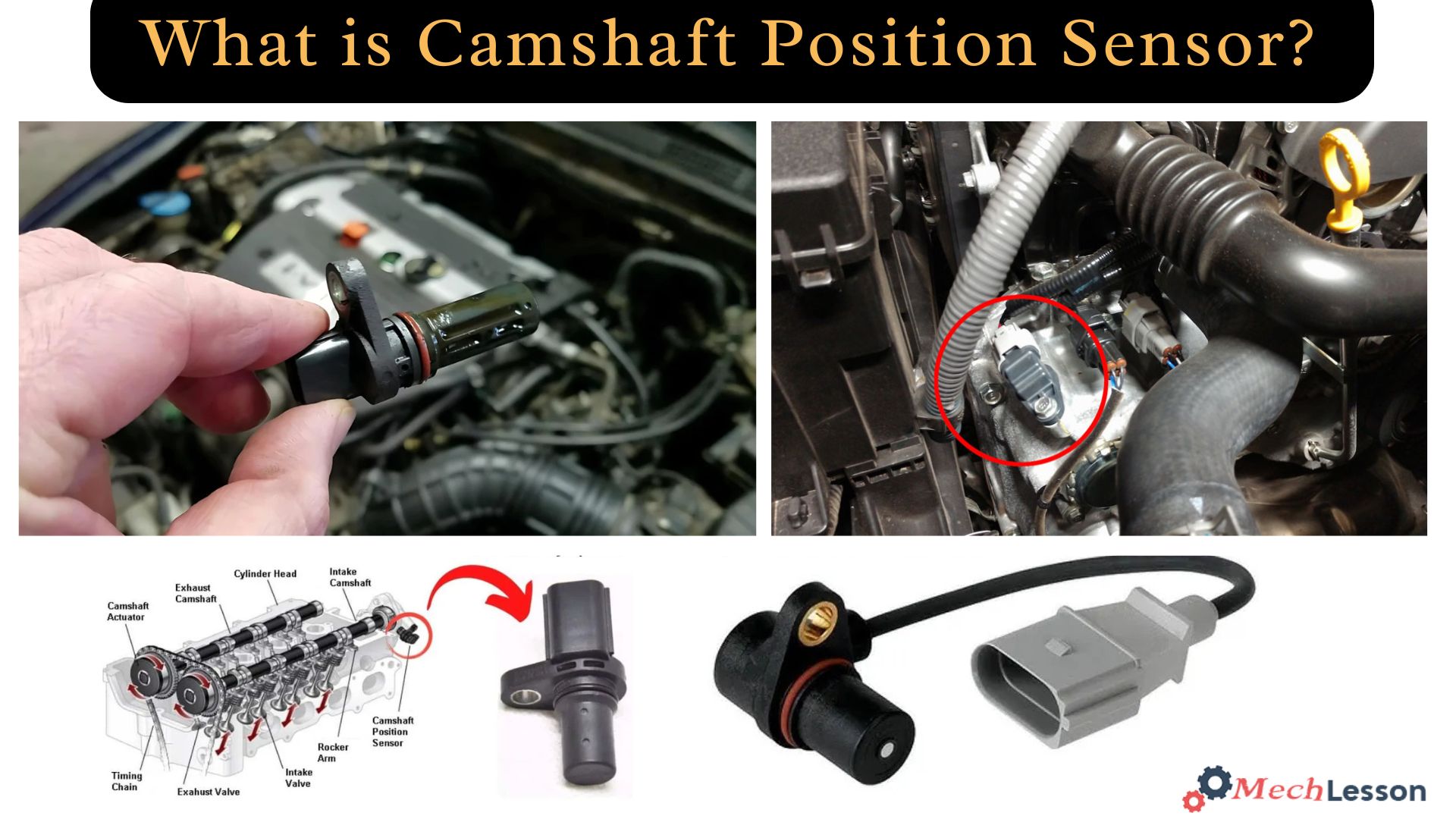
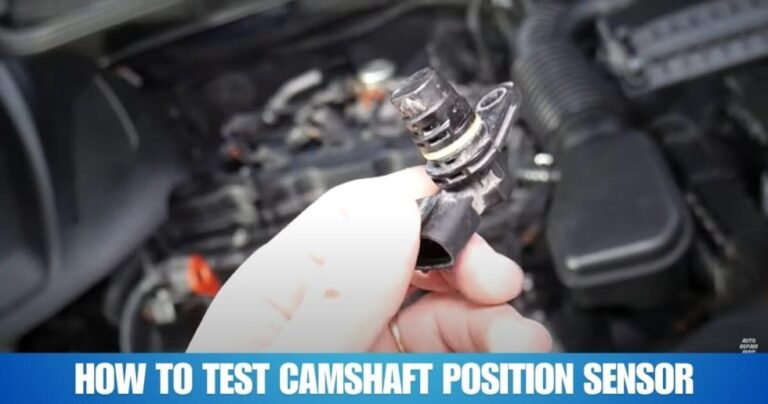
Most cars have between one and four camshaft position sensors, depending on engine design.
In the United States, the number of camshaft position sensors installed in a vehicle depends mainly on the engine configuration. Many older four-cylinder engines use a single camshaft sensor, while modern V6 and V8 engines often use two, three, or even four sensors to monitor multiple camshafts.
If you are asking how many camshaft sensors does a car have, the correct answer is vehicle-specific. The engine control module uses these sensors to track camshaft position, manage ignition timing, control fuel injection, and support variable valve timing systems.
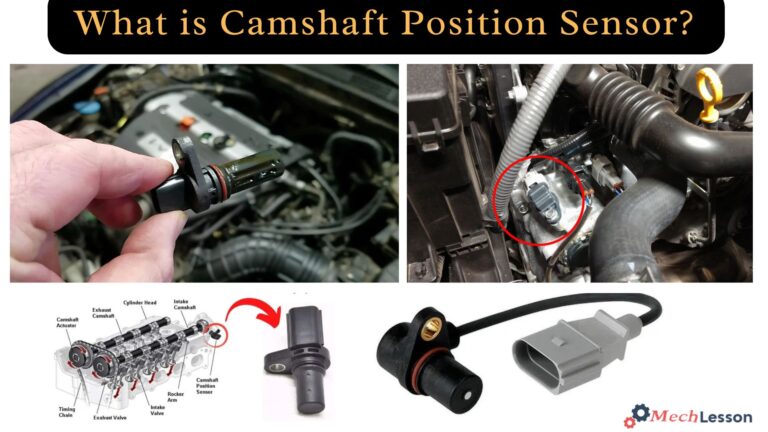
Source: mechlesson.com
How Many Camshaft Sensors Does a Car Have?
Most passenger vehicles have one, two, or four camshaft position sensors. A simple four-cylinder engine with a single overhead camshaft may use one sensor, while a V6 or V8 engine with dual overhead camshafts can use multiple sensors.
Manufacturers install additional sensors when the engine has multiple camshafts that require independent monitoring. The engine computer uses the sensor signals to determine precise valve timing and engine position.
Source: manyautos.weebly.com
Single Sensor
Common on older or simpler engine designs.
Two Sensors
Often found on dual-cam four-cylinder engines.
Three to Four Sensors
Common on advanced V6 and V8 engines with multiple camshafts.
Typical Sensor Counts by Engine Type
Engine design is the biggest factor that determines sensor count. More camshafts generally require more monitoring points.
Inline Four SOHC
Usually one sensor.
Inline Four DOHC
Usually one or two sensors.
V6 or V8 DOHC
Often two to four sensors.
What Does a Camshaft Position Sensor Do?
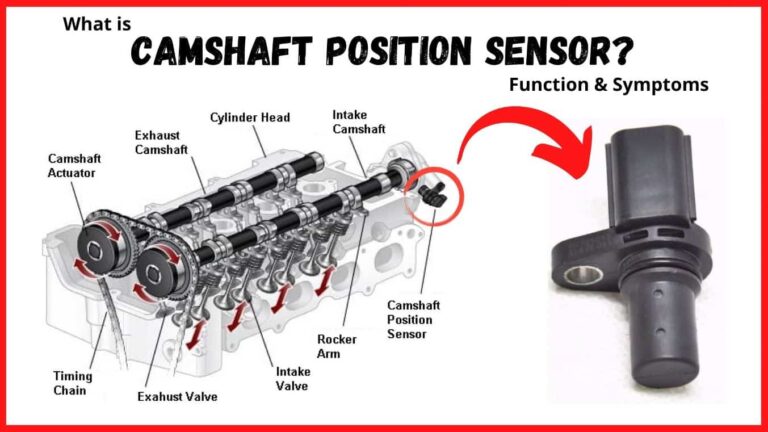
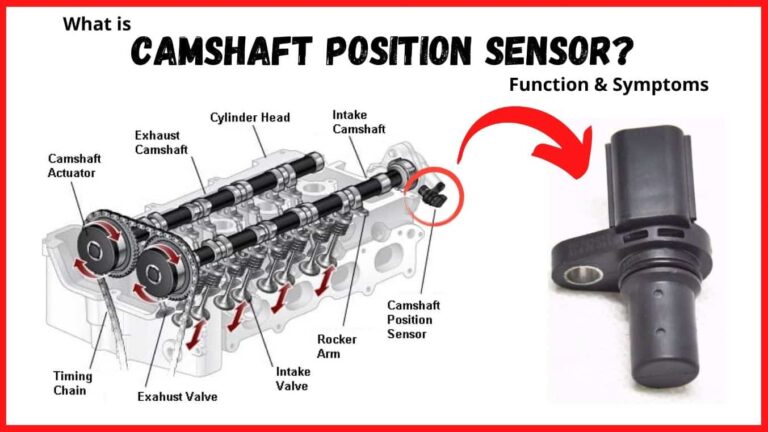
A camshaft position sensor monitors the rotational position of the camshaft and sends that information to the engine control module. The computer compares this data with crankshaft sensor information to manage engine timing.
Without accurate camshaft sensor signals, the engine may experience hard starting, poor fuel economy, rough running, or reduced performance.
Source: youtube.com
Ignition Control
Helps determine spark timing.
Fuel Injection
Supports precise injector operation.
Variable Valve Timing
Allows accurate camshaft adjustment.
Why Some Cars Have Multiple Camshaft Sensors
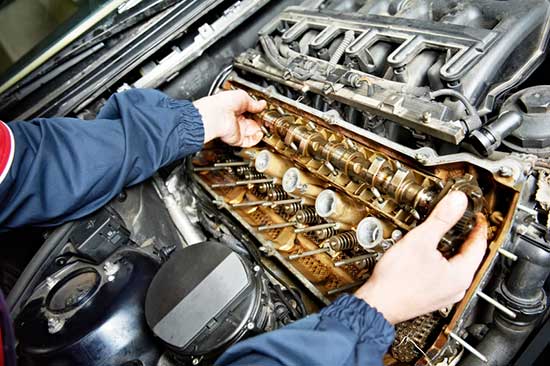
Modern engines often use dual overhead camshafts on each cylinder bank. Each camshaft may require its own sensor so the engine computer can monitor intake and exhaust valve timing separately.
Vehicles equipped with advanced variable valve timing systems frequently need additional sensors because timing adjustments occur independently across different camshafts.
The most reliable method is to check the factory service manual or parts catalog for your exact year, make, model, and engine. Sensor counts can differ even between vehicles that share the same model name.
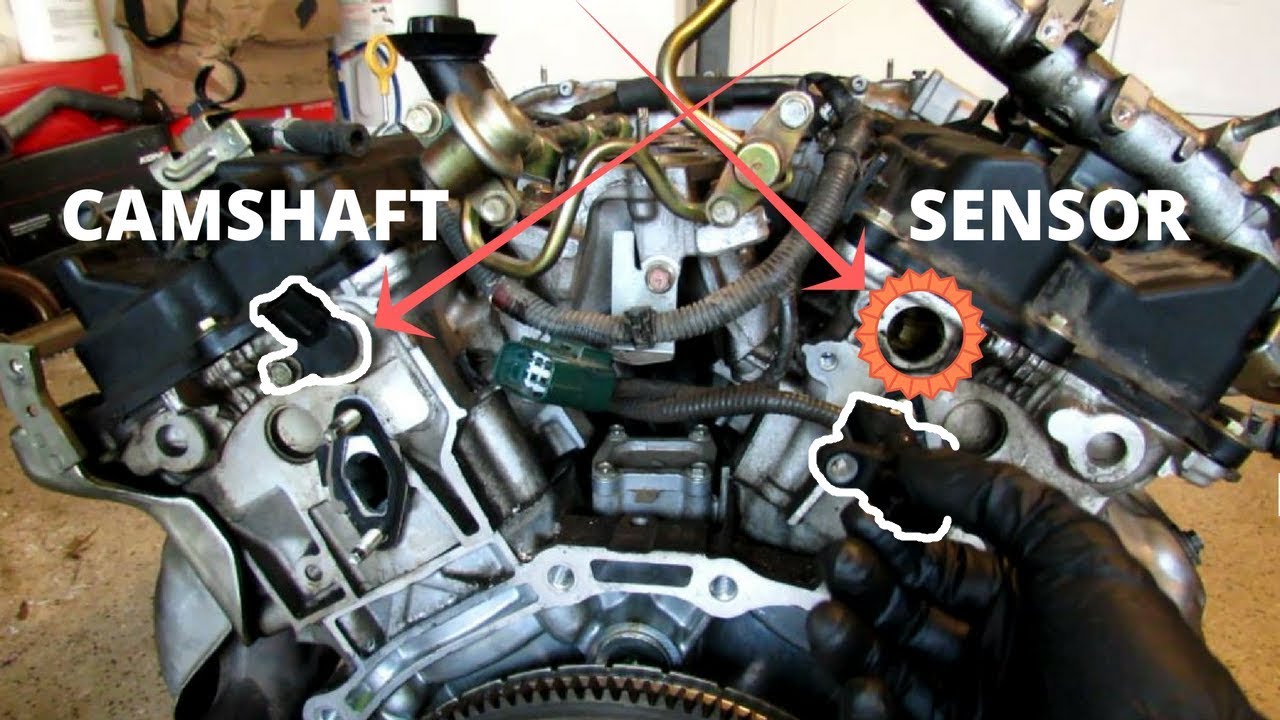
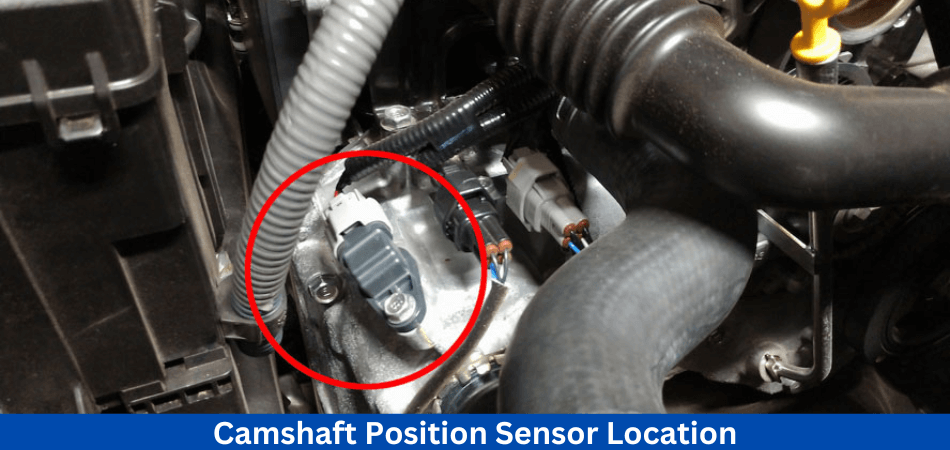
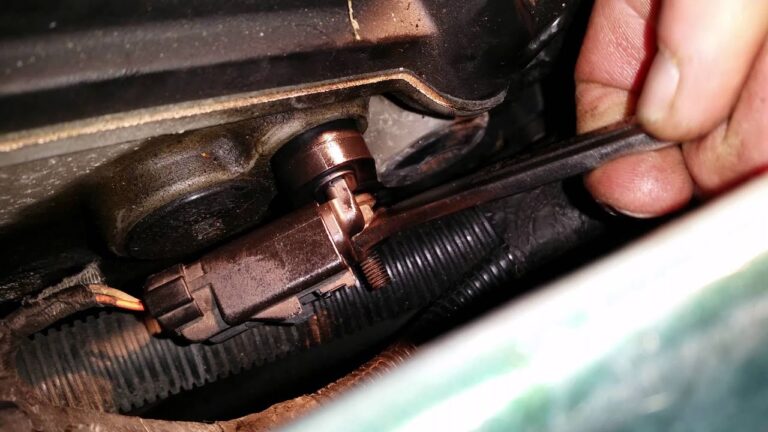
You can also inspect the engine and locate camshaft position sensors near the cylinder head or timing cover. Many repair databases and diagnostic tools identify each sensor by bank and position.
Source: carphrases.com
Check Service Information
Provides the most accurate sensor count.
Use a Parts Catalog
Shows replacement sensor locations.
Inspect the Engine
Can help confirm sensor placement.
Common Symptoms of a Failed Camshaft Sensor
A failing camshaft position sensor can cause engine performance issues because the engine computer loses accurate timing information. Symptoms vary depending on the vehicle and the severity of the fault.
If the check engine light appears along with starting or drivability problems, diagnostic testing should be performed before replacing parts.
Source: carcuring.com
Check Engine Light
One of the most common warning signs.
Hard Starting
The engine may crank longer than normal.
Poor Performance
Power loss, hesitation, or rough idle may occur.
Frequently Asked Questions
Q
Can a car have four camshaft position sensors?
Yes. Some dual overhead cam V6 and V8 engines use four camshaft position sensors. Each camshaft may have its own dedicated sensor.
Q
Is a camshaft sensor the same as a crankshaft sensor?
No. They are different sensors that monitor different engine components. The engine computer uses information from both sensors together.
Q
Where is the camshaft position sensor located?
The sensor is commonly mounted near the cylinder head, valve cover area, or timing cover. The exact location varies by engine design.
Q
Can I drive with a bad camshaft position sensor?
Some vehicles may continue running, but performance, fuel economy, and reliability can suffer. Prompt diagnosis is recommended.
Q
How do I know how many camshaft sensors my vehicle has?
Check the service manual, manufacturer parts catalog, or a trusted repair database for your specific engine configuration.
✦ Wrapping Up
Conclusion
The answer to how many camshaft sensors does a car have depends on the engine. Most vehicles use between one and four sensors, with modern multi-cam engines generally requiring more than older designs.
Understanding the sensor count helps with diagnostics, maintenance planning, and parts replacement. Always verify the exact configuration for your vehicle before purchasing components or beginning repairs.
💡 Key Takeaway
Look up your vehicle’s exact engine code or service manual to confirm the number and location of camshaft position sensors.
Ethan Brooks is an automotive writer at Auto News 7, covering car news, vehicle maintenance, new model updates, recalls, and practical buying guides. He focuses on clear, useful information that helps drivers understand their vehicles and make better ownership decisions.
Learn how many ohms a camshaft sensor should have, why resistance varies by sensor type, and how to test a camshaft position sensor accurately with a multimeter.
Learn how to replace camshaft position sensor PT Cruiser models with this detailed step-by-step guide. Find symptoms, tools needed, replacement steps, troubleshooting tips, and common mistakes to avoid.
Learn how to check camshaft position sensor operation, wiring, voltage, and signal output. Follow this practical step-by-step guide to diagnose common camshaft sensor problems.
Learn how to remove a broken camshaft sensor safely and correctly. Follow this step-by-step guide to extract a stuck or broken camshaft position sensor without damaging the engine.
Learn whether a camshaft sensor needs to be programmed after replacement, when relearn procedures are required, common symptoms, troubleshooting steps, and what to expect during installation.