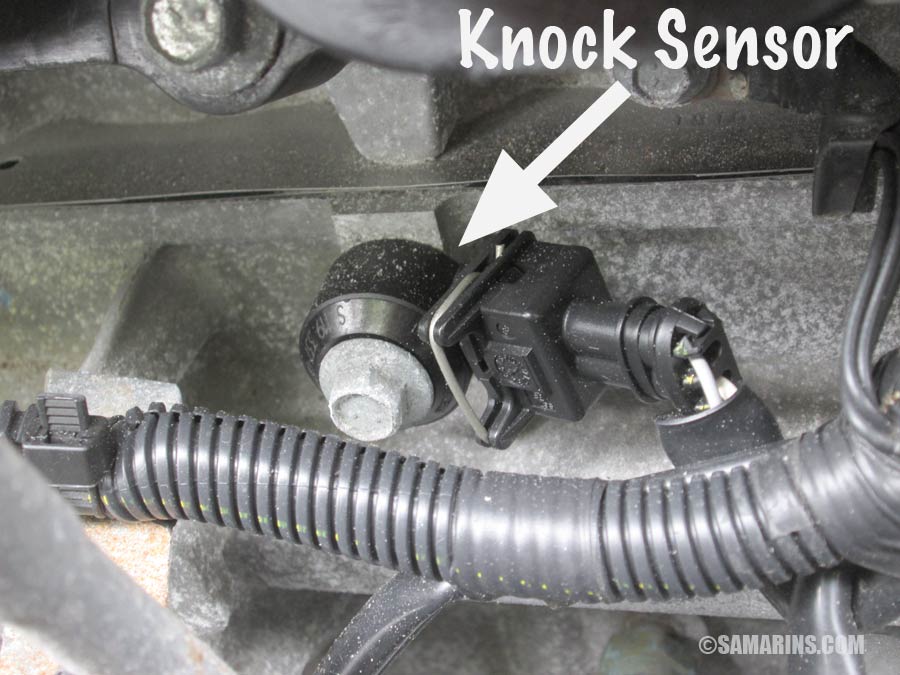
Yes, a bad knock sensor will often throw a diagnostic trouble code and trigger the check engine light.
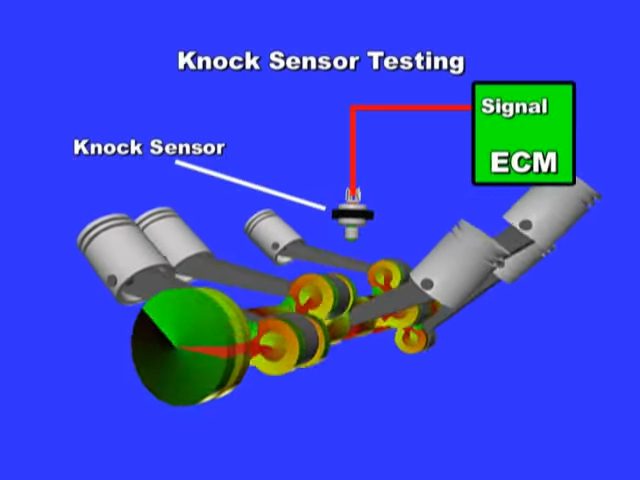
For drivers in the United States, a check engine light linked to a knock sensor problem is a common reason for an OBD-II scan. Modern vehicles continuously monitor sensor performance, and the engine control module can store a fault code when it detects a signal that is missing, out of range, or inconsistent.
However, not every failing knock sensor immediately triggers a code. Some sensors degrade gradually, causing reduced engine performance, lower fuel economy, or ignition timing changes before the computer determines that a fault exists. Understanding the symptoms and codes can help you diagnose the problem accurately.
Source: hitchesguide.com
Will a Bad Knock Sensor Throw a Code?
Yes, in most cases a bad knock sensor will throw a code when the engine control module detects an electrical or performance problem in the sensor circuit. The stored code helps technicians identify which sensor or circuit requires further inspection.
The computer compares the sensor signal to expected values. If the signal is absent, excessive, intermittent, or outside the programmed range, a fault code may be stored and the check engine light may illuminate.
Source: hitchesguide.com
Most Common Result
A check engine light appears and a diagnostic trouble code is stored.
Possible Delay
Some sensors fail gradually and may not set a code immediately.
Why the Computer Monitors the Knock Sensor
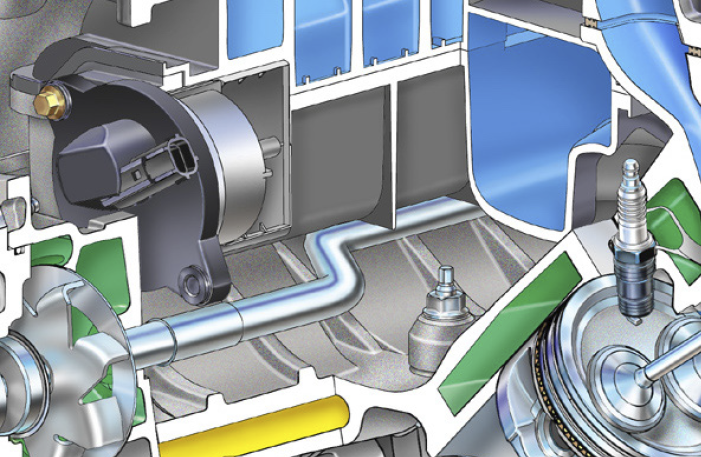
The knock sensor helps the engine control module detect abnormal combustion. When engine knock is detected, ignition timing can be adjusted to protect the engine from damage.
Engine Protection
Helps prevent damaging detonation and pre-ignition.
Common Knock Sensor Codes and Their Meaning
Different vehicles use different code definitions, but most knock sensor faults fall within a similar range. The exact code depends on the manufacturer, the number of sensors, and which bank of the engine is affected.
Reading the stored code with a scan tool provides a starting point, but additional testing is often required because wiring and connector issues can mimic sensor failure.
Source: storage.googleapis.com
P0325
Knock Sensor 1 Circuit Malfunction.
P0330
Knock Sensor 2 Circuit Malfunction on many V-type engines.
P0327 and P0328
Low input or high input signal conditions.
Codes Do Not Always Mean the Sensor Is Bad
A stored code identifies the affected circuit, not necessarily a failed sensor. Wiring damage, poor grounds, loose connectors, and control module issues can create similar faults.
Verify Before Replacing
Test the circuit before installing new parts.
Symptoms That Often Accompany a Knock Sensor Code
A knock sensor problem may affect engine operation depending on how the vehicle’s computer responds. Some vehicles reduce performance to protect the engine when a fault is detected.
Drivers may notice a combination of warning lights, reduced acceleration, and lower fuel efficiency.
Source: SlideServe
Check Engine Light
The most common symptom.
Reduced Power
Timing adjustments may decrease engine performance.
Poor Fuel Economy
Conservative timing can reduce efficiency.
Can a Bad Knock Sensor Cause Engine Noise?
The sensor itself does not usually create noise, but a failed sensor may prevent proper knock detection, allowing engine knock to become more noticeable under certain conditions.
Listen Carefully
Rattling or pinging sounds may indicate detonation.
What Else Can Trigger a Knock Sensor Code?
A knock sensor code does not always mean the sensor has failed. Electrical faults are a common cause and should be checked before replacing components.
Environmental factors, engine modifications, and abnormal combustion conditions can also contribute to unexpected sensor readings.
Source: hitchesguide.com
Damaged Wiring
Broken wires can interrupt sensor communication.
Corroded Connectors
Moisture and age can affect electrical connections.
Mechanical Engine Problems
Actual engine knock may influence sensor activity.
Inspect the Entire Circuit
Testing voltage, resistance, continuity, and connector condition often reveals the true cause of a stored code.
Use a Scan Tool
Combine code data with electrical testing.
How to Diagnose a Knock Sensor Fault Correctly
Start by scanning the vehicle for stored trouble codes and freeze-frame data. Record all information before clearing any codes.
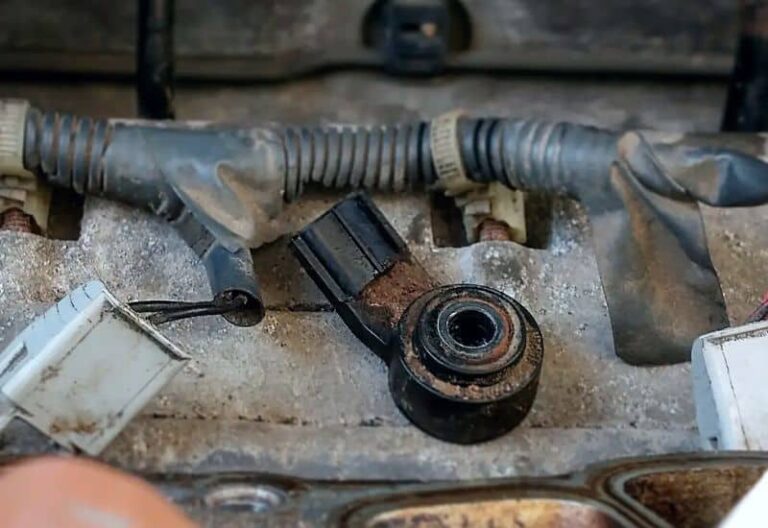
Next, inspect the sensor wiring, connectors, and mounting location. If no visible problems are found, perform manufacturer-recommended electrical tests and compare the results with service specifications.
Source: hitchesguide.com
Scan for Codes
Identify the affected circuit and operating conditions.
Inspect Wiring
Look for damage, corrosion, or loose connections.
Test Components
Verify sensor and circuit operation before replacement.
When to Seek Professional Help
If the sensor is located beneath the intake manifold or requires advanced testing, professional diagnosis may save time and prevent unnecessary parts replacement.
Complex Access
Some sensors require significant disassembly.
Frequently Asked Questions
Q
Can a bad knock sensor trigger the check engine light?
Yes. A failing knock sensor or a problem in its circuit often causes the check engine light to illuminate and store a diagnostic trouble code.
Q
Can a knock sensor fail without throwing a code?
Yes. Some sensors degrade slowly and may affect performance before the engine computer recognizes a fault severe enough to set a code.
Q
What is the most common knock sensor code?
P0325 is one of the most common knock sensor-related trouble codes, although exact codes vary by vehicle manufacturer and engine design.
Q
Can bad wiring cause a knock sensor code?
Yes. Damaged wires, corroded connectors, and poor electrical connections are common causes of knock sensor circuit codes.
Q
Is it safe to drive with a knock sensor code?
Many vehicles remain drivable, but performance and fuel economy may suffer. Continued operation without proper diagnosis could increase the risk of engine knock under certain conditions.
✦ Wrapping Up
Conclusion
A bad knock sensor will often throw a code, but the presence of a code does not automatically prove the sensor itself has failed. Wiring problems, connector corrosion, and other engine issues can produce similar fault codes.
The most reliable approach is to scan for codes, inspect the circuit, and perform proper testing before replacing parts. Accurate diagnosis prevents unnecessary repairs and helps restore normal engine operation.
💡 Key Takeaway
Scan the vehicle for trouble codes, inspect the knock sensor circuit carefully, and confirm the root cause before replacing the sensor.
Ethan Brooks is an automotive writer at Auto News 7, covering car news, vehicle maintenance, new model updates, recalls, and practical buying guides. He focuses on clear, useful information that helps drivers understand their vehicles and make better ownership decisions.
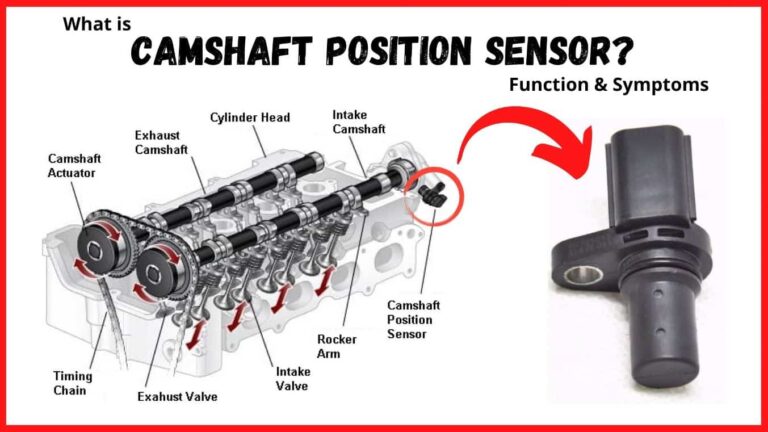
Learn what code is camshaft position sensor, the most common OBD-II trouble codes, symptoms, causes, diagnosis steps, and repair options for U.S. drivers.
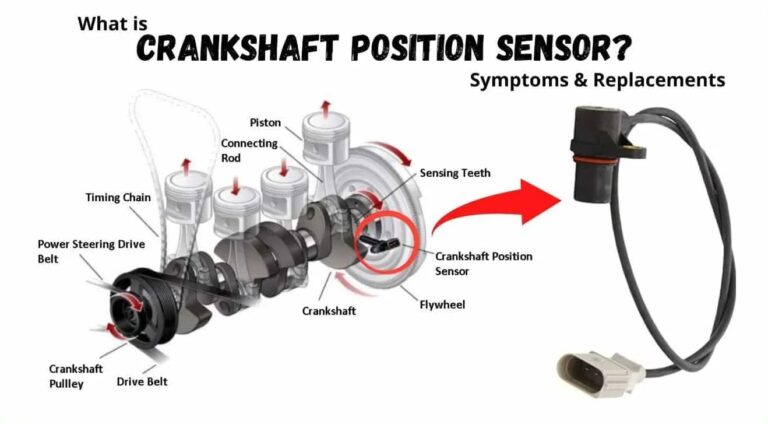
Can a crankshaft position sensor cause loss of power? Learn how a failing CKP sensor affects engine performance, common symptoms, diagnosis, and repair.
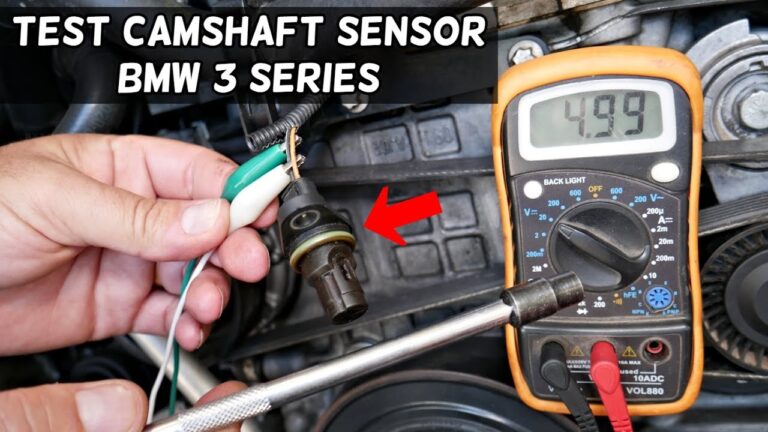
Learn how to test a BMW camshaft position sensor using a scan tool, multimeter, and practical troubleshooting steps. Diagnose faults, symptoms, and sensor failures accurately.
Learn whether a knock sensor affects acceleration, how a faulty knock sensor impacts engine performance, common symptoms, diagnostic steps, and when replacement is necessary.
Learn whether a knock sensor can cause misfire, how the sensor affects engine timing, common symptoms, diagnosis steps, and when replacement may be necessary.
Learn what happens when a knock sensor goes bad, including common symptoms, engine performance issues, diagnostic trouble codes, and whether it is safe to keep driving.