No. In most vehicles, a bad knock sensor does not directly cause a no-spark condition.
Across the United States, drivers often suspect the knock sensor when an engine will not start. In most cases, the answer to the question will a bad knock sensor cause no spark is no. A failed knock sensor typically affects ignition timing and engine performance rather than completely stopping spark production.
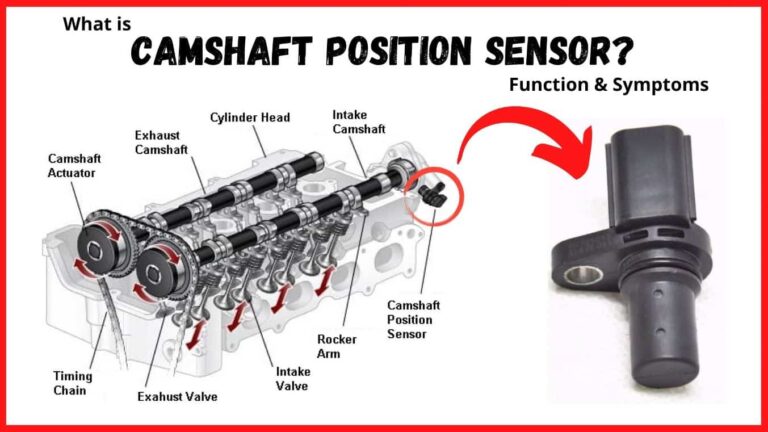
If an engine has no spark, the cause is usually found in components such as the crankshaft position sensor, camshaft position sensor, ignition coil, ignition control module, wiring, fuses, relays, or the engine control module. Understanding how the knock sensor works can help prevent unnecessary parts replacement and speed up diagnosis.
Source: autovehicleparts.com
What Does a Knock Sensor Do?
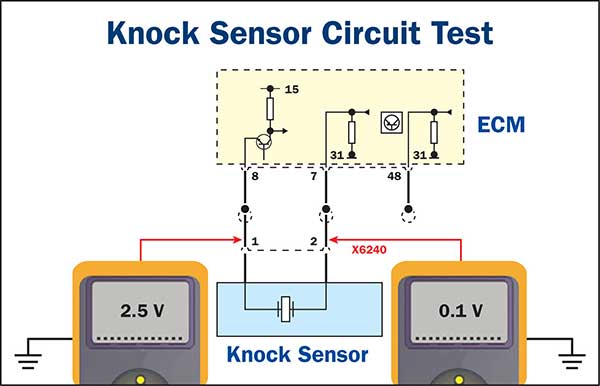
A knock sensor detects abnormal combustion vibrations known as engine knock or detonation. It sends information to the engine control module so ignition timing can be adjusted to protect the engine.
When the sensor detects knocking, the computer may retard timing. This helps reduce the risk of engine damage but can also lower power and fuel efficiency.
Source: thecarbuzz.com
Primary Function
Monitors engine vibration associated with detonation.
Computer Input
Provides data that allows ignition timing adjustments.
Engine Protection
Helps reduce harmful combustion events.
Why the Knock Sensor Matters
Without accurate knock sensor data, the engine computer may use conservative timing strategies. This can reduce performance but normally does not prevent spark generation.
Performance Impact
Power and efficiency may decrease.
Will a Bad Knock Sensor Cause No Spark?
In most vehicles, a failed knock sensor will not directly stop the ignition system from creating spark. The sensor is generally an input device rather than a critical trigger for ignition coil operation.
The engine may run poorly, experience reduced power, enter a protective mode, or illuminate the check engine light. However, a complete loss of spark usually points to another fault within the ignition or engine management system.
Source: i.ytimg.com
Typical Result
Reduced performance rather than total ignition failure.
Common Misconception
Many no-start issues are blamed on the knock sensor when another component is responsible.
Rare Exceptions
Some vehicle-specific systems may react differently to severe electrical faults. A shorted circuit or damaged wiring related to the knock sensor could potentially affect other systems, but this is uncommon and not the normal behavior of a failed sensor.
Vehicle Specific
Always verify factory diagnostic procedures for the exact model.
Common Causes of a No Spark Condition
When diagnosing a no-spark problem, technicians usually inspect the ignition system and engine position sensors first. These components play a direct role in spark generation.
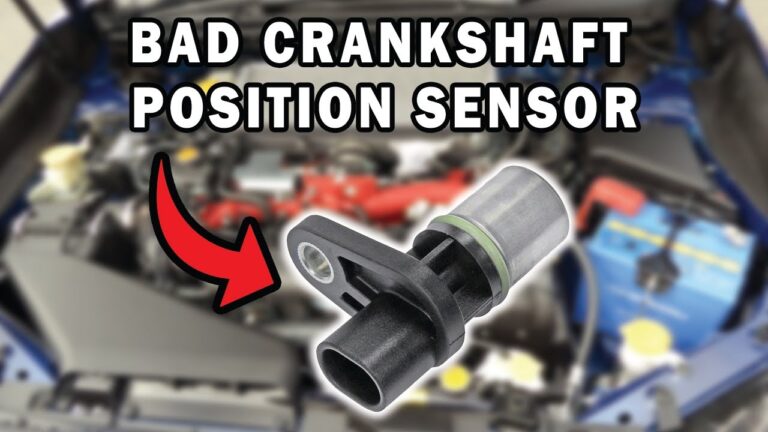
A missing crankshaft position signal is one of the most common reasons an engine computer will not trigger ignition coils.
Source: i.ytimg.com
Crankshaft Position Sensor
Provides critical engine speed and position information.
Ignition Coil
Creates the high voltage needed for spark plugs.
Ignition Module
Controls coil operation on many vehicles.
Wiring and Fuses
Loss of power or ground can stop spark production.
Components to Check First
Testing for power, ground, and crankshaft sensor signals often identifies the fault faster than replacing sensors based on assumptions.
Best Practice
Verify electrical signals before replacing parts.
Symptoms of a Bad Knock Sensor
A bad knock sensor can create several noticeable symptoms even though it usually does not cause a no-spark condition. These symptoms often relate to timing control and engine performance.
The severity depends on the vehicle design and how the engine computer responds to missing or inaccurate sensor data.
Source: i.ytimg.com
Check Engine Light
Fault codes related to knock sensor performance may be stored.
Reduced Power
The engine computer may use safer ignition timing values.
Poor Fuel Economy
Conservative timing can reduce efficiency.
Engine Hesitation
Acceleration may feel sluggish.
What You Usually Will Not See
Most vehicles will continue producing spark even when the knock sensor fails. The engine may operate less efficiently but still run.
No Spark
Generally not a standard symptom of knock sensor failure.
How to Diagnose a Vehicle With No Spark
A structured diagnostic process helps avoid replacing good parts. Begin by confirming that the engine truly has no spark using an approved spark tester.
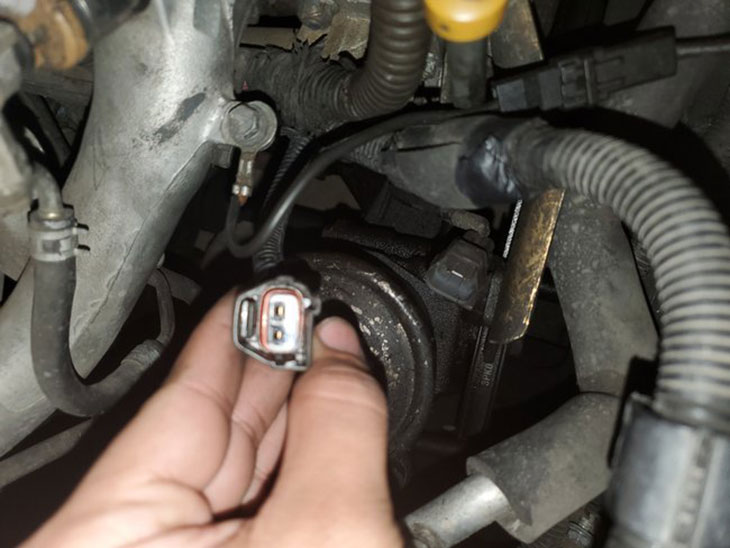
Next, inspect battery voltage, ignition system power supply, related fuses, wiring integrity, and sensor signals. Scan for diagnostic trouble codes and compare findings with service information for the vehicle.
Source: i.ytimg.com
Step 1
Verify battery condition and voltage.
Step 2
Check for spark at the ignition system.
Step 3
Scan for fault codes.
Step 4
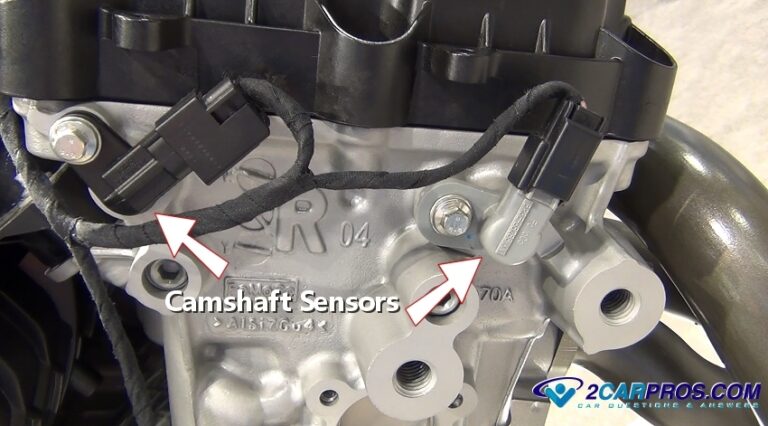
Test crankshaft and camshaft sensor signals.
Step 5
Inspect ignition coils, modules, and wiring.
When Professional Help Is Needed
If advanced electrical testing or oscilloscope analysis is required, professional diagnosis can save time and prevent unnecessary repairs.
Complex Electrical Faults
Often require specialized diagnostic equipment.
Frequently Asked Questions
Q
Can a bad knock sensor prevent a car from starting?
In most cases, no. A bad knock sensor may affect performance and trigger fault codes, but it typically does not prevent the engine from producing spark and starting.
Q
What sensor is most likely to cause a no-spark condition?
A failed crankshaft position sensor is one of the most common causes. Without its signal, many engine computers will not trigger the ignition system.
Q
Will replacing a knock sensor fix a no-spark problem?
Only if testing confirms an unusual vehicle-specific issue related to the sensor or its wiring. Most no-spark problems originate elsewhere.
Q
Can a knock sensor affect ignition timing?
Yes. The sensor helps the engine computer adjust timing to reduce knock and protect the engine from damage.
Q
What trouble codes indicate a knock sensor problem?
Many vehicles store codes such as P0325 through P0334 depending on the system design and the specific fault detected.
✦ Wrapping Up
Conclusion
The answer to will a bad knock sensor cause no spark is usually no. Knock sensors primarily help manage ignition timing and engine protection rather than directly controlling spark generation.
If your vehicle has a no-spark condition, focus diagnostic efforts on the crankshaft position sensor, ignition coils, ignition module, power supply circuits, wiring, and related engine control components before assuming the knock sensor is responsible.
💡 Key Takeaway
Verify spark, scan for fault codes, and test ignition-related components systematically before replacing a knock sensor.
Ethan Brooks is an automotive writer at Auto News 7, covering car news, vehicle maintenance, new model updates, recalls, and practical buying guides. He focuses on clear, useful information that helps drivers understand their vehicles and make better ownership decisions.
Learn whether a camshaft sensor needs to be programmed after replacement, when relearn procedures are required, common symptoms, troubleshooting steps, and what to expect during installation.
Learn how to reset camshaft position sensor Ford vehicles after replacement or repairs. Follow safe troubleshooting steps, relearn procedures, and common fixes.
Learn when to replace a camshaft position sensor, the warning signs of failure, diagnostic tips, replacement timing, costs, and whether it is safe to keep driving.
Learn how to replace camshaft sensor Infiniti G35 models with this detailed DIY guide. Find symptoms, tools, sensor locations, replacement steps, troubleshooting tips, and common mistakes.