A bad knock sensor usually does not make noise itself, but it can allow engine knocking or pinging sounds to occur.
Across the United States, drivers often hear unusual engine sounds and wonder whether the knock sensor is the source. In most cases, the sensor itself does not create an audible noise. Instead, its job is to detect abnormal combustion vibrations and help the engine computer adjust ignition timing.
When a knock sensor fails, the engine may not respond correctly to knocking events. This can lead to pinging, rattling, or knocking sounds during acceleration, climbing hills, towing, or driving under load. Understanding the difference between a noisy engine and a noisy sensor is essential for accurate diagnosis.
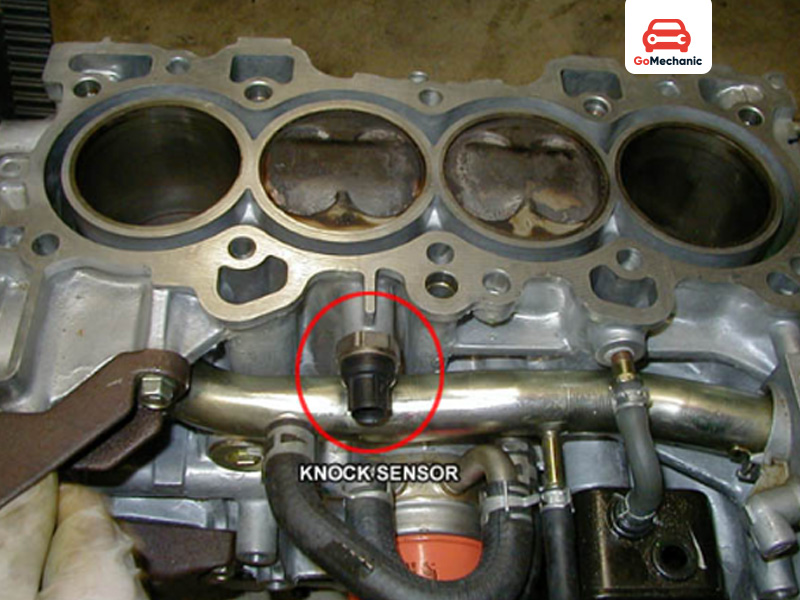
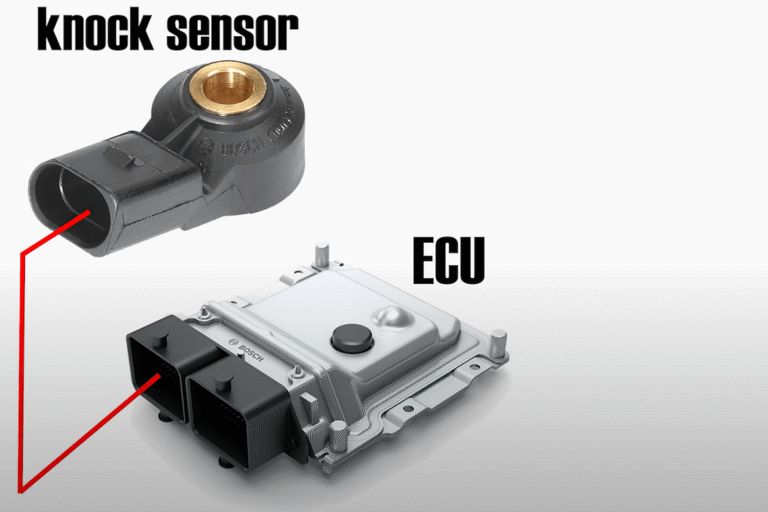
Source: gomechanic.in
Does a Bad Knock Sensor Make Noise?
The direct answer is no. A bad knock sensor does not typically create a noise that you can hear. Knock sensors are electronic devices mounted on the engine block or cylinder head. They detect vibration patterns associated with abnormal combustion.
However, when the sensor stops working correctly, the engine control module may fail to adjust ignition timing properly. As a result, combustion knock may occur more frequently, creating sounds that drivers describe as pinging, rattling, or metallic tapping.
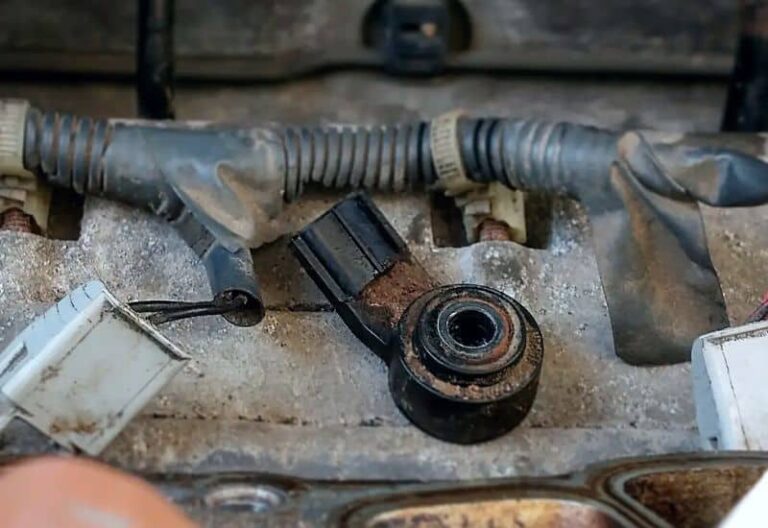
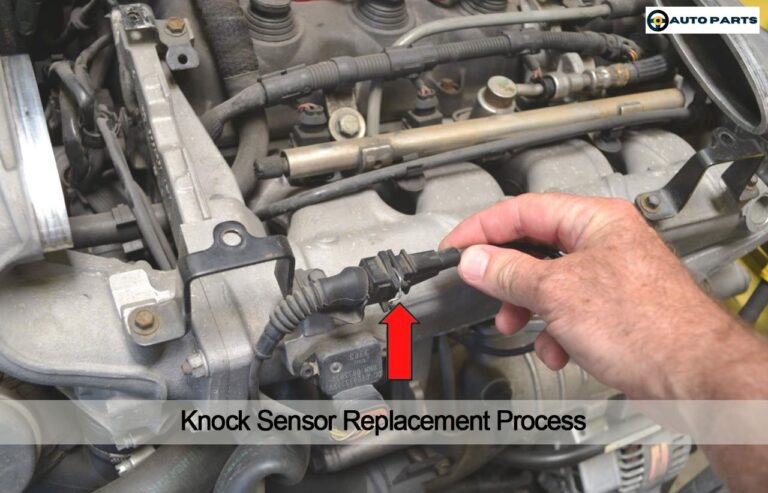
Source: upgradedvehicle.com
Sensor Function
Detects engine knock vibrations and sends signals to the engine computer.
Noise Source
The engine creates the noise, not the sensor itself.
Common Sound
Metallic pinging or knocking during acceleration.
Why People Think the Sensor Is Making Noise
Many drivers notice engine noise around the same time a knock sensor fails. Because the warning light and noise appear together, it is easy to assume the sensor is producing the sound. In reality, the failed sensor is often allowing combustion problems to continue without correction.
Timing Issues
Incorrect ignition timing can increase engine knock.
What Does Engine Knock Sound Like?
Engine knock is often described as a metallic pinging, rattling, or tapping sound coming from the engine compartment. The noise may be intermittent at first but can become more frequent as operating conditions worsen.
The sound usually occurs when fuel-air mixtures ignite unevenly inside the cylinders. Excessive heat, incorrect timing, poor fuel quality, or sensor failures can contribute to this condition.
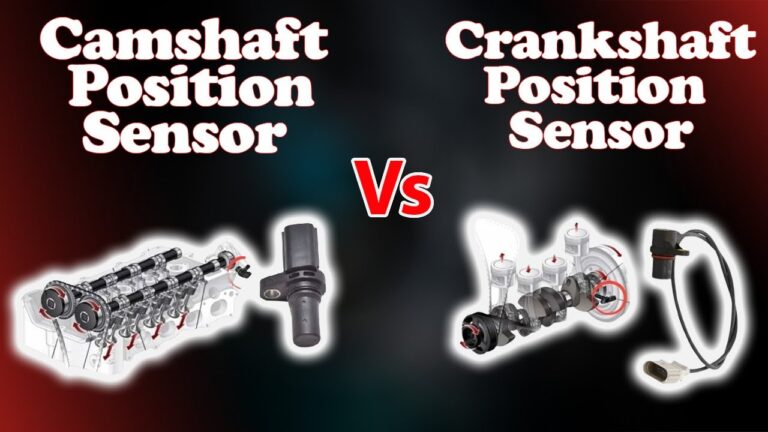
Source: hitchesguide.com
Pinging
A light metallic sound often heard during acceleration.
Rattling
A sharper vibration-like noise under heavy engine load.
Tapping
A repetitive metallic sound that may resemble valve noise.
When the Noise Is Most Noticeable
Drivers commonly hear knocking when accelerating onto highways, towing trailers, climbing steep grades, or carrying heavy loads. These situations place additional stress on the engine and increase combustion temperatures.
High Load Conditions
Knocking often becomes louder when the engine works harder.
Symptoms That Often Accompany a Bad Knock Sensor
A failed knock sensor can trigger several performance-related symptoms. Some vehicles enter a protective operating mode that reduces power to prevent engine damage.
Not every vehicle will display the same symptoms. Severity depends on the vehicle design, engine condition, and the nature of the sensor fault.
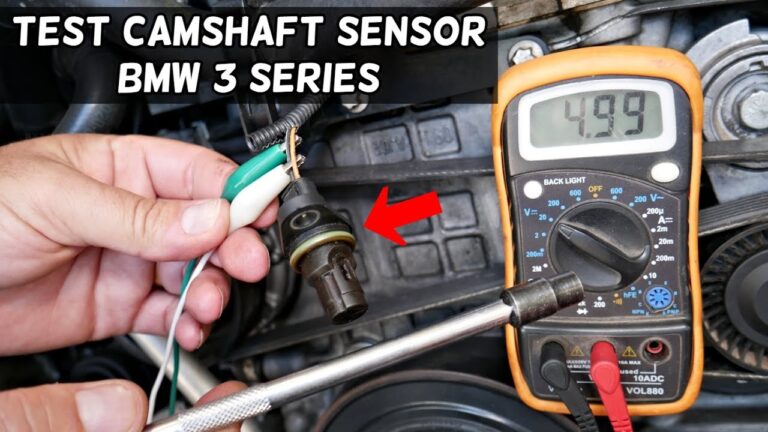
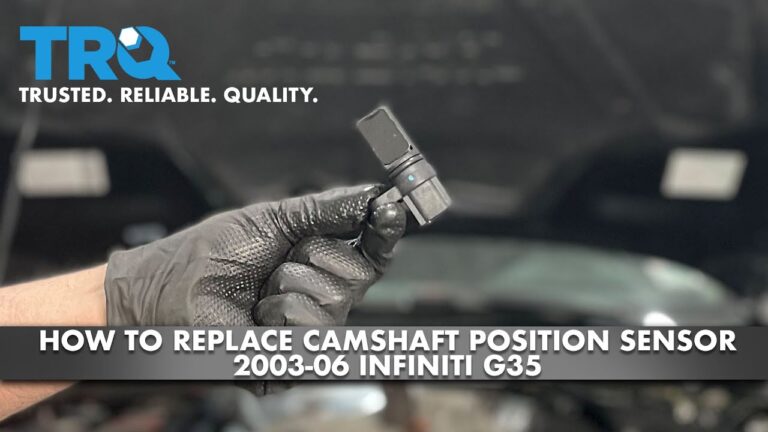
Source: www.youtube.com
Check Engine Light
Diagnostic trouble codes related to knock sensor circuits may be stored.
Reduced Performance
The engine computer may retard timing excessively.
Lower Fuel Economy
Incorrect timing adjustments can reduce efficiency.
Engine Knocking
Combustion knock may become more noticeable.
Can a Vehicle Still Run?
Many vehicles continue to run with a faulty knock sensor, but performance and fuel economy may suffer. Extended operation while engine knock is present can increase the risk of engine damage.
Temporary Operation
Driving may still be possible, but repairs should not be delayed.
How to Diagnose Whether the Noise Is Related to a Knock Sensor
Diagnosis should focus on determining whether the noise comes from combustion knock or a separate mechanical problem. A scan tool can reveal stored trouble codes and provide valuable information.
Mechanical issues such as worn bearings, valve train problems, loose accessories, or exhaust leaks can sometimes mimic engine knock.
Source: YouTube > Backyard Chevy
Scan for Codes
Look for knock sensor-related diagnostic trouble codes.
Check Fuel Quality
Low-octane fuel can contribute to knock.
Inspect Wiring
Damaged wiring can prevent accurate sensor communication.
Signs the Knock Sensor May Be the Cause
If knocking occurs alongside a check engine light and knock sensor fault codes, the sensor becomes a stronger suspect. Professional testing may include resistance checks, signal monitoring, and manufacturer-specific diagnostic procedures.
Multiple Symptoms
Noise plus fault codes often points toward sensor-related issues.
Common Causes of Engine Knock Besides a Bad Sensor
A bad knock sensor is not the only reason an engine may produce knocking sounds. Many underlying issues can create combustion knock even when the sensor is functioning correctly.
Identifying the true root cause prevents unnecessary parts replacement and helps restore proper engine operation.
Source: unikeyic.com
Low-Octane Fuel
Fuel that does not meet manufacturer requirements can increase knock.
Carbon Deposits
Excessive deposits can raise combustion chamber temperatures.
Ignition Problems
Incorrect timing or spark-related issues can trigger knock.
Overheating
High engine temperatures increase detonation risk.
Why Correct Diagnosis Matters
Replacing a knock sensor without addressing fuel, ignition, or cooling system problems may not eliminate engine noise. A complete inspection is often necessary when symptoms persist.
Avoid Guesswork
Confirm the actual cause before replacing components.
When Should You Repair a Bad Knock Sensor?
A bad knock sensor should be repaired as soon as practical, especially if engine knocking is present. The sensor plays an important role in protecting the engine from harmful combustion events.
Ignoring the issue may lead to reduced performance, lower fuel efficiency, and potentially increased engine wear over time.
Correct timing control can improve performance and economy.
When Professional Help Is Needed
Seek professional diagnosis if knocking persists after fuel quality checks or if multiple engine codes are present. Persistent engine knock should never be ignored because it can indicate serious combustion issues.
Persistent Noise
Continued knocking requires further inspection.
Frequently Asked Questions
Q
Can a bad knock sensor cause a rattling noise?
Yes. A failed knock sensor can contribute to engine rattling or pinging because the engine computer may not respond properly to combustion knock events.
Q
What is the difference between a bad knock sensor and engine knock?
A bad knock sensor is an electronic component failure. Engine knock is the actual combustion-related noise occurring inside the cylinders.
Q
Will replacing a knock sensor stop engine noise?
It may help if the failed sensor is the primary cause. However, fuel quality, ignition timing, overheating, and carbon buildup should also be checked.
Q
Can a bad knock sensor damage an engine?
Indirectly, yes. If engine knock continues without proper correction, internal engine components can experience increased stress and wear.
Q
Is it safe to drive with a bad knock sensor?
Short trips may be possible, but driving for extended periods with active engine knock is not recommended because it can increase the risk of engine damage.
✦ Wrapping Up
Conclusion
For drivers asking does a bad knock sensor make noise, the sensor itself is usually silent. The sounds most people notice come from engine knock, pinging, or rattling that may occur when the sensor no longer helps the engine manage combustion correctly.
If you hear unusual knocking sounds and notice performance issues or a check engine light, diagnose the problem promptly. Early repairs can help protect engine performance, fuel economy, and long-term reliability.
💡 Key Takeaway
If engine knocking is present, scan for diagnostic codes, inspect the knock sensor system, and address the root cause before continued driving causes additional engine stress.
Ethan Brooks is an automotive writer at Auto News 7, covering car news, vehicle maintenance, new model updates, recalls, and practical buying guides. He focuses on clear, useful information that helps drivers understand their vehicles and make better ownership decisions.
Learn what happens when a knock sensor goes bad, including common symptoms, engine performance issues, diagnostic trouble codes, and whether it is safe to keep driving.
Learn whether camshaft and crankshaft sensors are interchangeable, how they differ, common symptoms of failure, compatibility concerns, and the correct replacement approach.
Learn how to test a BMW camshaft position sensor using a scan tool, multimeter, and practical troubleshooting steps. Diagnose faults, symptoms, and sensor failures accurately.
Learn whether a car can run without a knock sensor, what symptoms to expect, potential engine risks, diagnostic trouble codes, and when replacement is necessary.
Learn how to replace camshaft sensor Infiniti G35 models with this detailed DIY guide. Find symptoms, tools, sensor locations, replacement steps, troubleshooting tips, and common mistakes.