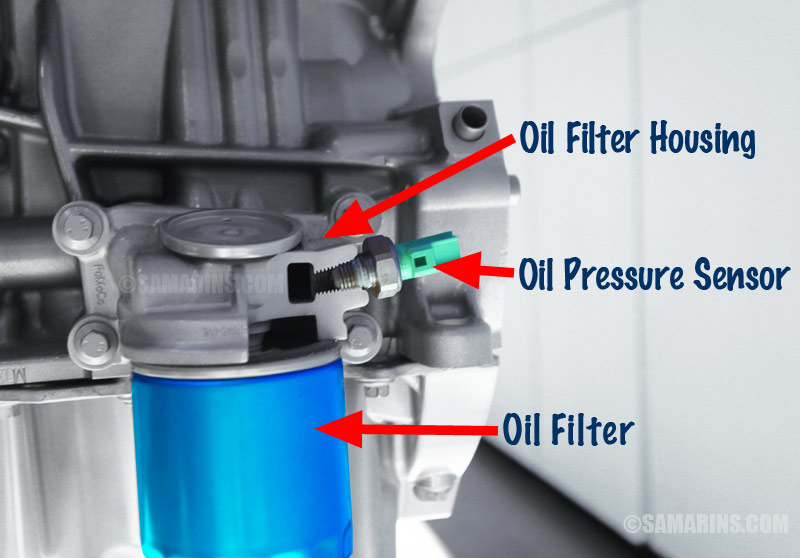
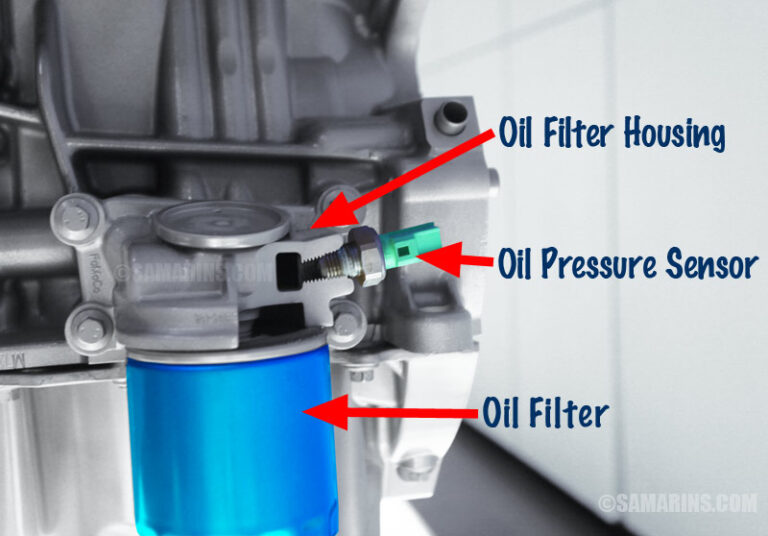
On most Toyota vehicles equipped with the 1ZZ-FE 1.8-liter engine, the oil pressure sensor, commonly called the oil pressure switch, is threaded into the engine block near the oil filter and lower side of the engine. The exact viewing angle and access method depend on the vehicle model and year.
For owners of Toyota Corolla, Matrix, and other US-market vehicles with the 1ZZ-FE engine, locating the oil pressure sensor is a useful first step when the oil warning light stays on, the electrical connector becomes oily, or engine oil appears around the switch. The sensor monitors engine oil pressure and sends an electrical signal to the warning circuit or related engine management system, depending on the vehicle configuration.
Before removing any component, confirm the engine code and consult the repair information for the specific vehicle. Toyota used the 1ZZ-FE in multiple models and model years, so the surrounding components and the most convenient access route can differ. Most importantly, an illuminated red oil pressure warning light can indicate inadequate lubrication rather than a defective sensor, so do not assume replacing the switch will solve the problem.
Source: hitchesguide.com
Where Is the Oil Pressure Sensor on a Toyota 1ZZ-FE Engine?
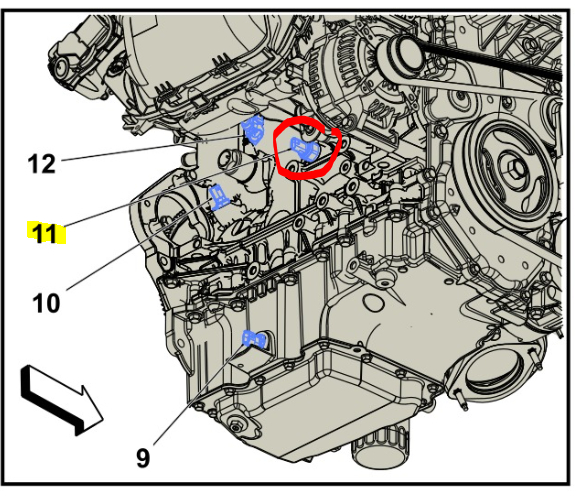
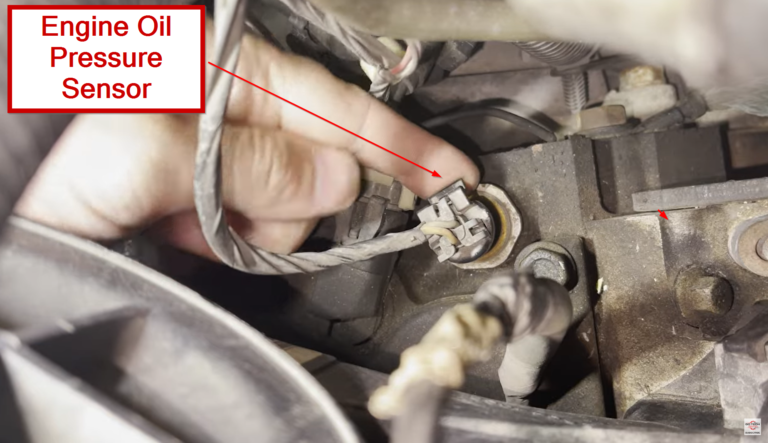
On a typical Toyota 1ZZ-FE installation, look around the engine block near the oil filter and the lower portion of the engine. The oil pressure switch is a small threaded component with an electrical terminal or connector. Depending on the vehicle, it may be easier to see from above or to inspect from underneath after the vehicle has been raised safely.
The 1ZZ-FE is a 1.8-liter inline-four gasoline engine used in several Toyota models. Although the basic engine design is shared, the oil filter housing, brackets, exhaust components, and nearby accessories can affect access. A location described for one Corolla year should therefore not automatically be treated as exact for every 1ZZ-FE vehicle.
For the most reliable identification, compare the component with the lubrication-system diagram in the factory repair manual or a trustworthy service manual for your vehicle’s model year. That reference can also confirm whether the vehicle uses a conventional pressure switch or a different pressure-monitoring arrangement.
Source: www.youtube.com > Mayo Cars DR
Typical location
The engine block near the oil filter area is the main place to inspect on common 1ZZ-FE applications.
What it looks like
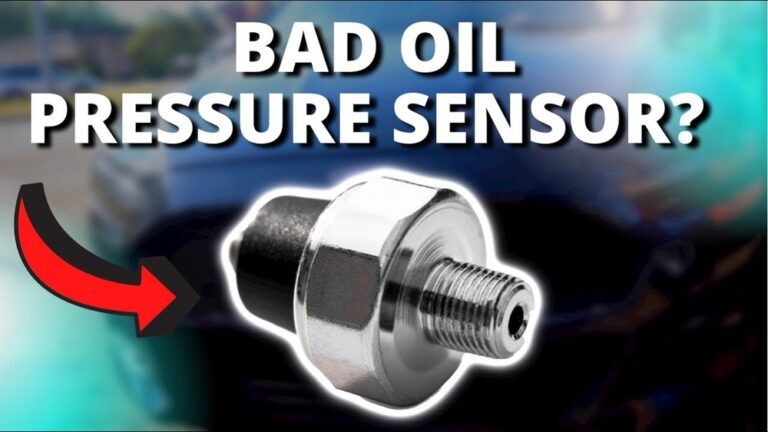
A compact threaded metal switch with an electrical terminal or plug, rather than a large plastic sensor housing.
Best access route
Access from above or below depends on the specific vehicle, nearby components, and available working clearance.
Which Toyota Vehicles Use the 1ZZ-FE?
The 1ZZ-FE was installed in several Toyota models, including selected Corolla and Matrix vehicles sold in the United States. It also appeared in certain other Toyota and related-market applications. Engine availability varies by model year, trim, and market.
Check the emissions label, vehicle identification information, or engine identification records before ordering a sensor. A vehicle name alone does not establish that the car has a 1ZZ-FE engine, and a replacement part listed for a different engine may have the wrong connector or thread.
Confirm the engine
Verify that the vehicle actually has the 1ZZ-FE rather than another Toyota engine with a similar displacement or appearance.
Confirm the model year
Use the year, model, and engine code when checking a parts catalog or repair manual.
How to Distinguish the Oil Pressure Switch from Nearby Components
The oil pressure switch is associated with the engine’s pressurized lubrication system and normally has an electrical connection attached directly to its threaded body. The oil filter is a larger cylindrical or cartridge-style component, while the variable valve timing oil control solenoid is a different electrical component used to control oil flow for valve timing.
Do not identify a component solely by its position or the presence of an electrical connector. Check the part illustration and connector arrangement for the specific engine installation. If the suspected switch is difficult to reach or hidden by other components, use a flashlight and inspection mirror rather than pulling on nearby wiring.
Electrical connection
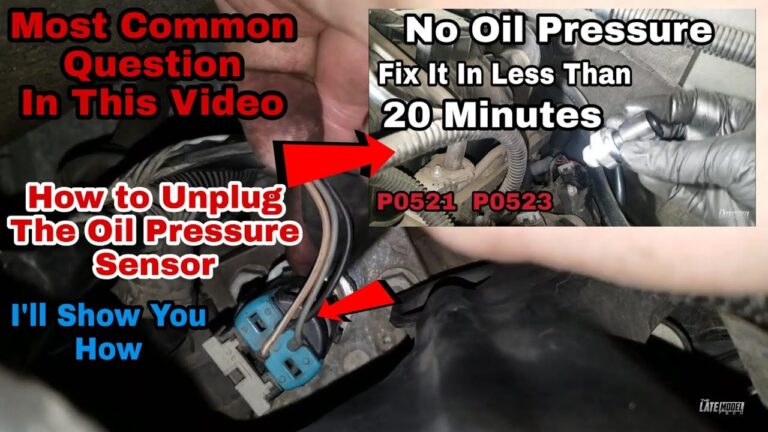
Look for a wire or plug connected directly to the threaded pressure switch.
Threaded mounting
The switch screws into an engine oil passage or pressure port, unlike a removable oil filter.
Avoid assumptions
Nearby sensors and solenoids may look similar, so verify the part using a service diagram.
How to Find the Oil Pressure Sensor Step by Step
You can usually locate the switch with a flashlight, basic hand tools if access panels must be removed, and the correct repair information. Do not begin by disconnecting parts or loosening the suspected switch while the engine is hot or running.
Park on level ground, switch off the engine, remove the key or disable the vehicle’s start function as appropriate, and allow hot components to cool. If you need to inspect from underneath, use a suitable lift or correctly rated jack stands on a stable surface. Never work under a vehicle supported only by a jack.
Source: www.pinterest.com
Step 1: Verify the engine
Confirm that the engine is a Toyota 1ZZ-FE and identify the vehicle’s model year and application.
Step 2: Locate the oil filter
Use the filter as a visual reference point while consulting the correct engine lubrication diagram.
Step 3: Inspect the nearby engine block
Look for a small threaded switch with an electrical terminal or connector around the filter and lower engine area.
Step 4: Check the connector
Inspect the wire, plug, and surrounding surface for oil residue, corrosion, damage, or a loose connection.
Step 5: Verify before removal
Compare the component with the parts illustration and confirm the specified replacement and installation procedure.
What If You Cannot See the Sensor from Above?
Limited visibility does not necessarily mean the switch is missing. The vehicle’s exhaust routing, brackets, intake components, or other equipment may obstruct the view. Inspect from another safe angle or use a mirror and flashlight.
If underbody access is required, secure the vehicle correctly and keep clear of hot exhaust parts. If the component remains hidden or requires removal of major components, consult the service manual or have a qualified technician locate it.
Use an inspection mirror
A mirror can help reveal the threaded body and connector without removing unrelated components.
Check model-specific diagrams
An illustrated parts catalog or factory service manual can resolve differences between model years.
What Does the Oil Pressure Sensor Do?
The oil pressure switch monitors pressure in the engine’s lubrication system. In a conventional warning-light circuit, the switch changes its electrical state according to whether oil pressure has reached a specified operating threshold. The instrument panel uses that signal to help warn the driver when pressure is inadequate.
Oil pressure is necessary to maintain lubrication between moving engine parts. The pump circulates oil through passages that supply components such as the crankshaft bearings and valve train. If pressure becomes too low, the protective oil film may fail, increasing friction and potentially causing serious engine damage.
The switch does not directly measure the quantity of oil in the oil pan. A normal oil level does not guarantee adequate pressure, and a low oil level does not always cause the warning lamp to illuminate immediately. Pressure and oil level must be checked as separate conditions.
Source: kladbkzab.blob.core.windows.net
Pressure monitoring
The switch responds to oil pressure at its mounting point and provides an electrical signal.
Warning indication
The signal helps operate the oil pressure warning circuit on applicable vehicles.
Engine protection
A functioning warning system can alert the driver to a potentially damaging lubrication problem.
Oil Pressure Switch vs. Oil Level Sensor
An oil pressure switch responds to pressure in the lubrication system, whereas an oil level sensor, when fitted, monitors the amount of oil in the sump. These components perform different functions and should not be treated as interchangeable.
If the dipstick indicates a low level, add the correct engine oil according to the owner’s manual. If the red pressure warning remains on with the engine running, shut the engine off and investigate the pressure problem rather than relying on the dipstick reading alone.
Oil pressure switch
Helps detect pressure conditions in the engine’s lubrication system.
Oil level sensor or dipstick
Indicates the amount of oil present, depending on the vehicle’s equipment.
Symptoms of a Faulty Oil Pressure Switch on a 1ZZ-FE
A defective oil pressure switch can cause an oil pressure warning light to behave incorrectly or allow oil to leak from the switch body. However, these symptoms are not proof that the switch itself has failed. The same warning may result from low oil, a damaged wire, a blocked oil passage, a worn oil pump, or internal engine wear.
The most important distinction is whether the engine actually has adequate oil pressure. A switch should not be replaced as a shortcut for diagnosing a warning that could indicate a lubrication failure.
Source: www.youtube.com > L35 in Colorado
Oil warning light stays on
Possible causes include a faulty switch, wiring problems, low oil level, or genuinely low oil pressure.
Warning light flickers
Intermittent electrical contact or changing oil pressure may be responsible, especially under particular operating conditions.
Oil around the switch
A damaged switch seal, loose fitting, or failed switch body may leak oil.
Damaged electrical connector
Oil contamination, corrosion, broken insulation, or a loose terminal may interfere with the signal.
How to Separate a Switch Fault from Real Low Oil Pressure
First, shut off the engine if the red oil pressure warning appears while driving. Check the oil level on level ground using the procedure in the owner’s manual. Look for obvious leaks, but do not restart the engine merely to see whether the light goes away if there is reason to suspect inadequate pressure.
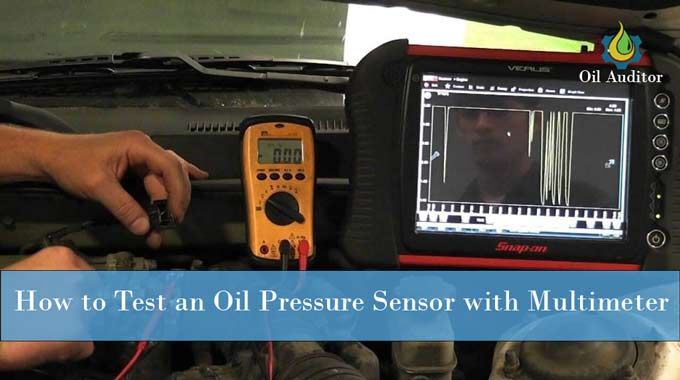
A qualified technician can measure actual oil pressure using a suitable mechanical gauge connected to the engine’s specified test port. The measured pressure must be compared with the Toyota specification for the exact engine and operating temperature or speed. If pressure is within specification but the warning signal remains incorrect, diagnosis can then focus on the switch and electrical circuit.
Do not ignore the warning
A red oil pressure warning during engine operation requires prompt attention.
Verify actual pressure
A mechanical pressure test helps distinguish a faulty electrical switch from a lubrication-system problem.
Check the wiring
Inspect the connector and circuit using the correct wiring diagram and test procedure.
Can You Replace the Toyota 1ZZ-FE Oil Pressure Sensor Yourself?
Replacing the oil pressure switch may be a manageable repair for someone with appropriate tools and vehicle repair experience, provided the component is accessible and the correct procedure is available. The main risks are damaging the threaded port, installing an incompatible switch, using an incorrect sealant, and overlooking genuine low oil pressure.
Before starting, obtain the correct replacement part, the required socket or wrench, suitable cleaning materials, and the vehicle-specific torque and sealing instructions. Work only with the engine switched off and cooled sufficiently to avoid burns. Keep dirt out of the oil passage and do not force a tool onto the electrical terminal.
Source: www.youtube.com > MrBundre
Confirm the replacement
Match the part to the vehicle identification, engine code, model year, connector, and specified thread.
Protect the threaded port
Avoid cross-threading or overtightening the new switch, as either can damage the engine.
Follow sealing instructions
Use the specified seal or thread treatment only; excess sealant can interfere with the connection or contaminate an oil passage.
Verify the repair
After installation, check for leakage and confirm correct warning-light behavior using the prescribed procedure.
Should You Use Thread Sealant?
Do not automatically apply tape or liquid thread sealant to an oil pressure switch. Some switches rely on a specified sealing method or electrical grounding through the threaded body, while other designs use a separate seal. The correct approach depends on the exact replacement part and Toyota service instructions.
Excess sealant can contaminate the oil system, and an unsuitable product can interfere with electrical contact or prevent proper seating. Check the manufacturer’s instructions before installation.
Use the specified method
Follow the repair manual and replacement-part instructions for sealing and torque.
Avoid overtightening
The correct torque protects the threaded port and helps prevent leaks.
How to Confirm the Repair Worked
After the switch has been installed correctly, inspect the surrounding area for oil leakage and verify that the electrical connector is secure. Follow the vehicle’s normal starting and warning-light procedure. The oil pressure warning light typically illuminates during the initial ignition-on check and should go out after the engine establishes adequate pressure.
If the warning remains on, returns intermittently, or is accompanied by engine noise, switch off the engine and arrange a proper oil pressure test. A new switch does not establish that the engine’s actual oil pressure is safe.
No visible leak
The mounting point should remain dry after the repair has been checked safely.
Normal warning-light behavior
The warning should operate as specified for the vehicle.
Persistent warning
Stop the engine and diagnose the electrical circuit and actual oil pressure rather than repeatedly replacing parts.
Common Mistakes When Locating the Oil Pressure Sensor
The most common mistake is assuming that every Toyota engine with a similar appearance uses the same sensor position. Another is confusing the oil pressure switch with a variable valve timing solenoid or another electrical component mounted near an oil passage.
A second mistake is treating the warning light as a sensor-only problem. Because low oil pressure can damage engine bearings and other lubricated parts, diagnosis must establish whether pressure is actually adequate before the vehicle returns to normal service.
Source: mechlesson.com
Using instructions for the wrong engine
Verify the 1ZZ-FE engine code and vehicle year before following location or replacement directions.
Ordering by appearance alone
Confirm the connector, thread, sealing method, and part compatibility using reliable parts information.
Removing the switch while hot
Allow the engine to cool and follow safe procedures before touching or loosening components.
Driving with the warning illuminated
Stop the engine as soon as it is safe to do so if the red oil pressure warning remains on during operation.
When Professional Diagnosis Is the Better Choice
Seek qualified help if the switch is difficult to access, the threaded port appears damaged, the warning remains after a verified repair, or the engine produces knocking or unusual mechanical noise. A technician can inspect the lubrication system and measure actual pressure without relying solely on the dashboard warning.
If the engine has been operated with inadequate oil pressure, installing a new switch cannot reverse any damage that may already have occurred. Avoid further operation until the cause has been identified.
Mechanical noise
Knocking or severe ticking together with an oil pressure warning requires immediate shutdown.
Uncertain sensor identity
Use a model-specific diagram or professional inspection rather than removing an unidentified component.
Persistent oil leakage
Inspect the switch, threads, sealing surface, and nearby components to establish the actual leak source.
Frequently Asked Questions
Q
Where exactly is the oil pressure switch on a Toyota Corolla 1ZZ-FE?
On many Toyota Corolla models with the 1ZZ-FE engine, the oil pressure switch is threaded into the engine block near the oil filter and lower engine area. The exact position and access angle vary by model year, so use the vehicle-specific service diagram to identify it precisely.
Q
Is the oil pressure sensor the same as the oil pressure switch?
The terms are often used interchangeably when referring to the conventional engine oil pressure warning switch. However, some vehicles use different pressure-monitoring arrangements, so verify the component fitted to the particular Toyota before ordering a replacement.
Q
Can I drive my Toyota 1ZZ-FE with the oil pressure light on?
Do not continue driving with the red oil pressure warning illuminated while the engine is running. Pull over safely and switch off the engine. Check the oil level according to the owner’s manual, but do not assume that adding oil or replacing the switch will solve the problem. Arrange diagnosis if the cause is uncertain or the warning persists.
Q
Can a bad oil pressure switch cause an oil leak?
Yes. A damaged switch body, failed sealing surface, or improperly installed replacement can leak engine oil. Oil around the component should be inspected to confirm that the switch is the source rather than a nearby component leaking onto it.
Q
How do I know whether the switch is bad or the engine has low oil pressure?
Check the oil level first and inspect the switch connector and wiring without running an engine that may have inadequate lubrication. A qualified technician can measure actual oil pressure with a mechanical gauge and compare the reading with the Toyota specification. Normal measured pressure with an incorrect warning signal points toward an electrical or switch-related problem, while low measured pressure requires lubrication-system diagnosis.
Q
Does the Toyota 1ZZ-FE oil pressure switch have a specific installation torque?
Yes, the correct installation specification depends on the exact switch, engine application, and repair procedure. Obtain the torque value from the applicable Toyota repair manual or reliable service information rather than guessing. Overtightening can damage the threaded port or the replacement switch.
✦ Wrapping Up
Conclusion
On most Toyota 1ZZ-FE engines, the oil pressure switch is located on the engine block near the oil filter and lower engine area. Its threaded metal body and electrical connector help distinguish it from nearby sensors and solenoids, but the exact access point depends on the vehicle’s model year and configuration.
If you are locating the switch because the oil pressure warning light is on, verify the oil level and treat the warning seriously. A defective switch is only one possible cause, and a mechanical pressure test may be necessary to distinguish an electrical fault from a real lubrication problem.
💡 Key Takeaway
Confirm your Toyota’s model year and 1ZZ-FE engine code, use the matching service diagram to locate the oil pressure switch near the oil filter area, and stop the engine immediately if the red oil pressure warning remains illuminated during operation.
Ethan Brooks is an automotive writer at Auto News 7, covering car news, vehicle maintenance, new model updates, recalls, and practical buying guides. He focuses on clear, useful information that helps drivers understand their vehicles and make better ownership decisions.
Can an oil pressure sensor cause transmission problems? Learn how a faulty sensor affects engine performance, which symptoms to check, and how to diagnose the real cause.
Can an oil pressure sensor shut off the engine? Learn how oil pressure switches affect engine operation, warning signs, causes, and safe troubleshooting steps.
Find the oil pressure sensor on a 2007 Chevy Tahoe with a 5.3L V8. Learn its location, how to identify it, access tips, and common troubleshooting mistakes.