On a 2000 Chevrolet Monte Carlo, the oil pressure sensor or sending unit is threaded into an engine oil passage. Its exact position depends on whether the car has the 3.4L or 3.8L V6 engine, so confirm the engine configuration before searching for the component.
For owners maintaining a 2000 Chevrolet Monte Carlo in the United States, locating the oil pressure sensor is a useful first step when the dashboard oil warning light stays on, the gauge behaves erratically, or an oil leak appears around the sensor. The component monitors engine oil pressure and sends an electrical signal to the vehicle’s instrument or engine management system, depending on the configuration.
The 2000 Monte Carlo was available with different V6 engine configurations, including a 3.4L engine and a 3.8L engine in the SS model. Their component locations and access procedures may differ. Before removing anything, identify the engine, consult the correct service information, and distinguish a faulty sensor from genuinely low oil pressure. An illuminated oil pressure warning can indicate a condition that may damage the engine.
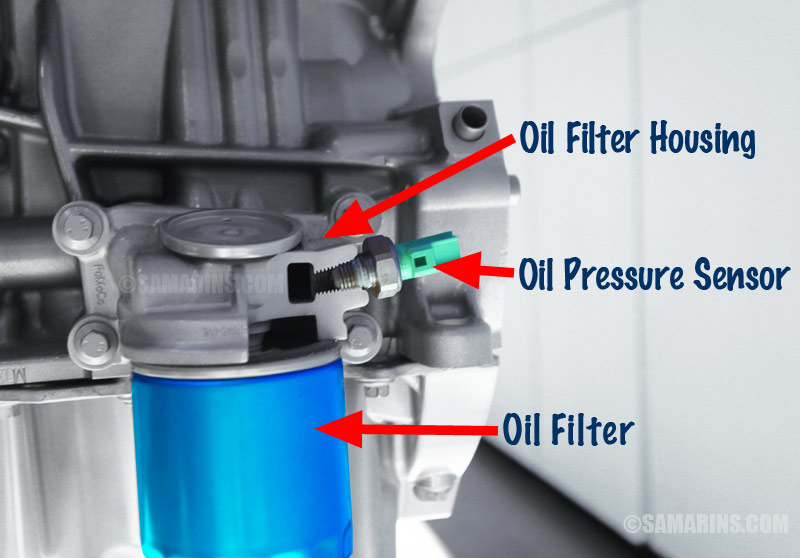
Source: kladbkzab.blob.core.windows.net
Where Is the Oil Pressure Sensor on a 2000 Monte Carlo?
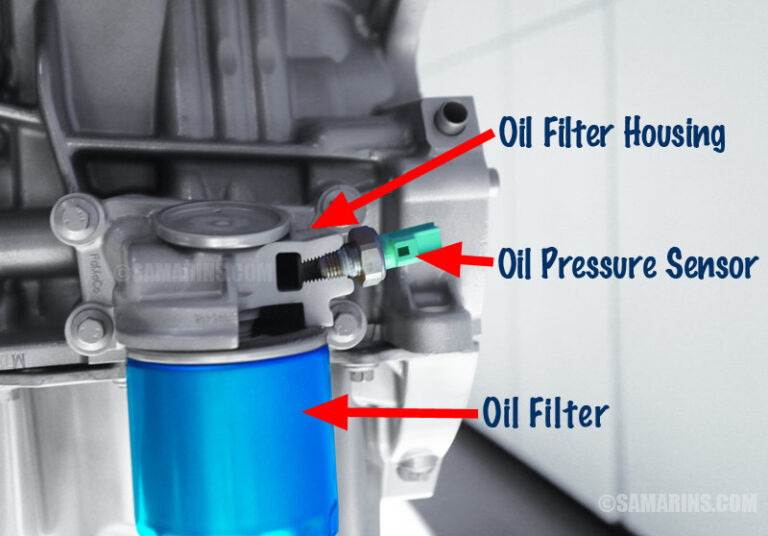
The oil pressure sensor on a 2000 Chevrolet Monte Carlo is installed in a threaded oil passage in the engine. To locate it accurately, first determine which engine your vehicle has. The 3.4L V6 and 3.8L V6 do not necessarily share the same sensor position or access procedure.
Start by identifying the engine from the vehicle identification number, underhood emissions label, or reliable vehicle records. Then consult a service manual or engine-specific parts diagram for the oil pressure switch or sending unit. This is more dependable than assuming that a component occupies the same position across every Monte Carlo trim.
The sensor usually has an electrical connector and a metal threaded body installed in the engine. Depending on the engine configuration, access may be easier from above or below. Do not remove nearby components simply because they resemble a sensor; verify the component against the correct diagram first.
Source: hitchesguide.com
Identify the engine
Confirm whether the vehicle has the 3.4L V6 or the 3.8L V6 before following a location guide.
Find the threaded component
Use the engine-specific service diagram to locate the electrical oil pressure sender installed in an oil passage.
Check access before starting
Determine whether the connector and sensor can be reached safely from above or whether the vehicle must be raised.
How to Identify the Oil Pressure Sensor
The oil pressure sensor or switch is a compact electrical component that screws into the engine. Its connector may have one or more terminals, depending on the particular component and system design. Connector shape alone is not enough to establish that a part is the correct sender.
Follow the wiring harness and compare the component’s position and connector with the appropriate service diagram. Do not confuse it with the engine coolant temperature sensor, which also uses an electrical connector but measures coolant temperature rather than oil pressure.
Electrical connector
A wiring plug connects the sender to the vehicle’s electrical system.
Threaded mounting
The component is installed in an oil passage and may have oil around its base if its seal or housing leaks.
Does the 3.4L Engine Have the Same Sensor Location as the 3.8L?
Not necessarily. The 2000 Monte Carlo’s engine options have different layouts, so a diagram for a 3.8L Monte Carlo SS should not automatically be applied to a 3.4L model. Differences in surrounding components can change where the sender sits and how a technician reaches it.
When looking up a replacement or repair procedure, match the model year, engine displacement, and applicable engine identification details. If a catalog lists multiple oil pressure switches, verify the part number and connector style before buying one.
For the 3.4L V6
Use the 3.4L-specific location diagram and service procedure.
For the 3.8L V6
Use the 3.8L-specific diagram, including the SS configuration where applicable.
How to Find the Sensor Step by Step
The safest way to find the oil pressure sensor is to identify the engine, consult its location diagram, and visually confirm the component before touching the wiring or removing parts. You usually do not need to remove the sensor merely to determine where it is.
Park the Monte Carlo on a level surface, turn off the engine, remove the key, and allow hot components to cool. If the vehicle has an oil pressure warning, check the oil level according to the owner’s manual. Do not keep the engine running to search for the sender if the warning indicates possible low pressure.
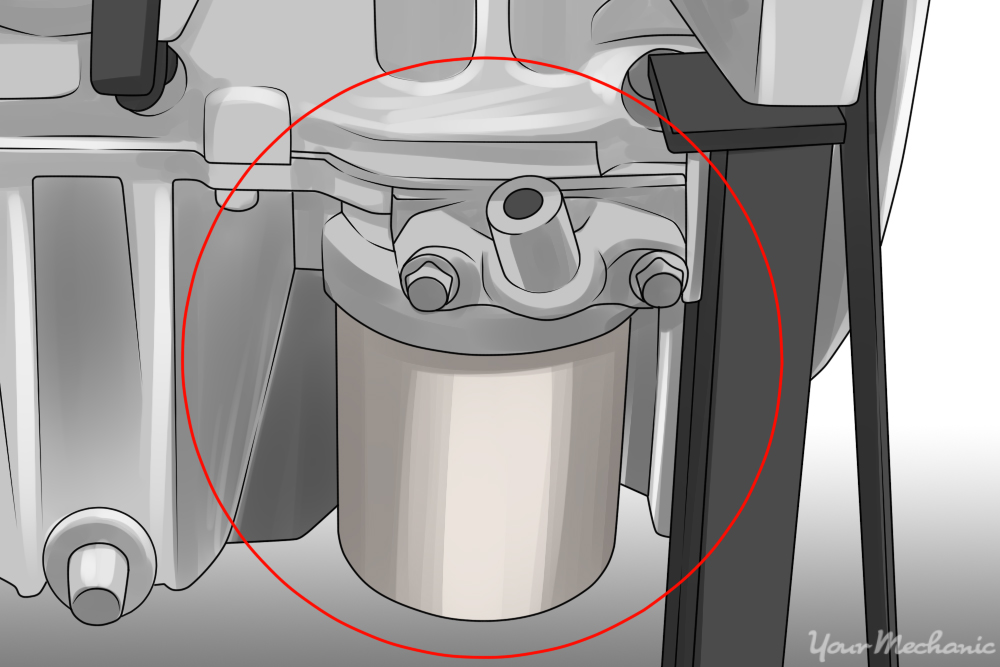
Source: YourMechanic
Step 1: Confirm the engine
Identify the 3.4L or 3.8L V6 and obtain the matching service information.
Step 2: Review the location diagram
Find the oil pressure switch or sending unit in an engine-specific repair manual or parts illustration.
Step 3: Inspect the engine
With the engine off and cool, locate the threaded electrical component shown in the diagram.
Step 4: Check the connector and surrounding area
Look for damaged wires, a loose plug, oil residue, or evidence that the component is leaking.
Step 5: Confirm before removal
Compare the connector and mounting position with the service information before disconnecting or unscrewing the sender.
Tools That May Help
A flashlight, safety glasses, the correct service manual, and basic hand tools are usually sufficient for visual identification. If removal is necessary, the required socket or sender wrench depends on the actual component. Check the specified tool size and installation torque rather than guessing.
If the sensor is accessible only from underneath, use a vehicle lift or correctly rated jack stands on an appropriate hard, level surface. Never work beneath a car supported only by a hydraulic jack.
Flashlight and safety glasses
Help you inspect the mounting point without placing your hands near hot or moving components.
Engine-specific service information
Provides the correct location, connector details, removal instructions, and tightening specifications.
Proper lifting equipment
Provides stable support if inspection or removal requires access beneath the vehicle.
Symptoms of a Bad Oil Pressure Sensor on a 2000 Monte Carlo
A failing oil pressure sensor can cause inaccurate pressure readings, an oil warning light that behaves inconsistently, or an abnormal gauge indication. Oil leaking from the sender’s body or mounting area can also point to a damaged sensor or seal.
These symptoms do not prove the sensor is faulty. Low oil level, an oil pump problem, worn engine bearings, restricted oil passages, damaged wiring, or a gauge circuit fault can create similar warnings. The next step is to verify actual oil pressure rather than replacing the sensor based on symptoms alone.
Source: hitchesguide.com
Oil pressure warning stays on
May indicate a defective sender or a real loss of oil pressure. Stop the engine if the warning persists and check the oil level.
Gauge reading jumps or appears implausible
May result from a sender fault, a poor electrical connection, damaged wiring, or a problem in the instrument circuit.
Oil around the sender
Inspect the component and its sealing surface for leaks. Oil residue may also originate from a nearby engine component.
Warning appears intermittently
Check the connector and wiring, but do not assume the issue is electrical until actual oil pressure has been evaluated.
How to Tell a Bad Sensor from Low Oil Pressure
Begin with the engine off and check the dipstick using the procedure in the owner’s manual. Add the specified oil if the level is low, but do not assume that restoring the level has resolved the problem. A continuing warning requires further investigation.
A qualified technician can measure actual oil pressure with a suitable mechanical gauge installed at the appropriate test port. The reading should be compared with the factory specification for the exact engine and operating temperature. If measured pressure is below specification, diagnose the lubrication system before replacing electrical parts.
Check the oil level first
A low level can compromise lubrication and must be corrected before further diagnosis.
Inspect the electrical connection
Look for corrosion, damaged insulation, loose terminals, or a connector that does not lock securely.
Verify actual pressure
Use a mechanical pressure test when the warning or gauge behavior leaves doubt about the engine’s lubrication.
Can You Replace the Oil Pressure Sensor Yourself?
Replacing the oil pressure sensor may be manageable for a home mechanic if the component is accessible, the correct replacement is confirmed, and the service procedure can be followed safely. Access, connector design, and tightening requirements depend on the installed engine and sender.
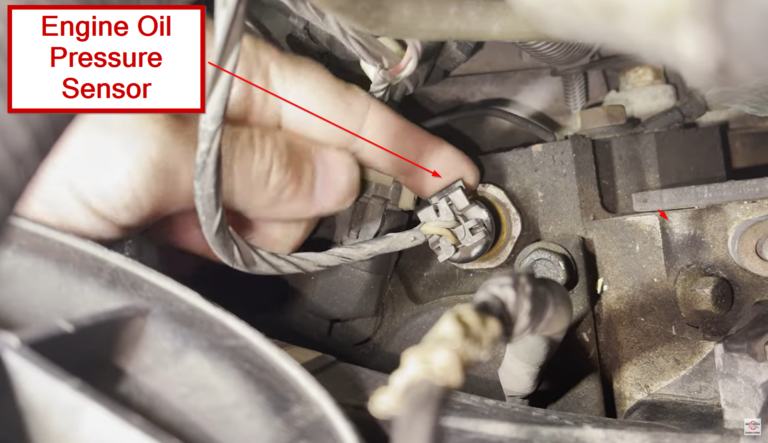
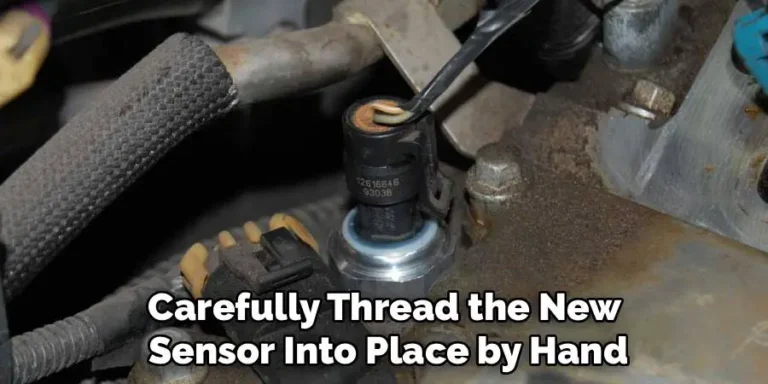
Before removal, switch off the ignition, allow the engine to cool, and disconnect the electrical plug using its release tab. Clean loose dirt from around the mounting point so debris cannot enter the oil passage. Remove the sender with the specified tool, taking care not to damage the threads or surrounding parts.
Install the correct replacement using the factory tightening specification and the specified sealing method. Do not apply thread sealant automatically: some sensors rely on their threads for an electrical ground, while others use a different sealing arrangement. Follow the instructions for the exact part.
After installation, reconnect the wiring and inspect the area for leaks. Start the engine only when it is safe to do so, and watch the oil pressure warning closely. If the warning remains on, shut the engine off immediately and arrange further diagnosis.
Source: YouTube > Abnormal Garage
Confirm compatibility
Match the replacement to the vehicle’s year, engine, connector, and applicable part number.
Protect the oil passage
Keep dirt and loose debris away from the open mounting hole during removal.
Use the correct installation method
Follow the specified torque and sealing instructions rather than overtightening or adding unapproved sealant.
Check for leaks and warning lights
Verify the installation and investigate any continuing warning instead of assuming the new sender solved the problem.
When Professional Diagnosis Is the Better Option
Seek professional help if the sensor is difficult to reach, the threaded mounting point is damaged, the connector is seized, or the oil warning remains after the oil level has been checked. A shop can test actual oil pressure and inspect the electrical circuit before recommending a repair.
Do not drive the car if the oil pressure warning remains illuminated while the engine is running or if the engine develops abnormal knocking or ticking. Arrange towing when necessary to avoid potentially severe engine damage.
Persistent oil pressure warning
Requires confirmation that the engine has adequate oil pressure before continued operation.
Unusual engine noise
Can indicate inadequate lubrication and warrants immediate engine shutdown.
Damaged threads or uncertain access
May require specialized tools and repair procedures to prevent further damage.
Common Mistakes When Locating the Oil Pressure Sensor
The most common mistake is following a location guide for a different engine. Even when two engines belong to the same model year, their sensor positions, connectors, and removal procedures may differ.
Another mistake is replacing the sender immediately when the oil warning appears. The sensor reports information about oil pressure; it does not create the pressure itself. If the engine has a lubrication problem, a new sender will not correct it.
Avoid disconnecting electrical components while the engine is running to see whether the gauge changes. Such experiments can produce misleading results and may damage electrical components. Use the diagnostic procedure specified for the vehicle instead.
Source: mechlesson.com
Using the wrong engine diagram
Match every location guide to the actual 3.4L or 3.8L engine.
Assuming every warning means sensor failure
Check the oil level and verify actual pressure when necessary before deciding what to replace.
Overtightening the sender
Excessive force can damage the threaded mounting point or the replacement component.
Ignoring a continuing warning
A persistent warning or abnormal engine noise can signal a serious lubrication problem that needs immediate attention.
What to Check Before Ordering a Replacement
Before buying an oil pressure sensor for a 2000 Monte Carlo, confirm the engine size, the original connector, and the catalog application. A component that fits a different Chevrolet model or a different Monte Carlo engine may look similar but have different electrical characteristics or mounting details.
Compare the replacement part’s specifications with the original component and a reliable parts catalog. If the sender is leaking, verify whether the leak comes from the sender itself, its threads, or a nearby source. The correct diagnosis can prevent unnecessary parts replacement.
If the warning light is the only symptom, remember that a sender replacement is not a substitute for pressure testing when actual oil pressure is uncertain. A mechanical gauge test and an electrical circuit inspection provide more useful evidence than the warning light alone.
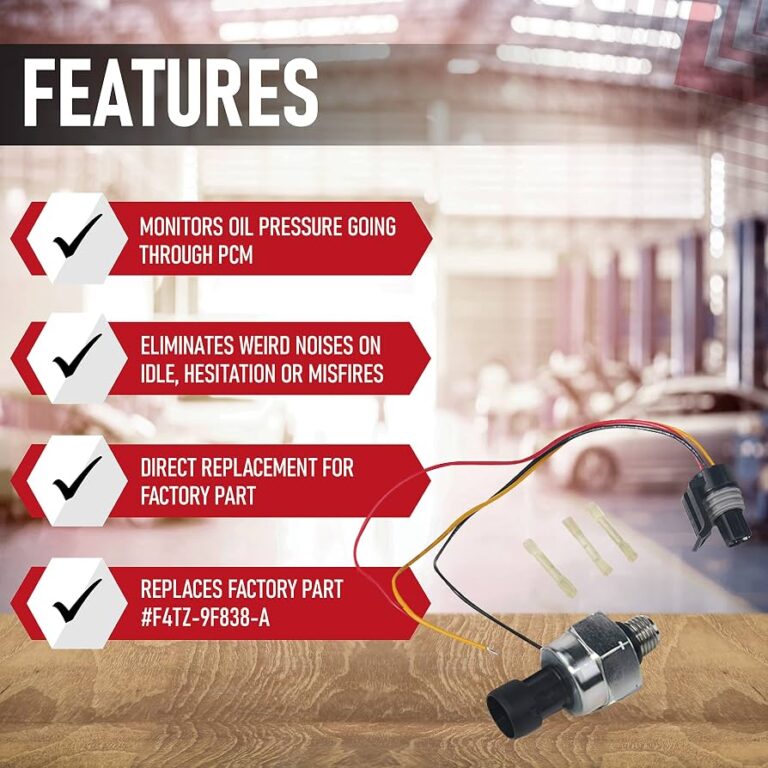
Source: kladbkzab.blob.core.windows.net
Vehicle application
Confirm model year and engine displacement in the parts catalog.
Connector and thread compatibility
Verify the connector design and mounting specifications against the original component.
Diagnosis
Determine whether the problem is a sender fault, an electrical issue, a leak, or genuinely low oil pressure.
Frequently Asked Questions
Q
Where exactly is the oil pressure sensor on a 2000 Monte Carlo SS?
The 2000 Monte Carlo SS uses a 3.8L V6, and its oil pressure sender is threaded into an engine oil passage. Use a 3.8L-specific service diagram to confirm the exact mounting point and access direction before removing parts. Do not rely on a diagram for the 3.4L engine.
Q
Does the 2000 Monte Carlo have an oil pressure sensor or an oil pressure switch?
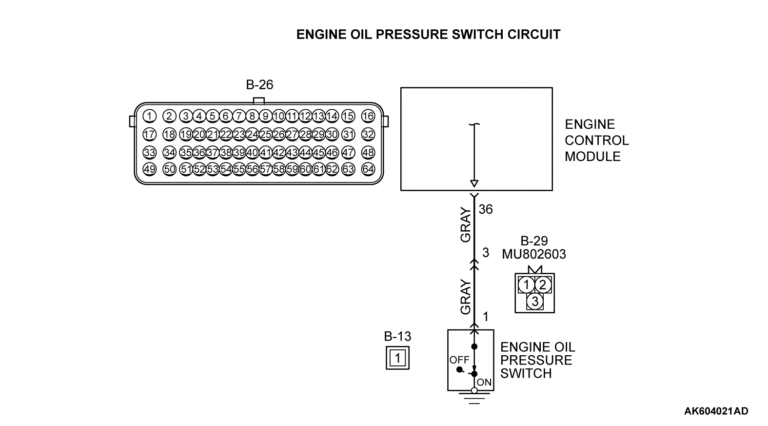
The terms oil pressure sensor, oil pressure switch, and oil pressure sending unit are often used interchangeably in general repair discussions, but they can describe different electrical designs. The correct terminology and function depend on the installed component. Use the vehicle-specific parts catalog and wiring information to identify the right unit.
Q
Can I drive my 2000 Monte Carlo with the oil pressure light on?
Do not continue driving while the oil pressure warning remains on during engine operation. Stop in a safe place, shut off the engine, and check the oil level according to the owner’s manual. If the warning persists or the engine makes unusual noises, have the vehicle towed for diagnosis because low oil pressure can cause severe engine damage.
Q
Will replacing the oil pressure sensor fix a fluctuating gauge?
It may fix the problem if the sender is defective, but fluctuating readings can also result from wiring faults, connector problems, or actual changes in oil pressure. Verify the oil level and have actual pressure measured if the cause is uncertain. Replace the sender only after the evidence supports that diagnosis.
Q
Do I need to drain the engine oil to replace the oil pressure sensor?
A complete oil drain is generally not necessary for many oil pressure sender replacements, but some oil may escape when the component is removed. The amount depends on the mounting location and engine condition. Follow the service procedure for the exact engine, prepare for oil loss, and check the oil level after the repair.
Q
What tools are needed to remove the oil pressure sensor?
A flashlight, safety glasses, basic hand tools, and the correct sensor socket or wrench may be sufficient. The required tool size depends on the installed sender. If the component is underneath the vehicle, use proper lifting equipment and stable jack stands rather than relying on a jack alone.
✦ Wrapping Up
Conclusion
The oil pressure sensor on a 2000 Chevrolet Monte Carlo is threaded into an engine oil passage, but the precise location depends on whether the vehicle has the 3.4L V6 or the 3.8L V6. Identifying the engine and consulting the correct service diagram are the most reliable ways to find the component without confusing it with another electrical sensor.
If you are searching because the oil warning light is illuminated or the gauge is behaving abnormally, check the oil level first and treat a continuing warning seriously. The sensor may be defective, but only a proper diagnosis can distinguish an electrical fault from inadequate engine oil pressure.
💡 Key Takeaway
Confirm whether your 2000 Monte Carlo has the 3.4L V6 or 3.8L V6, use the matching service diagram to locate the oil pressure sender, and verify actual oil pressure before replacing parts if the warning remains on.
Ethan Brooks is an automotive writer at Auto News 7, covering car news, vehicle maintenance, new model updates, recalls, and practical buying guides. He focuses on clear, useful information that helps drivers understand their vehicles and make better ownership decisions.
Can a bad oil pressure sensor cause a misfire? Learn how oil pressure sensors affect engine performance, which symptoms matter, and how to diagnose the real cause.
Learn how tight an oil pressure sensor should be, why torque specifications vary, how to install it correctly, and how to prevent leaks or thread damage.
Learn what the screen under an oil pressure sensor does, how it filters debris, which engines use it, and when cleaning or replacement may be necessary.