A knock sensor detection system detects abnormal engine combustion and helps the ECU adjust ignition timing to protect the engine.
For drivers in the United States, a knock sensor detection system is part of the electronic engine management system found in many modern gasoline vehicles. The system monitors vibrations produced by combustion inside the engine and helps the engine control unit, or ECU, recognize combustion knock before it causes sustained damage.
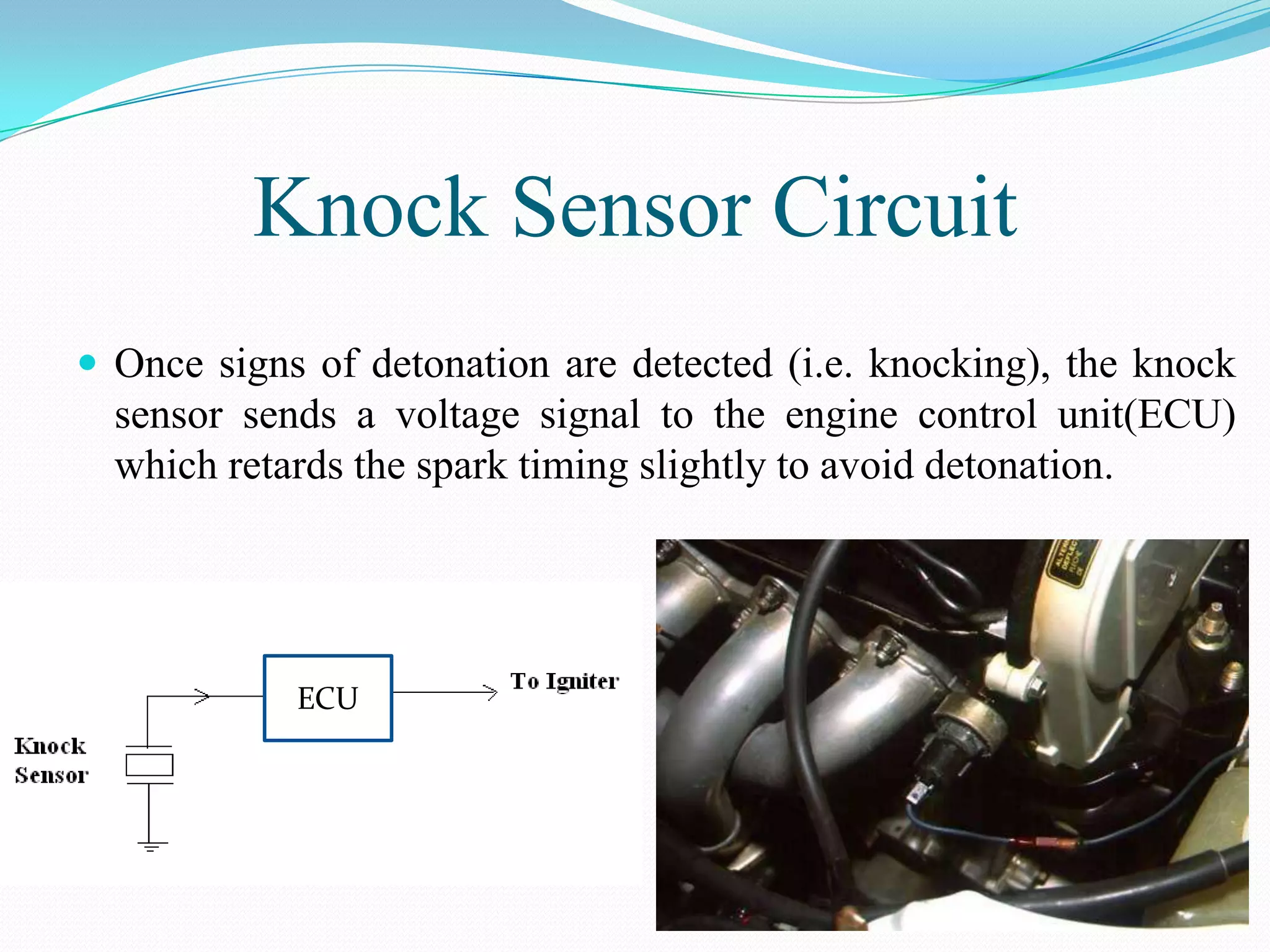
The knock sensor itself does not make the timing decision. It detects vibration and converts that vibration into an electrical signal. The ECU processes the signal along with engine speed, load, and other operating information. When the system determines that knock is occurring, the ECU can retard ignition timing for the affected operating condition to reduce the knock.
Understanding this system helps explain why a faulty knock sensor can cause a check engine light, reduced performance, poor fuel economy, or stored diagnostic trouble codes. It also helps prevent a common mistake: replacing the sensor without checking its wiring, connector, mounting, and the vehicle-specific diagnostic information.
Source: cf.unikeyic.com
What Is a Knock Sensor Detection System?
A knock sensor detection system is an engine-management function that monitors combustion-related vibration and allows the ECU to respond when abnormal combustion is detected. Its main purpose is to help control engine knock while allowing the engine to operate near its intended ignition timing.
Engine knock, sometimes called detonation or knocking combustion, occurs when combustion develops in an abnormal way and produces characteristic high-frequency pressure and vibration patterns. Sustained knock can increase mechanical and thermal stress on engine components.
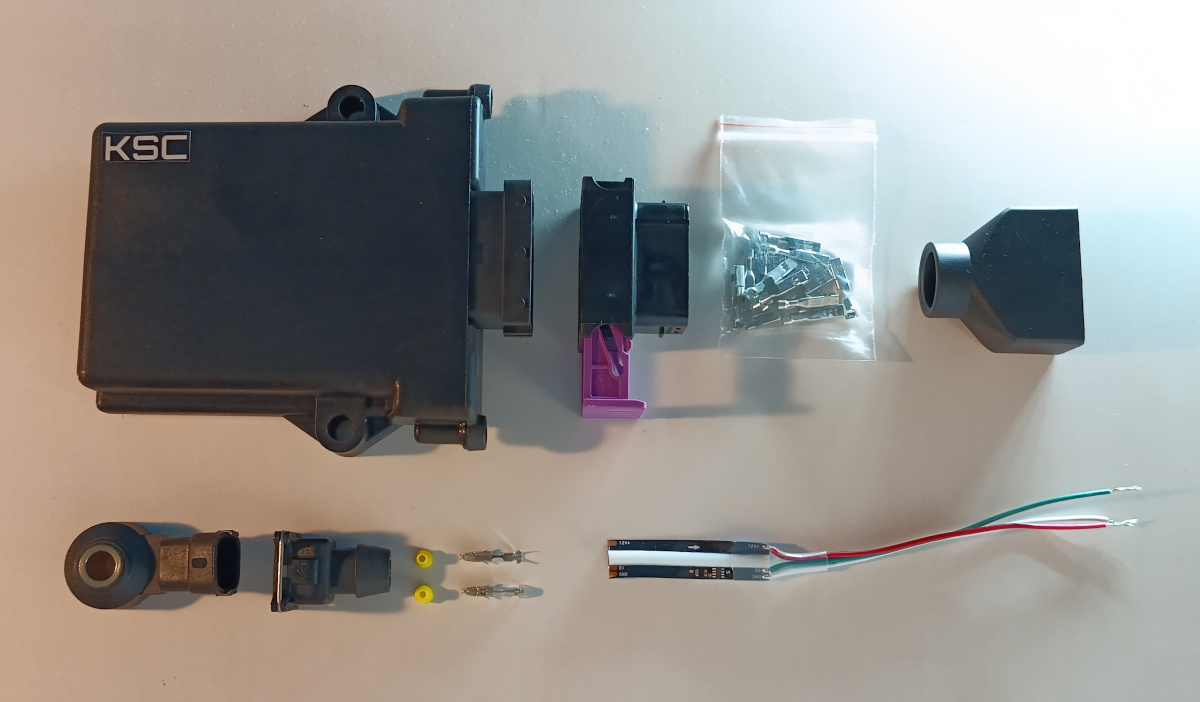
The system normally consists of a knock sensor, electrical wiring, an ECU or engine control module, and software that processes the sensor signal. The complete system is more than the sensor itself because detection depends on signal processing and the ECU’s control strategy.
Source: image.slidesharecdn.com
Knock sensor
The sensor detects structure-borne vibration from the engine and produces an electrical signal.
Wiring and connector
The electrical circuit carries the sensor signal to the engine control unit.
ECU
The ECU evaluates the knock-related signal and uses the result to control ignition timing according to the vehicle’s calibration.
Knock-control software
The control software filters and interprets the signal so normal engine vibration is less likely to be mistaken for combustion knock.
How Does a Knock Sensor Detection System Work?
The detection process starts with the combustion event inside the cylinder. If combustion produces vibration within the frequency range associated with knock, the engine block transmits that vibration to the knock sensor.
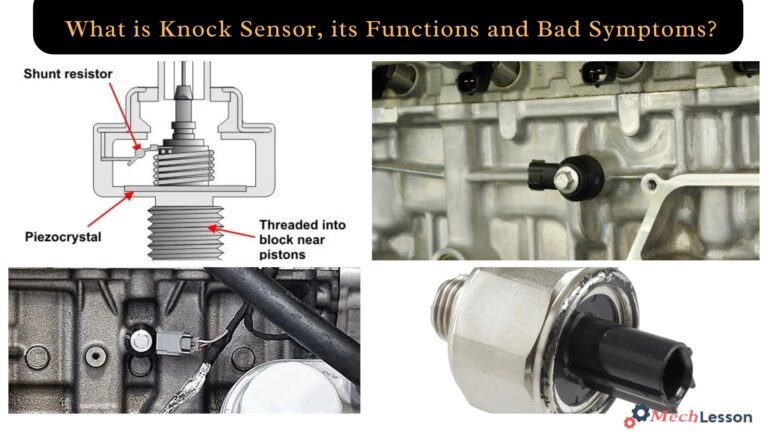
Many automotive knock sensors use a piezoelectric sensing element. Mechanical vibration causes the element to generate an electrical signal. The ECU then evaluates the signal rather than treating every vibration as proof of knock.
The control strategy is vehicle-specific. The ECU can compare the sensor signal with engine speed, load, crankshaft position, and other operating information to determine whether the detected vibration is consistent with knock. When knock is identified, the ECU can retard ignition timing to reduce the likelihood of continued knock.
This closed-loop process allows the engine to respond to changing operating conditions. Fuel characteristics, engine temperature, load, and other conditions can affect the likelihood of knock, so electronic knock control provides information that a fixed ignition map cannot provide by itself.
Source: blogs.gomechanic.com
1. Combustion occurs
The air-fuel mixture burns inside the cylinder as part of normal engine operation.
2. Vibration reaches the sensor
Combustion-related vibration travels through the engine structure to the knock sensor.
3. The sensor produces a signal
The sensing element converts mechanical vibration into an electrical signal.
4. The ECU evaluates the signal
The engine control system processes the signal and determines whether the vibration is consistent with knock.
5. Ignition timing is adjusted
If knock is detected, the ECU can retard ignition timing according to its programmed control strategy.
Why the System Does Not Simply Listen for Any Engine Noise
An engine produces many normal vibrations from pistons, valves, injectors, bearings, and other components. A useful knock sensor detection system therefore has to distinguish combustion-related vibration from normal mechanical noise.
The ECU uses signal-processing methods and engine operating information to make that distinction. This is why a knock sensor should not be diagnosed simply by listening to the engine or assuming that any unusual vibration proves that the sensor has failed.
What Does the Knock Sensor Do for the Engine?
The knock sensor gives the engine control system information about combustion knock. That information allows the ECU to modify ignition timing when the control strategy determines that knock is occurring.
The practical benefit is a balance between performance, efficiency, and protection. Ignition timing that is unnecessarily retarded can reduce performance and efficiency, while excessive advance under conditions that promote knock can increase combustion stress. Knock control helps the ECU respond to actual engine conditions instead of relying only on fixed assumptions.
The exact benefits vary by engine design and calibration. A knock sensor should therefore be viewed as one part of the overall engine-management system rather than as a standalone device that guarantees engine protection.
Source: movichip.com
Combustion monitoring
The system provides information about vibration associated with abnormal combustion.
Ignition control
The ECU can alter ignition timing when its knock-control logic identifies knock.
Engine protection
Reducing continued knock can help limit the harmful effects associated with sustained abnormal combustion.
Adaptation to conditions
Electronic knock control can respond to changing operating conditions rather than relying solely on a fixed ignition setting.
Where Is the Knock Sensor Located?
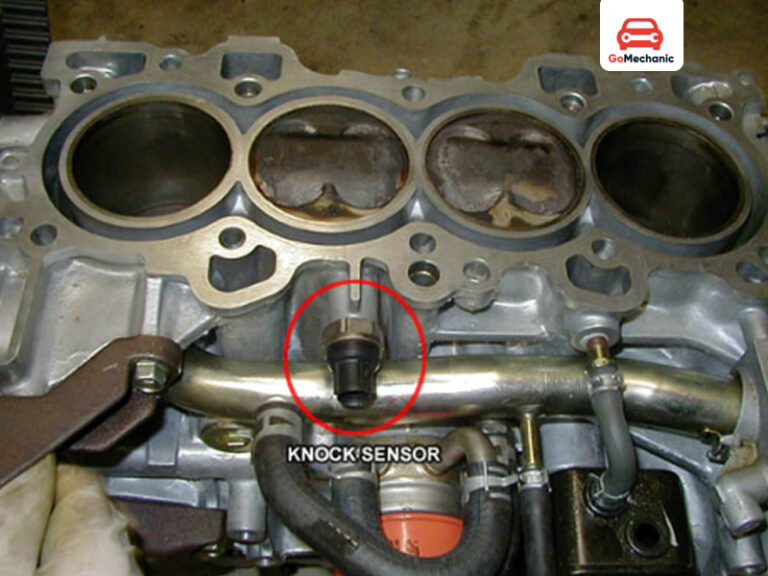
The knock sensor is commonly mounted directly to the engine block or crankcase so it can detect structure-borne vibration. The exact position depends on the engine design and the number of sensors used.
Some engines use one knock sensor, while others use multiple sensors. An engine with separate banks may use sensor arrangements associated with different cylinder groups. The location and identification of Bank 1, Bank 2, Sensor 1, or Sensor 2 must be confirmed from the vehicle’s service information.
Access can range from straightforward to difficult. Some sensors are visible from above or below the engine, while others can be positioned beneath intake components or in other areas that require component removal.
Source: icrfq.net
Engine block
Many knock sensors are attached directly to the engine block because the block transmits combustion-related vibration.
Crankcase area
Some applications mount the sensor on the crankcase or a closely related engine structure.
Multiple-sensor engines
Some engines use more than one knock sensor to monitor different areas or cylinder groups.
Why Correct Mounting Matters
The sensor must have the correct physical connection to the engine for the vibration signal to be interpreted properly. Incorrect installation, improper tightening, corrosion, or a damaged mounting surface can affect the signal.
Because mounting requirements differ by vehicle, the correct torque specification and installation procedure should come from the vehicle manufacturer’s service information rather than a generic value.
What Happens When a Knock Sensor Fails?
A failed knock sensor or knock-sensor circuit can prevent the engine control system from receiving reliable knock information. Depending on the vehicle, the ECU may store a diagnostic trouble code, illuminate the check engine light, alter engine control strategies, or reduce performance.
Common symptoms can include reduced engine power, increased fuel consumption, or a warning light. However, these symptoms are not unique to knock sensor faults. Problems with wiring, connectors, mounting, or other engine systems can produce similar results.
A fault code pointing to a knock sensor does not automatically prove that the sensor itself needs replacement. Proper diagnosis should establish whether the problem is the sensor, its circuit, its mounting, or another condition affecting the signal.
Source: cf.unikeyic.com
Check engine light
The engine control module may detect an electrical or signal-related fault and turn on the malfunction indicator lamp.
Stored diagnostic code
The ECU may record a vehicle-specific diagnostic trouble code related to the knock sensor or its circuit.
Reduced performance
The control system may use a protective strategy that changes ignition timing or other engine parameters.
Higher fuel consumption
Changes in engine control strategy can affect efficiency, although poor fuel economy has many possible causes.
How Do You Diagnose a Knock Sensor Detection System?
Diagnosis should begin with the vehicle’s stored fault codes and service information. The goal is to determine whether the problem is an actual knock condition, a sensor fault, a wiring problem, incorrect mounting, or another engine-management issue.
A professional diagnostic process can include visual inspection, circuit testing, scan-tool data, and signal testing. The exact procedure depends on the vehicle because knock sensors can use different circuit designs and the ECU can use different detection strategies.
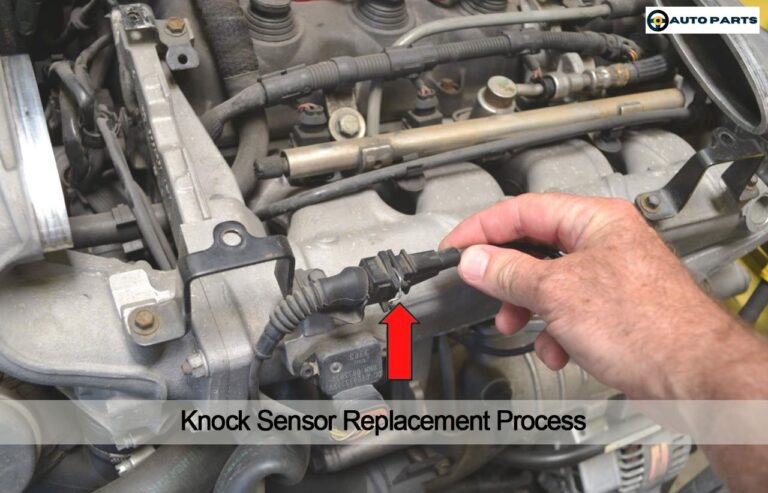
Before replacing a sensor, inspect the connector and wiring for damage, corrosion, loose connections, or breaks. Also verify that the sensor is correctly mounted and that the installation meets the manufacturer’s specifications.
Some workshop procedures use an oscilloscope to evaluate the sensor signal. A suitable test can help establish whether the sensor and circuit respond as expected, but the test must follow the vehicle manufacturer’s procedure. A generic signal test is not a substitute for model-specific diagnostic information.
Source: image.slidesharecdn.com
Read diagnostic trouble codes
Use a suitable scan tool to identify stored codes and examine related engine data.
Inspect the wiring
Look for damaged insulation, broken wires, corrosion, poor connections, or other circuit problems.
Check sensor mounting
Confirm that the sensor is installed correctly and that its mounting condition follows the manufacturer’s requirements.
Test the circuit
Use the wiring diagram and specified electrical tests to check continuity, shorts, and other circuit conditions.
Evaluate the signal
Where the service procedure calls for it, use appropriate diagnostic equipment to assess the knock sensor signal.
Can You Test a Knock Sensor With a Multimeter?
A multimeter can be useful for checking parts of a knock sensor circuit, but a resistance reading alone does not prove that the complete detection system works correctly. Some diagnostic procedures require continuity checks, short-to-ground checks, voltage measurements, or waveform testing.
For example, a workshop procedure may specify circuit resistance limits or insulation requirements. Those values are vehicle-specific, so using a generic resistance number can lead to a false diagnosis.
If the electrical checks pass but the fault remains, further diagnosis may require scan-tool information or an oscilloscope. Follow the manufacturer’s service procedure whenever possible.
Common Knock Sensor Detection System Problems
A knock sensor detection fault does not always originate inside the sensor. The sensor depends on a complete mechanical and electrical path from the engine block to the sensor, through the wiring, and into the ECU.
Common problems include internal sensor failure, damaged wiring, short circuits, corrosion, mechanical damage, incorrect installation, and poor electrical connections. A diagnostic code should therefore be treated as a starting point rather than a final parts-replacement instruction.
False or unreliable knock information can also affect engine operation because the ECU may change ignition timing based on the signal it receives. If the signal is incorrect, the engine may respond differently even though the underlying combustion condition has not changed.
Source: blogs.gomechanic.com
Damaged wiring
An open circuit, short circuit, damaged insulation, or poor connection can interrupt or distort the sensor signal.
Corroded connector
Corrosion can increase electrical resistance or create an unreliable connection.
Incorrect mounting
Improper fit or incorrect tightening can interfere with the sensor’s ability to detect the intended vibration.
Mechanical sensor damage
Physical damage can prevent the sensor from producing a reliable signal.
Other engine faults
Combustion, ignition, fueling, or mechanical problems can create symptoms that should not automatically be blamed on the knock sensor.
Knock Detection vs. Other Engine Sensors
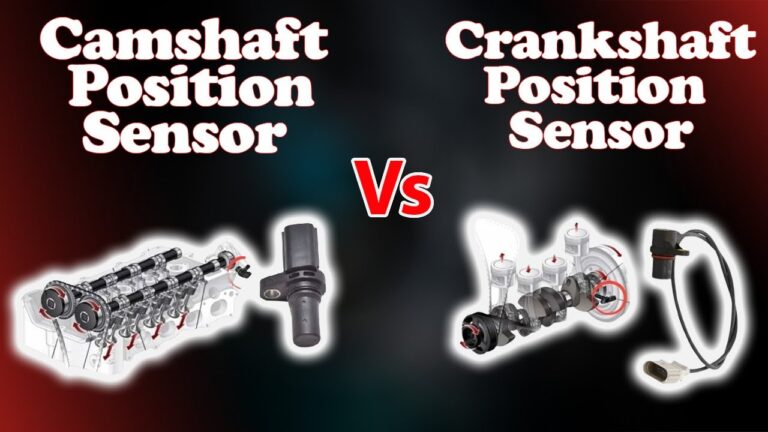
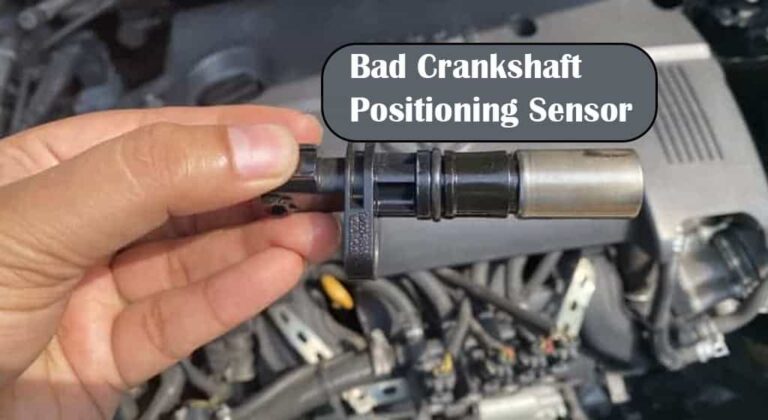
A knock sensor does not replace the crankshaft position sensor, camshaft position sensor, oxygen sensor, mass airflow sensor, or other engine-management sensors. Each sensor provides different information to the ECU.
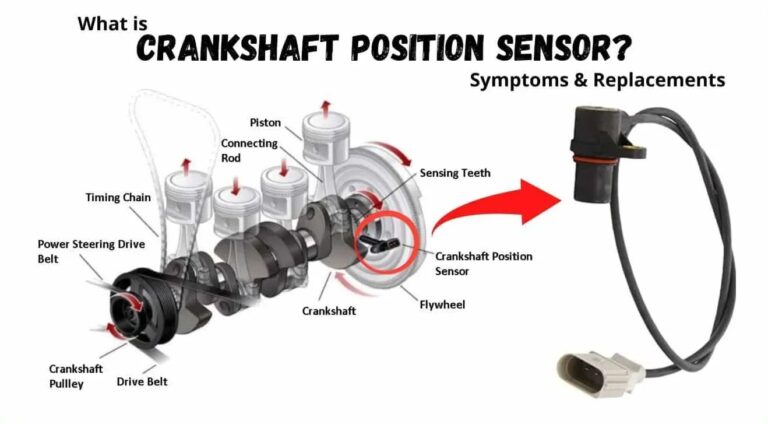
The crankshaft and camshaft position sensors provide information needed to establish engine position and timing. The knock sensor instead provides information about vibration associated with combustion knock. The ECU combines these inputs when controlling the engine.
This distinction matters during diagnosis. A problem with ignition timing, engine position information, air-fuel control, or combustion can sometimes create symptoms that overlap with a knock sensor fault. The diagnostic process should therefore consider the complete engine-management system.
Source: icrfq.net
Knock sensor
Monitors vibration associated with combustion knock.
Crankshaft position sensor
Provides crankshaft speed and position information used for engine control and timing.
Camshaft position sensor
Provides camshaft position information that helps the ECU identify engine-cycle position and control timing.
Oxygen or air-fuel sensor
Provides information about exhaust oxygen or air-fuel conditions for fuel-control strategies.
What Should You Do if the Knock Sensor Code Returns?
If a knock sensor diagnostic code returns after repair or replacement, do not immediately install another sensor. Recheck the wiring, connector, mounting, circuit condition, and the diagnostic code using the vehicle’s service information.
A returning code can indicate that the original problem was not the sensor. It can also indicate a circuit problem, incorrect installation, a damaged connector, or another engine condition that affects the signal.
If diagnosis requires access to difficult engine components, specialized test equipment, or live engine testing, a qualified automotive technician may be the safest option. This is especially true when the diagnostic procedure requires working around a running engine or hot components.
Source: movichip.com
Do not assume the code identifies the failed part
A diagnostic code identifies a detected condition or circuit area; it does not always identify the failed component with certainty.
Verify the repair
After repair, follow the vehicle’s specified verification procedure and confirm whether the fault returns.
Use vehicle-specific information
Pin locations, test values, torque specifications, and diagnostic procedures can differ substantially between engines.
Frequently Asked Questions
Q
What is a knock sensor detection system?
A knock sensor detection system is an engine-management system that detects vibration associated with abnormal combustion and sends that information to the ECU. The ECU can use the information to adjust ignition timing and reduce continued knock.
Q
What does a knock sensor detect?
A knock sensor detects vibration produced by the engine, with its design and control strategy focused on vibration characteristics associated with combustion knock. The ECU processes the signal to determine whether the vibration is consistent with knock.
Q
Does a knock sensor control ignition timing?
The knock sensor does not directly control ignition timing. It supplies information to the ECU, and the ECU uses its programmed knock-control strategy to adjust ignition timing when knock is detected.
Q
Can a bad knock sensor damage an engine?
A faulty knock sensor can prevent the engine control system from receiving reliable knock information. The actual risk depends on the vehicle’s control strategy and the underlying engine condition, so a warning light or related fault should be diagnosed rather than ignored.
Q
What are common symptoms of a bad knock sensor?
Possible symptoms include a check engine light, a stored diagnostic trouble code, reduced engine performance, or increased fuel consumption. These symptoms can also result from other engine or electrical problems, so testing is needed to identify the cause.
Q
Can a knock sensor be tested?
Yes. Depending on the vehicle, testing can include reading diagnostic codes, inspecting the sensor and wiring, checking the electrical circuit, verifying mounting, and evaluating the sensor signal with appropriate diagnostic equipment. The exact procedure and specifications should come from the vehicle manufacturer.
Q
Where is a knock sensor usually located?
A knock sensor is commonly mounted on the engine block or crankcase so it can detect structure-borne vibration. Exact locations vary by engine, and some vehicles use multiple sensors.
✦ Wrapping Up
Conclusion
A knock sensor detection system allows an electronically controlled engine to monitor vibration associated with abnormal combustion and respond through the ECU. The knock sensor provides the signal, while the ECU and its software interpret that signal and can adjust ignition timing when knock is detected.
When a knock sensor fault appears, replacing the sensor without diagnosis can waste time and money. Wiring, connectors, mounting, circuit integrity, and other engine conditions should also be considered. Because diagnostic specifications vary by vehicle, the manufacturer’s service information is the best reference for testing and repair.
💡 Key Takeaway
If your vehicle shows a knock sensor fault, start with the stored diagnostic code and a visual inspection, then follow the vehicle-specific circuit, mounting, and signal tests before replacing parts.
Ethan Brooks is an automotive writer at Auto News 7, covering car news, vehicle maintenance, new model updates, recalls, and practical buying guides. He focuses on clear, useful information that helps drivers understand their vehicles and make better ownership decisions.
Learn whether camshaft and crankshaft sensors are interchangeable, how they differ, common symptoms of failure, compatibility concerns, and the correct replacement approach.
Learn whether a bad knock sensor can cause power loss, how it affects engine timing, common symptoms, diagnostic steps, and when replacement is necessary.
Learn what are symptoms of a bad crankshaft position sensor, including hard starting, stalling, misfires, poor acceleration, and check engine light warnings.
Learn why your knock sensor keeps going bad, the most common causes of repeated failures, how to diagnose the problem, and what repairs can prevent future issues.
Learn when to replace a crankshaft position sensor, how to recognize failure symptoms, diagnose the problem, and avoid replacing a good sensor unnecessarily.