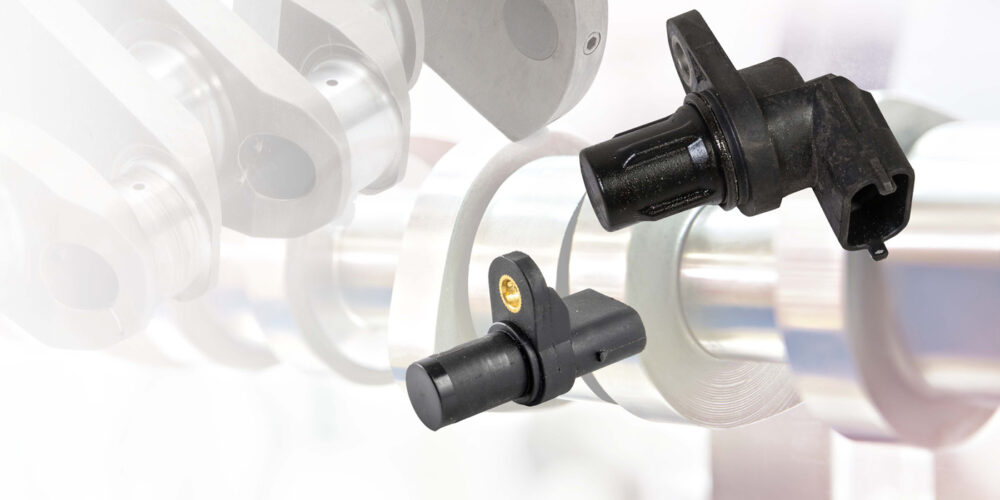
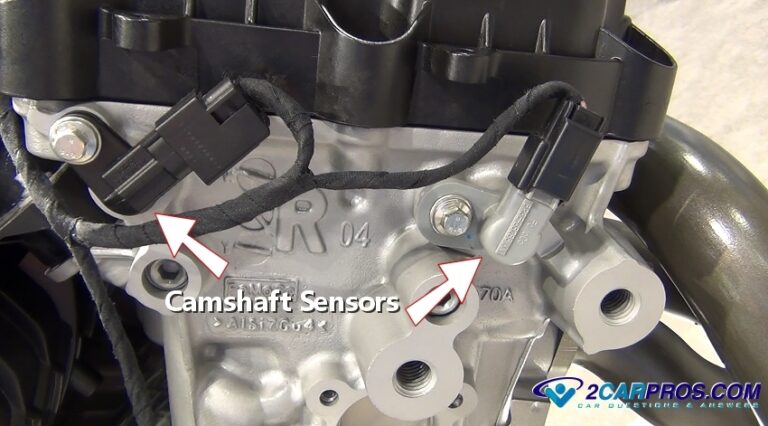
No. Camshaft and crankshaft sensors are not interchangeable in most vehicles because they perform different jobs and use different signals.
Across the United States, vehicle owners often encounter fault codes related to camshaft position sensors or crankshaft position sensors. Because both sensors help the engine control module manage ignition timing and fuel delivery, many drivers wonder whether they can swap one for the other.
In most cases, the answer is no. Even when the sensors look similar, they are designed for different locations, functions, connector configurations, and signal requirements. Installing the wrong sensor can lead to hard starting, poor performance, or a no-start condition.
Source: pinterest.com
What Is the Difference Between a Camshaft Sensor and a Crankshaft Sensor?
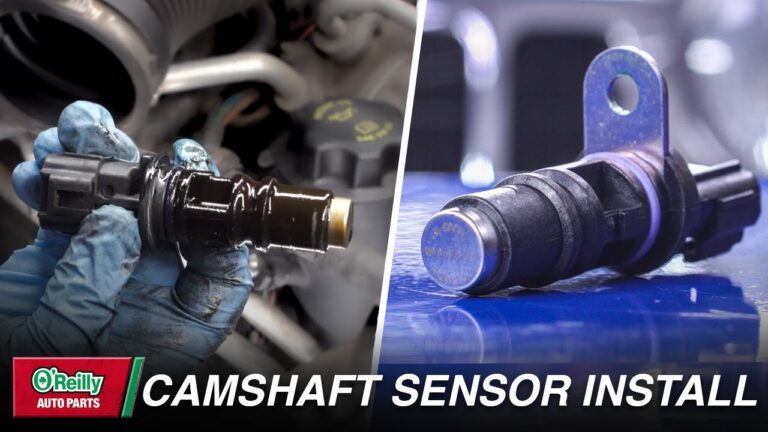
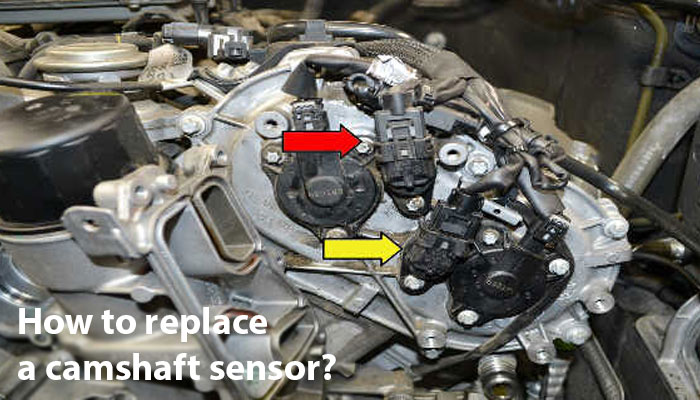
A camshaft position sensor monitors the position and rotation of the camshaft. The engine computer uses this information to manage valve timing and fuel injector sequencing.
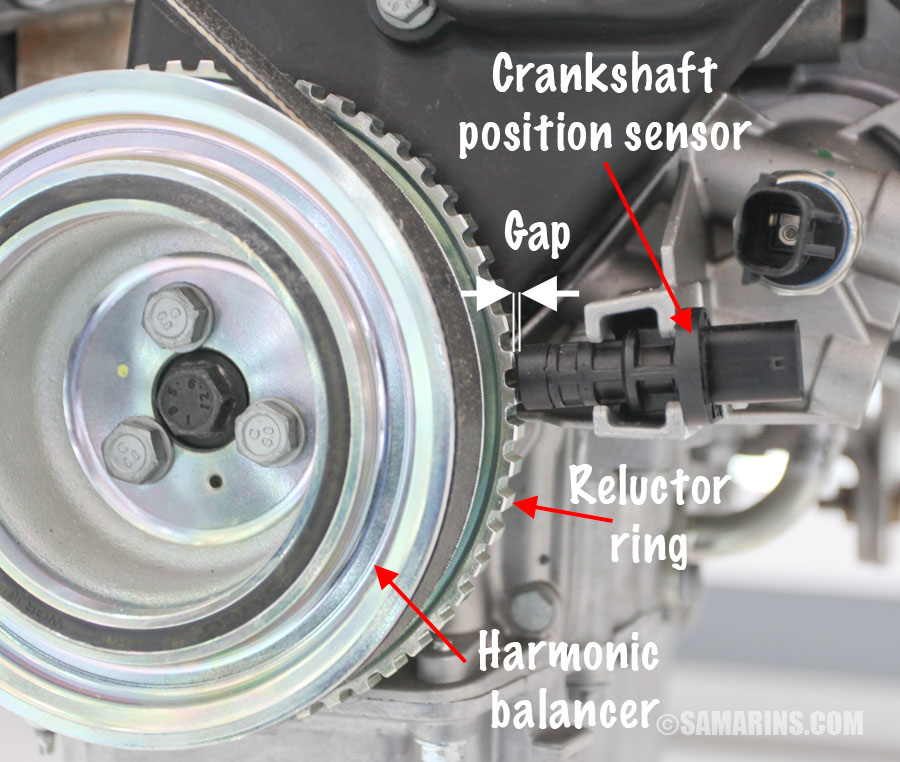
A crankshaft position sensor tracks crankshaft speed and position. This information is critical for ignition timing, engine speed calculations, and determining piston position.
Source: vehiclechef.com
Camshaft Sensor
Provides information about camshaft position and valve timing events.
Crankshaft Sensor
Provides information about crankshaft rotation and engine speed.
Why Both Sensors Matter
Modern engines often rely on signals from both sensors. The engine computer compares their data to keep timing events synchronized.
Synchronization
Accurate sensor data helps maintain proper engine operation.
Are Camshaft and Crankshaft Sensors Interchangeable?
No. In the vast majority of vehicles, camshaft and crankshaft sensors are not interchangeable. They are engineered for specific locations and produce signals the engine computer expects from a particular source.
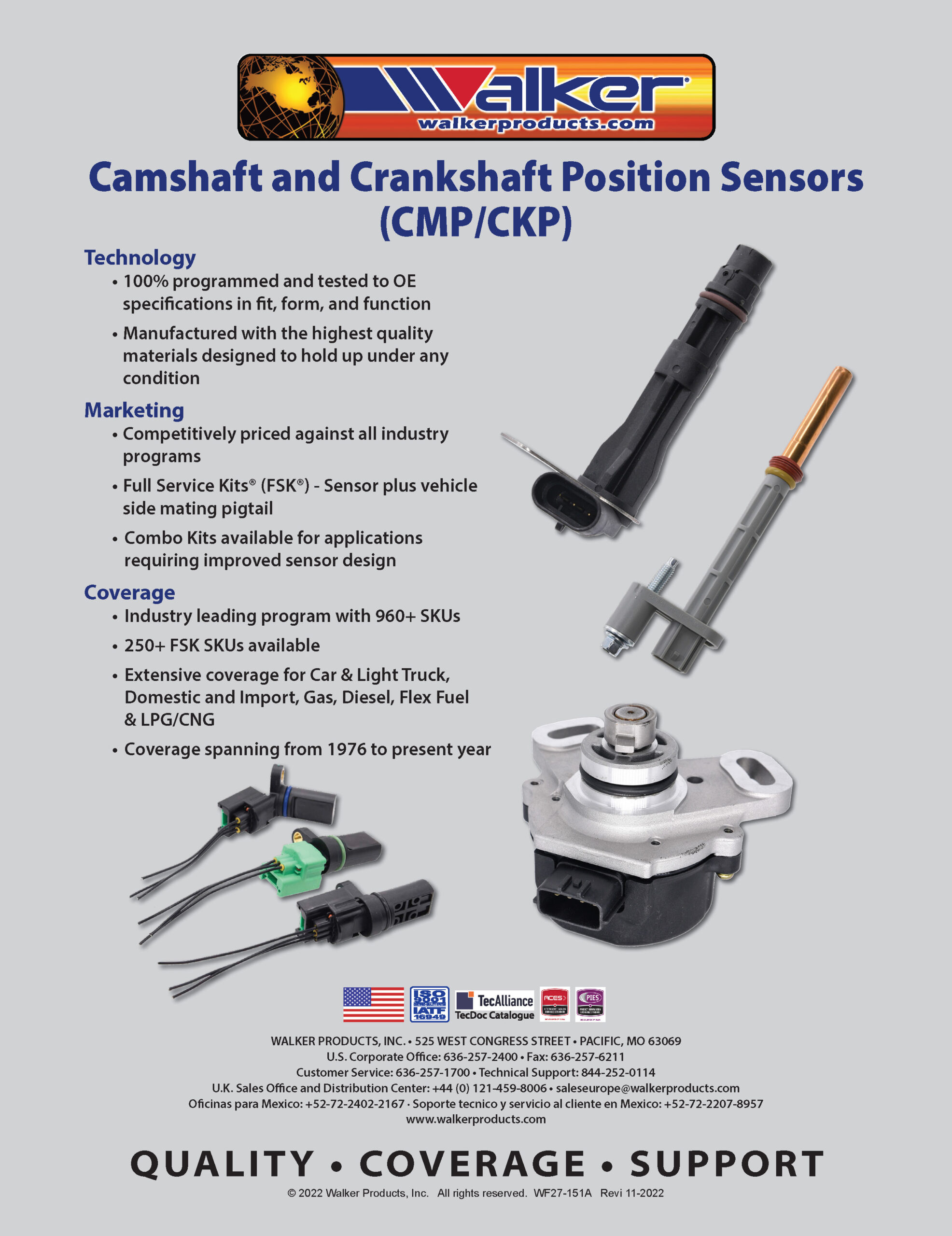
Even if two sensors have a similar shape or connector, they may have different electrical characteristics, mounting positions, resistance values, or calibration requirements.
Source: storage.googleapis.com
Different Functions
Each sensor provides unique engine position data.
Different Designs
Sensors may use different internal technologies and signal outputs.
Rare Exceptions
Some vehicle manufacturers may use identical sensor designs in multiple locations. However, compatibility should only be confirmed through official parts information.
Verify Part Numbers
Never assume compatibility based solely on appearance.
What Happens If You Install the Wrong Sensor?
Installing the wrong sensor can prevent the engine control module from receiving accurate timing information. This may cause starting problems, rough running, reduced fuel efficiency, or complete engine shutdown.
The vehicle may also store diagnostic trouble codes and illuminate the check engine light.
Source: storage.googleapis.com
Hard Starting
The engine may crank longer than normal.
Misfires
Incorrect timing information can affect combustion events.
No-Start Condition
Some vehicles may refuse to start entirely.
Common Warning Signs
Symptoms can appear immediately after installation or develop once the engine computer detects inconsistent sensor signals.
Check Engine Light
A stored fault code often indicates a sensor-related problem.
How to Confirm the Correct Replacement Sensor
The safest approach is to use the exact replacement part specified for your vehicle’s year, make, model, engine size, and trim level.
A vehicle identification number lookup, manufacturer parts catalog, or trusted automotive parts database can help confirm compatibility.
Source: ar.inspiredpencil.com
Check VIN Information
Vehicle-specific data helps identify the correct component.
Compare Part Numbers
Matching part numbers provide the most reliable compatibility check.
Do Not Rely on Appearance Alone
Many sensors look nearly identical externally but differ internally. A visual match does not guarantee proper operation.
Electrical Differences
Signal output specifications may vary significantly.
Common Misconceptions About Sensor Compatibility
A common myth is that all engine position sensors are interchangeable because they perform similar tasks. In reality, engine computers depend on specific signal patterns from each sensor.
Another misconception is that a temporary swap is harmless. Even short-term use of an incorrect sensor can create diagnostic confusion and unnecessary troubleshooting costs.
Source: ar.inspiredpencil.com
Similar Appearance
External similarities do not guarantee identical performance.
Temporary Swaps
Incorrect sensors can still create engine problems during testing.
Best Practice
Use manufacturer-approved replacement parts and verify installation procedures before replacing any engine management sensor.
Proper Diagnosis
Confirm the failed component before purchasing replacement parts.
Frequently Asked Questions
Q
Can a bad camshaft sensor cause a no-start condition?
Yes. Some vehicles may experience hard starting or a complete no-start condition when the camshaft position sensor fails or sends inaccurate signals.
Q
Can a crankshaft sensor fail without triggering a check engine light?
It is possible. Intermittent failures may cause drivability issues before a fault code is stored.
Q
Do camshaft and crankshaft sensors look the same?
Some models use sensors that appear very similar externally, but internal design and calibration differences often make them non-interchangeable.
Q
Can I test a sensor before replacing it?
Yes. Technicians commonly use scan tools, oscilloscopes, and multimeters to verify sensor operation and signal quality.
Q
Should I replace both sensors at the same time?
Not necessarily. Replace the failed sensor unless diagnostic evidence suggests both components are faulty or nearing the end of their service life.
✦ Wrapping Up
Conclusion
The answer to are camshaft and crankshaft sensors interchangeable is almost always no. Although the sensors work together to help manage engine timing and performance, they serve different functions and are designed for specific locations within the engine.
Using the correct replacement part is essential for reliable operation, accurate diagnostics, and proper engine performance. Always verify compatibility through manufacturer specifications rather than relying on appearance alone.
💡 Key Takeaway
Before replacing any engine position sensor, confirm the exact part number for your vehicle and verify the diagnosis to avoid costly mistakes.
Ethan Brooks is an automotive writer at Auto News 7, covering car news, vehicle maintenance, new model updates, recalls, and practical buying guides. He focuses on clear, useful information that helps drivers understand their vehicles and make better ownership decisions.
Learn how to replace camshaft position sensor components with a detailed step-by-step guide, tools list, troubleshooting tips, safety advice, and common mistakes to avoid.
Learn whether a camshaft sensor is hard to replace, how long the job takes, common challenges, costs, symptoms of failure, and when to seek professional help.
Learn how to replace camshaft position sensor Pontiac G6 models with this detailed step-by-step guide. Discover tools, symptoms, sensor location, installation tips, and troubleshooting advice.
Learn how many ohms a camshaft sensor should have, why resistance varies by sensor type, and how to test a camshaft position sensor accurately with a multimeter.
Learn how to replace camshaft sensor 2014 Chevy Equinox models with this detailed step-by-step guide. Find symptoms, tools, sensor locations, replacement steps, and troubleshooting tips.
Learn when to replace a camshaft position sensor, the warning signs of failure, diagnostic tips, replacement timing, costs, and whether it is safe to keep driving.