A knock sensor that repeatedly fails is usually caused by wiring problems, engine vibration, moisture intrusion, improper installation, or unresolved engine issues rather than the sensor itself.
Across the United States, repeated knock sensor failures are a common diagnostic challenge for vehicle owners dealing with recurring check engine lights and performance problems. While replacing the sensor may temporarily clear the fault code, the underlying cause often remains unresolved.
If you are asking why does my knock sensor keep going bad, the answer is usually not a defective replacement sensor alone. Electrical faults, coolant leaks, excessive engine vibration, poor-quality parts, and internal engine conditions can all shorten knock sensor life and trigger repeated failures.
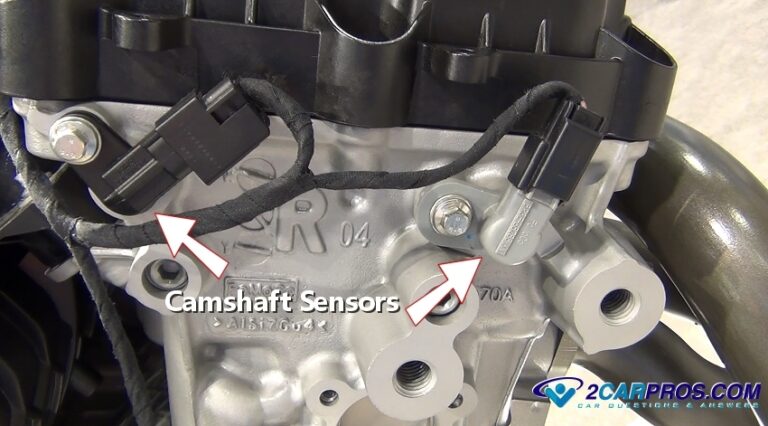
Source: hitchesguide.com
What Does a Knock Sensor Do?
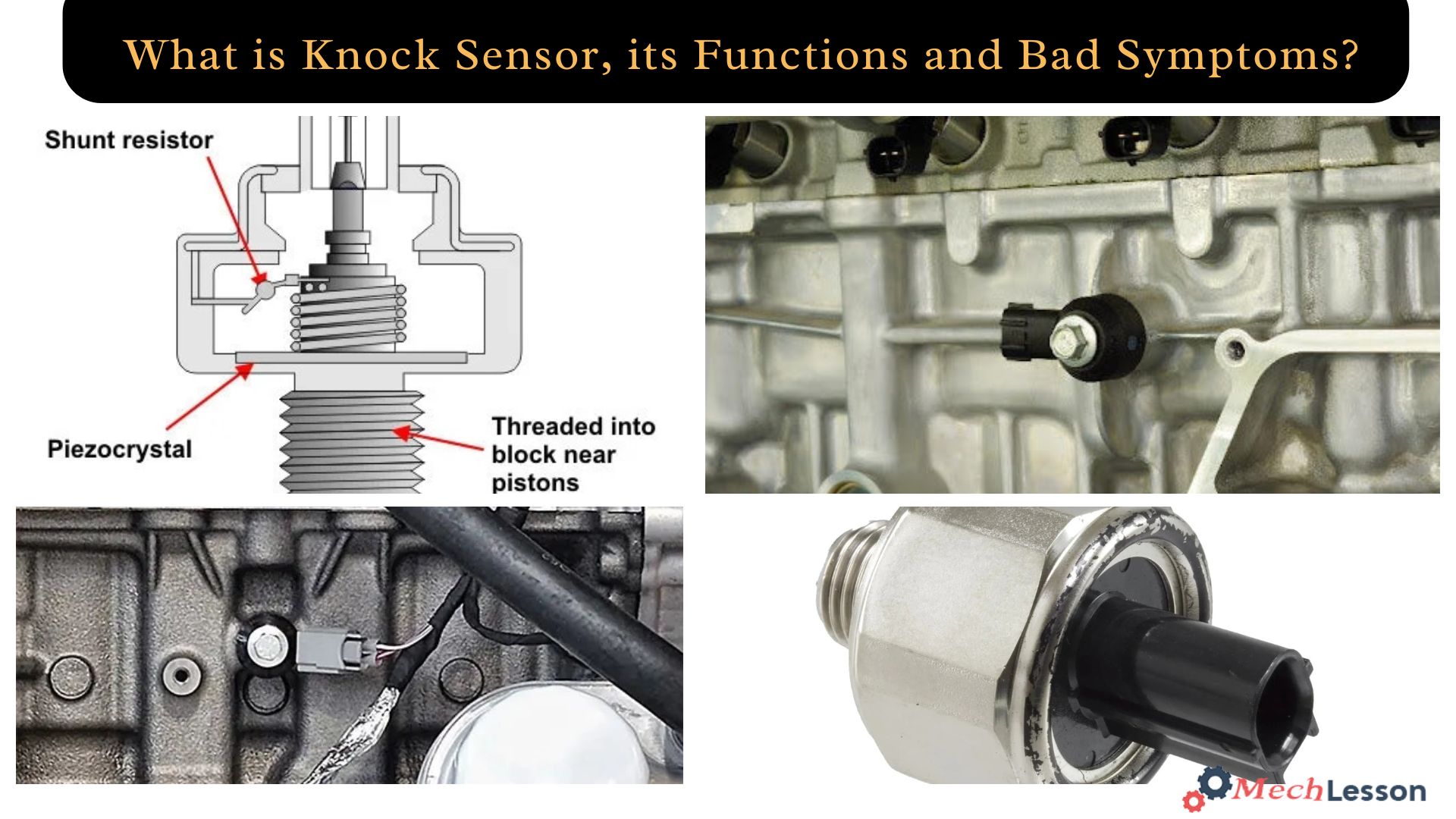
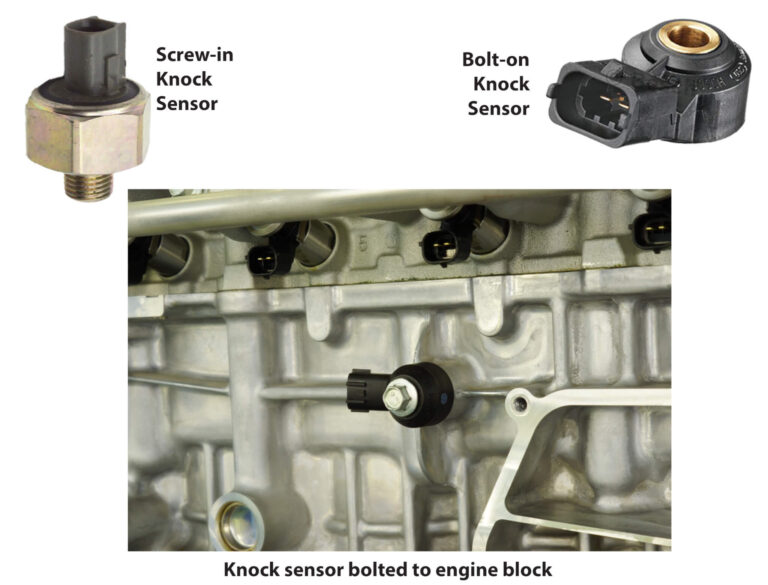
A knock sensor detects abnormal combustion vibrations inside the engine. It sends signals to the engine control module, allowing ignition timing adjustments that help prevent engine damage.
When the sensor detects knocking or pinging, the engine computer can reduce timing advance to protect pistons, valves, and other internal components. A failed sensor may reduce performance or trigger a check engine light.
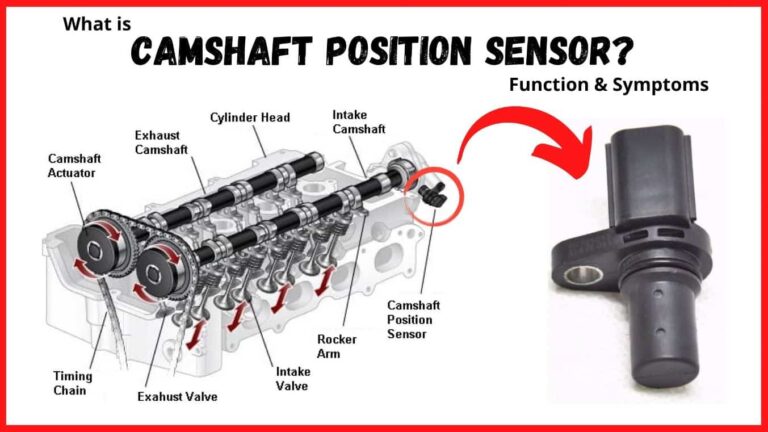
Source: mechlesson.com
Primary Function
Monitors engine vibrations associated with detonation.
Engine Protection
Helps the computer adjust ignition timing to reduce harmful knocking.
Why Knock Sensors Matter
Modern engines rely on accurate knock sensor data to balance performance, fuel economy, and engine safety. Incorrect readings can affect drivability and long-term engine health.
Performance Impact
Faulty readings may cause reduced power and efficiency.
Why Does My Knock Sensor Keep Going Bad?
The most common reason a knock sensor appears to keep failing is that another problem in the system is damaging the sensor or causing false fault codes. Replacing the sensor without finding the root cause often leads to repeated failures.
Many recurring knock sensor issues are electrical rather than mechanical. Damaged wiring, poor grounds, and connector corrosion can produce the same symptoms as a defective sensor.
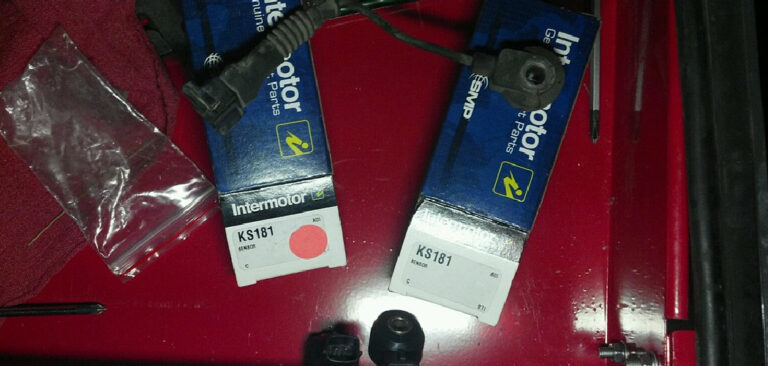
Source: www.youtube.com > 8020 Automotive
Wiring Damage
Heat, vibration, and age can damage insulation and conductors.
Connector Corrosion
Moisture intrusion can create resistance and signal problems.
Low-Quality Parts
Some aftermarket sensors may not meet original specifications.
Engine Problems Can Trigger Repeat Failures
Persistent detonation, carbon buildup, incorrect fuel octane, or mechanical engine noise can stress the sensor and cause recurring trouble codes. In some cases, the sensor is accurately reporting an underlying engine issue.
Detonation
Severe knocking can create abnormal vibration levels.
Most Common Causes of Repeated Knock Sensor Failure
Several conditions can repeatedly damage a knock sensor or interfere with its signal. Identifying these causes is essential before installing another replacement.
The likelihood of repeat failure increases when the sensor is exposed to harsh environmental or engine operating conditions.
Source: hitchesguide.com
Coolant Leaks
Leaking intake manifold gaskets can expose sensors to moisture.
Oil Contamination
Engine oil can degrade connectors and wiring over time.
Improper Torque
Over-tightening or under-tightening affects sensor operation.
Engine Vibration
Worn mounts can create excessive vibration loads.
Installation Errors
Many knock sensors require a specific torque specification. Installing the sensor too tight or too loose can affect signal quality and reduce service life.
Follow Specifications
Always use manufacturer torque values during installation.
How to Diagnose the Root Cause
A proper diagnosis begins with reading stored diagnostic trouble codes and inspecting the entire knock sensor circuit. Replacing parts without testing can increase repair costs and delay a permanent fix.
Technicians often check sensor resistance, wiring continuity, connector condition, and engine operating data before concluding that the sensor itself has failed.
Source: YouTube > Backyard Chevy
Scan for Codes
Record all active and pending diagnostic trouble codes.
Inspect Wiring
Look for broken insulation, corrosion, or loose connectors.
Check Engine Condition
Investigate fuel quality, ignition timing, and engine noise.
When Testing Reveals Another Problem
If the wiring, engine control module, or engine condition is responsible, replacing the sensor alone will not eliminate the fault. Correcting the underlying issue is the long-term solution.
System Approach
Test the complete circuit before replacing additional parts.
Symptoms That Suggest a Recurring Knock Sensor Problem
Repeated knock sensor failures often produce recognizable symptoms. These symptoms may appear intermittently before becoming constant.
The severity of symptoms depends on the vehicle, engine design, and whether the engine computer enters a protective operating mode.
Source: www.youtube.com
Check Engine Light
One of the most common warning signs.
Reduced Power
The computer may retard ignition timing for protection.
Poor Fuel Economy
Conservative timing can reduce efficiency.
Engine Hesitation
Drivers may notice sluggish acceleration.
Distinguishing Sensor Failure from Engine Knock
A faulty sensor and a genuine engine knock condition can trigger similar warning codes. Additional testing is often necessary to determine which condition is present.
Listen for Knock
Mechanical knocking may indicate a separate engine issue.
How to Prevent Future Knock Sensor Failures
Preventing repeated failures requires addressing both the sensor and the conditions affecting it. High-quality parts, proper installation, and routine inspections provide the best results.
Vehicles with known coolant leak issues or wiring concerns should receive those repairs before another sensor is installed.
Source: with-n.org
Use Quality Parts
Choose original equipment or reputable replacement sensors.
Repair Leaks
Eliminate coolant and oil contamination sources.
Inspect Mounts
Replace worn engine mounts that increase vibration.
Follow Torque Specs
Install the sensor exactly as specified.
Long-Term Maintenance Strategy
Regular engine maintenance, proper fuel use, and prompt repair of warning lights reduce stress on the knock sensor system and help prevent recurring faults.
Preventive Maintenance
Address engine performance problems before they escalate.
Frequently Asked Questions
Q
Can a bad wiring harness make it seem like the knock sensor failed?
Yes. Damaged wiring, poor grounds, and corroded connectors can trigger knock sensor fault codes even when the sensor itself is functioning properly.
Q
How long should a knock sensor last?
A knock sensor can last many years and often remains functional for over 100,000 miles. Actual lifespan depends on engine conditions, heat exposure, and environmental factors.
Q
Can engine knocking damage a knock sensor?
Severe and persistent engine knocking can create excessive vibration and stress. While not always the direct cause, underlying engine problems can contribute to recurring sensor issues.
Q
Should I replace both knock sensors if my engine has two?
Many technicians recommend replacing both sensors when access is difficult and both components have similar age and wear. The decision depends on vehicle design and diagnosis results.
Q
Can a cheap aftermarket knock sensor cause recurring problems?
Yes. Some low-cost sensors may have calibration differences or lower durability. Using quality replacement parts can reduce the risk of repeated failures.
✦ Wrapping Up
Conclusion
If you are wondering why does my knock sensor keep going bad, the most likely explanation is an unresolved problem elsewhere in the vehicle. Wiring faults, contamination, improper installation, excessive vibration, and engine-related issues are more common than repeated sensor defects alone.
A thorough diagnosis that includes the sensor, wiring, engine condition, and operating environment provides the best chance of finding a permanent solution and preventing future warning lights.
💡 Key Takeaway
Inspect the entire knock sensor circuit, repair any leaks or wiring damage, and verify engine condition before replacing another knock sensor.
Ethan Brooks is an automotive writer at Auto News 7, covering car news, vehicle maintenance, new model updates, recalls, and practical buying guides. He focuses on clear, useful information that helps drivers understand their vehicles and make better ownership decisions.
Learn how to replace crankshaft position sensor Ford F150 models safely, including tools, access points, removal steps, installation tips, and troubleshooting.
Learn how to test a Toyota knock sensor using a multimeter, scan tool, and visual inspection. Follow a practical step-by-step process to diagnose knock sensor problems in Toyota vehicles.
Learn how to replace intake camshaft position sensor with a detailed step-by-step guide, tools list, troubleshooting tips, safety advice, and common mistakes to avoid.