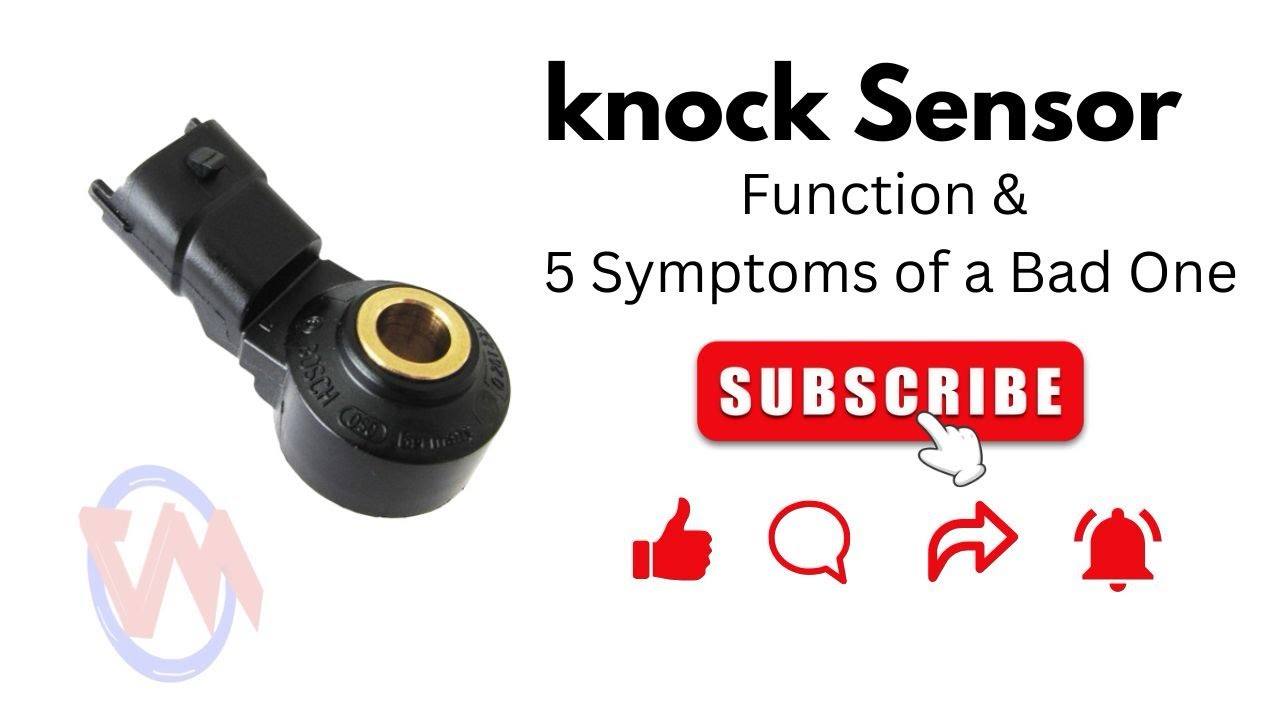
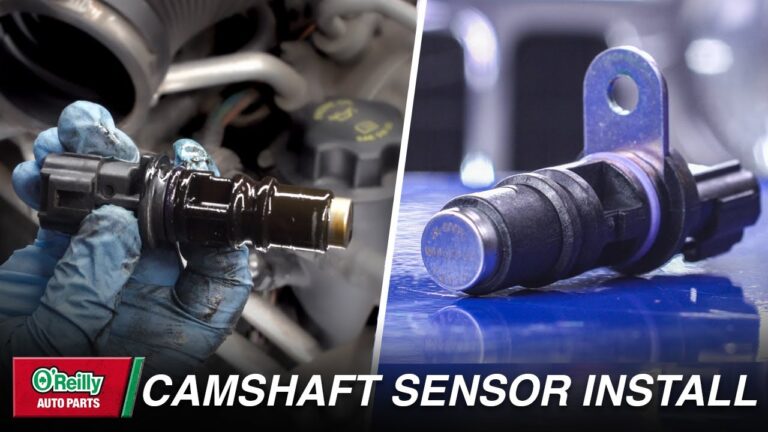
Common symptoms include a check engine light, poor acceleration, reduced fuel economy, engine knocking, and rough performance.
Across the United States, millions of drivers rely on modern engine management systems to protect their vehicles from damaging combustion problems. One of the most important components in that system is the knock sensor, which helps the engine control module detect abnormal combustion and adjust ignition timing accordingly.
When drivers ask what are symptoms of a bad knock sensor, they are usually noticing changes in vehicle performance. A faulty knock sensor can send incorrect information to the engine computer or stop communicating altogether, leading to reduced power, poor fuel efficiency, engine noise, and warning lights. Understanding these symptoms early can help prevent costly engine damage and unnecessary repairs.
Source: hitchesguide.com
What Does a Knock Sensor Do?
A knock sensor monitors vibrations within the engine block. Its primary job is to detect abnormal combustion events known as spark knock, detonation, or pinging.
When the sensor detects knock, it sends a signal to the engine control module. The computer then adjusts ignition timing to protect the engine from damage. This process helps improve performance, fuel economy, and engine longevity.
Source: SlideServe
Detects Engine Knock
Identifies harmful combustion vibrations before they damage engine components.
Protects the Engine
Allows the computer to adjust ignition timing when knocking occurs.
Supports Efficiency
Helps maintain proper engine performance and fuel economy.
Why Knock Sensors Matter
Without a functioning knock sensor, the engine computer may not accurately detect detonation. Prolonged knocking can damage pistons, cylinder walls, bearings, and other expensive internal components.
Engine Protection
Prevents severe damage caused by uncontrolled combustion.
What Are Symptoms of a Bad Knock Sensor?
Several warning signs can indicate knock sensor problems. Some symptoms develop gradually, while others appear suddenly after sensor failure or wiring damage.
The severity of symptoms depends on the vehicle, engine design, and how the engine control module responds to missing or inaccurate sensor data.
Source: hitchesguide.com
Check Engine Light
A diagnostic trouble code related to the knock sensor may trigger the warning light.
Reduced Power
The computer may retard timing to protect the engine, reducing acceleration.
Poor Fuel Economy
Incorrect ignition timing can decrease combustion efficiency.
Engine Knocking
The engine may produce pinging or knocking sounds under load.
Most Common Warning Signs
Drivers frequently report sluggish acceleration, rough driving behavior, increased fuel consumption, and an illuminated check engine light when a knock sensor begins to fail.
Performance Changes
Engine response becomes less predictable during acceleration.
Symptoms Explained by Severity
Some symptoms are minor inconveniences, while others may indicate a greater risk of engine damage. Understanding severity helps prioritize repairs.
The table below summarizes common symptoms and their practical impact.
Source: www.youtube.com > Your Motor Care
Low Severity
Slight fuel economy loss or occasional hesitation.
Moderate Severity
Persistent check engine light and noticeable power loss.
High Severity
Audible knocking, severe drivability issues, or repeated detonation.
Symptom Comparison
A check engine light alone may not create immediate danger, but active engine knocking should be investigated quickly to avoid internal engine damage.
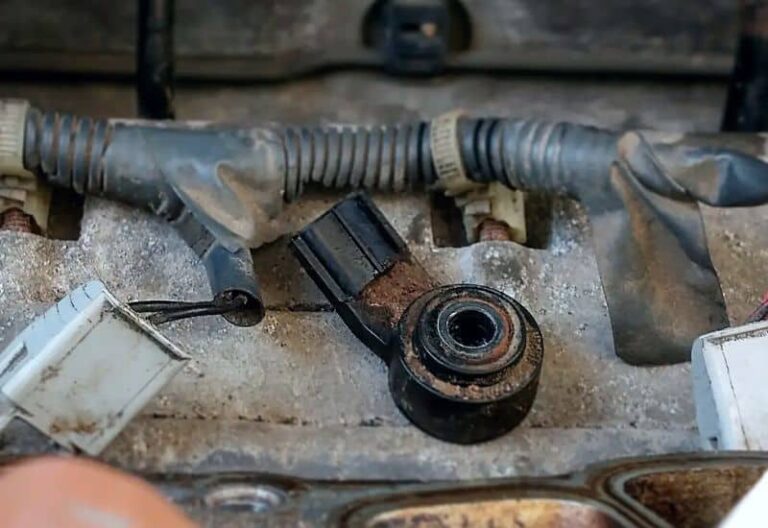
Knock sensors can fail because of age, heat exposure, vibration, corrosion, moisture intrusion, or wiring problems. Like other electronic components, they can degrade over time.
In some cases, the sensor itself remains functional while damaged wiring or connector corrosion interrupts communication with the engine control module.
Continuous exposure to engine temperatures can weaken sensor components.
Corroded Connectors
Electrical resistance can interfere with sensor signals.
Damaged Wiring
Broken wires may prevent proper communication.
Vehicles with Higher Risk
Older vehicles and engines that experience frequent temperature cycling may be more likely to develop sensor or wiring issues over time.
Age Factor
Electronic components naturally wear with years of service.
How to Diagnose a Bad Knock Sensor
Diagnosis usually begins with scanning the vehicle for trouble codes. Codes related to knock sensor circuits, signal performance, or communication failures often provide the first clue.
Technicians may also inspect wiring, test sensor resistance, verify connector condition, and evaluate live data through a diagnostic scanner.
Source: www.youtube.com
Scan for Codes
Identify diagnostic trouble codes stored by the engine computer.
Inspect Wiring
Look for damaged insulation, loose connectors, or corrosion.
Test Sensor Function
Verify that the sensor responds correctly to engine vibration.
When Professional Diagnosis Is Best
If multiple fault codes are present or engine knocking continues despite repairs, professional diagnostic equipment may be needed to identify the root cause accurately.
Advanced Testing
Professional tools can evaluate sensor signals in real time.
Frequently Asked Questions
Q
Can I drive with a bad knock sensor?
Many vehicles can still operate with a failed knock sensor, but performance may suffer. Continued driving with active engine knocking can increase the risk of internal engine damage.
Q
Will a bad knock sensor cause a check engine light?
Yes. A faulty knock sensor commonly triggers diagnostic trouble codes that illuminate the check engine light.
Q
Can a bad knock sensor reduce fuel economy?
Yes. The engine computer may alter ignition timing as a protective measure, which can reduce combustion efficiency and fuel economy.
Q
What does engine knock sound like?
Engine knock is often described as a metallic pinging, rattling, or tapping sound that becomes more noticeable during acceleration or under load.
Q
Does a bad knock sensor always cause engine knocking?
Not always. Some vehicles may simply enter a protective operating mode that reduces power without producing noticeable knocking sounds.
✦ Wrapping Up
Conclusion
Understanding what are symptoms of a bad knock sensor helps drivers identify problems before they lead to more expensive repairs. Common signs include a check engine light, poor acceleration, reduced fuel economy, rough performance, and engine knocking noises.
While a faulty knock sensor may not immediately disable a vehicle, ignoring the issue can affect engine efficiency and potentially increase the risk of engine damage. Early diagnosis and repair are the best ways to restore proper performance and protect the engine.
💡 Key Takeaway
If you notice a check engine light, power loss, or knocking sounds, scan for diagnostic trouble codes and inspect the knock sensor system as soon as possible.
Ethan Brooks is an automotive writer at Auto News 7, covering car news, vehicle maintenance, new model updates, recalls, and practical buying guides. He focuses on clear, useful information that helps drivers understand their vehicles and make better ownership decisions.
Learn what happens when a knock sensor goes bad, including common symptoms, engine performance issues, diagnostic trouble codes, and whether it is safe to keep driving.
Learn how to fix a camshaft position sensor with step-by-step troubleshooting, testing, replacement instructions, common symptoms, costs, and repair tips.
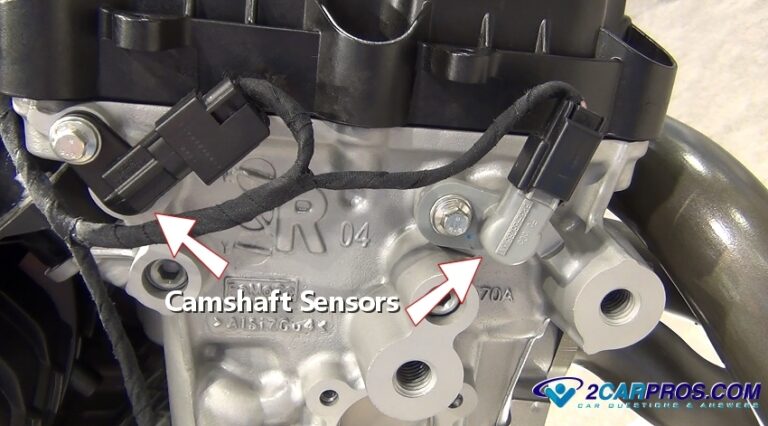
Learn how many camshaft sensors a G35 has, where they are located, common symptoms of failure, diagnostic tips, and replacement information for Infiniti G35 models.
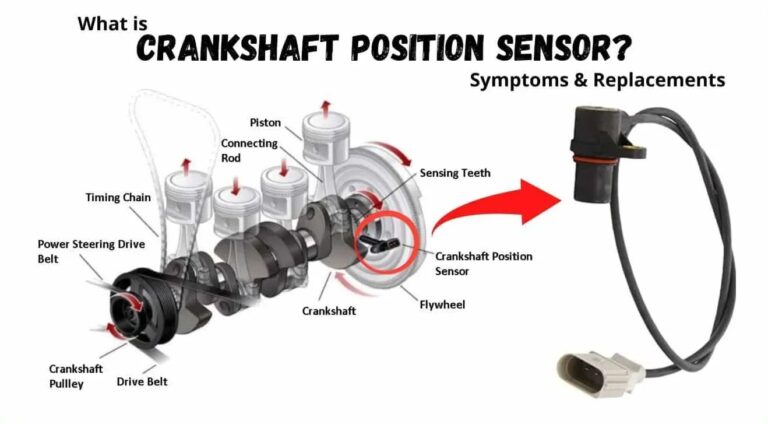
Learn when to replace a crankshaft position sensor, how to recognize failure symptoms, diagnose the problem, and avoid replacing a good sensor unnecessarily.
Learn how to remove a camshaft position sensor safely with this detailed step-by-step guide. Discover required tools, common mistakes, troubleshooting tips, and what to do after removal.