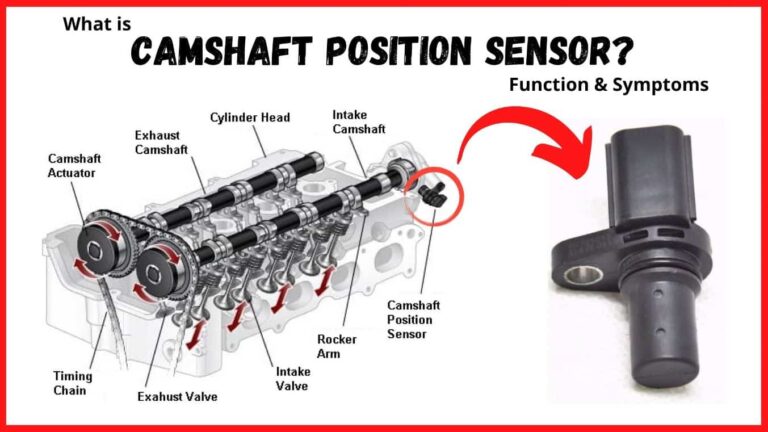
No. In many vehicles, replacing a camshaft sensor is a beginner-friendly repair that often takes 15 to 60 minutes.
Across the United States, camshaft position sensor replacement is one of the more common engine-related repairs performed by both DIY vehicle owners and professional technicians. The difficulty depends largely on where the sensor is located and how much engine access is available.
If you are asking is a camshaft sensor hard to replace, the answer is usually no for most passenger cars and light trucks. Many sensors are held in place by a single bolt and an electrical connector. However, some vehicle designs place the sensor behind covers, near the firewall, or under other engine components, making access more challenging.
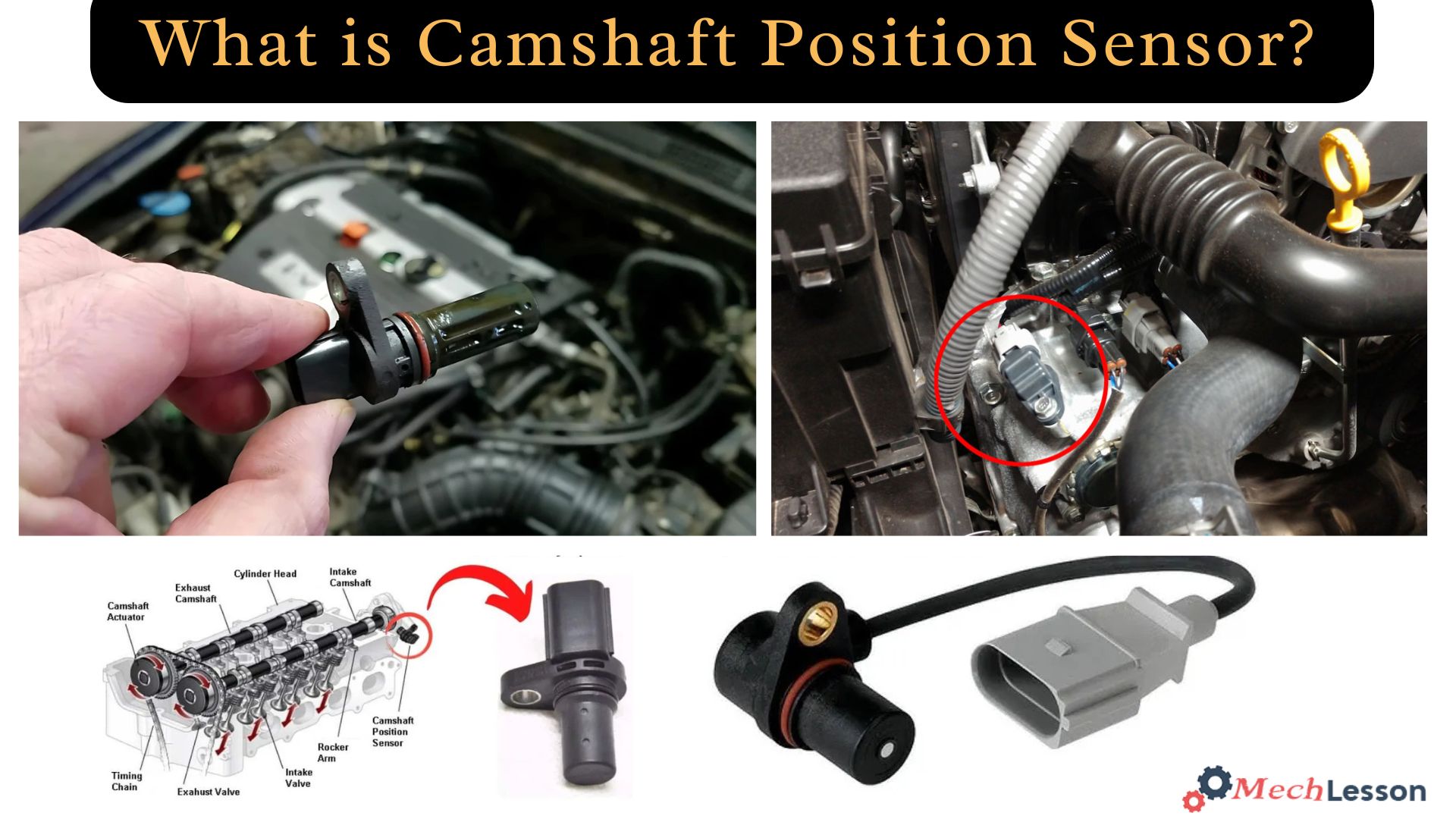
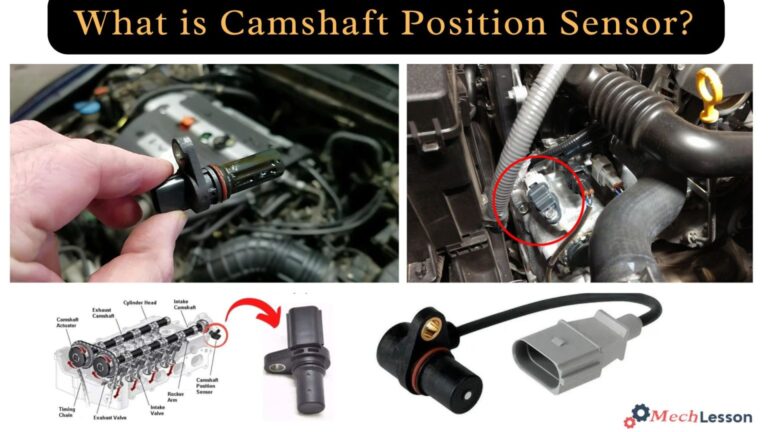
Source: mechlesson.com
What Does a Camshaft Position Sensor Do?
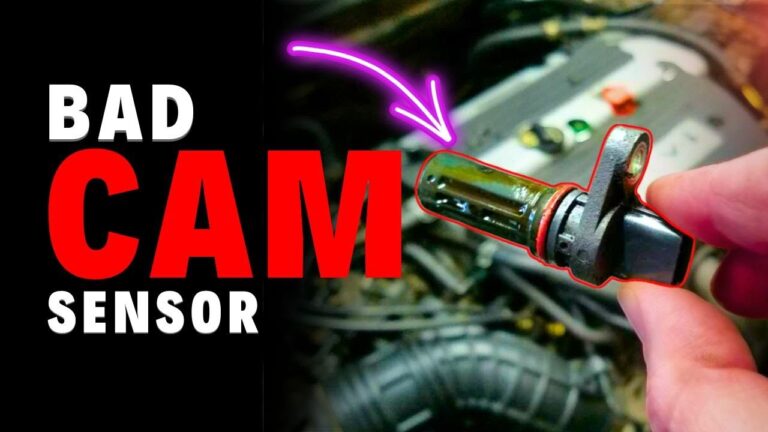
The camshaft position sensor monitors the position and speed of the camshaft. The engine control module uses this information to manage ignition timing, fuel injection timing, and overall engine performance.
When the sensor fails, the engine may struggle to start, run roughly, lose power, or trigger the check engine light. In some cases, the vehicle may enter a reduced-performance mode.
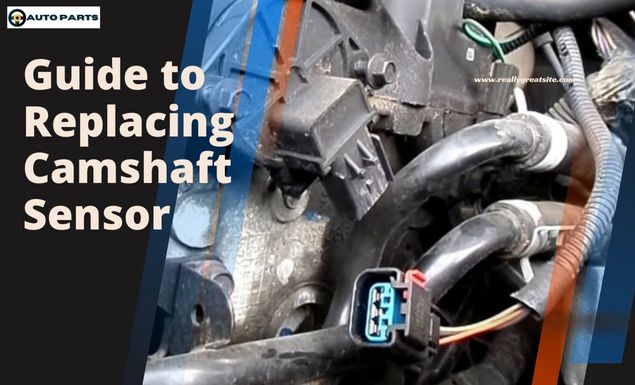
Source: hitchesguide.com
Primary Function
Tracks camshaft position for accurate engine timing.
Engine Management
Helps coordinate fuel injection and ignition events.
Diagnostic Role
Can trigger fault codes when readings become inaccurate.
Common Symptoms of a Bad Sensor
Common symptoms include hard starting, engine stalling, poor acceleration, rough idling, reduced fuel economy, and an illuminated check engine light.
Starting Problems
The engine may crank longer than normal.
Performance Issues
Acceleration and responsiveness may decline.
Is a Camshaft Sensor Hard to Replace?
For many vehicles, replacing a camshaft sensor is considered an easy-to-moderate repair. The sensor is often mounted externally on the engine and can be reached without major disassembly.
The repair becomes more difficult when the sensor is hidden behind timing covers, intake components, or difficult-to-reach engine areas. Before beginning, consult the repair information specific to your vehicle model.
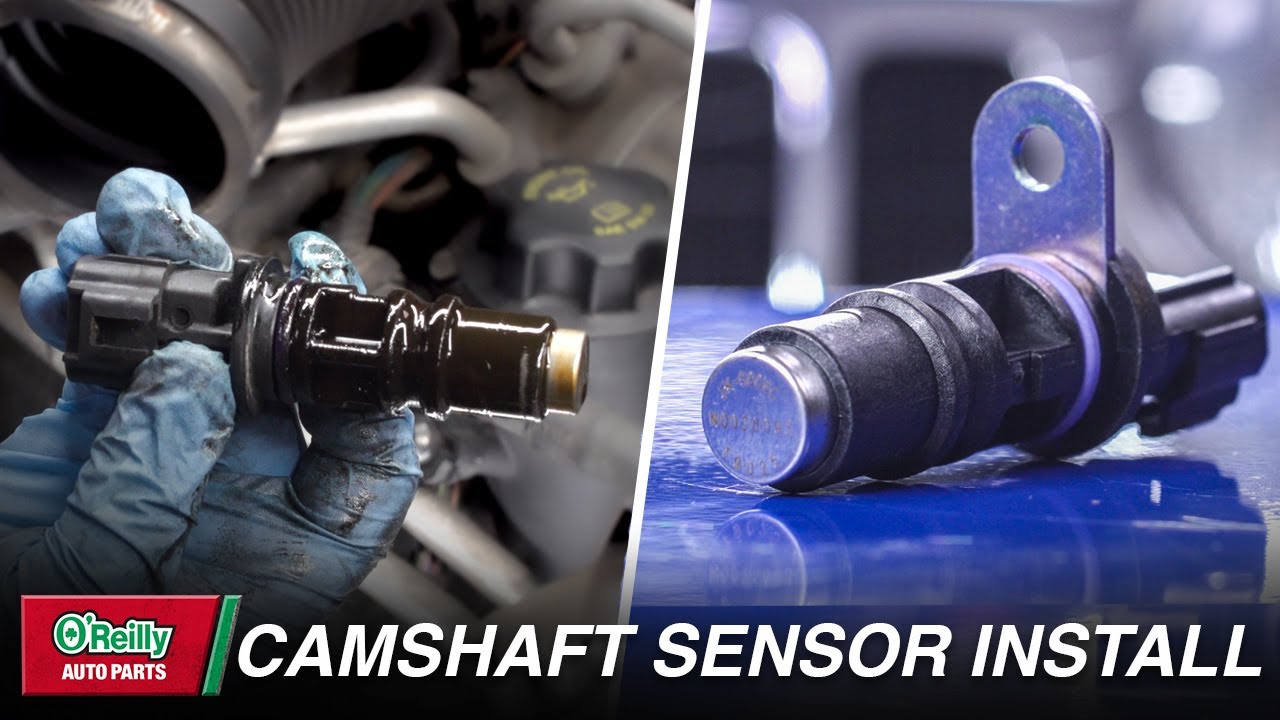
Source: autovehicleparts.com
Easy Installations
Sensor is visible and accessible from the top of the engine.
Moderate Installations
Minor component removal is needed for access.
Difficult Installations
Sensor location requires extensive disassembly.
Difficulty Factors
Engine layout, available workspace, corrosion on fasteners, and electrical connector condition all affect the overall difficulty of the job.
Vehicle Design
Different manufacturers place sensors in different locations.
Tools and Preparation Needed
Most camshaft sensor replacements require only basic hand tools. Having the correct replacement sensor and checking the repair procedure before starting can prevent delays.
Always work on a cool engine and disconnect the battery if recommended by the vehicle manufacturer.
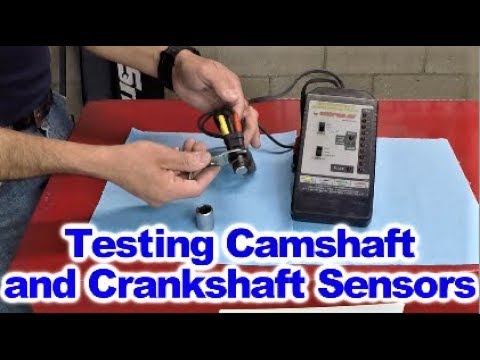
Source: dna.strongeru.com
Socket Set
Used to remove retaining bolts.
Ratchet and Extensions
Helpful for accessing tight spaces.
Scan Tool
Useful for reading and clearing trouble codes.
Before You Start
Verify the fault code and confirm the sensor is actually the cause of the problem. Wiring faults and connector issues can sometimes mimic sensor failure.
Check Codes
Confirm diagnostic information before buying parts.
Step-by-Step Camshaft Sensor Replacement
Although procedures vary by vehicle, the basic replacement process is similar across many models.
After installation, start the engine and verify that any previous symptoms have been resolved.
Source: hitchesguide.com
Step 1
Locate the sensor using repair information.
Step 2
Disconnect the electrical connector.
Step 3
Remove the retaining bolt and old sensor.
Step 4
Install the new sensor and reconnect wiring.
Step 5
Clear codes if necessary and test drive the vehicle.
Signs of a Successful Repair
The engine starts normally, runs smoothly, and no new fault codes appear after driving.
Stable Idle
Engine speed remains consistent.
Common Problems and When to Get Professional Help
Sometimes replacing the sensor does not solve the issue. Damaged wiring, connector corrosion, timing problems, or a faulty crankshaft position sensor may produce similar symptoms.
Seek professional assistance if the sensor is difficult to access, diagnostic codes return immediately, or the engine continues to run poorly after replacement.
Source: storage.googleapis.com
Recurring Codes
May indicate a wiring or control module issue.
Physical Access Issues
Some vehicles require advanced disassembly.
Persistent Engine Problems
Additional diagnostics may be required.
Typical Cost Expectations
A replacement sensor is often relatively inexpensive, while labor costs vary depending on accessibility and vehicle design.
DIY Savings
Many owners can avoid labor charges when access is straightforward.
Frequently Asked Questions
Q
How long does it take to replace a camshaft sensor?
Most replacements take between 15 and 60 minutes. Difficult-to-access sensor locations can increase the repair time significantly.
Q
Can I drive with a bad camshaft position sensor?
Some vehicles remain drivable, but performance, fuel economy, and reliability may suffer. Continued driving can increase the risk of stalling or starting problems.
Q
Do I need to reset the computer after replacing the sensor?
Many vehicles will relearn automatically, but clearing diagnostic trouble codes with a scan tool is often recommended.
Q
What happens if I replace the sensor and the check engine light stays on?
The issue may involve wiring, connectors, timing components, or another related sensor. Further diagnosis is usually required.
Q
Can a beginner replace a camshaft sensor?
Yes. If the sensor is easily accessible and basic tools are available, many beginners can complete the repair successfully after reviewing vehicle-specific instructions.
✦ Wrapping Up
Conclusion
For most vehicles, the answer to is a camshaft sensor hard to replace is no. It is often one of the more approachable engine repairs and can frequently be completed with basic tools in under an hour.
The biggest challenge is usually sensor location rather than the replacement process itself. Confirm the diagnosis, follow vehicle-specific instructions, and inspect related wiring before installing a new part.
💡 Key Takeaway
Check your vehicle’s sensor location first. If it is easily accessible, a camshaft sensor replacement is often a practical DIY repair.
Ethan Brooks is an automotive writer at Auto News 7, covering car news, vehicle maintenance, new model updates, recalls, and practical buying guides. He focuses on clear, useful information that helps drivers understand their vehicles and make better ownership decisions.
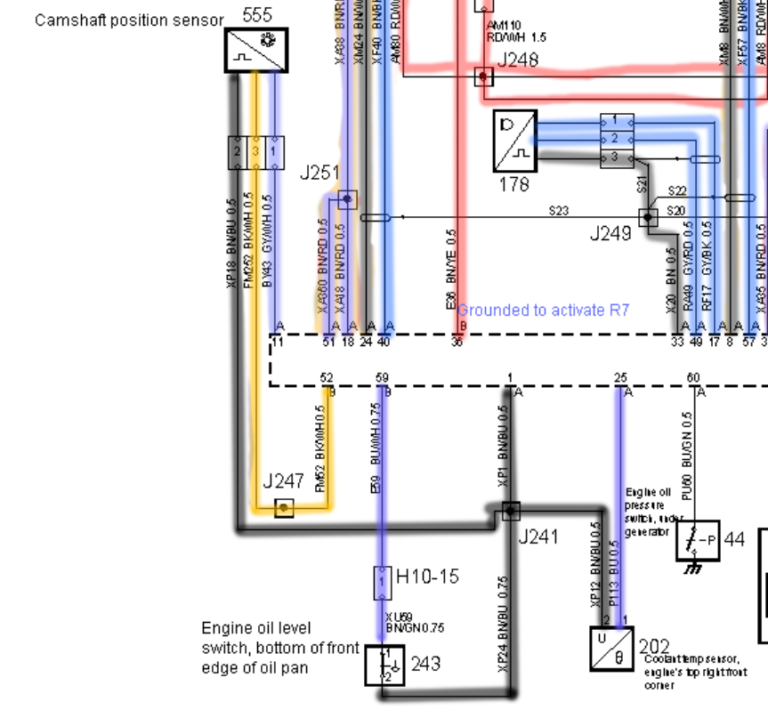
Learn how to rewire a camshaft position sensor safely. Follow step-by-step instructions, wiring checks, troubleshooting tips, and common repair mistakes.
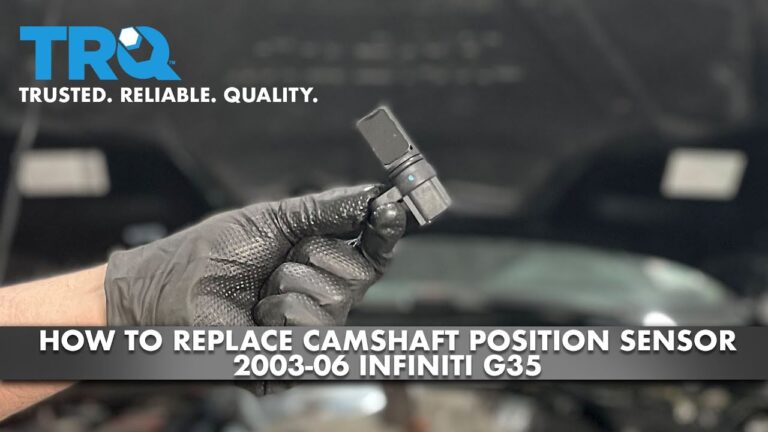
Learn how to replace camshaft sensor Infiniti G35 models with this detailed DIY guide. Find symptoms, tools, sensor locations, replacement steps, troubleshooting tips, and common mistakes.
Learn whether both camshaft position sensors are the same, how intake and exhaust sensors differ, when they can be swapped, and how to identify the correct replacement.