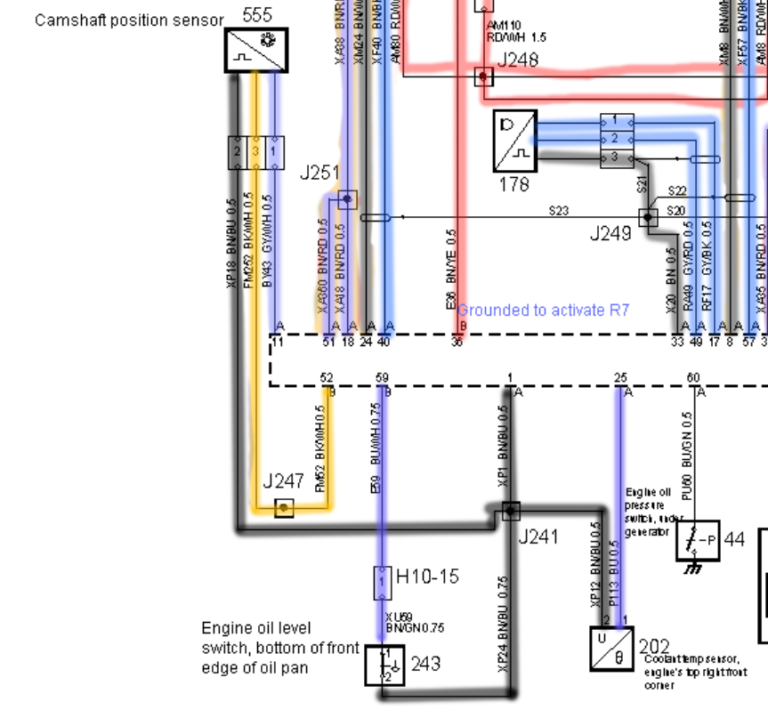
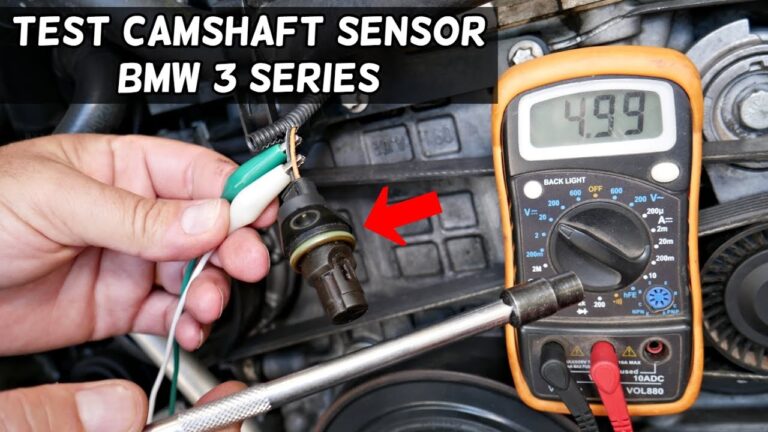
To replace the camshaft position sensor on a Pontiac G6, disconnect the battery, locate the sensor, unplug the electrical connector, remove the retaining bolt, install the new sensor, and clear any diagnostic trouble codes.
Many Pontiac G6 owners across the United States encounter camshaft position sensor problems as vehicles accumulate mileage. A failing sensor can trigger a check engine light, cause hard starting, create rough engine operation, or lead to poor acceleration. Replacing the sensor is often a manageable DIY repair when the correct procedure is followed.
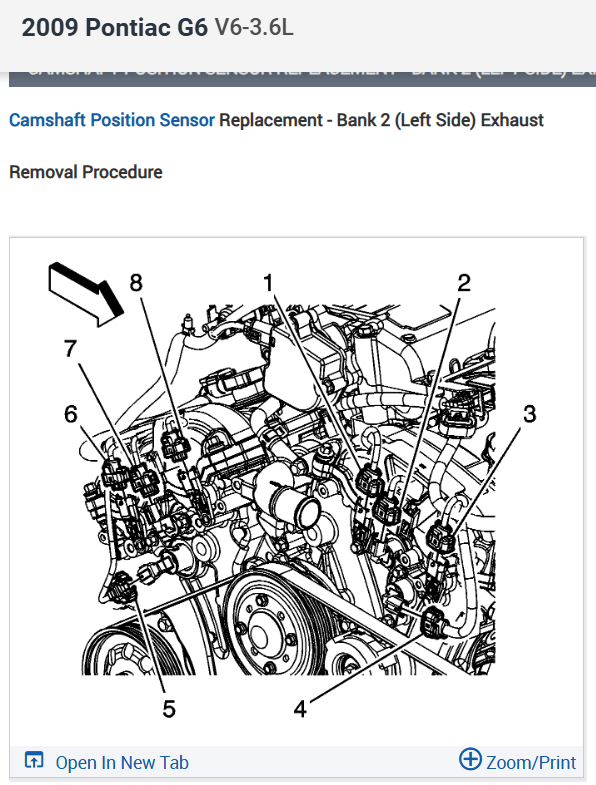
The exact sensor location can vary depending on whether your Pontiac G6 is equipped with a 2.4L, 3.5L, or 3.9L engine. Before starting, verify your engine type, obtain a compatible replacement sensor, and gather the necessary tools to complete the repair safely and efficiently.
Source: 2carpros.com
What Does the Camshaft Position Sensor Do?
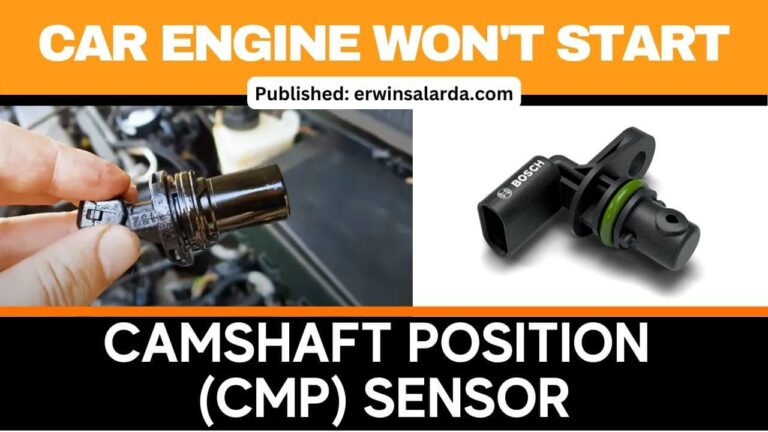
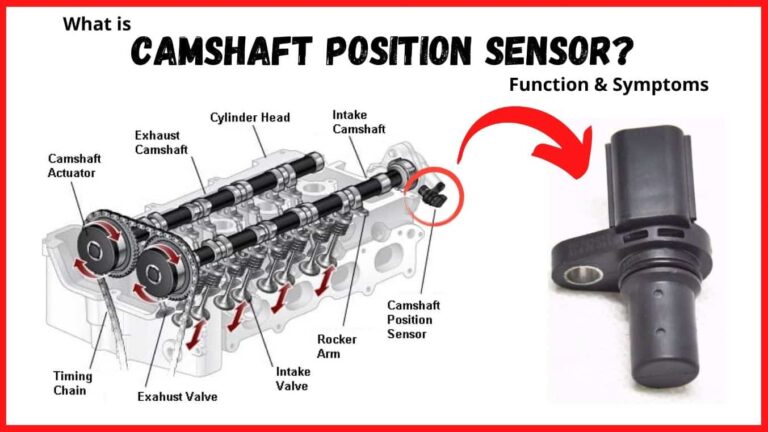
The camshaft position sensor monitors the position and rotational speed of the camshaft. The engine control module uses this information to manage ignition timing and fuel injection events.
When the sensor sends inaccurate data or stops communicating, the engine may struggle to start, run roughly, misfire, or enter a reduced-performance mode. Diagnostic trouble codes such as P0340 and related camshaft sensor codes are common indicators.
Source: mechlesson.com
Primary Function
Provides camshaft position information to the engine computer.
Engine Performance
Helps maintain proper fuel delivery and ignition timing.
Common Signs of Failure
Symptoms often include an illuminated check engine light, extended cranking, intermittent stalling, rough idling, poor fuel economy, or hesitation during acceleration.
Check Engine Light
Often the first warning sign of a sensor problem.
Tools and Parts Needed Before Replacement
Preparing the correct tools before starting can make the repair faster and reduce the risk of damaging surrounding components.
Most Pontiac G6 camshaft position sensor replacements require a ratchet, socket set, extension, replacement sensor, safety glasses, and a clean shop rag.
Source: dna.strongeru.com
Replacement Sensor
Use a sensor designed for your specific Pontiac G6 engine.
Socket Set
Required for removing the retaining bolt and nearby components.
Safety Preparations
Park on a level surface, engage the parking brake, and allow the engine to cool before working near engine components.
Battery Disconnect
Remove the negative battery cable before unplugging electrical connectors.
How to Replace Camshaft Position Sensor Pontiac G6
The exact location varies by engine, but the replacement process is generally similar across Pontiac G6 models. Follow the steps carefully and compare the new sensor with the old one before installation.
If access is limited, you may need to remove engine covers or intake components to reach the sensor comfortably.
Source: obdcode.org
Step 1
Disconnect the negative battery terminal.
Step 2
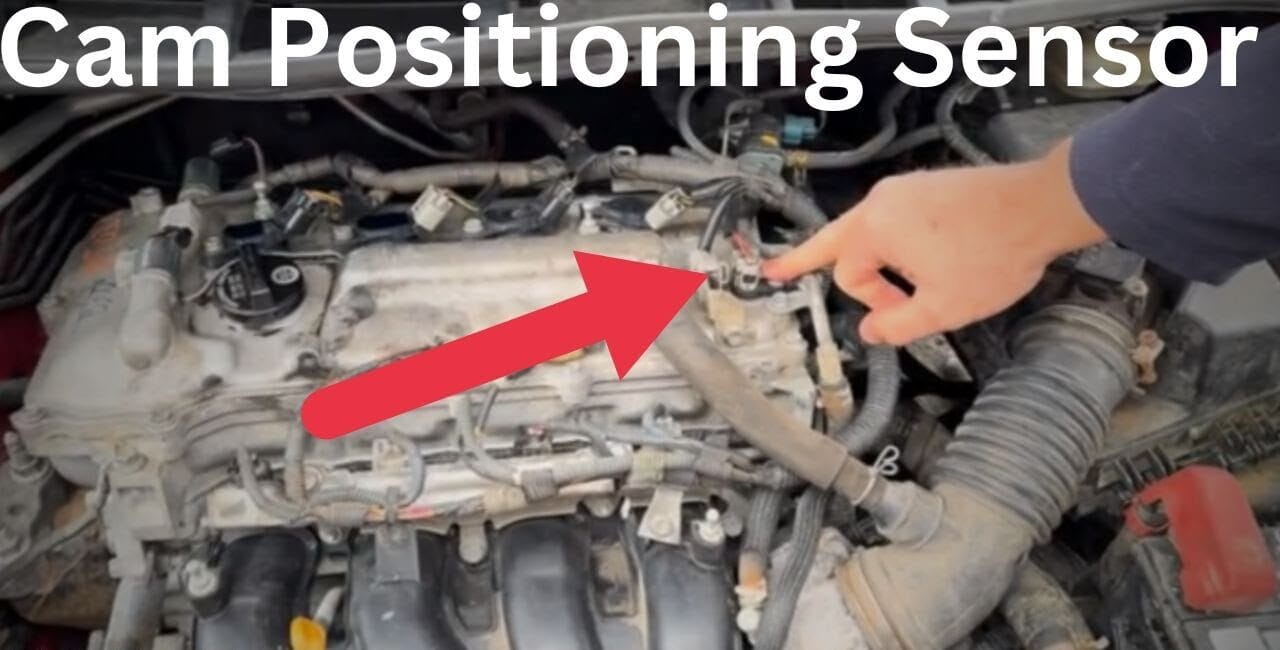
Locate the camshaft position sensor on the engine.
Step 3
Disconnect the electrical connector.
Step 4
Remove the retaining bolt and pull out the sensor.
Step 5
Install the new sensor and tighten the retaining bolt.
Step 6
Reconnect the wiring connector and battery.
Installing the New Sensor
Lightly lubricate the new O-ring if equipped. Insert the sensor straight into its mounting bore and ensure it seats fully before tightening the fastener.
Connector Check
Make sure the connector locks securely into place.
How to Confirm the Repair Was Successful
After installation, start the engine and verify that it idles smoothly. If the previous symptoms were caused by the sensor, starting performance and engine operation should improve.
Use an OBD-II scan tool to clear stored trouble codes. If the check engine light remains off after several drive cycles, the repair was likely successful.
Source: hitchesguide.com
Stable Idle
Engine should idle consistently without misfires.
No Warning Lights
Check engine light should remain off if the issue is resolved.
When Codes Return
If codes reappear, inspect the wiring harness, connector pins, timing components, and sensor compatibility.
Electrical Inspection
Damaged wiring can mimic sensor failure.
Common Mistakes and Troubleshooting Tips
Replacing the sensor does not always solve a camshaft-related trouble code. Wiring faults, timing chain wear, poor electrical connections, and incorrect replacement parts can create similar symptoms.
Avoid forcing connectors, overtightening bolts, or skipping diagnostic checks before replacing components.
Source: cleanestor.com
Wrong Part
Verify the replacement sensor matches your engine and model year.
Connector Damage
Inspect for corrosion, bent terminals, or broken locking tabs.
When Professional Help Is Recommended
If multiple engine timing codes are present or the engine continues to run poorly after sensor replacement, further diagnosis by a qualified technician may be necessary.
Advanced Diagnostics
Timing chain and computer-related issues may require specialized tools.
Frequently Asked Questions
Q
Where is the camshaft position sensor located on a Pontiac G6?
The location depends on the engine installed in the vehicle. Most sensors are mounted near the cylinder head or timing cover area and connect directly to the engine wiring harness.
Q
Can I drive with a bad camshaft position sensor?
The vehicle may still run, but performance can suffer. Hard starting, stalling, reduced power, and poor fuel economy may occur, so repairs should not be delayed.
Q
How long does it take to replace a camshaft position sensor?
Many Pontiac G6 owners can complete the job in about 30 minutes to 2 hours depending on engine configuration and accessibility.
Q
Do I need to reset the computer after replacing the sensor?
Clearing diagnostic trouble codes with a scan tool is recommended. Some vehicles will also relearn sensor data after several drive cycles.
Q
What causes camshaft position sensor failure?
Heat, vibration, age, oil contamination, damaged wiring, and internal electronic failure are common causes of sensor problems.
✦ Wrapping Up
Conclusion
Learning how to replace camshaft position sensor Pontiac G6 models can save time and repair costs when a sensor failure occurs. The job is generally straightforward with basic tools and proper preparation.
Always verify the correct sensor for your engine, inspect wiring carefully, and confirm the repair by checking for returning fault codes after installation.
💡 Key Takeaway
Identify your Pontiac G6 engine, gather the correct replacement sensor, follow the step-by-step procedure, and verify the repair with a scan tool after installation.
Ethan Brooks is an automotive writer at Auto News 7, covering car news, vehicle maintenance, new model updates, recalls, and practical buying guides. He focuses on clear, useful information that helps drivers understand their vehicles and make better ownership decisions.
Learn how to test camshaft position sensor wiring with a multimeter. Follow a safe step-by-step process to check power, ground, signal circuits, and common wiring faults.
Learn how to replace camshaft sensor Infiniti G35 models with this detailed DIY guide. Find symptoms, tools, sensor locations, replacement steps, troubleshooting tips, and common mistakes.
Learn whether a camshaft sensor needs to be programmed after replacement, when relearn procedures are required, common symptoms, troubleshooting steps, and what to expect during installation.
Learn how to rewire a camshaft position sensor safely. Follow step-by-step instructions, wiring checks, troubleshooting tips, and common repair mistakes.
Learn how to test a BMW camshaft position sensor using a scan tool, multimeter, and practical troubleshooting steps. Diagnose faults, symptoms, and sensor failures accurately.