In the U.S., replacing an oil pressure sensor commonly costs about $207 to $261, but your vehicle can cost much more or less.
If you are wondering how much to replace an oil pressure sensor, the answer depends heavily on the vehicle, sensor location, labor rate, and whether diagnosis or related repairs are needed. A current RepairPal estimate puts the average U.S. replacement cost at $207 to $261, including an estimated $116 to $170 for labor and about $91 for parts. Taxes, fees, and location-specific differences can raise the final bill.
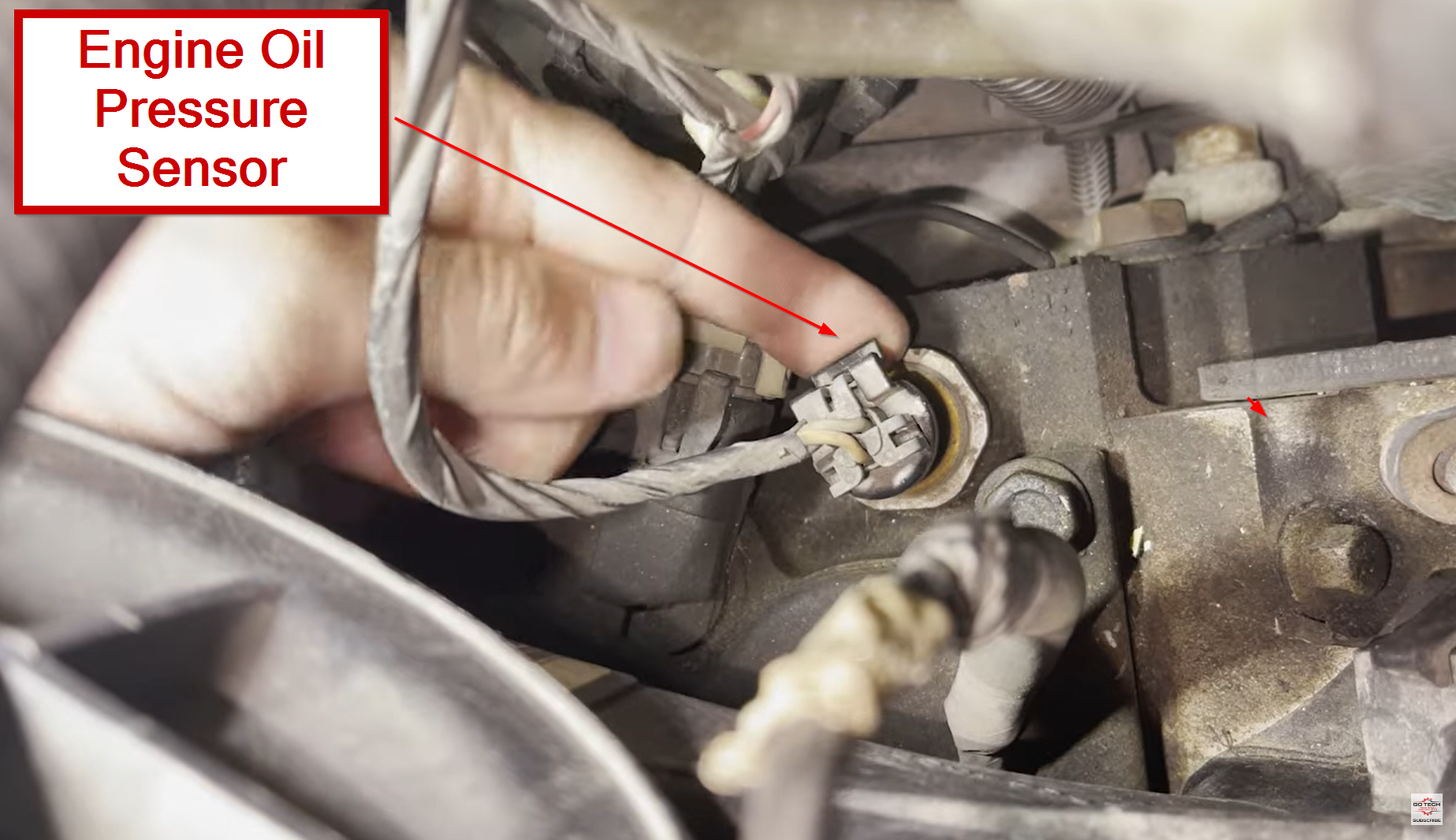
The sensor is also called an oil pressure switch, oil pressure sender, or oil pressure sending unit on some vehicles. Before replacing it, a technician should verify the oil level, inspect for leaks, check the electrical circuit, and confirm actual engine oil pressure when the warning indicates a possible pressure problem. Replacing the sensor without confirming the cause can leave a real low-pressure problem unresolved.
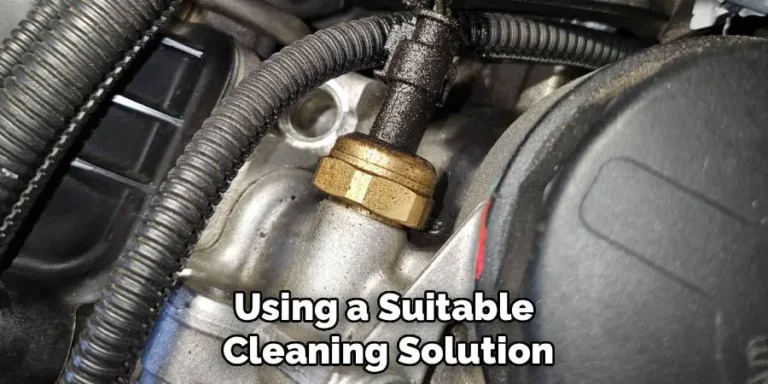
Source: gotech.com
How Much Does It Cost to Replace an Oil Pressure Sensor?
For a broad U.S. estimate, expect roughly $207 to $261 for oil pressure sensor replacement based on RepairPal’s current national estimate updated September 3, 2026. That estimate includes approximately $116 to $170 in labor and about $91 for parts. It does not include taxes and fees and does not represent a guaranteed price for every vehicle or location.
The actual invoice can fall below or above that range. Some sensors are easy to reach and take relatively little labor time. Others sit in difficult locations or require additional components to be removed before a technician can reach them. Dealer labor rates, independent-shop rates, part choice, and regional pricing also affect the total.
Kelley Blue Book vehicle-specific estimates show the same pattern. For example, a 2020 Kia Soul has a dealer estimate of $216 to $254 in one listed ZIP code, while a 2012 Dodge Journey is listed at $310 to $364. These examples show why the vehicle year, make, model, engine, and location matter when estimating the repair.
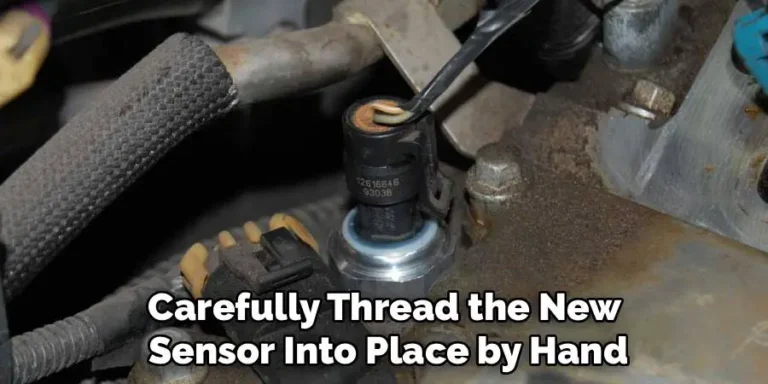
Source: nissankaengine.com
Average U.S. estimate
RepairPal currently lists $207 to $261 for oil pressure sensor replacement, including estimated parts and labor.
Estimated labor
RepairPal estimates labor at about $116 to $170 for the broad replacement estimate, although individual vehicles can differ substantially.
Estimated parts
The broad RepairPal estimate lists about $91 for parts, but individual sensor prices can vary considerably by vehicle.
Taxes and fees
These are not included in the broad RepairPal range, so the final shop invoice can be higher.
What Is Included in the Replacement Cost?
A basic replacement usually includes removing the faulty oil pressure sensor or switch, installing the replacement, reconnecting the electrical connector, and checking the repair. Depending on the vehicle, the technician may also need to inspect the connector, wiring, sealing surface, or related components.
Diagnosis can be a separate charge. This matters because an oil pressure warning can result from low oil, an electrical fault, a faulty sensor, a wiring problem, or genuinely low engine oil pressure. A professional diagnosis helps prevent paying for a sensor that was not actually the source of the problem.
Sensor or switch
The replacement component that measures or reports engine oil pressure.
Labor
The technician’s time to diagnose the fault, access the component, replace it, and verify operation.
Diagnostic work
Testing may be needed to determine whether the sensor, wiring, or actual engine oil pressure is responsible for the warning.
Why Does Oil Pressure Sensor Replacement Cost So Much on Some Cars?
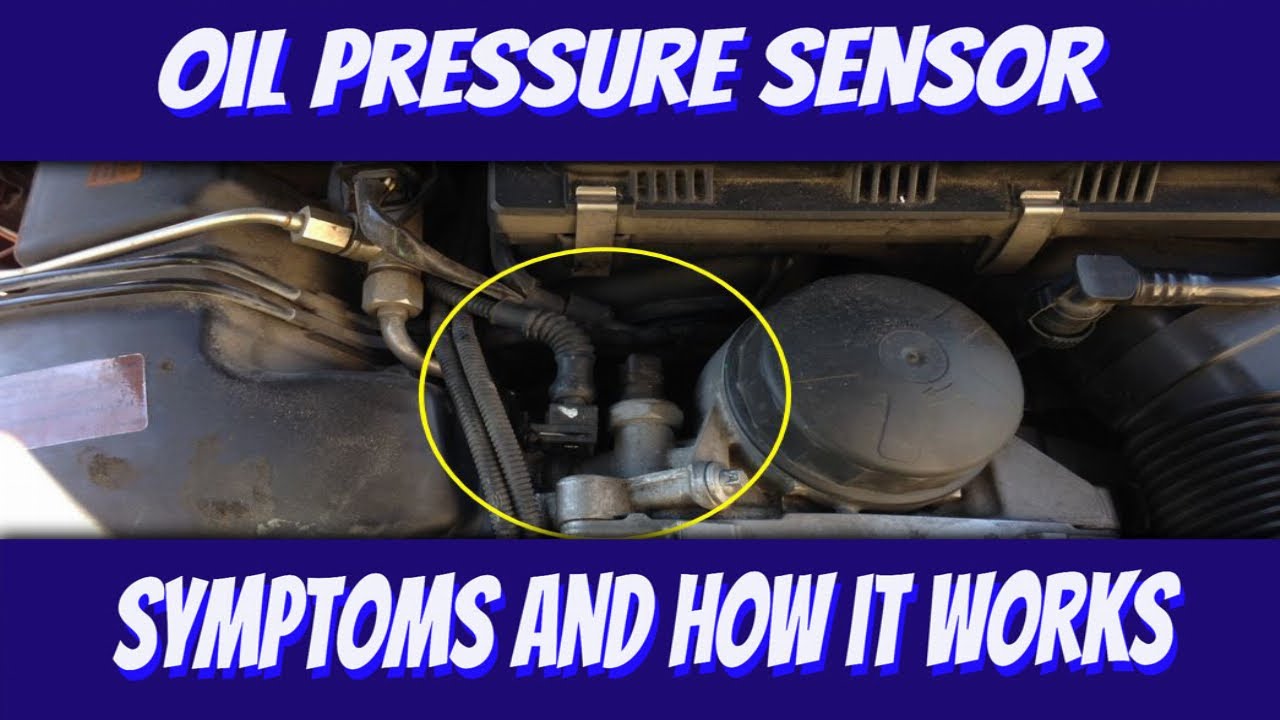
The biggest reason prices differ is that oil pressure sensors are not installed in the same place on every engine. Some are easy to reach near the oil filter or cylinder head. Others require more access work, which increases labor time.
The part itself can also vary sharply. A simple pressure switch may cost relatively little, while a more complex or less accessible sensor assembly can cost considerably more. Original-equipment parts may also have a different price from aftermarket alternatives.
Vehicle-specific estimates demonstrate the spread. RepairPal currently lists examples such as $138 to $176 for a Ford F-150, $149 to $184 for a Toyota Camry, $271 to $302 for a Honda Accord, and $353 to $396 for a Honda Civic. These are estimates rather than universal prices, and the exact vehicle configuration can change the result.
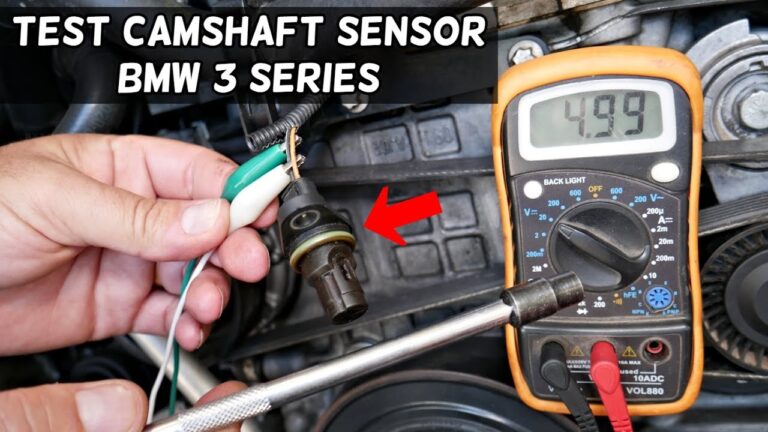
Source: uchanics.ca
Sensor location
A difficult-to-reach sensor can increase labor time and therefore the total repair price.
Vehicle design
Engine layout and surrounding components can determine how much access work is required.
Part availability
Different vehicles use different sensors, switches, seals, and connector designs, creating wide part-price differences.
Shop labor rate
Independent repair shops and dealerships can charge different hourly labor rates, and regional rates also vary.
Additional diagnosis
Testing the warning circuit or verifying actual oil pressure can add diagnostic labor before the replacement begins.
Example Vehicle Costs
The following examples illustrate how much replacement prices can vary. They are not quotes for every vehicle of the same model and should be treated as reference points rather than guaranteed prices.
Current RepairPal estimates include a Toyota Prius at about $128 to $160, a Nissan Rogue at about $307 to $374, a Honda Odyssey at about $415 to $438, and a Genesis G80 at about $697 to $914. The wide spread reinforces the need for a vehicle-specific estimate.
Lower example
A Toyota Prius is currently listed by RepairPal at about $128 to $160 for oil pressure sensor replacement.
Mid-range example
A Nissan Rogue is currently listed at about $307 to $374.
Higher example
A Honda Odyssey is currently listed at about $415 to $438, while a Genesis G80 example is listed at substantially more.
How to Tell Whether the Oil Pressure Sensor Actually Needs Replacement
Do not assume that an illuminated oil pressure warning means the sensor itself has failed. The warning can also indicate low engine oil, an oil leak, an electrical problem, or insufficient engine oil pressure. Because inadequate oil pressure can damage an engine, diagnosis should come before simply installing a new sensor.
A technician will typically check the oil level and condition, look for visible leaks, inspect the electrical circuit, and test the sensor. When necessary, actual oil pressure can be checked against the vehicle manufacturer’s specifications. If measured pressure is too low, replacing the sensor alone will not solve the underlying engine problem.
Source: i.ytimg.com
Check the oil level
A low oil level can cause an oil pressure warning and needs to be addressed before assuming the sensor is faulty.
Look for leaks
External oil leakage can contribute to low oil level and may require a different repair.
Inspect wiring and connectors
Damaged wiring, poor connections, or circuit faults can produce symptoms that resemble a bad sensor.
Verify actual oil pressure
When a true pressure problem is possible, measured oil pressure provides information that a sensor replacement alone cannot provide.
Why Diagnosis Matters Before Paying for the Part
The oil pressure sensor reports pressure to the vehicle’s control system or gauge circuit. It does not create oil pressure. If the engine has a mechanical lubrication problem, a new sensor cannot restore proper pressure.
For that reason, a low-pressure warning should be treated as potentially serious until the cause is known. If the warning remains illuminated while the engine is running, avoid continuing to drive the vehicle unnecessarily and arrange prompt professional diagnosis.
Bad sensor
The sensor may report pressure incorrectly even though actual engine pressure is normal.
Real low pressure
A mechanical or lubrication problem can produce genuinely low oil pressure and requires a different repair.
Electrical fault
A damaged circuit or connector can create an incorrect warning without a failed sensor.
Can You Replace an Oil Pressure Sensor Yourself?
A mechanically experienced vehicle owner may be able to replace an accessible oil pressure sensor with the correct replacement part and tools. The difficulty varies significantly by vehicle, and access can be the hardest part of the job.
The more important issue is diagnosis. If the oil pressure warning has appeared, replacing the sensor without confirming the cause can be risky. A professional should verify that actual engine oil pressure is within specification when there is any reasonable concern about low pressure.
If you do perform the replacement yourself, use the vehicle’s service information for the correct sensor, installation procedure, torque specification, sealing method, and connector handling. Do not guess the torque value or apply sealant unless the manufacturer’s procedure calls for it.
Source: i.ytimg.com
Confirm the exact part
Match the replacement sensor to the vehicle’s year, make, model, engine, and applicable configuration.
Work safely
Allow hot components to cool as needed, secure the vehicle properly, and keep oil away from hot exhaust components.
Protect the connector
Release the electrical connector correctly rather than pulling on the wiring.
Follow the service specification
Use the specified tightening method and sealing procedure for the exact vehicle.
Verify the repair
After installation, check for oil leaks and confirm that the warning or gauge behaves as expected.
When Professional Service Is the Better Choice
Professional service is the safer option when the sensor is difficult to access, the warning indicates possible low oil pressure, the vehicle requires extensive disassembly, or you are unsure how to verify actual oil pressure.
A shop can also separate a failed sensor from an engine-pressure problem before you spend money on parts. That diagnostic step can be more valuable than choosing the cheapest sensor replacement immediately.
Persistent warning
A warning that stays on while the engine runs deserves prompt diagnosis rather than repeated sensor replacement.
Unknown cause
If you do not know whether the problem is electrical or mechanical, professional testing can prevent an incorrect repair.
Limited access
A difficult sensor location can turn a simple-looking repair into a time-consuming job.
How to Get a Fair Oil Pressure Sensor Replacement Price
The best way to judge an estimate is to request a vehicle-specific breakdown rather than asking only for the total price. Ask whether the quote includes diagnosis, the sensor, labor, any required seal or gasket, shop fees, and taxes.
Compare at least two estimates when the repair is not urgent and the vehicle can be driven safely. Ask each shop what diagnosis supports the replacement and whether the quoted part is original equipment, an aftermarket equivalent, or another option. A lower price is not automatically better if it excludes necessary diagnosis or uses a different part.
Location matters as well. National averages are useful for context, but they cannot account for the exact labor rate, vehicle configuration, or local pricing in your area.
Source: i.ytimg.com
Give the shop complete vehicle information
Provide the year, make, model, engine, and any relevant symptoms so the estimate can match the correct repair.
Request an itemized quote
Ask for separate parts, labor, diagnosis, fees, and taxes when available.
Ask what failed
A reputable shop should be able to explain why the sensor is considered faulty and whether actual oil pressure was checked when appropriate.
Compare like with like
When comparing shops, confirm that both estimates include comparable parts, labor, diagnosis, and related work.
What Makes an Estimate Reasonable?
There is no single fair price for every vehicle. A $150 estimate can be reasonable for an easily accessible sensor on one vehicle, while several hundred dollars can be reasonable for a vehicle with an expensive part or difficult access.
The most useful question is whether the estimate matches the actual vehicle and the confirmed repair. A detailed explanation is more meaningful than comparing the total against a generic national average.
Vehicle-specific
The estimate should account for the exact vehicle and engine rather than relying only on a generic sensor price.
Diagnostic support
The shop should have a reasonable basis for identifying the sensor as the problem.
Clear labor scope
The estimate should explain the work covered by the labor charge.
What Happens If You Ignore a Bad Oil Pressure Sensor?
Ignoring a suspected oil pressure sensor fault can create a serious diagnostic problem because the warning system may no longer give trustworthy information about engine oil pressure. More importantly, the same warning can sometimes indicate genuine low oil pressure rather than a faulty sensor.
A failed sensor itself does not necessarily mean the engine is being damaged. The risk comes from failing to distinguish a sensor problem from an actual lubrication problem. If engine oil pressure is genuinely too low, continued operation can cause severe engine damage.
Do not treat an oil pressure warning like a routine maintenance reminder. Check the oil level as soon as it is safe to do so, and seek prompt diagnosis if the warning remains on or the engine shows other signs of a serious problem.
Source: i.ytimg.com
Do not assume the sensor is the cause
The warning can have multiple causes, including actual low oil pressure.
Do not continue driving unnecessarily
If genuine low oil pressure is present, continued engine operation can increase the risk of internal damage.
Get the cause confirmed
Proper diagnosis helps determine whether the repair requires only a sensor or a more serious investigation.
Oil Pressure Sensor Replacement Cost: What to Expect
If you are budgeting for this repair in the United States, a useful starting point is the current national RepairPal estimate of $207 to $261 for oil pressure sensor replacement. That figure includes estimated labor and parts but excludes taxes and fees. Your vehicle can fall outside that range because repair costs are highly vehicle-specific.
Current vehicle examples demonstrate the difference. RepairPal lists some vehicles below $200, while others are several hundred dollars or more. Kelley Blue Book also shows that parts and labor can vary by vehicle and ZIP code, reinforcing that a local, vehicle-specific estimate is more useful than a generic price alone.
The most cost-effective approach is not simply finding the cheapest sensor. Confirm the diagnosis, compare itemized estimates, and make sure the quote addresses the actual cause of the warning. That approach reduces the chance of paying for a sensor replacement when the vehicle has a different oil-pressure or electrical problem.
Source: b.fridayparts.com
Use national averages as a starting point
They provide context but should not be treated as a guaranteed quote.
Expect vehicle variation
Engine design, sensor location, part price, and labor requirements can move the cost substantially.
Prioritize diagnosis
Confirming the actual cause is more important than selecting the lowest replacement price.
Frequently Asked Questions
Q
How much does it cost to replace an oil pressure sensor?
A current RepairPal U.S. estimate puts the average oil pressure sensor replacement at about $207 to $261, including estimated parts and labor. The actual price can be lower or higher depending on the vehicle, location, part, and labor required.
Taxes, fees, and additional diagnostic or repair work can increase the final bill.
Q
Is an oil pressure sensor expensive to replace?
The sensor itself is not always expensive, but the total repair can become costly when labor access is difficult or the vehicle uses a higher-priced component. Diagnosis can also add to the total.
Vehicle-specific estimates are therefore more useful than assuming every oil pressure sensor has the same replacement price.
Q
Can I drive with a bad oil pressure sensor?
A suspected bad sensor should be diagnosed promptly because the same warning can indicate genuinely low engine oil pressure. Driving with actual low oil pressure can cause serious engine damage.
If the oil pressure warning remains illuminated while the engine is running, avoid unnecessary driving and arrange professional diagnosis.
Q
How long does it take to replace an oil pressure sensor?
The time varies by vehicle because sensor location and accessibility differ. An easily accessible sensor can be a relatively straightforward repair, while a difficult location can require additional access work.
Ask the shop for the expected labor time for your exact vehicle rather than relying on a generic time estimate.
Q
Is an oil pressure switch the same as an oil pressure sensor?
The terms are often used interchangeably in automotive repair information, although the exact component and its function can vary by vehicle. Oil pressure sender and oil pressure sending unit are also common names.
The correct replacement should always be selected using the vehicle’s exact year, make, model, engine, and service information.
Q
What should I check before replacing an oil pressure sensor?
Check the engine oil level first and look for obvious leaks. The electrical circuit and sensor should also be tested, and actual oil pressure should be verified when the symptoms indicate a possible pressure problem.
These checks help distinguish a faulty sensor from a genuine engine lubrication issue.
Q
Why does my oil pressure sensor replacement cost hundreds of dollars?
Labor access, the price of the replacement part, vehicle design, local labor rates, and diagnostic work can all increase the total. Some vehicles have much higher replacement estimates than others.
A high quote is easier to evaluate when the shop provides an itemized breakdown and explains why the vehicle requires that amount of work.
✦ Wrapping Up
Conclusion
The answer to how much to replace an oil pressure sensor depends on the vehicle and the repair conditions. A current U.S. RepairPal estimate is about $207 to $261, but vehicle-specific examples range substantially outside that figure. Parts, labor, access, diagnosis, and local pricing all influence the final cost.
Before approving the repair, make sure the shop has confirmed that the sensor is actually faulty. An oil pressure warning can point to a sensor, wiring problem, low oil level, or genuine low engine oil pressure. Confirming the cause first can protect both your budget and your engine.
💡 Key Takeaway
Get a vehicle-specific, itemized estimate and confirm the cause of the oil pressure warning before replacing the sensor. If the oil pressure warning remains on while the engine runs, treat it as urgent and seek professional diagnosis.
Ethan Brooks is an automotive writer at Auto News 7, covering car news, vehicle maintenance, new model updates, recalls, and practical buying guides. He focuses on clear, useful information that helps drivers understand their vehicles and make better ownership decisions.
Learn how many camshaft sensors a G35 has, where they are located, common symptoms of failure, diagnostic tips, and replacement information for Infiniti G35 models.
Learn whether a camshaft sensor is hard to replace, how long the job takes, common challenges, costs, symptoms of failure, and when to seek professional help.
Learn how to test a BMW camshaft position sensor using a scan tool, multimeter, and practical troubleshooting steps. Diagnose faults, symptoms, and sensor failures accurately.