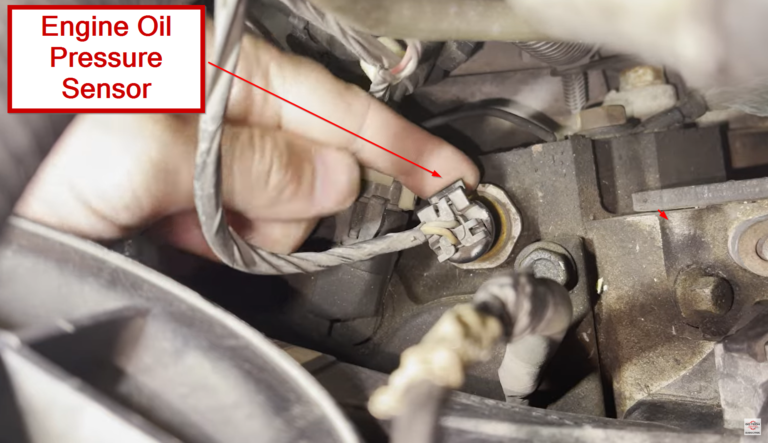
An oil pressure sensor has no fixed replacement interval and can often last 100,000 miles or longer, but failure can occur much sooner.
For drivers in the United States, there is usually no scheduled mileage at which an oil pressure sensor must be replaced. Unlike engine oil and filters, this component is normally replaced when it fails, leaks, produces an inaccurate signal, or fails a diagnostic test. Service life varies with the vehicle design, engine temperature, vibration, oil condition, electrical connections, and overall maintenance.
The exact answer to how long does an oil pressure sensor last depends on the vehicle and the type of pressure-sensing device installed. Some vehicles use a simple oil pressure switch that activates a warning light, while others use an electronic pressure sensor that sends changing pressure information to a gauge or control module. Because a faulty sensor can look similar to genuine low oil pressure, a warning should never be dismissed without checking the actual condition of the engine.
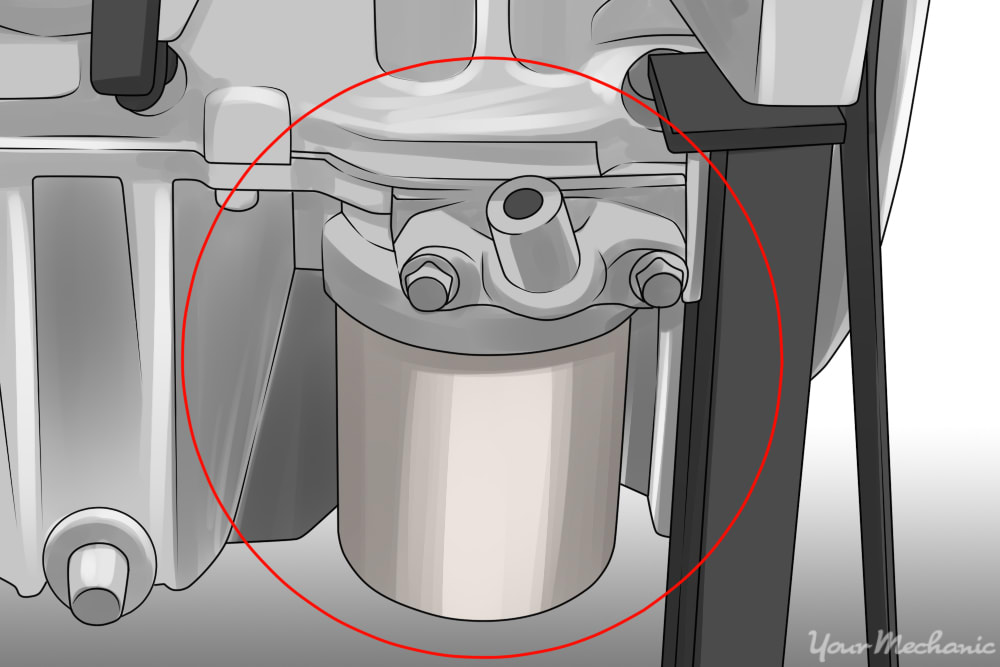
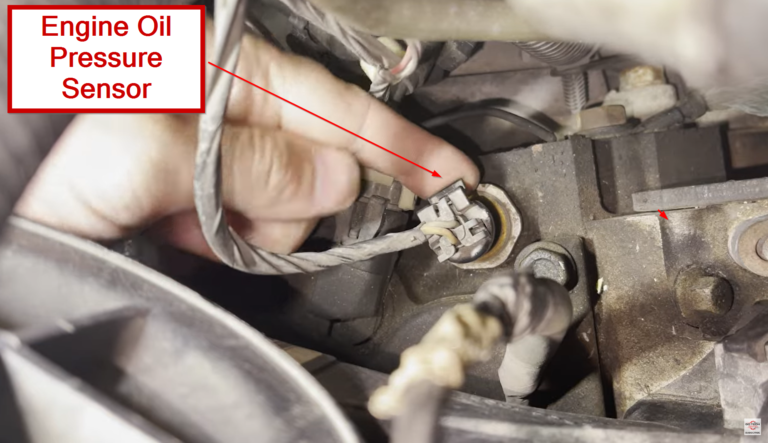
Source: automotivian.com
How Long Does an Oil Pressure Sensor Last?
There is no universal service-life number for an oil pressure sensor. Most automakers do not list the sensor as a routine maintenance item with a specific replacement mileage. Instead, the part is expected to remain in service until its electrical or pressure-sensing function becomes unreliable.
A practical mileage estimate should therefore be treated as a range rather than a rule. Many oil pressure sensors can last roughly 60,000 to 150,000 miles or more, while some fail earlier and others continue working for the life of the vehicle. The wide range reflects differences in sensor design, engine environment, maintenance, and operating conditions.
Mileage alone is not a reliable reason to replace a working sensor. A vehicle with 140,000 miles does not automatically need a new oil pressure sensor if the sensor operates within specifications and there are no signs of leakage or electrical failure.
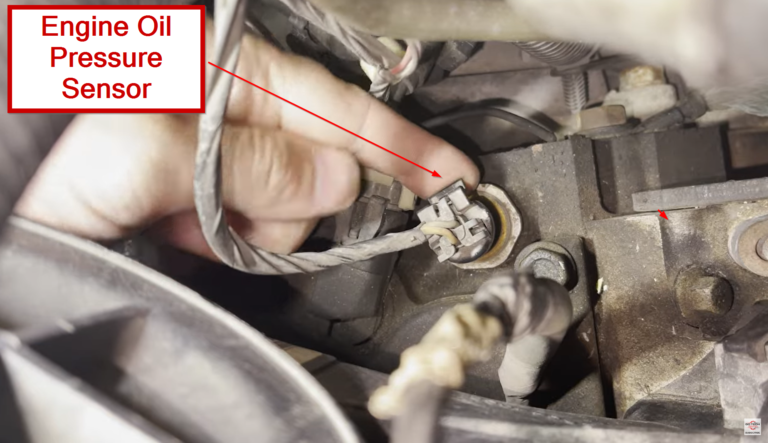
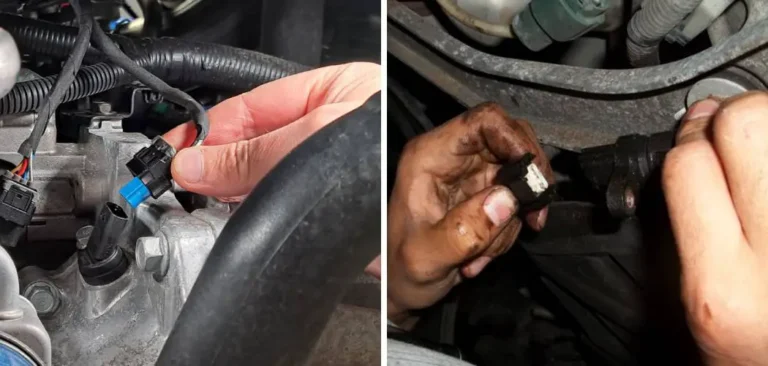
Source: fity.club
No fixed replacement interval
Oil pressure sensors are generally replaced based on condition and diagnostic results rather than a routine mileage schedule.
100,000 miles is not a failure deadline
A sensor may continue working well beyond 100,000 miles, while another may fail much earlier.
Vehicle-specific specifications matter
The correct electrical test values, oil pressure limits, installation method, and replacement procedure depend on the vehicle and sensor design.
Why Mileage Is Only Part of the Story
An oil pressure sensor operates in a demanding area of the engine. Repeated heating and cooling, engine vibration, exposure to oil, and electrical connector stress can gradually affect the component. A sensor located close to a hot engine surface may experience more thermal stress than one installed in a cooler location.
Maintenance also matters. Dirty or degraded oil can contribute to deposits around the sensing passage, while an oil leak can contaminate the sensor or its electrical connector. These conditions do not guarantee sensor failure, but they can make the operating environment less favorable.
Heat cycles
Repeated engine heating and cooling can stress seals and internal electrical components.
Vibration
Constant engine vibration can affect sensor connections, wiring, and internal components over time.
Oil contamination
Sludge, deposits, or contaminated oil can interfere with the pressure-sensing area on some designs.
Electrical exposure
Corrosion, damaged wiring, loose terminals, and oil contamination at the connector can cause sensor-like symptoms.
What Causes an Oil Pressure Sensor to Fail?
Oil pressure sensor failure can result from age, heat, vibration, contamination, electrical faults, or physical damage. The sensor itself is only one part of the circuit, so a warning or incorrect reading does not automatically identify the sensor as the failed component.
The sensing element may become inaccurate over time, while seals can deteriorate and allow oil to escape. On some vehicles, the electrical connector or wiring fails before the sensor does. That is why diagnosis should include the entire circuit rather than relying only on the dashboard symptom.
Poor engine maintenance can also complicate diagnosis. Low oil level, the wrong oil, a restricted filter, a worn oil pump, internal engine wear, or other lubrication-system problems can produce genuinely low oil pressure. Replacing the sensor will not correct those mechanical problems.
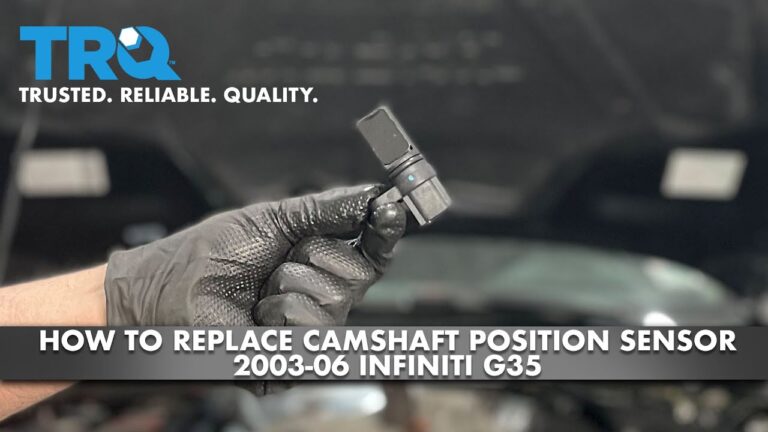
Source: evparts4x4.com
Age and internal wear
Internal sensing or switching components can eventually become inaccurate or fail.
High engine temperatures
Long-term exposure to engine heat can accelerate deterioration of sensor materials, seals, and electrical components.
Oil leaks
A damaged sensor or seal can leak engine oil around the mounting point and connector.
Connector or wiring damage
A loose, corroded, broken, or oil-contaminated electrical connection can create symptoms that resemble sensor failure.
Contaminated oil or deposits
Deposits may interfere with pressure transmission through the sensor opening on some engine designs.
Sensor Failure Versus Low Engine Oil Pressure
This distinction is critical. A failed sensor can falsely report low pressure, but a healthy sensor can also correctly report a dangerous loss of actual oil pressure. A red oil pressure warning should therefore be treated as a potential engine problem until the pressure has been verified.
If the engine has unusual knocking or ticking, the oil level is low, or the warning remains on while the engine is running, continuing to drive can risk severe engine damage. The appropriate response is to stop safely and follow the vehicle manufacturer’s instructions for checking the oil and obtaining diagnosis.
Possible sensor problem
The gauge may show an implausible reading, or a warning may appear even though measured engine oil pressure is normal.
Possible mechanical problem
Low oil level, oil pump problems, restricted oil flow, or internal engine wear can produce genuinely low pressure.
Signs an Oil Pressure Sensor May Be Failing
The most useful warning signs are abnormal oil pressure warnings, implausible gauge readings, diagnostic trouble codes, and oil leakage around the sensor. These symptoms can point toward a sensor or circuit problem, but they can also occur with genuine oil pressure faults.
A failing sensor may cause an oil pressure warning light to remain illuminated, flicker unexpectedly, or behave differently from normal. Vehicles equipped with a pressure gauge may show a reading that suddenly falls to zero, jumps without a reasonable change in engine conditions, or remains stuck at an implausible value.
Some vehicles also store diagnostic trouble codes related to the oil pressure sensor or its circuit. Codes such as P0520 or P0522 can provide useful diagnostic information, but a code alone does not prove that replacing the sensor is the correct repair.
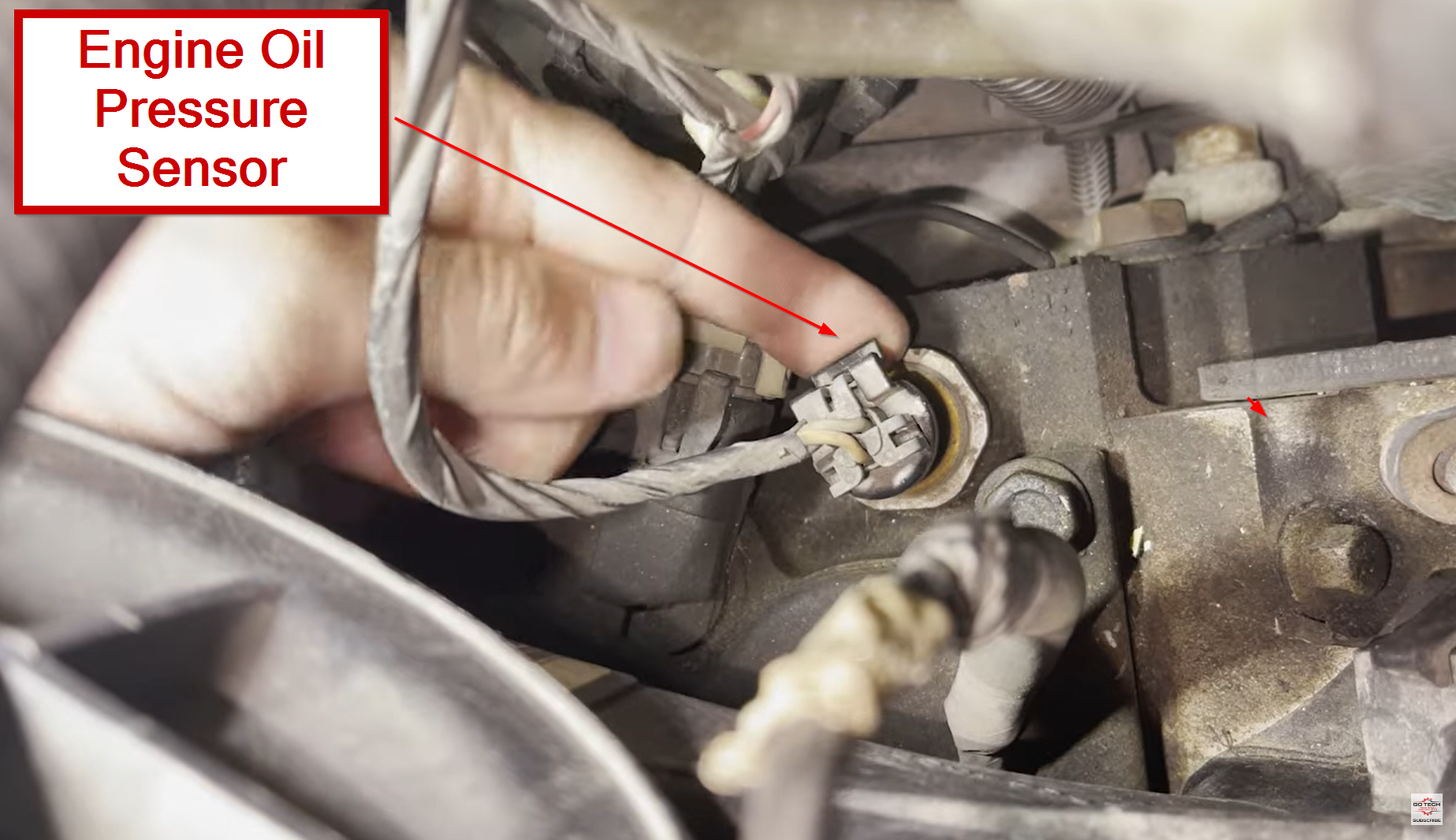
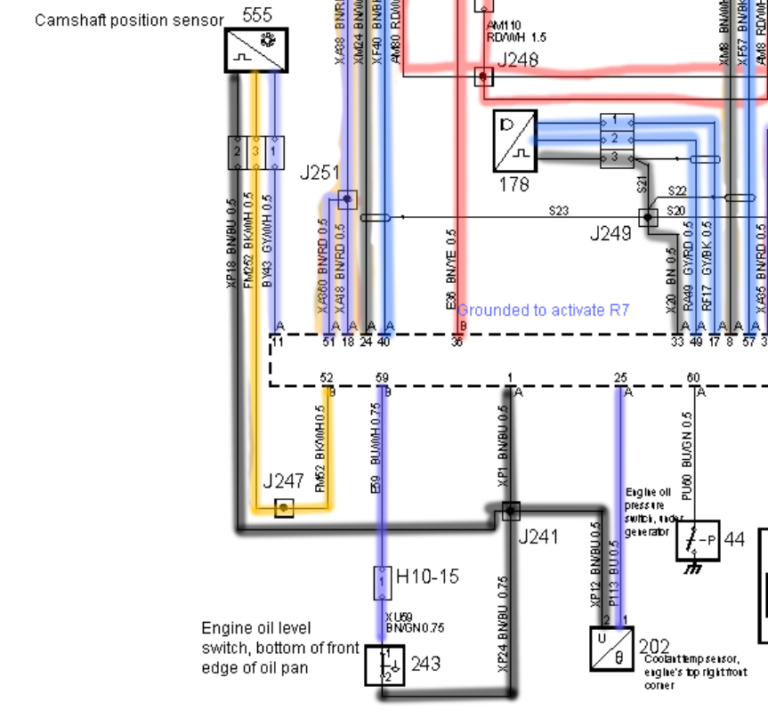
Source: www.youtube.com > Course Solutions
Oil pressure warning stays on
A warning that remains on after startup can indicate a sensor or circuit fault, but genuine low oil pressure must be ruled out.
Warning light flickers
Intermittent warnings can result from sensor faults, wiring problems, marginal pressure, or other lubrication-system issues.
Gauge reads zero or jumps
An implausible or rapidly changing reading can point toward a sensor or electrical problem, especially when actual pressure is normal.
Oil around the sensor
Visible oil near the sensor may indicate a leaking sensor, seal, or nearby component.
Diagnostic trouble code
An oil pressure sensor circuit code can narrow the diagnosis but should be interpreted with the vehicle’s service information.
When an Oil Pressure Warning Requires Immediate Attention
Do not assume an oil pressure warning is only a sensor problem. If the oil pressure warning appears while the engine is running, safely stop as soon as practical and check the oil level according to the vehicle owner’s manual. If the oil level is correct and the warning remains, professional diagnosis is appropriate before continued driving.
A sensor replacement is not a substitute for measuring actual oil pressure when low pressure is possible. A mechanical pressure test can help distinguish a bad electrical signal from a real lubrication-system problem.
Stop if the warning remains on
A persistent oil pressure warning can indicate insufficient lubrication and should not be treated like a routine maintenance reminder.
Check the oil level
Confirm the engine has the correct oil level using the procedure specified by the vehicle manufacturer.
Investigate unusual engine noise
Knocking, ticking, or other abnormal mechanical noise alongside an oil pressure warning increases the need for prompt diagnosis.
How to Tell Whether the Sensor Needs Replacement
The safest way to decide whether an oil pressure sensor needs replacement is to diagnose the complete oil pressure system. Start with the oil level and condition, then inspect the sensor, connector, and wiring. If the warning or diagnostic code remains, compare the sensor signal and actual oil pressure with the vehicle manufacturer’s specifications.
A visual inspection can identify obvious oil leakage, damaged wiring, broken connectors, or a sensor that is physically damaged. However, a sensor can fail internally without showing visible damage, so appearance alone cannot confirm that it is working correctly.
Where the vehicle design allows it, a technician can compare the sensor’s reported value with pressure measured by a suitable mechanical gauge. If actual pressure is within specification but the sensor signal is incorrect, sensor or circuit repair becomes more likely. If measured pressure is genuinely low, the cause must be investigated before simply installing another sensor.
Source: eureka.patsnap.com
1. Verify the oil level
Check the engine oil using the manufacturer’s specified procedure and correct an incorrect level before drawing conclusions from the warning.
2. Inspect the sensor and connector
Look for oil leakage, damaged housing, loose connections, corrosion, broken terminals, and damaged wiring.
3. Check diagnostic codes
Use a compatible scan tool when the vehicle stores an oil pressure sensor or circuit fault code.
4. Test the sensor circuit
Use the vehicle’s service specifications to check voltage, resistance, continuity, or another required signal measurement.
5. Verify actual oil pressure
When low pressure is suspected, compare the sensor reading with a mechanical pressure measurement using the correct test procedure.
Why Replacing the Sensor First Can Be a Mistake
Replacing a sensor without checking actual oil pressure can hide a more serious problem. A new sensor may restore a normal dashboard reading if the old sensor was faulty, but it cannot repair an oil pump problem, excessive internal engine clearance, inadequate oil level, or restricted oil flow.
A good diagnosis therefore asks two separate questions: Is the electrical pressure signal accurate, and is the engine actually producing the required oil pressure? Answering both prevents unnecessary parts replacement and reduces the risk of overlooking an engine lubrication problem.
Do not diagnose by the warning light alone
The warning light identifies a pressure-related condition, not necessarily the failed component.
Use manufacturer specifications
Electrical values and acceptable oil pressure vary by engine and sensor design.
How to Extend the Life of an Oil Pressure Sensor
You cannot guarantee a specific sensor lifespan, but good engine maintenance can reduce conditions that contribute to premature failure. Follow the vehicle manufacturer’s oil and filter service schedule, use the specified oil, and investigate oil leaks rather than allowing them to continue.
Keeping the electrical connector and surrounding area in good condition also matters. During routine service, technicians can look for damaged wiring, corrosion, loose connections, or oil contamination near the sensor. Catching those problems early may prevent an intermittent signal from becoming a larger diagnostic issue.
Most importantly, do not treat the oil pressure sensor as a component that needs preventive replacement at a particular mileage unless the vehicle manufacturer specifically calls for it. Condition-based replacement is generally more appropriate.
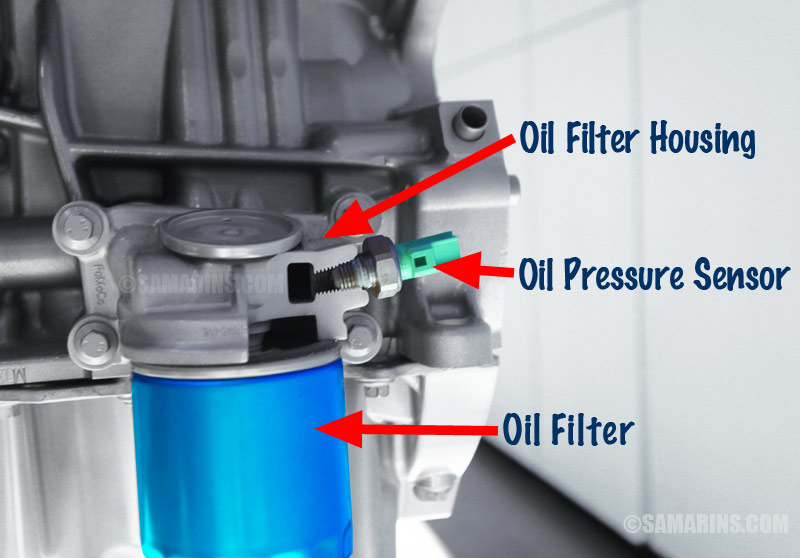
Source: samarins.com
Follow the oil service schedule
Use the oil type, filter, and service interval specified for the particular engine and operating conditions.
Fix oil leaks promptly
A persistent leak around the sensor can contaminate electrical connections and create additional problems.
Protect the connector
Avoid damaging the connector or wiring during engine repairs and address corrosion or loose terminals when found.
Respond to warnings
Prompt diagnosis reduces the chance that a sensor fault will be confused with, or conceal, a real oil pressure problem.
Oil Pressure Sensor Versus Oil Pressure Switch
The terms oil pressure sensor and oil pressure switch are often used interchangeably, but the components are not always identical. A basic switch may simply change state when pressure crosses a set threshold and operate an oil warning light. A pressure sensor or sender may provide a changing electrical signal used for a gauge, display, or vehicle control module.
That difference affects testing and expected behavior. Before testing or replacing the part, identify the exact component fitted to the vehicle and follow the applicable service procedure.
Oil pressure switch
Often provides a simple on-or-off signal at a specified pressure threshold.
Oil pressure sensor or sender
May provide a variable electrical signal that represents changing engine oil pressure.
What to Expect When an Oil Pressure Sensor Is Replaced
Oil pressure sensor replacement is usually a relatively focused repair, but access varies significantly by vehicle. The sensor may be easy to reach from above, or it may be positioned in a tight area that requires additional access. The correct sensor, thread size, seal or sealing method, and tightening specification must match the vehicle.
After installation, the technician should verify that the electrical connector is secure and that the oil pressure warning or gauge behaves normally. The engine should also be checked for oil leakage around the replacement sensor. If the original warning involved suspected low pressure, actual oil pressure should be verified rather than assuming the new sensor solved the problem.
A replacement sensor can last for many years, but there is no reliable way to promise a particular mileage. The quality and compatibility of the replacement part, the engine environment, and the vehicle’s operating conditions all affect future service life.
Source: mechlesson.com
Use the correct replacement
The replacement should match the vehicle’s required pressure range, connector, thread specification, and design.
Follow the correct installation procedure
Use the manufacturer’s specified tightening and sealing method because incorrect installation can cause leaks or damage.
Check for leaks
Inspect the sensor mounting area after startup and during the appropriate post-repair checks.
Confirm normal operation
Verify the warning light, gauge, or electronic pressure reading operates as expected after the repair.
Should You Replace an Oil Pressure Sensor Preventively?
Usually, no. Unless the manufacturer specifies preventive replacement, there is little reason to replace a properly functioning oil pressure sensor solely because the vehicle has reached a particular mileage. A condition-based approach is more sensible.
Preventive replacement becomes more reasonable when inspection identifies leakage, damaged wiring, a known sensor problem, or a reading that fails the manufacturer’s test procedure. In those cases, replacing the affected component can restore reliable pressure monitoring.
Replace based on evidence
Use symptoms, inspection, diagnostic testing, and vehicle specifications rather than mileage alone.
Do not ignore a warning
A pressure warning deserves prompt attention because the underlying problem may involve the engine rather than the sensor.
A Simple Oil Pressure Sensor Lifespan Guide
The most useful way to think about oil pressure sensor lifespan is by condition rather than by a single mileage number. A working sensor at 120,000 miles may not need replacement, while a leaking or inaccurate sensor at 50,000 miles may need immediate attention.
Use the following guide as a decision aid, not as a replacement schedule. The vehicle owner’s manual and service information take priority when they provide a specific inspection or replacement requirement.
Source: hitchesguide.com
Under 60,000 miles
Do not assume the sensor is new or guaranteed. Diagnose symptoms based on condition and vehicle specifications.
60,000 to 100,000 miles
The sensor may still have substantial service life, so mileage alone is not a reason to replace it.
100,000 to 150,000 miles
Continue using a properly functioning sensor unless inspection or testing identifies a problem.
Over 150,000 miles
Age and operating conditions make inspection more relevant, but a functioning sensor still does not have to be replaced solely because of mileage.
Any mileage with a warning or leak
Investigate the problem promptly and verify actual oil pressure when appropriate.
The Best Replacement Rule
The best rule is simple: replace an oil pressure sensor when testing shows that it is faulty, when it is leaking or physically damaged, or when the vehicle manufacturer’s diagnostic procedure calls for replacement. Do not use a mileage estimate as proof that a sensor has failed.
If the dashboard shows an oil pressure warning, first treat it as a possible lubrication-system problem. Confirm the oil level and follow the manufacturer’s safety instructions. If the warning persists, obtain a proper diagnosis before continuing to drive.
Working sensor
Keep it in service when it passes the required tests and produces an accurate pressure signal.
Failed sensor
Replace it with a correctly specified component and verify operation after installation.
Uncertain pressure condition
Measure actual engine oil pressure before assuming the sensor is the cause.
Frequently Asked Questions
Q
How long does an oil pressure sensor last in miles?
There is no universal mileage limit for an oil pressure sensor. Many can last 100,000 miles or longer, while some fail earlier because of heat, vibration, contamination, leaks, or electrical problems.
Mileage should be used only as context. A sensor should be replaced based on its condition and diagnostic results rather than an arbitrary mileage number.
Q
Does an oil pressure sensor need to be replaced regularly?
Usually, no. Oil pressure sensors are generally not routine replacement items unless the vehicle manufacturer specifies otherwise.
They are normally replaced when they fail, leak, become inaccurate, or fail a manufacturer-specified diagnostic test.
Q
What are the symptoms of a bad oil pressure sensor?
Common symptoms include an oil pressure warning light that stays on or flickers, an erratic or implausible pressure gauge reading, an oil leak around the sensor, and diagnostic trouble codes related to the oil pressure circuit.
These symptoms do not prove the sensor is bad. Actual engine oil pressure and the sensor circuit may need to be tested to separate a sensor fault from a real lubrication problem.
Q
Can a bad oil pressure sensor cause low oil pressure?
A faulty sensor normally does not cause the engine’s actual oil pressure to fall. Instead, it can report pressure incorrectly and make the dashboard or control system indicate a problem.
However, a leaking or damaged sensor can cause oil loss in some situations. More importantly, a faulty sensor can hide a real pressure problem if it stops reporting accurately.
Q
Can I drive with a bad oil pressure sensor?
You should not assume it is safe to drive simply because the sensor is suspected of being faulty. An oil pressure warning can also indicate genuinely low engine oil pressure, which can cause severe damage.
Check the oil level according to the owner’s manual and follow the manufacturer’s instructions. If the warning remains on while the engine is running, have the vehicle diagnosed before continuing to drive.
Q
Is an oil pressure sensor the same as an oil pressure switch?
Not always. An oil pressure switch commonly provides a simple on-or-off signal at a pressure threshold, while an electronic oil pressure sensor or sender may provide a variable signal for a gauge or vehicle control module.
The terms are often used interchangeably in everyday repair discussions, so identifying the exact part and its function for the specific vehicle is important before testing or replacement.
Q
Can an oil change fix a bad oil pressure sensor?
An oil change does not repair a failed sensor. However, correct oil and a clean filter can address lubrication problems caused by incorrect, degraded, or contaminated engine oil.
If the warning continues after the correct oil level and service condition have been confirmed, the sensor, wiring, actual oil pressure, and other engine components should be diagnosed.
✦ Wrapping Up
Conclusion
The answer to how long does an oil pressure sensor last is not a single mileage figure. Many sensors can operate for 100,000 miles or more, but service life varies widely, and some fail much earlier because of heat, vibration, contamination, oil leakage, or electrical problems.
Because an oil pressure warning can represent either a faulty sensor or a serious engine lubrication problem, diagnosis matters more than mileage. Check the oil level, inspect the sensor and wiring, and verify actual oil pressure when required before deciding that the sensor needs replacement.
💡 Key Takeaway
Do not replace an oil pressure sensor just because the vehicle has reached a certain mileage. Replace it when testing or inspection confirms failure, and treat any persistent oil pressure warning as a potential engine problem until actual pressure is verified.
Ethan Brooks is an automotive writer at Auto News 7, covering car news, vehicle maintenance, new model updates, recalls, and practical buying guides. He focuses on clear, useful information that helps drivers understand their vehicles and make better ownership decisions.
Learn how to remove crankshaft position sensor safely and correctly. Follow step-by-step instructions, tools needed, troubleshooting tips, and common mistakes to avoid.
Learn how to replace camshaft sensor Infiniti G35 models with this detailed DIY guide. Find symptoms, tools, sensor locations, replacement steps, troubleshooting tips, and common mistakes.
Learn how to rewire a camshaft position sensor safely. Follow step-by-step instructions, wiring checks, troubleshooting tips, and common repair mistakes.
Learn how to ground oil pressure sensor circuits safely, identify the correct ground path, test continuity and voltage, and avoid common wiring mistakes.