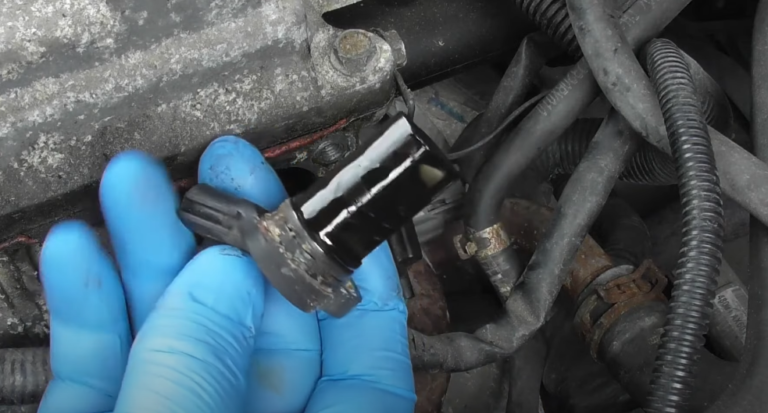
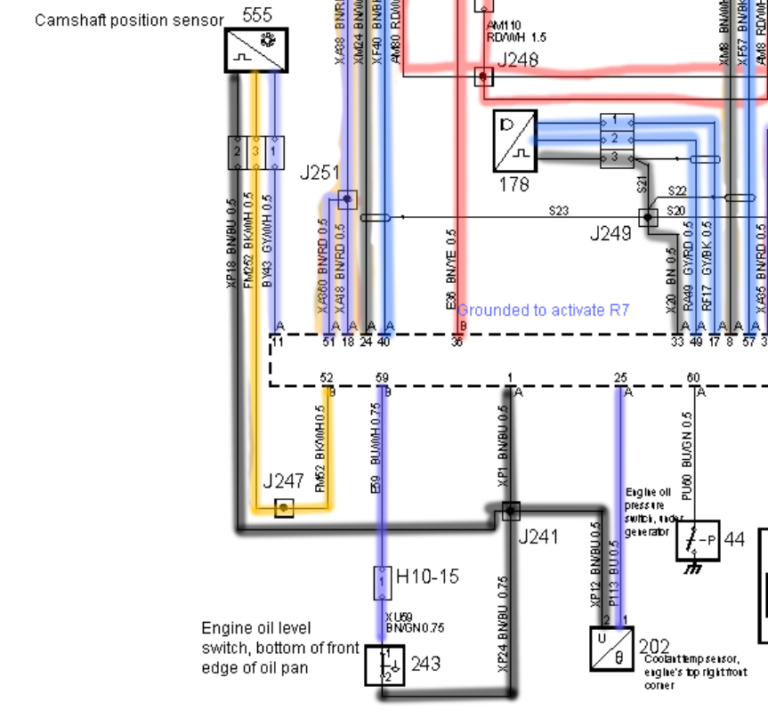
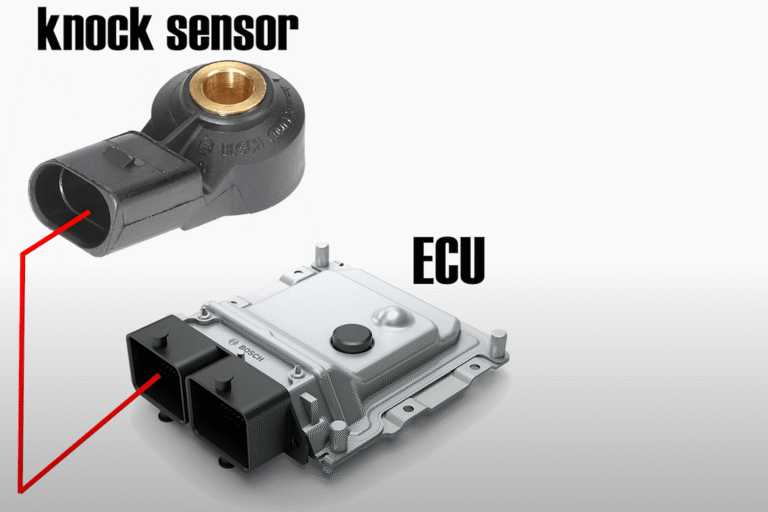
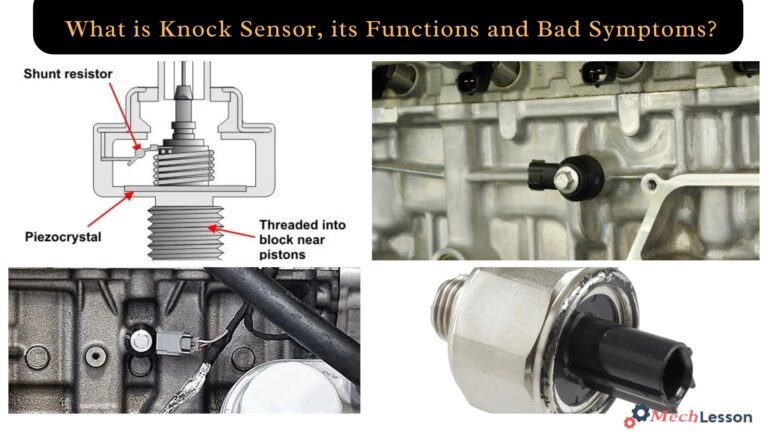
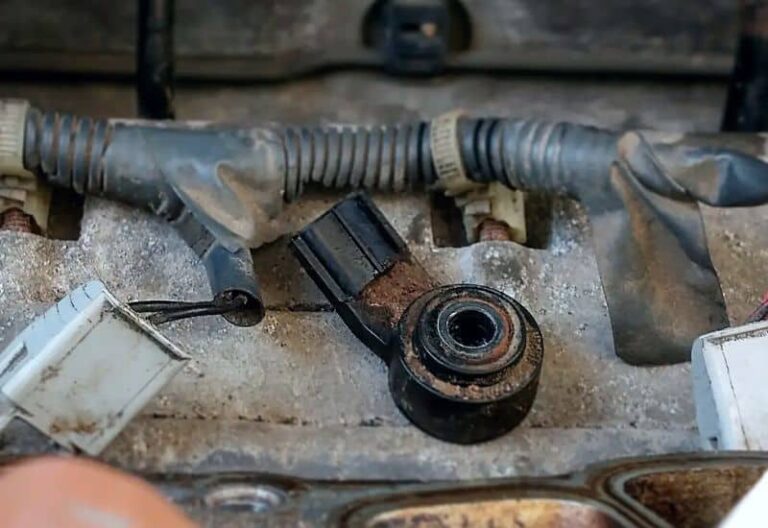
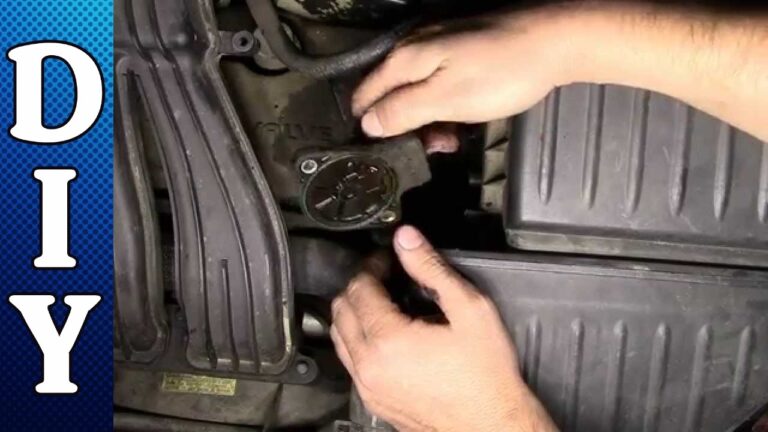
In the U.S., replacing a knock sensor commonly costs about $417 to $589, including typical parts and labor.
If you are wondering how much to replace a knock sensor on a vehicle in the United States, the final bill depends heavily on the make, model, engine layout, sensor location, labor rate, and whether additional diagnosis or repairs are needed. A current RepairPal estimate places average knock sensor replacement at about $417 to $589, with approximately $126 to $161 for parts and $291 to $427 for labor. Taxes, fees, location differences, and related repairs can increase the final price.
A knock sensor problem does not always mean the sensor itself has failed. Wiring, connectors, engine conditions, or the powertrain control module can also cause knock-sensor-related trouble codes. A proper diagnosis before replacing the part can prevent paying for a sensor that was not the real cause of the problem.
Source: www.pinterest.com
How Much Does It Cost to Replace a Knock Sensor?
For a broad U.S. estimate, knock sensor replacement commonly falls around $417 to $589 when parts and labor are included. Current cost data separates that estimate into roughly $126 to $161 for the sensor and $291 to $427 for labor. These figures are estimates rather than a guaranteed price for every vehicle.
Vehicle design can make a major difference. For example, current estimates for a Hyundai Elantra are about $232 to $310, while a Nissan Sentra is estimated at about $467 to $709. A Toyota Tundra is estimated at about $574 to $916. These differences show why the vehicle year, engine, and sensor location matter more than the sensor price alone.
The quoted figures generally do not include taxes and fees. A repair shop may also charge separately for diagnostic work, wiring repairs, replacement connectors, or other repairs discovered during testing.
Source: tefllessons.com
Typical total
A broad current U.S. estimate is about $417 to $589 for parts and labor before applicable taxes and fees.
Parts
The knock sensor itself may represent a relatively small portion of the total bill, with current broad estimates around $126 to $161.
Labor
Labor can be the largest part of the bill because sensor access varies significantly between engines.
Additional costs
Diagnosis, wiring repairs, connectors, taxes, shop fees, and related repairs can raise the final invoice.
Why Can Knock Sensor Replacement Be Expensive?
The sensor is often inexpensive compared with the labor required to reach it. Some engines place the knock sensor in an accessible location, while others position sensors beneath intake components or in other areas that require additional disassembly.
A shop may also need to diagnose the vehicle before replacing the sensor. That work helps determine whether the fault comes from the sensor itself or from its electrical circuit or another engine problem.
Difficult access
A hidden sensor can require substantially more labor than an easily accessible sensor.
Multiple sensors
Some engines use more than one knock sensor, which can affect both diagnosis and repair requirements.
Electrical faults
Damaged wiring or connectors may need repair instead of, or in addition to, sensor replacement.
What Determines the Knock Sensor Replacement Cost?
The biggest price differences usually come from the vehicle and the amount of labor required. A newer vehicle does not automatically cost more to repair, and an inexpensive sensor does not guarantee an inexpensive repair.
Local labor rates also affect the estimate. A dealership, independent repair shop, and mobile mechanic may use different labor rates and pricing methods. The best comparison is a complete written estimate that separates diagnosis, parts, labor, taxes, and additional work.
Source: eslbuzz.com
Vehicle make and model
Different vehicles use different sensor designs and have different service procedures.
Engine configuration
Engine size and layout can determine how accessible the sensor is.
Sensor location
A sensor that requires component removal can create a much larger labor charge.
Number of sensors
Some engines have multiple knock sensors, so the repair may involve more than one component.
Shop labor rate
Labor pricing varies by shop and geographic market.
Related repairs
Wiring, connectors, overheating, fuel-system problems, or other faults can change the final repair cost.
Parts Cost Versus Labor Cost
Do not judge a knock sensor repair by the price of the replacement sensor alone. Current broad estimates show that labor can cost considerably more than the part. This is especially common when the sensor is difficult to access.
Ask the shop to explain how much of the estimate is diagnosis, parts, and labor. That breakdown makes it easier to compare estimates from different repair facilities.
Low parts price does not mean low repair price
An affordable sensor can still require extensive labor to reach and replace.
Compare complete estimates
A lower sensor price may not produce a lower total bill if another shop charges more labor.
Should You Pay for a Diagnosis Before Replacing the Sensor?
Usually, yes. A diagnostic trouble code can identify a knock sensor circuit problem without proving that the sensor itself has failed. For example, knock sensor codes can also be associated with open or shorted wiring, poor electrical connections, overheating, fuel-related problems, or other faults.
A proper diagnostic process normally starts by confirming the stored code and inspecting the sensor, wiring, and connectors. Depending on the vehicle and code, the technician may perform electrical tests or use live data and other diagnostic equipment before deciding what to replace.
Paying for diagnosis can therefore save money when it prevents an unnecessary sensor replacement. If a shop recommends a sensor solely because a code was stored, ask what testing confirmed the sensor has failed.
Source: clickonenglish.blogspot.com
Confirm the trouble code
Record the exact OBD-II code rather than relying only on the Check Engine Light.
Inspect the circuit
The sensor wiring, connectors, and electrical connections should be checked for faults.
Check related conditions
Engine overheating, fuel problems, and other mechanical or control-system issues can sometimes produce related symptoms or codes.
Retest after repair
The system should be checked again after the repair to confirm that the fault has been corrected.
What Are the Signs of a Bad Knock Sensor?
A failed knock sensor or knock sensor circuit can trigger the Check Engine Light. Depending on the vehicle and the underlying fault, drivers may also notice reduced engine performance, hesitation, reduced fuel economy, or engine pinging or knocking.
Symptoms alone cannot identify the failed component. A similar complaint can come from fuel, ignition, cooling, wiring, or other engine-control problems. That is why the diagnostic code and test results matter when deciding whether the sensor should be replaced.
Source: simplrenglish.com
Check Engine Light
A knock sensor circuit fault can illuminate the Check Engine Light and store a diagnostic trouble code.
Reduced performance
Some vehicles may reduce engine performance when the knock-control system cannot receive reliable sensor information.
Pinging or knocking
Engine pinging can occur with some knock-control problems, although the noise itself does not prove the sensor is bad.
Reduced fuel economy
Some knock-control faults can affect engine control and fuel efficiency, but other mechanical problems can cause the same symptom.
Do Not Assume Every Knock Sensor Code Means a Bad Sensor
A code such as P0328 identifies a fault involving the knock sensor circuit, but several conditions can produce that code. Wiring faults, connector problems, engine operating conditions, and control-module issues may need to be considered.
Replacing the sensor without checking the circuit can result in paying for a repair that does not correct the problem. The exact diagnostic procedure depends on the vehicle manufacturer’s service information.
Code is evidence, not a diagnosis
An OBD-II code narrows the problem area but does not always identify the failed physical component.
Follow vehicle-specific testing
The correct electrical values and testing procedure depend on the specific vehicle.
How to Tell If a Knock Sensor Repair Estimate Is Reasonable
Start by asking for an itemized estimate. It should identify the diagnostic charge, replacement sensor, labor, taxes or fees, and any additional work. A vague total makes it difficult to compare shops or understand why the repair costs more than expected.
Next, compare the estimate with vehicle-specific cost information rather than a generic online average. Current published estimates show large differences between models, including significant differences in labor. A quote that looks high against a general average may still be reasonable if the sensor is difficult to access.
If two shops give very different totals, ask whether they are quoting the same repair procedure and part quality. Also confirm whether one estimate includes diagnosis or related repairs that the other does not.
Source: blogdevaleriag.blogspot.com
Request an itemized quote
Ask for separate prices for diagnosis, parts, labor, and additional repairs.
Confirm the exact vehicle
Provide the model year, engine, and trim when requesting an estimate.
Ask what caused the diagnosis
Find out which tests showed that the knock sensor itself needs replacement.
Compare equivalent estimates
Make sure different shops are quoting the same parts, labor scope, and related work.
Can You Replace a Knock Sensor Yourself?
A mechanically experienced vehicle owner may be able to replace an accessible knock sensor, but the difficulty varies widely. The replacement itself may involve removing a connector, removing the old sensor, installing the new sensor correctly, and following the manufacturer’s torque and service requirements.
The larger challenge is diagnosis. If the original problem is wiring, a connector, or another engine condition, installing a new sensor will not necessarily solve it. Some sensors are also located where access requires removal of other components.
Before attempting the repair, consult the service information for the exact vehicle. Disconnecting components or working around hot engine parts can create injury or vehicle-damage risks. If the repair requires extensive disassembly or specialized diagnostic equipment, professional service is the safer choice.
Source: en.islcollective.com
Reasonable DIY candidate
An experienced owner with the correct tools and an easily accessible sensor may be able to perform the replacement.
Professional service recommended
Use a qualified technician when diagnosis is uncertain, access is difficult, or specialized testing is required.
Use the correct torque
Knock sensors are sensitive components, so installation should follow the vehicle manufacturer’s specified procedure.
Is It Worth Replacing a Knock Sensor?
Replacing a confirmed failed knock sensor is generally more sensible than ignoring a persistent knock-control fault. The knock-control system helps the engine computer respond to combustion knock, so a malfunction can affect engine operation and may reduce the vehicle’s ability to manage abnormal combustion correctly.
The economic decision is different when the vehicle has other major problems or a very high repair estimate. Compare the knock sensor repair with the vehicle’s condition, age, mileage, market value, and other known repair needs. A few hundred dollars for a confirmed repair can be reasonable, while a much larger bill may deserve a second opinion.
Do not approve additional work simply because it appears alongside a knock sensor code. Ask which repairs are necessary to correct the diagnosed fault and which are recommended maintenance or separate problems.
Source: englishgrammar.cafe
Repair makes sense
A confirmed failed sensor or circuit that affects engine operation is usually worth addressing when the vehicle is otherwise in suitable condition.
Get a second opinion
Consider another diagnostic opinion when the estimate is unusually high or the proposed repair is not supported by clear testing.
Separate necessary work
Ask the shop to distinguish the repair required for the knock sensor fault from unrelated maintenance recommendations.
Frequently Asked Questions
Q
How much does it cost to replace a knock sensor?
A broad current U.S. estimate is about $417 to $589 for knock sensor replacement, including typical parts and labor. Actual prices vary substantially by vehicle, location, sensor accessibility, and related repairs.
Q
Why is knock sensor labor so expensive?
Labor can exceed the sensor price because some knock sensors are difficult to access. The technician may need to remove other components before reaching the sensor, increasing the labor time.
Q
Can a knock sensor code be caused by wiring?
Yes. A knock sensor-related code can result from damaged wiring, an open or shorted circuit, poor connector contact, or other electrical problems. The sensor should be tested before replacement is approved.
Q
How long can you drive with a bad knock sensor?
The answer depends on the vehicle and the underlying fault. Some vehicles can enter a protective operating strategy, but persistent knock-control problems should be diagnosed promptly, especially if the engine is actually knocking, overheating, losing significant power, or running poorly.
Q
Is replacing a knock sensor difficult?
Difficulty ranges from relatively straightforward to labor-intensive. The sensor’s location and the components surrounding it determine how much disassembly is required, while proper diagnosis may require electrical testing or scan-tool data.
Q
Should I replace the knock sensor if the Check Engine Light shows a knock sensor code?
Not automatically. The code identifies a problem area but does not always prove that the sensor has failed. Have the sensor circuit, wiring, connectors, and relevant engine conditions checked before replacing the part.
✦ Wrapping Up
Conclusion
If you are trying to determine how much to replace a knock sensor, a useful U.S. starting point is roughly $417 to $589 for parts and labor. However, vehicle-specific estimates can be far lower or higher because labor access, engine design, sensor count, local rates, and related repairs have a major effect on the total.
The most cost-effective approach is to confirm the fault before buying the part. Ask for an itemized estimate, verify that the sensor itself has been tested, and compare equivalent quotes if the price seems unusually high.
💡 Key Takeaway
Before approving a knock sensor replacement, get the exact diagnostic code, request an itemized vehicle-specific estimate, and confirm whether the sensor or its wiring has been proven faulty.
Ethan Brooks is an automotive writer at Auto News 7, covering car news, vehicle maintenance, new model updates, recalls, and practical buying guides. He focuses on clear, useful information that helps drivers understand their vehicles and make better ownership decisions.
Can a bad crankshaft sensor cause misfire? Learn how a faulty crankshaft position sensor can disrupt engine timing, trigger misfires, and cause stalling.
Learn how to rewire a camshaft position sensor safely. Follow step-by-step instructions, wiring checks, troubleshooting tips, and common repair mistakes.
Learn what type of sensor is a knock sensor, how it works, the technology behind it, and why it is essential for modern vehicle engine protection and performance.
Learn whether a bad knock sensor can cause power loss, how it affects engine timing, common symptoms, diagnostic steps, and when replacement is necessary.
Learn what happens when a knock sensor goes bad, including common symptoms, engine performance issues, diagnostic trouble codes, and whether it is safe to keep driving.
Learn how to replace camshaft position sensor PT Cruiser models with this detailed step-by-step guide. Find symptoms, tools needed, replacement steps, troubleshooting tips, and common mistakes to avoid.