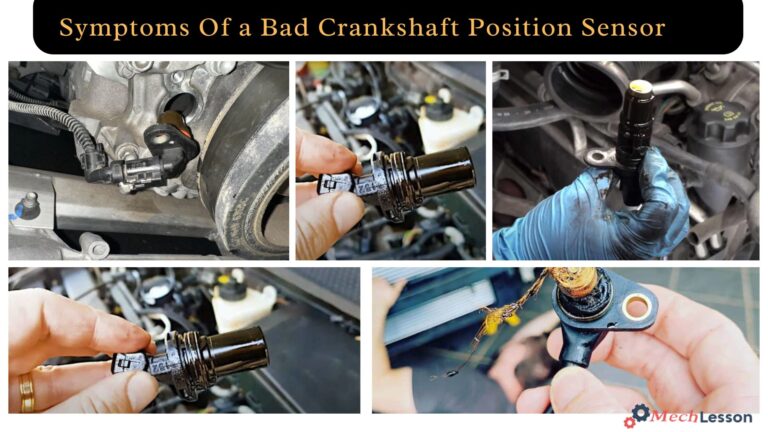
Yes, a faulty crankshaft sensor can affect RPM readings and engine operation because it provides the ECU with crankshaft speed and position data.
For drivers in the United States, the crankshaft position sensor is a key part of modern electronic engine management. It monitors the crankshaft as it rotates and sends speed and position information to the engine control unit, or ECU. The ECU uses that information to coordinate fuel injection and ignition timing.
So, does crankshaft sensor affect RPM? It can, but the exact symptom depends on how the sensor or its circuit fails. A weak, intermittent, or missing signal can cause an inaccurate or unstable RPM reading, difficult starting, stalling, misfires, hesitation, or a complete no-start condition. A problem with the sensor does not physically control the crankshaft’s speed; instead, it can disrupt the information the vehicle uses to measure and manage engine speed.
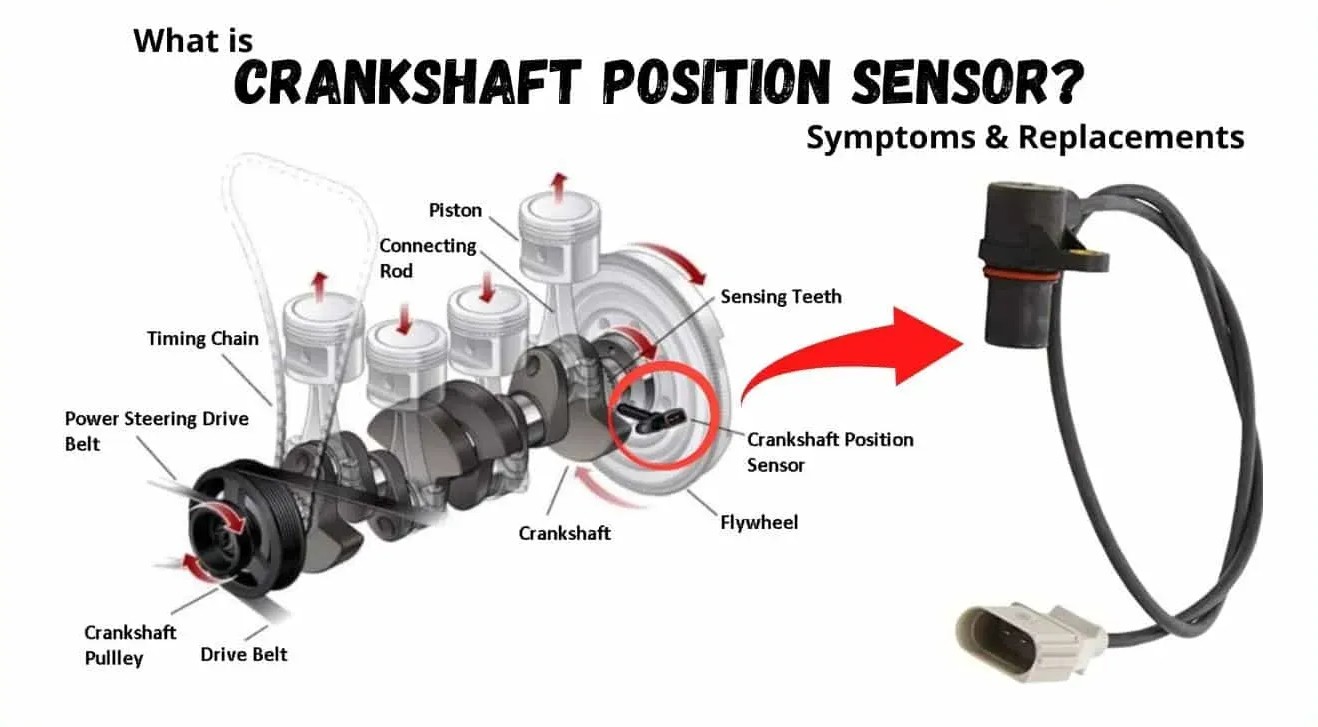
Source: ar.inspiredpencil.com
Does a Crankshaft Sensor Affect RPM?
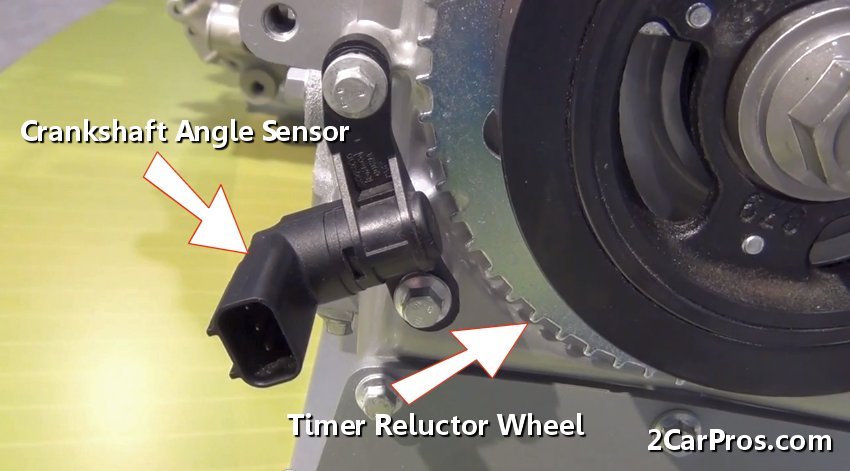
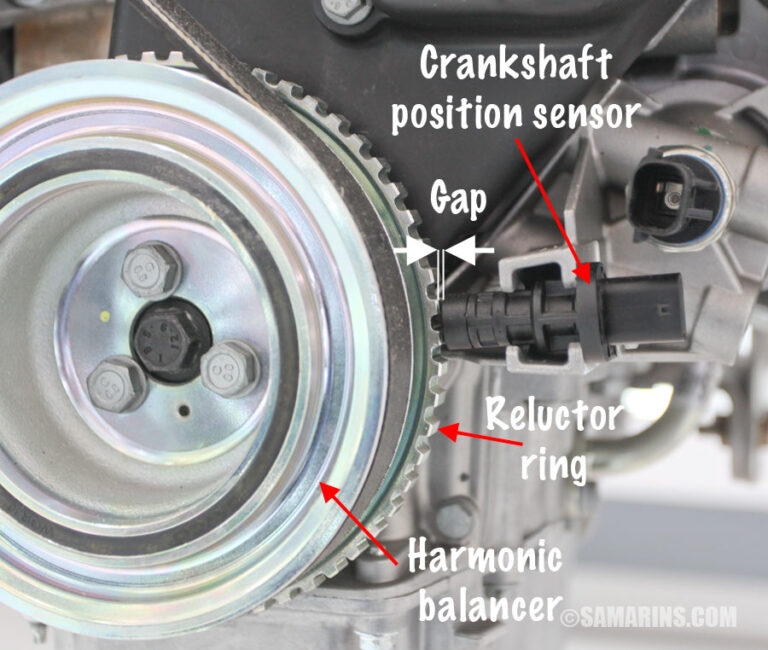
Yes. The crankshaft position sensor can affect the RPM information shown to the driver and the RPM data used by the ECU. The sensor detects the movement of a toothed wheel, reluctor, or similar target attached to the crankshaft. The ECU uses the timing of those signals to determine how quickly the crankshaft is rotating.
The important distinction is that the sensor does not mechanically change the crankshaft speed. Instead, it measures and reports crankshaft movement. If its signal becomes unreliable, the ECU may lose accurate information about engine speed and position. That can then interfere with ignition, fuel injection, idle control, and other engine-management functions.
Because RPM means revolutions per minute, it is fundamentally a measurement of rotational speed. The crankshaft sensor is one of the primary sources of that speed information in many modern vehicles.
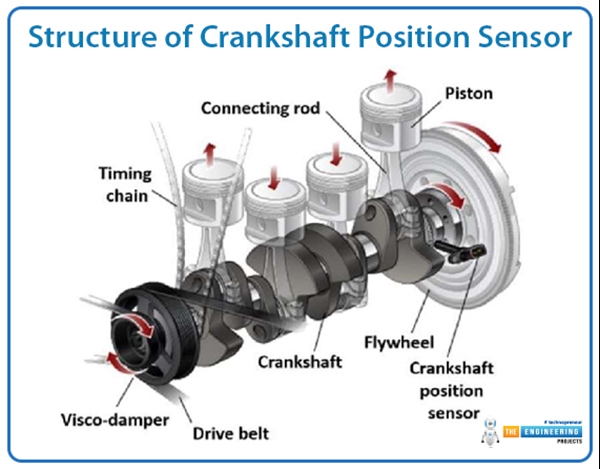
Source: theengineeringprojects.com
Normal sensor
The sensor produces a usable signal that allows the ECU to calculate crankshaft position and speed.
Weak or intermittent signal
The ECU may receive inconsistent information, which can contribute to unstable engine operation or an intermittent RPM reading.
Missing signal
Many vehicles cannot properly control the engine without a crankshaft speed signal, so the engine may stall or fail to start.
What Does the Crankshaft Position Sensor Measure?
The crankshaft position sensor measures the crankshaft’s rotational position and speed. As the crankshaft turns, a target wheel passes the sensor and creates a changing electrical signal. The ECU interprets the signal to determine where the crankshaft is in its rotation and how quickly it is turning.
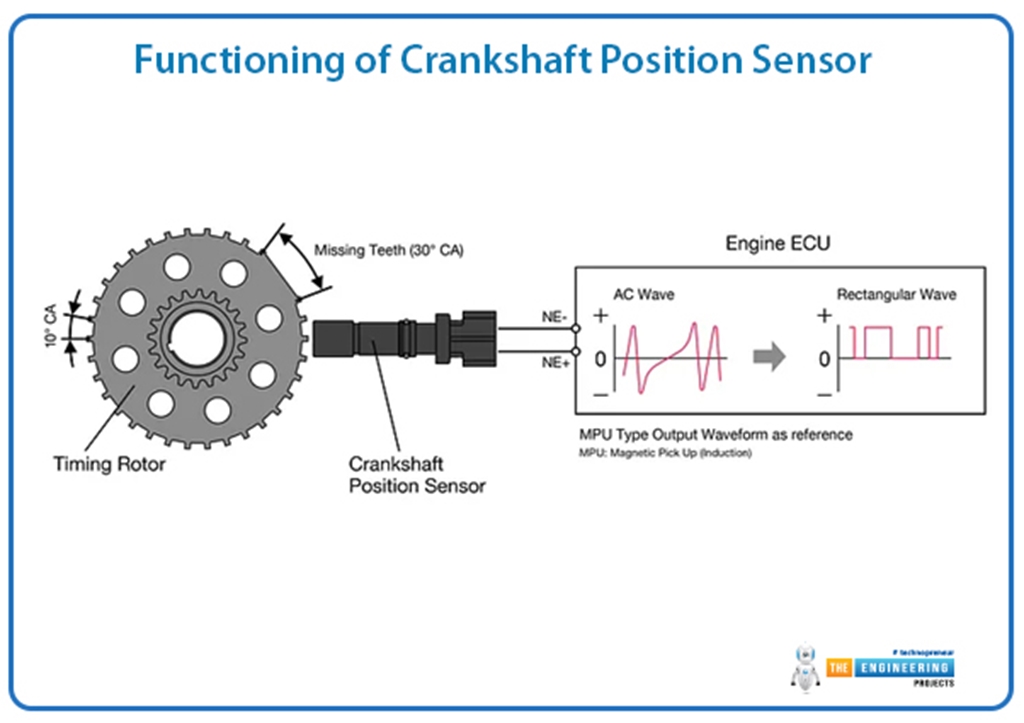
Depending on the vehicle, the sensor may use an inductive or Hall-effect operating principle. These designs produce different types of electrical signals, so they must be tested according to the vehicle manufacturer’s specifications.
Crankshaft position
The signal helps the ECU determine the crankshaft’s position during the engine cycle.
Engine speed
The rate at which the signal changes allows the ECU to calculate crankshaft rotational speed.
Timing information
The ECU uses crankshaft information with other engine data to coordinate fuel injection and ignition.
How the Crankshaft Sensor Connects to RPM
The connection between the crankshaft sensor and RPM is direct at the measurement level. The sensor watches a rotating target connected to the crankshaft. As the target passes the sensor, it produces a sequence of electrical events. The ECU measures the timing between those events and uses that information to calculate rotational speed.
For example, if the crankshaft rotates faster, the sensor signal changes more rapidly. The ECU interprets the increased signal frequency as higher engine speed. When the crankshaft slows, the signal changes more slowly and the calculated RPM decreases.
The dashboard tachometer may receive RPM information from the vehicle’s electronic control system rather than measuring the crankshaft independently. This means a sensor or signal problem can sometimes appear as an RPM gauge problem even when the mechanical engine speed itself has not changed in the same way.
Source: ar.inspiredpencil.com
Crankshaft rotates
The engine’s pistons and connecting rods drive the crankshaft around its axis.
Target passes the sensor
Teeth, gaps, or other reference features on the target create a changing signal.
ECU calculates speed
The ECU analyzes the signal timing to determine crankshaft speed and position.
RPM becomes available
The calculated engine-speed information can be used for engine control and, depending on the vehicle, displayed on the tachometer.
Can a Bad Crank Sensor Cause Low RPM?
A bad crankshaft sensor can be associated with low or unstable RPM, but it is not accurate to say that the sensor always causes the engine itself to run at a specific lower RPM. A faulty signal can make engine control unstable or cause the ECU to lose synchronization with the crankshaft.
If the engine actually runs at a low idle, other problems can also be responsible. Possible causes include an air or vacuum problem, throttle-control issue, fuel-delivery problem, ignition fault, or another sensor or control-system problem. The crankshaft sensor should therefore be diagnosed rather than replaced solely because the RPM is low.
Low displayed RPM
An incorrect engine-speed signal can make the tachometer or scan data appear abnormal.
Low actual RPM
A true low idle can have many causes, so the crankshaft sensor is only one possible source.
Stalling
A severe loss of crankshaft signal can prevent the ECU from maintaining proper engine control.
Symptoms of a Crankshaft Sensor Problem
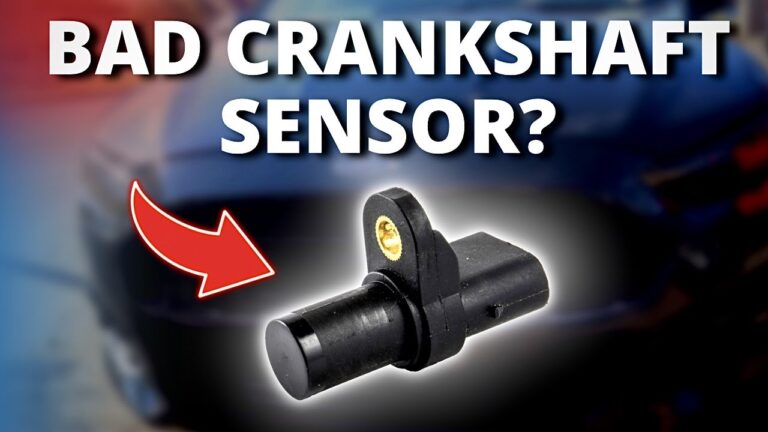
A crankshaft sensor fault can produce several symptoms because the ECU relies on its signal for engine speed and position information. The symptoms vary by vehicle and by whether the sensor has a complete failure, an intermittent fault, a wiring problem, or a problem with the crankshaft target wheel.
A vehicle with a failing sensor may still start and drive normally at times. That intermittent behavior can make diagnosis more difficult. Heat, vibration, damaged wiring, contamination, or an electrical connection problem can cause a signal to fail only under certain conditions.
Source: testbook.com
Erratic RPM
The RPM reading may fluctuate unexpectedly or behave differently from the actual engine operation.
Hard starting
The ECU may struggle to establish the crankshaft position and speed needed for proper engine control.
No-start condition
A complete loss of the crankshaft speed signal can prevent some engines from starting.
Stalling
An intermittent or lost signal can cause the engine to stop unexpectedly.
Misfires or hesitation
Incorrect crankshaft information can interfere with the timing of ignition and fuel delivery.
Check engine light
The ECU may store a diagnostic trouble code when it detects a crankshaft position or signal problem.
Does a Bad Crankshaft Sensor Cause RPM to Drop to Zero?
It can. If the ECU loses the crankshaft speed signal, scan-tool RPM may fall to zero while the engine is cranking. On some vehicles, a sudden loss of the crankshaft signal can also cause the engine to stop running, making the tachometer drop toward zero as the engine stops.
However, an RPM reading of zero does not automatically prove that the crankshaft sensor is bad. A damaged connector, broken wire, electrical supply problem, faulty target wheel, or another control-system fault can also interrupt the signal.
Zero RPM during cranking
Check whether the scan tool is receiving a crankshaft speed signal while the starter turns the engine.
Zero RPM after stalling
The reading may simply reflect that the engine has stopped, so additional testing is needed.
Intermittent zero RPM
An intermittent electrical or sensor problem can cause the signal to disappear and return.
How to Diagnose a Crankshaft Sensor Affecting RPM
The best diagnosis starts with the vehicle’s stored trouble codes and live engine-speed data, then moves to the sensor circuit and signal when needed. Do not assume that a crankshaft-related trouble code means the sensor itself must be replaced.
For a no-start or intermittent condition, a scan tool can be particularly useful. Watch the RPM data while the engine is cranking. If the ECU shows no engine speed when the engine is clearly being turned by the starter, the crankshaft signal circuit deserves careful inspection.
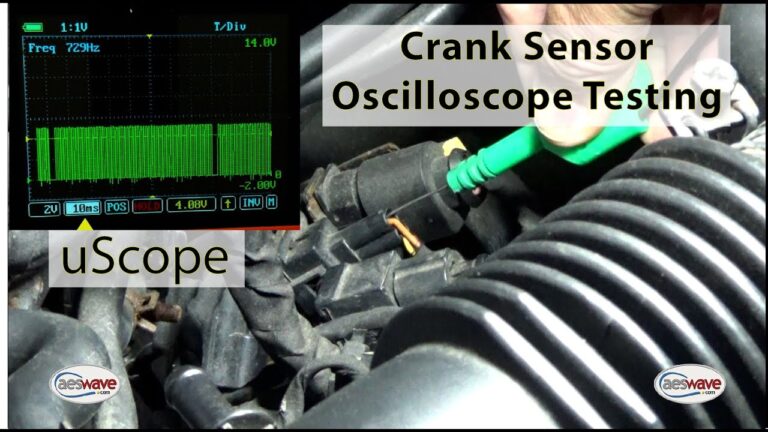
The exact testing procedure depends on the vehicle, sensor design, and manufacturer specifications. Some sensors can be evaluated with an oscilloscope, while resistance or voltage checks may be appropriate for particular designs. A test method that applies to one sensor type may be wrong for another.
Source: 2carpros.com
1. Scan for diagnostic trouble codes
Look for relevant engine-management codes, including crankshaft sensor codes such as P0335 where applicable.
2. Check live RPM during cranking
Use a compatible scan tool to see whether the ECU detects crankshaft speed while the starter turns the engine.
3. Inspect wiring and connectors
Look for damaged insulation, corrosion, loose terminals, broken wires, contamination, or other circuit problems.
4. Inspect the sensor and target wheel
Check for physical damage, contamination, incorrect clearance, or a damaged reluctor or timing target when the vehicle design permits inspection.
5. Test the electrical signal
Use the manufacturer-specified test procedure and equipment to verify the sensor output.
6. Confirm the repair
After repair, clear applicable codes if required, start the engine, and verify stable RPM and normal engine operation.
Why You Should Not Replace the Sensor Based on a Code Alone
A crankshaft sensor trouble code identifies a detected problem with the sensor signal or circuit, but it does not always identify the failed component. Wiring, connectors, the target wheel, power supply, signal interference, or the engine control unit can also contribute to a sensor-related fault.
A proper diagnosis compares the stored code with the vehicle’s symptoms and measured signals. This approach helps avoid replacing a functioning sensor when the real problem is in the wiring or another part of the system.
Code
Shows what the ECU detected and provides a useful starting point.
Live data
Shows whether the ECU is currently receiving usable engine-speed information.
Signal testing
Helps determine whether the sensor and circuit are producing the expected signal.
What Else Can Cause RPM Problems?
A changing or incorrect RPM reading does not automatically point to the crankshaft sensor. Engine speed depends on many systems, and a problem elsewhere can produce similar symptoms. A complete diagnosis should consider the engine’s actual behavior, scan data, and the vehicle’s specific fault codes.
If the engine is genuinely running too slowly, fluctuating at idle, or surging, the cause may be unrelated to the crankshaft sensor. The sensor should move higher on the diagnostic list when there is evidence of a missing or inconsistent crankshaft speed signal, especially during a no-start or intermittent stall.
Source: mechlesson.com
Battery or starter problems
Low cranking speed or inadequate electrical voltage can affect starting behavior and may complicate sensor diagnosis.
Wiring faults
An open circuit, short, poor connection, or damaged harness can interrupt the crankshaft signal.
Target wheel problems
A damaged or incorrectly positioned reluctor or timing target can produce an abnormal sensor signal.
Fuel or ignition faults
Problems with fuel delivery, injectors, ignition components, or related controls can cause rough running and RPM changes without a crankshaft sensor failure.
Throttle or air-control problems
Issues affecting airflow and idle control can cause actual RPM to rise, fall, or fluctuate.
Other engine sensors
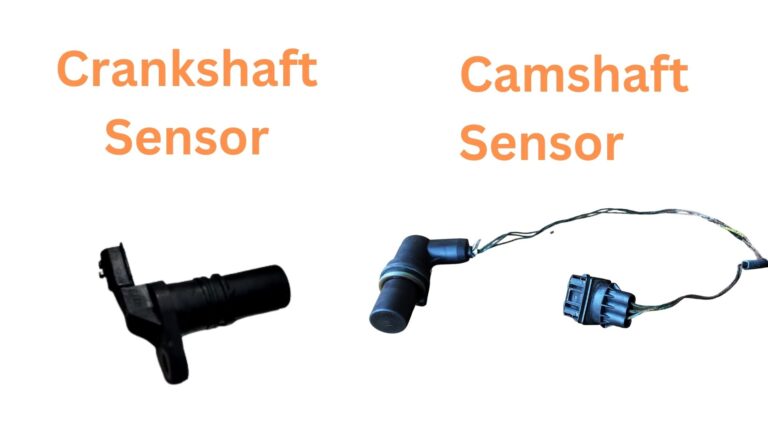
Camshaft, airflow, pressure, temperature, and other sensors can contribute to drivability problems that resemble crankshaft sensor symptoms.
Crankshaft Sensor vs. Tachometer Problem
A faulty tachometer or instrument-cluster circuit can produce an abnormal RPM display even when the engine and crankshaft sensor are working correctly. In contrast, a crankshaft sensor fault can affect both the RPM information and the engine’s ability to operate properly because the sensor signal is used by the ECU.
Comparing the dashboard RPM reading with scan-tool engine-speed data can help separate an instrument-display issue from an engine-speed signal problem. The exact diagnostic procedure varies by vehicle.
Dashboard abnormal, scan data normal
This pattern can point toward the instrument cluster, communication network, or display circuit rather than the crankshaft sensor.
Dashboard and scan data abnormal
This provides stronger reason to investigate the engine-speed signal and related systems.
Common Mistakes When Diagnosing RPM and Crankshaft Sensor Problems
The most common diagnostic mistake is treating the crankshaft sensor as the only possible cause of an RPM problem. The sensor is important, but the complete signal path includes the sensor, wiring, connector, target wheel, ECU, and the systems that use the calculated engine-speed information.
Another mistake is using a generic resistance test without confirming that the test applies to the specific sensor. Inductive and Hall-effect sensors operate differently, and manufacturer specifications should determine the correct diagnostic method.
Source: theengineeringprojects.com
Replacing the sensor immediately
A code or symptom should be followed by testing because wiring and target-wheel faults can create similar problems.
Ignoring the wiring
Heat, vibration, corrosion, abrasion, and damaged connectors can interrupt the sensor signal.
Using the wrong test procedure
Sensor designs differ, so a resistance, voltage, or waveform test must match the component and vehicle.
Assuming low RPM proves a sensor failure
Low actual engine speed can have many causes unrelated to the crankshaft position sensor.
Ignoring intermittent symptoms
A sensor or wiring fault may work normally at one temperature or engine speed and fail under different conditions.
When Professional Diagnosis Makes Sense
Professional help is appropriate when the vehicle stalls unexpectedly, will not start, has an intermittent crankshaft signal, or requires electrical and waveform testing beyond the tools available to the owner. A qualified technician can follow the manufacturer’s diagnostic procedure and verify the signal before replacing parts.
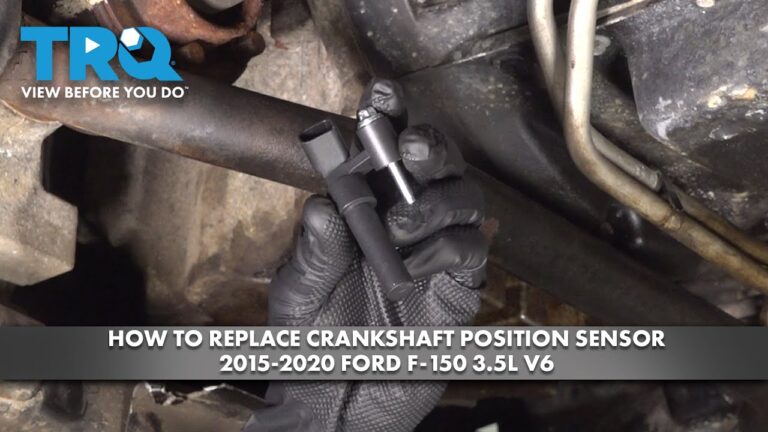
Work around a running engine also requires care. Keep hands, clothing, tools, and test equipment away from moving belts, pulleys, fans, and hot components. Follow the vehicle service manual for lifting, electrical testing, sensor removal, and any relearn procedure required after replacement.
No-start condition
Seek diagnosis when the engine cranks but does not start and crankshaft signal loss is suspected.
Unexpected stalling
An intermittent crankshaft signal can cause sudden loss of engine operation and should be investigated promptly.
Unclear electrical fault
Professional diagnostic equipment may be needed to evaluate signal waveforms and circuit integrity.
How to Tell If the Crankshaft Sensor Is Really Affecting RPM
The strongest evidence comes from comparing the symptoms with scan data and the sensor’s actual signal. If the ECU loses engine-speed data during cranking or the crankshaft signal becomes erratic at the same time the RPM information drops out, the sensor circuit becomes a strong diagnostic suspect.
The diagnosis becomes more reliable when the signal itself is tested and the wiring and target wheel are checked. A replacement should be considered after the testing supports a sensor fault rather than simply because the vehicle has an RPM symptom.
For U.S. drivers, the vehicle’s factory repair manual is the best source for model-specific sensor specifications, connector pinouts, sensor clearances, relearn procedures, and diagnostic steps. Specifications can differ substantially between engines, even when the sensors look similar.
Compare symptoms and scan data
Determine whether the ECU is seeing the same RPM behavior that appears on the dashboard.
Check for related codes
Use diagnostic trouble codes as evidence that guides testing rather than as automatic proof of a failed sensor.
Verify the signal
Use the correct manufacturer-specified equipment to evaluate the crankshaft sensor output.
Inspect the complete circuit
Check the sensor, connector, wiring, target wheel, and other related components before confirming the diagnosis.
Frequently Asked Questions
Q
Can a bad crankshaft sensor cause fluctuating RPM?
Yes, an intermittent or unreliable crankshaft sensor signal can contribute to unstable RPM information and unstable engine operation. However, fluctuating RPM can also result from fuel, ignition, air-control, wiring, or other engine-management problems.
Testing the crankshaft signal and comparing it with scan-tool RPM data can help determine whether the sensor is involved.
Q
Can a crankshaft sensor cause a car not to start?
Yes. Many modern engines depend on the crankshaft sensor for speed and position information needed to control ignition and fuel injection. If the ECU cannot obtain a usable crankshaft signal, the engine may crank without starting.
A no-start condition can have many other causes, so the sensor and its circuit should be tested rather than replaced automatically.
Q
Will a bad crankshaft sensor make the RPM gauge stop working?
It can, depending on the vehicle. If the dashboard receives engine-speed information derived from the crankshaft signal and that signal is lost, the tachometer may fall to zero or behave abnormally.
A gauge problem can also originate in the instrument cluster, wiring, or vehicle communication network, so the dashboard reading alone cannot identify the cause.
Q
What RPM should I see when starting an engine?
There is no single RPM value that applies to every vehicle because cranking speed depends on the engine, starter, battery condition, temperature, and other factors. The more useful diagnostic question is whether the ECU detects a stable crankshaft speed signal while the engine is cranking.
Use the vehicle manufacturer’s specifications when a precise cranking-speed value is required.
Q
Does a crankshaft sensor control engine speed?
The crankshaft sensor does not directly control the mechanical speed of the crankshaft. It measures crankshaft position and rotational speed and sends that information to the ECU.
The ECU uses this and other information to control functions such as fuel injection and ignition timing, which influence how the engine operates.
Q
Can I drive with a bad crankshaft position sensor?
Driving with a suspected crankshaft sensor fault can be risky because the engine may misfire, lose power, stall, or fail to restart. An intermittent problem can also become a complete signal failure without much warning.
If the vehicle is stalling or losing power unexpectedly, have the problem diagnosed rather than continuing to drive normally.
Q
Does replacing a crankshaft sensor always fix RPM problems?
No. Replacing the sensor only fixes an RPM-related problem when the sensor itself is the underlying fault. Damaged wiring, connectors, the crankshaft target wheel, electrical supply, or another engine-management component can produce similar symptoms.
A proper diagnosis should confirm that the sensor signal is defective before replacement.
✦ Wrapping Up
Conclusion
So, does crankshaft sensor affect RPM? Yes, it can. The crankshaft position sensor is a primary source of engine-speed and position information for the ECU, so a faulty or interrupted signal can cause abnormal RPM readings and serious drivability problems.
The sensor does not directly set the engine’s RPM. Instead, it tells the ECU how fast and where the crankshaft is rotating, allowing the ECU to coordinate engine functions. When RPM behaves strangely, check the complete signal path rather than assuming the sensor itself has failed.
For a reliable diagnosis, start with trouble codes and live RPM data, then inspect the wiring, connectors, target wheel, and sensor signal using the correct vehicle-specific procedure. If the engine stalls unexpectedly or will not start, professional diagnosis may be the safest and fastest option.
💡 Key Takeaway
If your RPM is erratic, drops to zero, or disappears during cranking, scan the vehicle for codes and check whether the ECU is receiving crankshaft speed data before replacing the sensor.
Ethan Brooks is an automotive writer at Auto News 7, covering car news, vehicle maintenance, new model updates, recalls, and practical buying guides. He focuses on clear, useful information that helps drivers understand their vehicles and make better ownership decisions.
Learn how to diagnose a bad crankshaft position sensor with symptoms, testing methods, scan tool checks, multimeter tests, and practical troubleshooting steps.
Learn whether camshaft and crankshaft sensors are the same, how they work, their differences, symptoms of failure, and when each sensor needs replacement.
Learn how to replace crankshaft position sensor Ford F150 models safely, including tools, access points, removal steps, installation tips, and troubleshooting.