A bad crankshaft position sensor is commonly diagnosed by checking symptoms, scanning for trouble codes, inspecting wiring, and testing sensor signals.
In the United States, crankshaft position sensor problems are a common cause of no-start conditions, engine stalling, and check engine lights in both domestic and imported vehicles. Diagnosing the issue correctly can prevent unnecessary replacement of ignition, fuel, or engine management components.
If you want to learn how to diagnose a bad crankshaft position sensor, start by identifying the symptoms, retrieving diagnostic trouble codes, inspecting the sensor and wiring, and confirming signal performance with appropriate testing equipment. A systematic approach helps separate a failed sensor from wiring faults, timing issues, or engine control module problems.
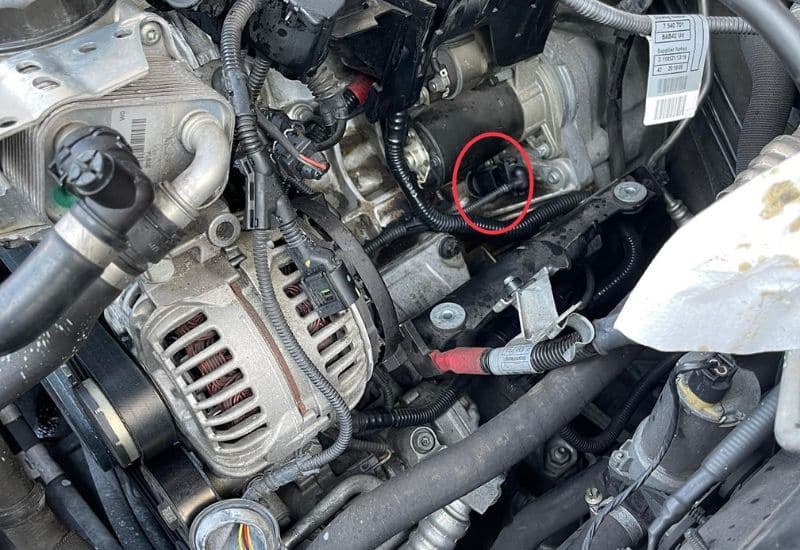
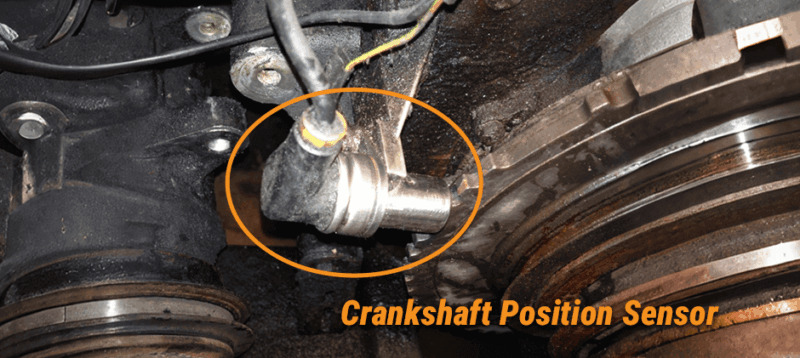
Source: mechlesson.com
What Does a Crankshaft Position Sensor Do?
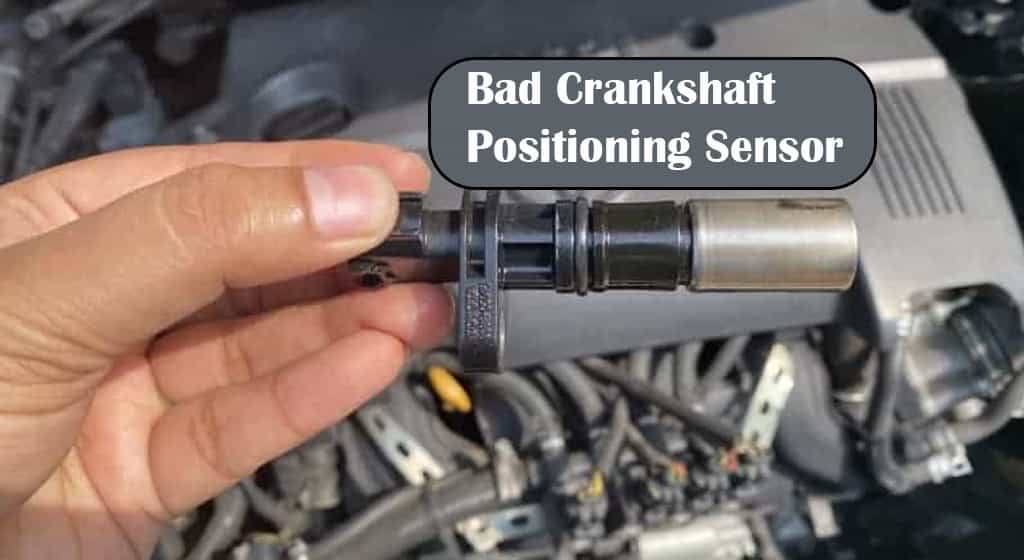
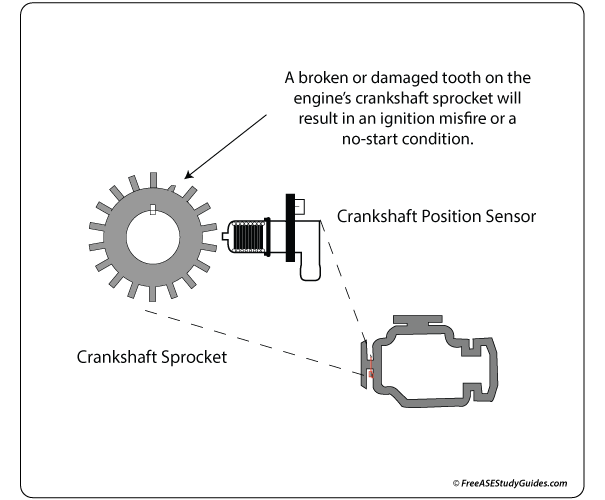
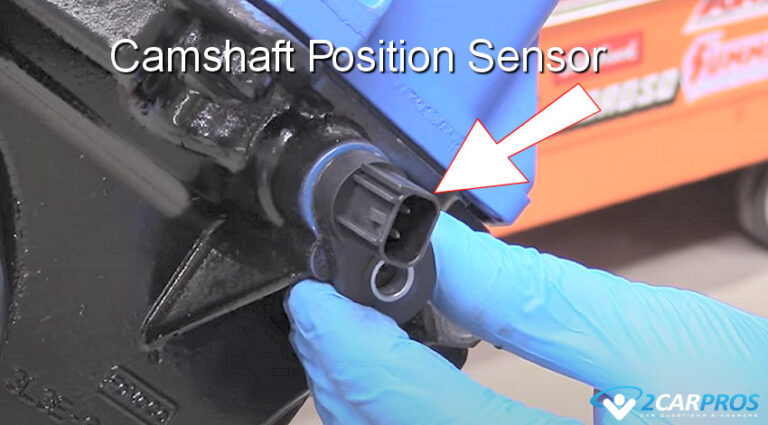
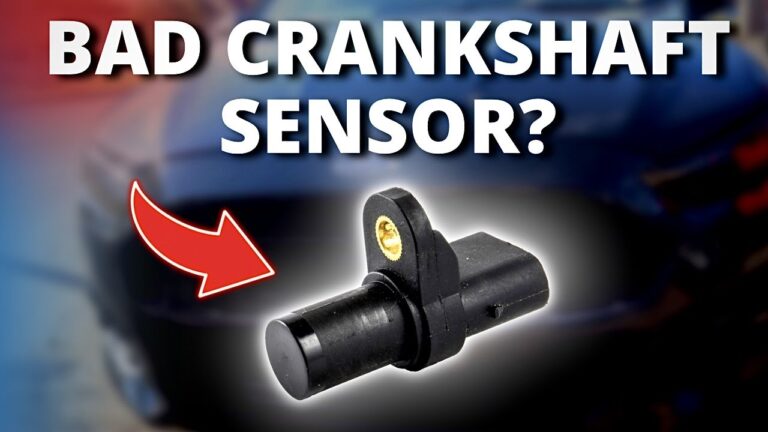
The crankshaft position sensor monitors crankshaft speed and position. The engine control module uses this information to control ignition timing, fuel injection timing, and engine synchronization.
When the sensor signal becomes inaccurate or disappears completely, the engine may run poorly, stall unexpectedly, or fail to start.
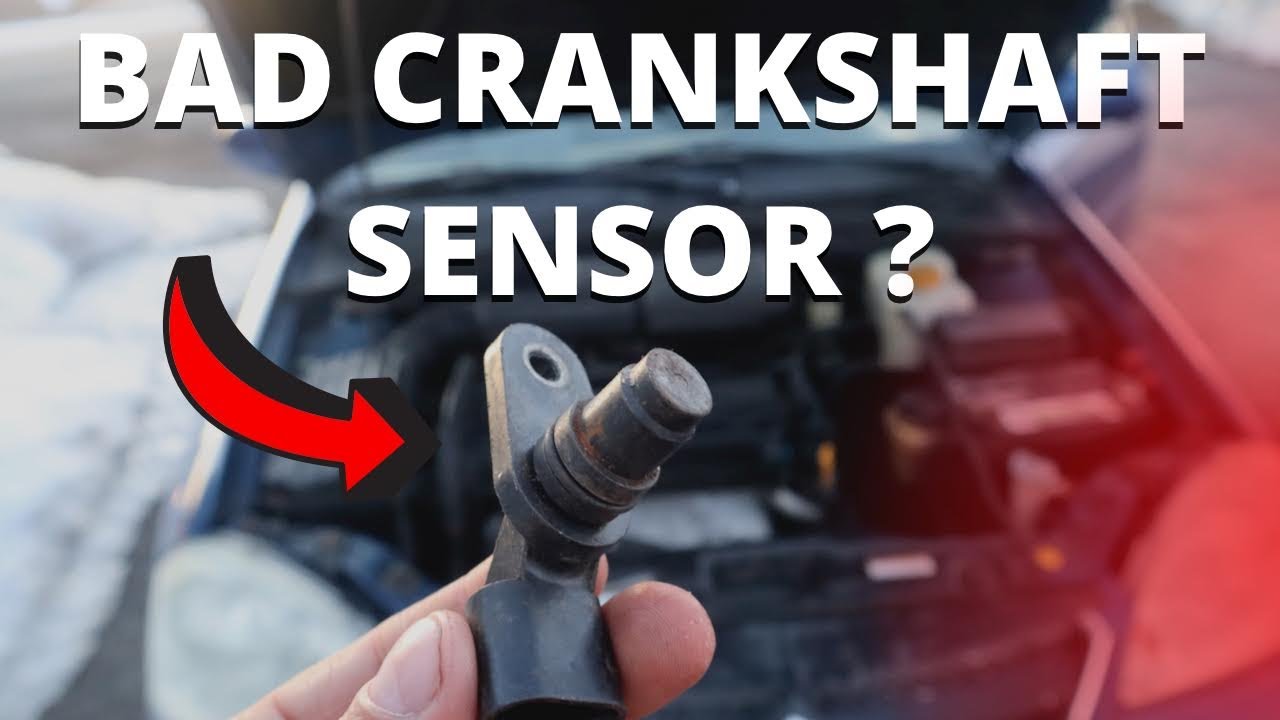
Source: mechanicsdiary.com
Measures crankshaft rotation
Tracks crankshaft speed and position in real time.
Supports ignition timing
Helps the engine computer determine when spark should occur.
Supports fuel delivery
Provides timing information for fuel injection events.
Why Accurate Sensor Data Matters
Without reliable crankshaft position information, the engine computer may not know when to trigger spark or inject fuel. This can result in poor performance or complete engine shutdown.
Engine synchronization
Keeps ignition and fuel events properly timed.
Common Symptoms of a Bad Crankshaft Position Sensor
Recognizing symptoms is the first step in how to diagnose a bad crankshaft position sensor. While these signs do not prove the sensor has failed, they provide important clues.
Several of these symptoms can also be caused by ignition, fuel system, or wiring problems, so further testing is necessary.
Source: mechstudies.com
Check engine light
The engine computer may store crankshaft sensor related fault codes.
Engine stalling
The vehicle may shut off unexpectedly while driving.
Hard starting
The engine may crank for an extended time before starting.
No-start condition
The engine cranks but never starts.
Misfires and hesitation
Incorrect timing information can affect engine performance.
Symptoms Versus Causes
A symptom points to a possible issue, but it is not a diagnosis. Always verify the sensor and related circuits before replacing parts.
Avoid guessing
Use testing data rather than symptoms alone.
Step-by-Step Process to Diagnose a Bad Crankshaft Position Sensor
The most reliable way to diagnose the sensor is to move from simple inspections to advanced testing. This prevents misdiagnosis and unnecessary repairs.
Gather an OBD2 scanner, basic hand tools, a digital multimeter, and the vehicle’s service information whenever possible.
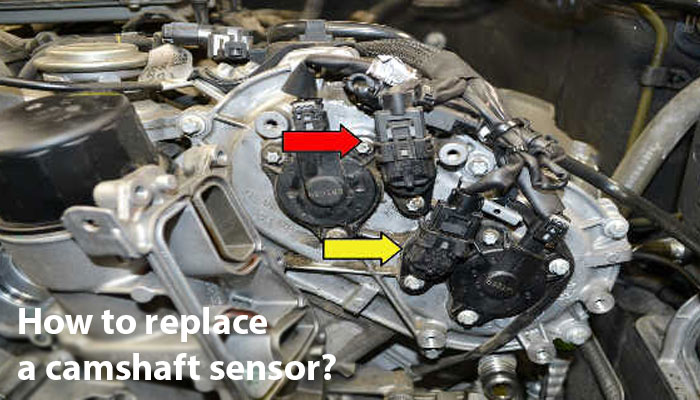
Source: storage.googleapis.com
Step 1
Scan the vehicle for diagnostic trouble codes.
Step 2
Inspect the sensor connector and wiring harness.
Step 3
Check for damaged insulation, corrosion, or loose terminals.
Step 4
Verify sensor power and ground if applicable.
Step 5
Test sensor output using a multimeter or oscilloscope.
Checking Diagnostic Trouble Codes
Codes such as P0335 and related crankshaft position sensor faults can help narrow the diagnosis. Record all codes before clearing them.
Save freeze-frame data
Operating conditions may reveal intermittent failures.
Inspecting the Sensor Physically
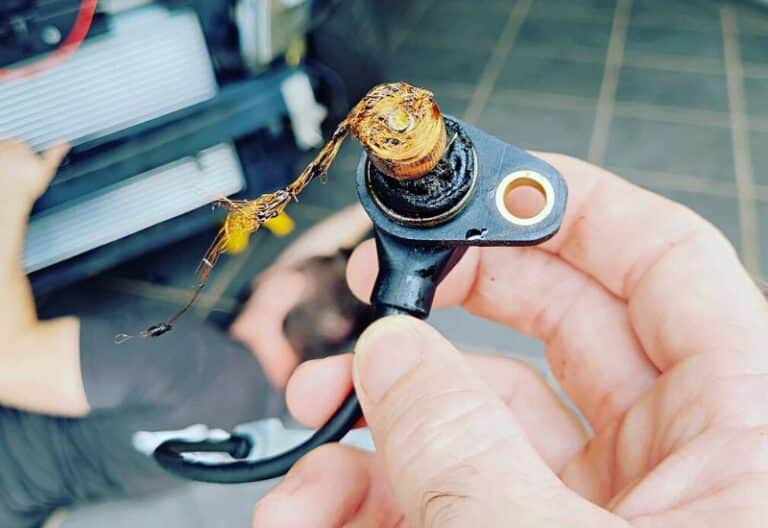
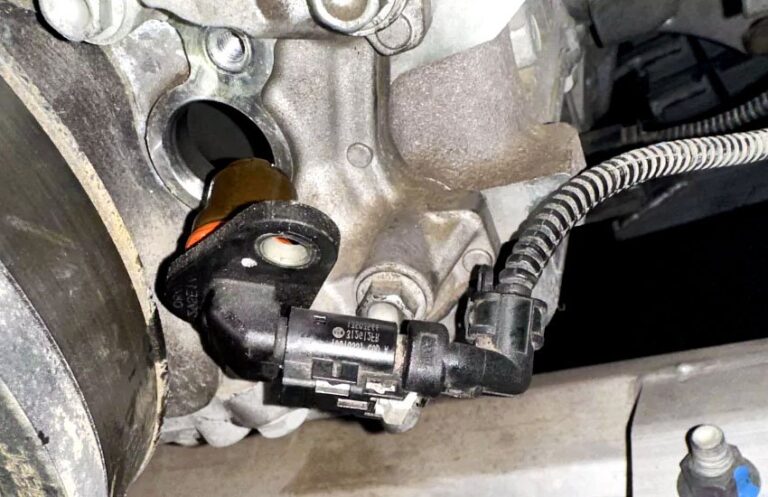
Look for oil contamination, physical damage, excessive debris on magnetic sensors, or loose mounting hardware.
Check mounting
Improper sensor spacing can affect signal quality.
Using Live Data and Electrical Testing
Live data can provide valuable evidence when diagnosing intermittent crankshaft position sensor failures. During cranking, many scan tools display engine RPM information derived from the sensor signal.
If RPM remains at zero while the engine cranks, the sensor or its circuit may not be providing a valid signal.
Source: freeasestudyguides.com
Observe RPM
Engine speed data can confirm sensor activity.
Measure resistance
Compare readings with manufacturer specifications.
Check voltage signals
Verify output during engine cranking.
When an Oscilloscope Helps
An oscilloscope provides the clearest view of sensor waveform quality. It can reveal dropouts, distortion, and intermittent failures that may not appear during resistance testing.
Waveform analysis
Useful for advanced diagnostics and intermittent faults.
Possible Causes That Can Mimic a Bad Sensor
A failed sensor is not the only reason a crankshaft position sensor fault may appear. Related mechanical and electrical issues can produce similar symptoms.
Verifying these possibilities reduces the risk of replacing a good sensor.
Source: mechanicsdiary.com
Damaged wiring
Broken wires can interrupt signal transmission.
Corroded connectors
Poor electrical contact can create intermittent faults.
Timing component issues
Mechanical timing problems can affect sensor readings.
ECM faults
Rarely, the engine computer may be involved.
Intermittent Heat-Related Failures
Some sensors operate normally when cold and fail after warming up. Reproducing the symptom under the same conditions can help confirm the diagnosis.
Hot restart issues
A common clue for an intermittently failing sensor.
Diagnostic Decision Table
Use the following logic when deciding whether the crankshaft position sensor is likely at fault.
Source: fridayparts.com
No RPM during cranking
Strongly suggests a missing crankshaft signal.
Visible wiring damage
Repair wiring before replacing the sensor.
Correct wiring but no output signal
The sensor may have failed.
Intermittent stalling with signal dropouts
Further waveform testing is recommended.
When to Seek Professional Help
Professional diagnosis is recommended when advanced equipment such as an oscilloscope is needed or when symptoms remain unresolved after basic testing.
Complex electrical faults
May require advanced diagnostic tools and procedures.
Common Mistakes to Avoid During Diagnosis
Many sensor replacements occur before basic inspections are completed. This can waste time and money.
Following a structured process improves accuracy and reduces unnecessary repairs.
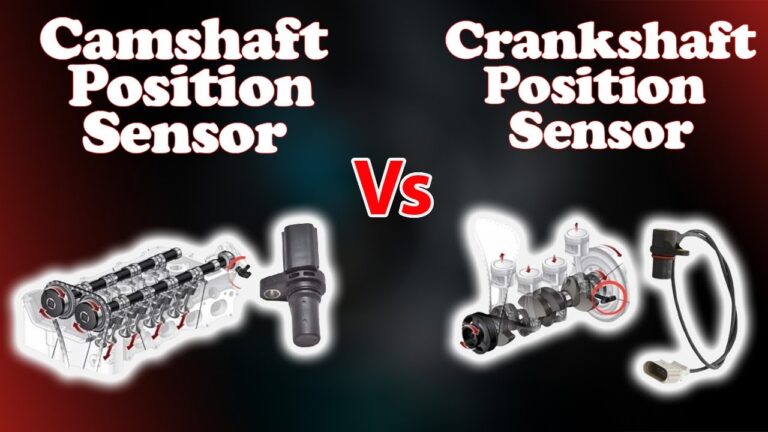
Source: youtube.com
Replacing parts without testing
Always verify the cause before purchasing components.
Ignoring wiring inspections
Harness damage is a common source of sensor-related faults.
Clearing codes too early
Stored data may contain valuable diagnostic information.
Focus on Evidence
The best approach to how to diagnose a bad crankshaft position sensor is to confirm symptoms with scan data and electrical testing rather than relying on assumptions.
Verify findings
Use multiple tests whenever possible.
Frequently Asked Questions
Q
Can a bad crankshaft position sensor cause a no-start condition?
Yes. If the engine computer cannot determine crankshaft position, it may not trigger spark or fuel injection correctly, preventing the engine from starting.
Q
Will a bad crankshaft position sensor always trigger a check engine light?
Not always. Some intermittent failures may occur before a fault code is stored, especially if the problem happens only under specific conditions.
Q
Can I test a crankshaft position sensor with a multimeter?
In many cases, yes. Resistance, voltage, and continuity tests can provide useful information, although waveform analysis is often more accurate.
Q
How long does it take to diagnose a crankshaft position sensor problem?
Basic inspections and code scans may take less than an hour. Complex intermittent faults can require additional testing time.
Q
Should I replace the sensor immediately if I see a crankshaft sensor code?
No. Inspect wiring, connectors, power supply, and signal quality first. Fault codes identify a circuit or system issue, not necessarily a failed component.
✦ Wrapping Up
Conclusion
Learning how to diagnose a bad crankshaft position sensor requires more than identifying symptoms. A reliable diagnosis combines fault-code retrieval, visual inspection, live data analysis, and electrical testing.
By following a structured troubleshooting process, you can determine whether the sensor, wiring, or another engine management issue is responsible for the problem.
💡 Key Takeaway
Start with an OBD2 scan, inspect the sensor and wiring carefully, then confirm the diagnosis with electrical and signal testing before replacing any parts.
Ethan Brooks is an automotive writer at Auto News 7, covering car news, vehicle maintenance, new model updates, recalls, and practical buying guides. He focuses on clear, useful information that helps drivers understand their vehicles and make better ownership decisions.
Learn whether camshaft sensors are interchangeable, how to identify compatible sensors, common mistakes to avoid, and how to choose the correct replacement for your vehicle.
Learn whether camshaft and crankshaft sensors are interchangeable, how they differ, common symptoms of failure, compatibility concerns, and the correct replacement approach.
Learn how to replace a crankshaft position sensor with a detailed step-by-step guide, tools list, troubleshooting tips, safety advice, and signs of a successful repair.
Learn whether camshaft and crankshaft sensors are the same, how they work, their differences, symptoms of failure, and when each sensor needs replacement.