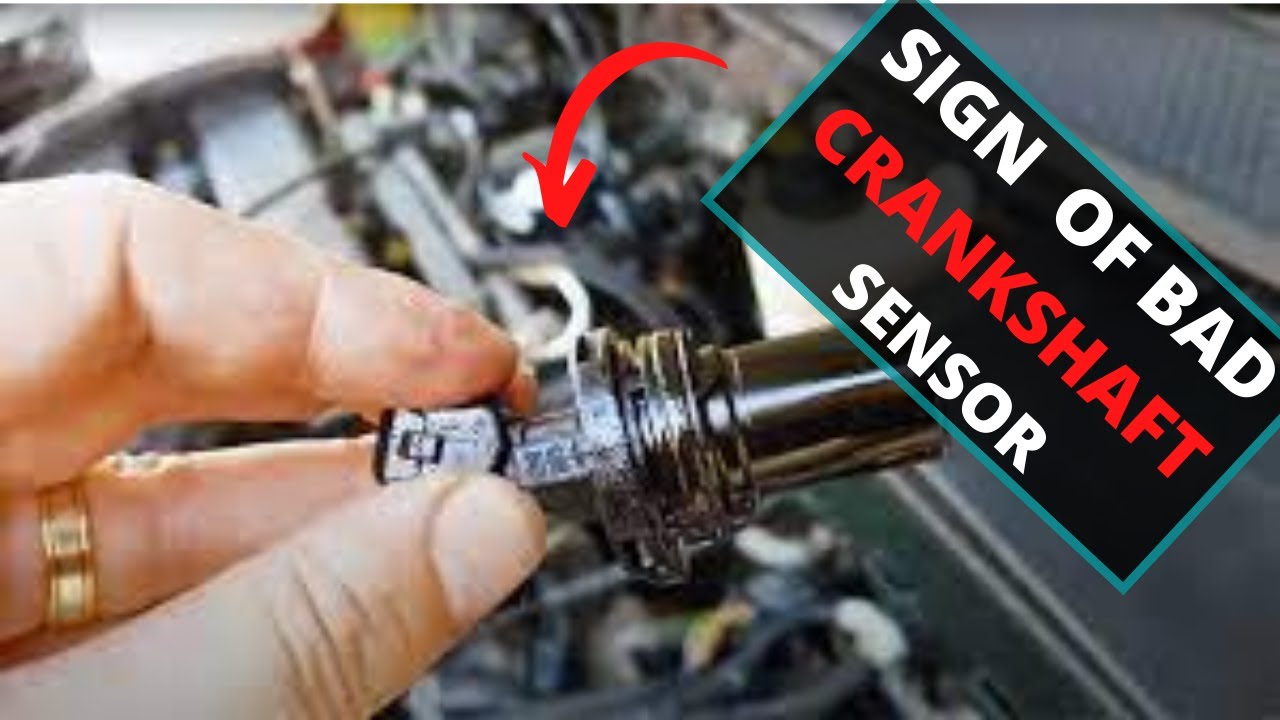
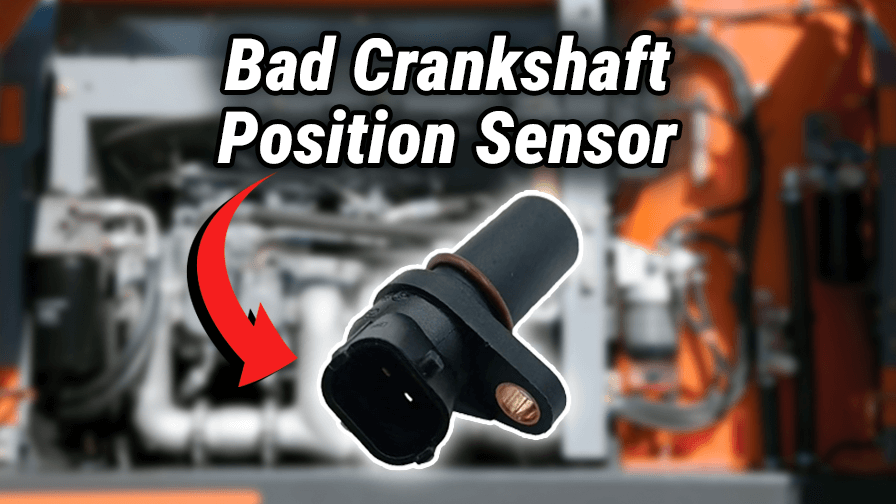
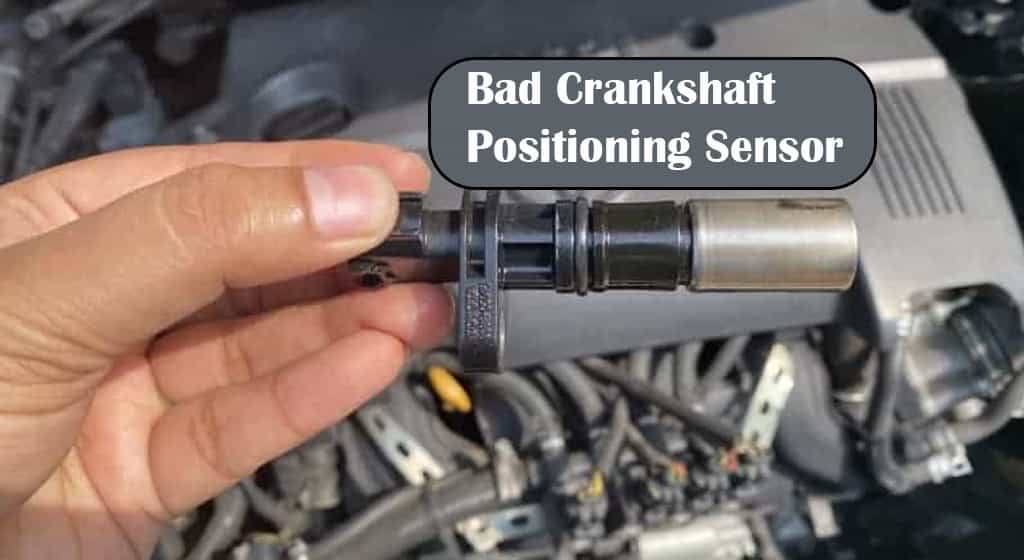
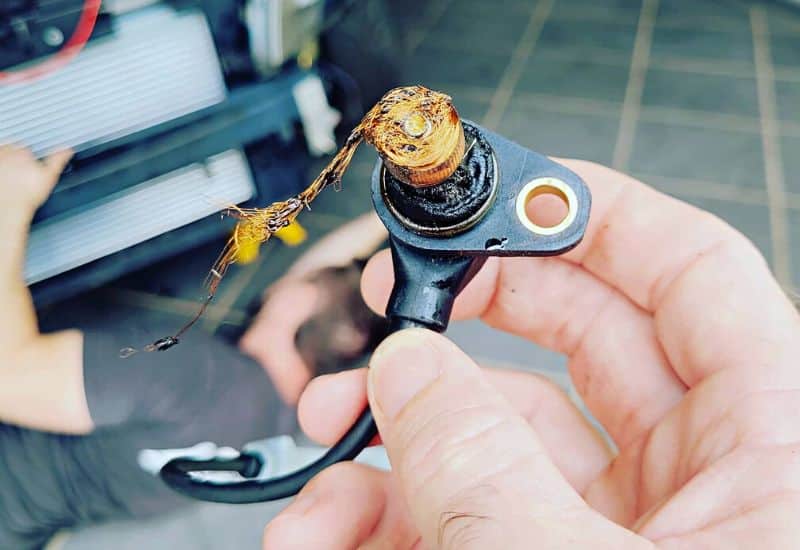
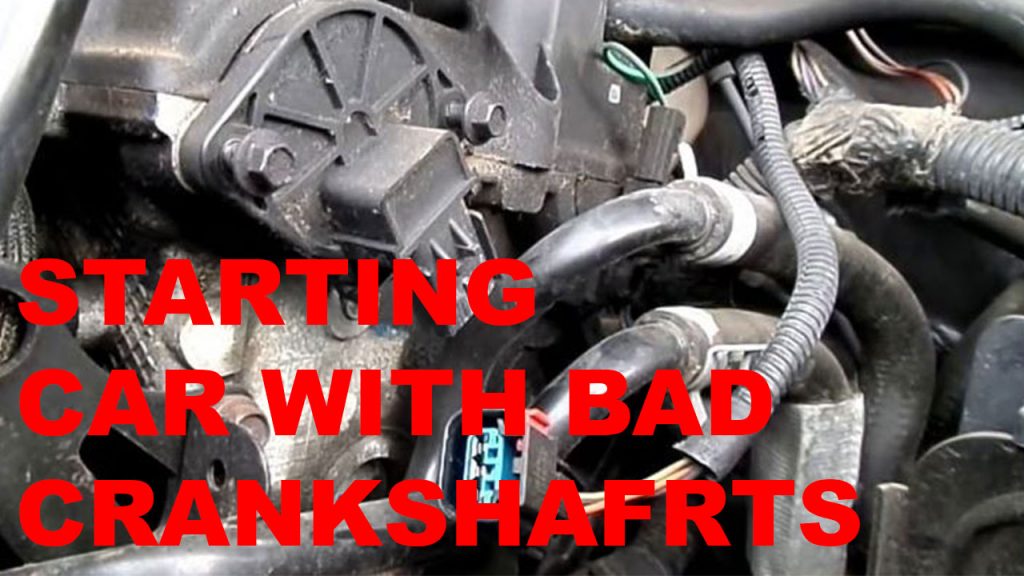
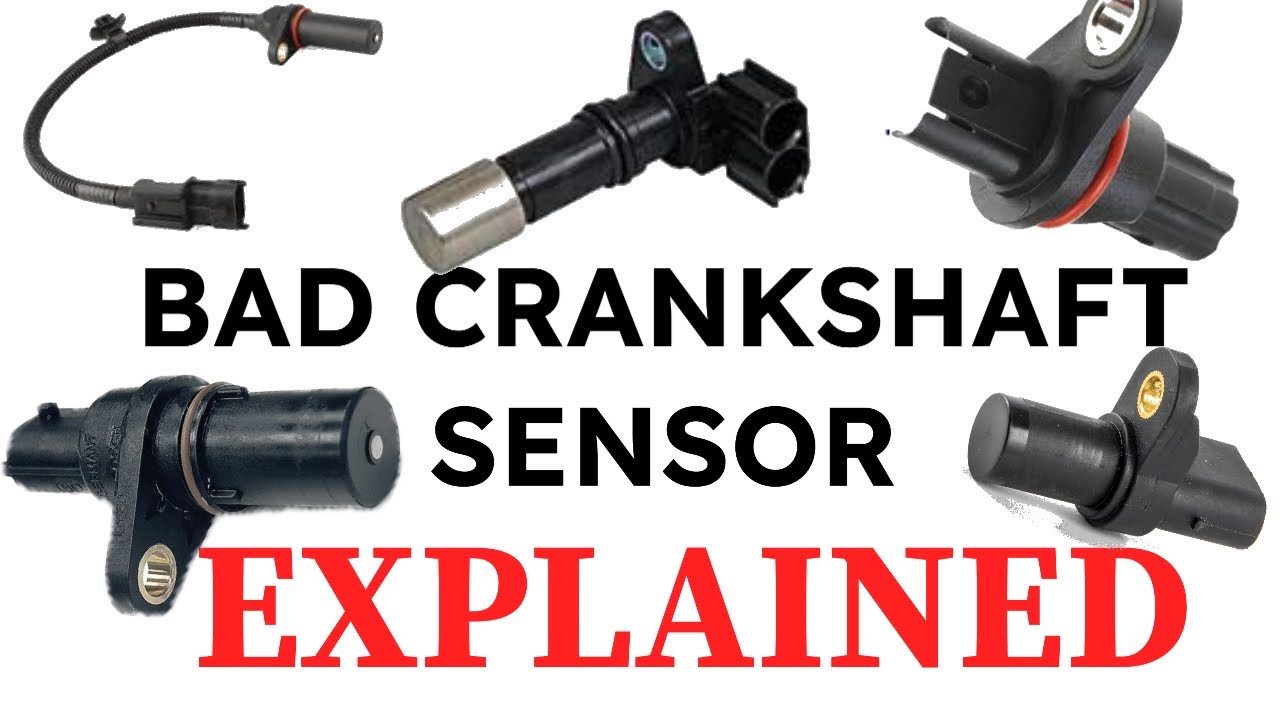
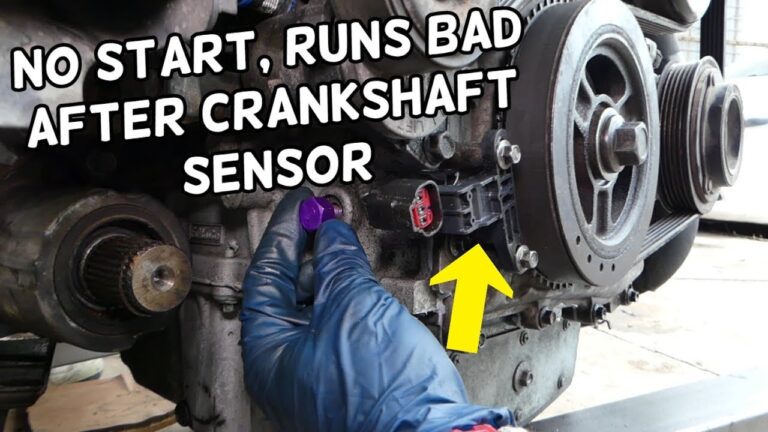
A bad crankshaft sensor usually does not make a unique noise; it more often causes abnormal starting, stalling, misfires, or a no-start condition.
For drivers in the United States, the sound you hear when a crankshaft position sensor fails depends on whether the sensor has failed completely or is sending an intermittent signal. A completely failed sensor can leave the engine cranking normally but not starting. An intermittent sensor can cause longer cranking, rough running, stumbling, or an engine that starts and then stalls.
The crankshaft position sensor, often called the CKP sensor, tells the engine computer where the crankshaft is and how fast it is turning. The computer uses that information to coordinate ignition and fuel delivery. Because the sensor itself normally does not produce a noticeable mechanical sound, listening alone cannot confirm that it is bad.
Source: storage.googleapis.com
What Does a Bad Crankshaft Sensor Sound Like?
A bad crankshaft sensor does not have one specific sound. The sensor is an electrical device, so a failing CKP sensor normally changes how the engine starts or runs rather than creating a mechanical noise of its own.
If the engine cranks at a normal speed but never starts, you may hear a repeated, even cranking sound from the starter. That sound can be completely normal even though the engine has a CKP-related fault. The problem is that the engine computer may not be receiving the crankshaft position signal it needs to control ignition and fuel timing.
With an intermittent sensor, the sound may change because the engine starts, stumbles, misfires, or stalls. You might hear uneven combustion, popping, or repeated attempts to start. Those sounds are effects of the engine running incorrectly, not a unique sound produced by the sensor itself.
Source: hitchesguide.com
Normal cranking but no start
The starter turns the engine at a fairly steady speed, but the engine does not fire and continue running.
Longer-than-normal cranking
An intermittent CKP signal can contribute to extended cranking before the engine starts.
Rough or uneven running
An inconsistent signal can contribute to misfires, hesitation, stumbling, or an uneven engine sound after startup.
Repeated stalling
A sensor that loses its signal while the engine is operating can contribute to sudden stalling.
Why the Sensor Usually Does Not Make the Noise
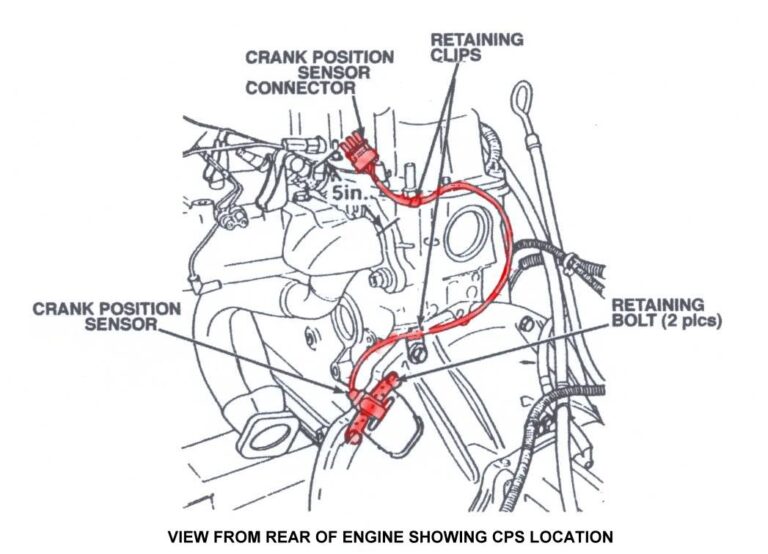
The CKP sensor reads the movement of a crankshaft reluctor or tone wheel and sends an electrical signal to the engine computer. It does not normally contain a moving mechanism that would create a noticeable mechanical noise.
That distinction matters when diagnosing a vehicle. A clicking, grinding, knocking, or squealing sound may point toward another component rather than the crankshaft sensor itself.
Clicking
Rapid clicking during starting can be associated with low battery voltage or a starter circuit problem rather than a CKP sensor.
Grinding
Grinding while starting can indicate a starter or flywheel-related problem and should not automatically be blamed on the crankshaft sensor.
Deep knocking
A deep engine knock is not a normal signature of a bad crankshaft sensor and can indicate a serious mechanical problem.
How a Bad Crankshaft Sensor Can Change Engine Sounds
The crankshaft position sensor helps the powertrain control module determine crankshaft speed and position. When its signal becomes inaccurate or disappears, the computer can lose information needed to synchronize engine operation.
That can change the way the engine sounds because combustion becomes inconsistent. Depending on the vehicle and the nature of the fault, the engine may hesitate, misfire, run roughly, stall, or refuse to start.
The exact behavior varies by vehicle. Some vehicles may continue running with an intermittent signal, while others may stall or fail to restart when the sensor signal disappears.
Source: ar.inspiredpencil.com
Long crank
The starter may need to turn the engine for longer before combustion begins.
Rough idle
An unstable crankshaft signal can contribute to uneven engine operation after the engine starts.
Hesitation
The engine may stumble or respond poorly when the crankshaft signal becomes unreliable.
Sudden stall
A loss of CKP signal while driving can cause the engine to stop running.
A Normal Crank Versus a Crankshaft Sensor Problem
A normal cranking sound usually means the starter is turning the engine. If the engine turns at a consistent speed but never catches, the cause can be related to ignition, fuel, compression, timing, or engine position sensing.
A bad crankshaft sensor is therefore only one possible explanation for a crank-no-start condition. Testing is needed before replacing the sensor.
Engine cranks normally and starts
A CKP problem is less likely at that moment, although an intermittent fault can still exist.
Engine cranks normally but does not start
A CKP fault is possible, but fuel, ignition, timing, and other electrical problems should also be considered.
Starter clicks without turning the engine
Check the battery, starter circuit, and starter before focusing on the crankshaft sensor.
Common Symptoms of a Bad Crankshaft Position Sensor
The most useful clues are usually changes in engine operation rather than sound. A faulty CKP sensor can cause hard starting, a no-start condition, stalling, rough running, misfires, hesitation, reduced performance, and a check engine light.
The symptoms can overlap with many other engine faults. For example, a weak battery can cause slow cranking, while a fuel delivery problem can cause a normal crank with no start. This is why several symptoms should be considered together.
Source: fridayparts.com
Check engine light
The vehicle may store a diagnostic trouble code related to the crankshaft position sensor circuit or signal.
Hard starting
The engine may take longer to start, especially when the sensor signal is intermittent.
Engine will not start
A complete loss of CKP information can prevent the engine computer from properly controlling engine timing.
Stalling
An intermittent signal can contribute to an engine that suddenly shuts off.
Misfires or rough running
Incorrect crankshaft position information can contribute to poor combustion and uneven engine operation.
Hesitation or reduced performance
An unstable sensor signal can interfere with normal engine control.
Can a Bad Crankshaft Sensor Cause a Clicking or Grinding Noise?
A bad crankshaft sensor by itself is not normally the source of a clicking or grinding noise. If you hear a mechanical noise during starting, investigate the starter, battery, flywheel or flexplate, accessory drive, and other relevant components instead of assuming the sensor is making the noise.
A no-start caused by a CKP fault can occur at the same time as a separate starting-system problem. Diagnosing the sound and the engine-control symptoms separately can prevent an incorrect parts replacement.
Fast clicking
Often points toward a battery or electrical starting-system concern when the engine does not turn normally.
Grinding during cranking
Can indicate starter engagement or flywheel-related problems and deserves inspection.
Engine cranking normally
A steady cranking sound with no start can fit a CKP fault, but it does not prove one.
How to Diagnose a Bad Crankshaft Sensor
The most reliable approach is to diagnose the signal and the surrounding circuit rather than relying on engine noise. Start with the simplest checks and follow the testing procedure specified for the vehicle.
If the check engine light is on, scan the vehicle for diagnostic trouble codes. Codes in the P0335 through P0339 range are commonly associated with crankshaft position sensor circuits, but the exact meaning and diagnostic procedure can vary by vehicle.
A stored code does not automatically prove that the sensor itself needs replacement. Wiring, connectors, the reluctor or tone wheel, timing components, and the engine computer can also create related symptoms or codes.
Source: hitchesguide.com
Check the symptoms
Note whether the engine cranks normally, takes longer to start, stalls, misfires, hesitates, or refuses to start.
Scan for codes
Use an appropriate OBD-II scan tool and record all relevant codes rather than focusing on one code in isolation.
Inspect the wiring
Look for damaged insulation, loose connections, corrosion, contamination, or wiring routed too close to heat or moving parts.
Check the sensor and target wheel
Depending on the vehicle design, inspect the CKP sensor and the reluctor or tone wheel for damage or contamination.
Test the signal
Use the vehicle-specific diagnostic procedure, which may involve scan-tool data, electrical testing, or an oscilloscope.
Why Replacing the Sensor Without Testing Can Fail
A crankshaft sensor code can be caused by more than the sensor. A damaged connector, broken wire, damaged reluctor wheel, timing problem, or powertrain control module issue can produce similar symptoms.
Replacing the sensor without identifying the actual fault can leave the original problem unresolved. Vehicle-specific service information is especially important because sensor design, testing values, mounting location, and relearn requirements differ among models.
Do not diagnose by sound alone
Engine sounds can identify a starting or running problem, but they cannot reliably identify the CKP sensor as the cause.
Do not treat one code as proof
A diagnostic code identifies a monitored fault or condition, not necessarily the failed component.
Follow model-specific procedures
Use the correct repair information for the vehicle’s year, make, engine, and sensor system.
Other Problems That Can Sound or Feel Like a Bad Crankshaft Sensor
Several common problems can produce the same starting or running symptoms as a faulty crankshaft sensor. Separating these possibilities is essential because the repair can be completely different.
For example, a weak battery can cause slow cranking and repeated clicking. A starter problem can prevent the engine from turning even when the engine-control system is working correctly. Fuel delivery, ignition, timing, and camshaft position sensor faults can also cause a crank-no-start or rough-running condition.
Source: mechanicsdiary.com
Weak or discharged battery
Low battery voltage can cause slow cranking, rapid clicking, or insufficient power for starting-system operation.
Faulty starter
A starter problem can cause clicking, grinding, or failure to turn the engine.
Fuel system problem
A failed fuel pump, restricted fuel supply, or other fuel issue can allow normal cranking without successful combustion.
Ignition problem
Problems with spark plugs, ignition coils, or related controls can produce misfires and no-start symptoms.
Camshaft position sensor problem
Camshaft and crankshaft position signals work together, so a camshaft sensor fault can create overlapping symptoms.
Timing component problem
A damaged timing belt, timing chain, or reluctor component can produce starting, running, and synchronization problems.
When the Noise Means Something More Serious
Do not assume a new knocking, grinding, or severe metallic noise is caused by the crankshaft sensor. Those sounds can point toward mechanical problems that require prompt attention.
If the engine suddenly develops a severe mechanical noise, loses oil pressure, overheats, or shows signs of major mechanical failure, stop operating the vehicle and have it inspected rather than repeatedly attempting to start it.
Stop for severe grinding
Repeated grinding during starting can indicate a mechanical or starter engagement problem.
Stop for heavy knocking
A deep or severe knocking sound can indicate internal engine damage and should not be treated as a sensor symptom.
Avoid repeated starting attempts
Repeated cranking can drain the battery and may complicate diagnosis when another mechanical or electrical problem is present.
Can You Drive With a Bad Crankshaft Sensor?
Driving with a suspected bad crankshaft sensor is unreliable because the engine can stall, hesitate, lose performance, or fail to restart. The risk is especially concerning if the engine can shut off unexpectedly in traffic.
If the vehicle is already running but showing intermittent CKP symptoms, avoid treating continued operation as proof that the problem is minor. A sensor can work intermittently and then stop sending a usable signal.
If the vehicle will not start, stalls repeatedly, or has a severe mechanical noise, arranging professional diagnosis or towing may be safer than continuing to drive it.
Source: autovfix.com
Intermittent stalling
Unexpected engine shutdown can create a safety problem, particularly in traffic or at higher speeds.
No-start condition
A failed sensor may leave the vehicle unable to restart after the engine is switched off.
Uncertain diagnosis
If the sensor has not been tested, another fault may be responsible for the symptoms.
What Should You Do If Your Car Makes an Unusual Starting Sound?
Start by identifying exactly what happens when you turn the key or press the start button. Determine whether the engine turns over, turns slowly, clicks without turning, starts and immediately stalls, or cranks normally without starting.
Next, check the dashboard for warning lights and scan for diagnostic trouble codes if you have an appropriate scanner. Record the symptoms before clearing any codes, because the information can help identify the fault.
If the engine cranks normally but will not start and a CKP-related code is present, the crankshaft sensor and its circuit deserve attention. If the starter only clicks or grinds, investigate the starting system first. When the diagnosis is uncertain, a qualified technician can test the CKP signal and related systems.
Source: youtube.com
Listen carefully
Identify whether the sound is normal cranking, rapid clicking, grinding, slow cranking, or uneven combustion.
Observe engine behavior
Note stalling, hesitation, misfires, hard starting, or a complete no-start condition.
Check warning lights
A check engine light can provide an important diagnostic clue.
Get the correct test
Use vehicle-specific electrical and signal testing instead of replacing the sensor based only on the sound.
Frequently Asked Questions
Q
Does a bad crankshaft sensor make a noise?
Usually, no. The crankshaft position sensor is an electrical sensing component and normally does not produce a distinctive mechanical noise when it fails.
Instead, a faulty sensor can change how the engine starts or runs, causing long cranking, rough running, misfires, hesitation, stalling, or a no-start condition.
Q
What does a car sound like when the crankshaft sensor goes bad?
If the sensor fails completely, the engine may crank at a normal, steady speed without starting. If the sensor fails intermittently, you may hear uneven running, stumbling, misfires, or repeated attempts to start.
These sounds are effects of incorrect engine control rather than a specific sound made by the sensor.
Q
Can a bad crankshaft sensor cause clicking?
A crankshaft sensor is not normally the direct cause of a clicking starter sound. Rapid clicking commonly points toward a battery, electrical connection, or starting-system issue.
If the engine cranks normally but does not start, a CKP problem becomes one possible cause, but it should be confirmed through diagnosis.
Q
Can a bad crankshaft sensor cause a grinding noise?
A bad crankshaft sensor does not normally cause mechanical grinding. Grinding during starting can indicate a starter, flywheel, flexplate, or related mechanical problem.
Because grinding can indicate a mechanical fault, avoid repeatedly starting the vehicle until the source has been identified.
Q
Will a bad crankshaft sensor cause a no-start condition?
Yes, a failed CKP sensor can cause an engine to crank without starting because the engine computer may lose the crankshaft position information needed to control ignition and fuel synchronization.
However, a crank-no-start condition also has many other possible causes, including fuel, ignition, timing, wiring, battery, and other sensor problems.
Q
Can a bad crankshaft sensor cause an engine to stall?
Yes. An intermittent or failing CKP sensor can cause an engine to stall if the signal becomes unreliable or disappears while the engine is operating.
A stalling problem should be diagnosed promptly because an unexpected loss of engine power can create a safety issue in traffic.
Q
How can I tell if the crankshaft sensor is bad?
Start by checking the symptoms and scanning for diagnostic trouble codes. Then inspect the sensor wiring and connector and follow the vehicle-specific procedure for testing the CKP signal.
A code associated with the crankshaft sensor does not automatically prove that the sensor itself has failed. Wiring, the reluctor wheel, timing components, or the engine computer can also cause related faults.
✦ Wrapping Up
Conclusion
If you are wondering what does a bad crankshaft sensor sound like, the key point is that there is no single sound that identifies a failed CKP sensor. The engine may crank normally without starting, take longer to start, run roughly, misfire, hesitate, or stall.
Because many other problems can create similar sounds and symptoms, diagnosis should focus on the crankshaft signal, diagnostic trouble codes, wiring, and related engine systems. Do not replace the sensor based only on a noise or a single symptom.
💡 Key Takeaway
If your engine cranks but will not start, stalls, or runs roughly, scan for codes and have the crankshaft sensor circuit tested using the procedure specified for your vehicle before replacing parts.
Ethan Brooks is an automotive writer at Auto News 7, covering car news, vehicle maintenance, new model updates, recalls, and practical buying guides. He focuses on clear, useful information that helps drivers understand their vehicles and make better ownership decisions.
Learn how to clean camshaft position sensor components safely with a simple step-by-step process, tools list, troubleshooting tips, and common mistakes to avoid.
Learn how to replace camshaft position sensor connector wiring safely. Follow step-by-step instructions, tools needed, troubleshooting tips, and common mistakes to avoid.
Learn how to replace crankshaft position sensor Ford F150 models safely, including tools, access points, removal steps, installation tips, and troubleshooting.