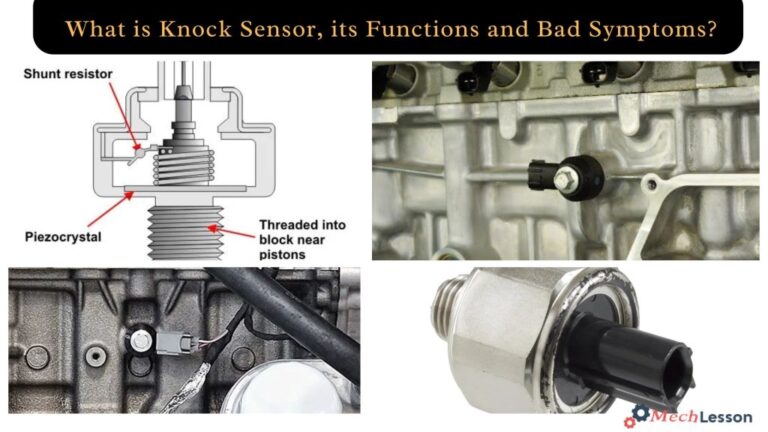
Yes, a faulty knock sensor can indirectly contribute to transmission-related symptoms, but it rarely causes a transmission failure by itself.
Across the United States, many drivers notice rough shifting, delayed acceleration, or reduced vehicle performance and wonder whether a sensor problem is affecting the transmission. In some vehicles, the engine control module and transmission control functions share information, allowing an engine-related fault to influence shifting behavior.
A bad knock sensor usually affects ignition timing and engine performance first. When the engine produces less power or enters a protective operating mode, the transmission may shift differently. This can create symptoms that feel like transmission trouble even though the root cause is an engine management issue.
Source: i.pinimg.com
Can a Knock Sensor Cause Transmission Problems?
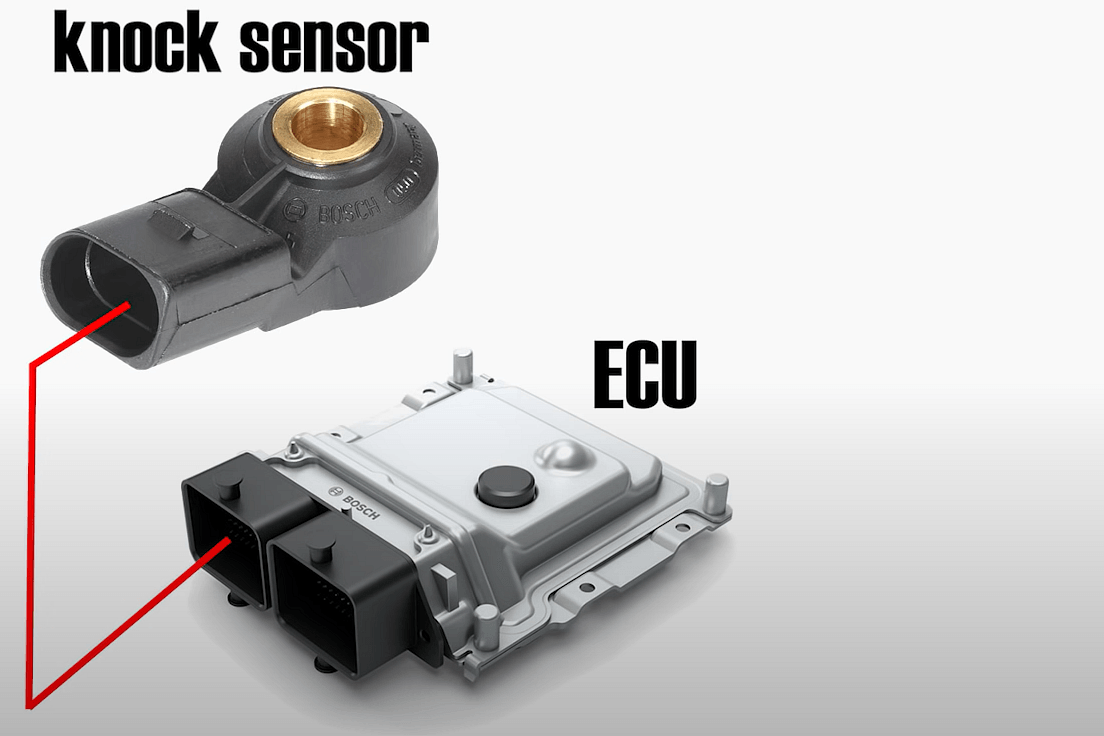
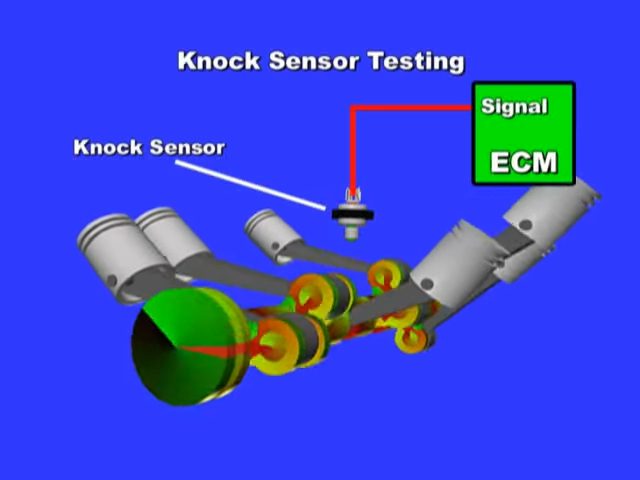
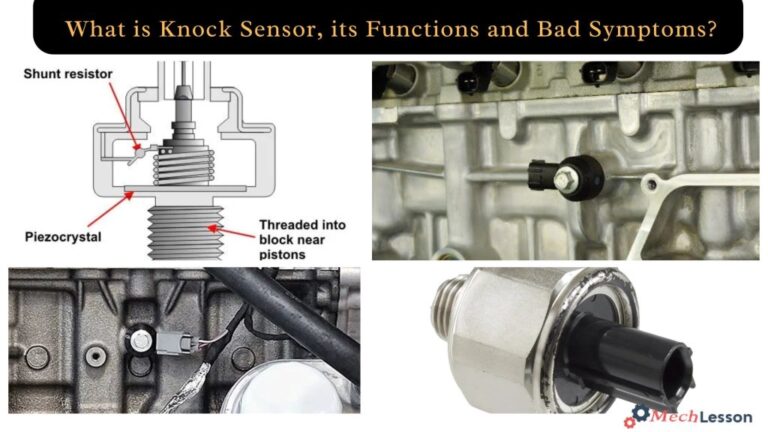
A knock sensor can cause transmission-related symptoms, but it is usually an indirect effect. The sensor detects abnormal engine vibration associated with detonation or spark knock. When the sensor reports a problem or fails, the engine computer may adjust ignition timing to protect the engine.
These timing adjustments can reduce engine output. Since automatic transmissions depend on engine load, throttle position, and power delivery, reduced engine performance can change how the transmission behaves. Drivers may notice delayed shifts, poor acceleration, or unusual shift patterns.
Source: static0.carbuzzimages.com
Indirect Relationship
The knock sensor affects engine operation, which can influence transmission behavior.
Not a Transmission Component
The knock sensor is part of the engine management system, not the transmission itself.
Why the Symptoms Can Be Confusing
Many transmission complaints begin with a noticeable change in vehicle performance. When engine power drops because of incorrect ignition timing, the transmission may compensate by holding gears longer or shifting at unexpected times.
Shared Data
Modern powertrain systems often use engine information to manage transmission operation.
How a Faulty Knock Sensor Affects Vehicle Performance
When a knock sensor fails, the engine control module may use conservative timing values to prevent engine damage. This safety strategy can reduce horsepower and throttle response.
A vehicle with reduced engine power may feel sluggish during acceleration. Because the transmission responds to available power and load conditions, shifts may seem delayed or inconsistent.
Source: cf.unikeyic.com
Retarded Ignition Timing
The computer may reduce timing advance to protect the engine.
Lower Engine Output
Reduced power can change transmission shift behavior.
Common Driver Complaints
Drivers often report hesitation, poor acceleration, reduced fuel economy, and unusual shifting when a knock sensor problem is present.
Performance Loss
The vehicle may feel underpowered during normal driving.
Symptoms That Mimic Transmission Problems
A faulty knock sensor can create symptoms that resemble transmission faults. However, diagnosing the cause requires scanning the vehicle for trouble codes and evaluating engine performance.
Transmission-like symptoms do not automatically mean the transmission is damaged. Engine management issues can produce similar driving characteristics.
Source: toolsweek.com
Delayed Shifting
Reduced power can make shifts occur later than expected.
Harsh Acceleration Response
Poor engine performance can create abnormal driving feel.
Symptoms to Watch For
Look for a check engine light, reduced power, hesitation, poor fuel economy, and trouble codes related to knock sensor operation.
Diagnostic Codes
Stored codes can help identify the underlying issue.
Diagnosing the Real Cause of Shifting Issues
Before replacing transmission parts, verify whether engine-related faults are present. A scan tool can reveal knock sensor codes and other powertrain faults.
Technicians often evaluate engine performance first because transmission behavior can be influenced by many sensors and control systems.
Source: mechanicsdiary.com
Scan for Codes
Check for stored engine and transmission trouble codes.
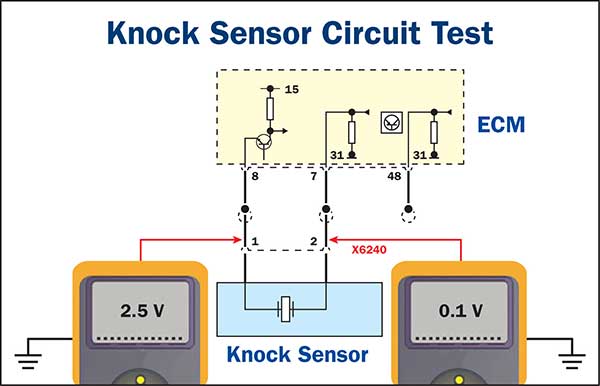
Inspect Wiring
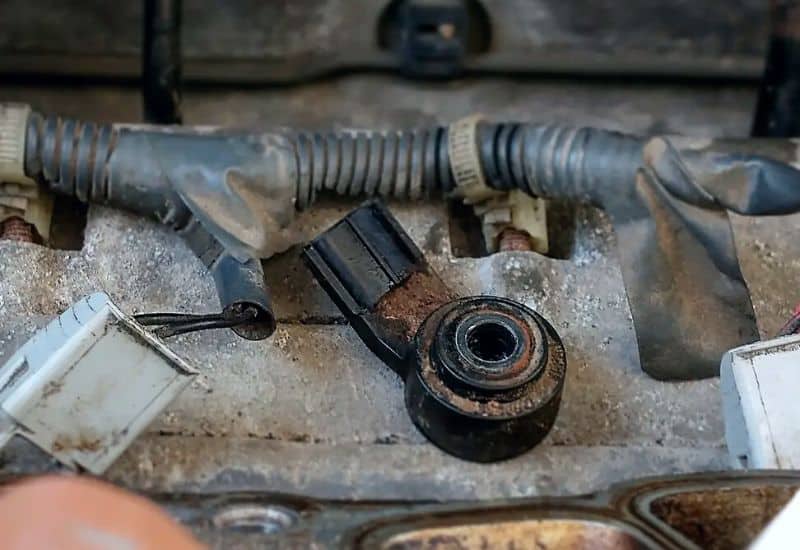
Damaged wiring can create false sensor readings.
When Professional Diagnosis Is Helpful
If symptoms persist after addressing sensor faults, a professional transmission inspection may be necessary.
Complex Problems
Some issues involve multiple systems and require advanced testing.
When the Transmission Is Actually the Problem
Not every shifting complaint is caused by a knock sensor. Low transmission fluid, worn clutches, valve body faults, or internal mechanical damage can produce similar symptoms.
If engine performance remains normal and no knock sensor codes are present, the transmission itself may require inspection and repair.
Source: i.ytimg.com
Fluid Issues
Low or contaminated fluid can affect shifting quality.
Internal Wear
Mechanical transmission failures require direct repair.
Decision Guide
Start with engine diagnostics when a check engine light is present. If engine systems test normally, focus on transmission-specific diagnostics.
Logical Testing
A systematic approach helps avoid unnecessary repairs.
Frequently Asked Questions
Q
Can a bad knock sensor make a transmission shift hard?
Yes. Reduced engine performance caused by incorrect ignition timing can influence shift quality and make shifts feel harsher than normal.
Q
Will replacing a knock sensor fix transmission problems?
It can fix transmission-like symptoms if the knock sensor fault is affecting engine performance. It will not repair an actual transmission failure.
Q
Can a knock sensor trigger limp mode?
Some vehicles may reduce performance or enter a protective operating mode when critical sensor faults are detected.
Q
What trouble codes are associated with knock sensor failures?
Common codes often involve knock sensor circuit performance, signal range issues, or sensor malfunctions. Exact codes vary by manufacturer.
Q
Is it safe to drive with a faulty knock sensor?
Short trips may be possible, but prolonged driving can reduce performance and potentially increase the risk of engine damage if abnormal combustion goes undetected.
✦ Wrapping Up
Conclusion
The answer to can a knock sensor cause transmission problems is yes, but usually only indirectly. A faulty knock sensor can reduce engine performance and create symptoms that resemble transmission trouble.
Before assuming the transmission is failing, scan for diagnostic codes and evaluate engine operation. Addressing a knock sensor issue may resolve shifting complaints and restore normal vehicle performance.
💡 Key Takeaway
If you notice shifting issues along with a check engine light, diagnose the knock sensor and related engine systems before pursuing major transmission repairs.
Ethan Brooks is an automotive writer at Auto News 7, covering car news, vehicle maintenance, new model updates, recalls, and practical buying guides. He focuses on clear, useful information that helps drivers understand their vehicles and make better ownership decisions.
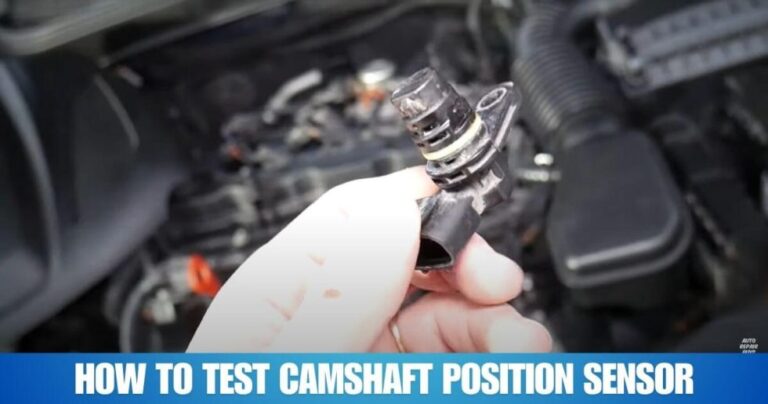
Learn how to test camshaft position sensor wiring with a multimeter. Follow a safe step-by-step process to check power, ground, signal circuits, and common wiring faults.
Learn whether a bad knock sensor can cause knocking, how the sensor works, common symptoms, diagnosis steps, and when engine knocking requires immediate attention.
Learn whether a knock sensor can cause shifting problems, how engine management affects transmission operation, common symptoms, diagnosis steps, and when to replace a faulty knock sensor.