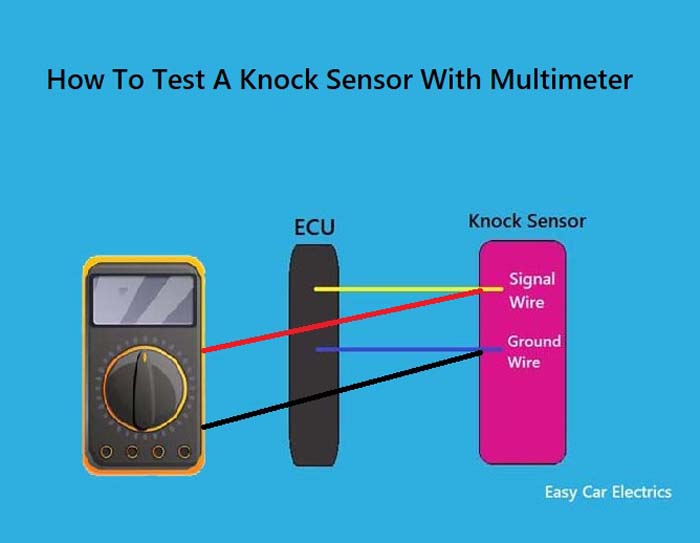
Yes, a bad knock sensor can contribute to engine knocking by preventing the engine computer from detecting and responding to abnormal combustion.
Across the United States, engine knocking is a common concern for drivers dealing with aging vehicles, poor fuel quality, or sensor-related faults. One of the components designed to protect the engine from damaging knock is the knock sensor.
When people ask, can a bad knock sensor cause knocking, the answer is often yes. A failed or inaccurate knock sensor may prevent the engine control module from adjusting ignition timing when detonation occurs. However, the sensor is not always the root cause because engine knocking can also result from fuel, ignition, carbon buildup, or mechanical problems.
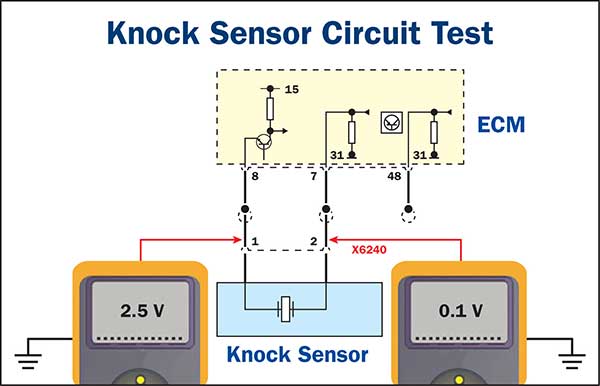
Source: image4.slideserve.com
What Does a Knock Sensor Do?
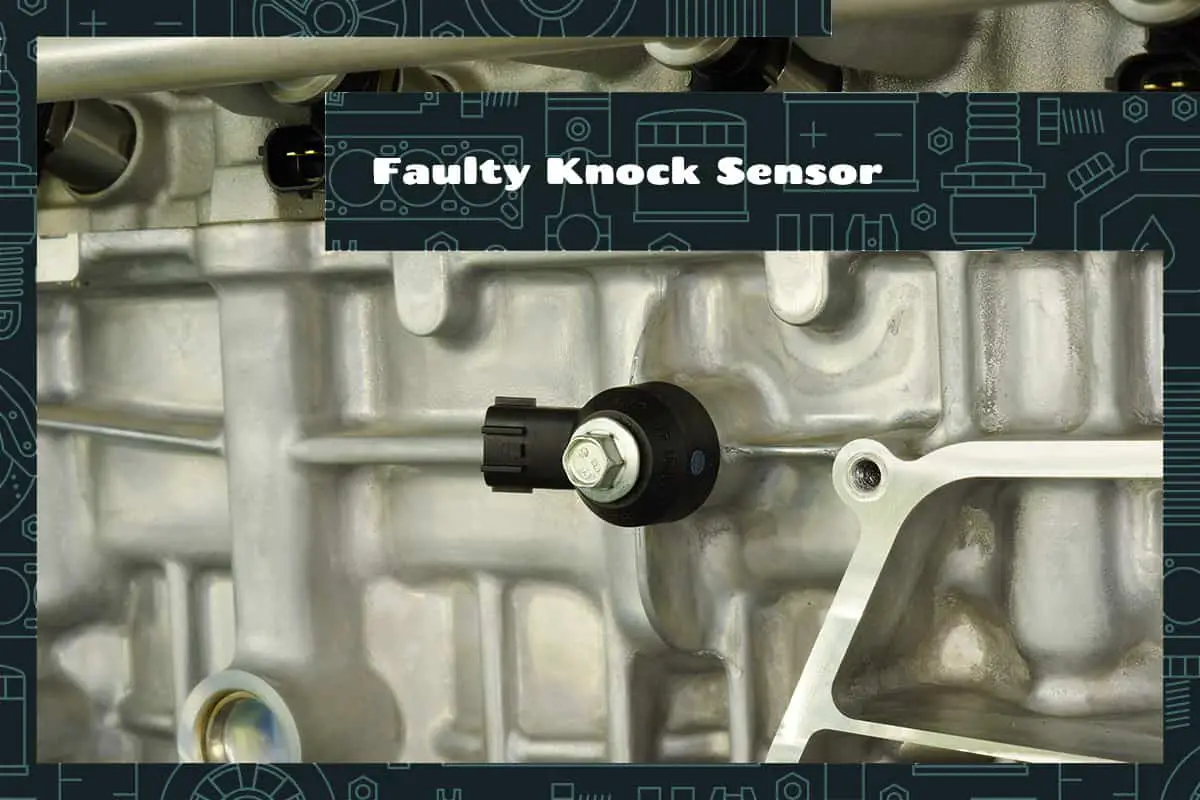
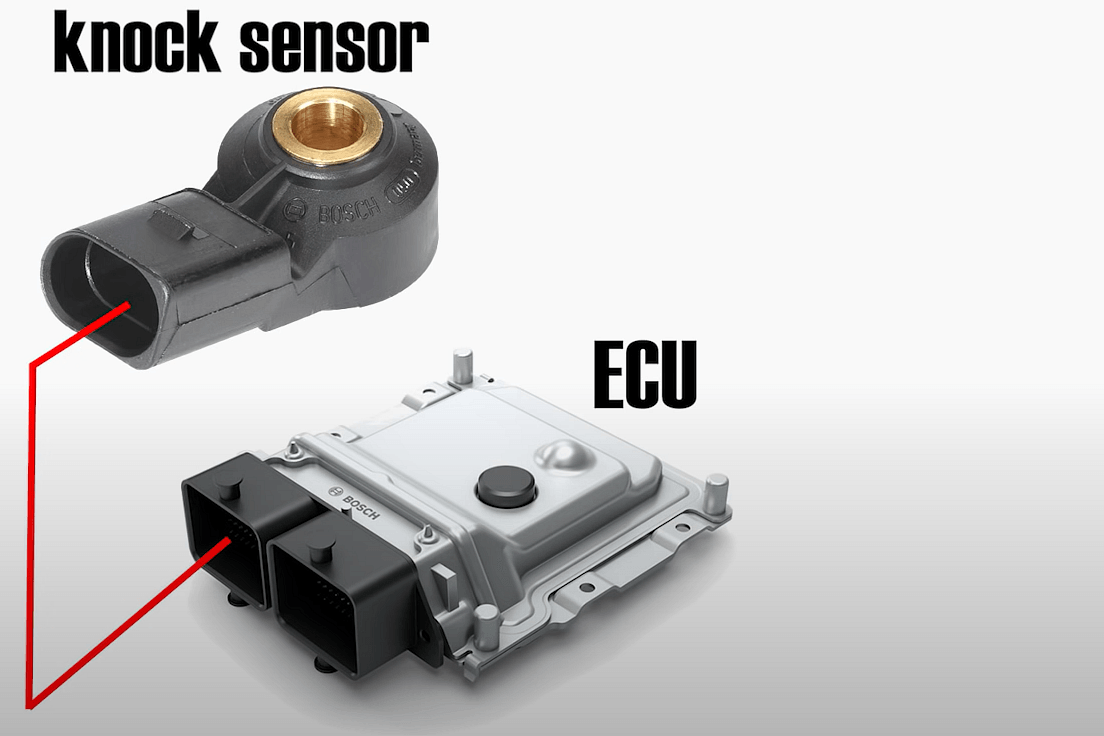
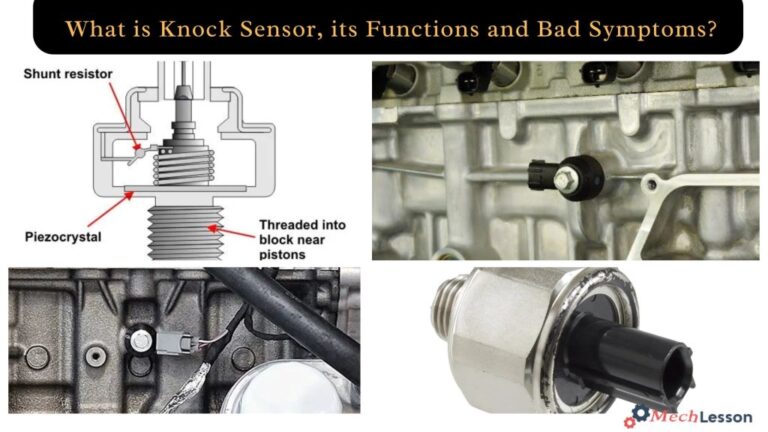
A knock sensor is an electronic device mounted on the engine block or cylinder head. Its job is to detect vibrations associated with abnormal combustion, often called knock, pinging, or detonation.
When the sensor detects knock, it sends a signal to the engine control module. The computer can then adjust ignition timing or other operating parameters to reduce knocking and protect the engine.
Source: autovehicleparts.com
Monitors engine vibration
Detects frequencies associated with abnormal combustion.
Protects engine components
Helps prevent damage from excessive detonation.
Why Knock Detection Matters
Uncontrolled knocking creates sharp pressure spikes inside the combustion chamber. Over time, these impacts can damage pistons, rings, rod bearings, and cylinder heads.
Engine longevity
Proper knock control reduces long-term wear.
Can a Bad Knock Sensor Cause Knocking?
Yes, a faulty knock sensor can contribute to knocking because it may fail to alert the engine computer when detonation occurs. Without reliable data, the computer may leave ignition timing unchanged even when the engine needs protection.
The severity depends on the vehicle design and operating conditions. Some engines may show only occasional pinging, while others may experience noticeable knocking during acceleration, towing, climbing hills, or driving in hot weather.
Source: upgradedvehicle.com
False readings
The sensor may miss actual knock events.
Delayed timing correction
The engine computer may not react quickly enough.
When the Sensor Is Not the Main Cause
A bad knock sensor often allows knocking to continue, but the underlying cause may be poor fuel quality, excessive carbon deposits, overheating, or incorrect engine calibration.
Important distinction
The sensor detects knock but does not create combustion problems by itself.
Common Symptoms of a Bad Knock Sensor
Drivers often notice multiple symptoms when a knock sensor fails. These symptoms may appear gradually or suddenly depending on the nature of the fault.
Because the sensor affects engine management, performance and fuel economy may also suffer.
Source: static0.carbuzzimages.com
Engine knocking or pinging
Most noticeable during acceleration or under load.
Check engine light
Diagnostic trouble codes may be stored.
Reduced power
The computer may enter a protective operating mode.
Poor fuel economy
Incorrect timing adjustments can reduce efficiency.
Symptoms Versus Causes
A symptom points toward a possible issue, but diagnosis is necessary before replacing parts. Similar symptoms can be produced by fuel system, ignition, or cooling system problems.
Accurate diagnosis
Prevents unnecessary repairs.
How to Diagnose Engine Knocking and Knock Sensor Problems
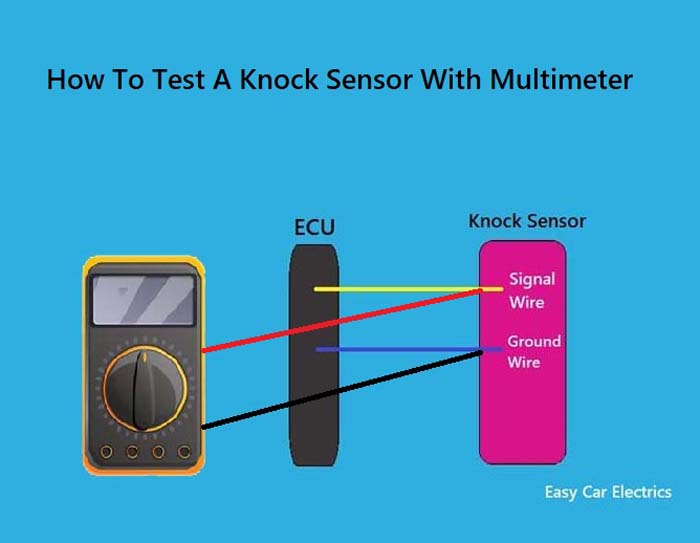
Start by checking for diagnostic trouble codes with an OBD-II scanner. Stored codes can indicate whether the knock sensor circuit has a fault.
Next, inspect wiring, connectors, and mounting points. Physical damage, corrosion, or loose connections can cause incorrect sensor operation.
Source: saiautocare.com.au
Scan for codes
Look for knock sensor-related fault codes.
Inspect wiring
Damaged wiring can mimic sensor failure.
Evaluate fuel quality
Low-octane fuel can trigger real knocking.
Safety Note
Loud or persistent knocking should not be ignored. Continued operation under severe detonation can result in expensive internal engine damage.
Professional inspection
Recommended if knocking remains after basic checks.
Other Causes of Engine Knocking
Engine knocking is not always related to the knock sensor. Several conditions can create abnormal combustion even when the sensor functions correctly.
Identifying the true source is essential because replacing a knock sensor will not solve problems caused by fuel, cooling, or mechanical failures.
Source: i.ytimg.com
Low-octane fuel
Can increase the risk of detonation.
Carbon buildup
Raises combustion chamber temperatures and compression.
Overheating
Promotes abnormal combustion conditions.
Incorrect ignition timing
Can trigger knocking under load.
Decision Guide
If a knock sensor code is present, investigate the sensor and wiring first. If no code exists but knocking continues, focus on fuel quality, engine condition, and cooling system performance.
Systematic testing
Reduces diagnostic guesswork.
Frequently Asked Questions
Q
Can I drive with a bad knock sensor?
Many vehicles can still operate with a faulty knock sensor, but continued driving may increase the risk of engine knocking and reduced performance. Prompt diagnosis is recommended.
Q
Will a bad knock sensor always trigger a check engine light?
Not always. Some failures may be intermittent or may not immediately generate a fault code, especially if the sensor still provides partial data.
Q
Can low-octane fuel cause knocking even with a good knock sensor?
Yes. A functioning knock sensor can help reduce knocking, but it cannot always compensate for severe fuel quality issues or unsuitable fuel grades.
Q
What does engine knock sound like?
Engine knock is often described as a metallic pinging, rattling, or tapping noise that becomes more noticeable during acceleration or heavy load.
Q
How much damage can engine knocking cause?
Severe or prolonged knocking can damage pistons, connecting rods, bearings, spark plugs, and other internal engine components. Early diagnosis can help avoid costly repairs.
✦ Wrapping Up
Conclusion
The answer to can a bad knock sensor cause knocking is yes. A faulty sensor can prevent the engine computer from detecting and responding to detonation, allowing knocking to persist under certain conditions.
However, a bad knock sensor is only one possible cause. Fuel quality, overheating, carbon buildup, and ignition-related issues can also produce knocking. Accurate diagnosis is the best way to identify the true source of the problem.
💡 Key Takeaway
If your vehicle is knocking or pinging, scan for trouble codes, inspect the knock sensor system, and address any fuel or engine-related issues before serious damage occurs.
Ethan Brooks is an automotive writer at Auto News 7, covering car news, vehicle maintenance, new model updates, recalls, and practical buying guides. He focuses on clear, useful information that helps drivers understand their vehicles and make better ownership decisions.
Learn how to sync camshaft and crankshaft sensors, diagnose timing correlation issues, perform relearn procedures, and troubleshoot common engine synchronization problems.
Learn what a knock sensor is, how it works, where it is located, common symptoms of failure, and why it is essential for engine performance and protection.
Learn how much to replace a camshaft position sensor in the United States, including parts, labor, DIY costs, symptoms, and factors that affect repair pricing.