Yes, bad gas can contribute to a knock sensor code by causing abnormal combustion and engine knock.
In the United States, fuel quality can vary between stations, storage conditions, and seasonal fuel blends. While modern gasoline is generally reliable, contaminated, stale, or low-octane fuel can create combustion problems that trigger engine knock and potentially lead to a knock sensor-related diagnostic trouble code.
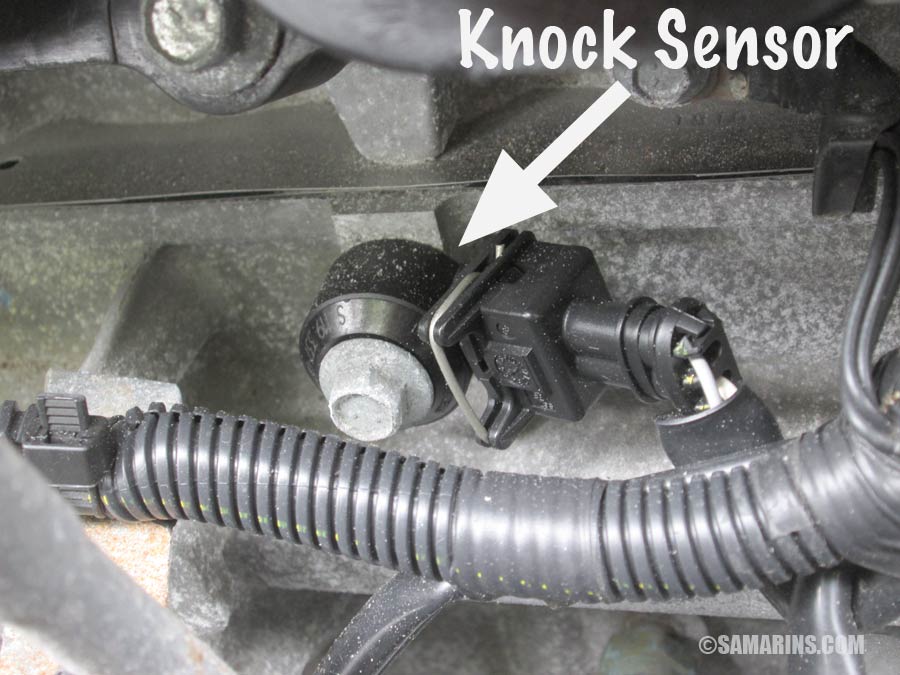
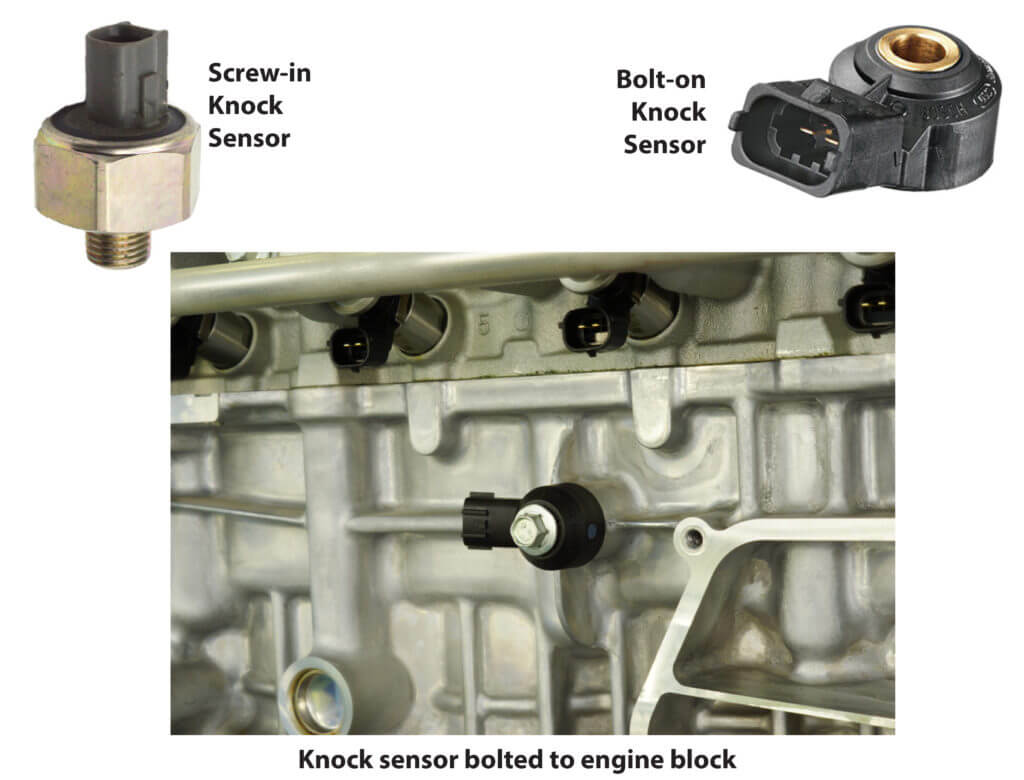
The knock sensor does not measure fuel quality directly. Instead, it detects engine vibrations associated with detonation or spark knock. If bad gas causes abnormal combustion, the engine control module may register knock activity and set a code related to the knock sensor system. However, a knock sensor code can also result from wiring issues, sensor failure, engine mechanical problems, or other fuel and ignition faults.
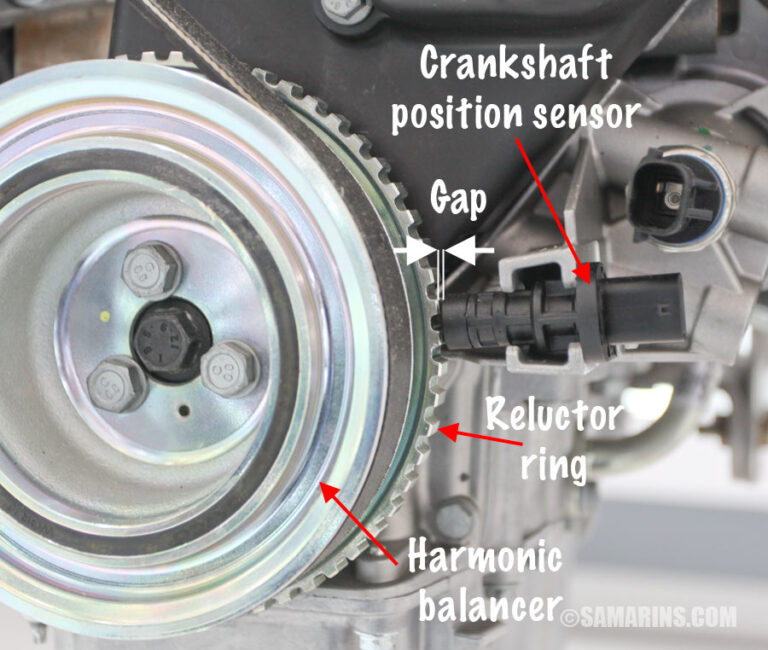
Source: storage.googleapis.com
How Bad Gas Can Trigger a Knock Sensor Code
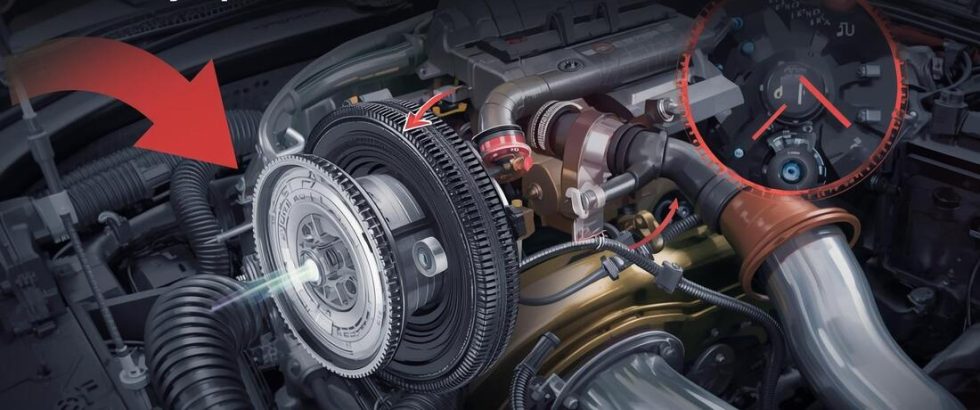
Bad gasoline can alter the combustion process inside the cylinders. When fuel burns unevenly or ignites too early, pressure spikes create vibrations known as engine knock or detonation.
The knock sensor is designed to detect these vibrations and report them to the engine control module. If excessive knock occurs or the sensor readings fall outside expected limits, the vehicle may store a knock sensor-related trouble code.
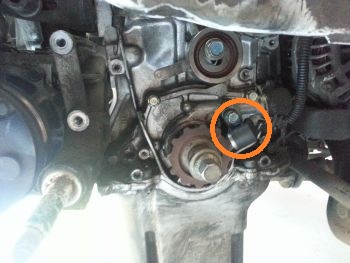
Source: thecarbuzz.com
Low Octane Fuel
Fuel with insufficient octane can ignite prematurely under load.
Contaminated Fuel
Water, dirt, or degraded gasoline can disrupt combustion.
Stale Fuel
Old gasoline may lose performance characteristics and burn poorly.
What the Sensor Detects
The knock sensor monitors engine vibrations rather than fuel quality. It reacts to the effects of poor combustion, not the fuel itself.
Indirect Detection
The sensor identifies knock events caused by combustion abnormalities.
Types of Bad Gas That Cause Engine Knock
Not all fuel-related problems affect the engine in the same way. Certain fuel issues are more likely to produce knocking and trigger diagnostic codes.
Understanding the type of fuel problem can help determine whether the issue is temporary or requires mechanical repairs.
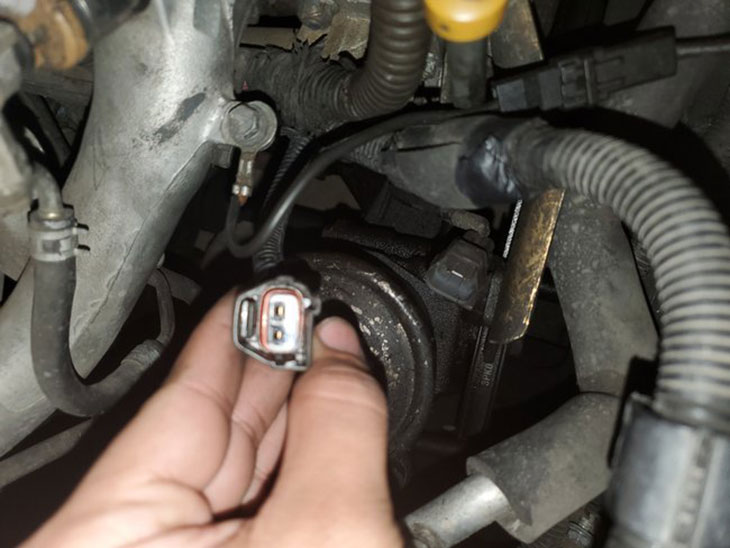
Source: storage.googleapis.com
Incorrect Octane
Using fuel below manufacturer recommendations increases knock risk.
Water Contamination
Moisture in fuel reduces combustion efficiency and drivability.
Aged Gasoline
Fuel stored for extended periods can degrade and cause performance issues.
Fuel Storage Problems
Gasoline stored in vehicles, fuel cans, or station tanks for long periods may deteriorate and contribute to combustion instability.
Oxidation
Chemical changes reduce fuel quality over time.
Symptoms That Point to Bad Gas Instead of a Failed Knock Sensor
Drivers often assume a knock sensor code means the sensor has failed. In reality, fuel quality problems can create similar symptoms.
Looking at the complete symptom pattern helps distinguish between fuel issues and electrical component failures.
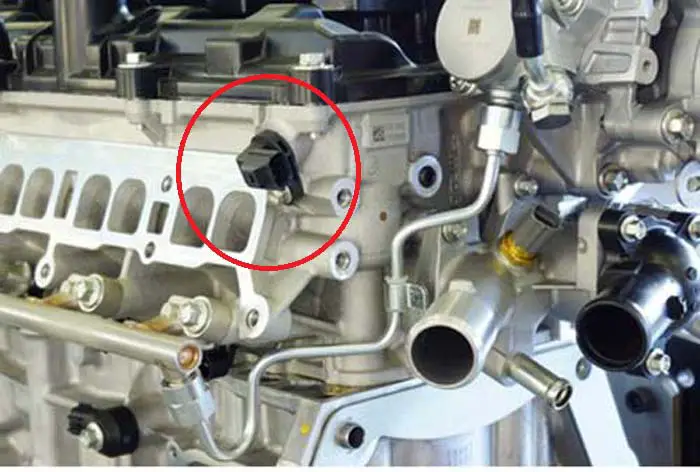
Source: autovehicleparts.com
Recent Refueling
Symptoms appearing immediately after filling up suggest a fuel-related issue.
Poor Acceleration
Bad fuel can reduce power and throttle response.
Rough Running
Contaminated fuel may cause hesitation or misfires.
When the Sensor Is More Likely the Problem
Persistent codes without drivability changes may indicate a faulty sensor, damaged wiring, or connector issues.
Electrical Faults
Broken circuits often trigger sensor-related codes directly.
How to Diagnose the Real Cause
Diagnosis should begin with a scan tool and a review of stored trouble codes. Some codes indicate sensor circuit problems, while others point to actual knock events.
Checking fuel quality, recent fueling history, ignition components, and sensor wiring can prevent unnecessary parts replacement.
Source: hitchesguide.com
Scan Trouble Codes
Record all stored and pending codes before repairs.
Inspect Fuel History
Determine whether symptoms began after refueling.
Check Wiring
Inspect connectors and harnesses for damage.
Useful Diagnostic Sequence
Start with fuel-related checks because they are often less expensive and easier to address than component replacement.
Confirm Fuel Quality
Eliminate contaminated fuel before replacing sensors.
What to Do if Bad Gas Is the Cause
If bad fuel is suspected, avoid aggressive driving and follow the vehicle manufacturer’s fuel recommendations. In some cases, diluting the poor fuel with fresh gasoline may improve operation.
Severe contamination may require draining the fuel tank and cleaning components. If the knock sensor code returns after fuel issues are resolved, further diagnosis is necessary.
Source: hitchesguide.com
Use Fresh Fuel
Refill with quality gasoline from a reputable station.
Clear Codes
After repairs, verify whether codes return.
Seek Professional Diagnosis
Persistent codes may indicate sensor or engine issues.
When Professional Help Is Needed
Continuous knocking, severe performance problems, or recurring trouble codes warrant inspection by a qualified technician.
Recurring Codes
Repeated faults may indicate deeper mechanical or electrical issues.
Frequently Asked Questions
Q
Can low-octane gas cause a knock sensor code?
Yes. Fuel with an octane rating below manufacturer requirements can increase engine knock and contribute to a knock sensor-related code.
Q
Will a knock sensor code go away after replacing bad gas?
Sometimes. If poor fuel quality was the only cause, the code may clear after repairs and normal driving cycles. Persistent codes require further diagnosis.
Q
Can contaminated fuel damage a knock sensor?
Contaminated fuel usually affects combustion rather than the sensor itself. However, prolonged engine problems can create conditions that stress related components.
Q
What trouble codes are commonly associated with knock sensors?
Common examples include P0325 through P0334, depending on the vehicle manufacturer and the specific circuit or sensor involved.
Q
Should I replace the knock sensor immediately?
Not necessarily. Confirm the root cause first. Fuel quality, ignition issues, wiring faults, and engine problems can all trigger similar codes.
✦ Wrapping Up
Conclusion
The answer to can bad gas cause a knock sensor code is yes. Poor-quality gasoline can create abnormal combustion, resulting in engine knock that triggers knock sensor-related diagnostics.
However, a stored knock sensor code does not automatically mean the fuel is bad or the sensor has failed. Proper diagnosis should include fuel quality, ignition performance, engine condition, and electrical inspections.
💡 Key Takeaway
If a knock sensor code appears shortly after refueling, inspect fuel quality first before replacing the knock sensor.
Ethan Brooks is an automotive writer at Auto News 7, covering car news, vehicle maintenance, new model updates, recalls, and practical buying guides. He focuses on clear, useful information that helps drivers understand their vehicles and make better ownership decisions.
Learn how to diagnose a bad crankshaft position sensor with symptoms, testing methods, scan tool checks, multimeter tests, and practical troubleshooting steps.
Learn how to reset camshaft position sensor Ford vehicles after replacement or repairs. Follow safe troubleshooting steps, relearn procedures, and common fixes.
Learn what to do after replacing camshaft position sensor, including resetting codes, testing engine performance, checking wiring, and troubleshooting persistent problems.
Learn how to test a BMW camshaft position sensor using a scan tool, multimeter, and practical troubleshooting steps. Diagnose faults, symptoms, and sensor failures accurately.